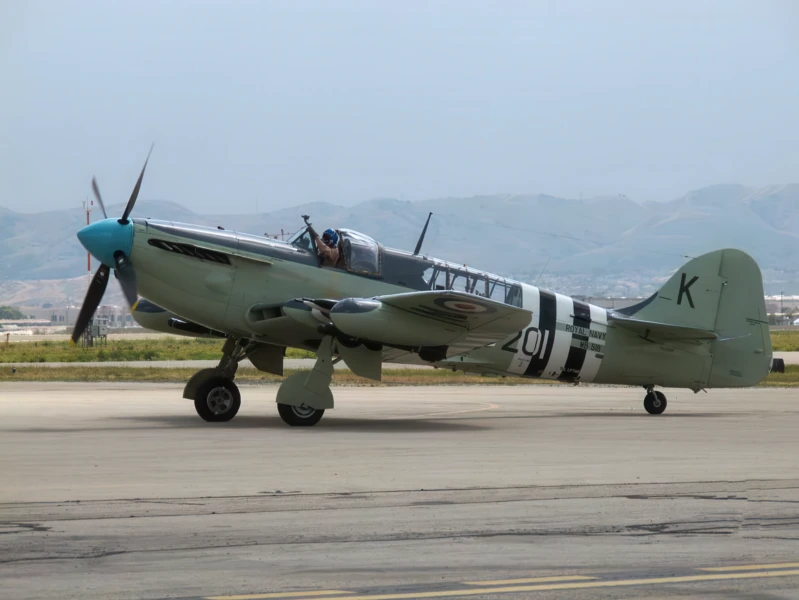
フェアリーホタル AS Mk 6 | |
|---|---|
| 国 | 英国 |
| 役割 | 戦闘爆撃機 |
| 初飛行 | 1941年12月22日 |
| 構築 | 1702 |
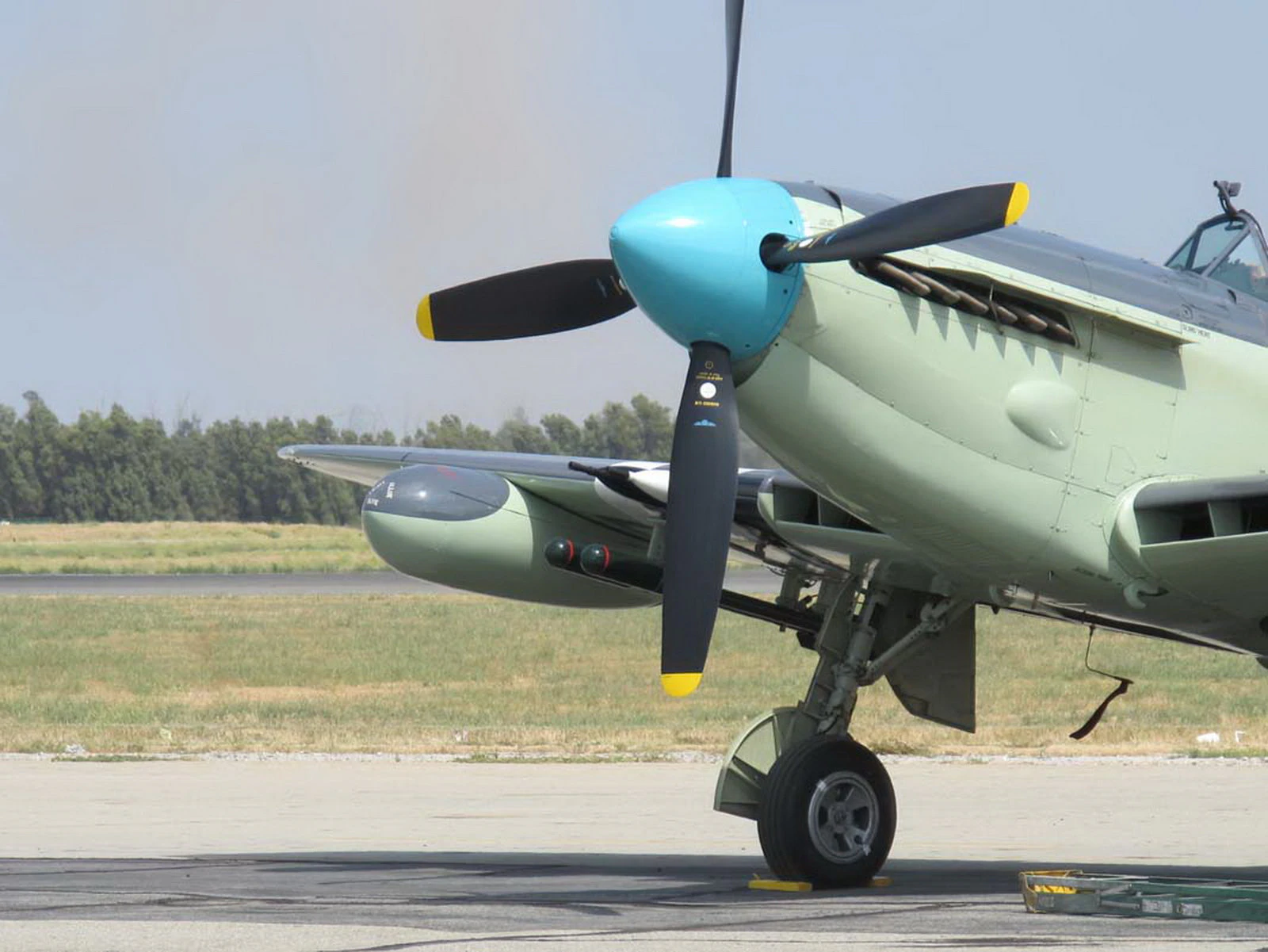
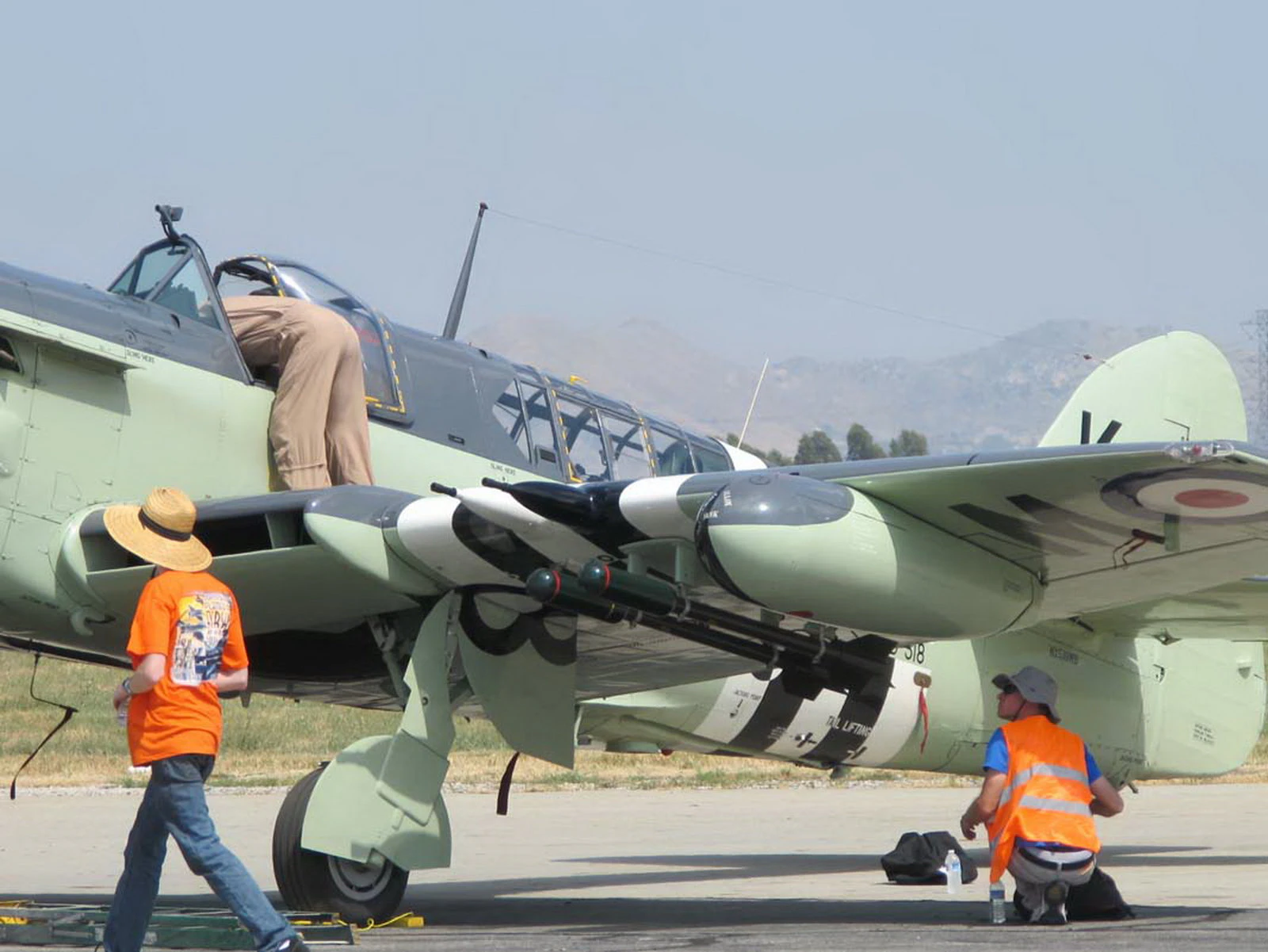
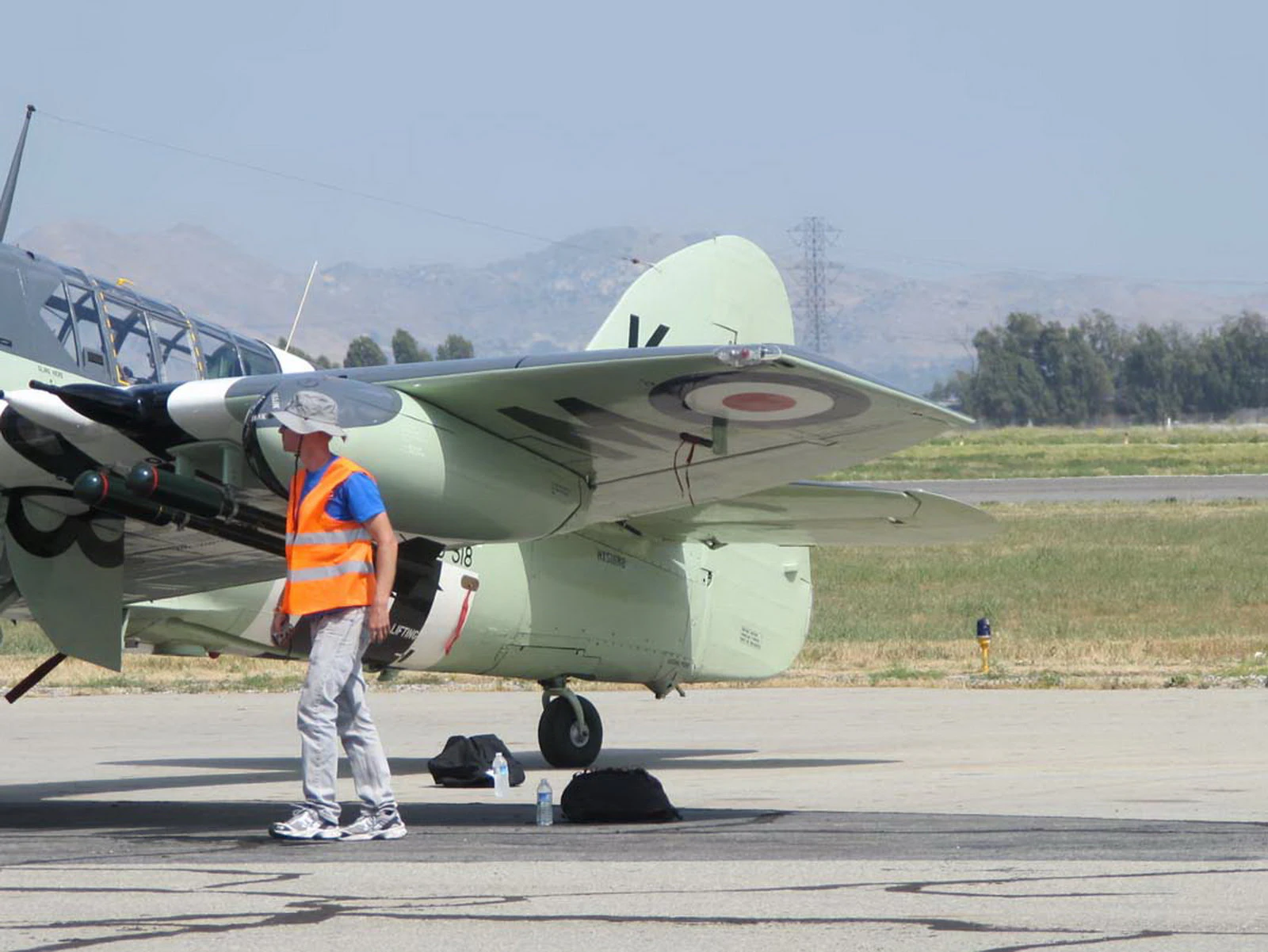
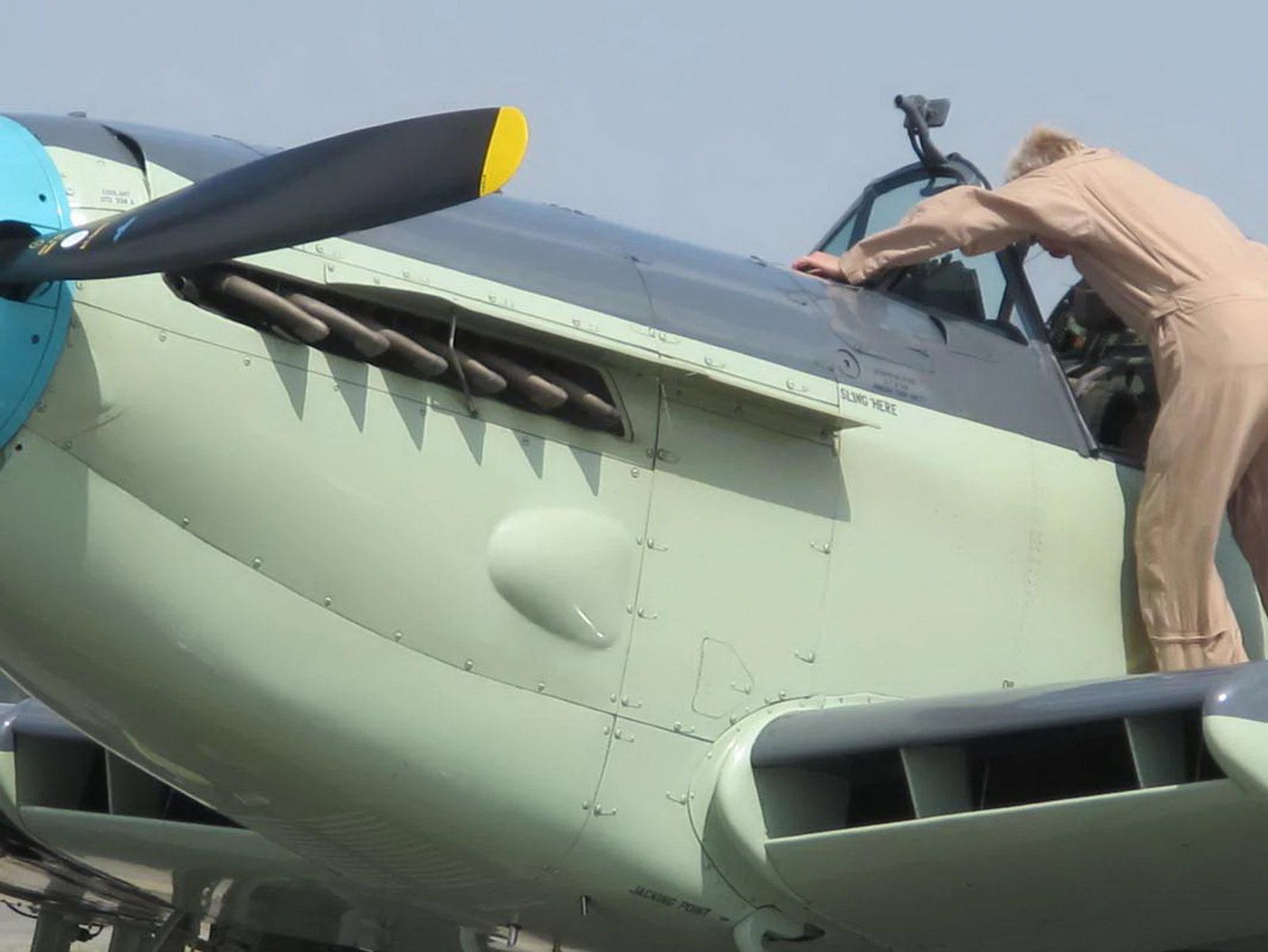
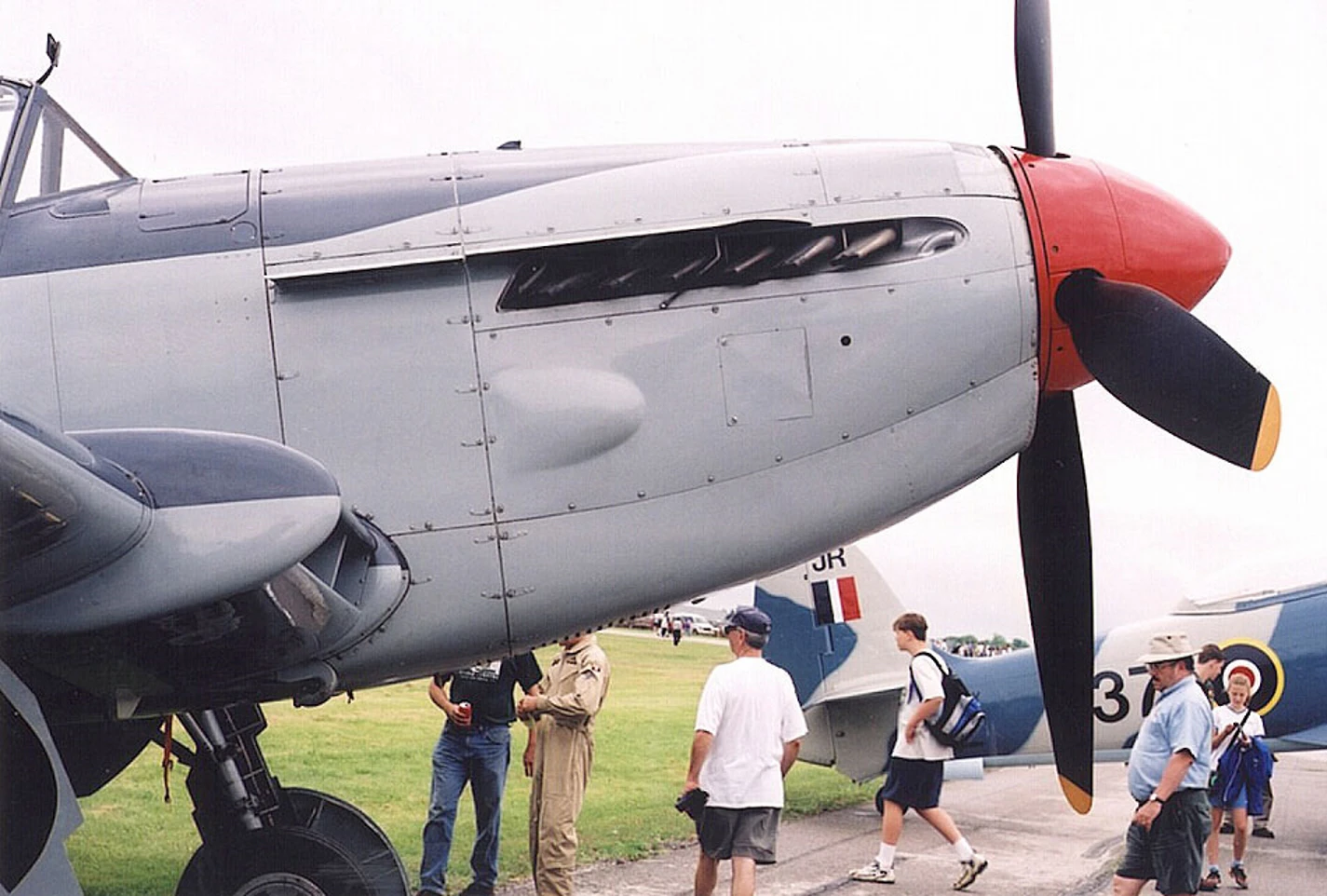
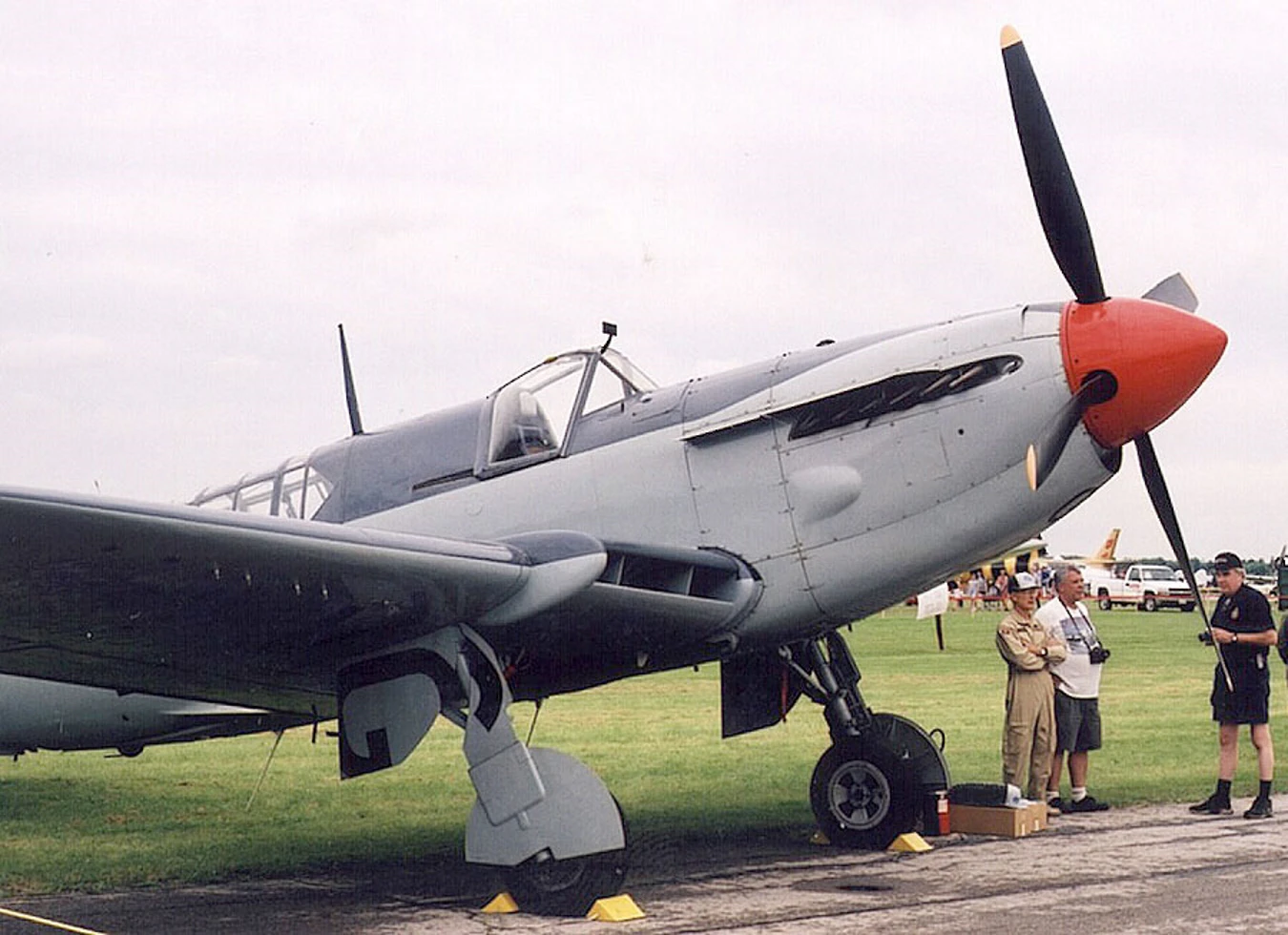
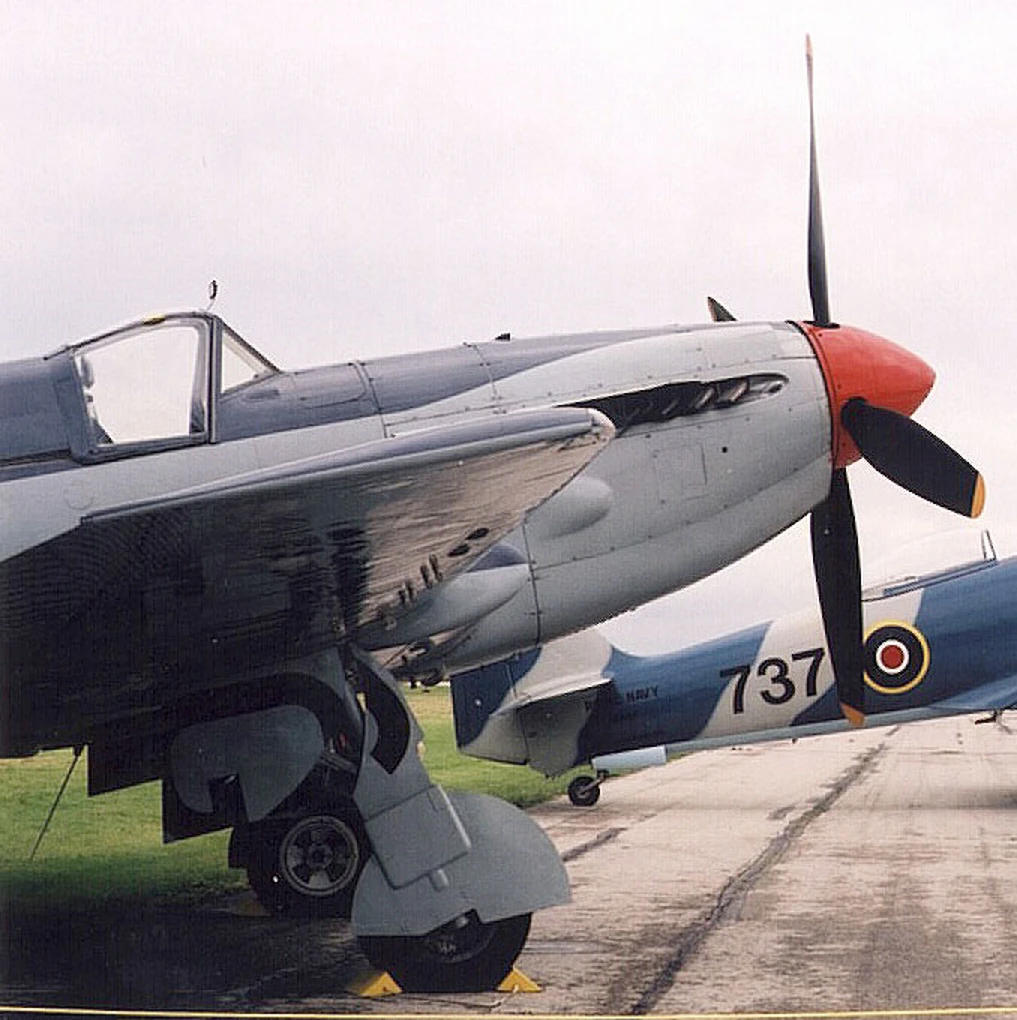
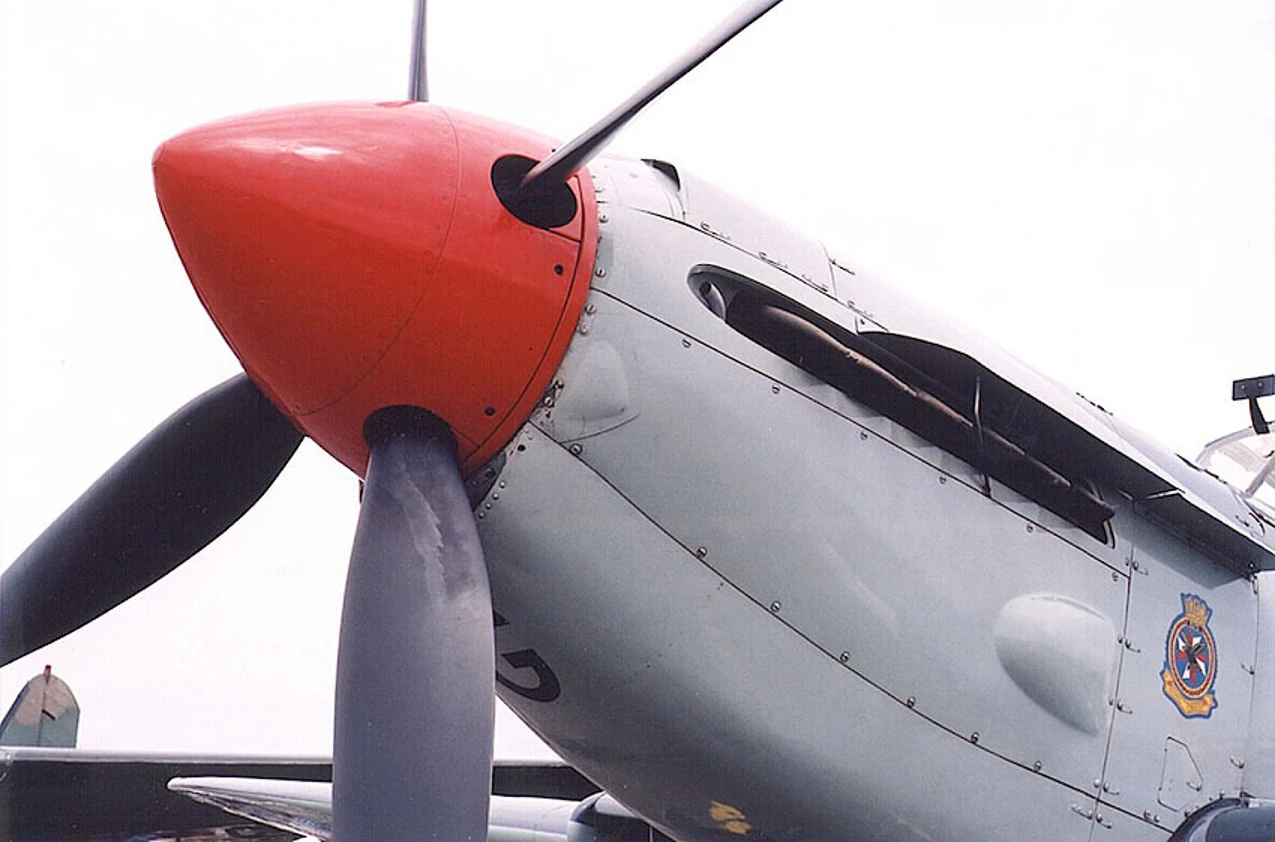
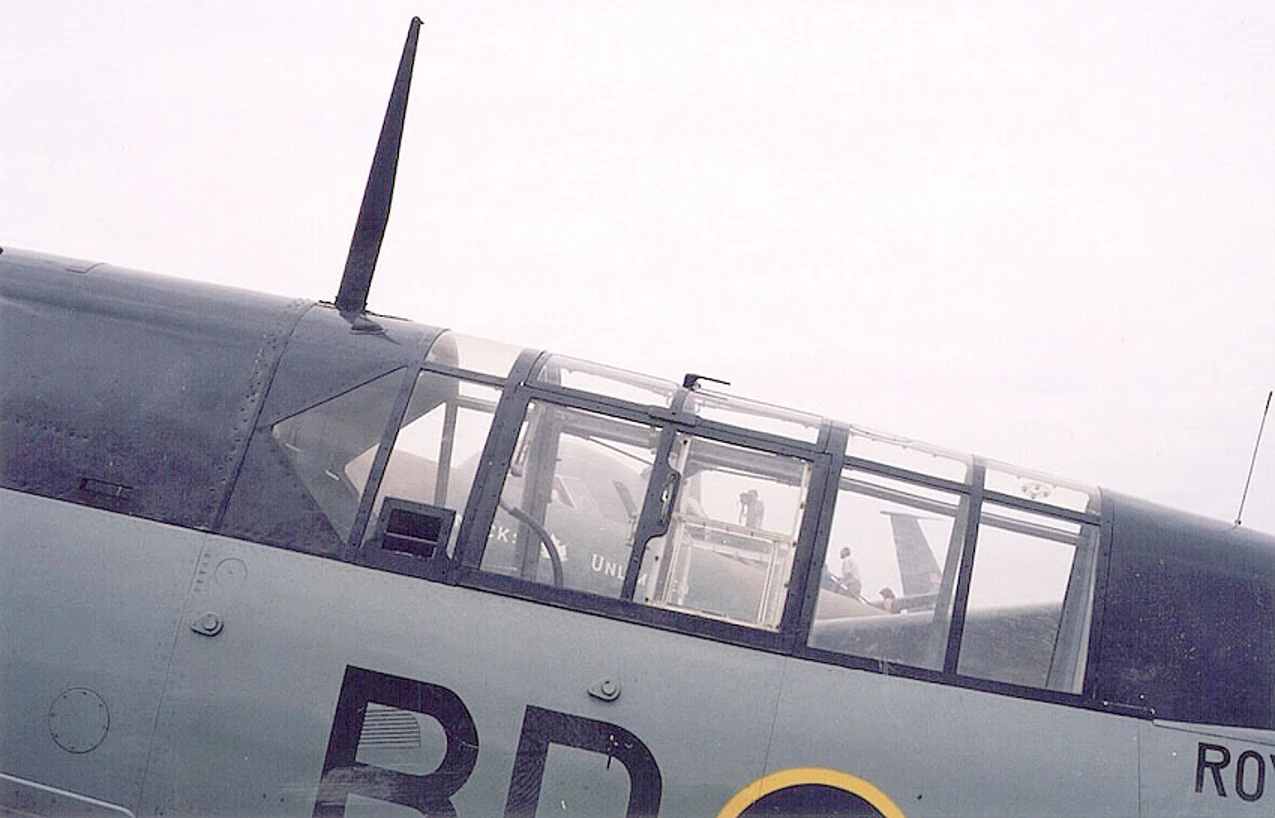
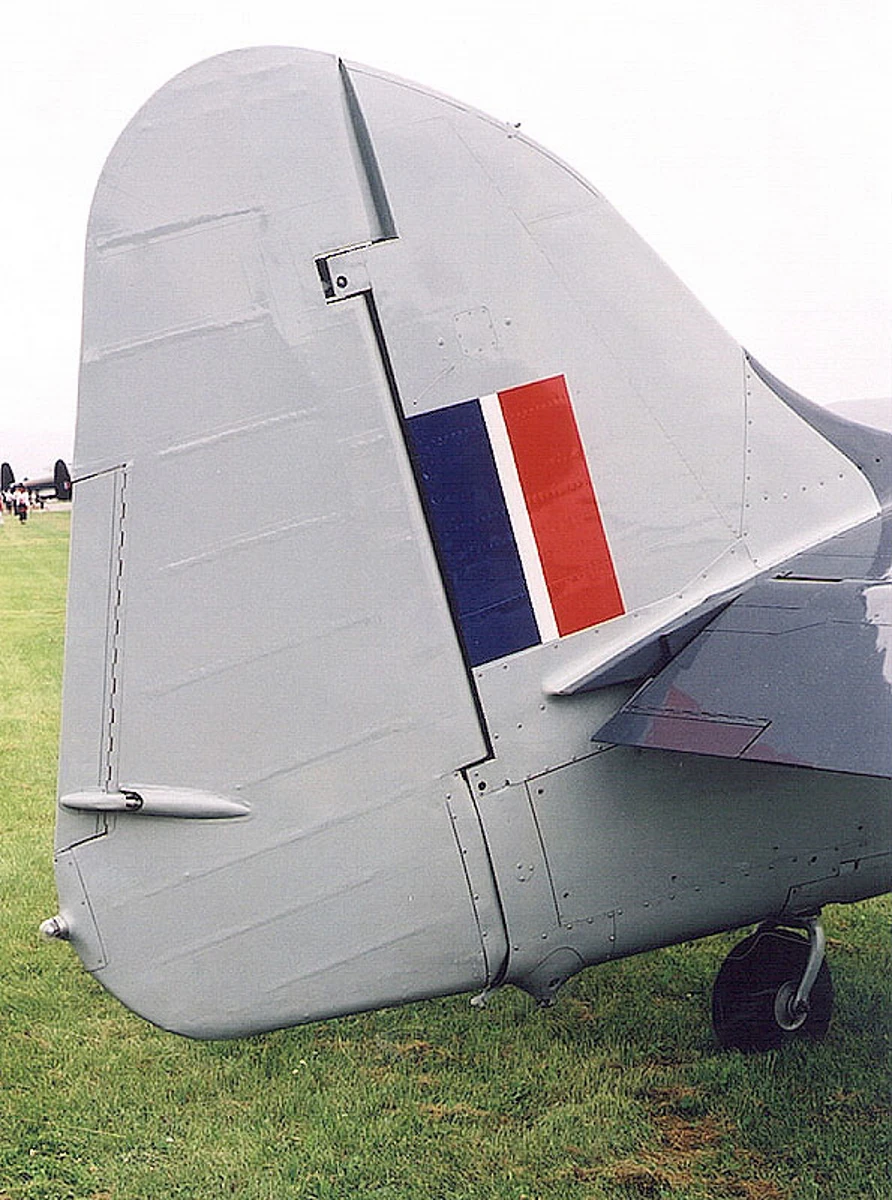
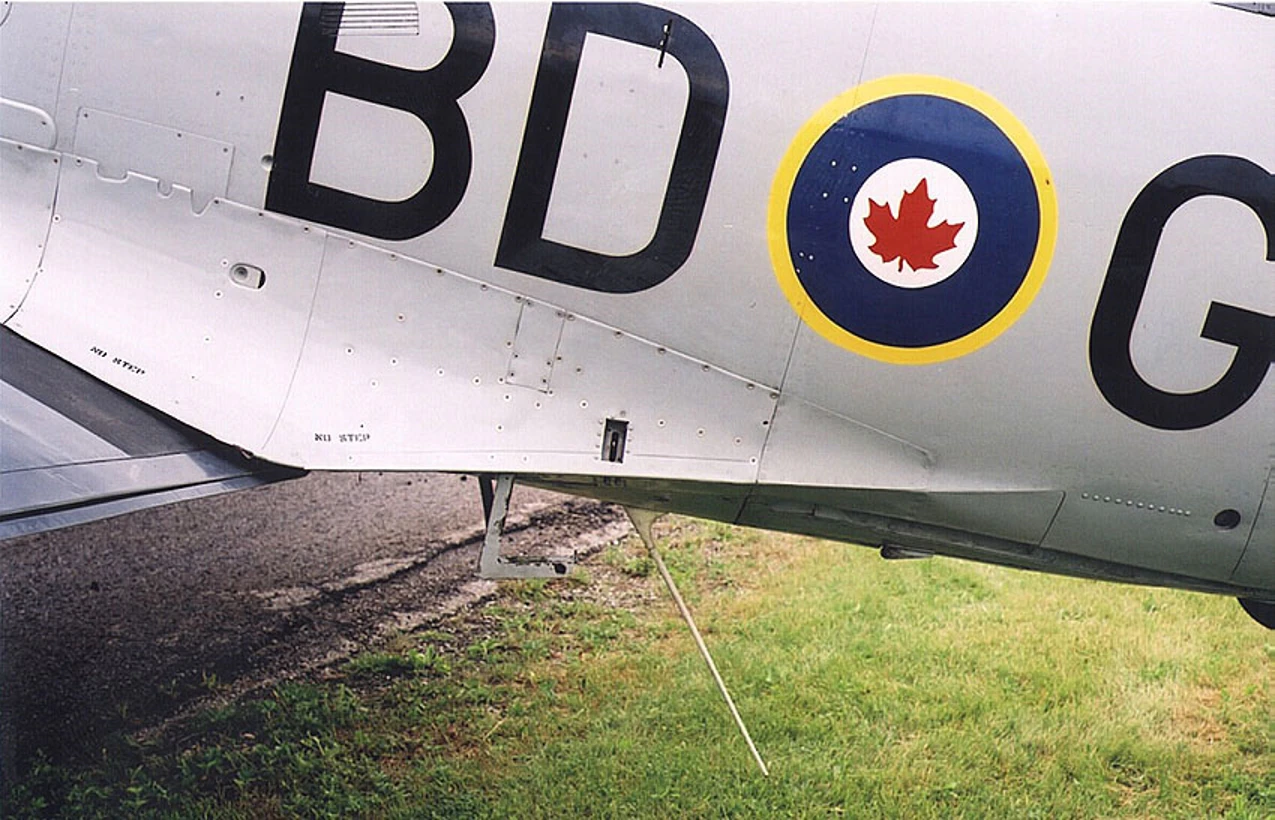
ザ フェアリーホタル ●イギリスの第二次世界大戦時代の艦母艦艦上戦闘機と艦隊航空隊(FAA)の対潜機でした。2人乗りの艦隊偵察/戦闘機の現代的なFAAコンセプトに設計され、パイロットとナビゲーター/武器の将校は別々のステーションに収容されました。それは前任者のフルマーよりも性能と火力に優れていたが、戦闘機として競争力がなくなった戦争の終わりに向かってのみ運用サービスに入った。重い機体の単一エンジンの限界は、その性能を低下させましたが、それはキャリア操作において頑丈で、長距離で、そしておとなしいことが判明しました。
ソース: ウィキペディアのフェアリー ホタル
| Fairey Firefly AS Mk 6 | |
|---|---|
| カメラマン | 知りません |
| ローカライズ | 知りません |
| 写真 | 36 |
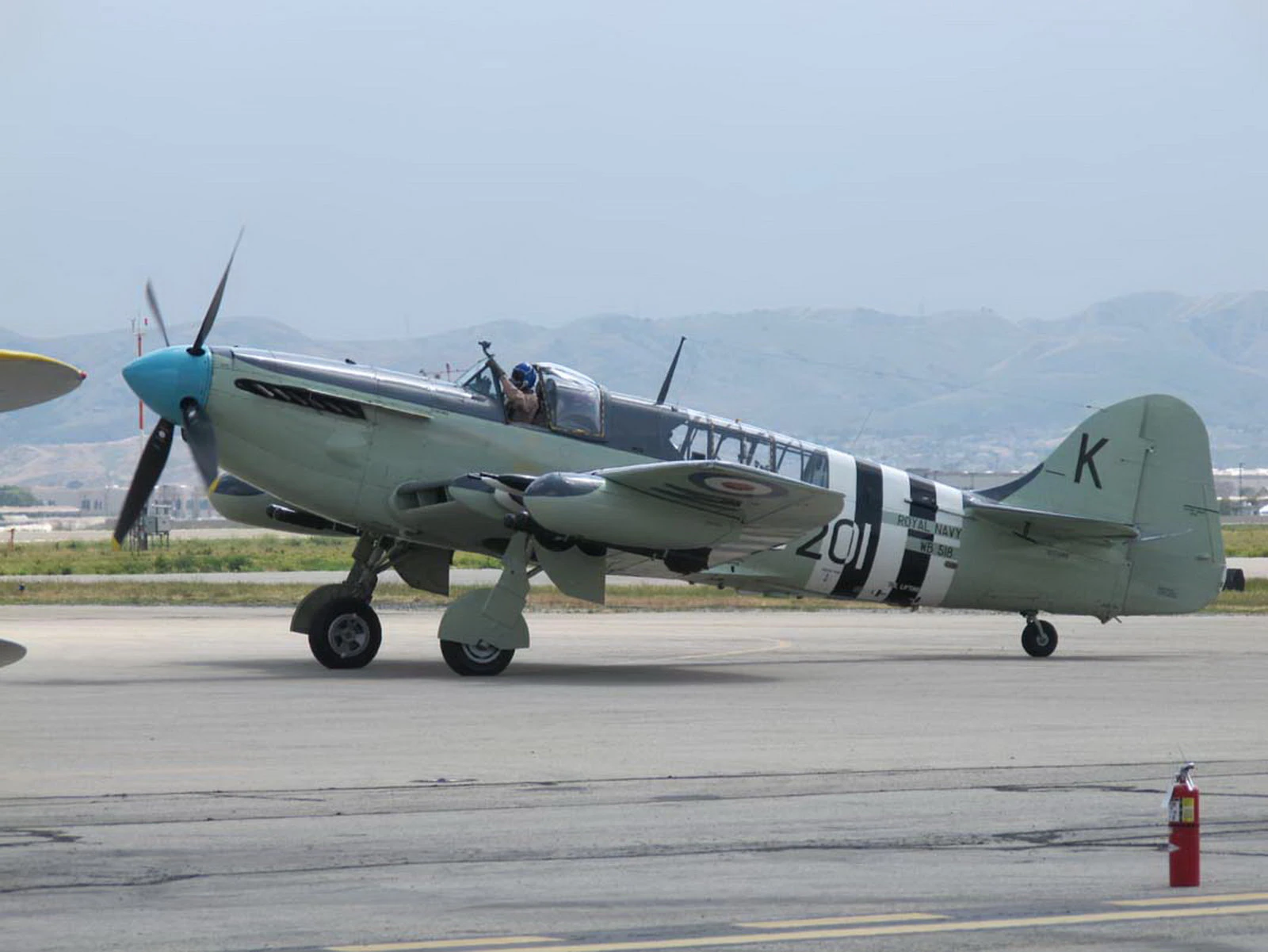
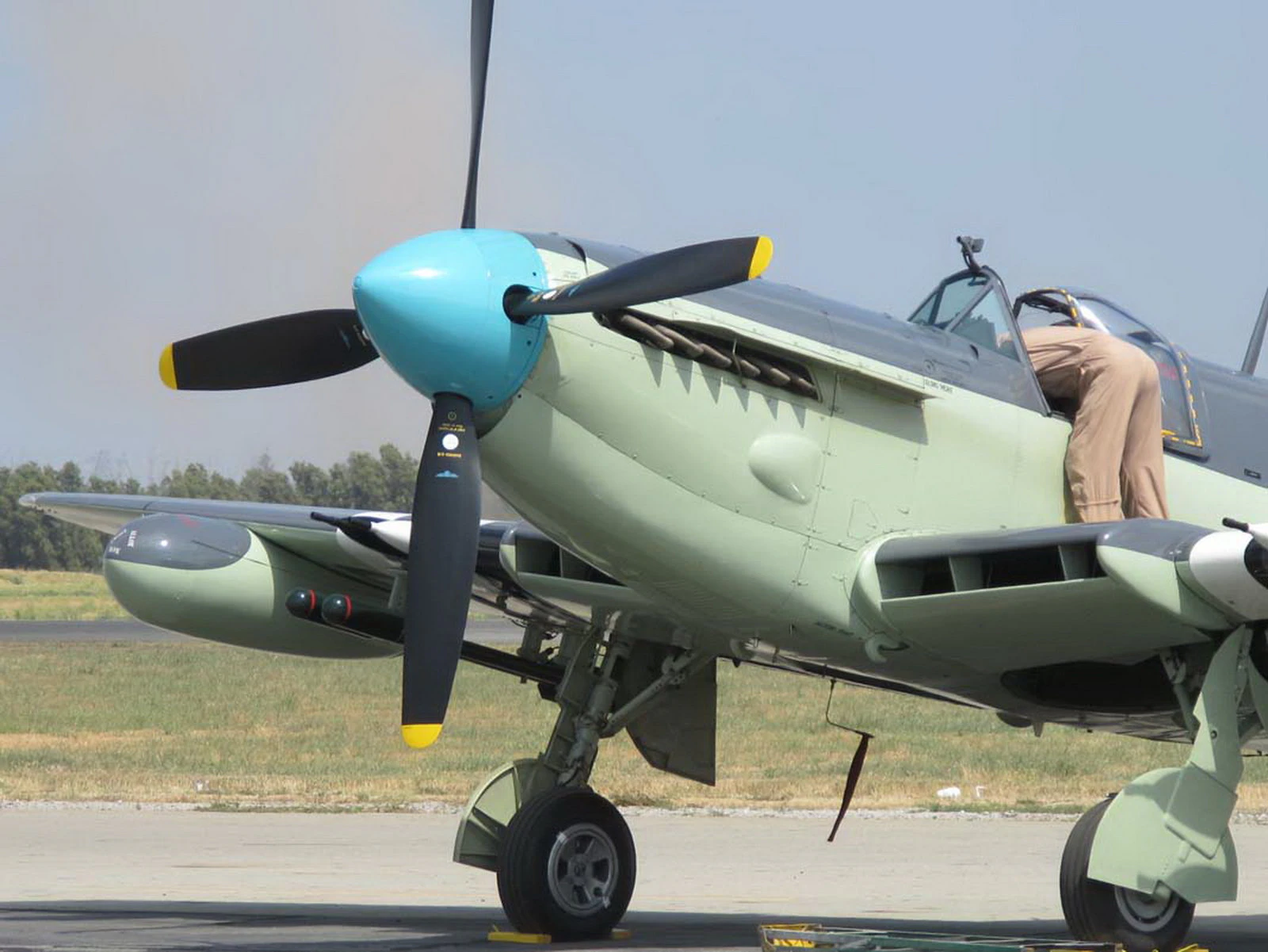
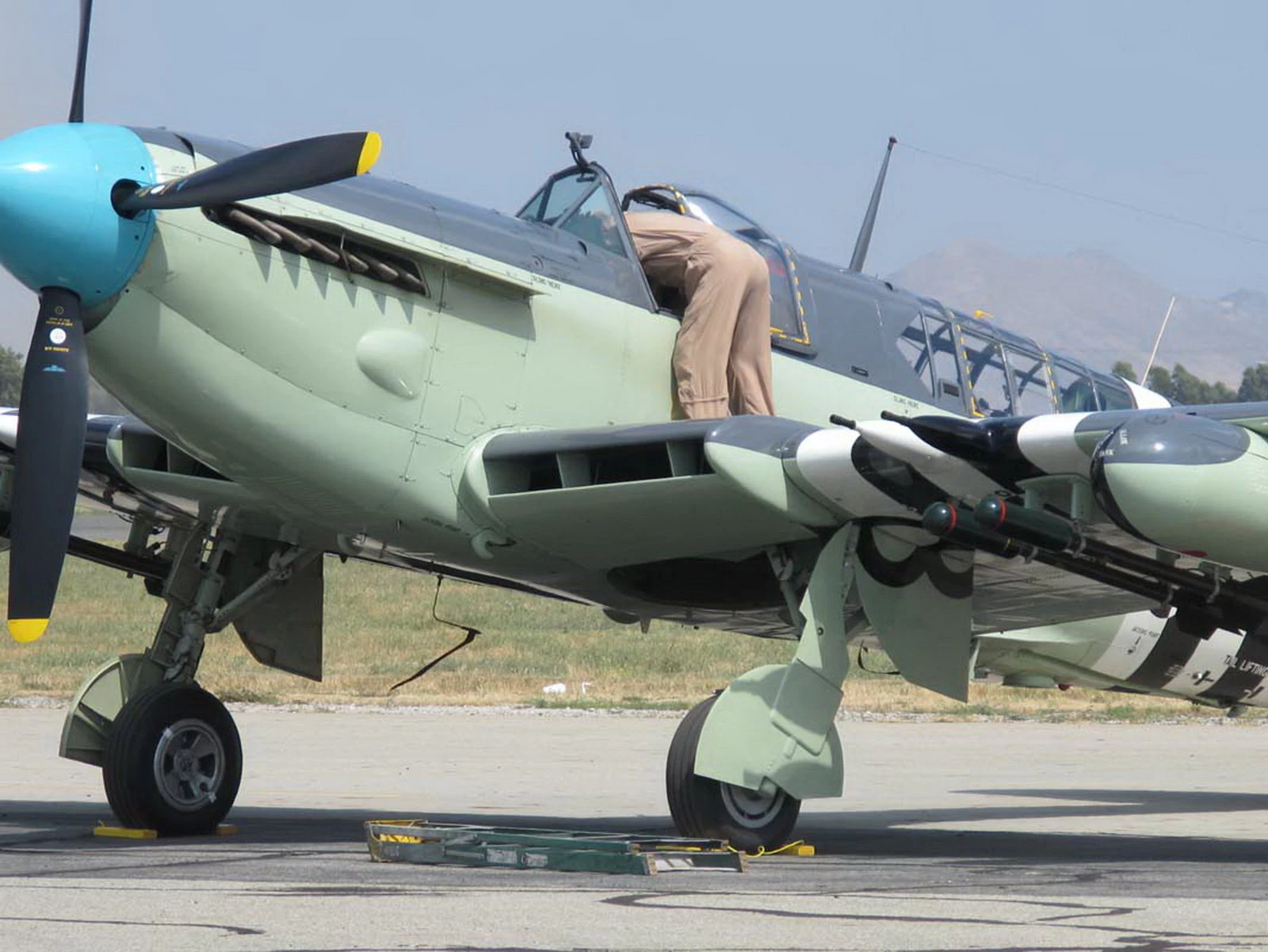

| Fairey Firefly Walk Around | |
|---|---|
| カメラマン | デレク・ペニントン |
| ローカライズ | 知りません |
| 写真 | 30 |
関連項目:


Evolution of a Naval Thoroughbred
ザ フェアリーホタル AS Mk 6 represents the peak of the Firefly’s evolution as a specialized Anti-Submarine (AS) platform. Originally designed during WWII as a two-seat fighter-reconnaissance aircraft, the post-war variants traded their cannons for sensors. By the time the Mk 6 arrived in the early 1950s, the threat had shifted from Axis ships to Soviet submarines. This version was the first to be entirely “gunless,” dedicated solely to the detection and destruction of sub-surface threats using an array of sonobuoys, radar, and depth charges.
| Attribute | Technical Specification (AS Mk 6) |
|---|---|
| 役割 | Anti-Submarine Warfare (ASW) |
| 乗組員 | 2 (Pilot and Observer/Radar Operator) |
| エンジン | 1 × Rolls-Royce Griffon 74 V12 (2,100 hp) |
| 最高速度 | 526 km/h (327 mph) at 14,000 ft |
| Cruise Speed | 336 km/h (209 mph) |
| 武装 | None (Internal cannons removed for equipment/fuel) |
| Underwing Stores | Sonobuoys, 2 × 1,000 lb bombs, or Depth Charges |
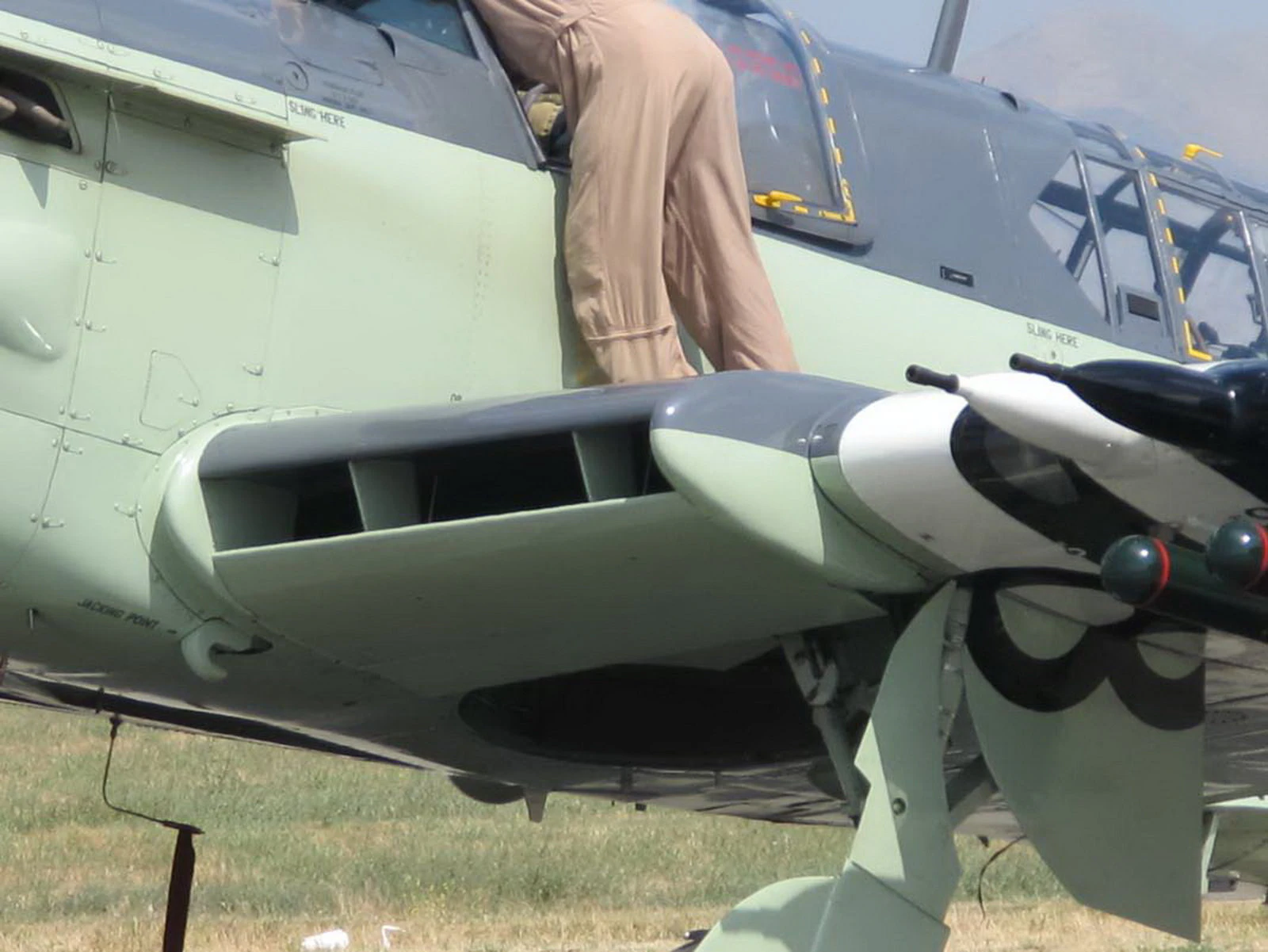
| Special Equipment | ASH Radar in starboard wing pod |
Design Engineering: The Griffon and the “Youngman” Flaps
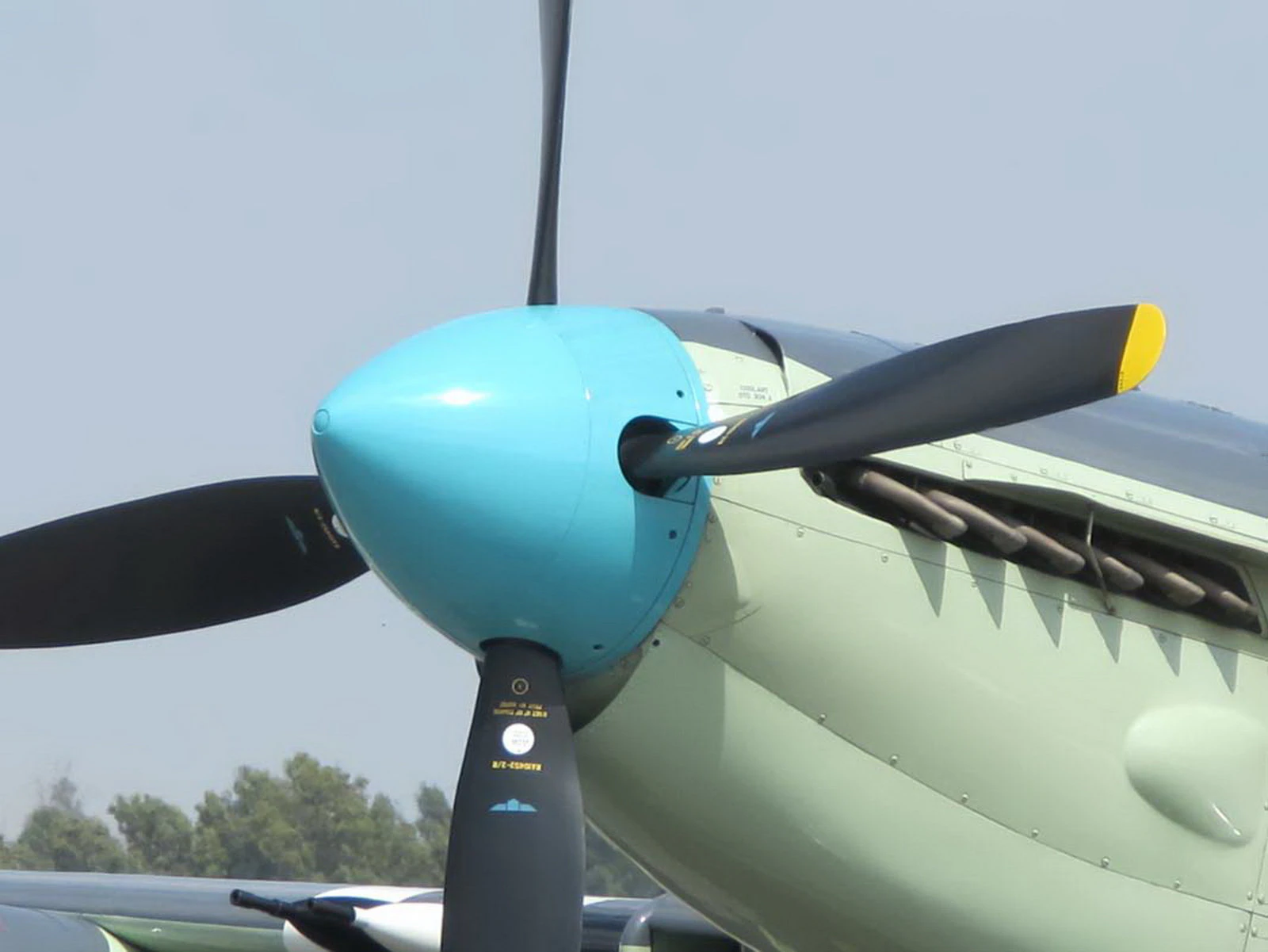
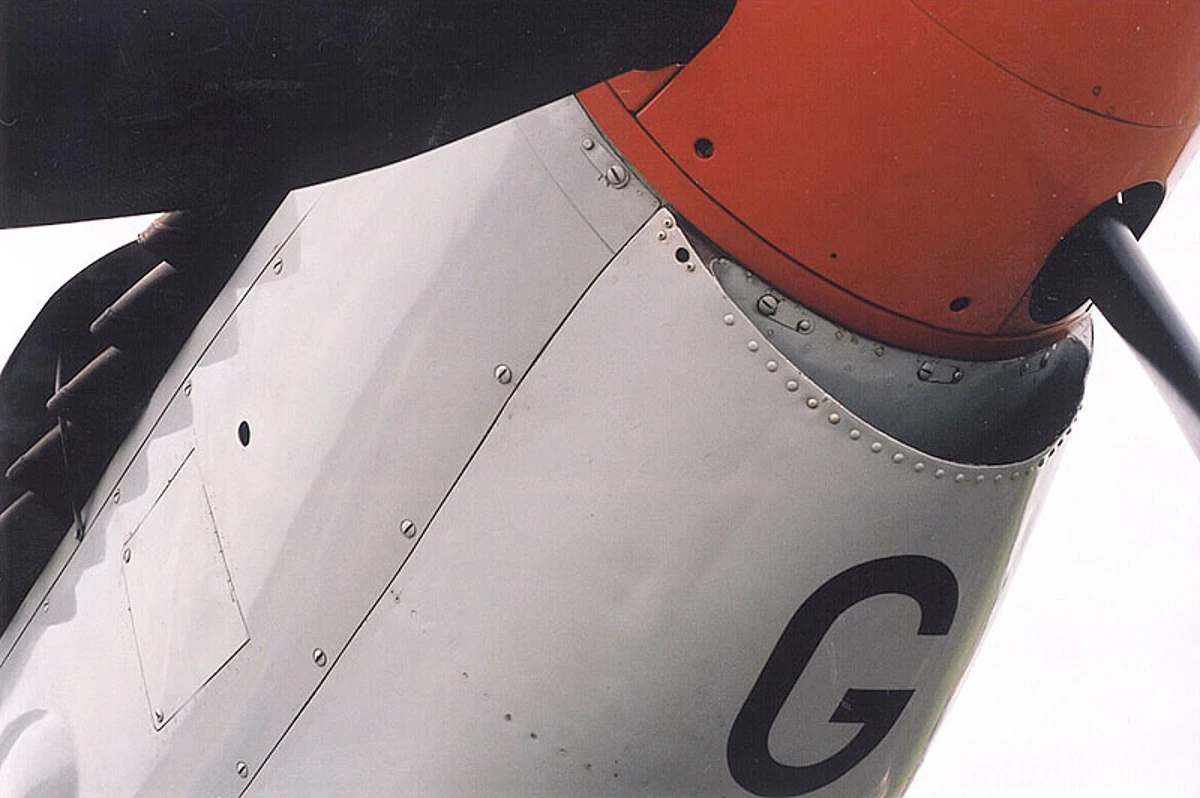
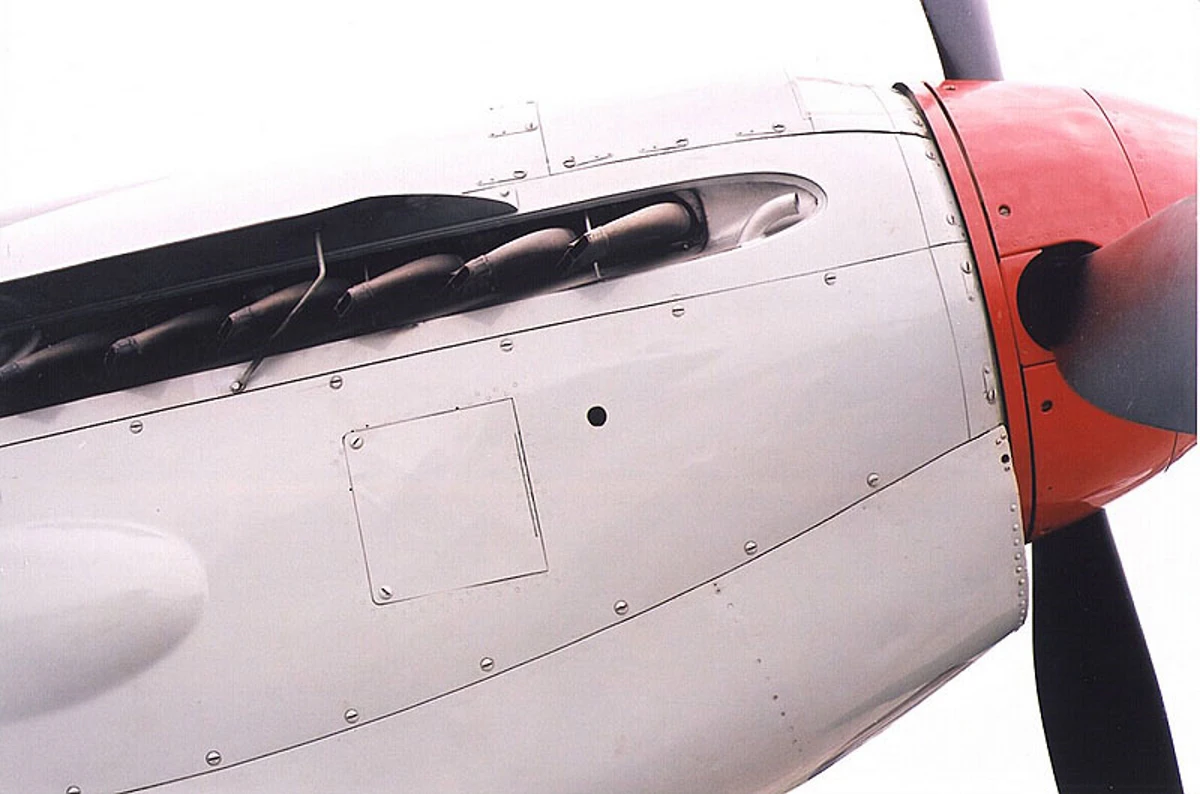
- The Griffon Engine: Replacing the older Merlins, the massive Rolls-Royce Griffon drove a four-blade propeller. The Griffon gave the Firefly the low-end torque required to lift heavy anti-submarine gear off the short decks of British Light Fleet Carriers.
- Youngman Flaps: These were the Firefly’s secret weapon. These complex flaps could be extended below the wing not just for landing, but for cruising and combat. In the “cruise” position, they increased lift and allowed the plane to fly very slowly while loitering over a suspected submarine contact.
- The “Gunless” Mk 6: Unlike the Mk 5 which retained four 20mm cannons, the Mk 6 removed them entirely. This allowed for more internal fuel and specialized radio gear, turning the aircraft from a hybrid fighter into a dedicated, long-endurance hunter.
- Tandem Cockpits: The pilot sat forward, while the observer sat in a separate, secluded cockpit behind the trailing edge of the wing. From there, the observer managed the “ASH” radar and monitored the sonobuoy drops, essentially acting as the brains of the hunt.
Operational History: The Korean War and Beyond
- The Korean War: Fireflies (mostly Mk 5s and 6s) were workhorses in Korea, flying from carriers like HMS Theseus そして Ocean. While the Mk 6 was specialized for ASW, they were often used for “armed reconnaissance,” spotting targets for the fleet’s big guns and hunting North Korean coastal traffic.
- International Hunter: The AS Mk 6 was exported to several allies, most notably オーストラリア. The Royal Australian Navy (RAN) operated them from HMAS シドニー, where they were highly regarded for their reliability in the harsh Pacific environment.
- The Transition to Jet Power: The Firefly AS Mk 6 served as the vital bridge for the Fleet Air Arm, holding the line until the turboprop-powered Fairey Gannet could take over the specialized anti-submarine role in the mid-1950s.
- The Blue Hen: Because of the observer’s cramped, window-heavy cockpit in the rear, the aircraft was sometimes jokingly compared to a “flying greenhouse.”
再生 : 3352
また、次の項目もご覧ください。
 Antonov An-28 – Photos & Video
 Fuji T-3 – Photos & Videos
 Waco 10 – 写真&ビデオ
 HandleyPage Victor – Photos & Video
 Dassault Super Mystere B.2 – 写真&ビデオ
 スーパーマリンスピットファイアMK。XIV – 写真とビデオ
 North American AT-6D Texan – Photos & Video
 ロッキードF-35ライトニングII – 写真&ビデオ
 Grumman F-11A Tiger – Photos & Video
 セスナ ドラゴンフライ – 写真&ビデオ