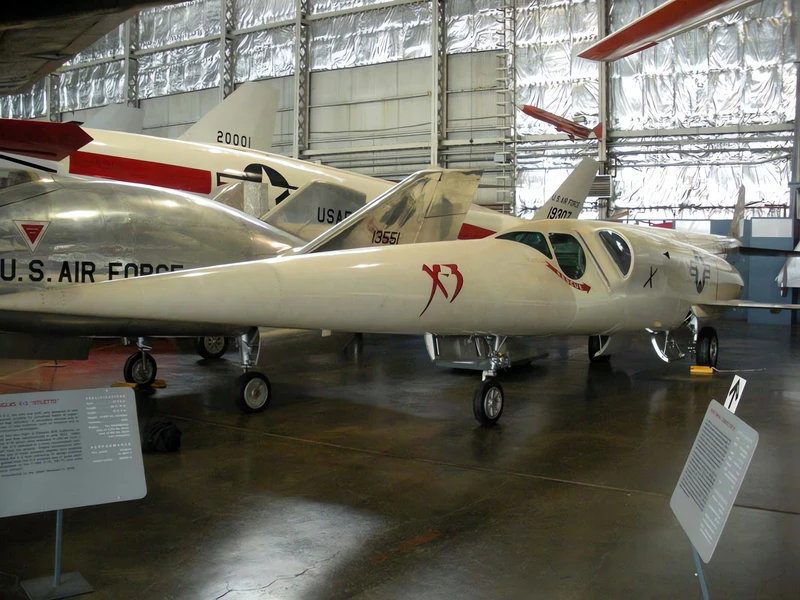
Douglas X-3 Stiletto | |
|---|---|
| Pays | Usa |
| Rôle | expérimental |
| Premier vol | 15 octobre 1952 |
| Construit | 1 |
Lla Douglas X-3 Stiletto était un avion à réaction expérimental américain des années 1950 avec un fuselage mince et un long nez conique, fabriqué par la Douglas Aircraft Company. Sa mission principale était d’étudier les caractéristiques de conception d’un avion adapté à des vitesses supersoniques soutenues, ce qui comprenait la première utilisation du titane dans les principaux composants de la cellule. Douglas a conçu le X-3 avec l’objectif d’une vitesse maximale d’environ 2 000 m.p.h, mais il était cependant sérieusement sous-alimenté à cet effet et ne pouvait même pas dépasser Mach 1 en vol en palier. Bien que l’avion de recherche ait été une déception, les concepteurs de Lockheed ont utilisé les données des tests X-3 pour le Lockheed F-104 Starfighter qui utilisait une conception d’aile trapézoïdale similaire dans un chasseur Mach 2 réussi.
| Douglas X-3 Stiletto Walk Around | |
|---|---|
| Photographers | Randy Ray, John Heck |
| Localisation | National Museum of the USAF |
| Photos | 64 |
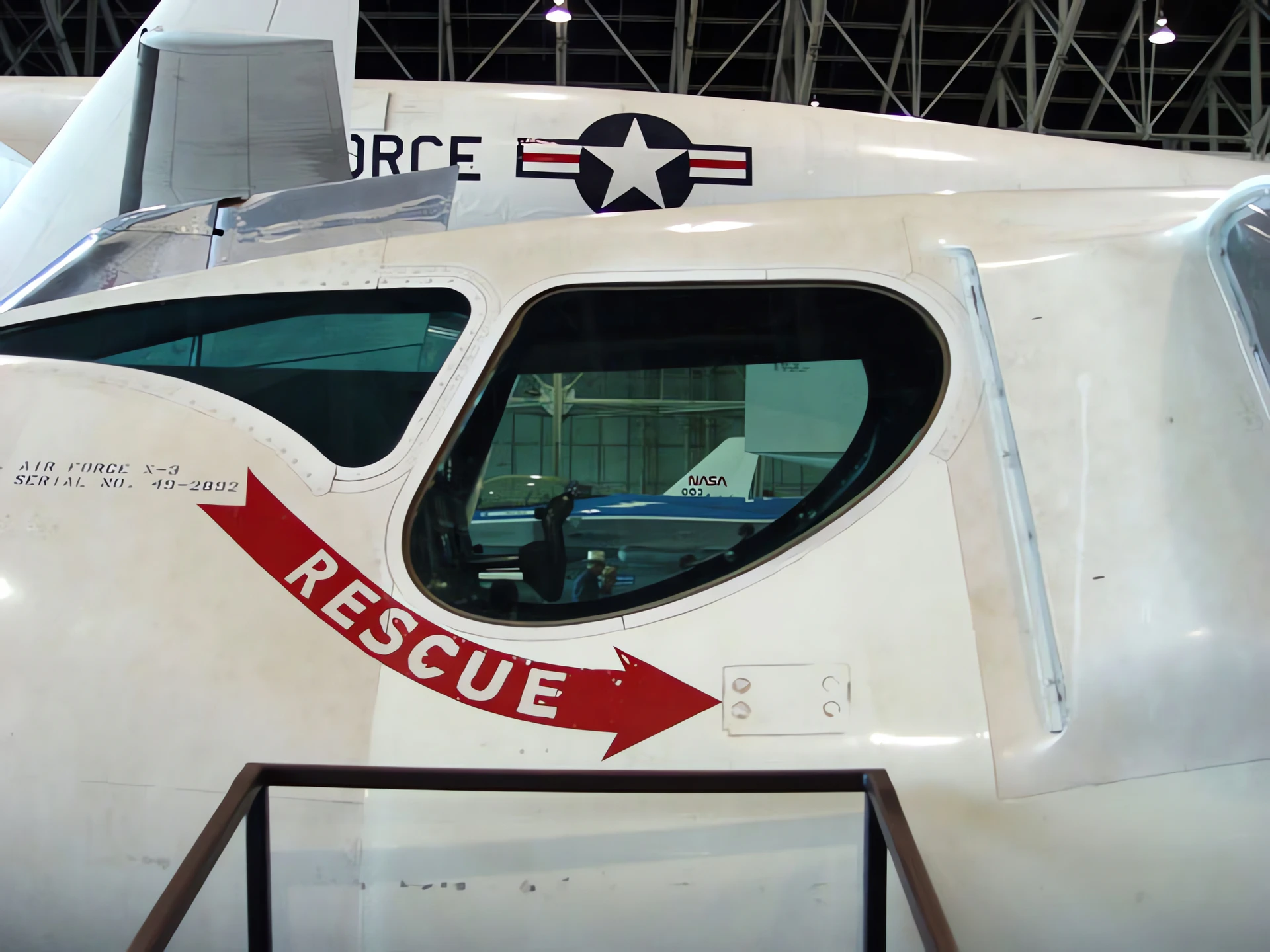
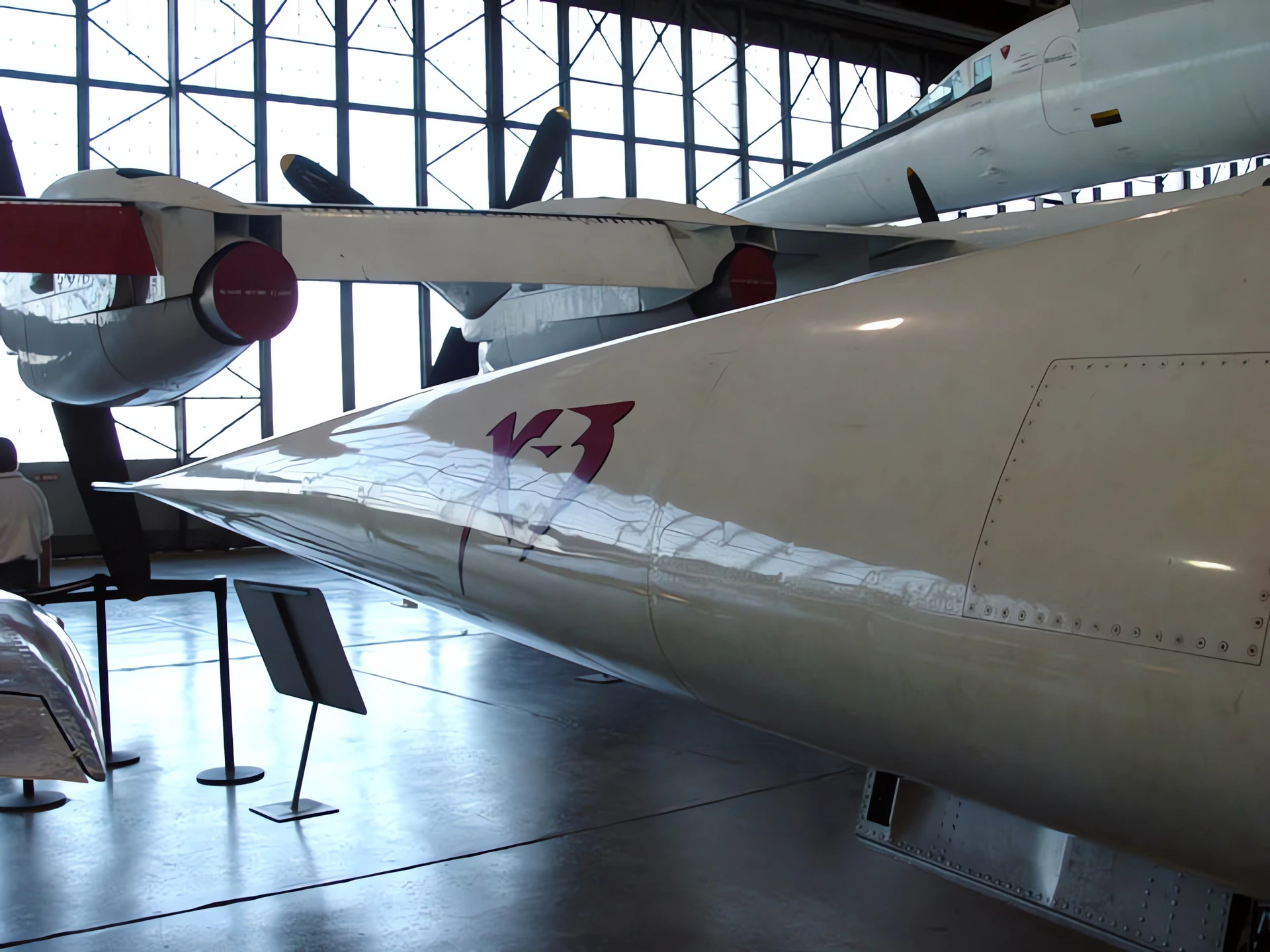
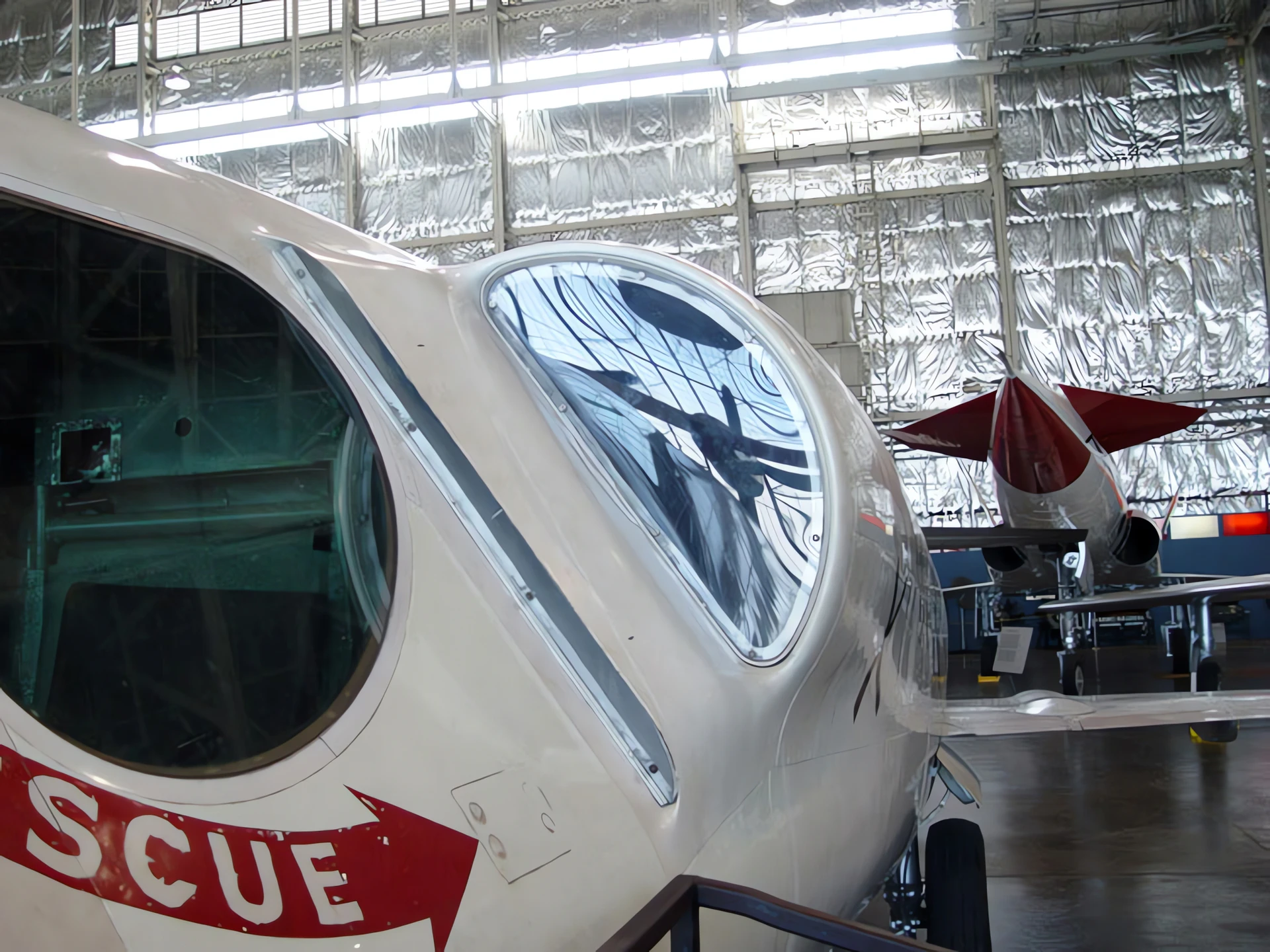
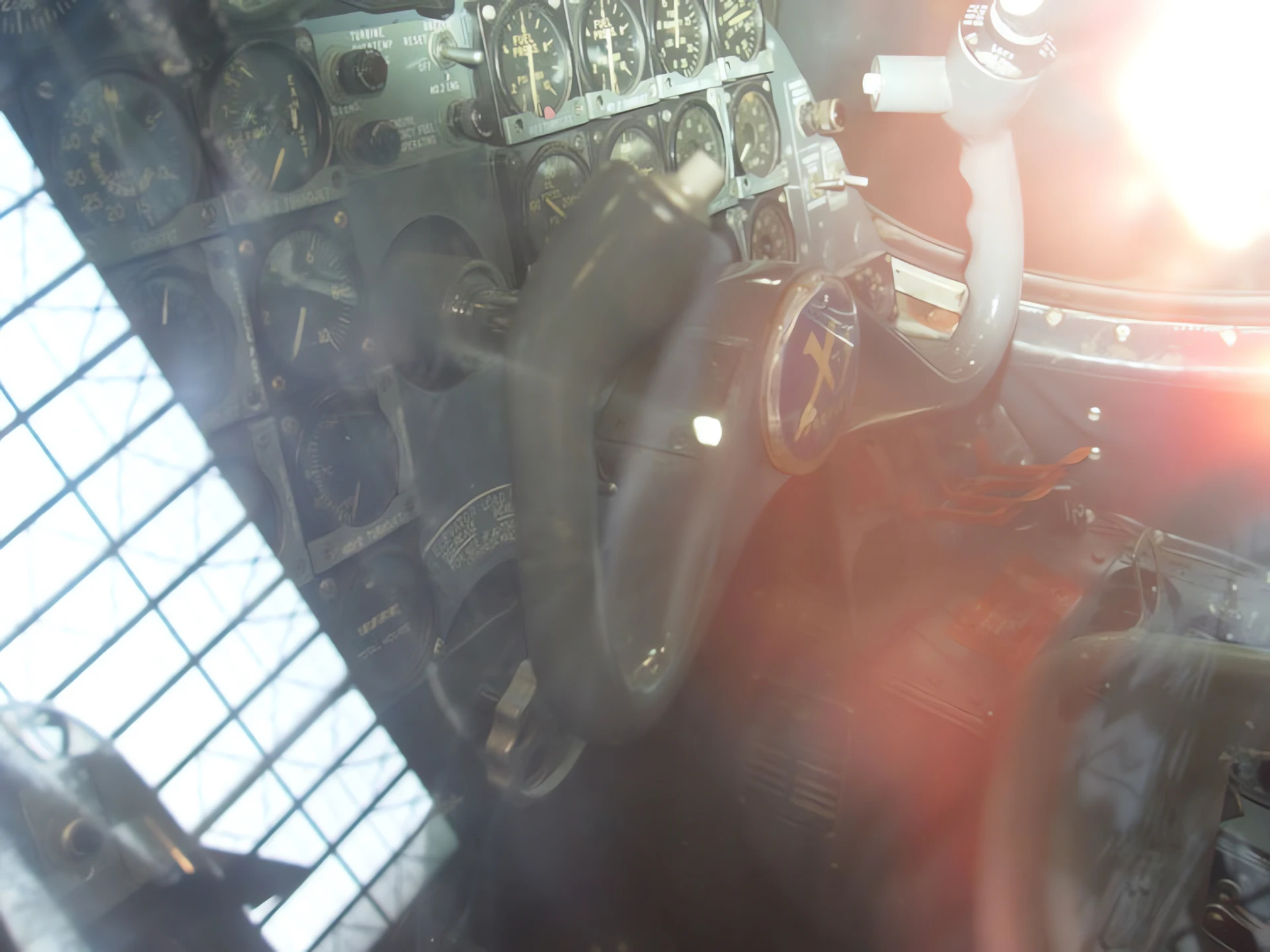
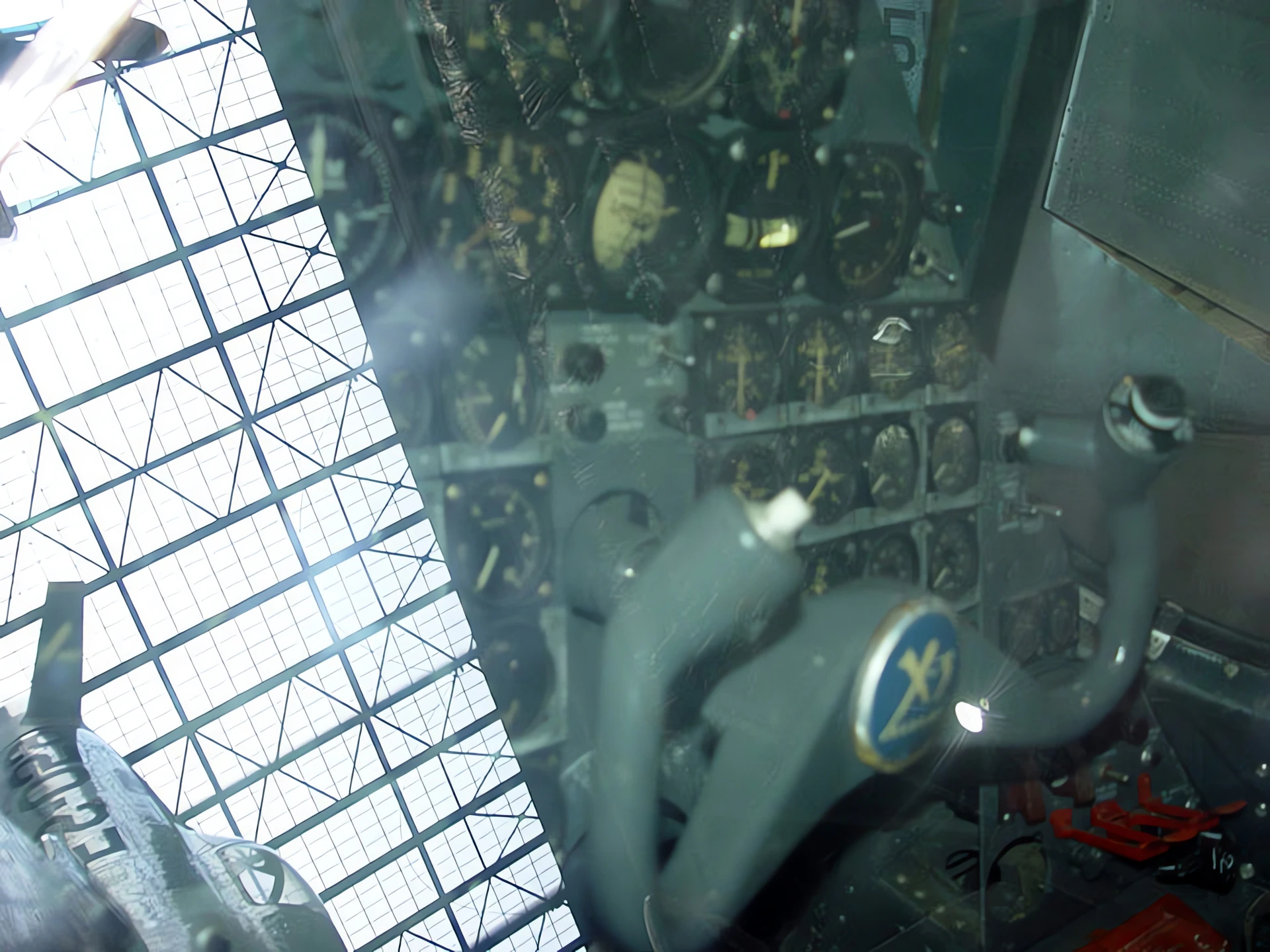
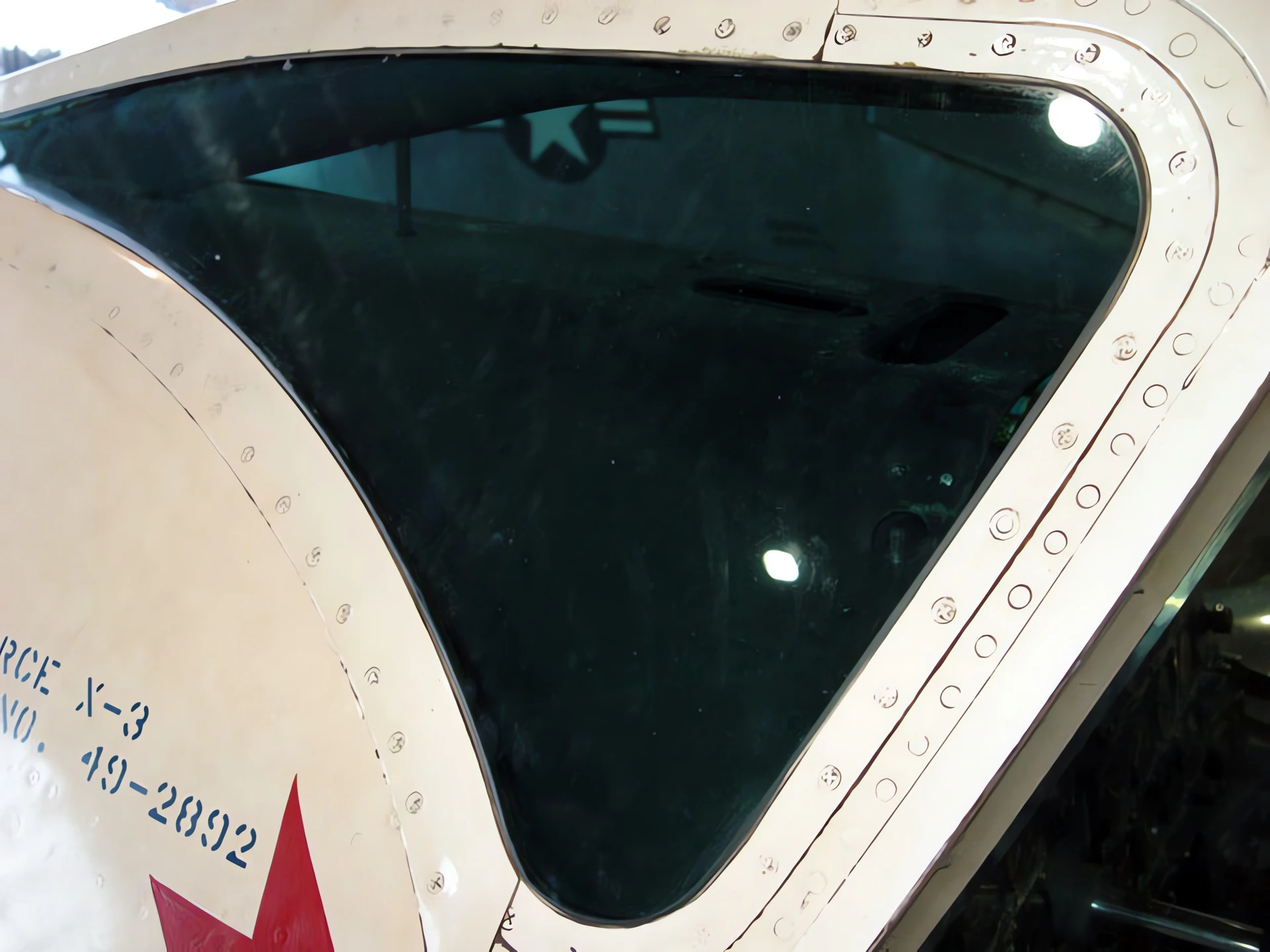

| Douglas X-3 Walk Around | |
|---|---|
| Photographe | Garfield Ingram |
| Localisation | Inconnu |
| Photos | 35 |
Voir aussi :


| Douglas X-3 Stiletto Walk Around | |
|---|---|
| Photographer | Meindert de Vreeze |
| Localisation | National Museum of the USAF |
| Photos | 44 |

The Shape of Things to Come
Lla Douglas X-3 Stiletto was perhaps the most visually striking experimental aircraft of the 1950s. Designed to test the effects of sustained supersonic flight, it featured a slender fuselage, a long, tapered nose, and tiny, trapezoidal wings. While the X-3 failed to reach its intended design speeds due to being severely underpowered, it became an invaluable research tool for structural engineering, pioneering the use of titanium in aircraft construction and providing the data that made the Lockheed F-104 Starfighter possible.
| Attribute | Technical Specification (Douglas X-3) |
|---|---|
| Rôle | Experimental High-Speed Research Aircraft |
| Crew | 1 (Pilot) |
| First Flight | October 15, 1952 |
| Groupe motopropulseur | 2 × Westinghouse J34-WE-17 afterburning turbojets |
| Thrust | 3,370 lbf (15.0 kN) each / 4,850 lbf with afterburner |
| Vitesse maximale | Mach 1.21 (Reached) / Mach 2.0 (Design Goal) |
| Envergure | 22 ft 8 in (6.91 m) |
| Length | 66 ft 9 in (20.35 m) |
Design Innovations and Challenges
- High Fineness Ratio: The X-3 had an incredibly high « fineness ratio » (length vs. width), designed to pierce the « sound barrier » with minimal drag. Its nose was so long that the pilot sat far back from the tip, necessitating a specialized downward-ejection seat.
- The First Titanium Jet: The X-3 was the first aircraft to make extensive use of titanium in its major airframe components. This was necessary to handle the « thermal thicket »—the intense heat generated by air friction at speeds above Mach 2.
- Underpowered Reality: The original plan called for Westinghouse J46 engines, which failed to materialize. The substitute J34 engines were so weak that the X-3 could barely exceed Mach 1 in a level flight, usually requiring a dive to reach supersonic speeds.
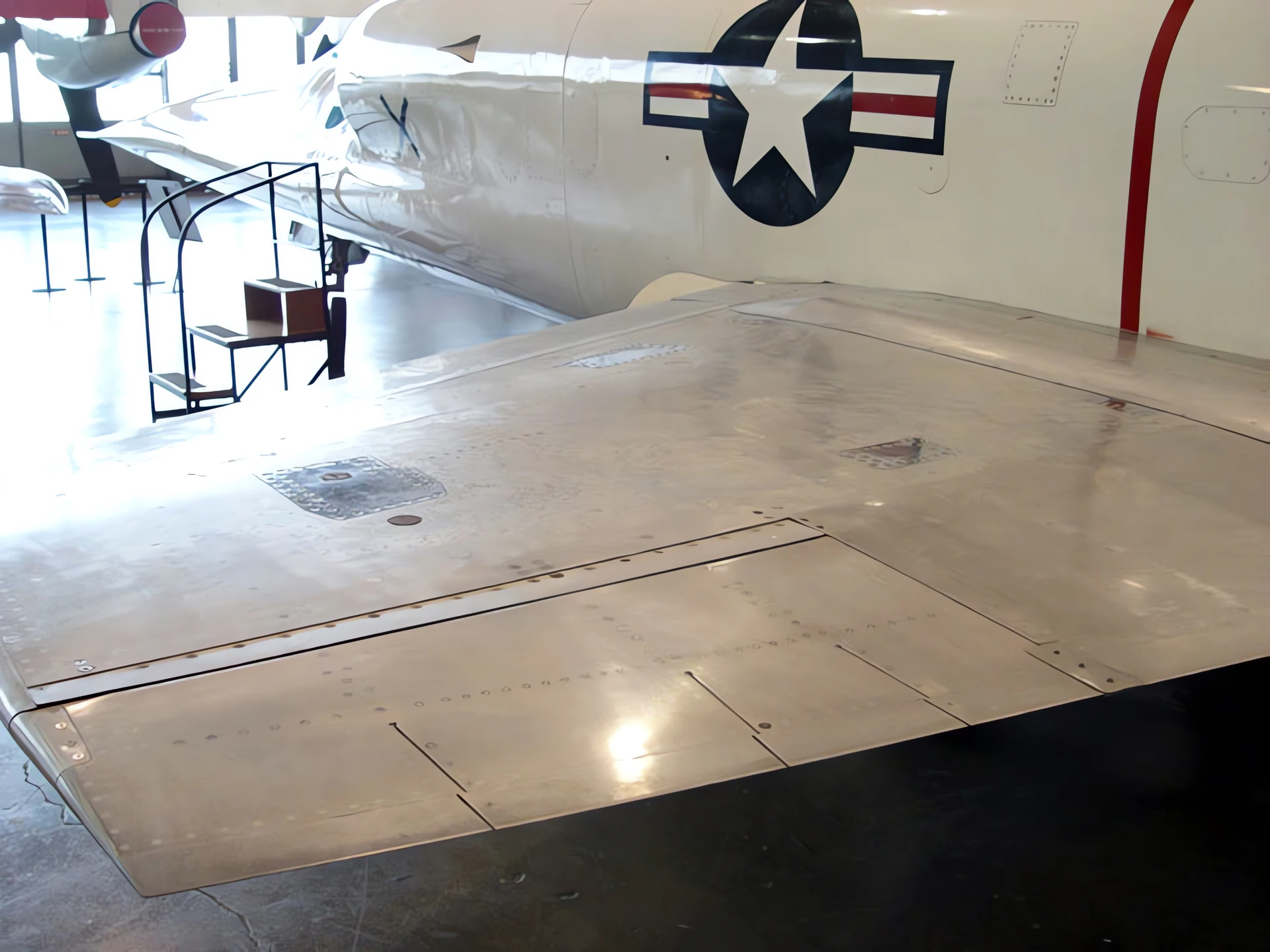
- Trapezoidal Wings: The wings were tiny, thin, and straight (non-swept). This design offered low drag at supersonic speeds but made takeoffs and landings extremely dangerous, with a landing speed of roughly 200 mph (322 km/h).
Inertial Coupling and Legacy
- Inertial Coupling Discovery: During a test flight in 1954, pilot Joseph Walker experienced « inertial coupling »—a violent, uncontrollable roll/yaw maneuver caused by the mass distribution of the long fuselage. This data was critical in redesigning the tail surfaces of the F-100 Super Sabre.
- Lla « Starfighter » Connection: The thin, stubby wing data from the X-3 was directly applied by Kelly Johnson at Lockheed to create the F-104 Starfighter, often called the « Missile with a Man in It. »
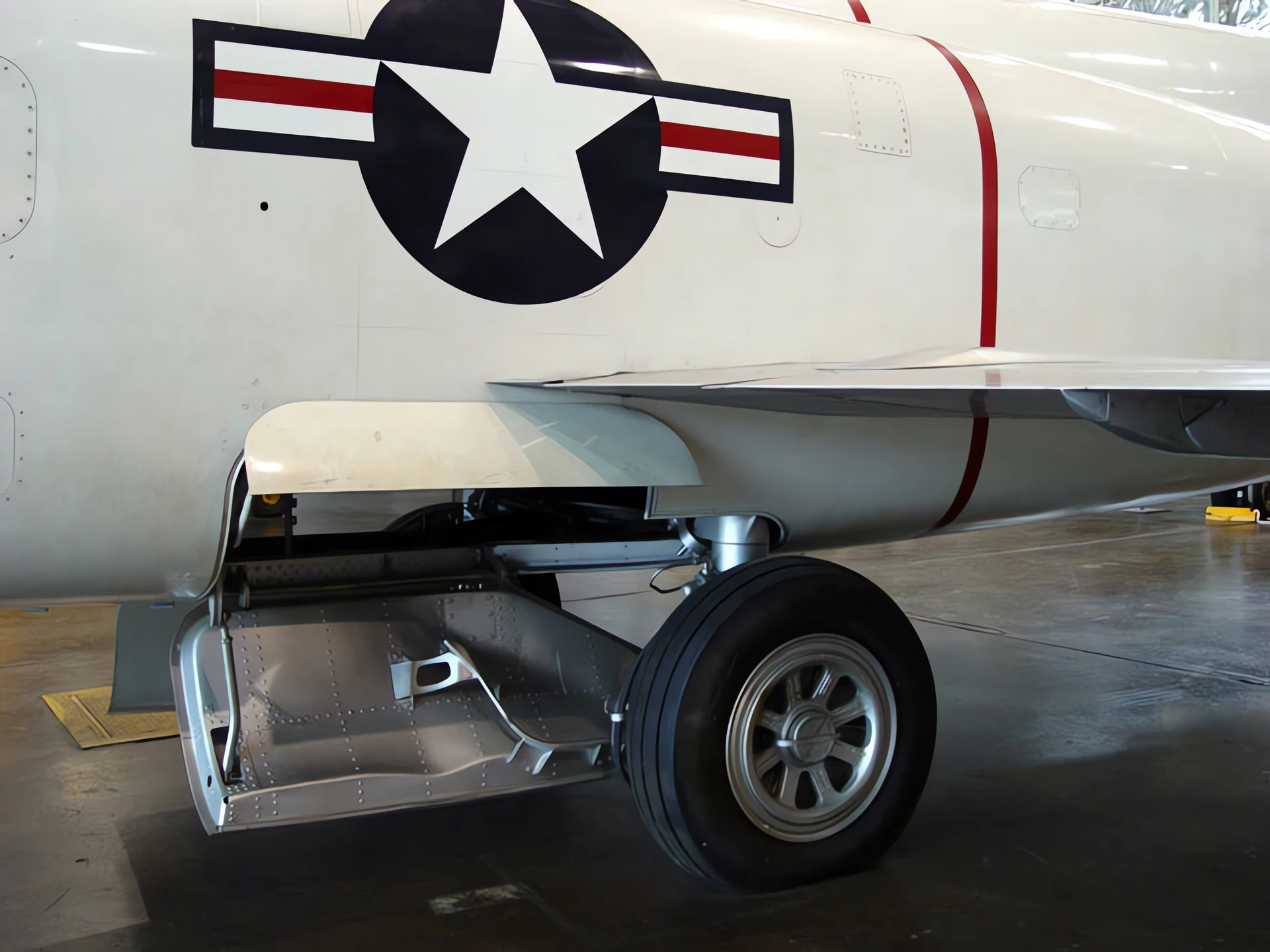
- Tire Technology: Because of its exceptionally high takeoff and landing speeds, the X-3 forced engineers to develop entirely new high-pressure tire compounds and heat-resistant wheel assemblies.
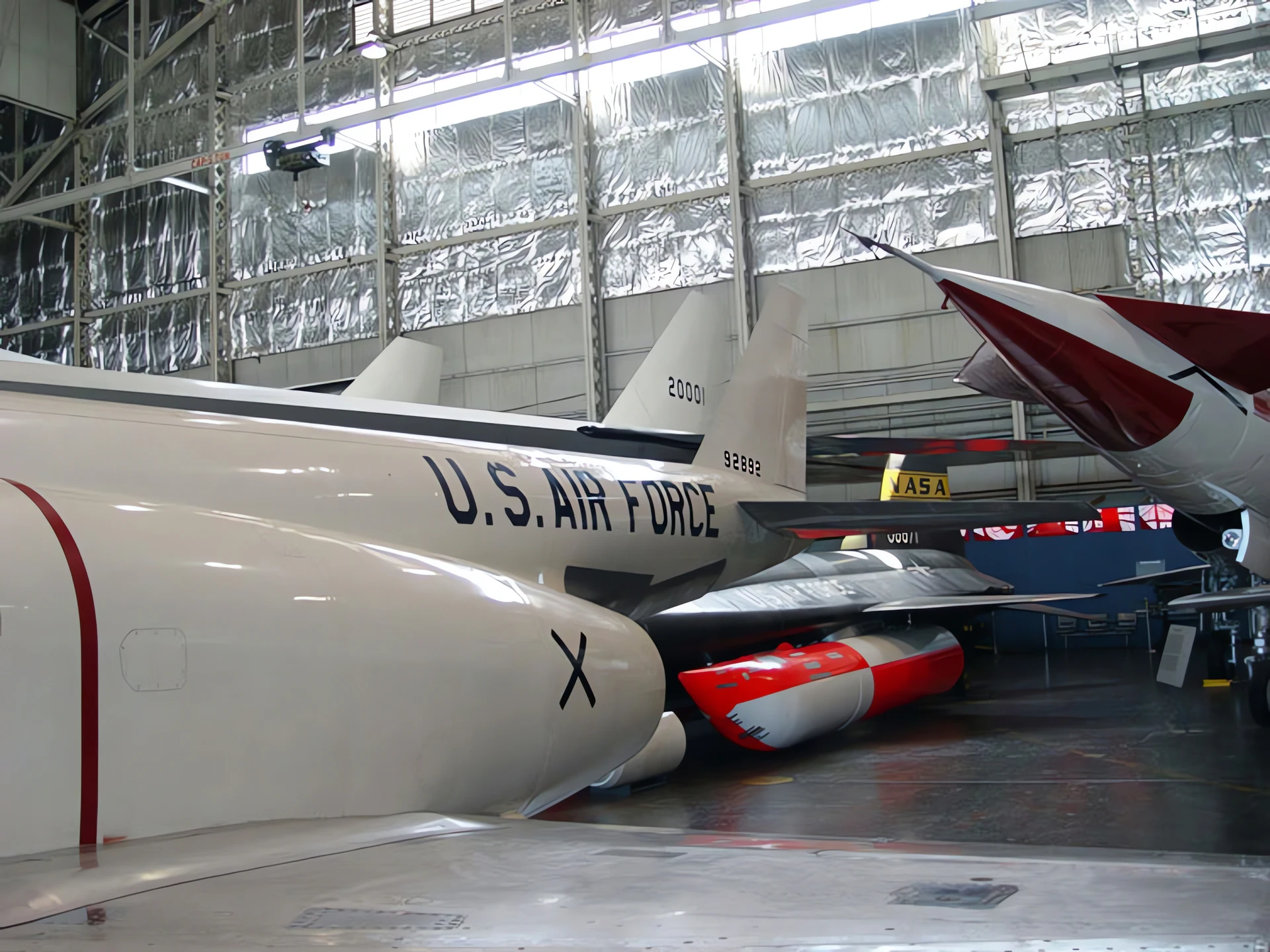
- Preservation: The sole surviving X-3 Stiletto is currently on display at the National Museum of the United States Air Force in Dayton, Ohio.
Vues : 3240
Vous pouvez voir aussi :
 ST Aerospace A-4SU Super Skyhawk – Photos & Vidéos
 Douglas B-18 Bolo – Photos & Vidéos
 Douglas World Cruiser – Photos et vidéos
 Douglas O-38 – Photos et vidéo
 Douglas C-47 Skytrain – Photos et vidéo
 McDonnell Douglas T-45 Goshawk – Photos et vidéo
 Douglas DC-8 – Photos et vidéo
 Douglas A-26 Invader – Photos et vidéo
 Douglas TF-10B Skyknight – Photos & Vidéo
 Douglas C-47 Dakota - WalkAround