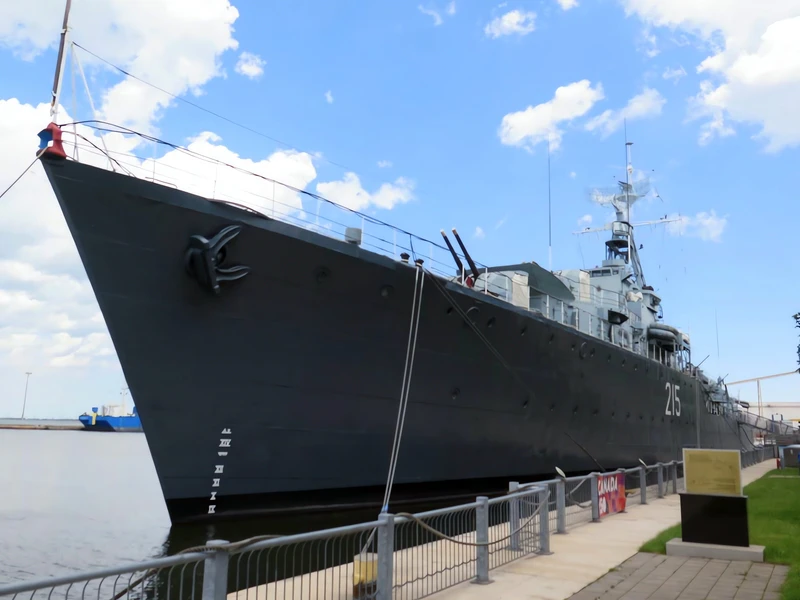
HMCS Haida | |
|---|---|
| Pays | Canada |
| Classe et type | Destroyer de classe Tribal |
| Lancé | 25 août 1942 |
| Hors service | 22 février 1964 |
NCSM Hida is a Tribal-class destroyer that served in the Royal Canadian Navy (RCN) from 1943 to 1963, participating in World War II and the Korean War. She was named for the Haida people. The only surviving Tribal-class destroyer out of 27 vessels constructed for the RCN, Royal Navy and Royal Australian Navy between 1937 and 1945, Haida sank more enemy surface tonnage than any other Canadian warship and as such is commonly referred to as the « Navire le plus combattant de la Marine royale canadienne »
Source: NCSM Haida sur Wikipédia
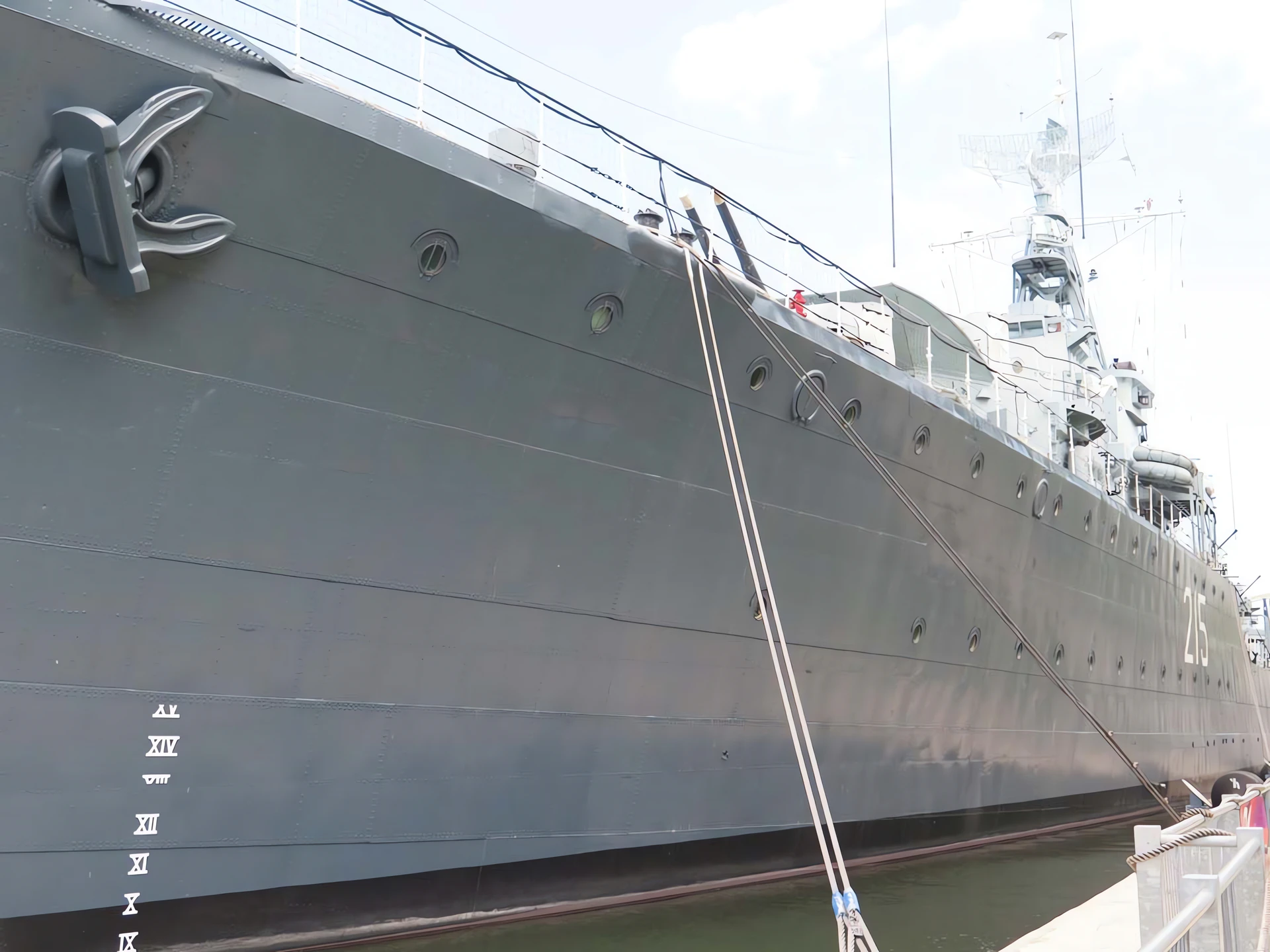
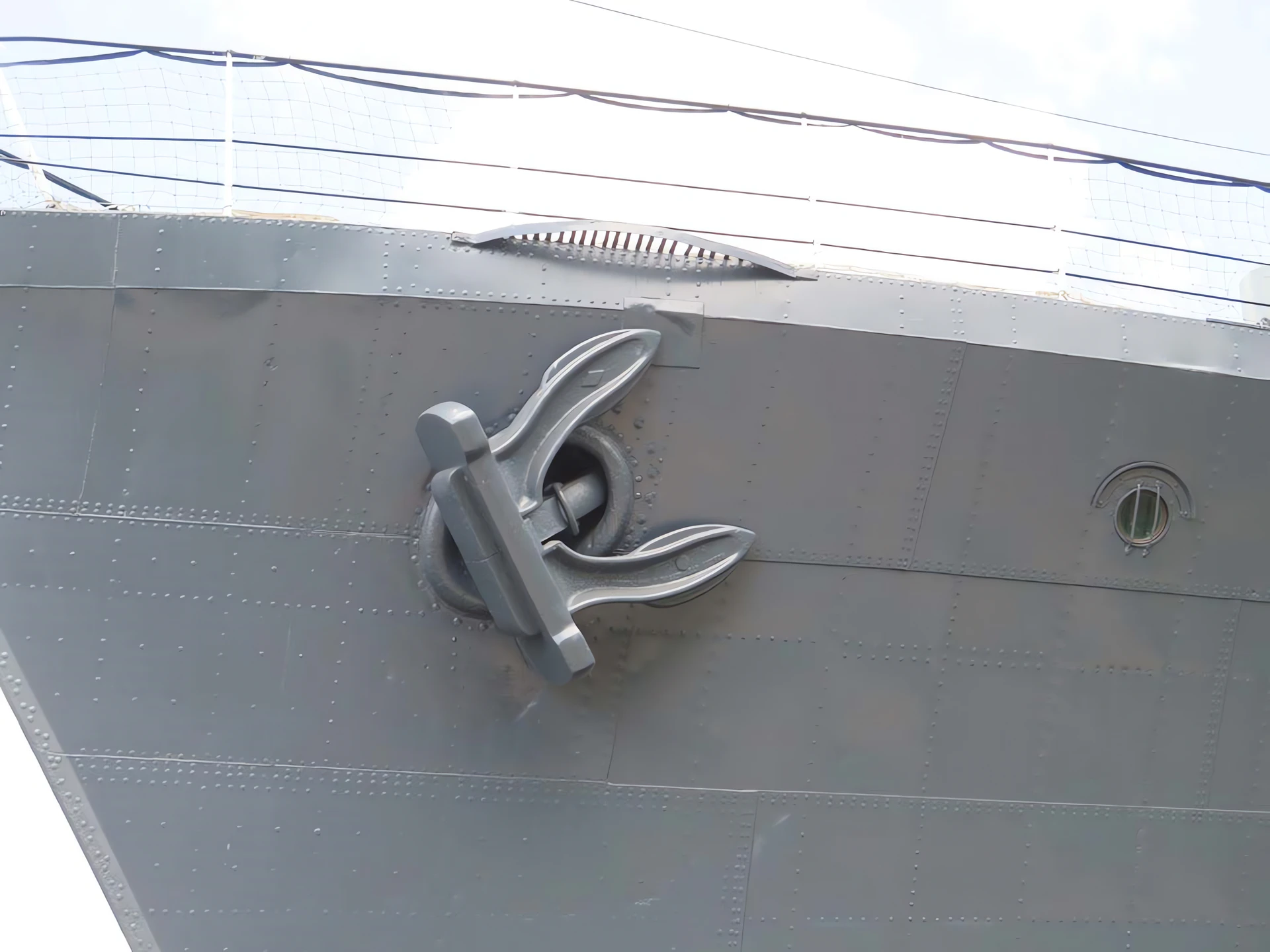
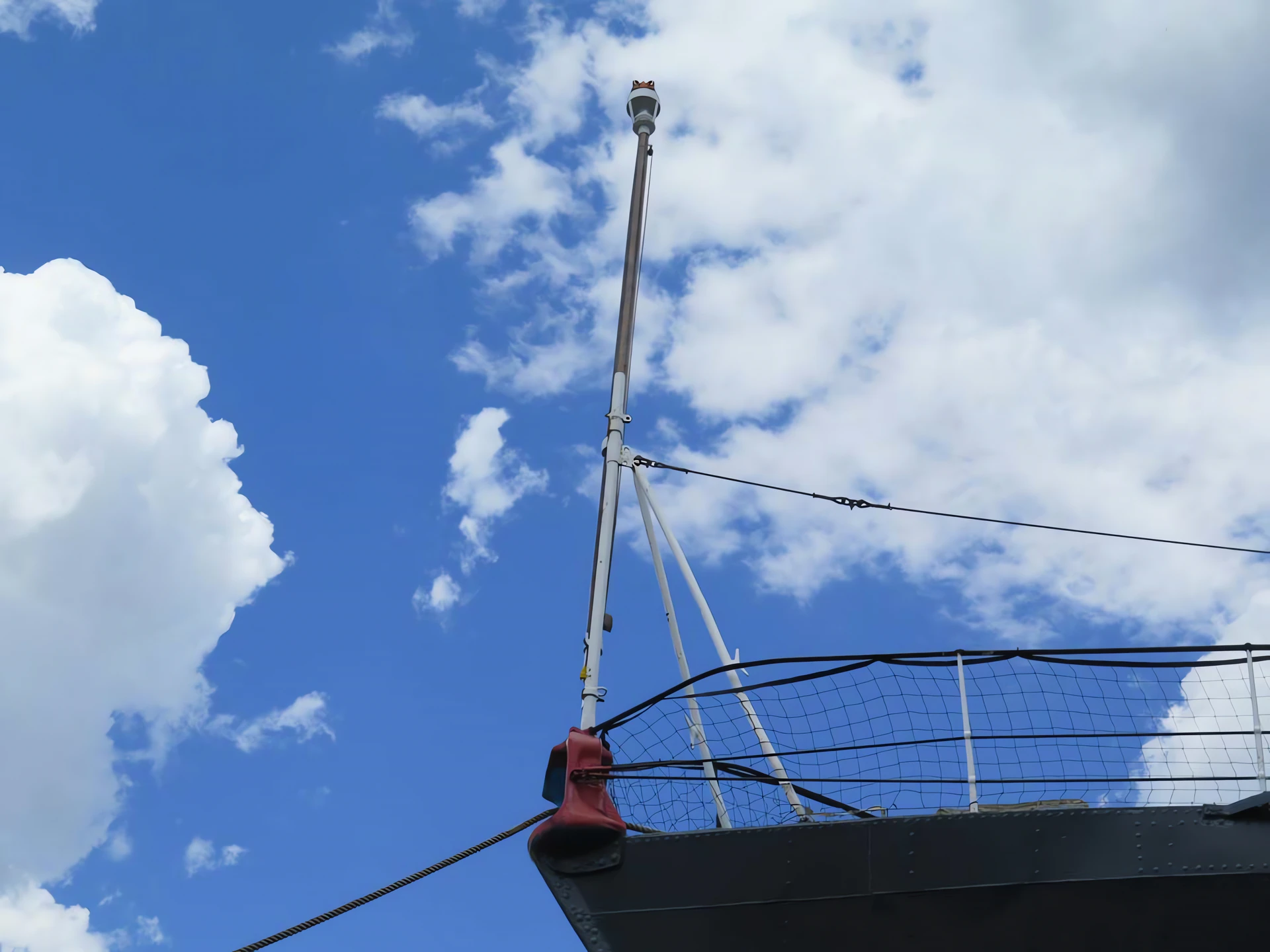
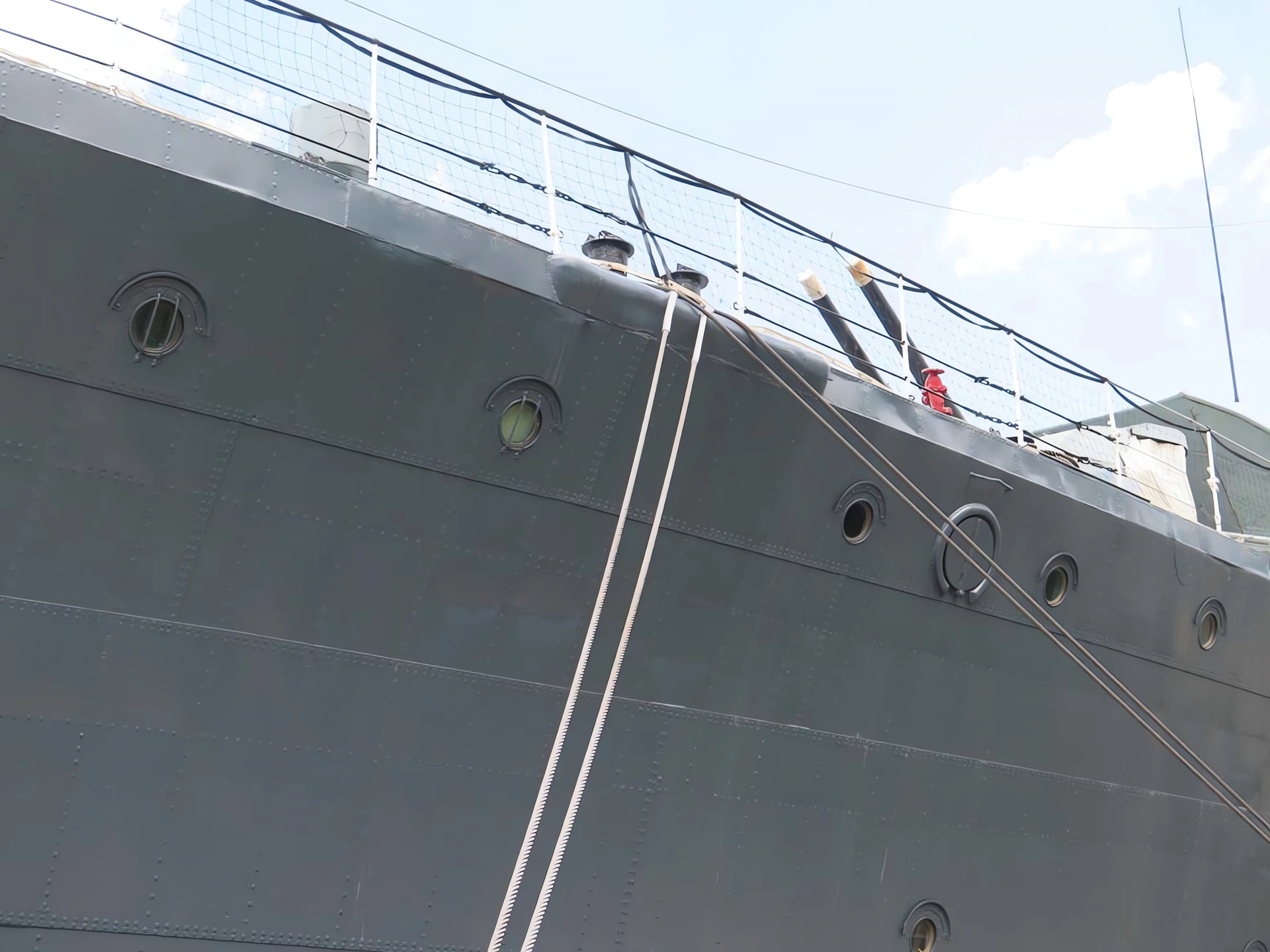
| Destroyer HMCS Haida (DDE-215) Walk Around | |
|---|---|
| Photographer | Vladimir Yakubov |
| Localisation | Hamilton |
| Photos | 426 |
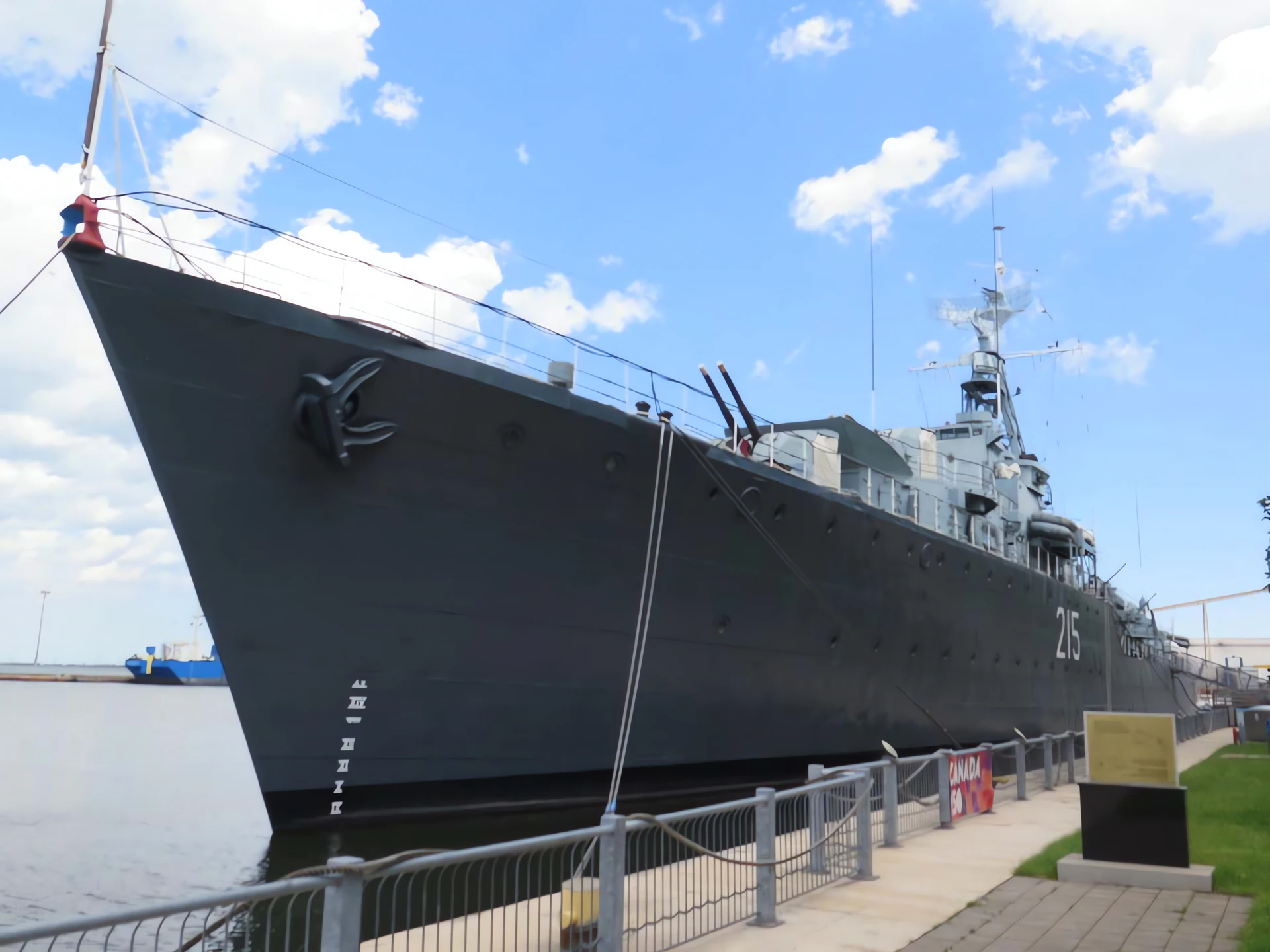
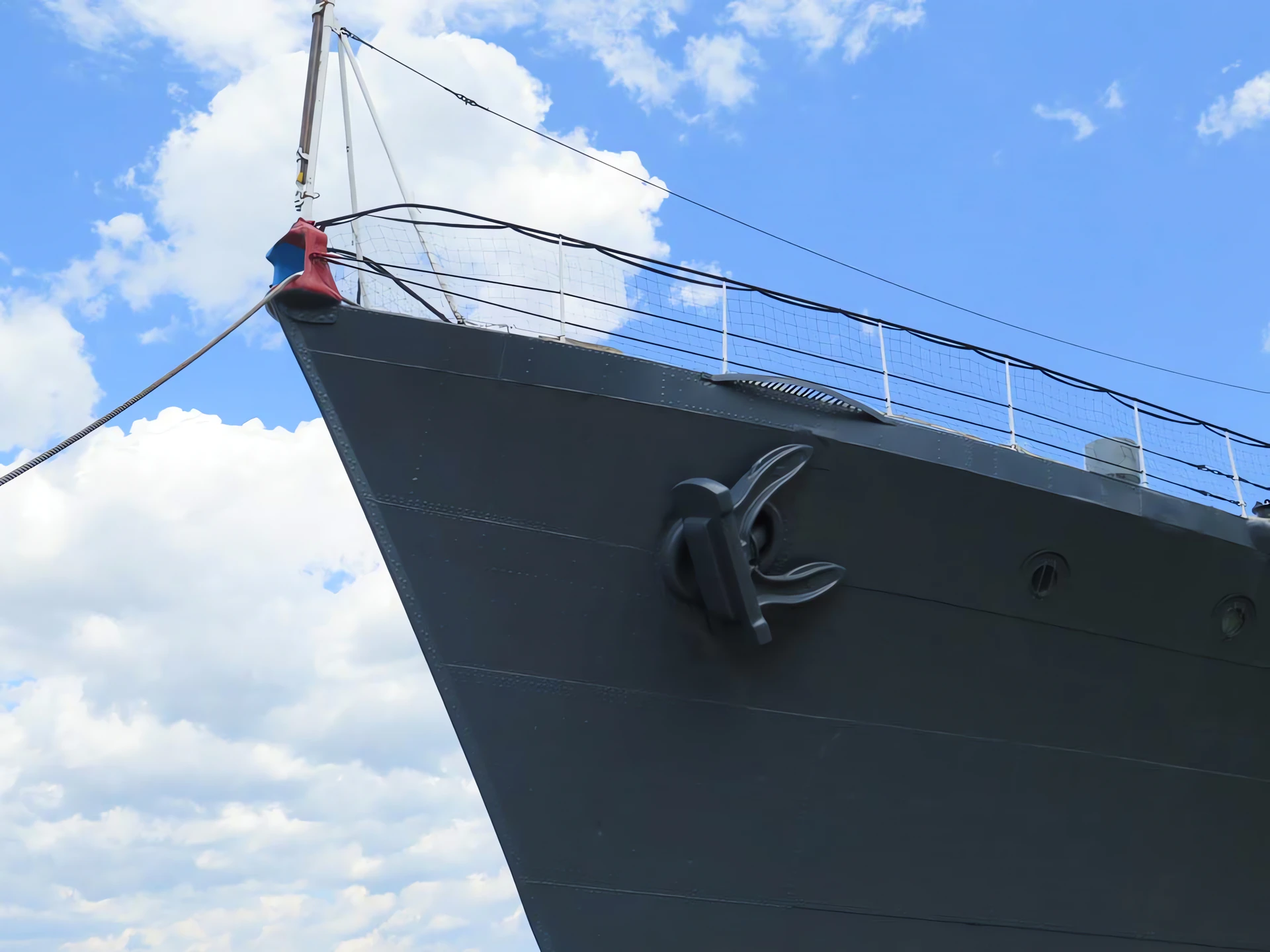
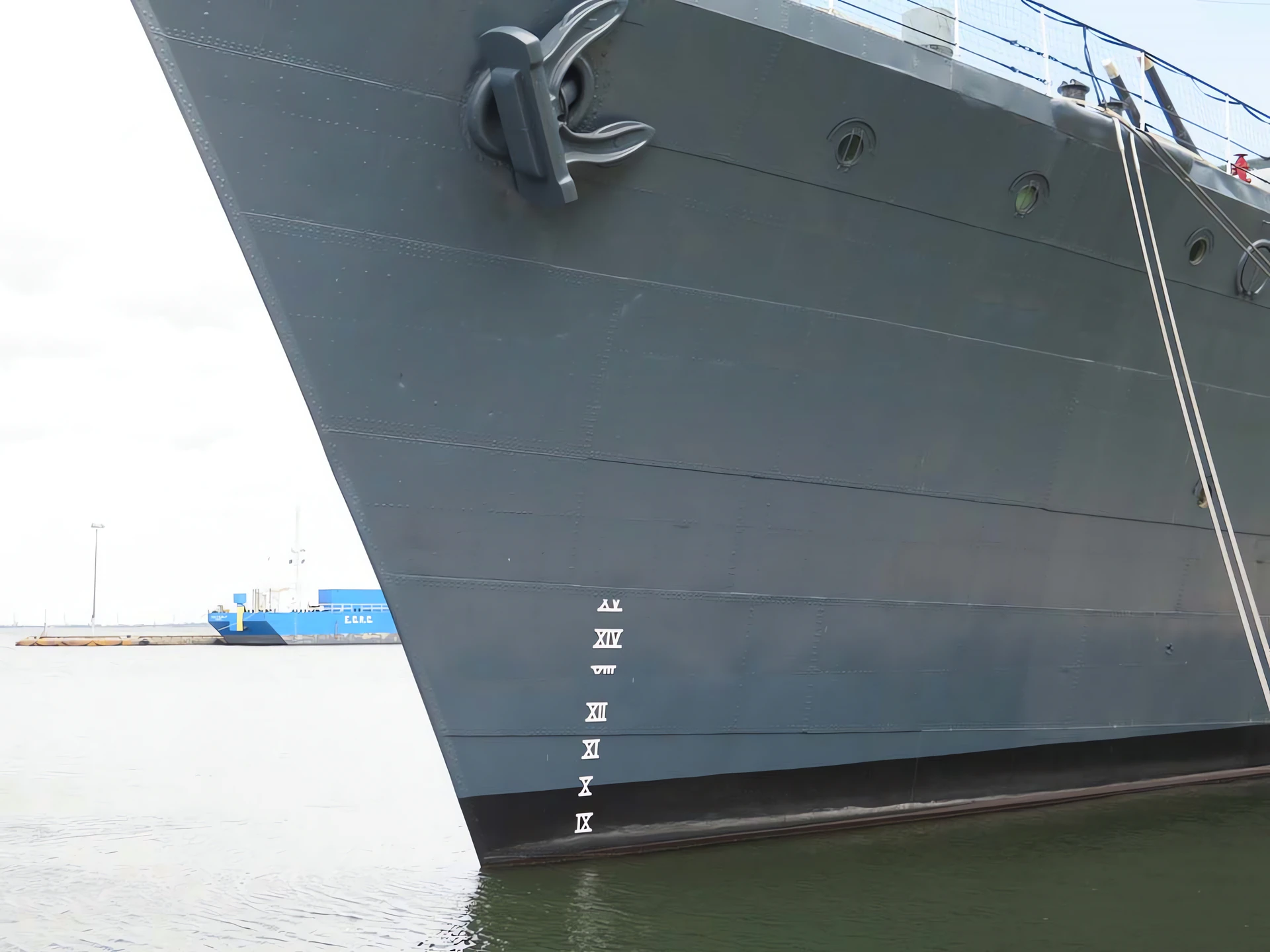
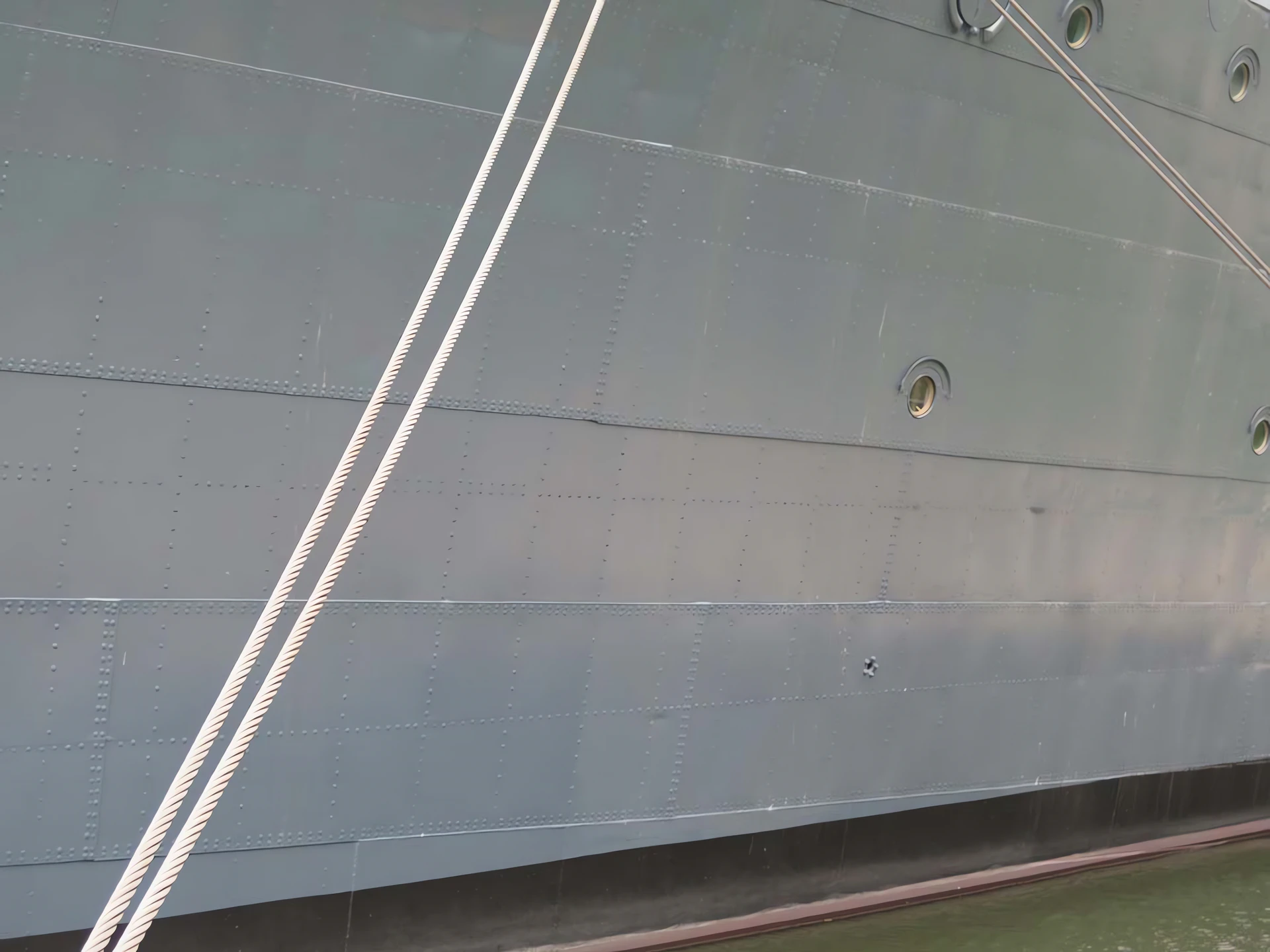
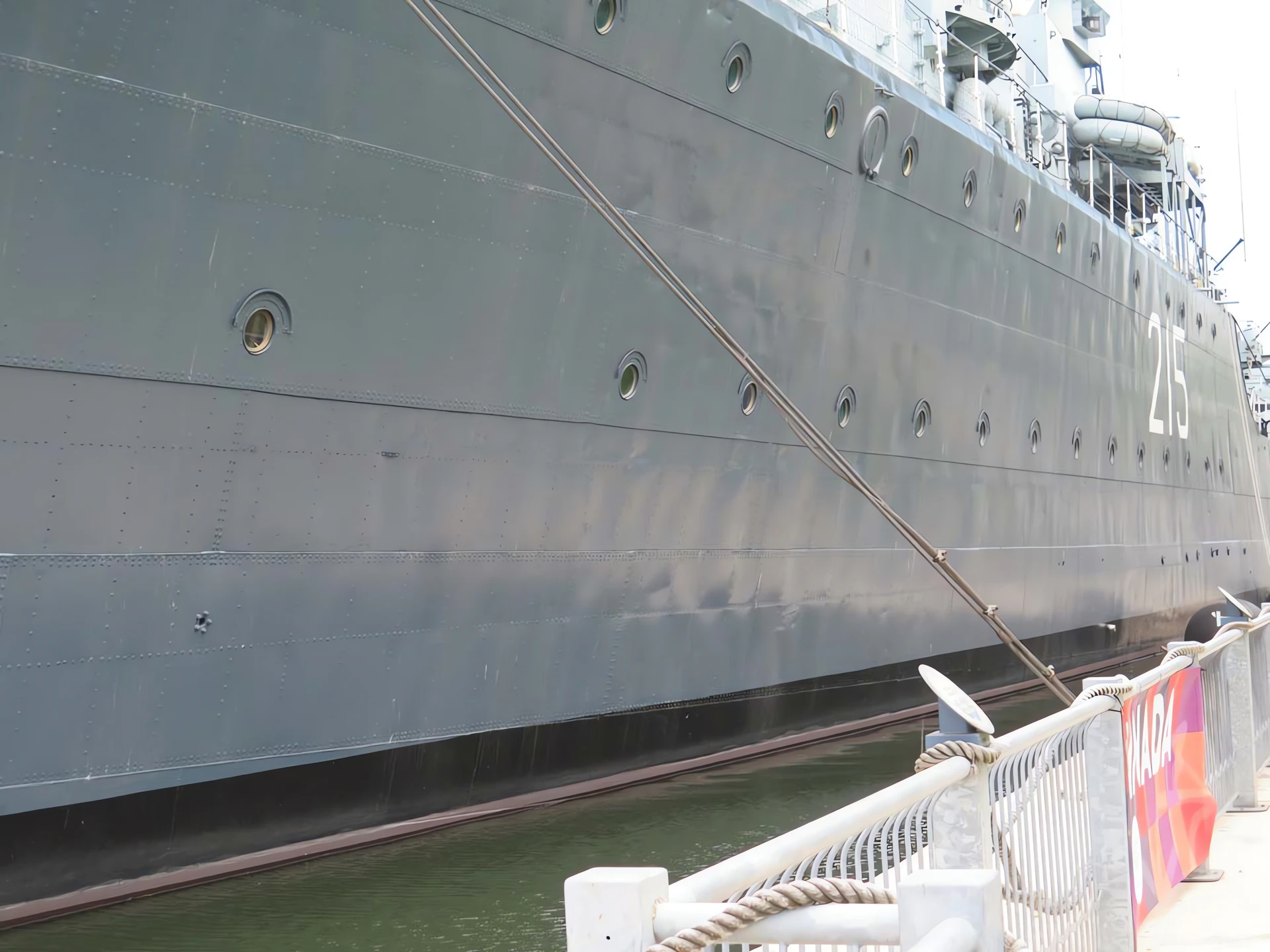

Voir aussi :


General Characteristics and Role
HMCS Haida is a Tribal-class destroyer that served in the Royal Canadian Navy (RCN) from 1943 to 1963. She is one of only two Tribal-class destroyers still in existence and is Canada’s most fightingest ship, having sunk more enemy surface tonnage than any other RCN warship. Originally designed for naval combat, the Tribal class were powerful, well-armed ships that served as fleet destroyers and convoy escorts. Haida saw extensive action during World War II, primarily in the English Channel and the Arctic, and later served in the Korean War. She is now preserved as a museum ship and a National Historic Site of Canada in Hamilton, Ontario.
| Property | Typical Value (Tribal Class) |
|---|---|
| Class & Type | Tribal-class Destroyer |
| National Origin | Canada (Built in the UK) |
| commissionné | 30 August 1943 |
| Crew | Approx. 261 Officers and Enlisted |
| Propulsion | 3 x Admiralty 3-drum boilers, 2 x steam turbines, 2 x shafts |
| Power Output | 44,000 shp (33,000 kW) |
| Length | 114.9 m (377 ft 0 in) |
| Beam | 11.4 m (37 ft 6 in) |
| Displacement (Full Load) | Approx. 2,500 long tons |
| Vitesse | 36.5 knots (67.6 km/h) |
Armament and Modernization (DDE)
- Original WWII Armament: 6 x 4-inch (102 mm) main guns (in three twin mounts), 1 x twin 4-inch AA mount, 1 x quadruple 21-inch torpedo tubes, and anti-aircraft guns.
- Cold War Conversion (DDE 215): Haida underwent a post-war conversion to a destroyer escort (DDE) focused heavily on Anti-Submarine Warfare (ASW).
- Post-Conversion Armament:
- Reduced main guns to two twin 4-inch mounts.
- Twin 3-inch (76 mm) anti-aircraft guns.
- 1 x Limbo anti-submarine mortar (replacing the depth charge rack).
- Retained the original torpedo tubes (though often removed or modified in other Tribal-class ships).
Service and Legacy
- World War II: Participated in the « Battle of the Bay of Biscay » and the Normandy invasion support operations (Operation Neptune), earning a reputation as a highly aggressive fighter.
- Korean War: Served two combat tours in the Korean War, primarily performing « train busting » shore bombardment missions and blockade duties.
- Nickname: Known as the « Fightingest Ship in the RCN » due to her combat record.
- Museum Status: Decommissioned in 1963, she was saved from scrap by a foundation and restored. She is currently part of Parks Canada’s historic fleet and remains an enduring symbol of Canadian naval prowess.
Vues : 1687
Vous pouvez voir aussi :
 USS Preble (DDG-88) – Photos & Vidéos
 Croiseur russe Aurora – Photos & Vidéos
 JDS Yamagiri – Photos & Vidéos
 JDS Sawayuki – Photos & Vidéos
 HMS Cavalier (R73) – Photos & Vidéos
 USS Laffey (DD-724) – Photos et vidéos
 USS Joseph P. Kennedy – Photos et vidéos
 USS Slater – Photos et vidéos
 USS North Carolina (BB-55) – Photos et vidéos
 USS Stockdale (DDG-106) – Photos & Vidéo