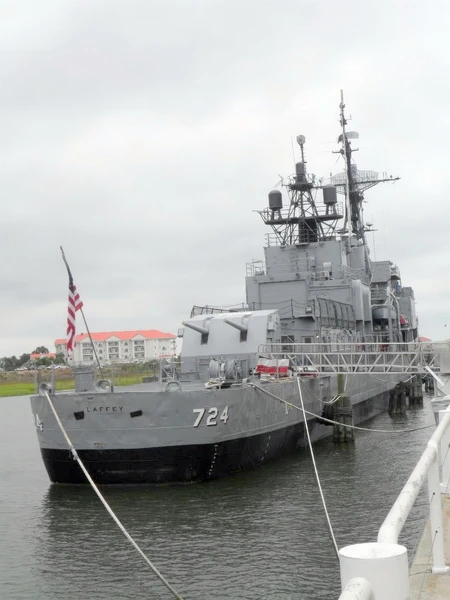
USS Laffey (DD-724) | |
|---|---|
| Pays | Usa |
| Classe et type | Destroyer de classe Allen M. Sumner |
| Lancé | 21 novembre 1943 |
| Hors service | 9 mars 1975 |
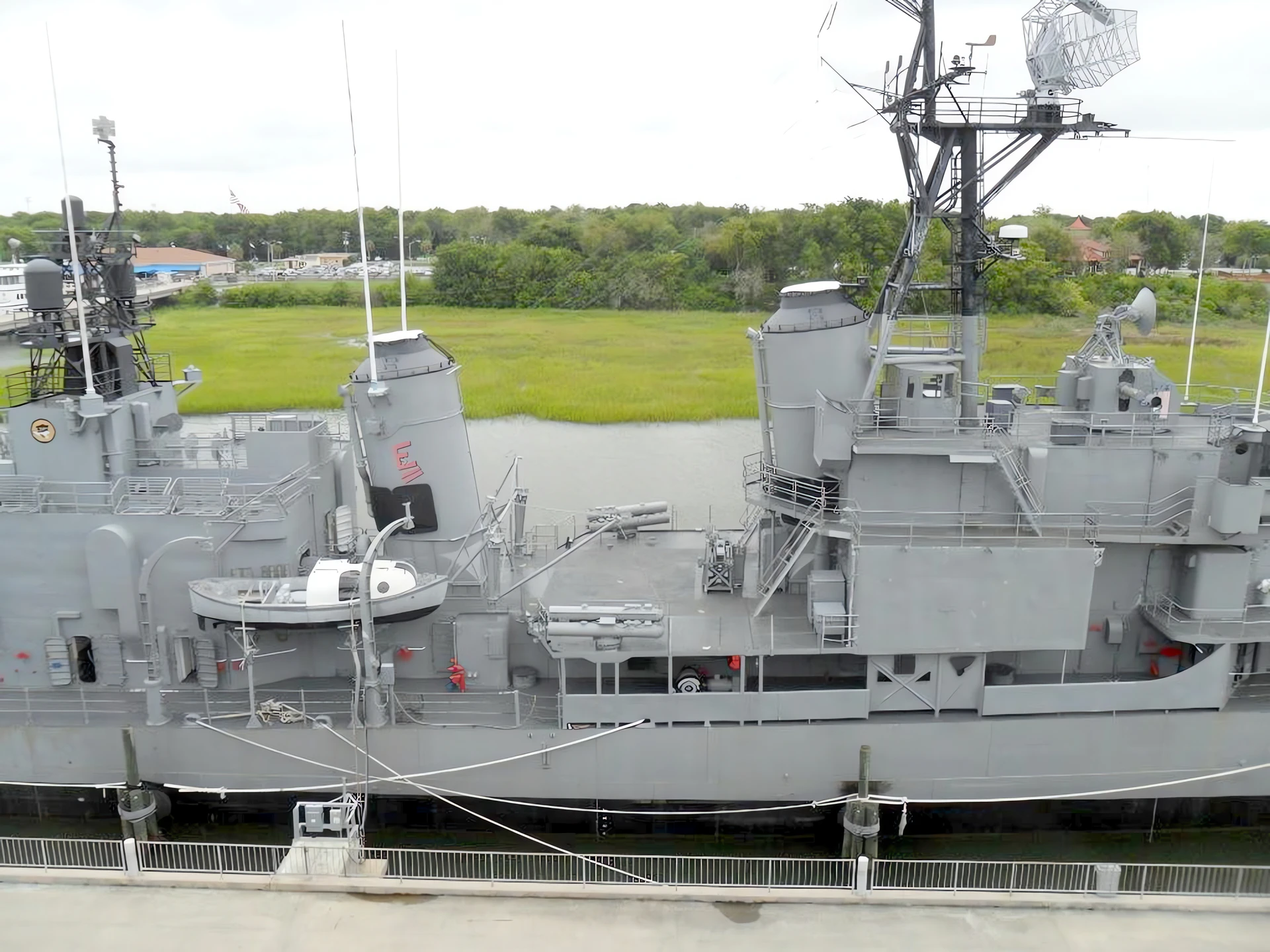
USS Laffey (DD-724) est un destroyer de classe Allen M. Sumner, construit pendant la Seconde Guerre mondiale, mis sur cale et lancé en 1943 et mis en service en février 1944. Le navire a gagné le surnom « Le navire qui ne mourrait pas » pour ses exploits lors de l’invasion du jour J et de la bataille d’Okinawa, lorsqu’elle a résisté avec succès à un assaut déterminé de bombardiers conventionnels et aux attaques aériennes kamikazes les plus implacables de l’histoire. Aujourd’hui, Laffey est un monument historique national des États-Unis et est préservé en tant que navire-musée à Patriots Point, à l’extérieur de Charleston, en Caroline du Sud.
| USS Laffey Walk Around | |
|---|---|
| Photographer | Don Alen |
| Localisation | Museum ship berthed at Patriots Point |
| Photos | 26 |
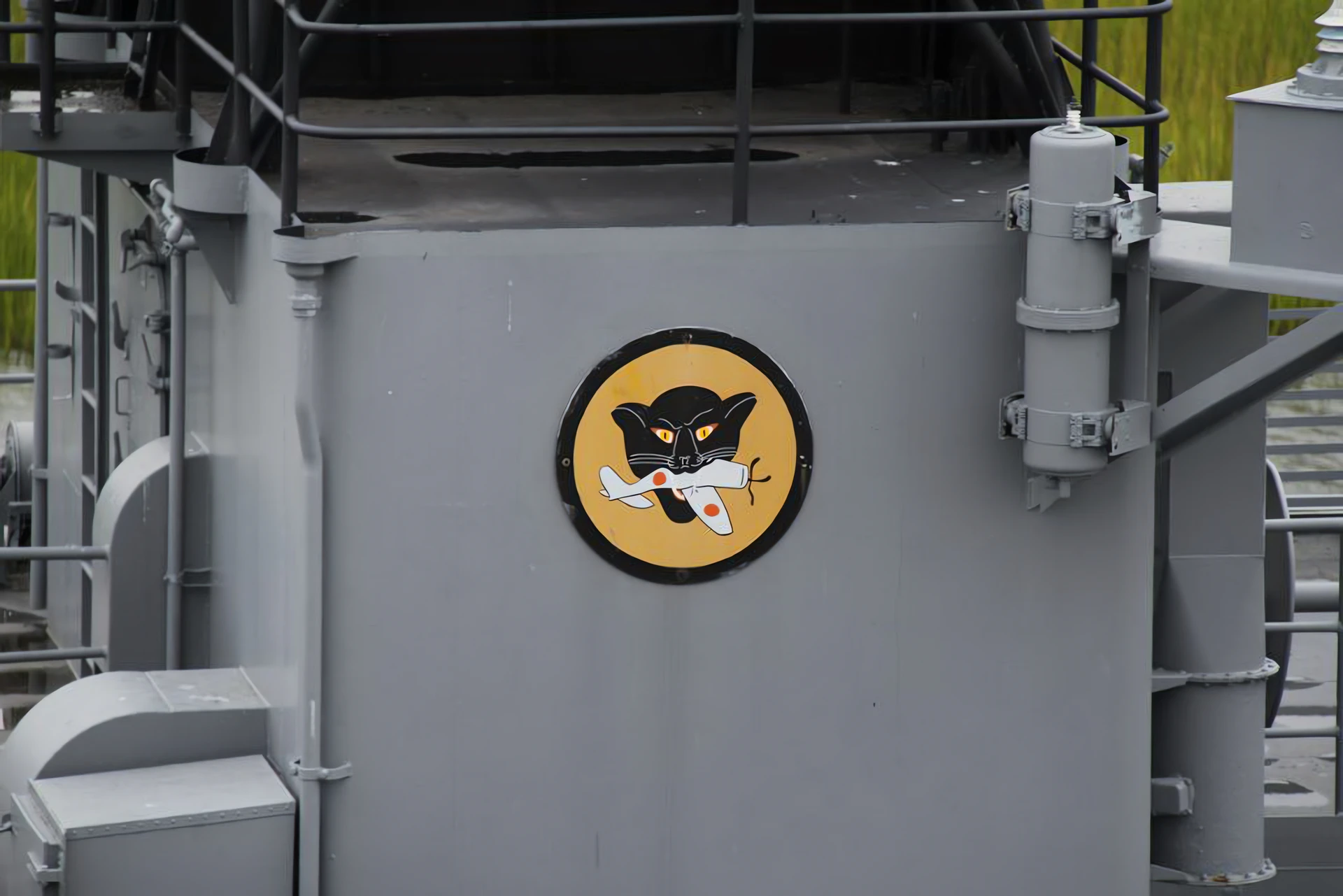
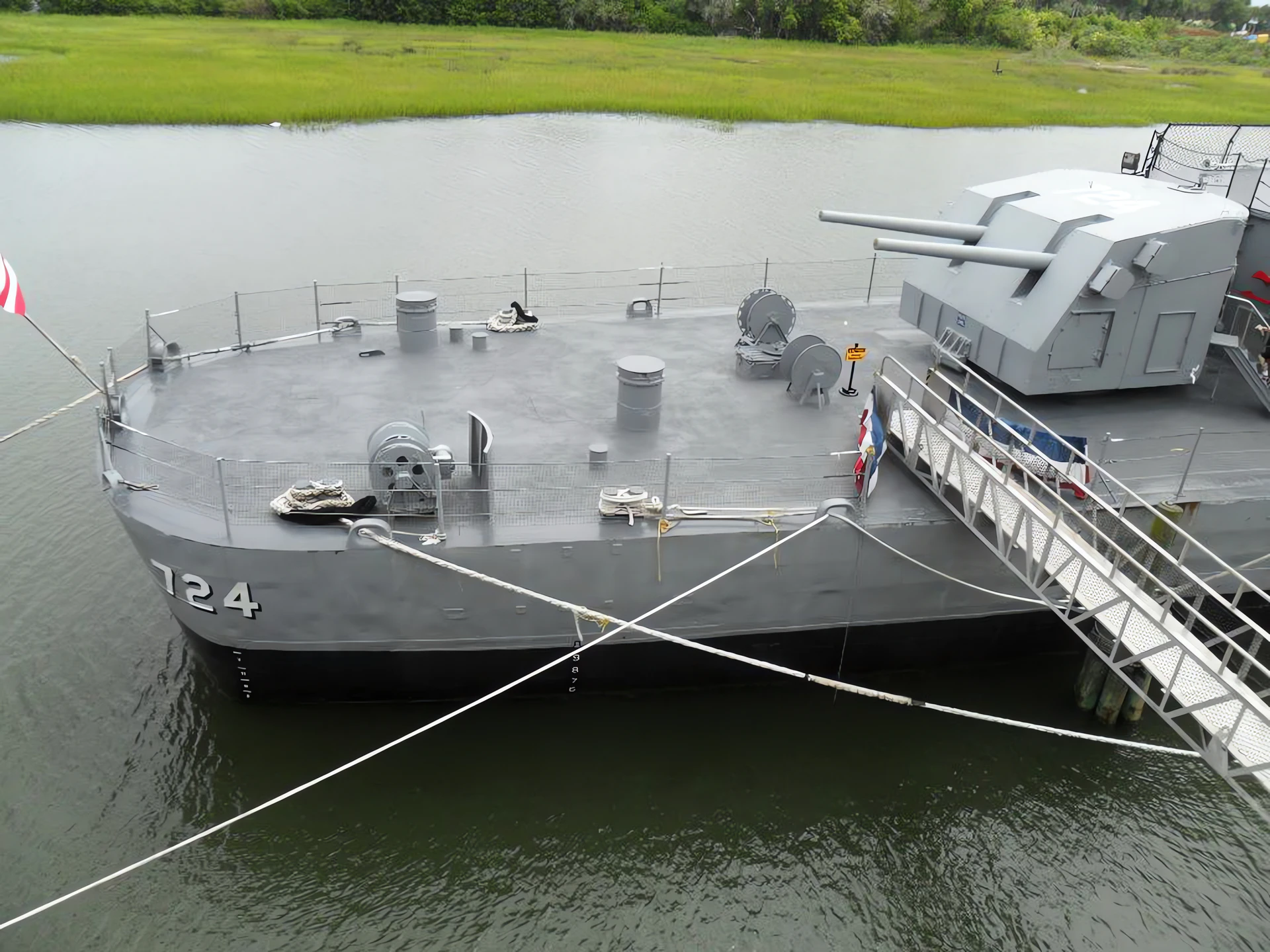
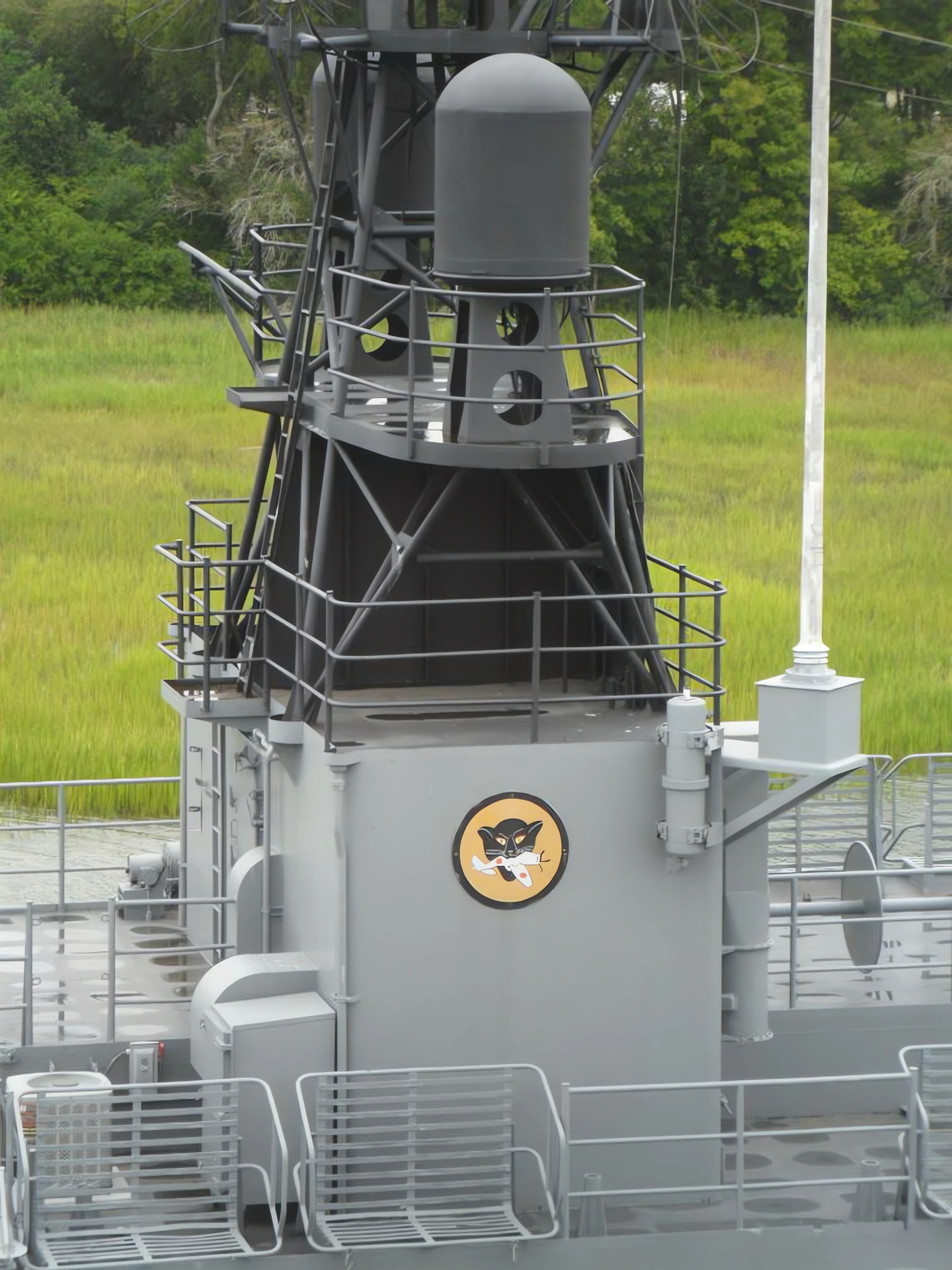
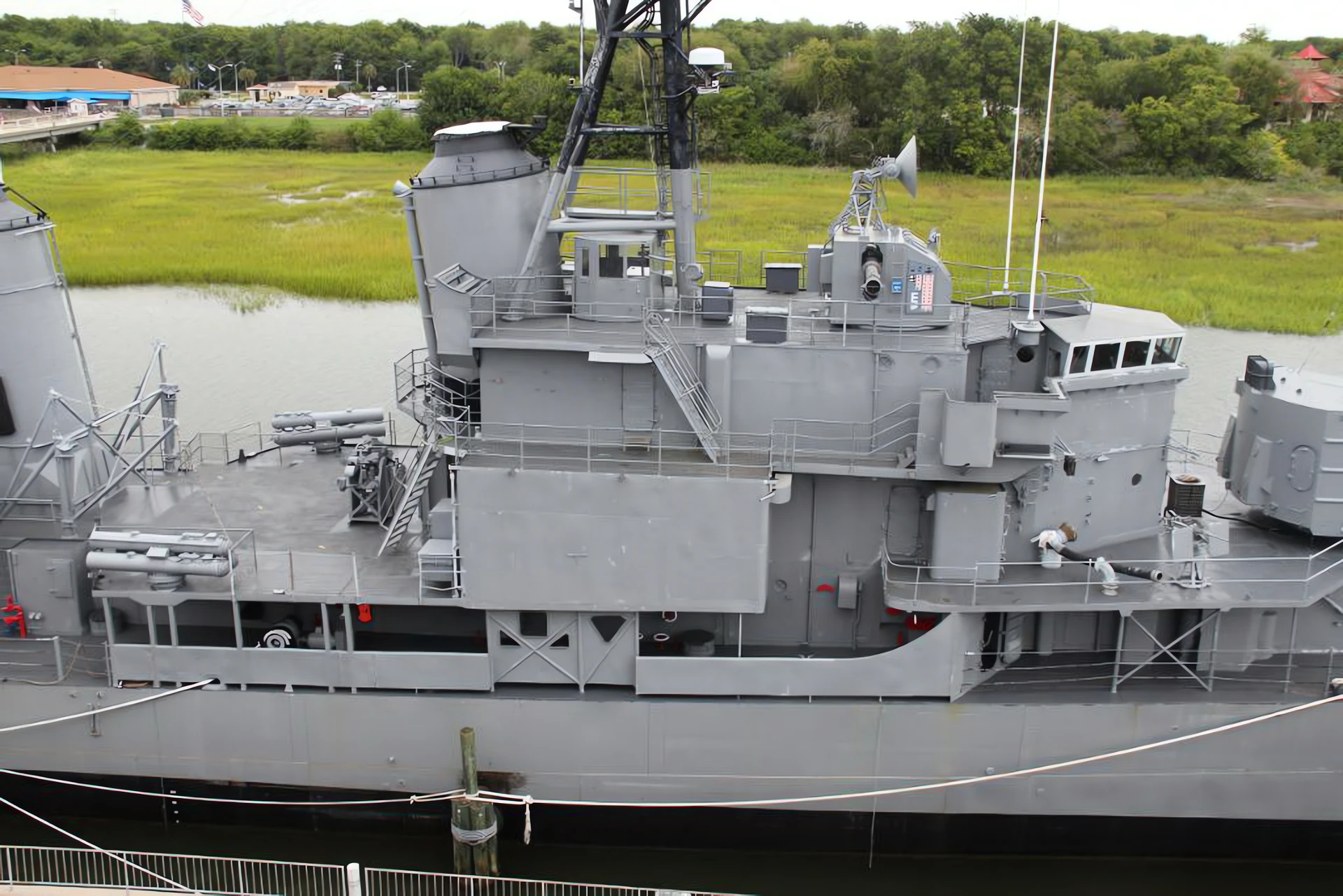
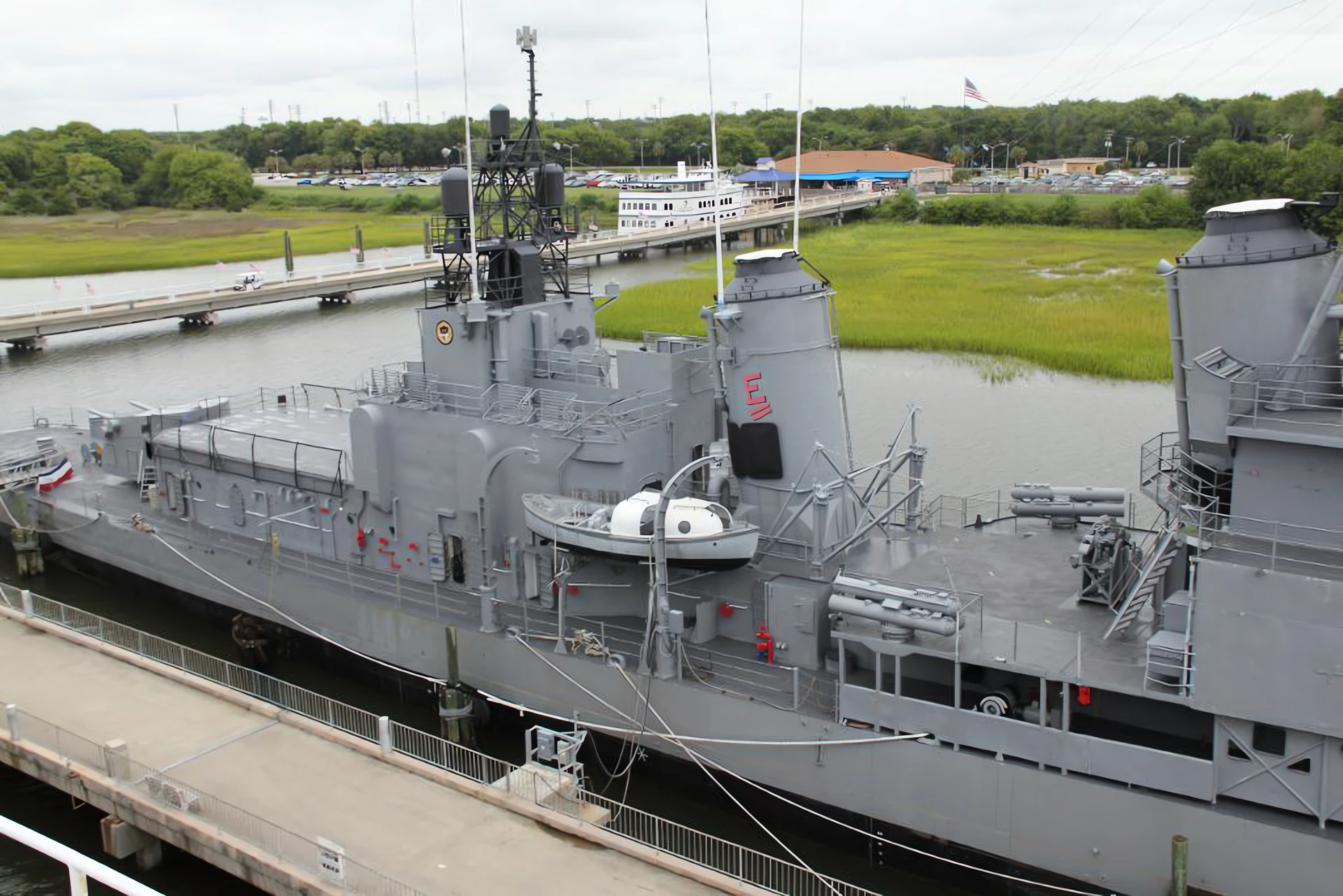

Voir aussi :


General Characteristics and Role
The USS Laffey (DD-724) was a destroyer in the United States Navy’s Allen M. Sumner-class, launched in 1943. These destroyers were a highly successful class, designed with a wider beam than their predecessors to accommodate a stronger battery of anti-aircraft weapons and an improved fire-control system. The Laffey’s primary role was as a fleet escort, providing anti-submarine and anti-aircraft protection for larger capital ships and aircraft carriers, and participating in shore bombardment missions. She earned the nickname « Le navire qui ne mourrait pas » for her actions during the Battle of Okinawa.
| Property | Typical Value (DD-724) |
|---|---|
| Class / Type | Allen M. Sumner-class Destroyer |
| National Origin | États-Unis |
| Fabricant | Bath Iron Works, Maine |
| commissionné | 8 February 1944 |
| Déclassés | 1975 (Final time) |
| Displacement (Standard) | 2,200 long tons (2,235 t) |
| Length (Overall) | 114.8 m (376 ft 6 in) |
| Beam | 12.5 m (41 ft 1 in) |
| Crew | Approx. 336 officers and enlisted men |
| Statut | Preserved museum ship (Patriots Point, SC) |
Propulsion and Performance
- Propulsion: 4 x Babcock & Wilcox boilers; 2 x General Electric geared steam turbines.
- Power Output: 60,000 shaft horsepower (shp).
- Shafts: 2
- Maximum Speed: 34 knots (63 km/h).
- Operational Range: Approximately 6,500 nautical miles at 15 knots.
Armament and Historic Action
Wartime (1944) Armament:
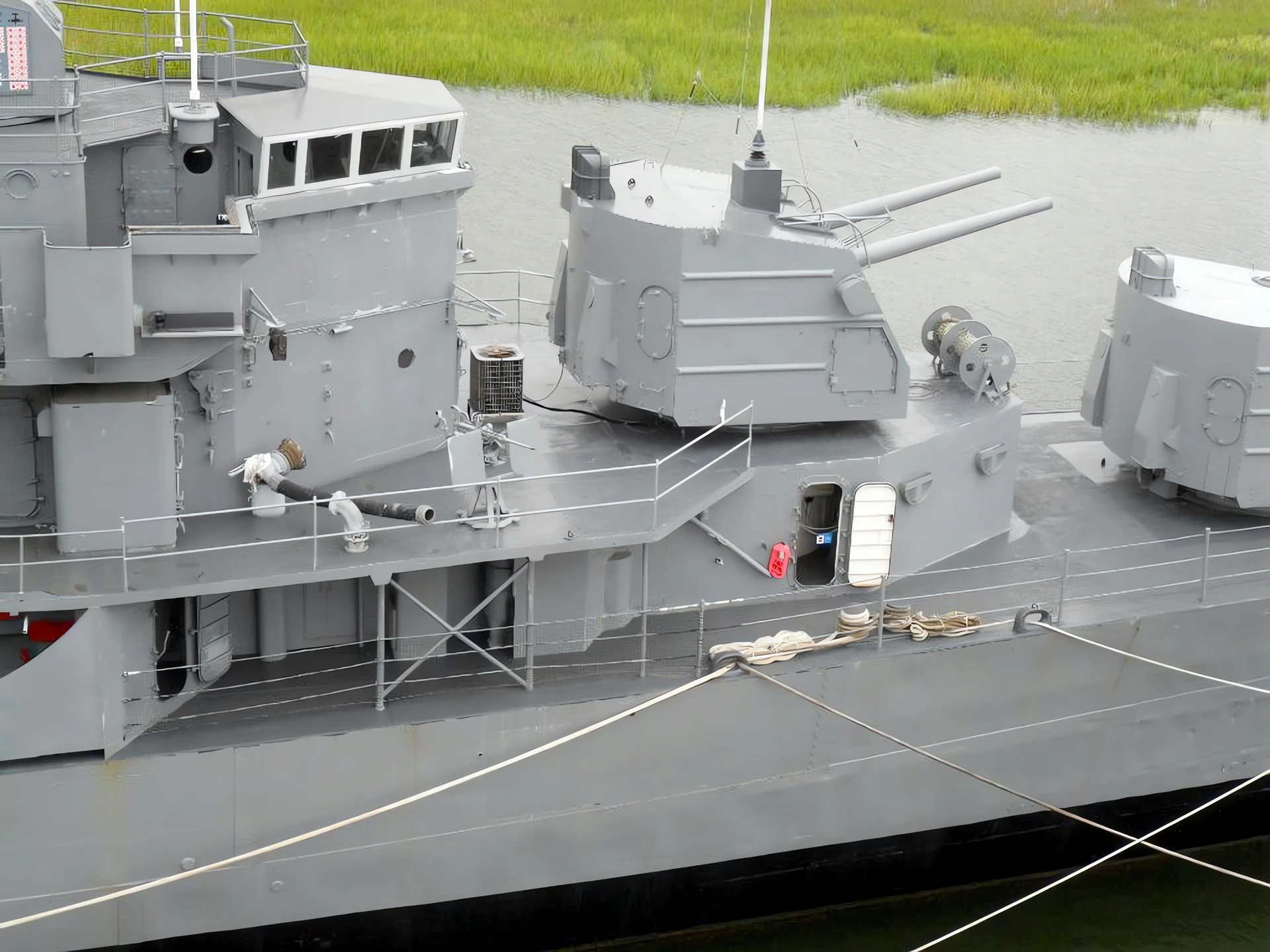
- Main Guns: 6 x 5-inch (127 mm)/38 caliber guns in 3 twin mounts (dual purpose).
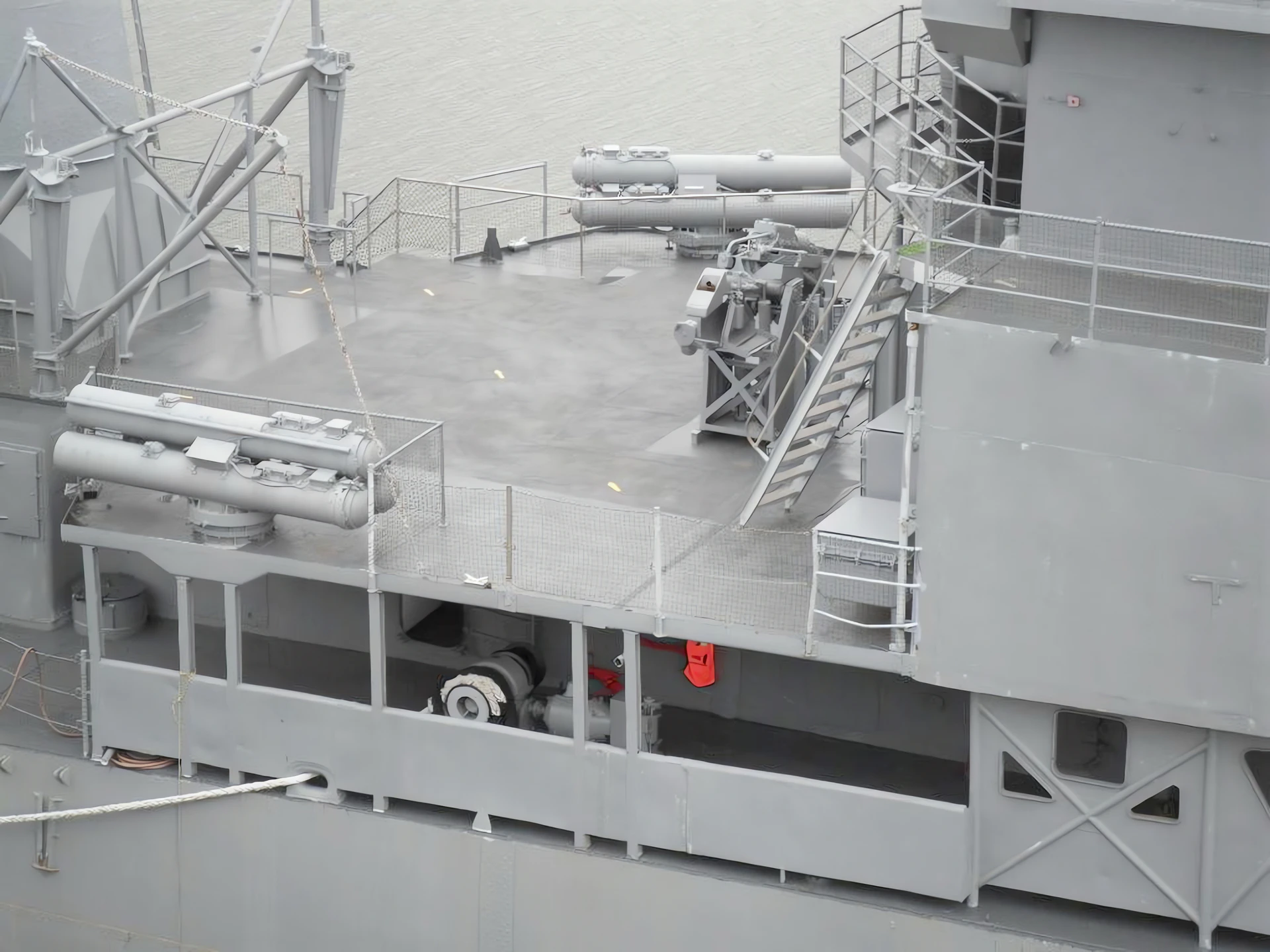
- Torpedoes: 10 x 21-inch (533 mm) torpedo tubes in 2 quintuple mounts.
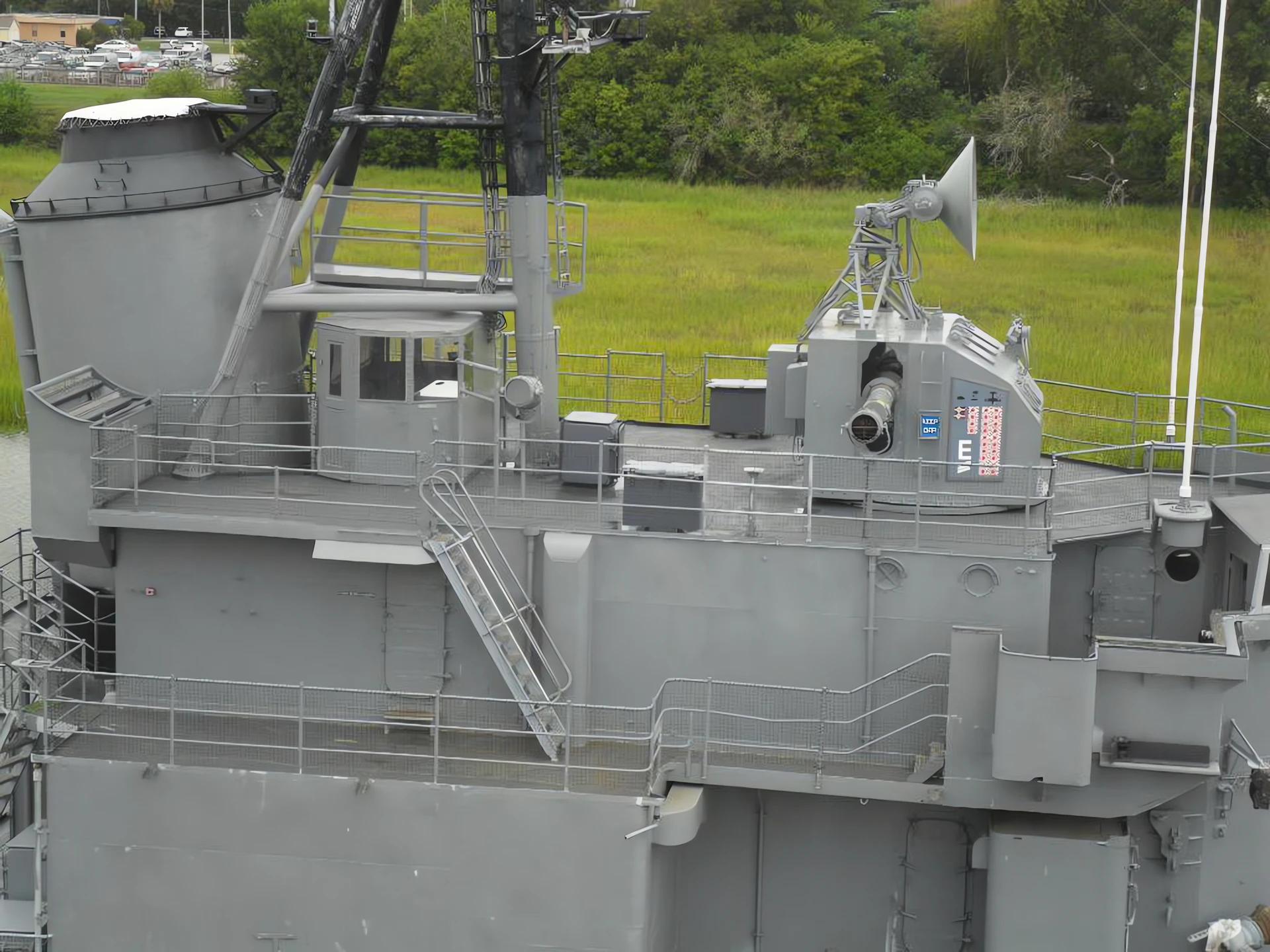
- Anti-Aircraft (AA): 12 x 40 mm Bofors guns in quad mounts and 11 x 20 mm Oerlikon cannons.
- Anti-Submarine (ASW): 6 x K-gun depth charge projectors, and 2 x depth charge tracks.
Lla « Ship That Would Not Die » (Okinawa, April 16, 1945):
- Action: While on radar picket duty, Laffey was attacked by at least 22 Japanese aircraft, including multiple Kamikazes and dive-bombers, over a harrowing 80-minute period.
- Damage: The ship was hit by 4 bombs and 5 or 6 Kamikaze planes, resulting in 32 men killed and 71 wounded. The crew’s determination and skillful maneuvering kept the heavily damaged ship afloat and saved it from sinking.
- Legacy: For this action, she was awarded the Presidential Unit Citation and earned 5 battle stars for World War II service.
Vues : 2387
Vous pouvez voir aussi :
 USS Preble (DDG-88) – Photos & Vidéos
 JDS Yamagiri – Photos & Vidéos
 JDS Sawayuki – Photos & Vidéos
 HMS Cavalier (R73) – Photos & Vidéos
 USS Salem – Photos & Vidéos
 USS Joseph P. Kennedy – Photos et vidéos
 USS Slater – Photos et vidéos
 NCSM Haida – Photos et vidéos
 USS Blueback (SS-581) – Photos & Vidéo
 USS Stockdale (DDG-106) – Photos & Vidéo