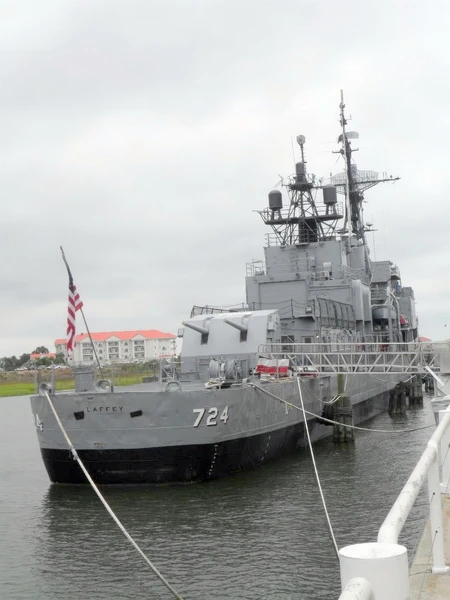
USS Laffey (DD-724) | |
|---|---|
| Riik | USA |
| Klass ja tüüp | Allen M. Sumner-klassi hävitaja |
| Käivitatud | 21. november 1943 |
| Kasutusest väljas | 9. märts 1975 |
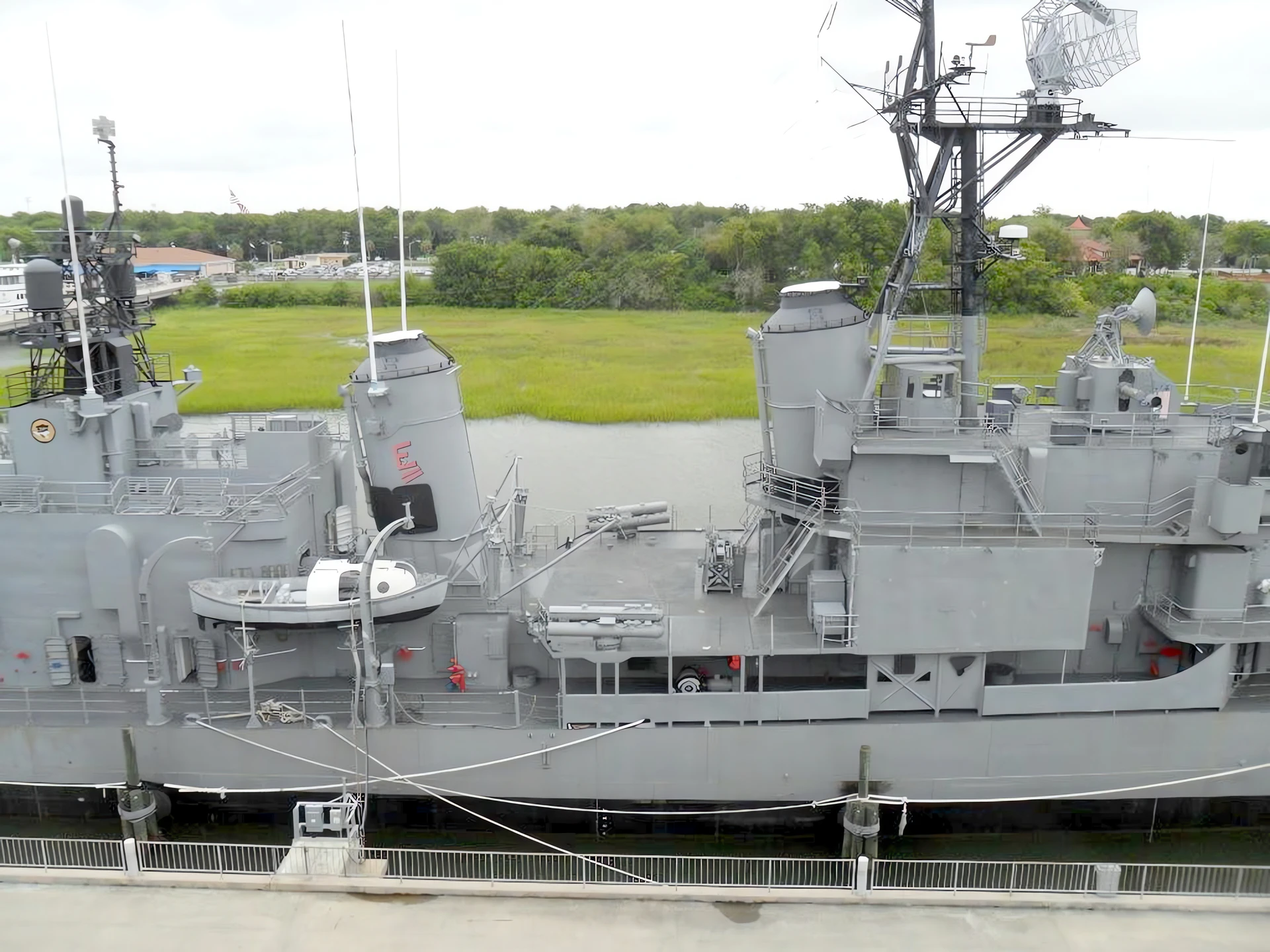
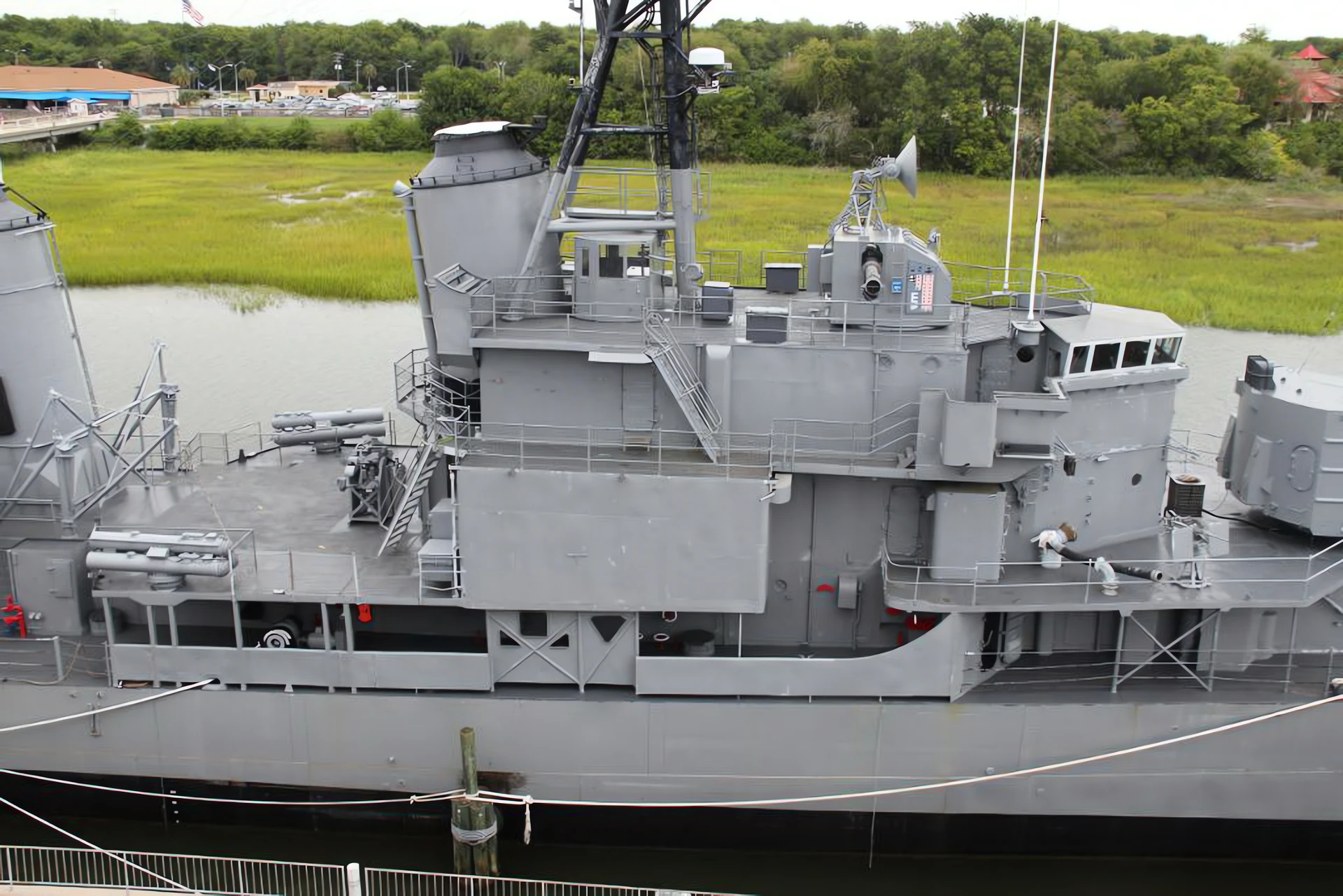
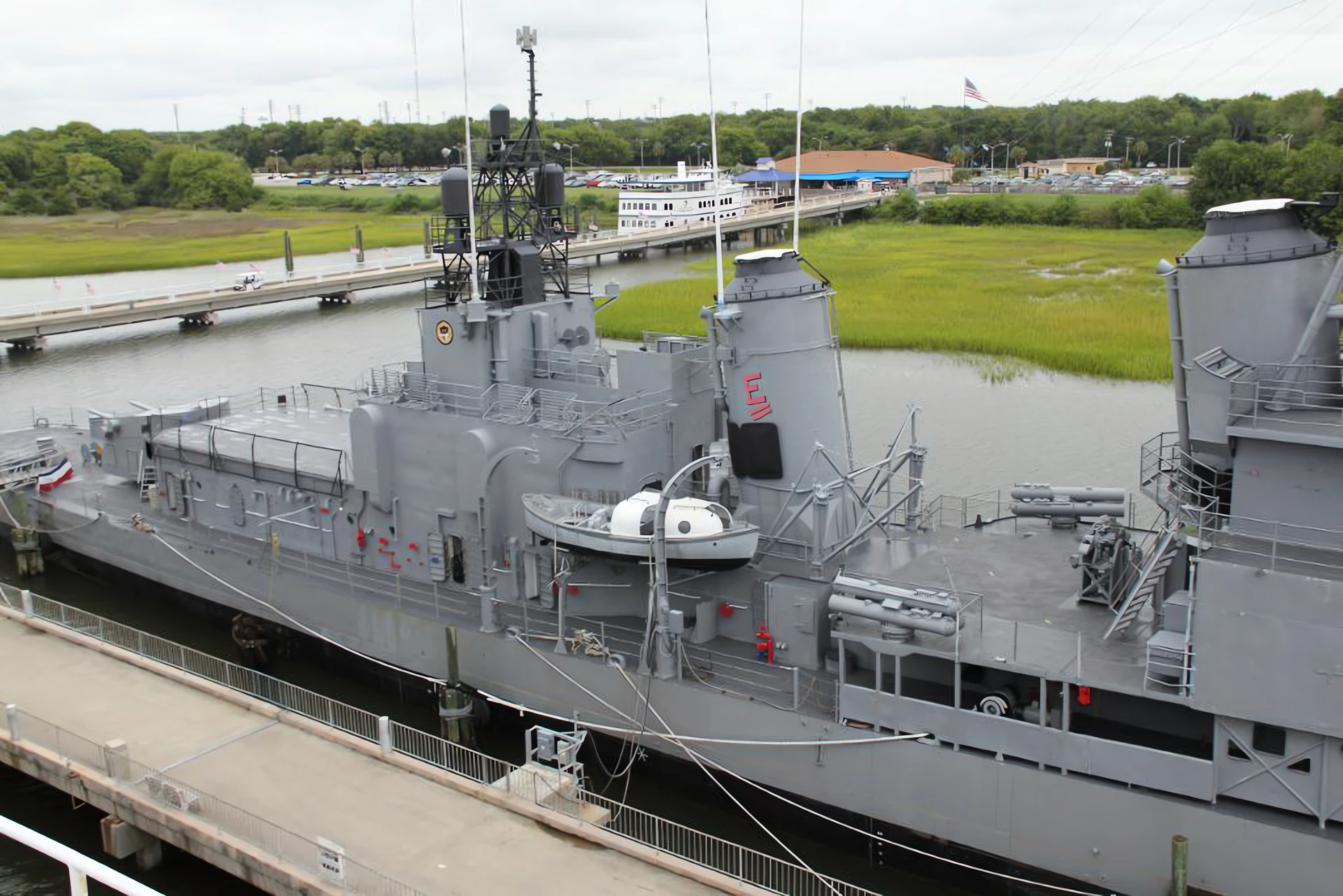
USS Laffey (DD-724) on Allen M. Sumneri klassi hävitaja, mis ehitati Teise maailmasõja ajal, mis võeti kasutusele ja käivitati 1943. aastal ning telliti 1944. aasta veebruaris. Laev teenis hüüdnime "Laev, mis ei sure" oma ekspluateerimise eest D-päeva sissetungi ja Okinawa lahingu ajal, kui ta edukalt vastu pidas tavapäraste pommitajate otsustavale rünnakule ja ajaloo kõige järeleandmatumatele kamikaze õhurünnakutele. Täna on Laffey USA riiklik ajalooline maamärk ja seda säilitatakse muuseumilaevana Patriots Pointis, Charlestoni lähedal, Lõuna-Carolinas.
Allikas: USS Laffey (DD-724) Vikipeedias
| USS Laffey Walk Around | |
|---|---|
| Photographer | Don Alen |
| Localisation | Museum ship berthed at Patriots Point |
| Photos | 26 |
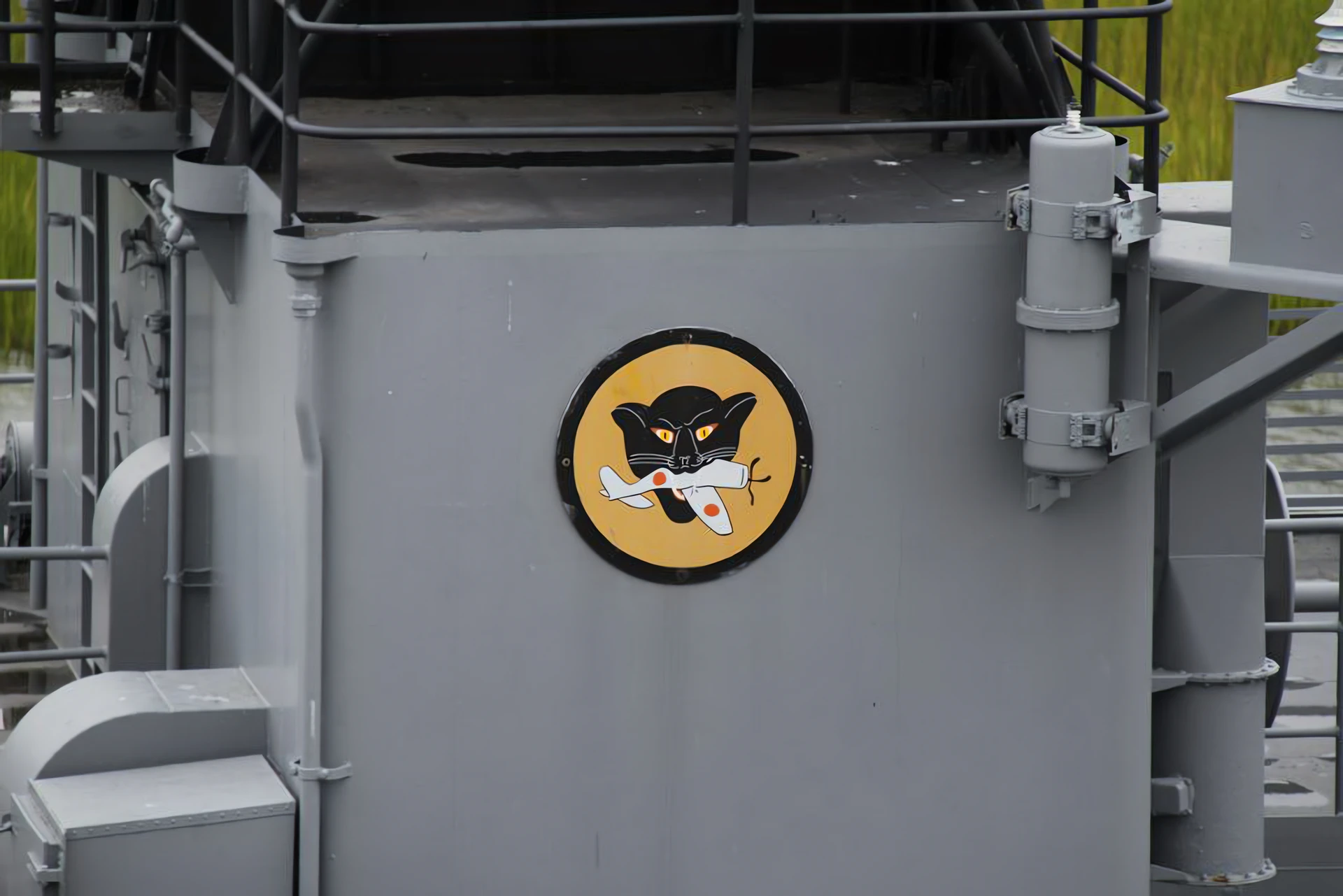
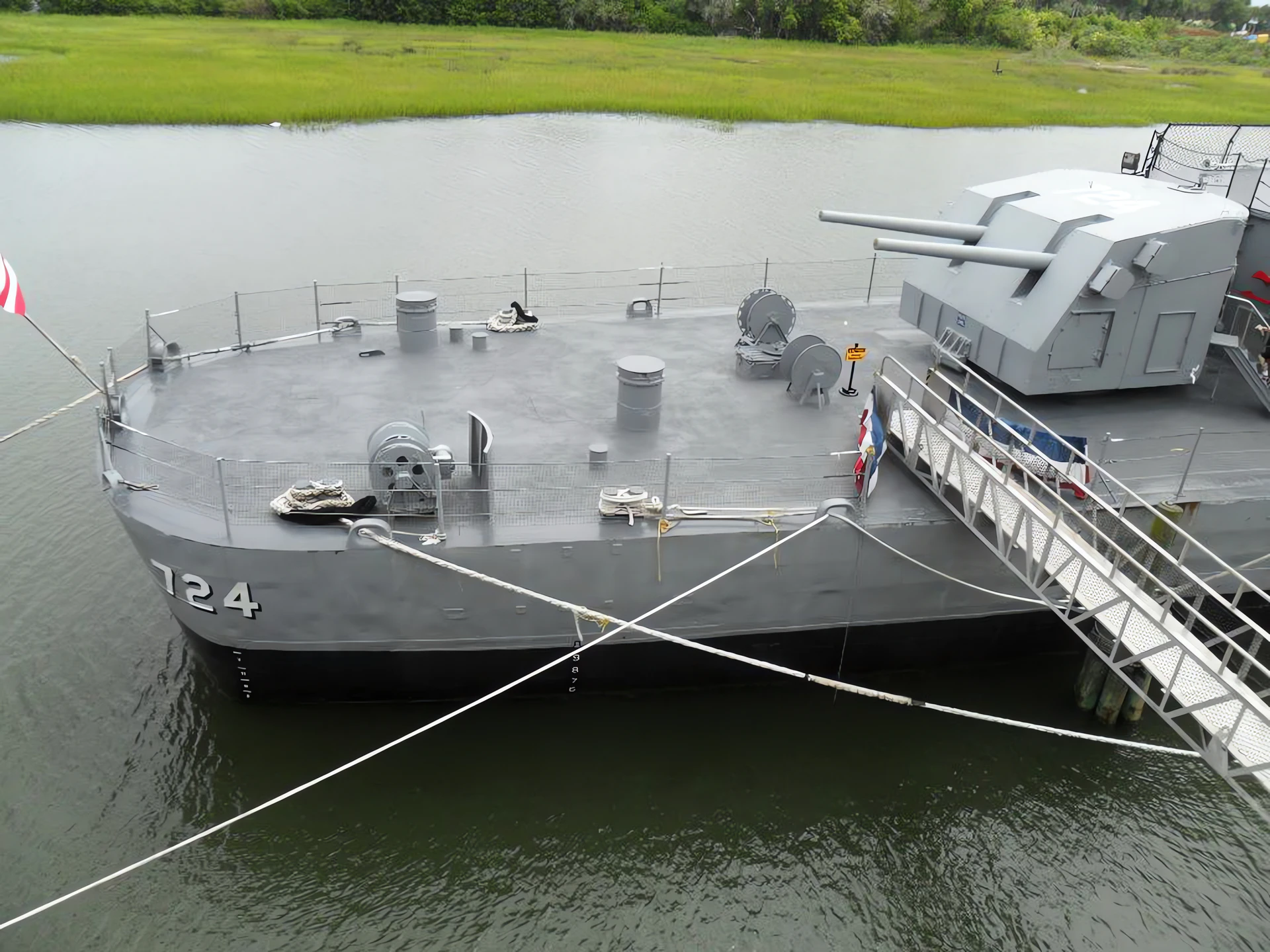
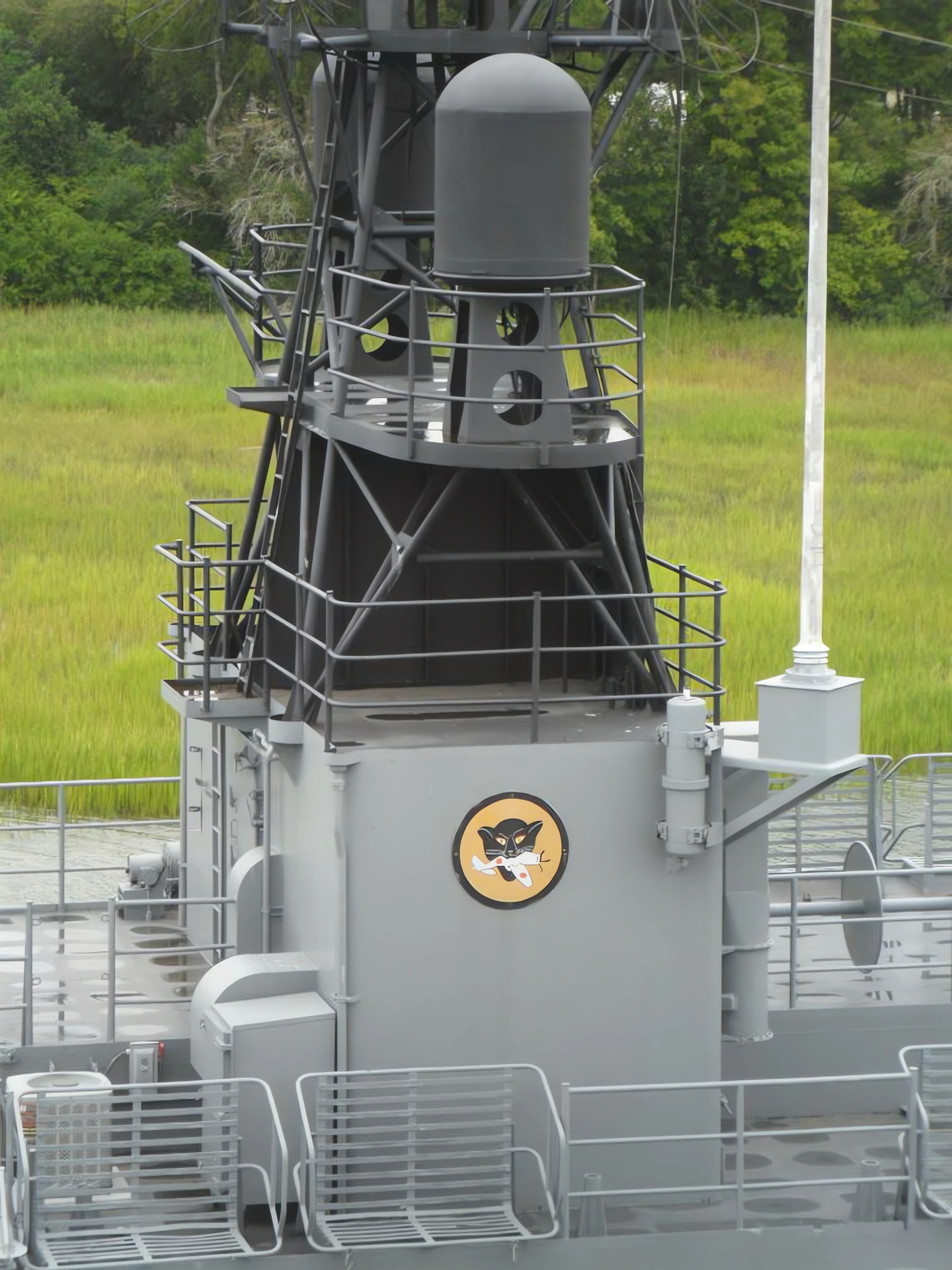

Vaata ka:


General Characteristics and Role
The USS Laffey (DD-724) was a destroyer in the United States Navy’s Allen M. Sumner-class, launched in 1943. These destroyers were a highly successful class, designed with a wider beam than their predecessors to accommodate a stronger battery of anti-aircraft weapons and an improved fire-control system. The Laffey’s primary role was as a fleet escort, providing anti-submarine and anti-aircraft protection for larger capital ships and aircraft carriers, and participating in shore bombardment missions. She earned the nickname “The Ship That Would Not Die” for her actions during the Battle of Okinawa.
| Property | Typical Value (DD-724) |
|---|---|
| Class / Type | Allen M. Sumner-class Destroyer |
| National Origin | Ameerika Ühendriigid |
| Tootja | Bath Iron Works, Maine |
| Tellitud | 8 February 1944 |
| Likvideeritud | 1975 (Final time) |
| Displacement (Standard) | 2,200 long tons (2,235 t) |
| Length (Overall) | 114.8 m (376 ft 6 in) |
| Beam | 12.5 m (41 ft 1 in) |
| Meeskonna | Approx. 336 officers and enlisted men |
| Olek | Preserved museum ship (Patriots Point, SC) |
Propulsion and Performance
- Propulsion: 4 x Babcock & Wilcox boilers; 2 x General Electric geared steam turbines.
- Power Output: 60,000 shaft horsepower (shp).
- Shafts: 2
- Maximum Speed: 34 knots (63 km/h).
- Operational Range: Approximately 6,500 nautical miles at 15 knots.
Armament and Historic Action
Wartime (1944) Armament:
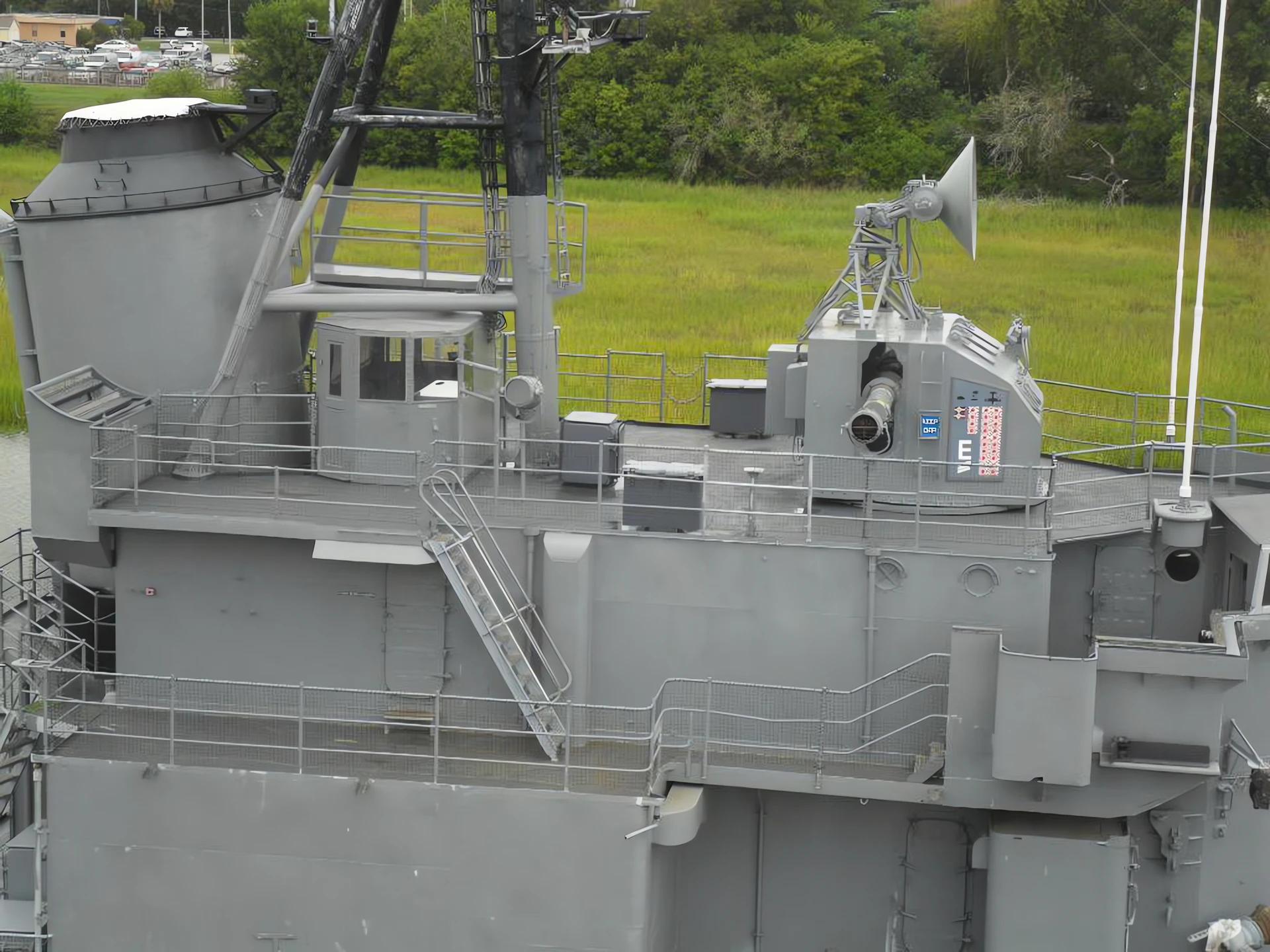
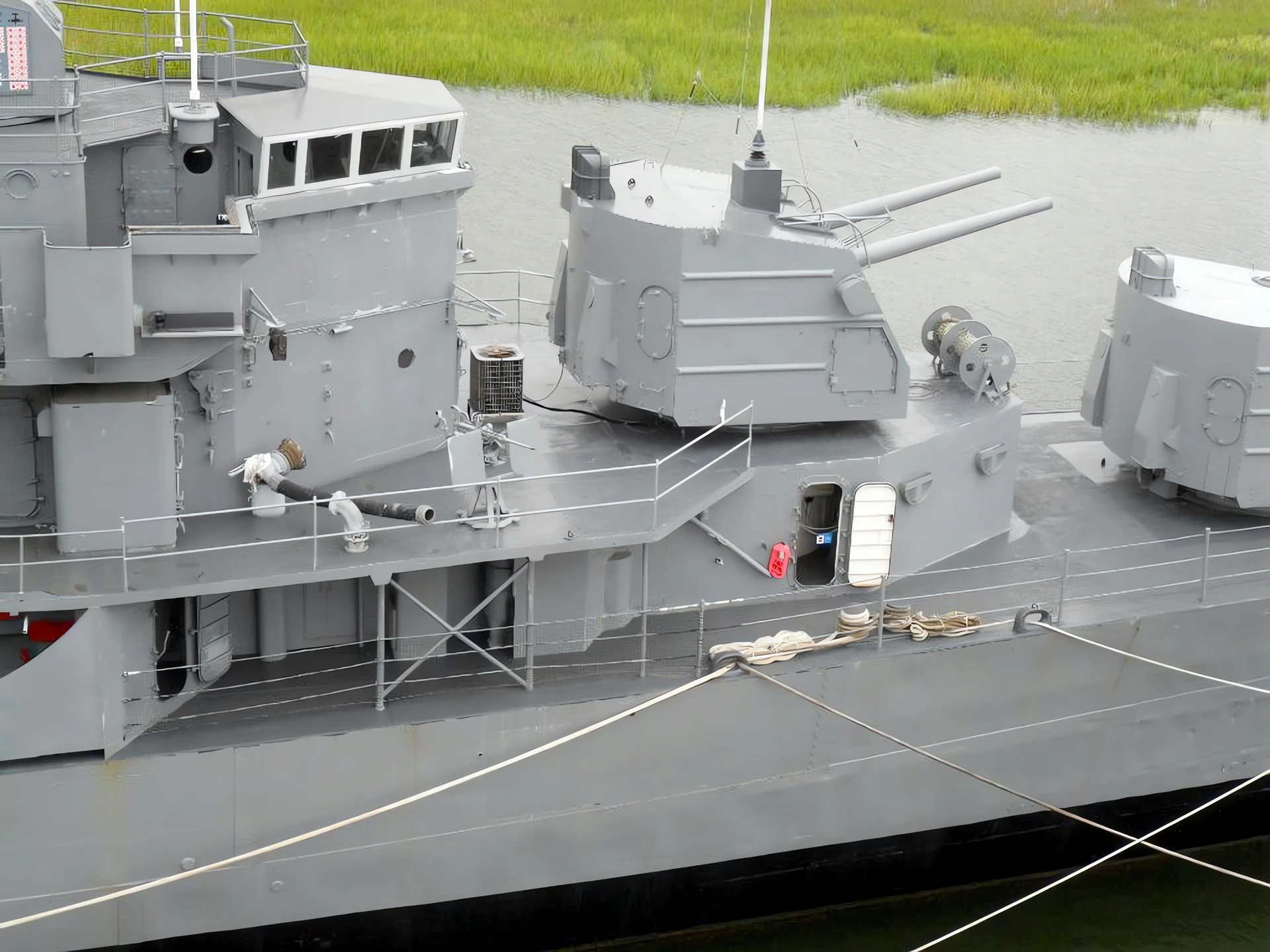
- Main Guns: 6 x 5-inch (127 mm)/38 caliber guns in 3 twin mounts (dual purpose).
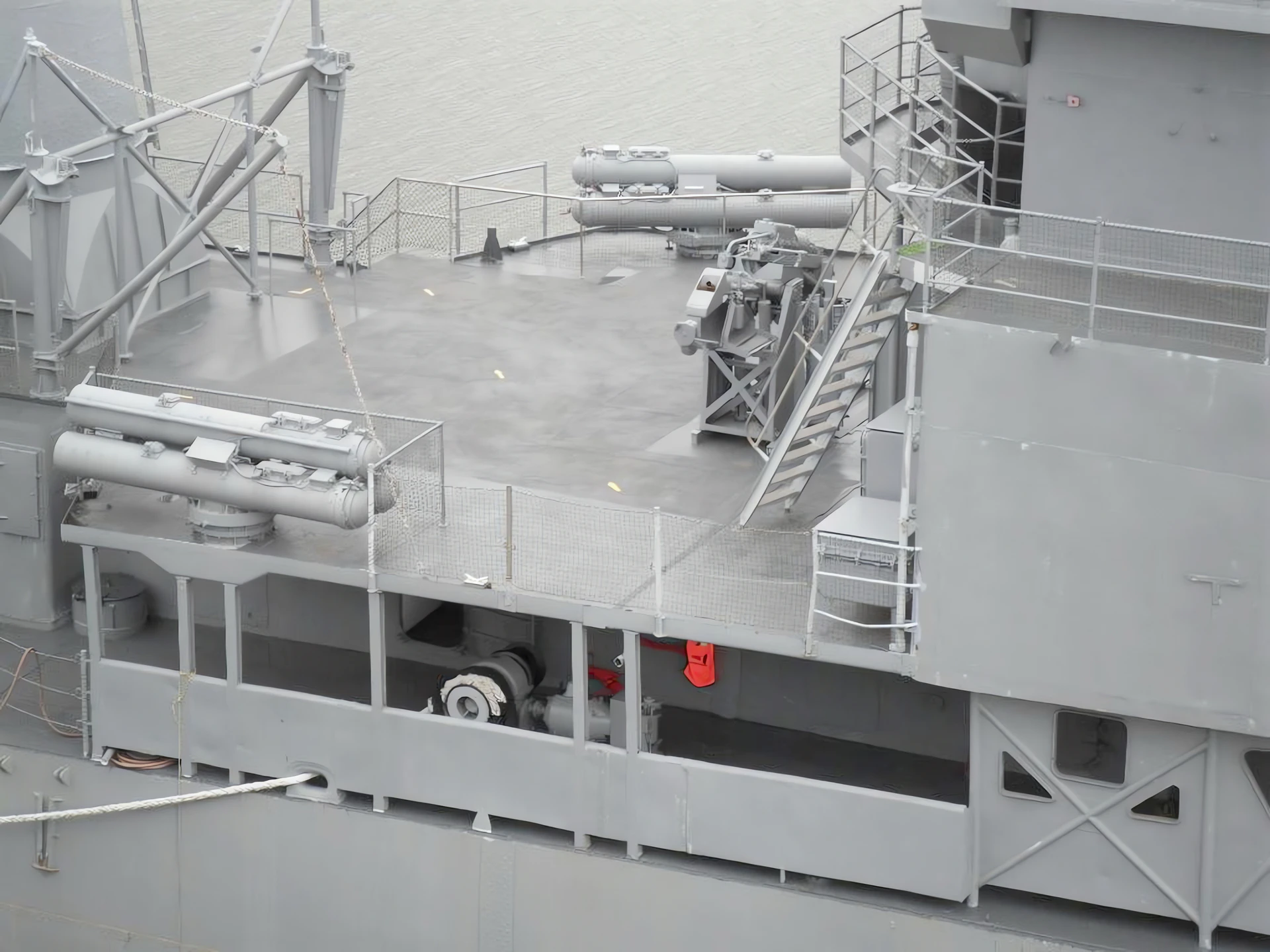
- Torpedoes: 10 x 21-inch (533 mm) torpedo tubes in 2 quintuple mounts.
- Anti-Aircraft (AA): 12 x 40 mm Bofors guns in quad mounts and 11 x 20 mm Oerlikon cannons.
- Anti-Submarine (ASW): 6 x K-gun depth charge projectors, and 2 x depth charge tracks.
The “Ship That Would Not Die” (Okinawa, April 16, 1945):
- Action: While on radar picket duty, Laffey was attacked by at least 22 Japanese aircraft, including multiple Kamikazes and dive-bombers, over a harrowing 80-minute period.
- Damage: The ship was hit by 4 bombs and 5 or 6 Kamikaze planes, resulting in 32 men killed and 71 wounded. The crew’s determination and skillful maneuvering kept the heavily damaged ship afloat and saved it from sinking.
- Legacy: For this action, she was awarded the Presidential Unit Citation and earned 5 battle stars for World War II service.
Views : 2419
Näete ka :
 USS Preble (DDG-88) – fotod ja videod
 JDS Yamagiri - fotod ja videod
 JDS Sawayuki - fotod ja videod
 HMS Cavalier (R73) – fotod ja videod
 USS Salem - fotod ja videod
 USS Joseph P. Kennedy - fotod ja videod
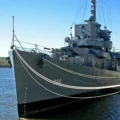 USS Slater - fotod ja videod
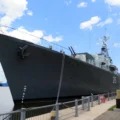 HMCS Haida - fotod ja videod
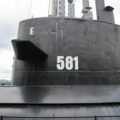 USS Blueback (SS-581) – fotod ja video
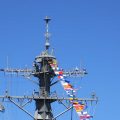 USS Stockdale (DDG-106) – fotod ja video