M7B2 Priest | |
|---|---|
| Land | Usa |
| Zeitraum | Koreakrieg |
| Typ | Selbstfahrende Kanone |
| Beschreibung | Album von 131 Fotos walk-around von der selbstfahrenden Kanone "M7B2 Priest" |
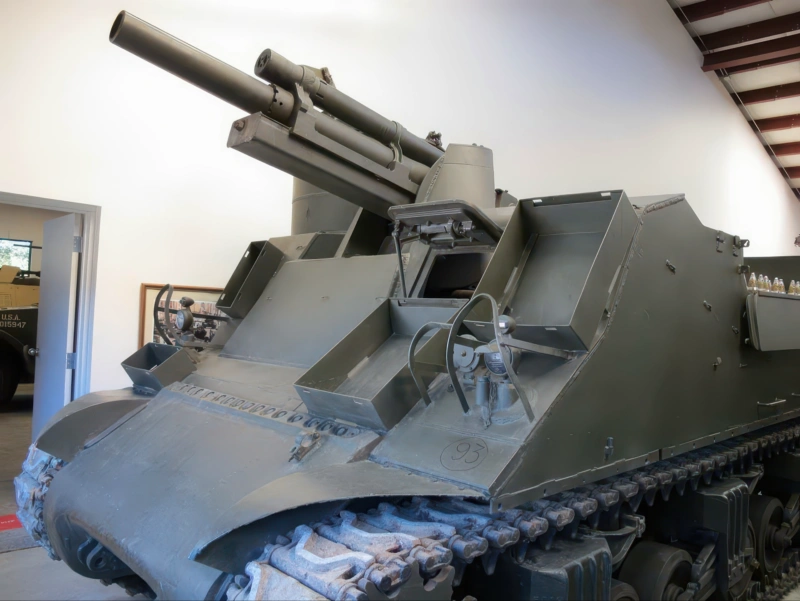
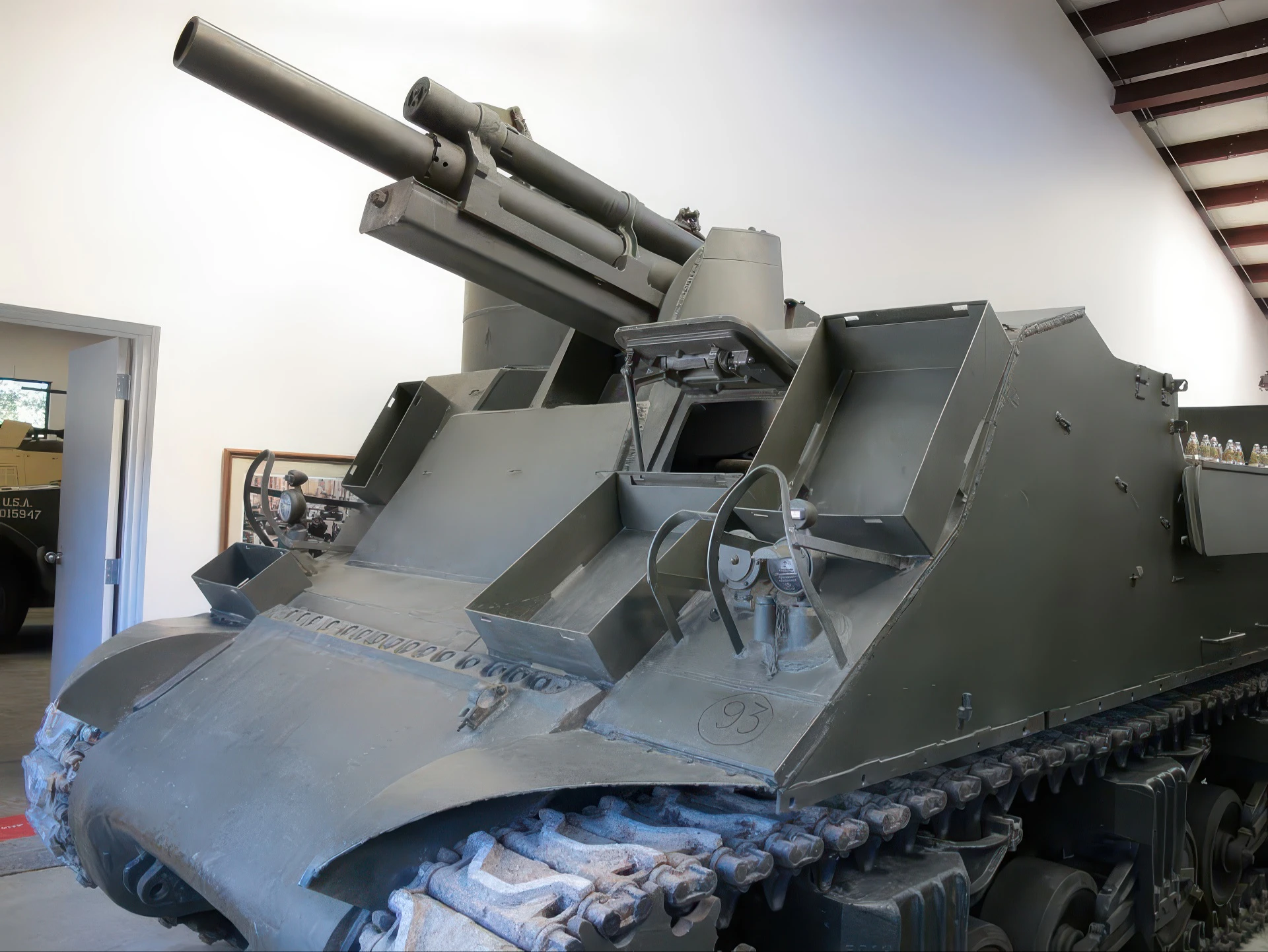
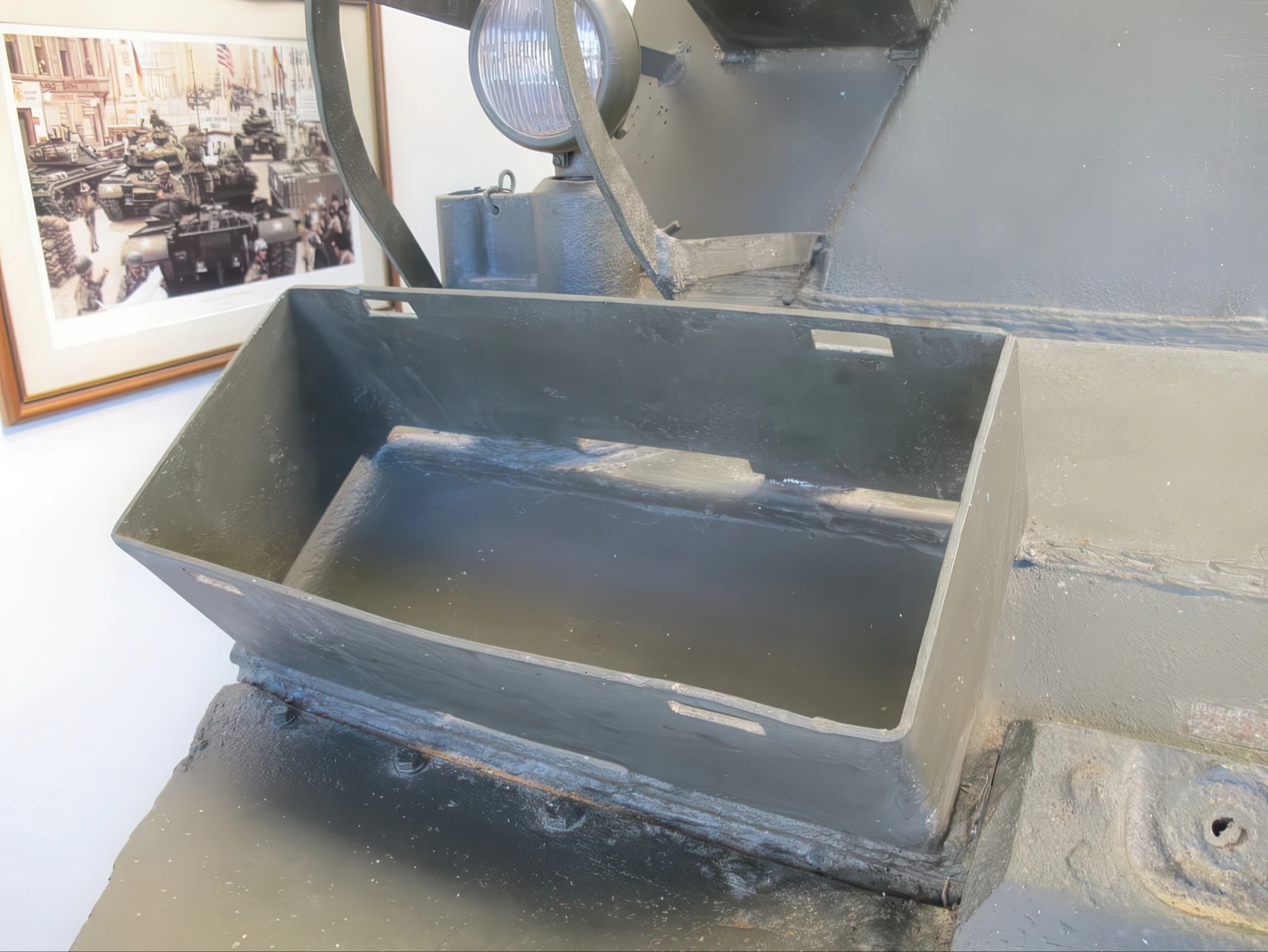
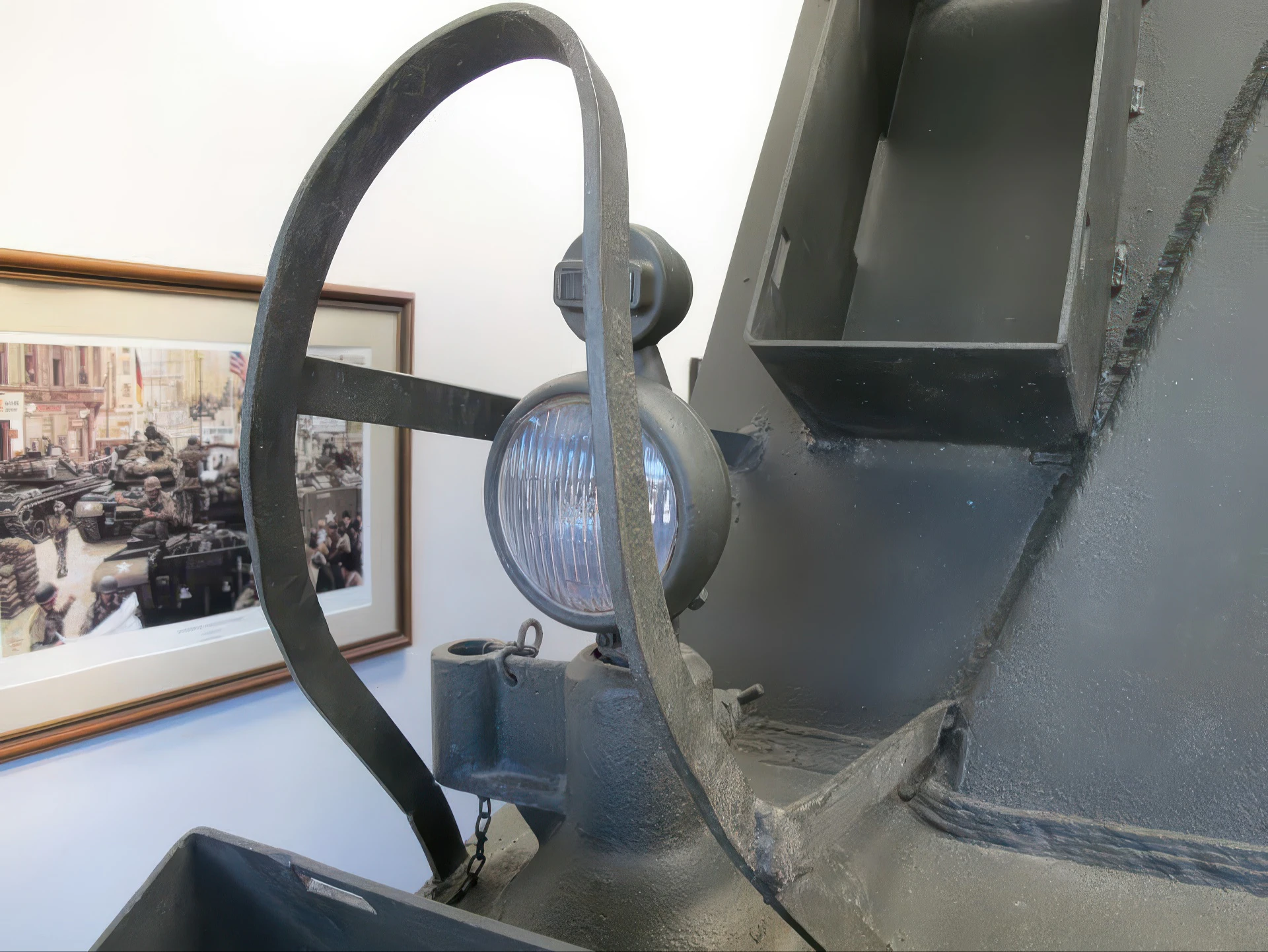
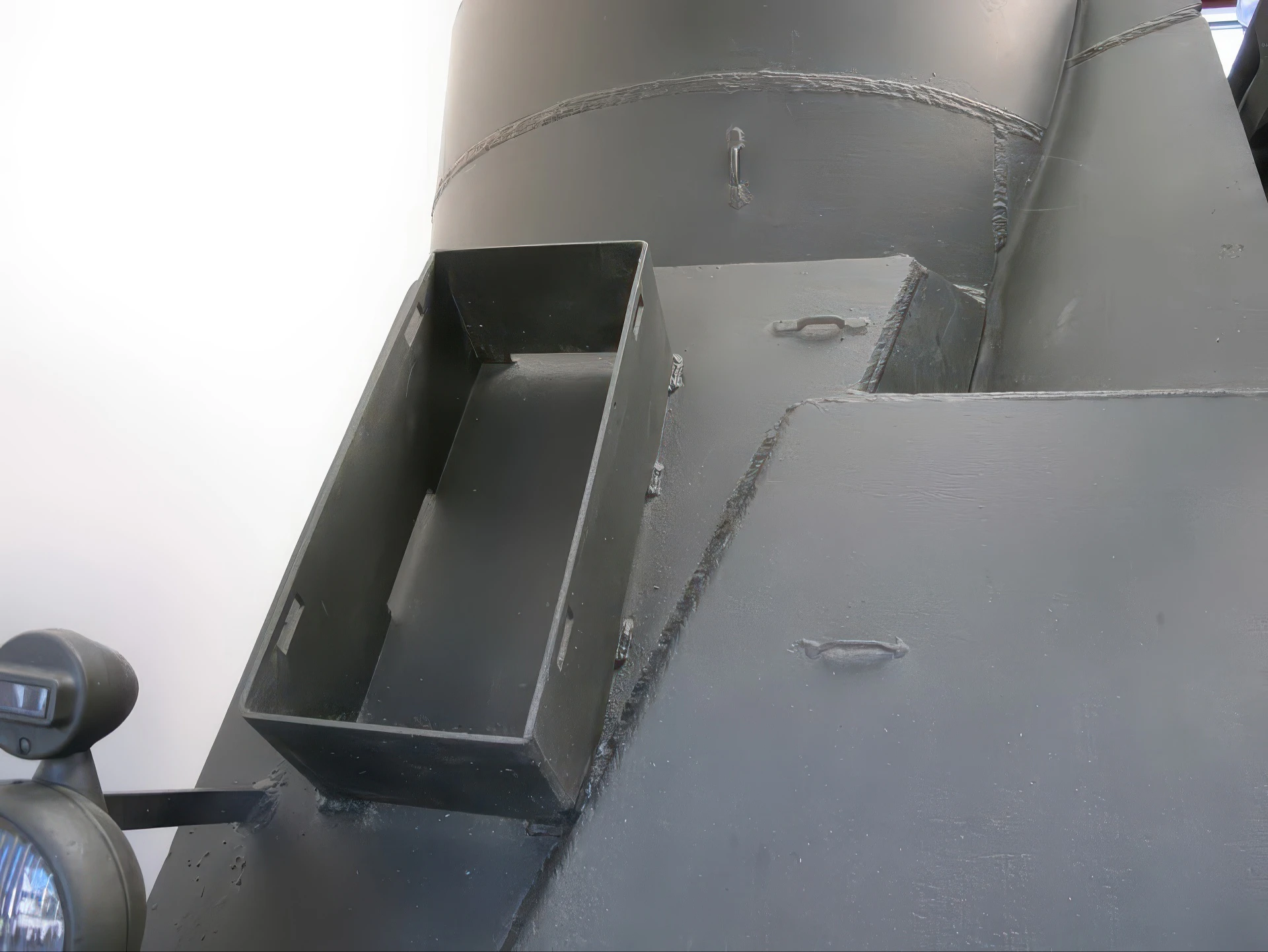
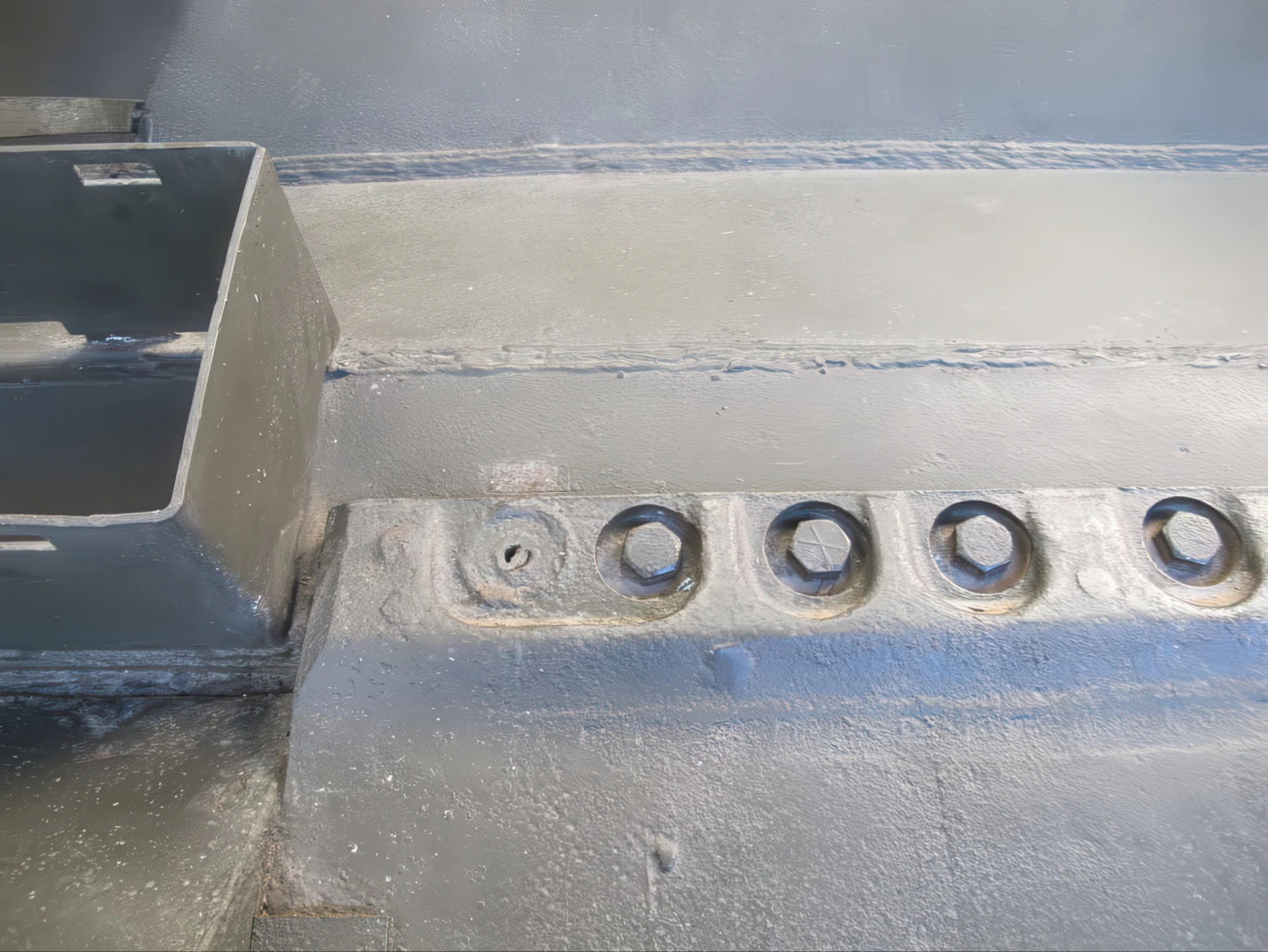
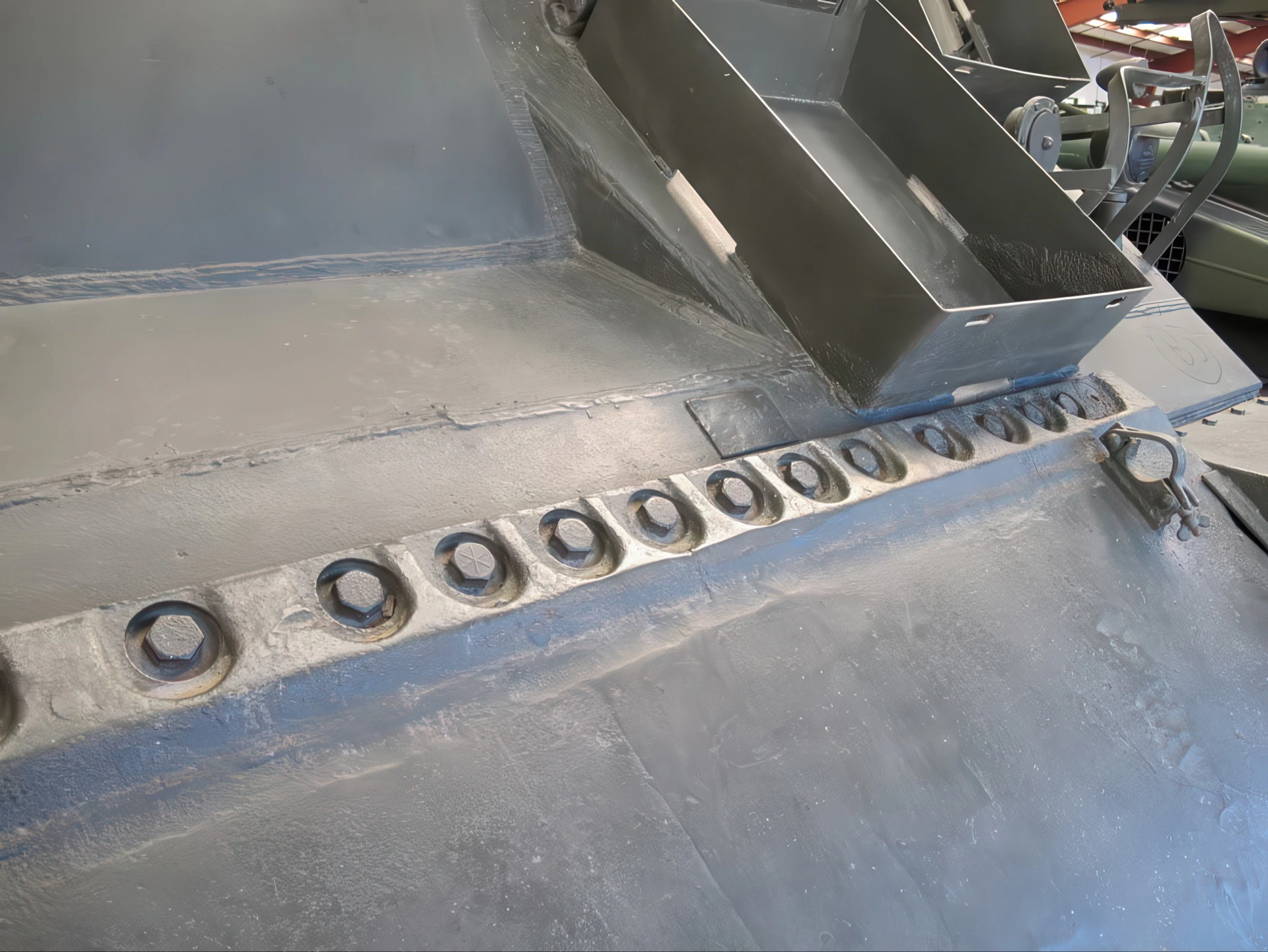
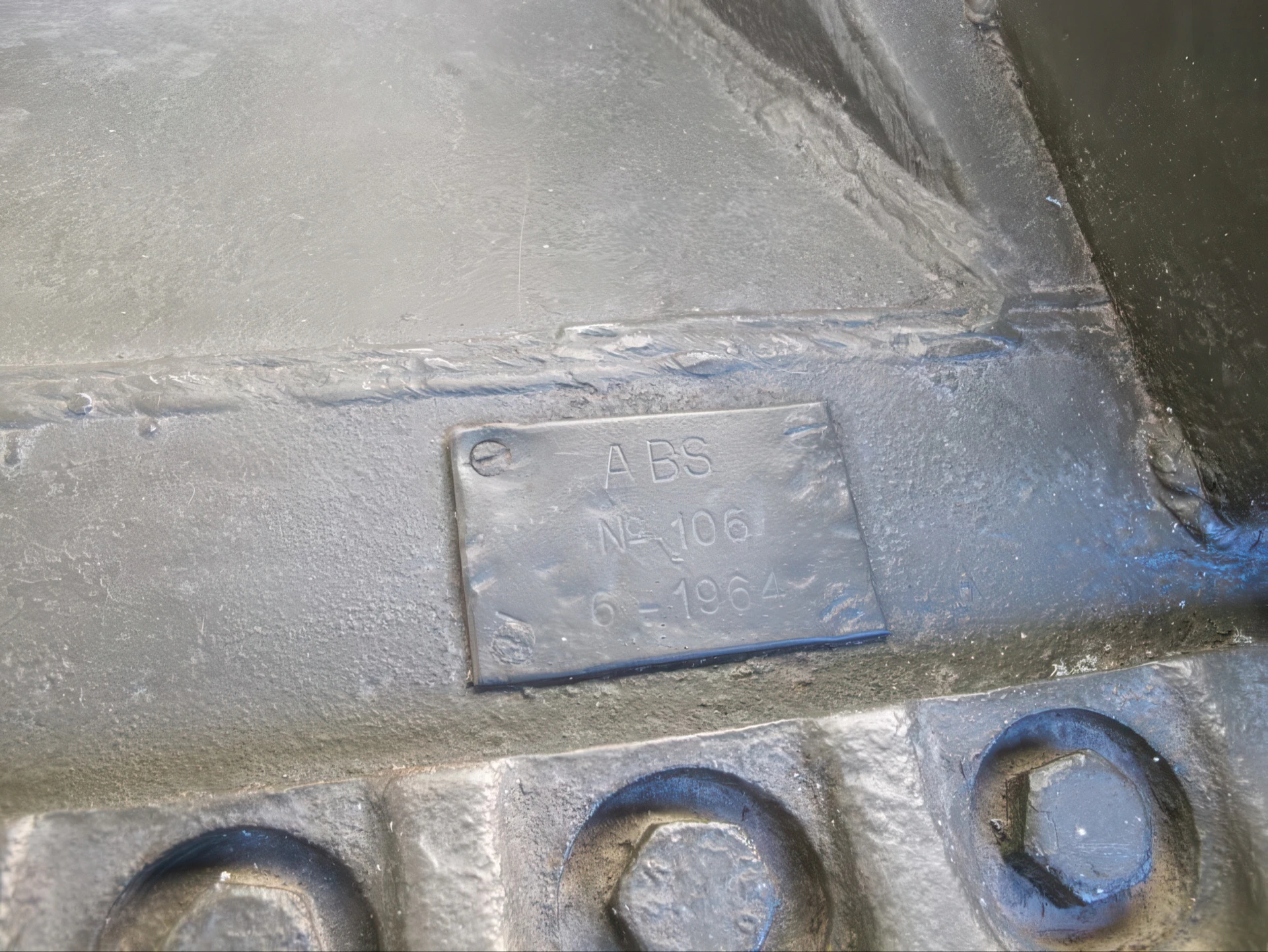
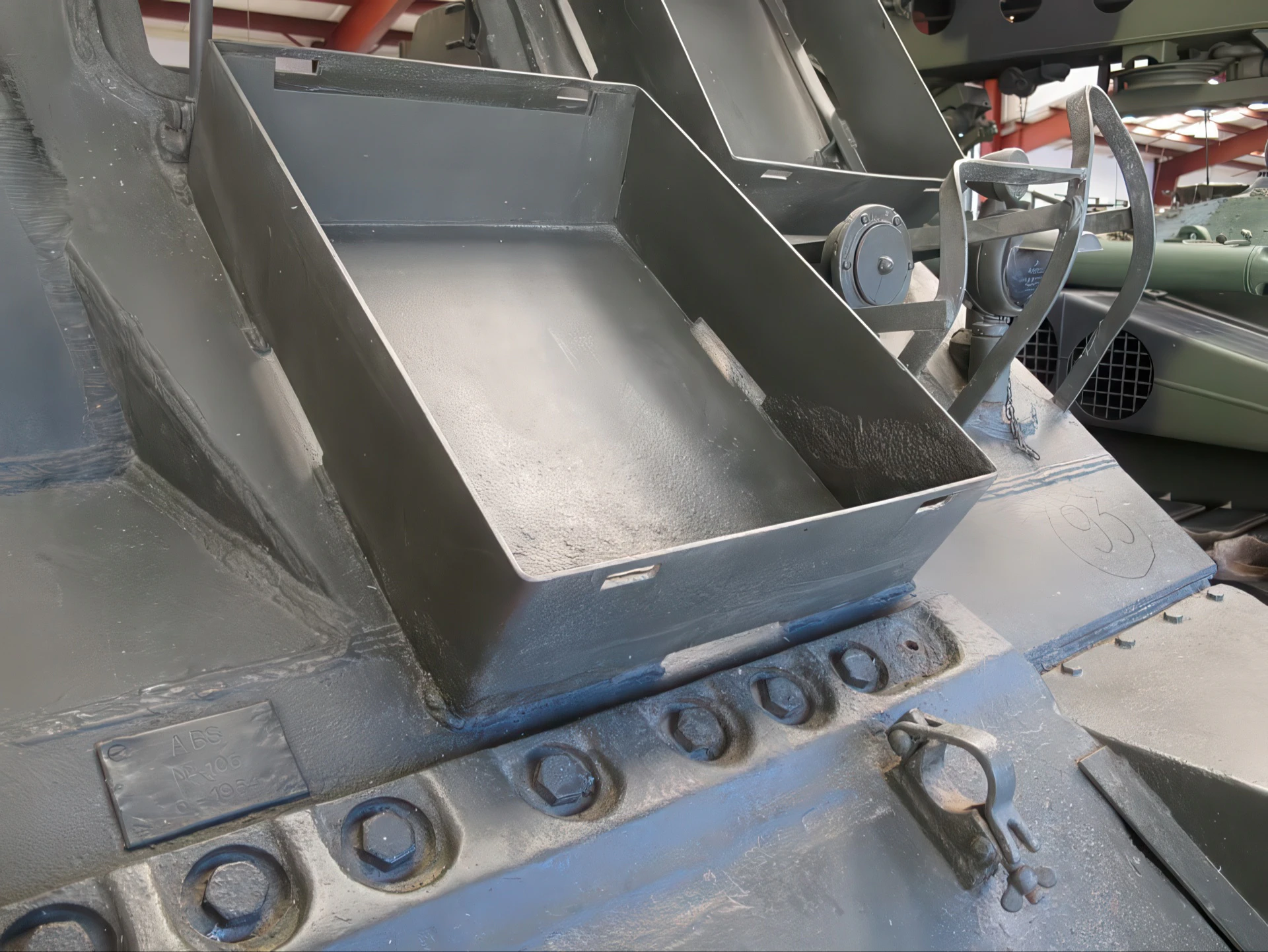
Fotogalerie auf einem M7B2 Priest, offiziell bekannt als 105mm Howitzer Motor Carriage M7, die M7 Priest ist eine selbstfahrende Kanone, die während des Zweiten Weltkriegs von den Vereinigten Staaten produziert wurde. Priest ist der Spitzname, den die Briten geben, weil das Maschinengewehr auf einer Schiene den Eindruck erweckte, der Panzer sei mit einer Kanzel ausgestattet. Es folgte auf die Bishop Und sie nannten ihn offiziell 105mm SP Priest. (Die Briten liebten es, ihren selbstfahrenden Kanonen religion liche Namen zu geben (Priest = Priester, Bischof, Sexton = Priester), eine Tradition, die bis in die 1960er Jahre mit dem Abbot (Abt) dauerte.) Version M7B2 : Während des Koreakrieges wurde die begrenzte Erhöhung der Geschosse wirklich problematisch, und sie wurde auf 65° erhöht. Das Gewehr des Maschinengewehrs musste ebenfalls verbessert werden, um die Möglichkeit zu geben, auf 360 ° zu schießen. Dieses Problem war die Tatsache, dass der Koreakonflikt in den meisten Fällen auf hügeligem Boden stattfand, da die Nordkoreaner ihre Artillerie auf den Gipfeln der Hügel nördlich von Seoul einsetzten.
Quelle: M7B2 Priest auf Wikipedia

Siehe auch:


das M7 Howitzer Motor Carriage, better known by its British service name the “Priest,” was a highly successful American self-propelled artillery vehicle. It was developed and produced during World War II to provide a mobile, armored platform capable of offering close fire support to advancing armored divisions and infantry units.
Key Features and Specifications
- Rolle: Self-propelled artillery/howitzer.
- Hauptbewaffnung: A powerful 105mm M2A1 howitzer, capable of firing high-explosive, smoke, and anti-tank rounds.
- Ammunition Capacity: Carried up to 69 rounds for the main gun.
- Secondary Armament: Eine .50 caliber M2 Browning heavy machine gun, mounted in a circular “pulpit” cupola. This distinctive mount is what inspired the British nickname “Priest.”
- Chassis:
- M7 (Early): Based on the modified chassis of the M3 Lee medium tank.
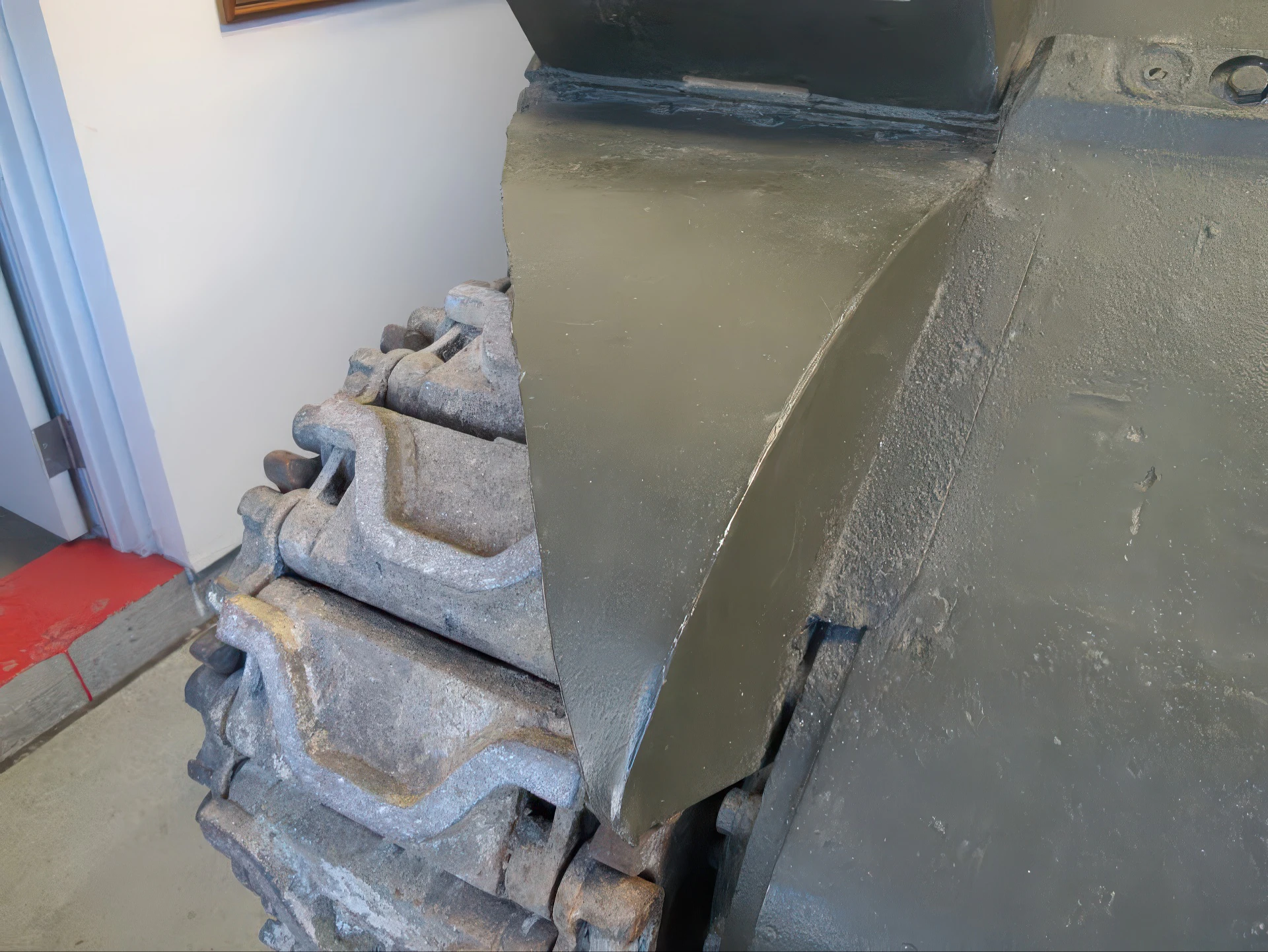
- M7B1/M7B2 (Later): Based on the chassis of the M4 Sherman mittlerer Panzer.
- Crew Protection: Featured an open-topped fighting compartment with a steel superstructure. This provided protection from small arms and shell fragments but left the crew vulnerable to air bursts.
- Mobilität: Fully tracked, allowing for good cross-country movement and the ability to keep pace with mechanized forces.
Combat Service and Legacy
The M7 Priest first saw combat with the British Eighth Army at the Second Battle of El Alamein in late 1942. It was widely used across all major theaters of operation, including North Africa, the Mediterranean, Northwest Europe (Normandy), and the Pacific.
Its operational success lay in its “shoot-and-scoot” capability, which allowed it to quickly fire barrages and relocate before enemy counter-battery fire could zero in. The Priest’s design and performance cemented the need for self-propelled artillery in modern mechanized warfare. It continued to serve beyond World War II, seeing action with US forces and allies during the Korean War.
Aufrufe : 3131