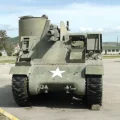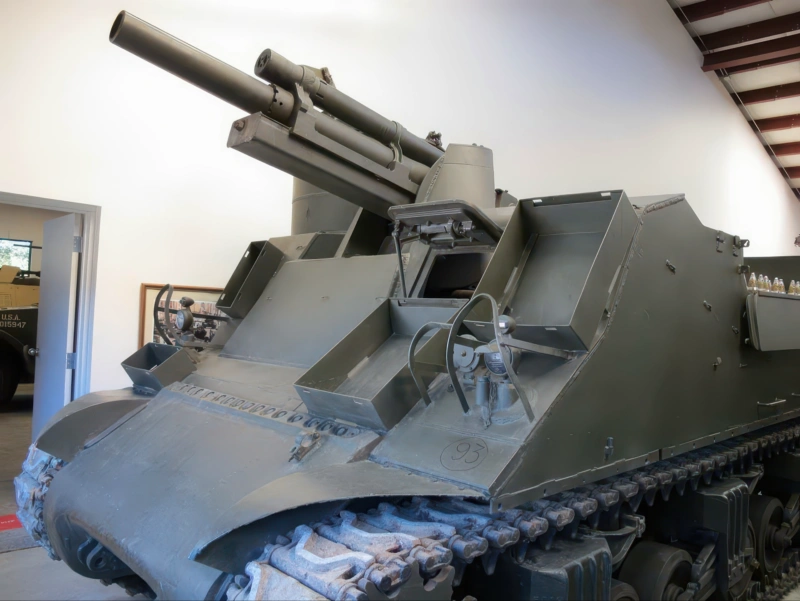
M7B2 Ιερέας | |
|---|---|
| Πληρώνει | Ηπα |
| Περίοδο | Πόλεμος της Κορέας |
| Πληκτρολογήστε | Αυτοκινούμενο όπλο |
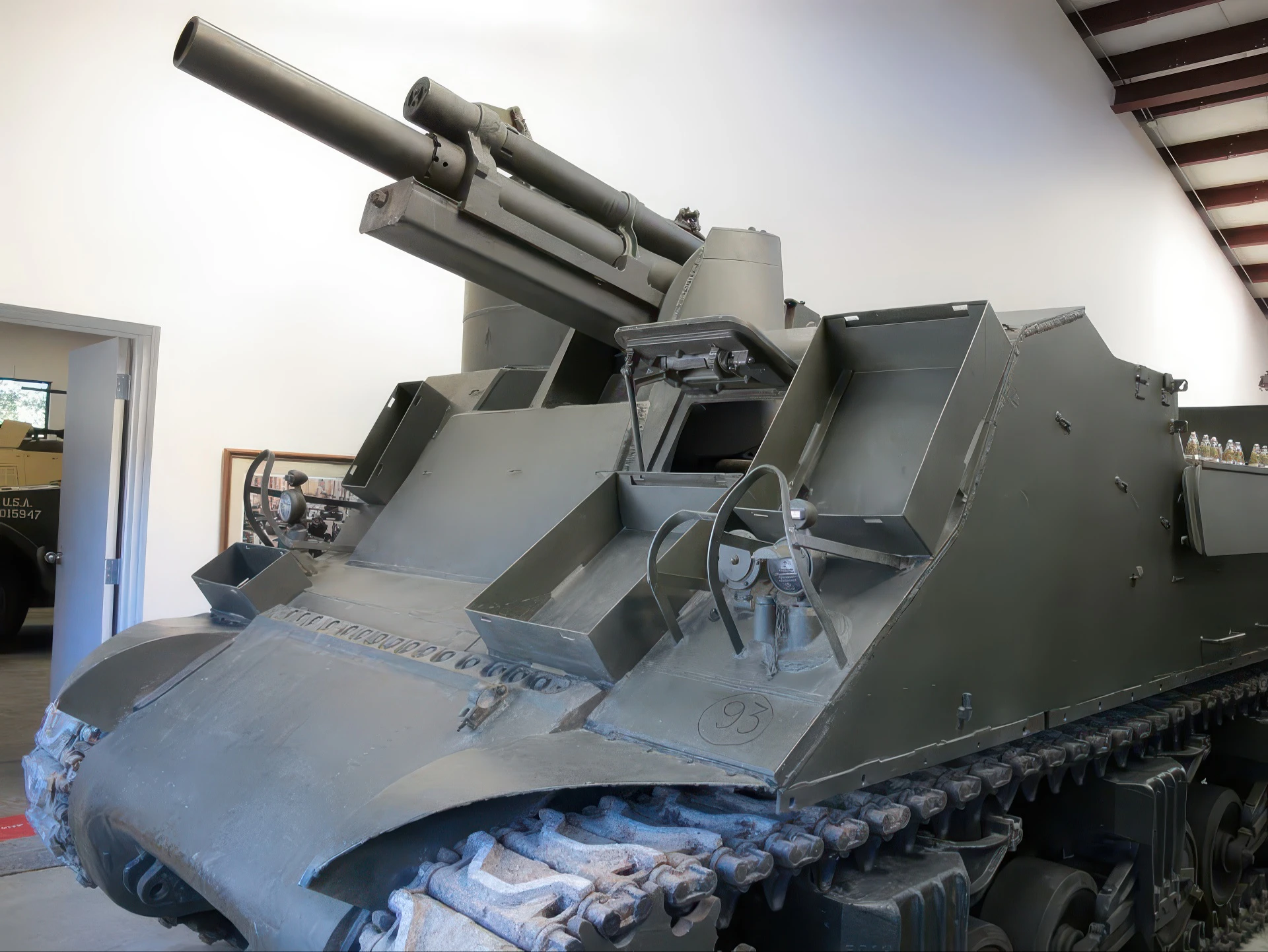
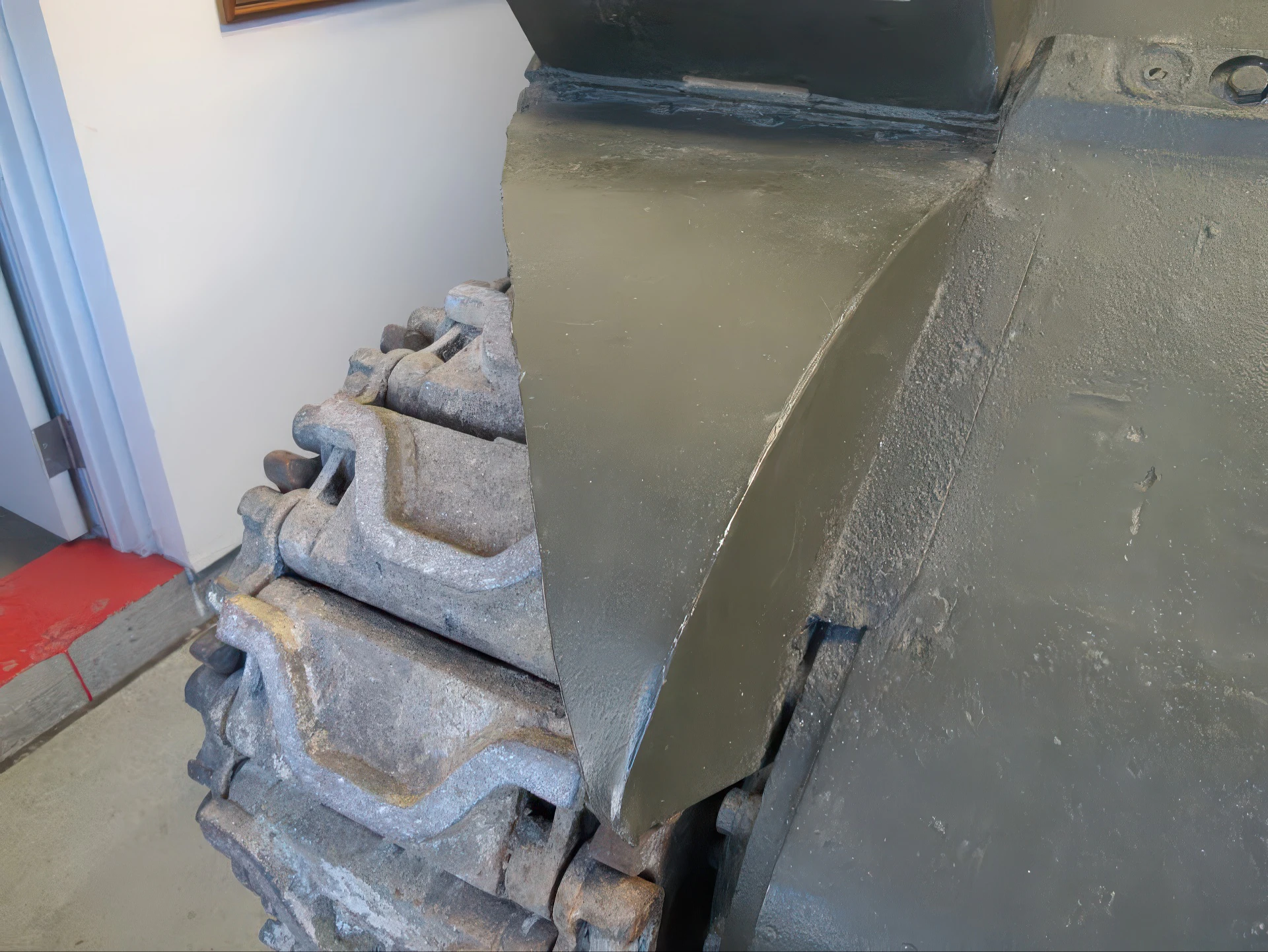
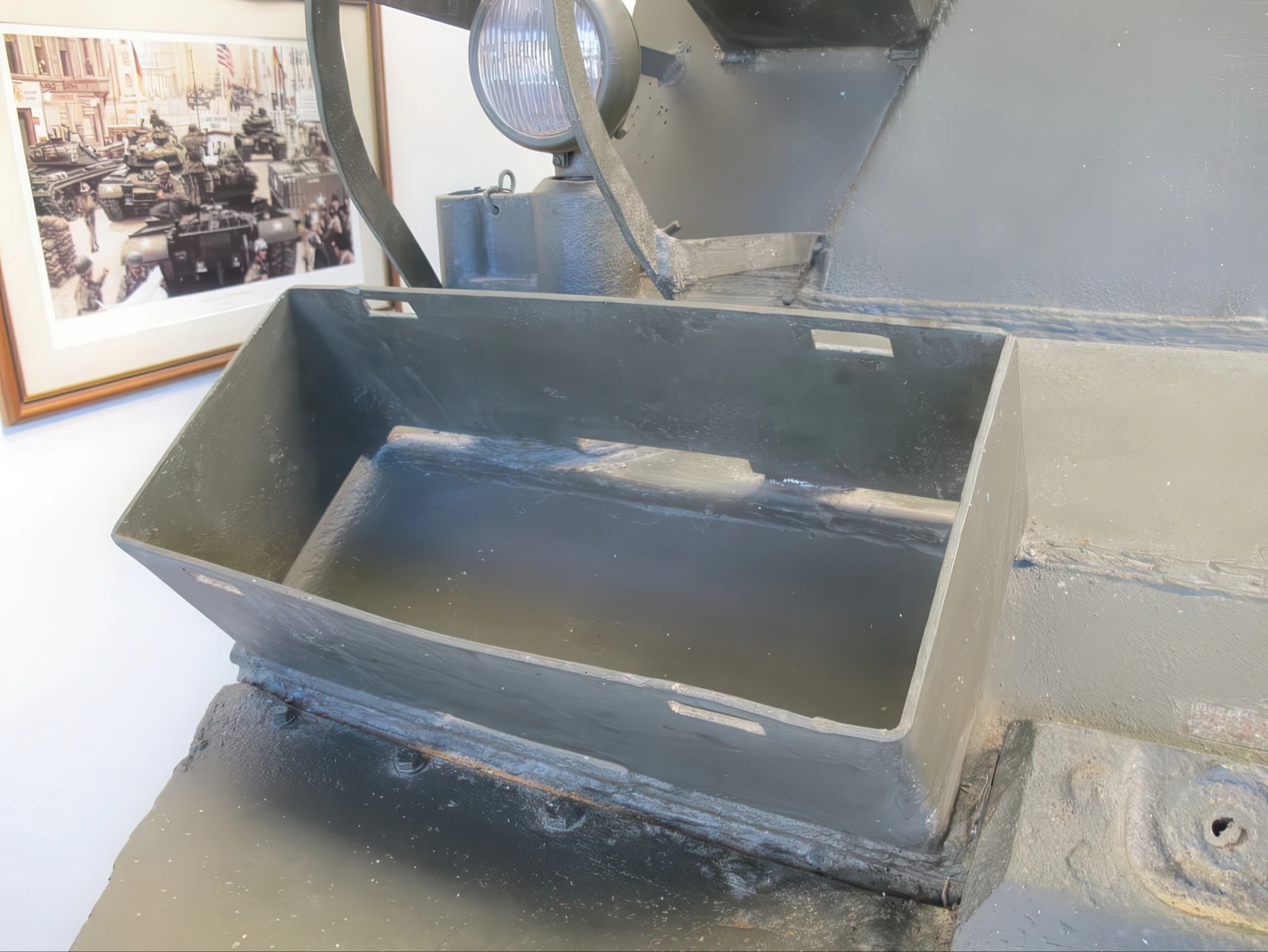
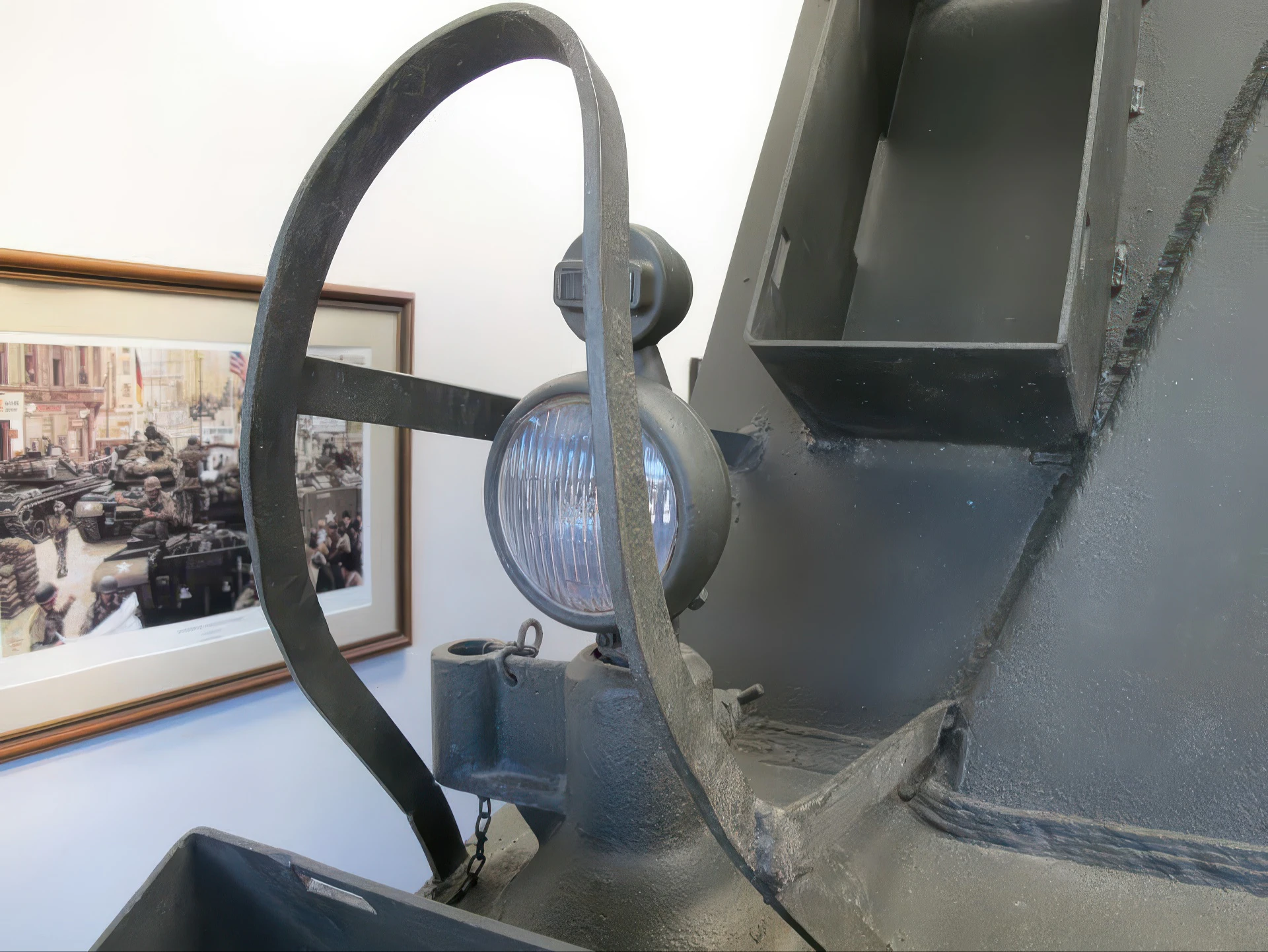
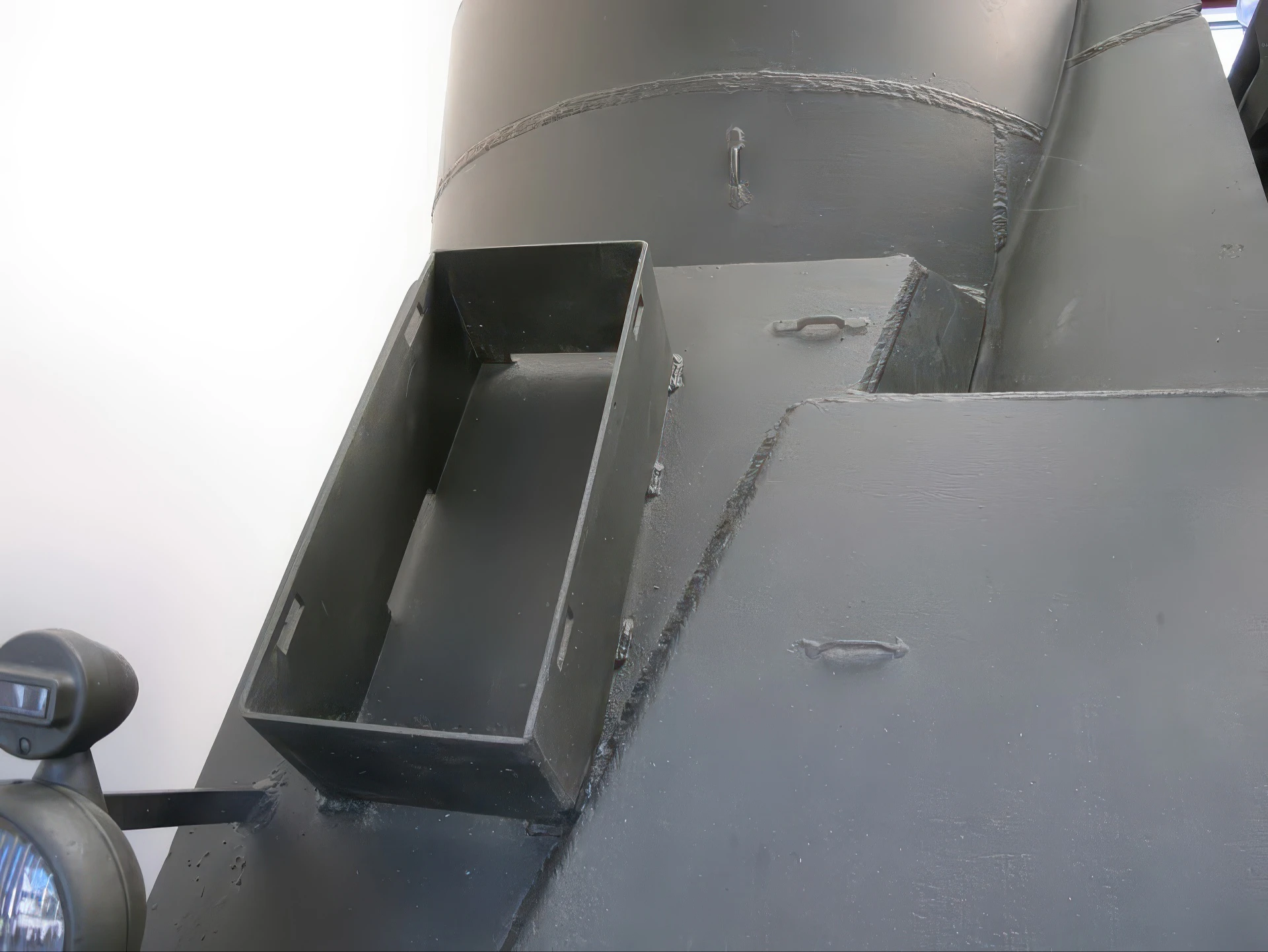
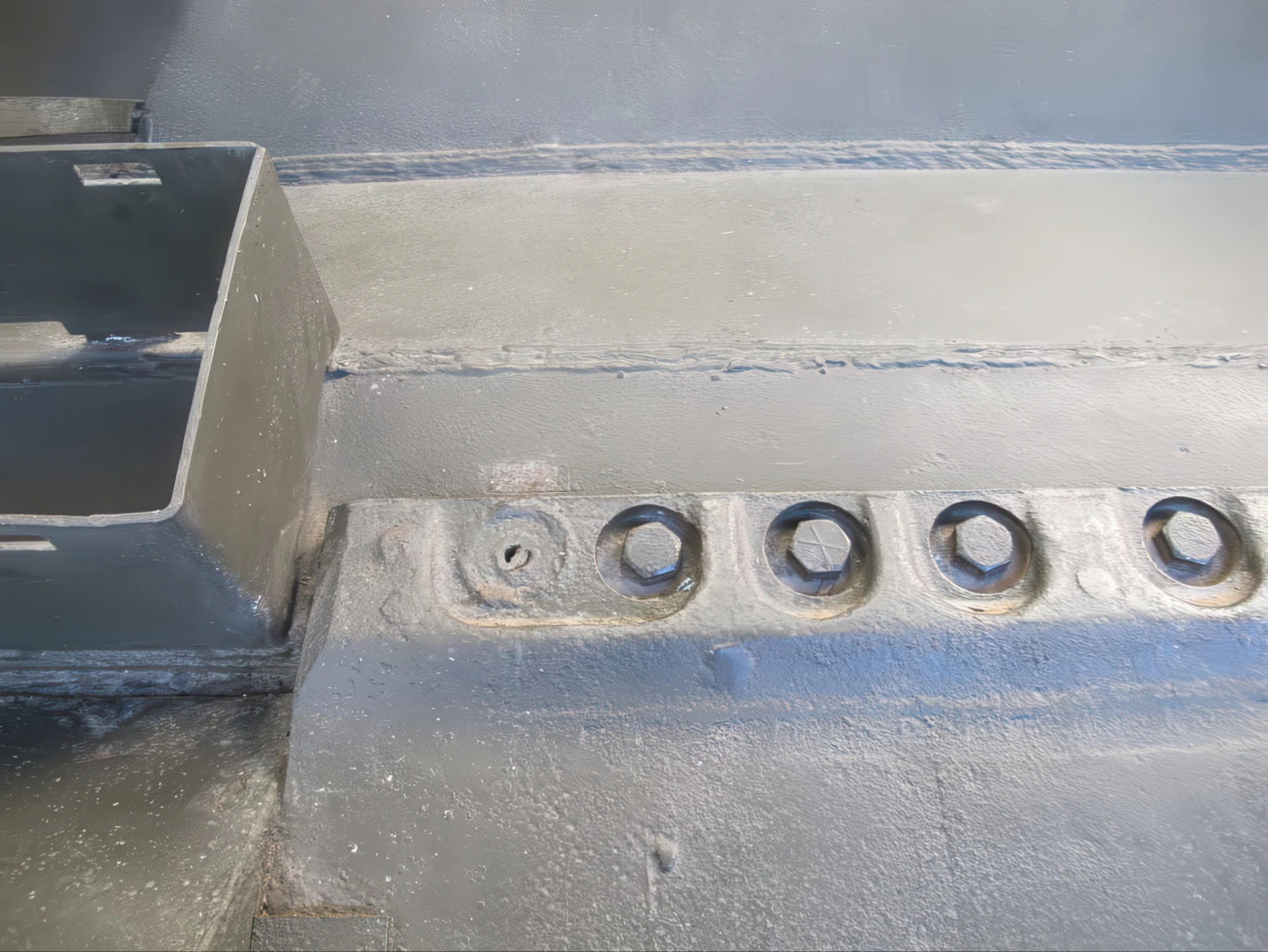
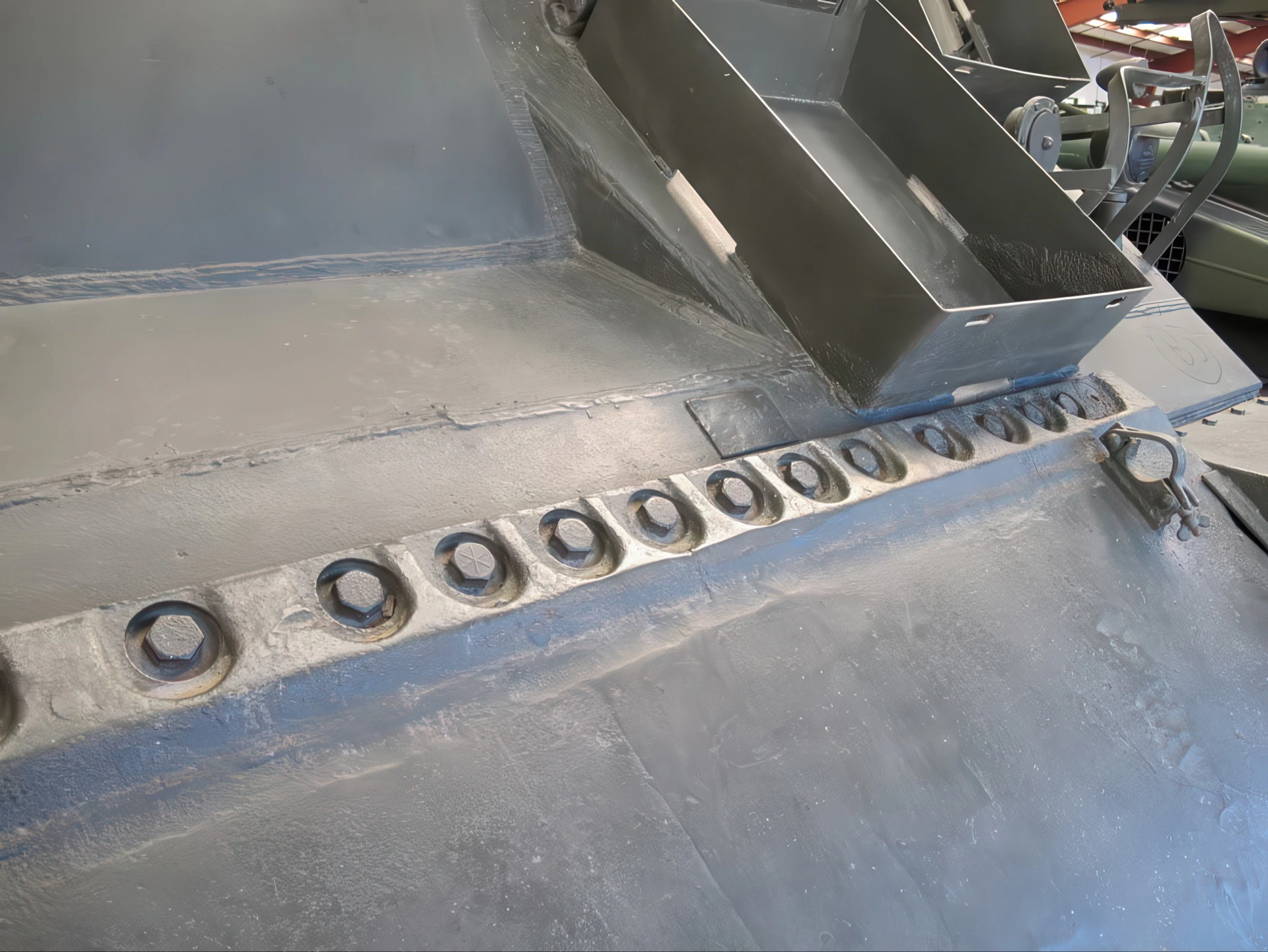
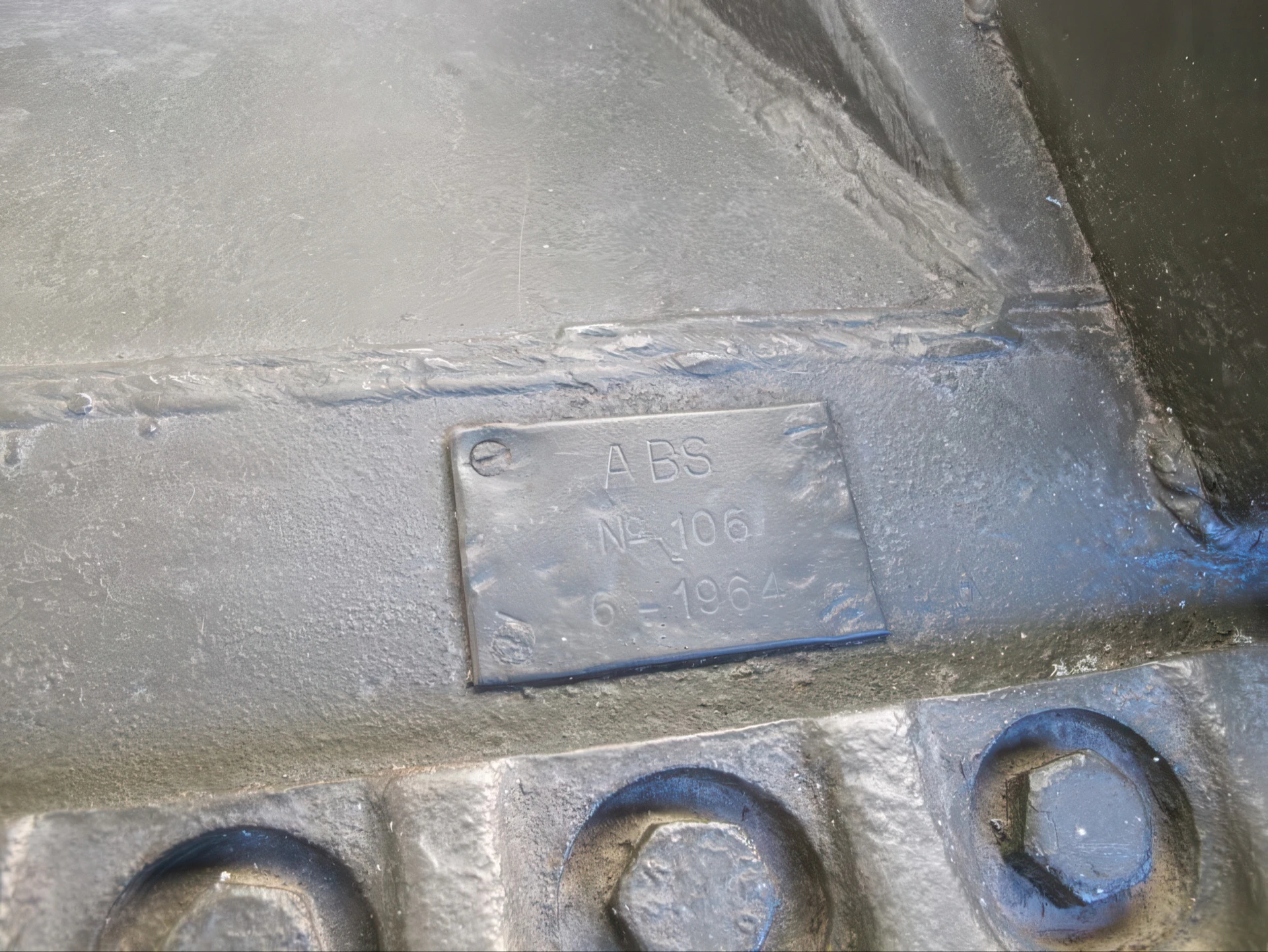
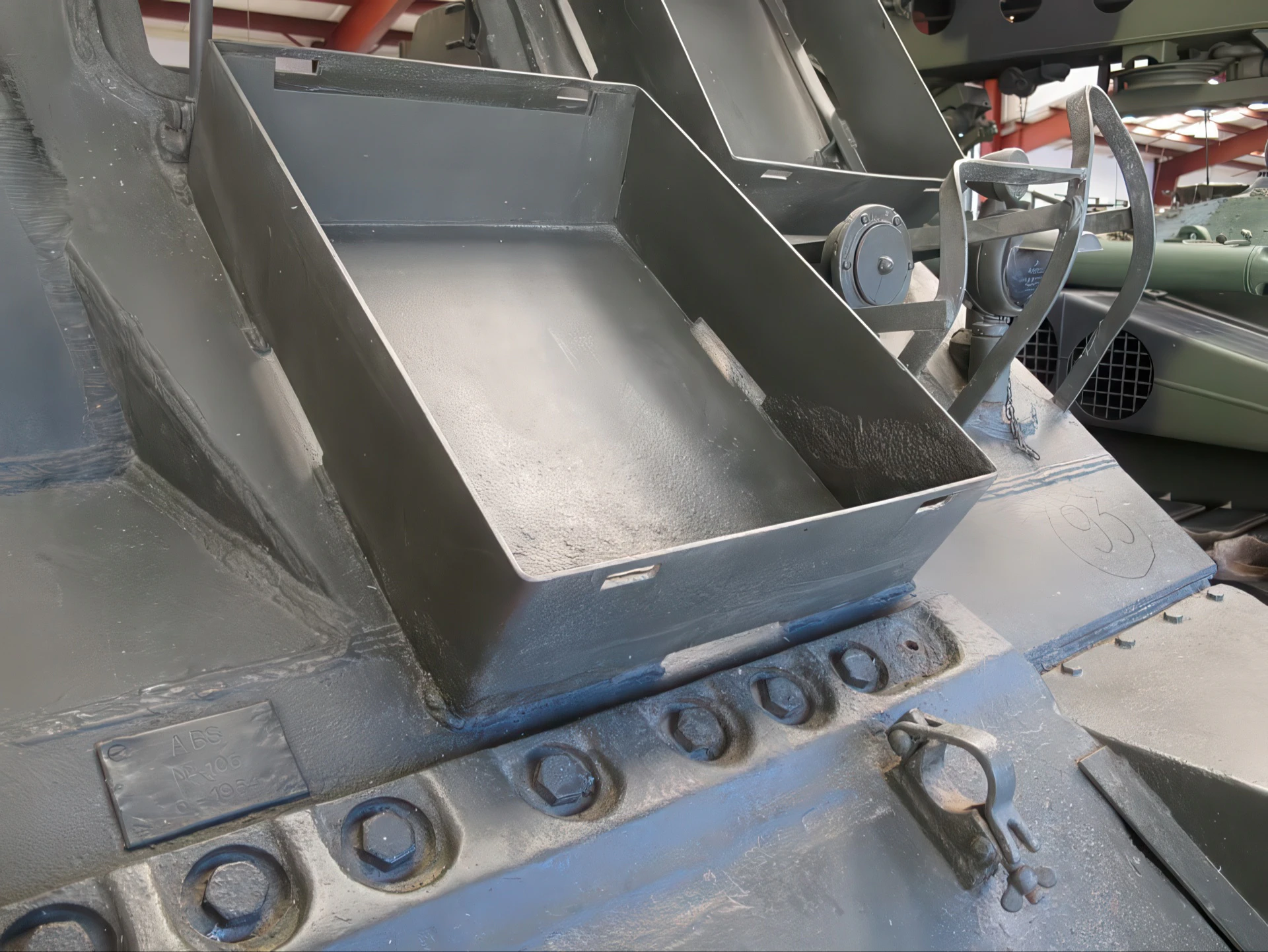
| Περιγραφή | Άλμπουμ 131 φωτογραφίες του αυτοκινούμενου πυροβόλου "M7B2 Priest" |
Galerie photo sur un M7B2 Priest, Désigné officiellement sous le nom de 105mm Howitzer Motor Carriage M7, le Μ7 Ιερέας est un canon automoteur produit au cours de la Seconde Guerre mondiale par les États-Unis. Priest est le surnom donné par les Britanniques, dû au fait que la mitrailleuse placée sur un rail donnait l’impression que le char était muni d’une chaire. Il faisait suite au Επίσκοπος anglais et ils le désignèrent officiellement 105mm SP Priest. (Les britanniques aimaient donner des noms en rapport à la religion à leurs canons automoteurs (Priest = prêtre, Bishop = évêque, Sexton = sacristain), tradition qui dura jusque dans les années 1960 avec l‘Abbot (abbé).) Έκδοση M7B2 : Pendant la guerre de Corée, l’élévation limitée de l’obusier est devenue vraiment problématique, et elle a été augmentée jusqu’à 65°. Le bâti de la mitrailleuse a dû également être amélioré pour donner la possibilité de tirer sur 360°. Ce problème venait du fait que la plupart du temps le conflit coréen s’est déroulé en terrain vallonné, les Coréens du nord déployant leurs pièces d’artilleries sur les sommets des collines au nord de Séoul.

Δείτε επίσης:


Teh M7 Howitzer Motor Carriage, better known by its British service name the “Priest,” was a highly successful American self-propelled artillery vehicle. It was developed and produced during World War II to provide a mobile, armored platform capable of offering close fire support to advancing armored divisions and infantry units.
Key Features and Specifications
- Ρόλος: Self-propelled artillery/howitzer.
- Main Armament: A powerful 105mm M2A1 howitzer, capable of firing high-explosive, smoke, and anti-tank rounds.
- Ammunition Capacity: Carried up to 69 rounds for the main gun.
- Secondary Armament: Ένας .50 caliber M2 Browning heavy machine gun, mounted in a circular “pulpit” cupola. This distinctive mount is what inspired the British nickname “Priest.”
- Chassis:
- M7 (Early): Based on the modified chassis of the M3 Lee medium tank.
- M7B1/M7B2 (Later): Based on the chassis of the M4 Sherman μεσαίο ρεζερβουάρ.
- Crew Protection: Featured an open-topped fighting compartment with a steel superstructure. This provided protection from small arms and shell fragments but left the crew vulnerable to air bursts.
- Κινητικότητα: Fully tracked, allowing for good cross-country movement and the ability to keep pace with mechanized forces.
Combat Service and Legacy
The M7 Priest first saw combat with the British Eighth Army at the Second Battle of El Alamein in late 1942. It was widely used across all major theaters of operation, including North Africa, the Mediterranean, Northwest Europe (Normandy), and the Pacific.
Its operational success lay in its “shoot-and-scoot” capability, which allowed it to quickly fire barrages and relocate before enemy counter-battery fire could zero in. The Priest’s design and performance cemented the need for self-propelled artillery in modern mechanized warfare. It continued to serve beyond World War II, seeing action with US forces and allies during the Πόλεμος της Κορέας.
Απόψεις : 3205