M7B2 Ksiądz | |
|---|---|
| Płaci | Stany Zjednoczone Ameryki |
| Okres | Wojna koreańska |
| Typu | Działo samobieżne |
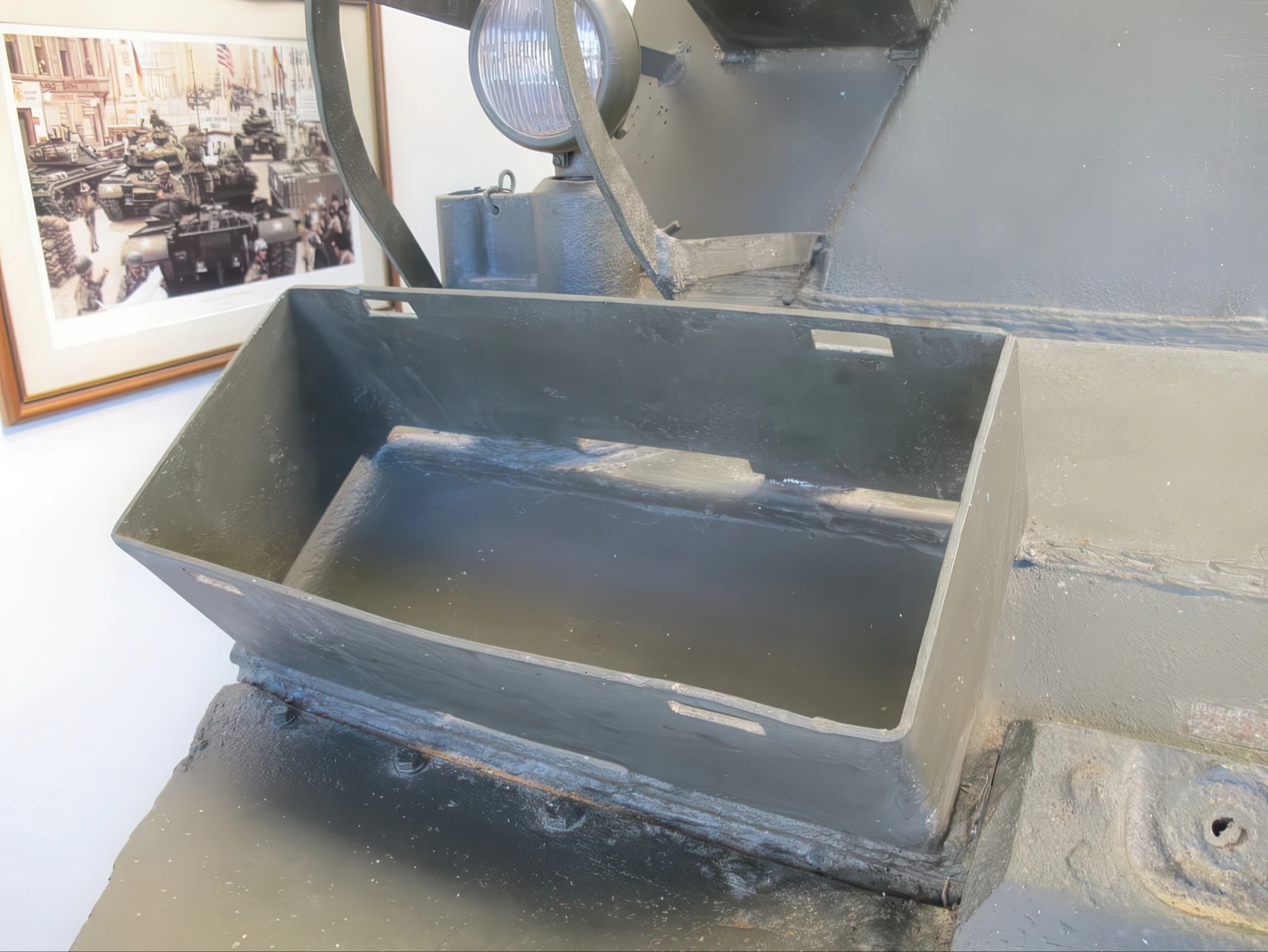
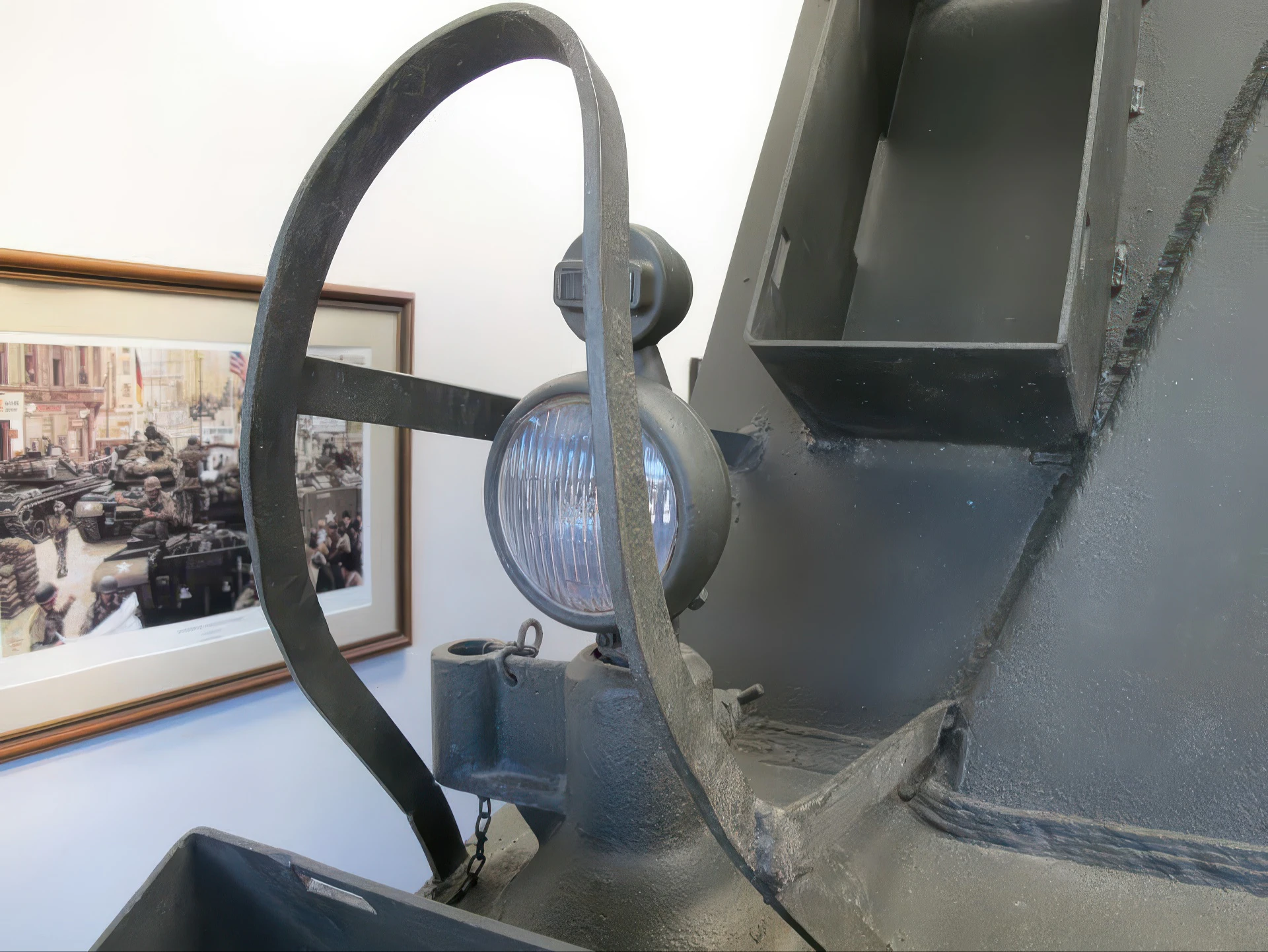
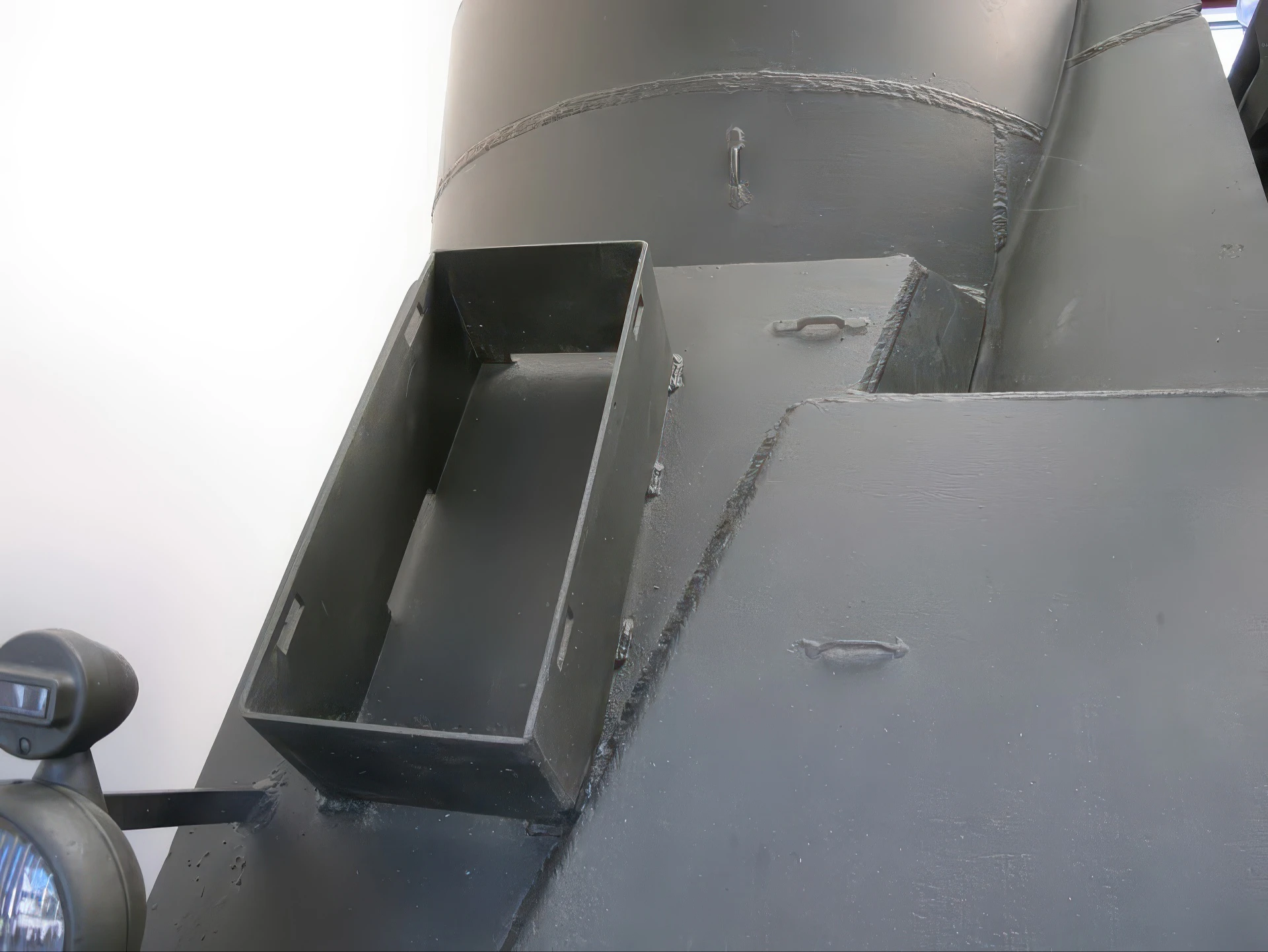
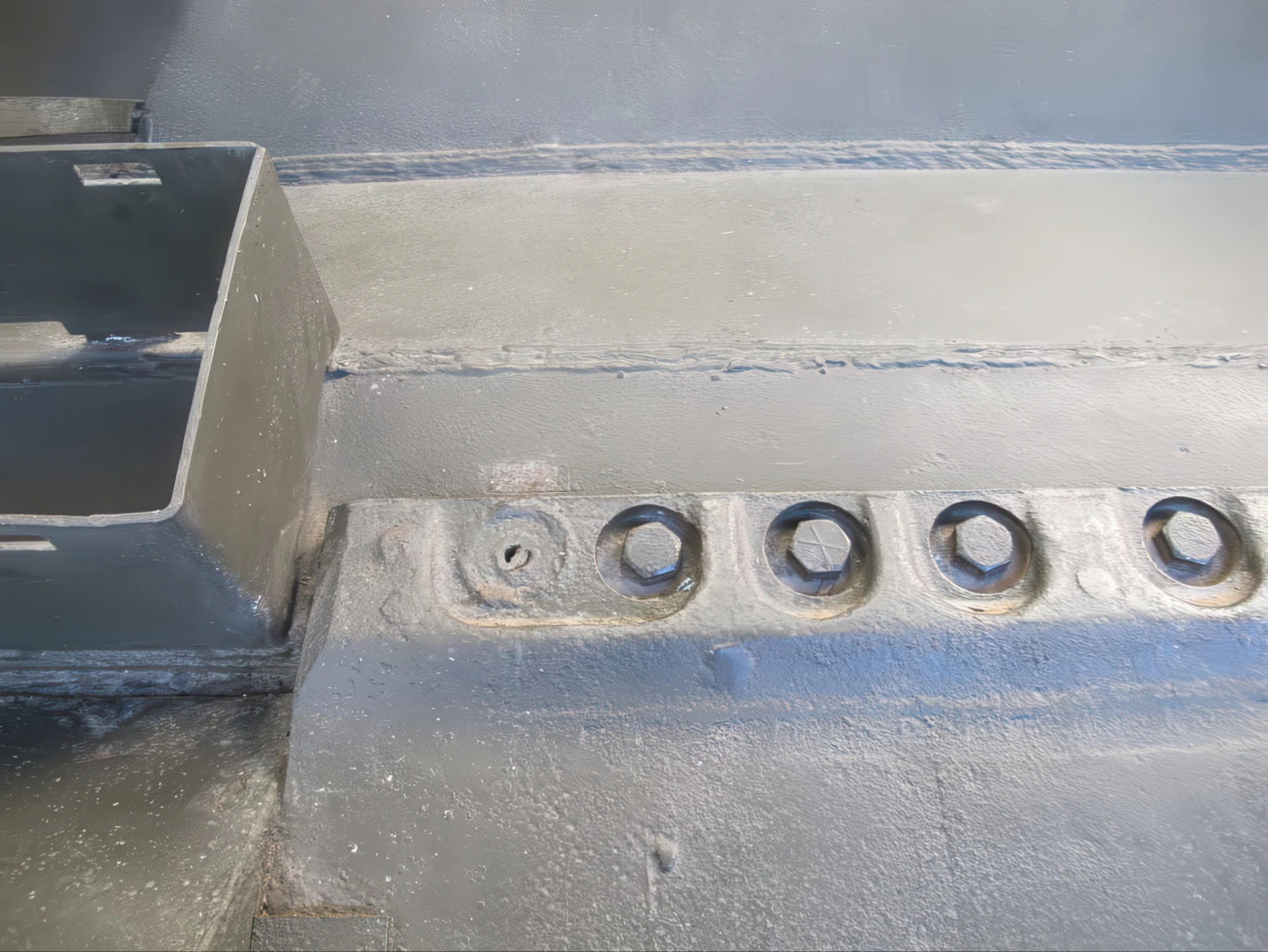
| Opis | Album 131 zdjęcia z pistoletu samobieżnego "M7B2 Priest" |
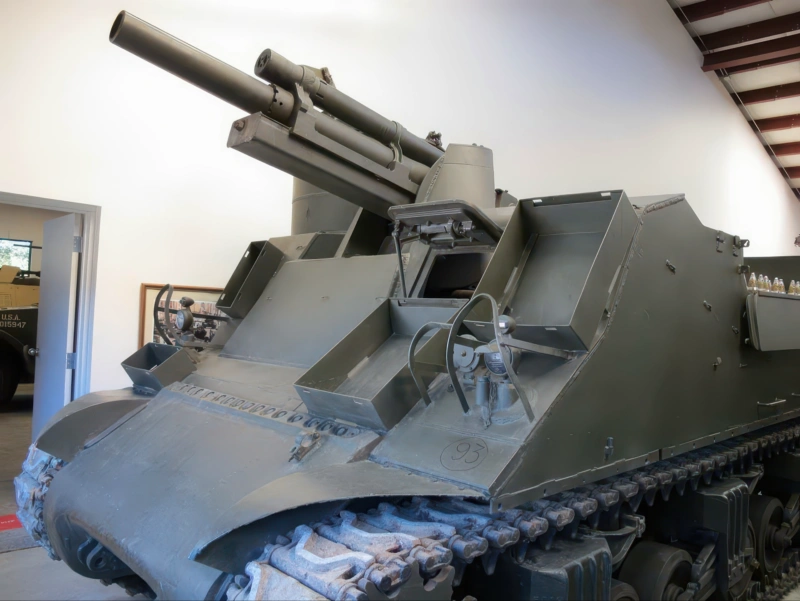
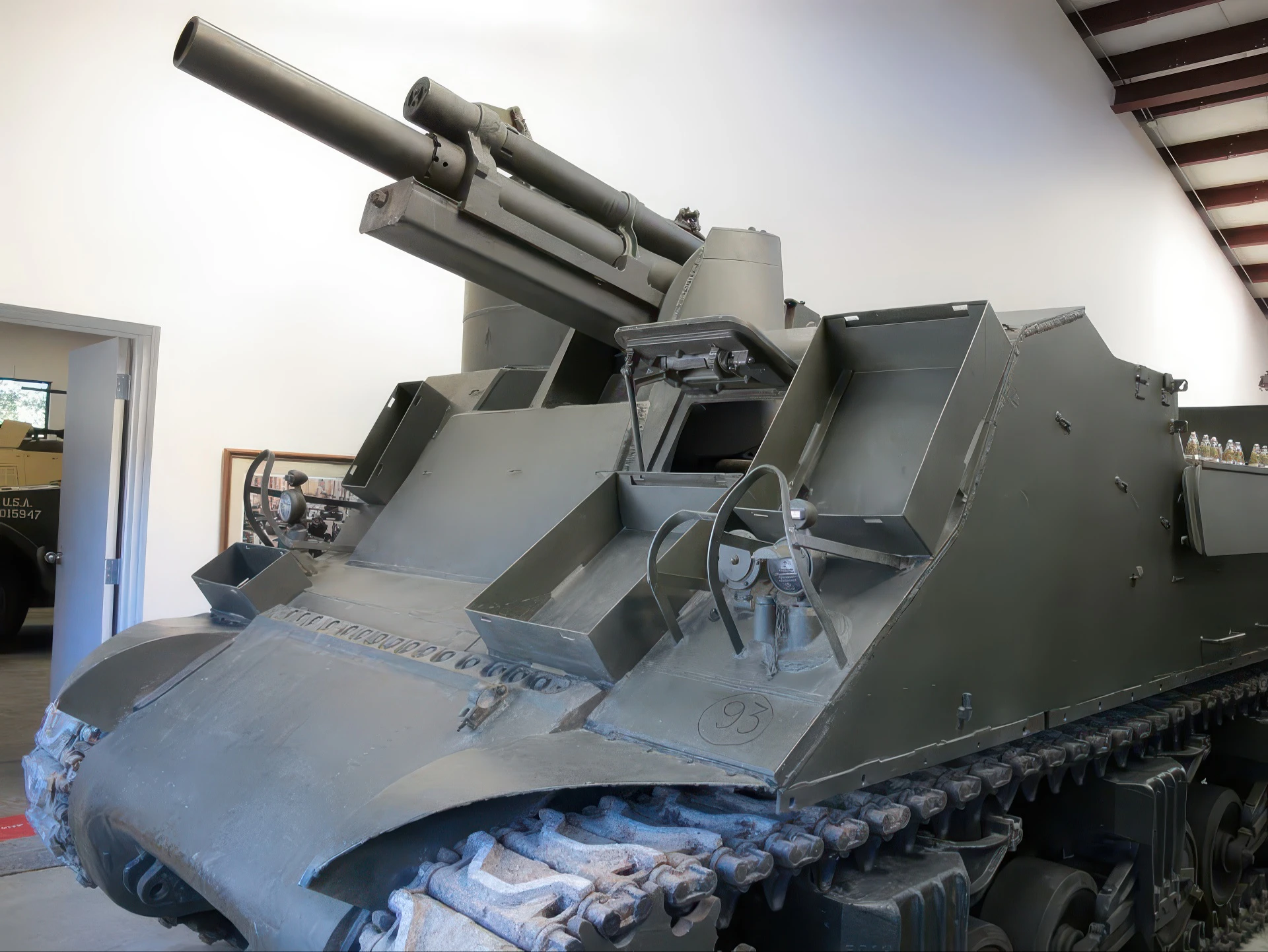
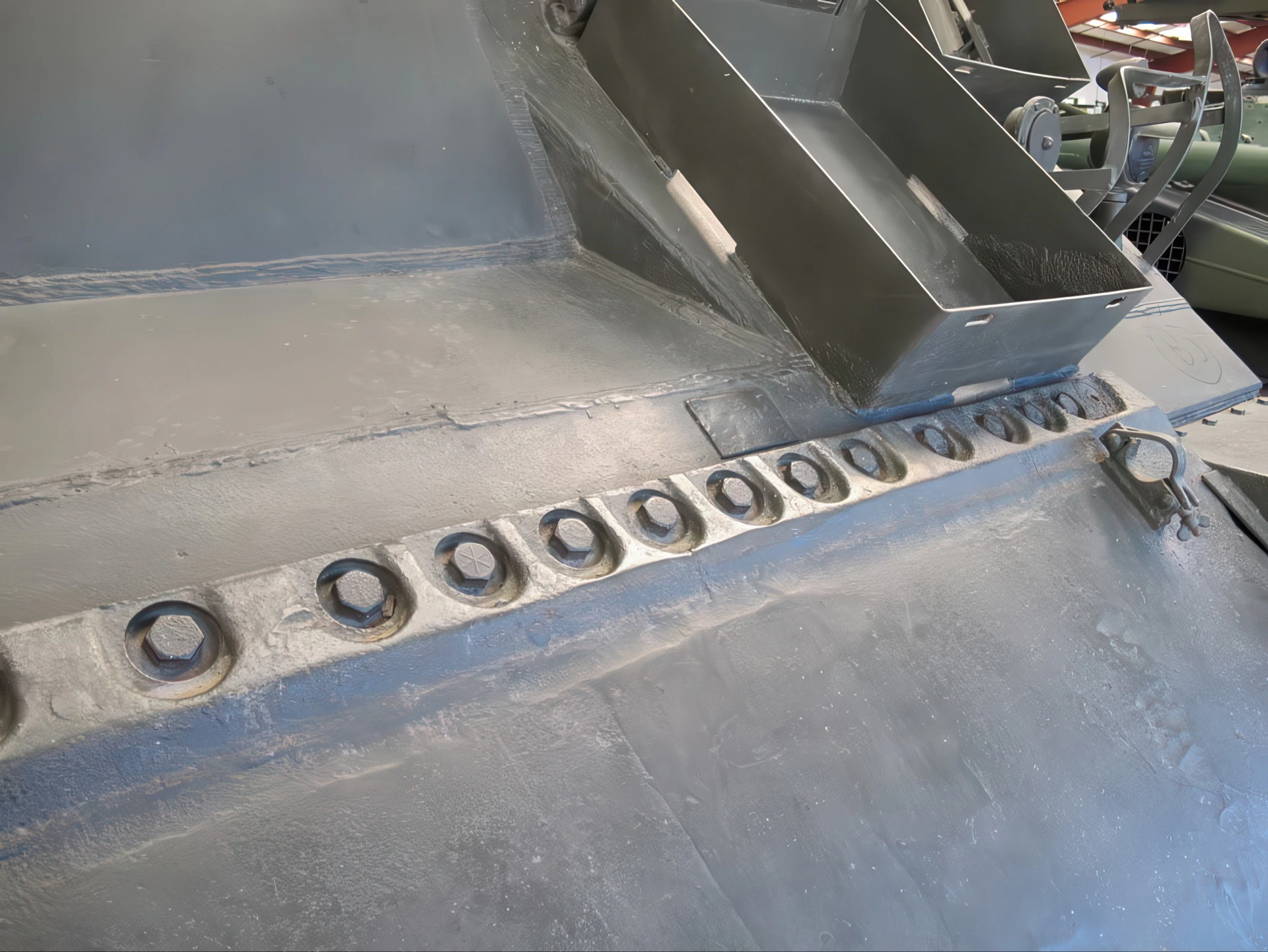
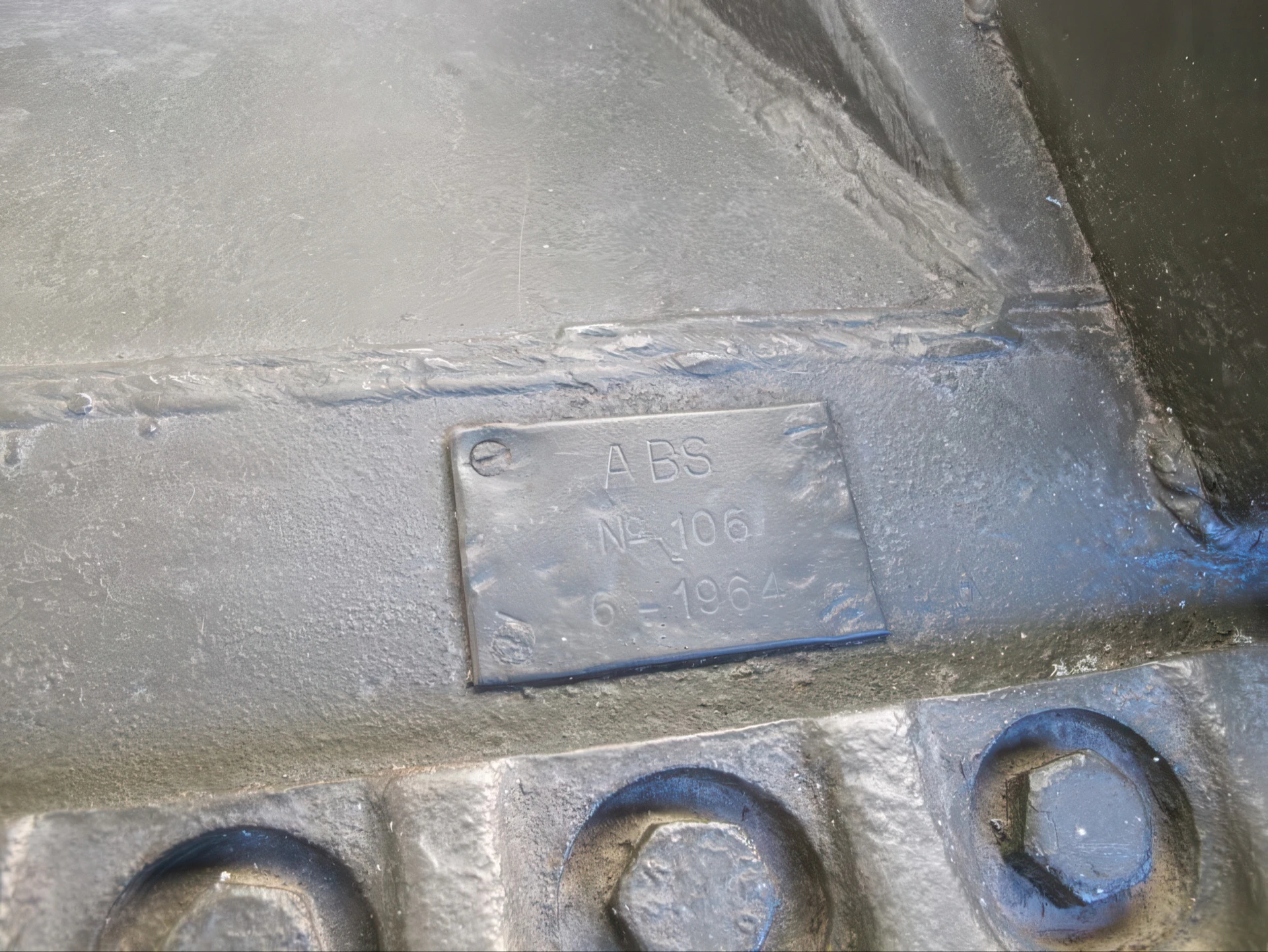
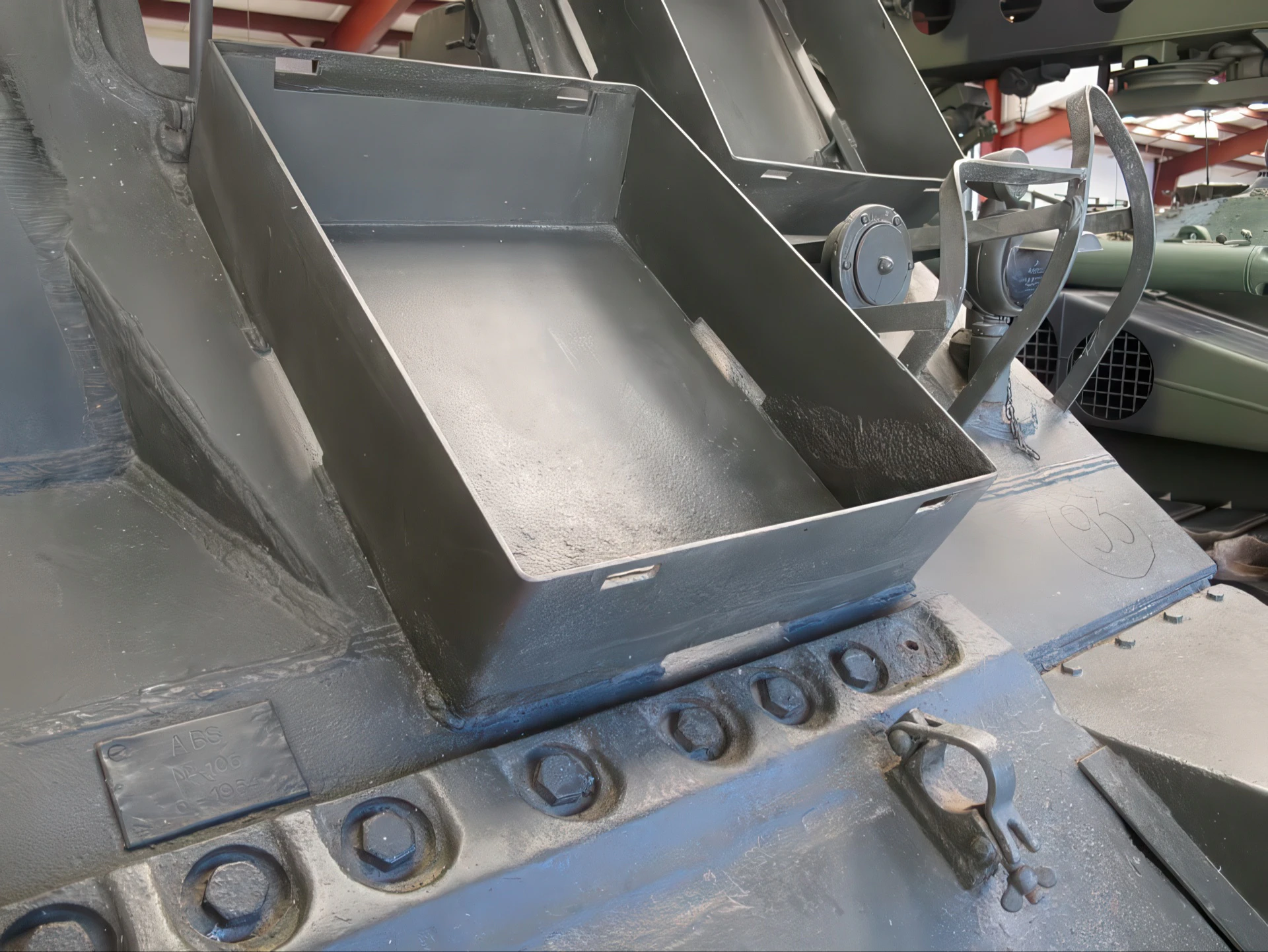
Galeria zdjęć na M7B2 Priest, Oficjalnie oznaczony jako 105mm Howitzer Motor Carriage M7, Ksiądz M7 – działo samobieżne produkowane w czasie II wojny światowej przez Stany Zjednoczone. Priest to przydomek nadany przez Brytyjczyków, ze względu na fakt, że karabin maszynowy umieszczony na szynie sprawiał wrażenie, że czołg był wyposażony w ambonę. Nastąpiło to po Biskup Angielski i oficjalnie oznaczyli go jako 105mm SP Priest. (Brytyjczycy lubili nadawać religijne nazwy swoim samobieżnym pistoletom (Priest = ksiądz, Bishop = biskup, Sexton = zakrystianin), tradycja, która przetrwała do lat sześćdziesiątych XX wieku z opatem (opatem).) Wersja M7B2 : Podczas wojny koreańskiej ograniczone podniesienie haubicy stało się naprawdę problematyczne i zostało ono zwiększone do 65°. Poprawiono również stanowisko karabinu maszynowego, aby dało możliwość prowadzenia ognia w zakresie 360°. Problem ten wynikał z faktu, że konflikt koreański przez większość czasu toczył się w górzystym terenie, a Koreańczycy z Północy rozmieszczali swoje działa artyleryjskie na wzgórzach na północ od Seulu.
Źródła: Kapłan M7B2 na Wikipedii

Zobacz też:


Tthe M7 Howitzer Motor Carriage, better known by its British service name the “Priest,” was a highly successful American self-propelled artillery vehicle. It was developed and produced during World War II to provide a mobile, armored platform capable of offering close fire support to advancing armored divisions and infantry units.
Key Features and Specifications
- Rola: Self-propelled artillery/howitzer.
- Uzbrojenie główne: A powerful 105mm M2A1 howitzer, capable of firing high-explosive, smoke, and anti-tank rounds.
- Ammunition Capacity: Carried up to 69 rounds for the main gun.
- Secondary Armament: A .50 caliber M2 Browning heavy machine gun, mounted in a circular “pulpit” cupola. This distinctive mount is what inspired the British nickname “Priest.”
- Podwozie:
- M7 (Early): Based on the modified chassis of the M3 Lee medium tank.
- M7B1/M7B2 (Later): Based on the chassis of the Czołg średni M4 Sherman.
- Crew Protection: Featured an open-topped fighting compartment with a steel superstructure. This provided protection from small arms and shell fragments but left the crew vulnerable to air bursts.
- Ruchliwość: Fully tracked, allowing for good cross-country movement and the ability to keep pace with mechanized forces.
Combat Service and Legacy
The M7 Priest first saw combat with the British Eighth Army at the Second Battle of El Alamein in late 1942. It was widely used across all major theaters of operation, including North Africa, the Mediterranean, Northwest Europe (Normandy), and the Pacific.
Its operational success lay in its “shoot-and-scoot” capability, which allowed it to quickly fire barrages and relocate before enemy counter-battery fire could zero in. The Priest’s design and performance cemented the need for self-propelled artillery in modern mechanized warfare. It continued to serve beyond World War II, seeing action with US forces and allies during the Wojna koreańska.
Liczba wyświetleń : 3131