M7B2 preester | |
|---|---|
| Riik | USA |
| Perioodi | Korea sõda |
| Tüüp | Iseliikuv relv |
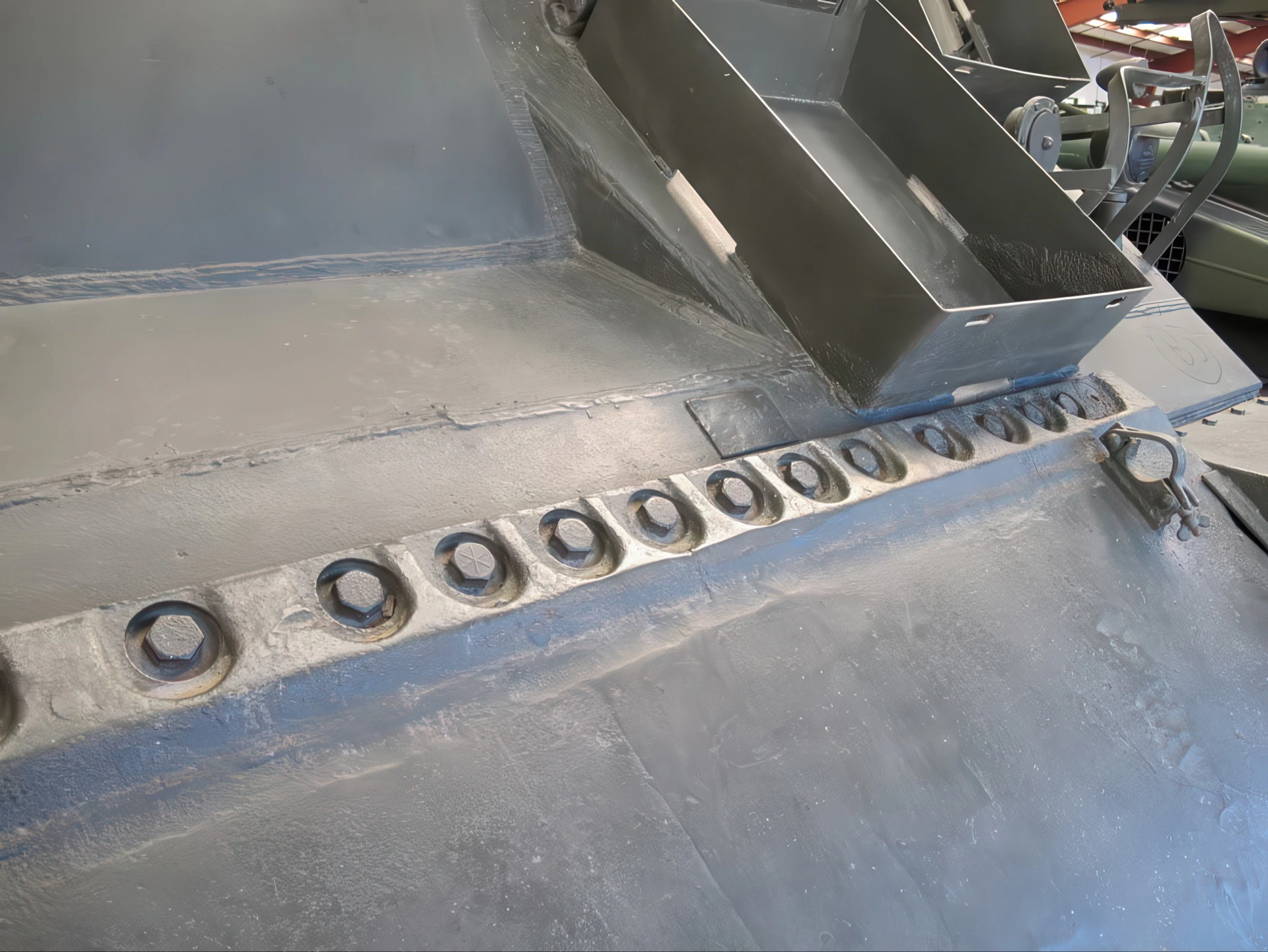
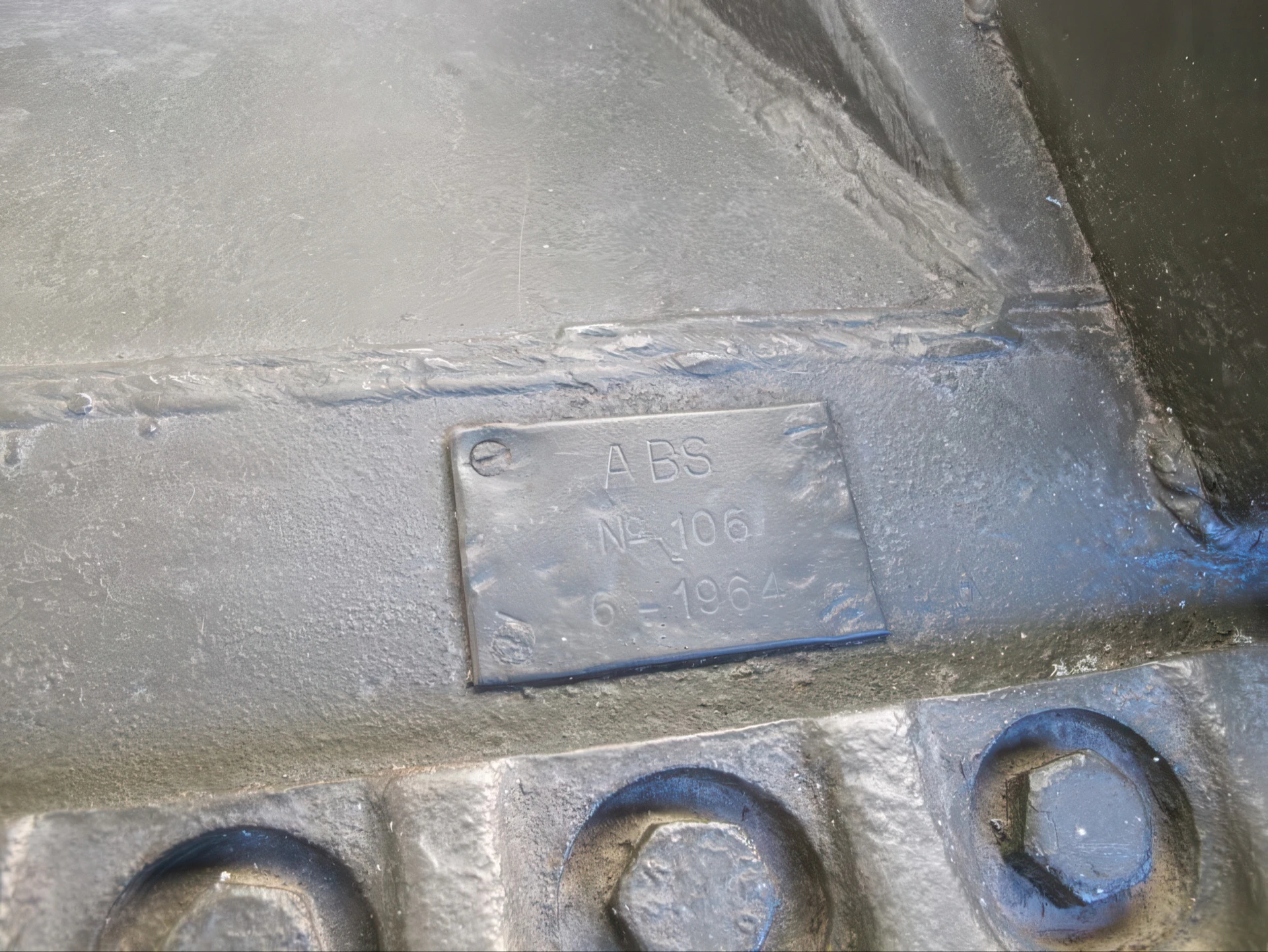
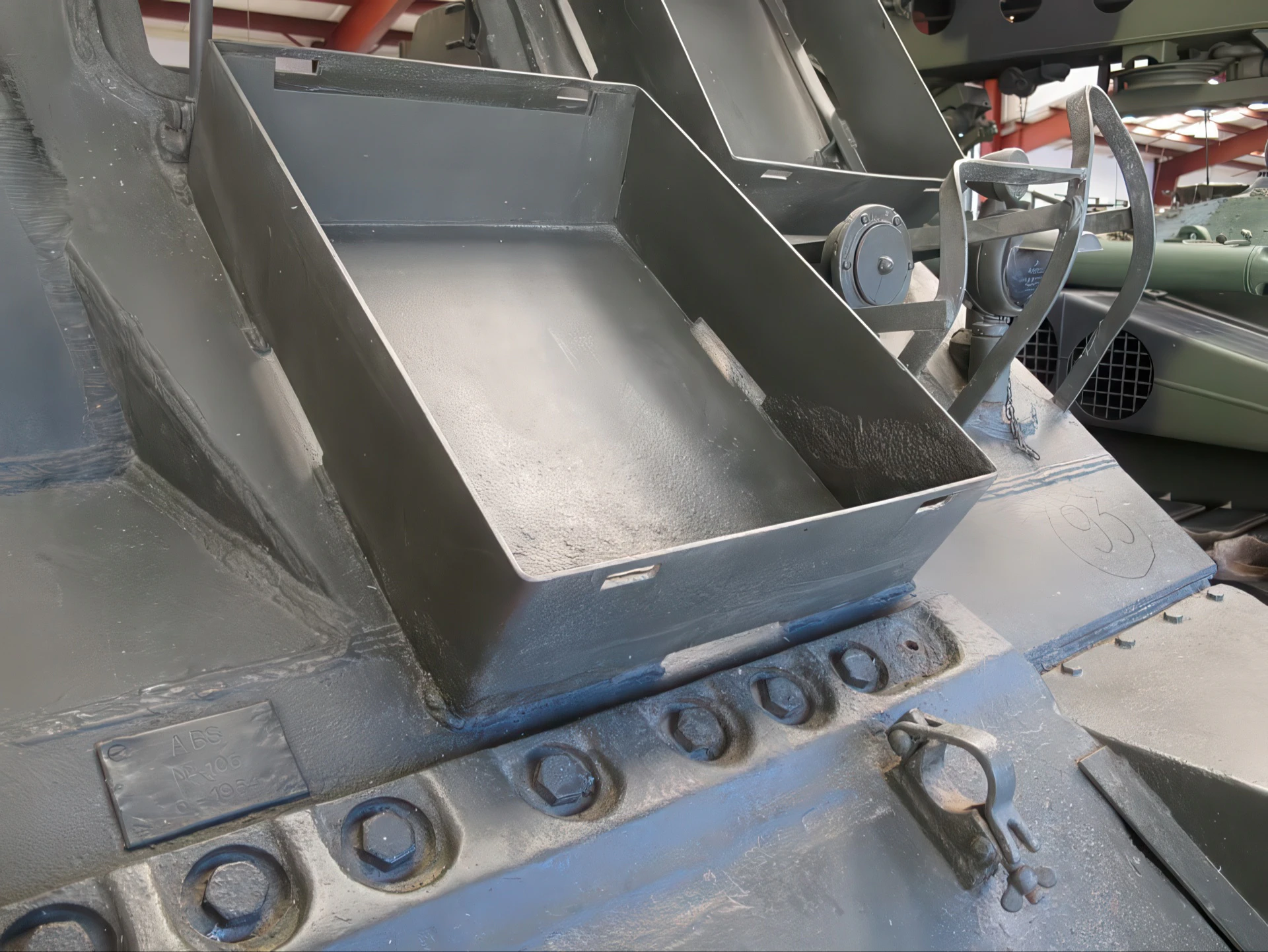
| Kirjeldus | Album 131 jalutuskäigu fotod iseliikuvast relvast "M7B2 Priest" |
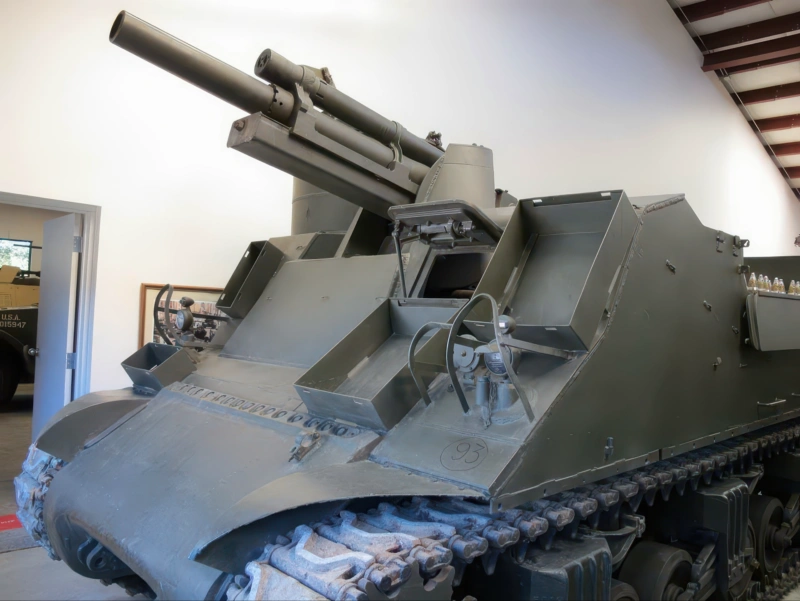
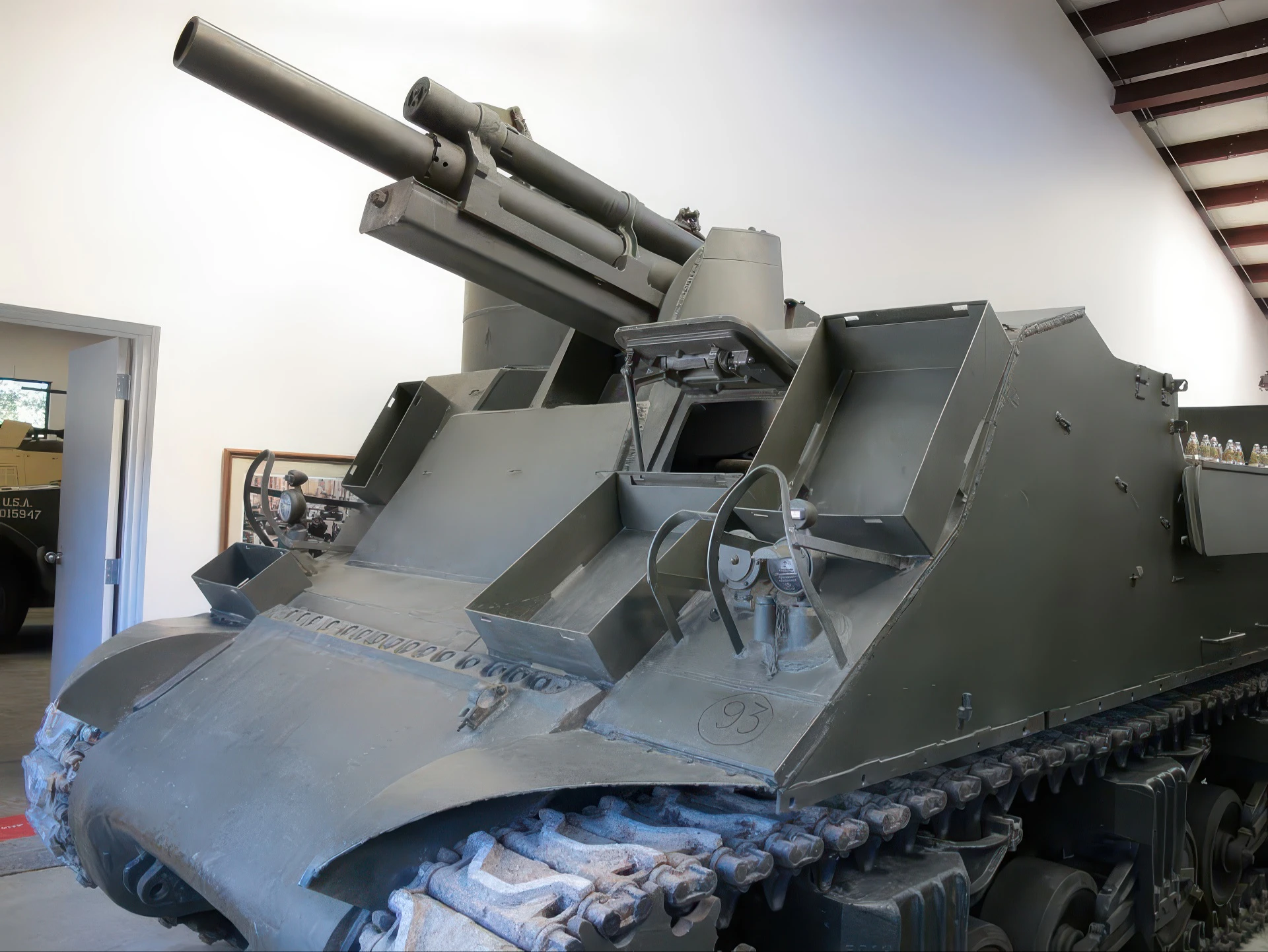
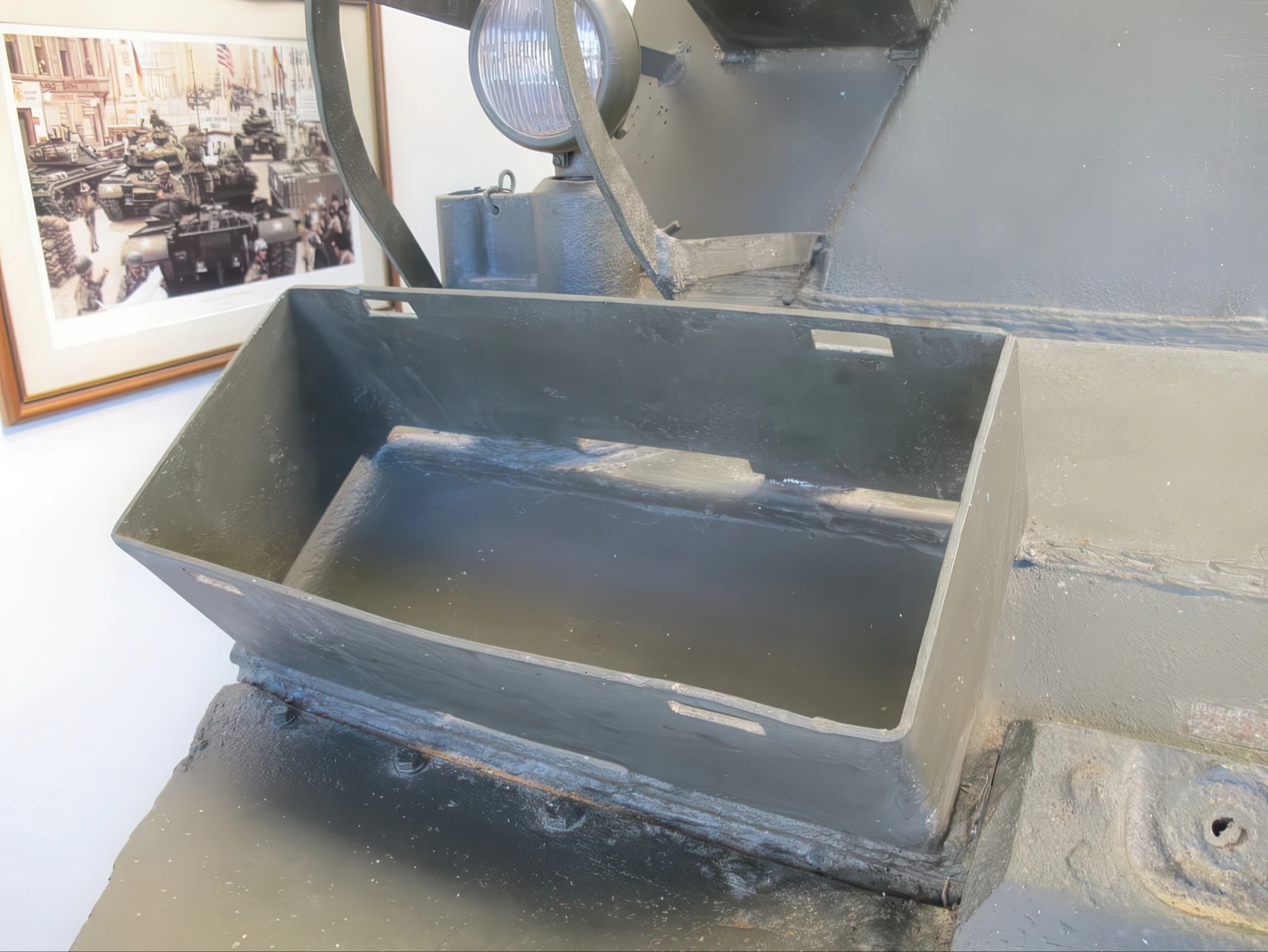
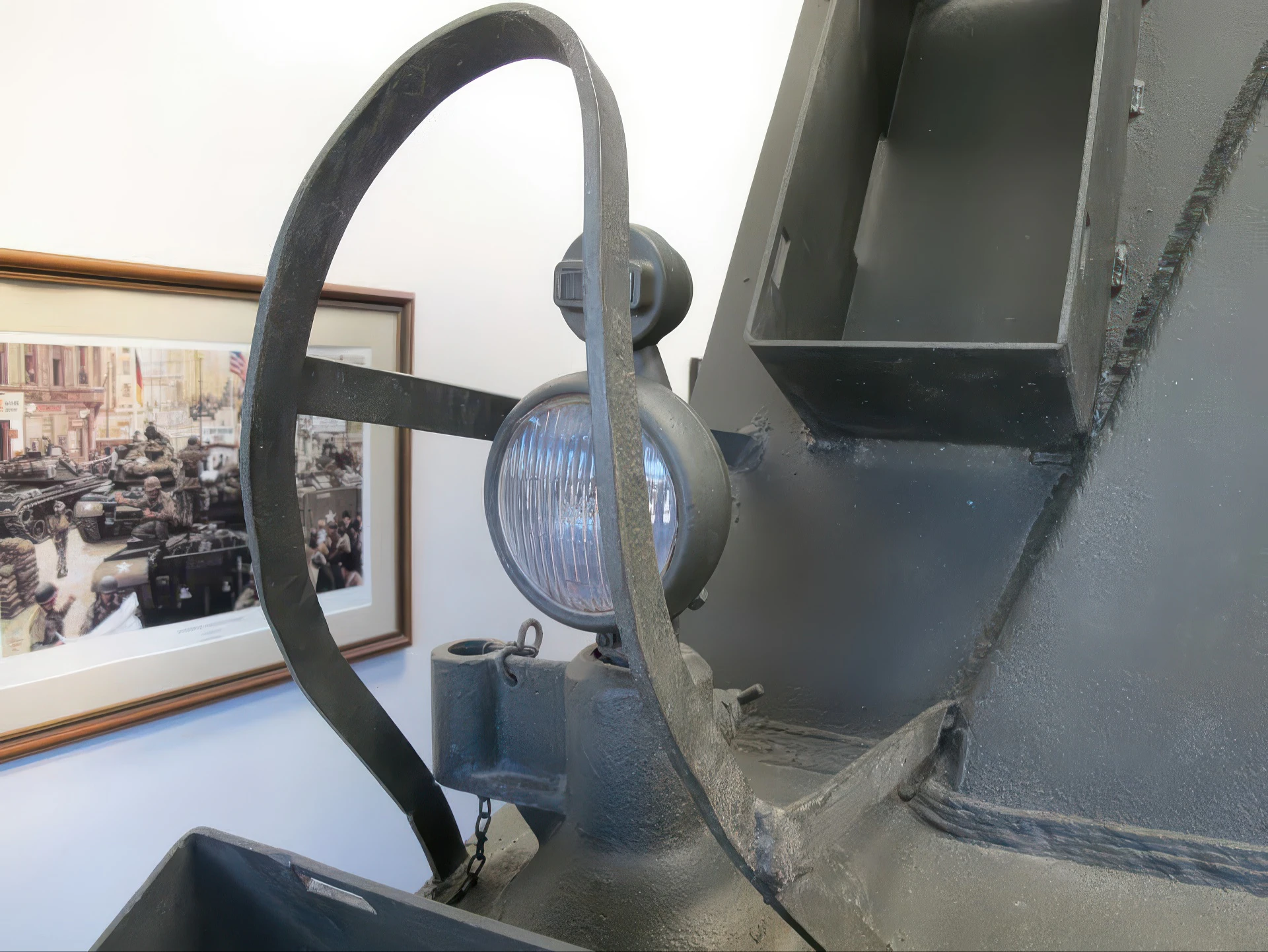
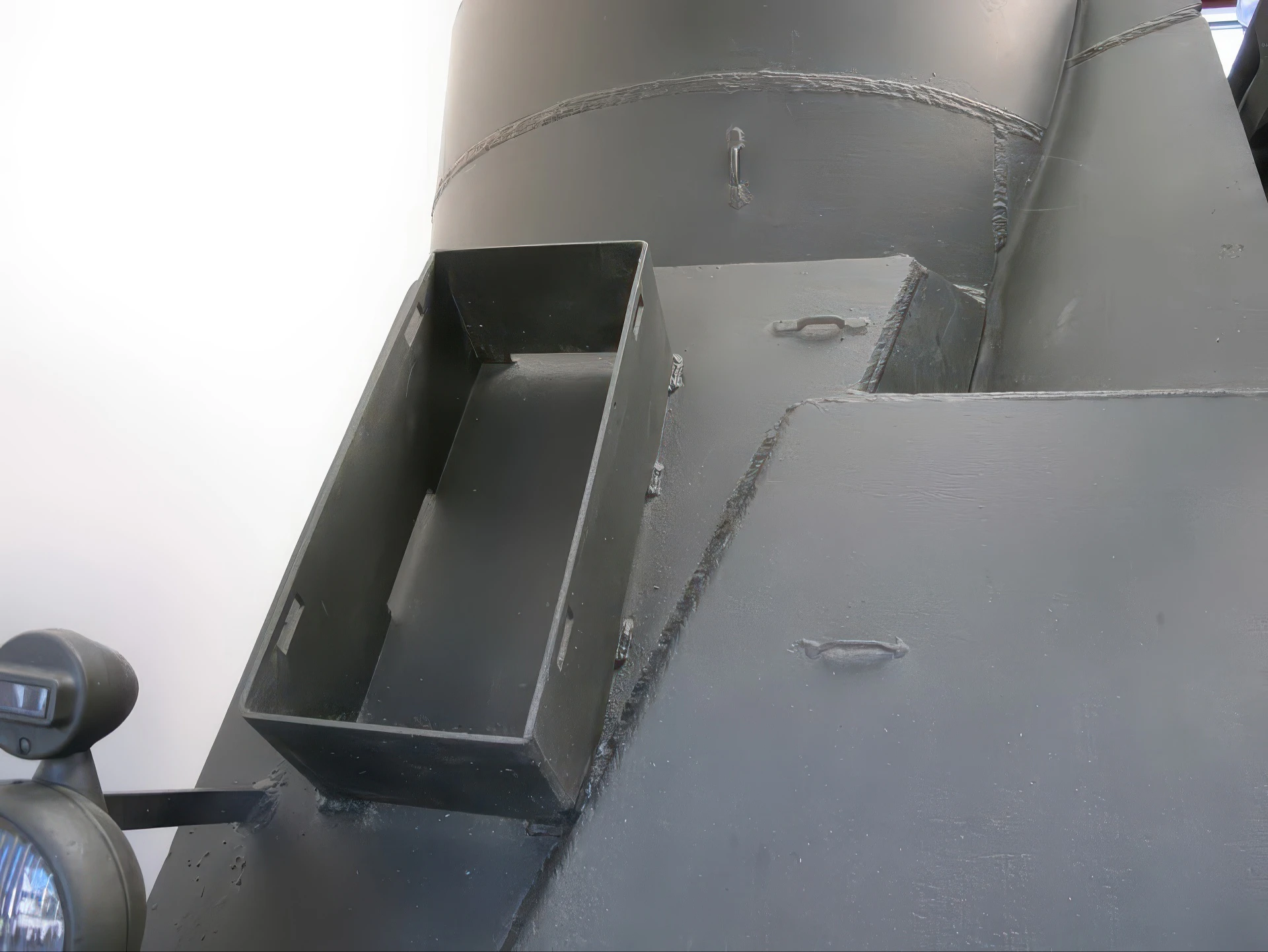
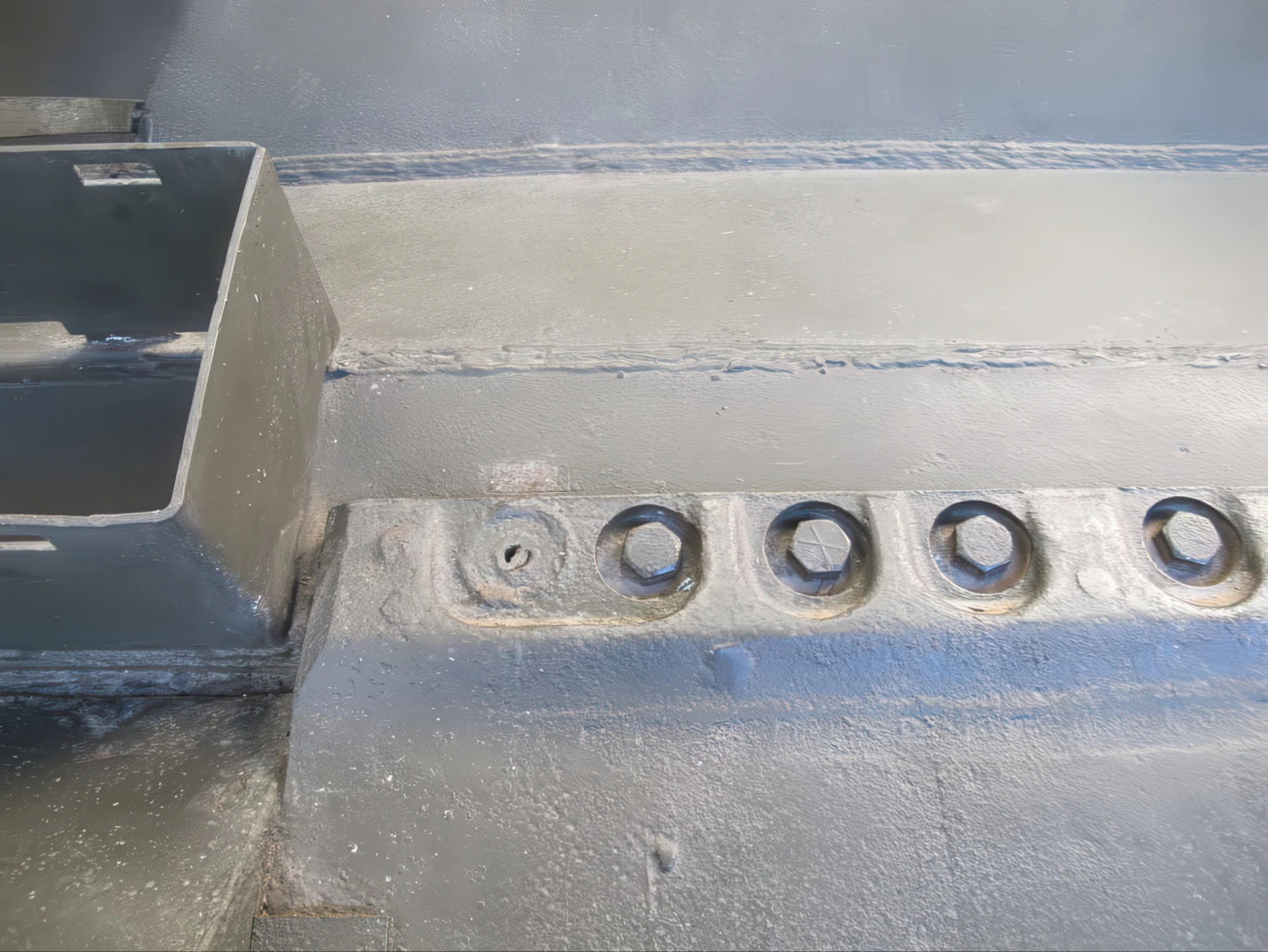
Fotogalerii M7B2 Priestist, ametlikult tähistatud kui 105 mm haubitsa mootorvanker M7, M7 Preester oli iseliikuv relv, mida tootis Teise maailmasõja ajal Ameerika Ühendriigid. Preester on brittide antud hüüdnimi, kuna rööbastele asetatud kuulipilduja jättis mulje, et tank on varustatud kantsliga. See järgnes Piiskop Inglise keeles ja nad nimetasid selle ametlikult 105 mm SP Priestiks. (Brittidele meeldis anda oma iseliikuvatele relvadele religioosseid nimesid (preester = preester, piiskop = piiskop, Sexton = käärkamber), traditsioon, mis kestis kuni 1960. aastateni koos abtiga (abt).) Versioon M7B2 : Korea sõja ajal muutus haubitsa piiratud kõrgus tõeliselt problemaatiliseks ja seda suurendati 65°-ni. Samuti tuli täiustada kuulipilduja kinnitust, et anda võimalus tulistada 360°. See probleem tulenes asjaolust, et Korea konflikt toimus enamasti künklikul maastikul, kus põhjakorealased paigutasid oma suurtükid Soulist põhja pool asuvatele mäetippudele.
Allikas: M7B2 preester Vikipeedias

Vaata ka:


2007 M7 Howitzer Motor Carriage, better known by its British service name the “Priest,” was a highly successful American self-propelled artillery vehicle. It was developed and produced during World War II to provide a mobile, armored platform capable of offering close fire support to advancing armored divisions and infantry units.
Key Features and Specifications
- Roll: Self-propelled artillery/howitzer.
- Main Armament: A powerful 105mm M2A1 howitzer, capable of firing high-explosive, smoke, and anti-tank rounds.
- Ammunition Capacity: Carried up to 69 rounds for the main gun.
- Secondary Armament: A .50 caliber M2 Browning heavy machine gun, mounted in a circular “pulpit” cupola. This distinctive mount is what inspired the British nickname “Priest.”
- Chassis:
- M7 (Early): Based on the modified chassis of the M3 Lee medium tank.
- M7B1/M7B2 (Later): Based on the chassis of the M4 Shermani keskmine paak.
- Crew Protection: Featured an open-topped fighting compartment with a steel superstructure. This provided protection from small arms and shell fragments but left the crew vulnerable to air bursts.
- Liikuvuse: Fully tracked, allowing for good cross-country movement and the ability to keep pace with mechanized forces.
Combat Service and Legacy
The M7 Priest first saw combat with the British Eighth Army at the Second Battle of El Alamein in late 1942. It was widely used across all major theaters of operation, including North Africa, the Mediterranean, Northwest Europe (Normandy), and the Pacific.
Its operational success lay in its “shoot-and-scoot” capability, which allowed it to quickly fire barrages and relocate before enemy counter-battery fire could zero in. The Priest’s design and performance cemented the need for self-propelled artillery in modern mechanized warfare. It continued to serve beyond World War II, seeing action with US forces and allies during the Korea sõda.
Vaadatud : 3147