Kňaz M7B2 | |
|---|---|
| Krajiny | Spojené štáty americké |
| Obdobie | Kórejská vojna |
| Typ | Zbraň s vlastným pohonom |
| Popis / kontrol | Album de 131 fotografie samohybnej pištole "M7B2 Priest" |
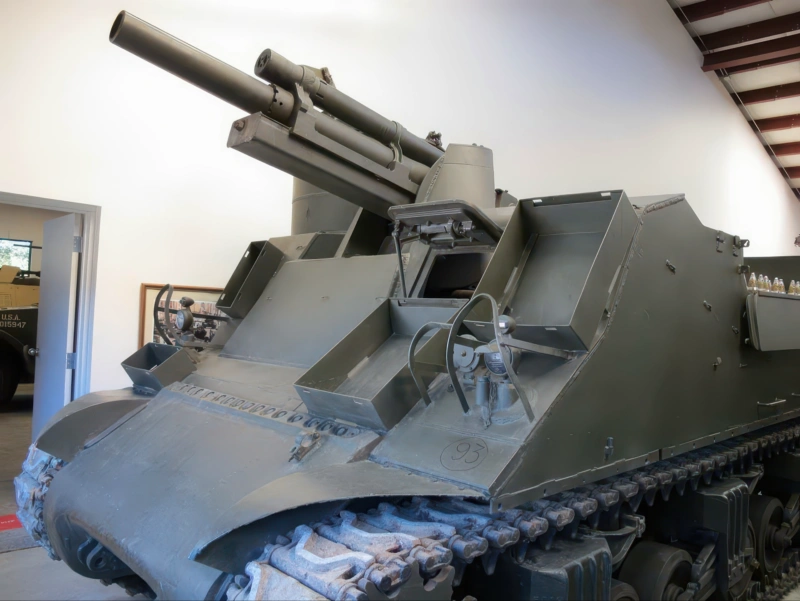
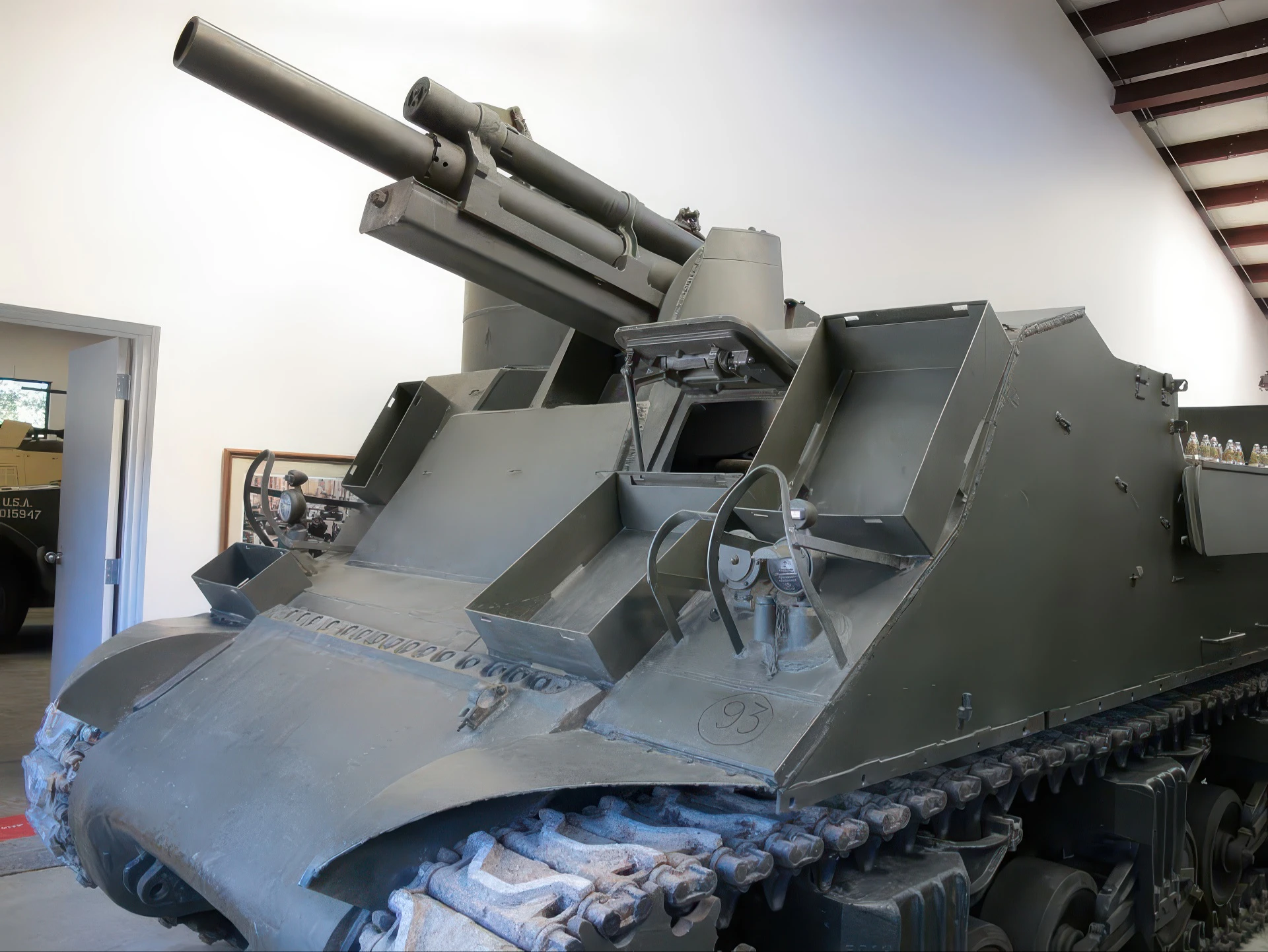
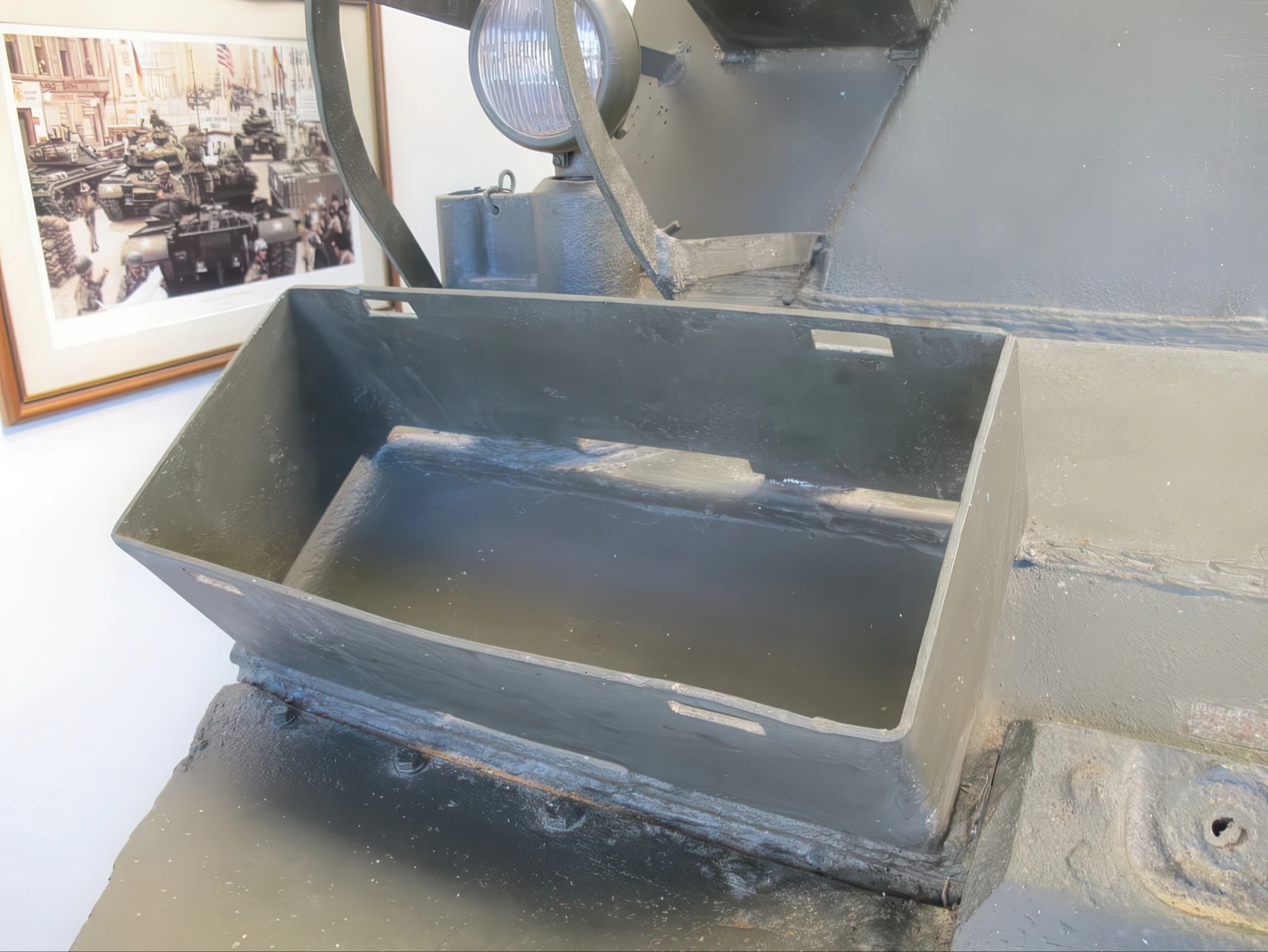
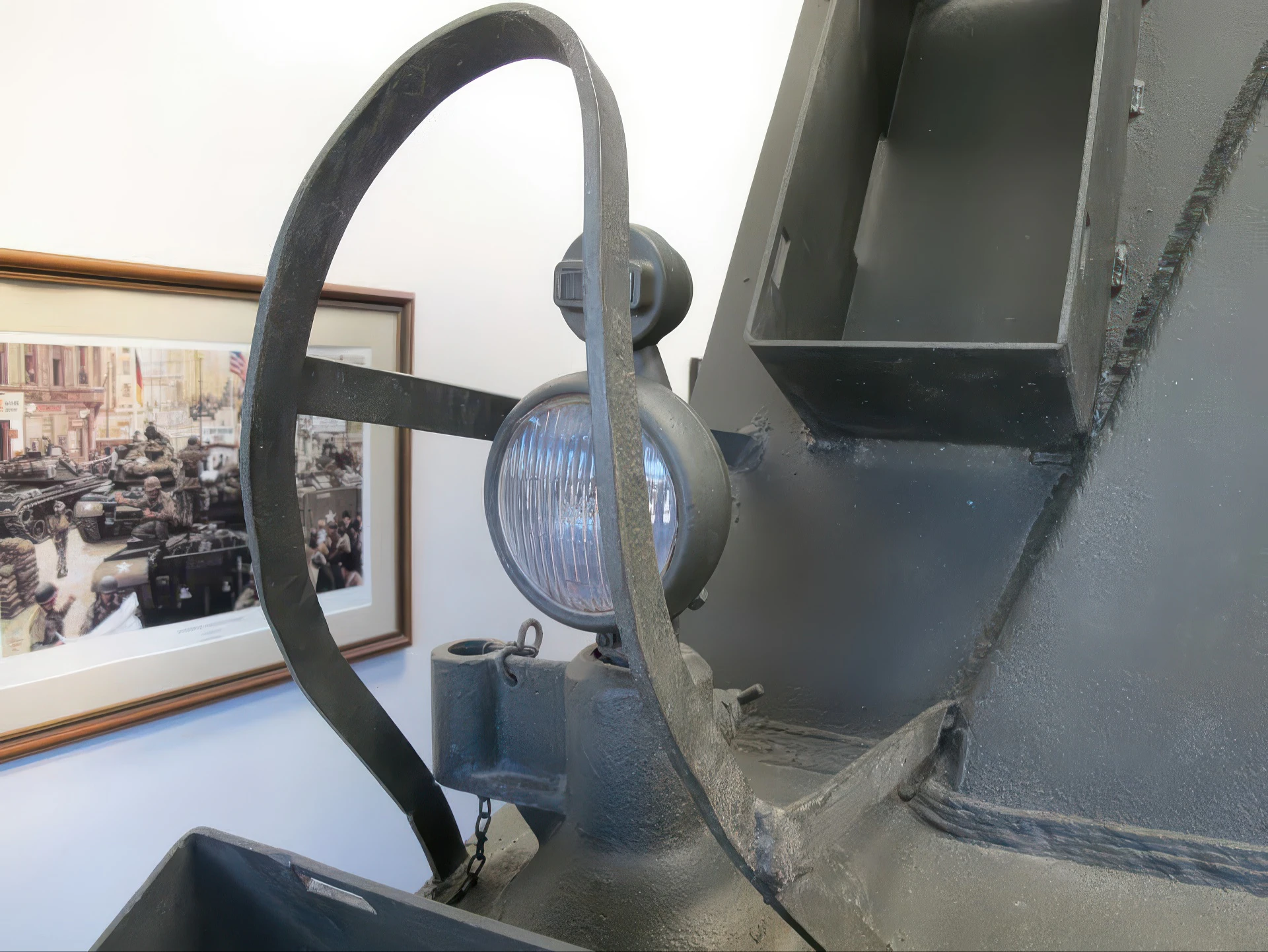
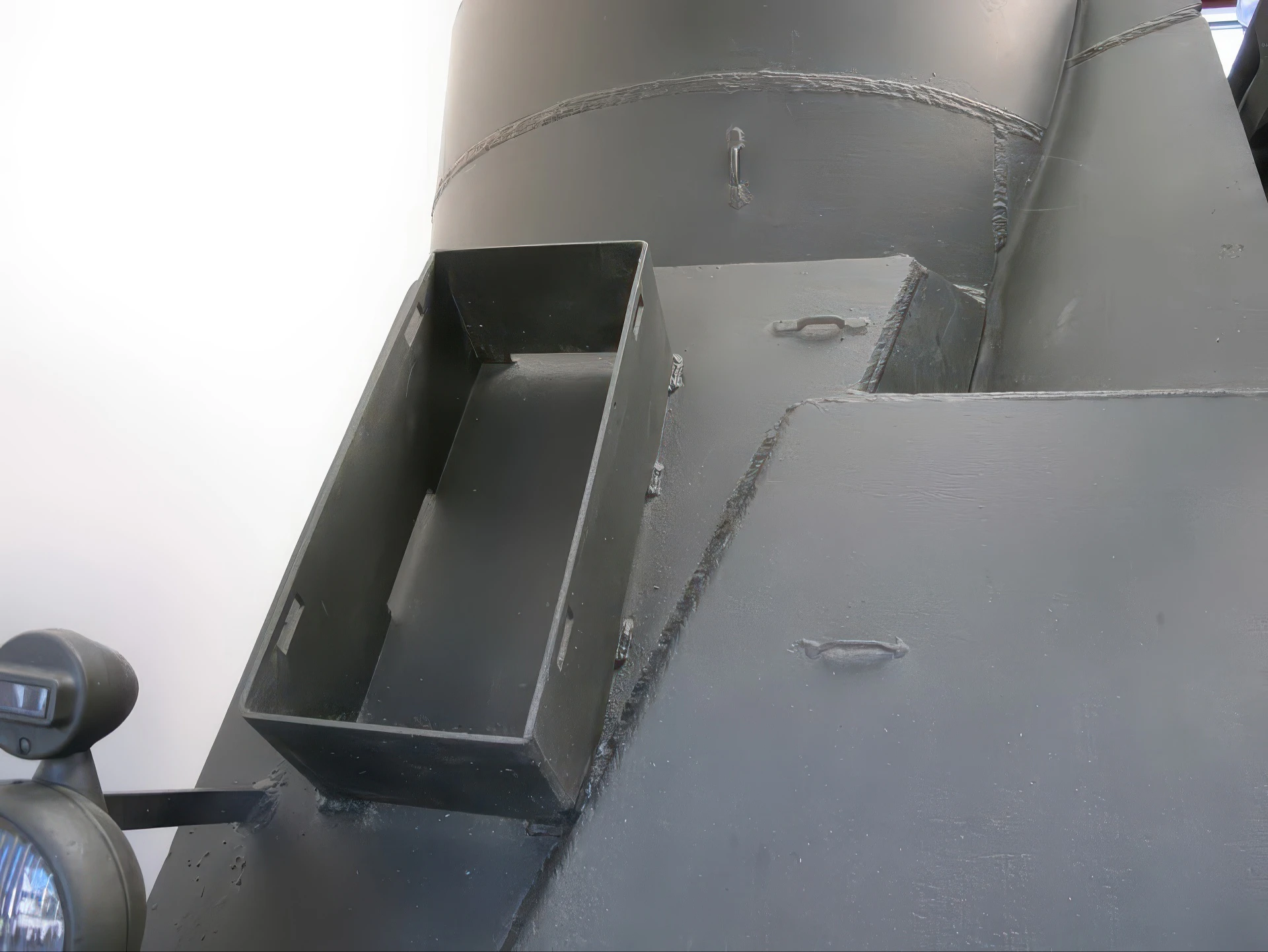
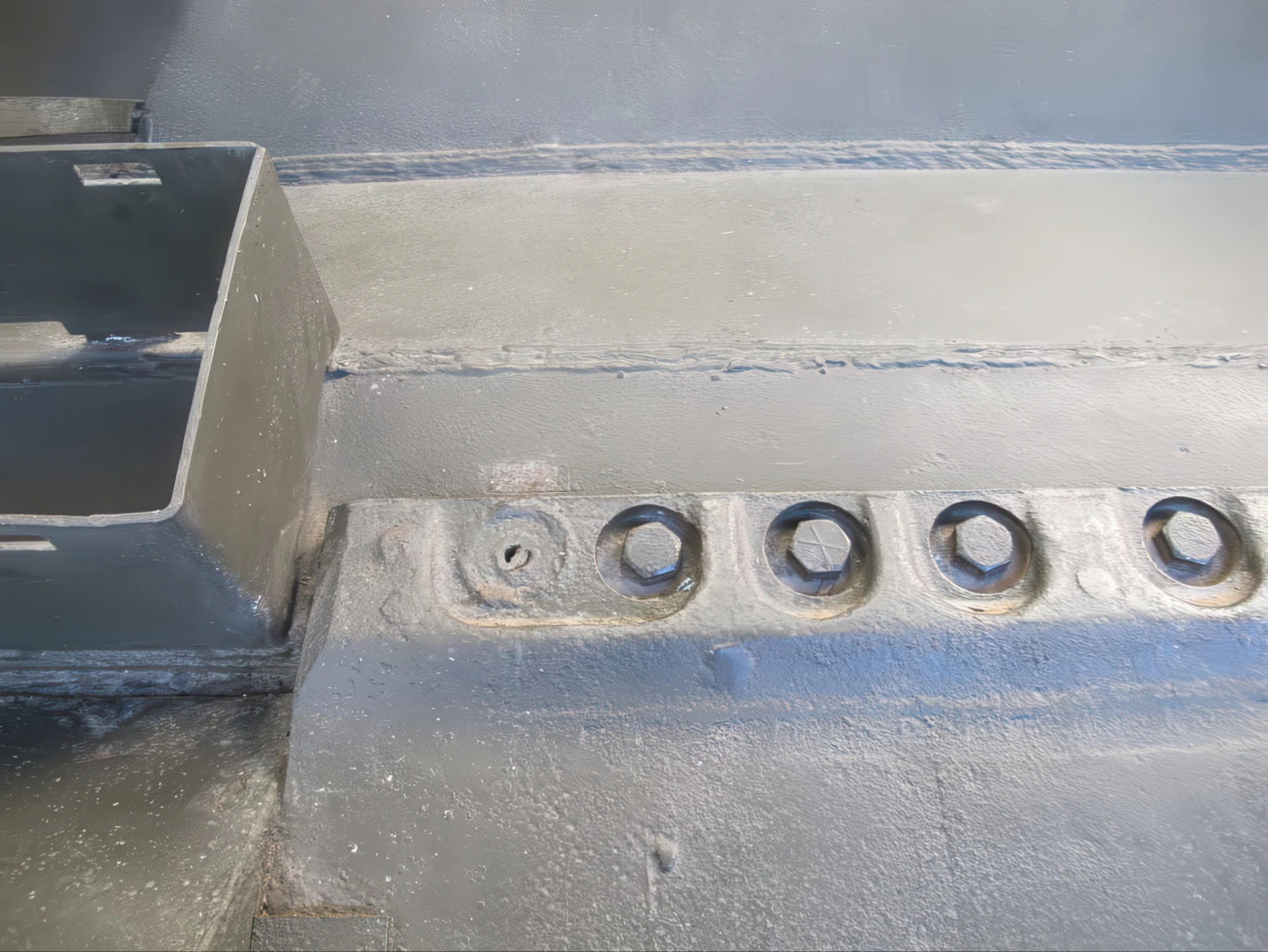
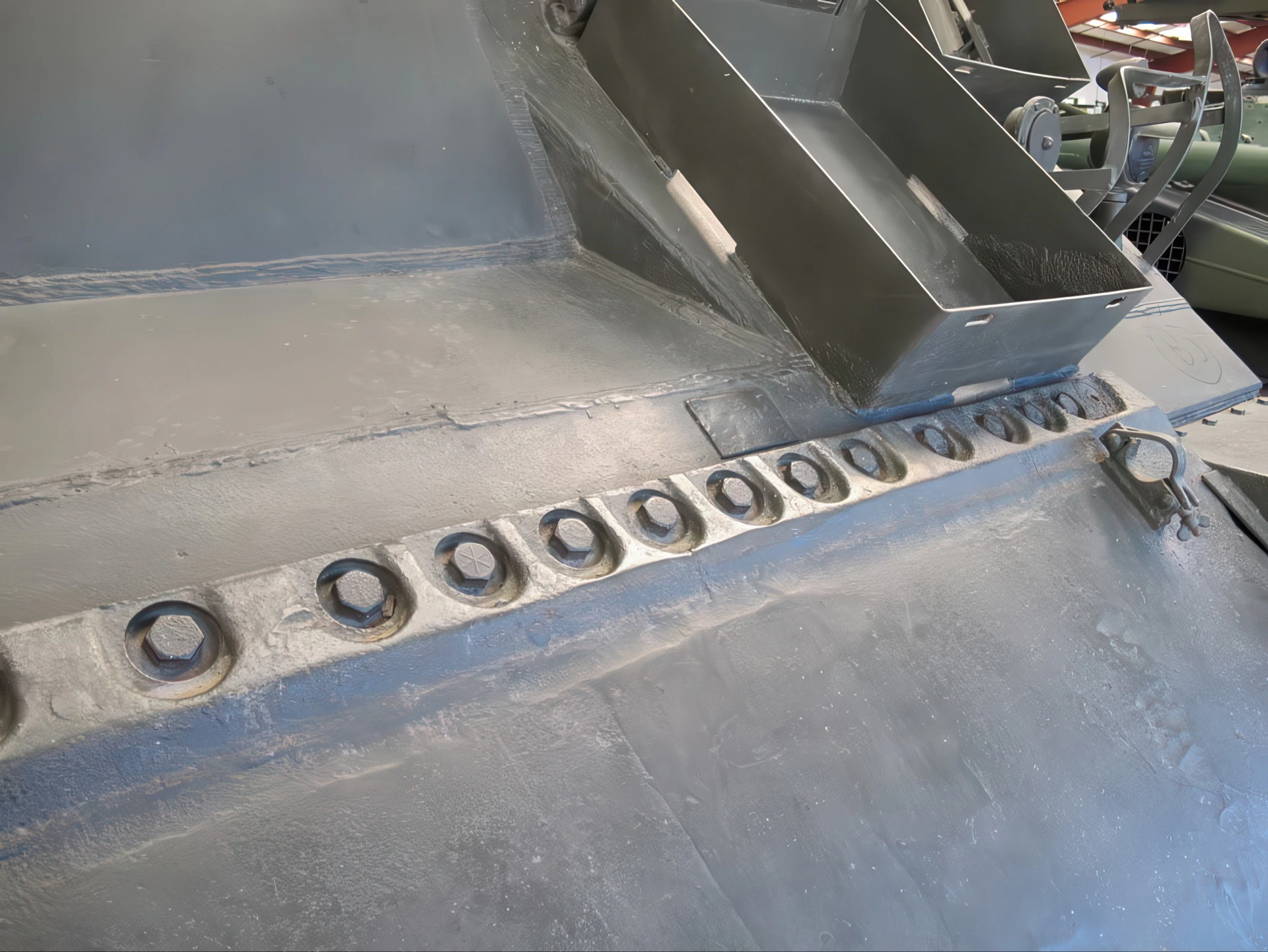
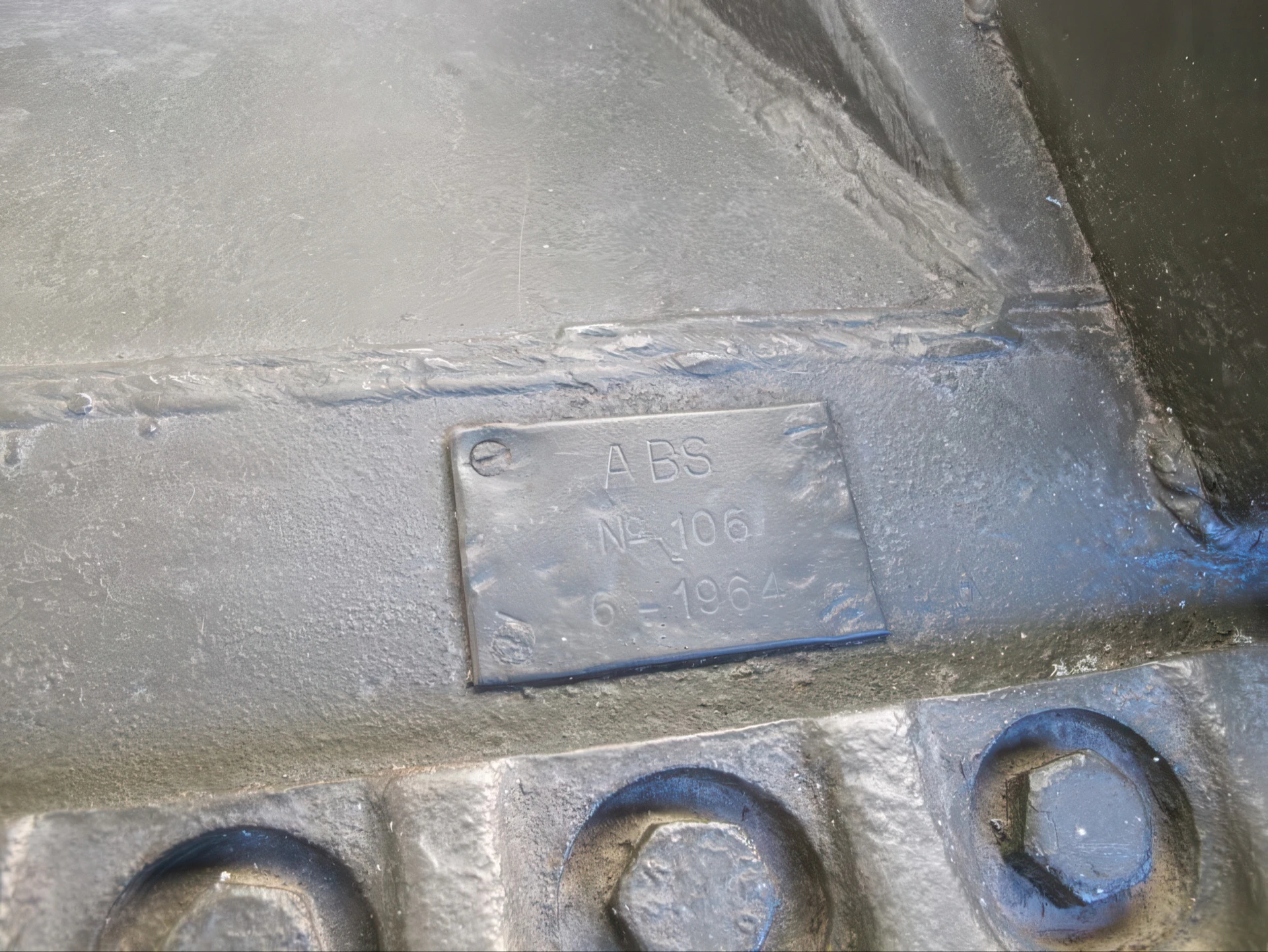
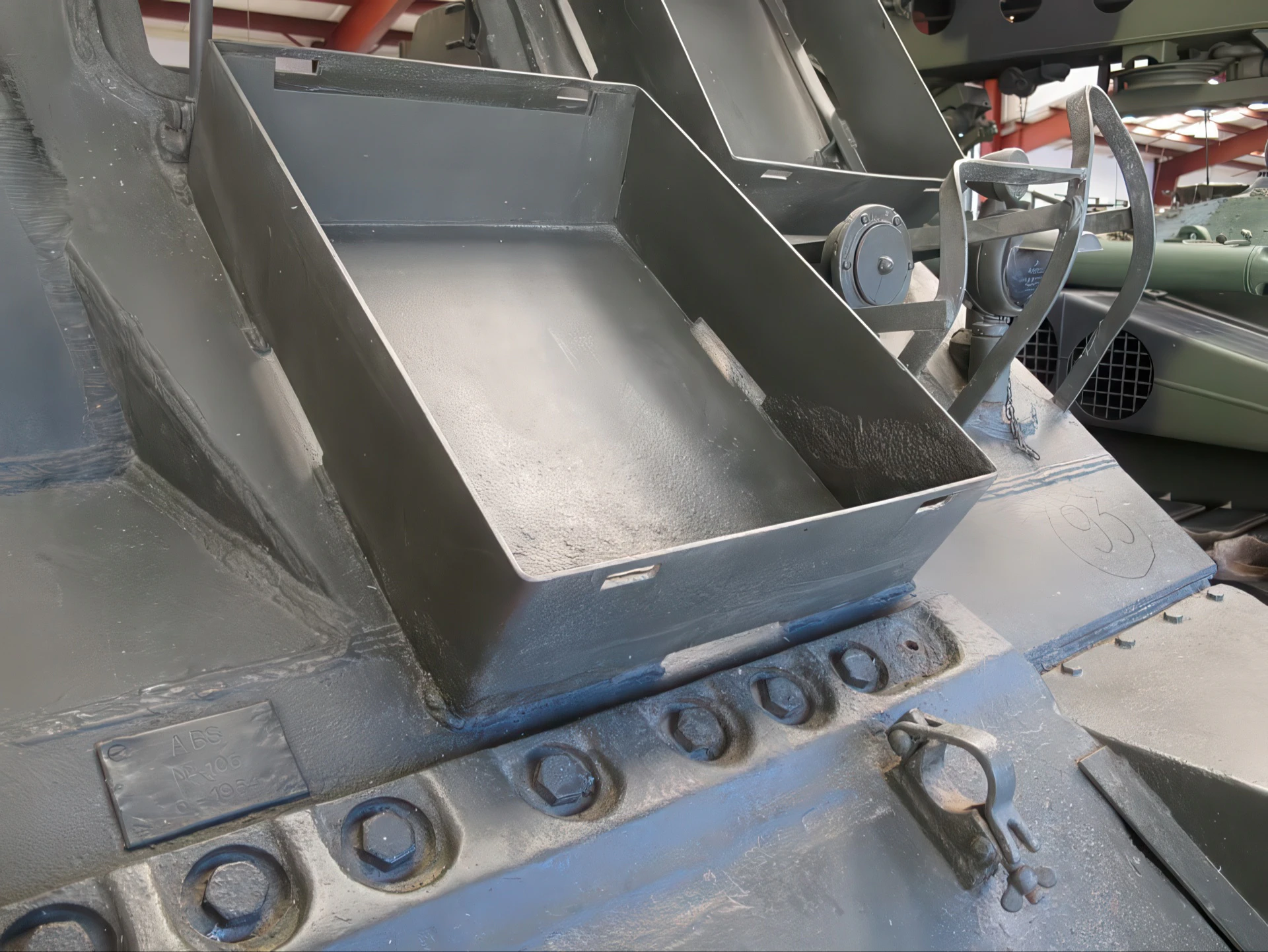
Fotogaléria na M7B2 Priest, oficiálne označenom ako 105 mm húfnicový motorový vozík M7, M7 Kňaz je samohybná zbraň vyrobená počas druhej svetovej vojny Spojenými štátmi. Priest je prezývka, ktorú dali Briti, pretože guľomet umiestnený na koľajnici pôsobil dojmom, že tank bol vybavený kazateľnicou. Bolo to pokračovanie Biskup a oficiálne ho označili za kňaza 105mm SP. (Briti radi dávali svojim samohybným zbraniam náboženské mená (kňaz = kňaz, biskup = biskup, Sexton = sakristián), tradícia, ktorá trvala až do roku 1960 s opátom.) Verzia M7B2 Počas kórejskej vojny sa obmedzená výška húfnice stala skutočne problematickou a zvýšila sa na 65°. Rám guľometu musel byť tiež vylepšený, aby bol schopný strieľať o 360°. Tento problém pramenil zo skutočnosti, že väčšina kórejského konfliktu sa odohrávala v kopcovitom teréne, pričom Severokórejčania rozmiestnili svoje delostrelecké diela na kopcoch severne od Soulu.
Zdrojový: M7B2 Kňaz na Wikipédii

Pozri tiež:


Komisia M7 Howitzer Motor Carriage, better known by its British service name the “Priest,” was a highly successful American self-propelled artillery vehicle. It was developed and produced during World War II to provide a mobile, armored platform capable of offering close fire support to advancing armored divisions and infantry units.
Key Features and Specifications
- Rola: Self-propelled artillery/howitzer.
- Hlavná výzbroj: A powerful 105mm M2A1 howitzer, capable of firing high-explosive, smoke, and anti-tank rounds.
- Ammunition Capacity: Carried up to 69 rounds for the main gun.
- Secondary Armament: A .50 caliber M2 Browning heavy machine gun, mounted in a circular “pulpit” cupola. This distinctive mount is what inspired the British nickname “Priest.”
- Chassis:
- M7 (Early): Based on the modified chassis of the M3 Lee medium tank.
- M7B1/M7B2 (Later): Based on the chassis of the Stredný tank M4 Sherman.
- Crew Protection: Featured an open-topped fighting compartment with a steel superstructure. This provided protection from small arms and shell fragments but left the crew vulnerable to air bursts.
- Pohyblivosť: Fully tracked, allowing for good cross-country movement and the ability to keep pace with mechanized forces.
Combat Service and Legacy
The M7 Priest first saw combat with the British Eighth Army at the Second Battle of El Alamein in late 1942. It was widely used across all major theaters of operation, including North Africa, the Mediterranean, Northwest Europe (Normandy), and the Pacific.
Its operational success lay in its “shoot-and-scoot” capability, which allowed it to quickly fire barrages and relocate before enemy counter-battery fire could zero in. The Priest’s design and performance cemented the need for self-propelled artillery in modern mechanized warfare. It continued to serve beyond World War II, seeing action with US forces and allies during the Kórejská vojna.
Pohľady : 3133