M7B2 사제 | |
|---|---|
| 국가 | 미국 |
| 마침표 | 한국 전쟁 |
| 형식 | 자추진 총 |
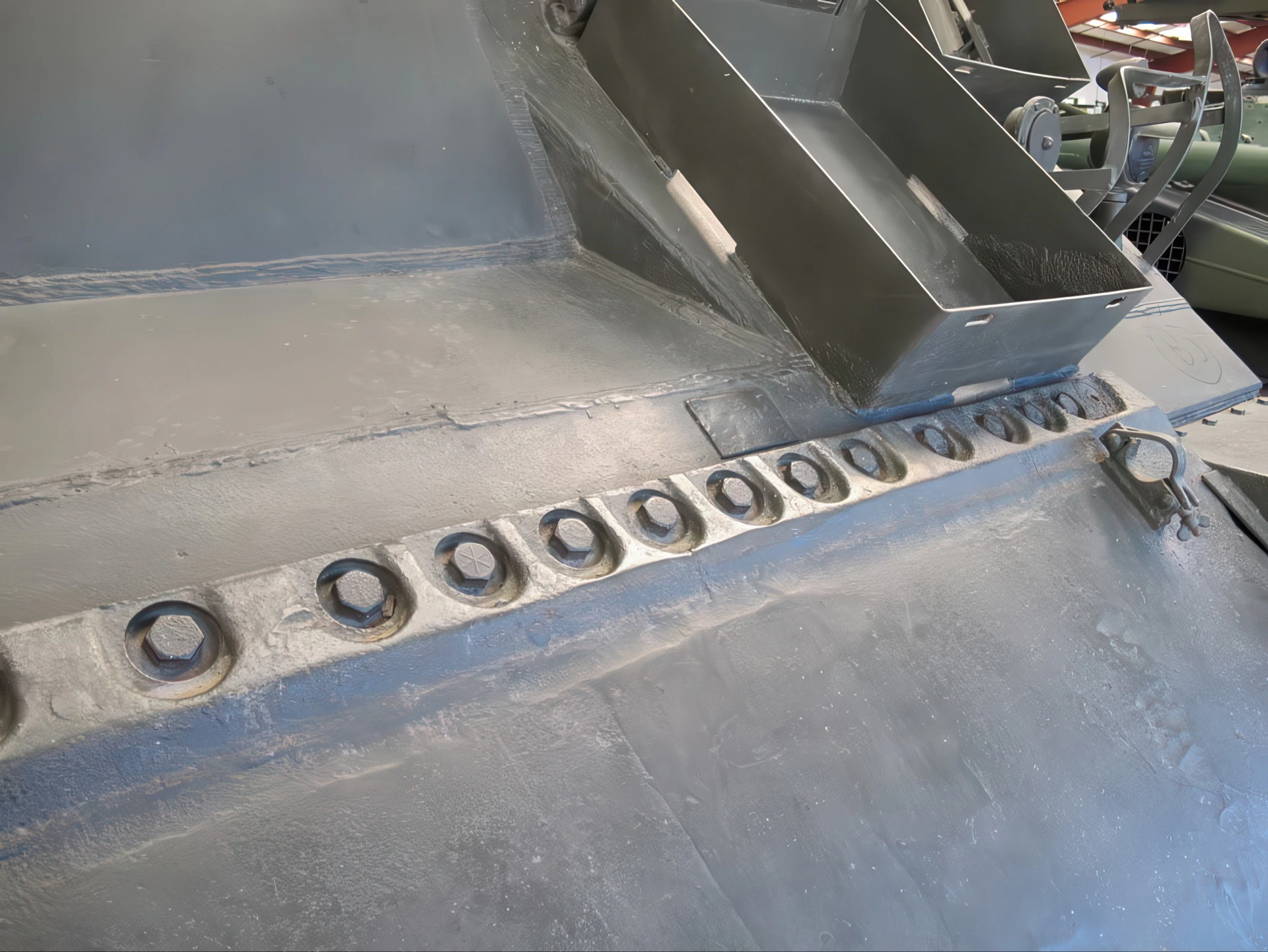
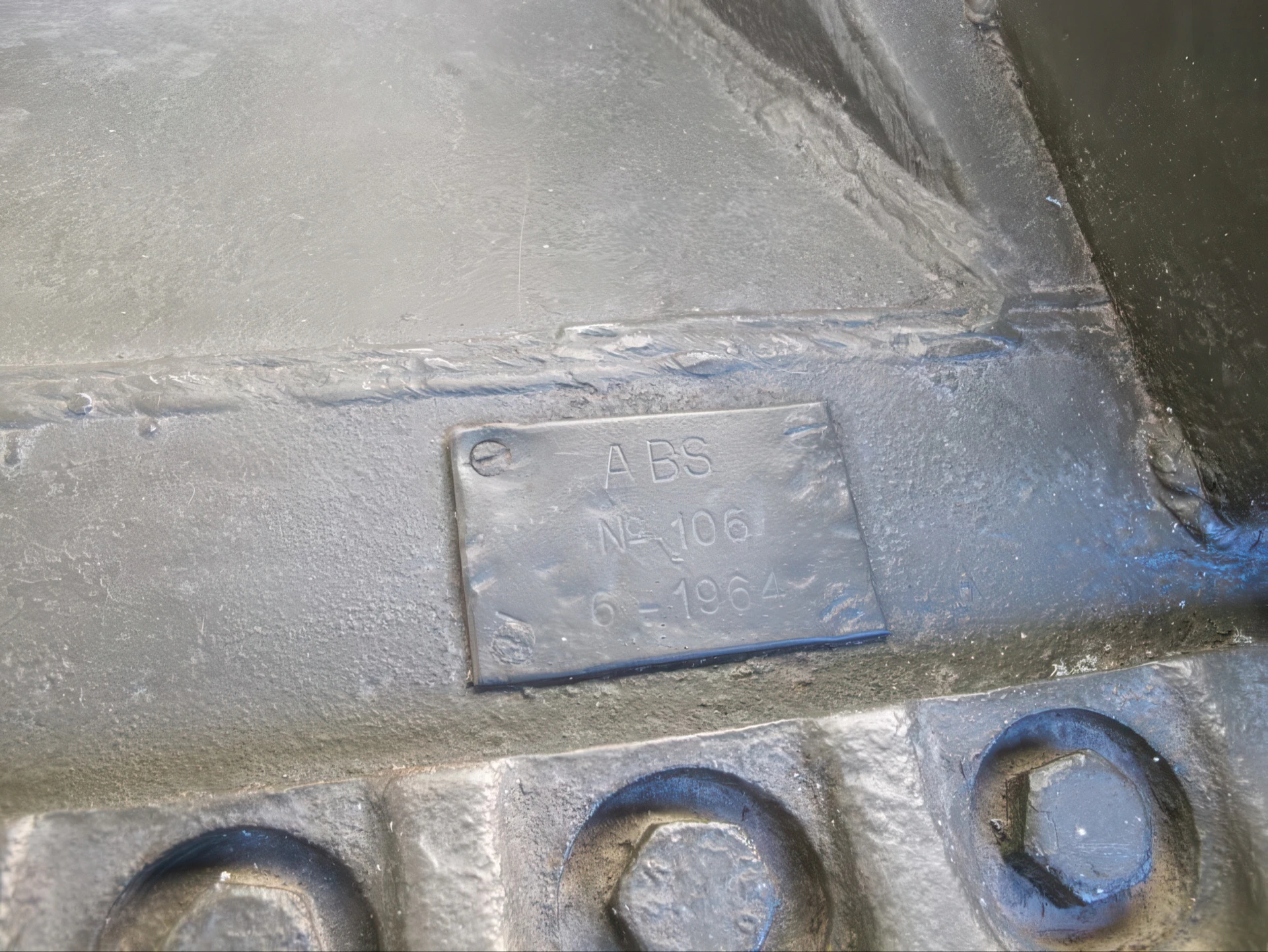
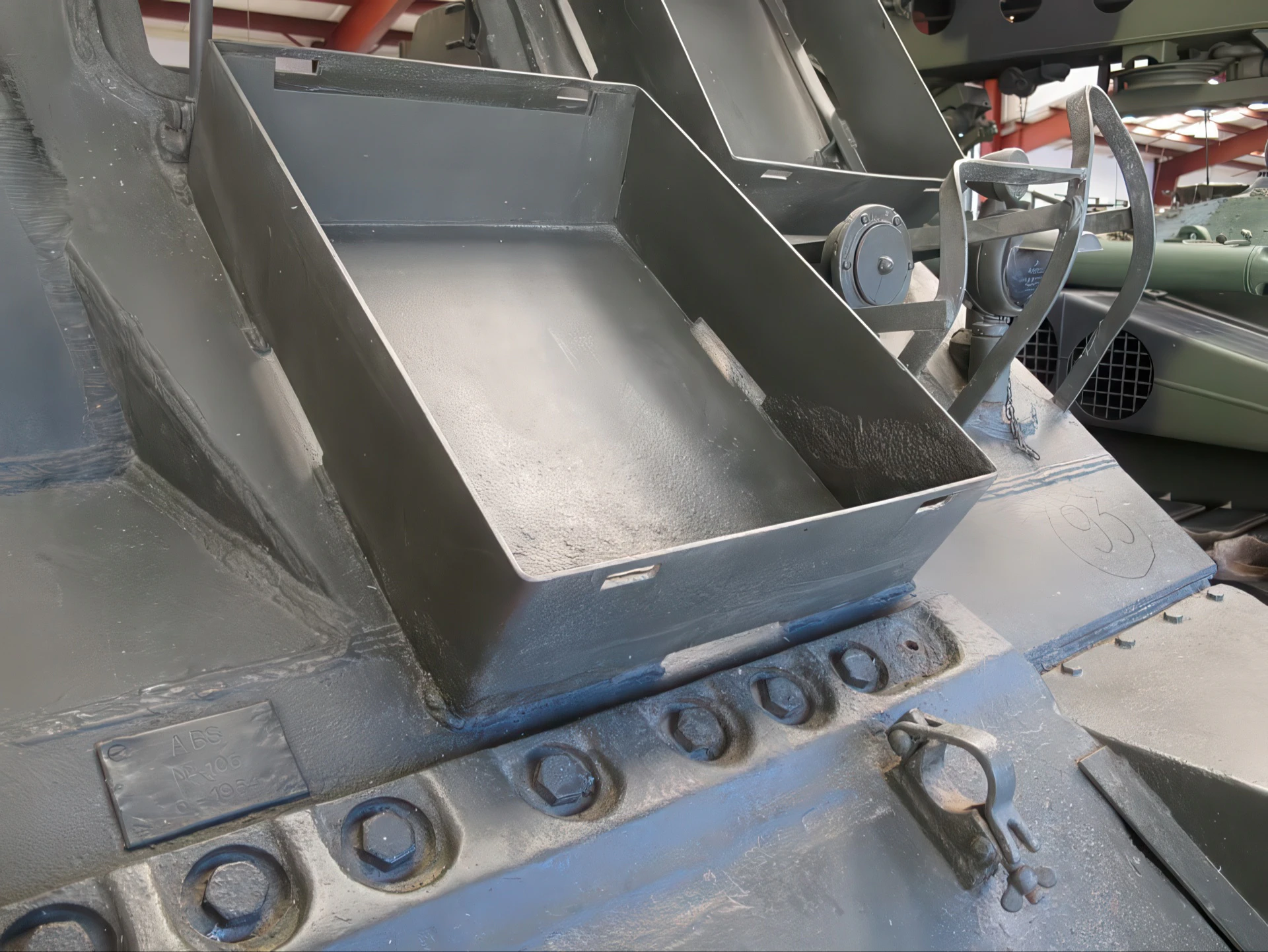
| 설명 | 앨범 드 131 자주포 "M7B2 프리스트"의 산책 사진 |
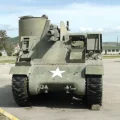
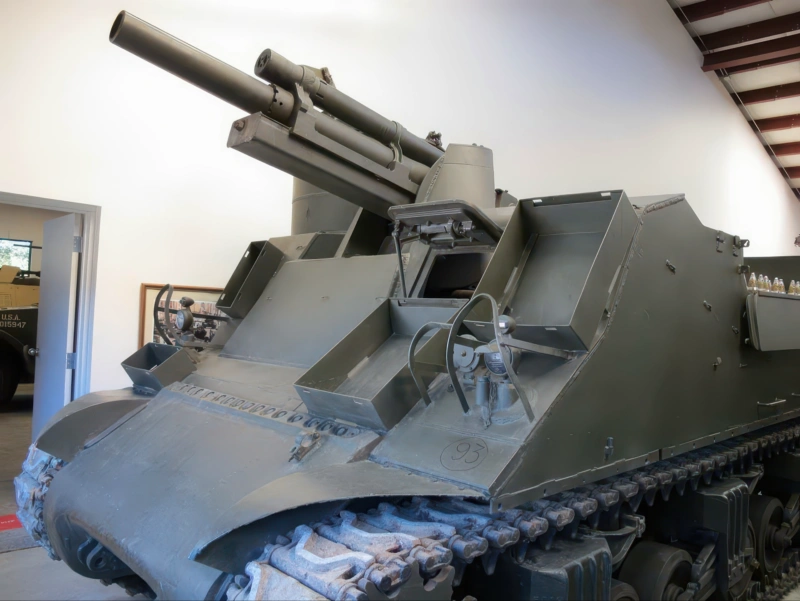
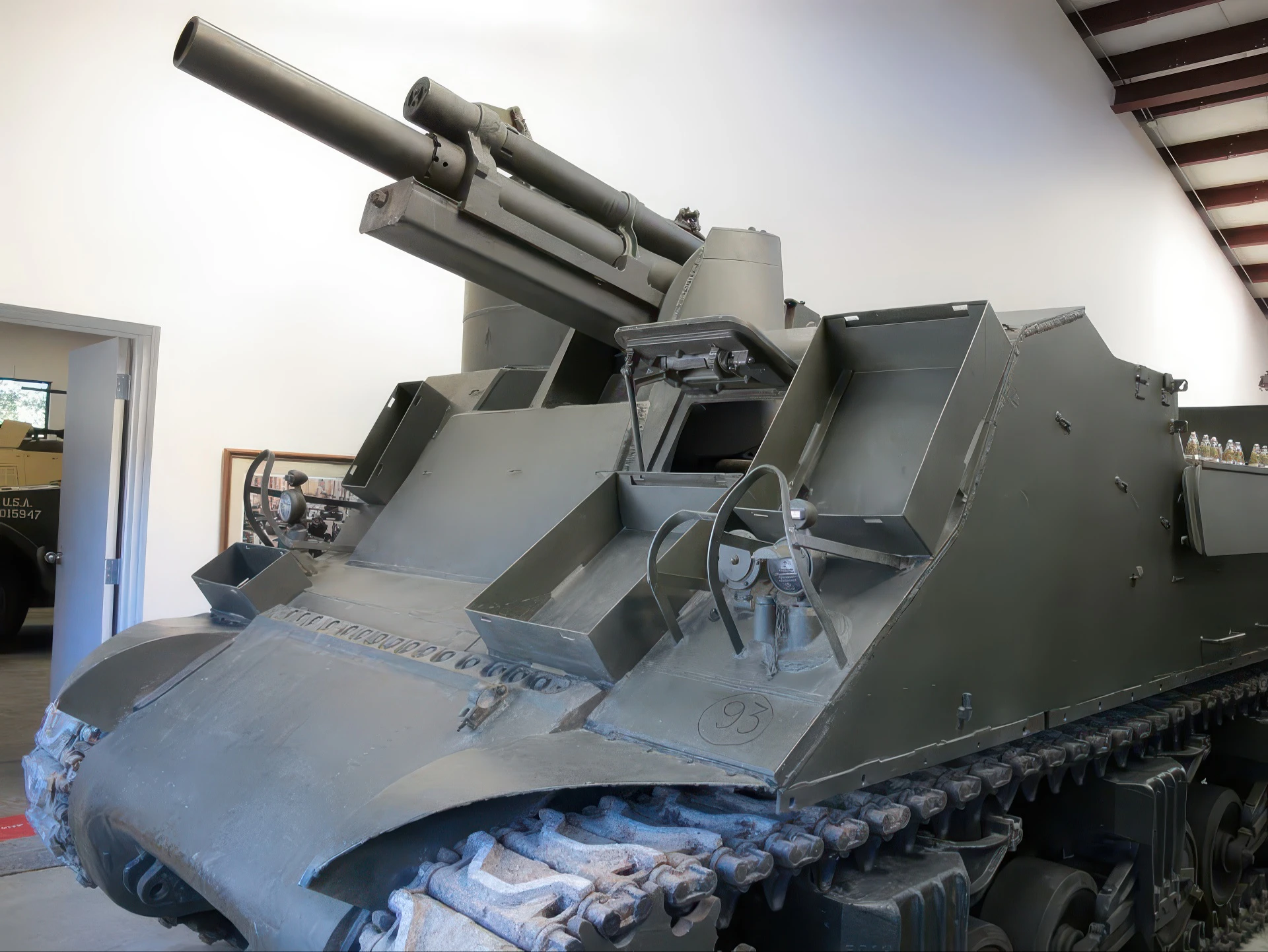
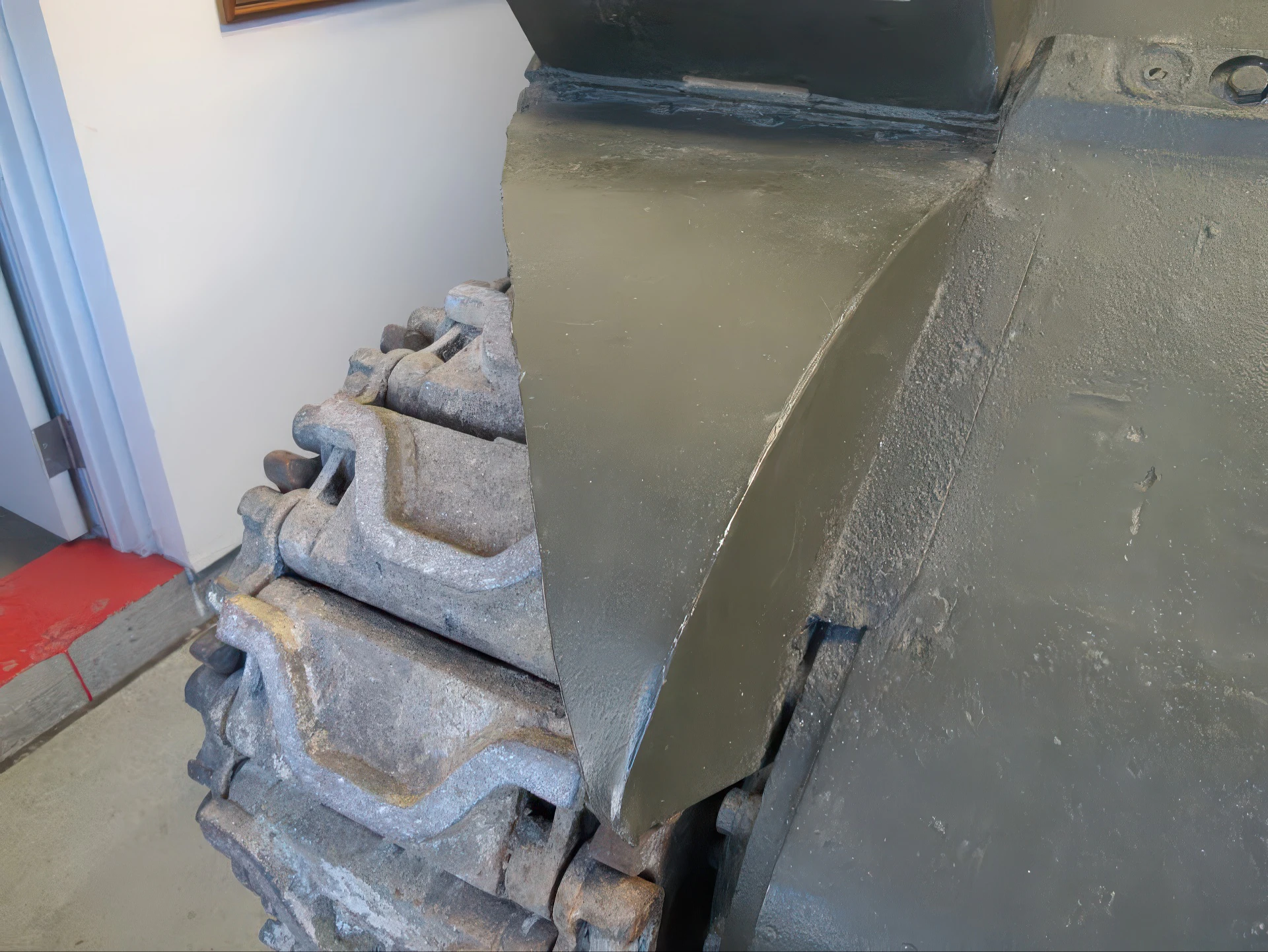
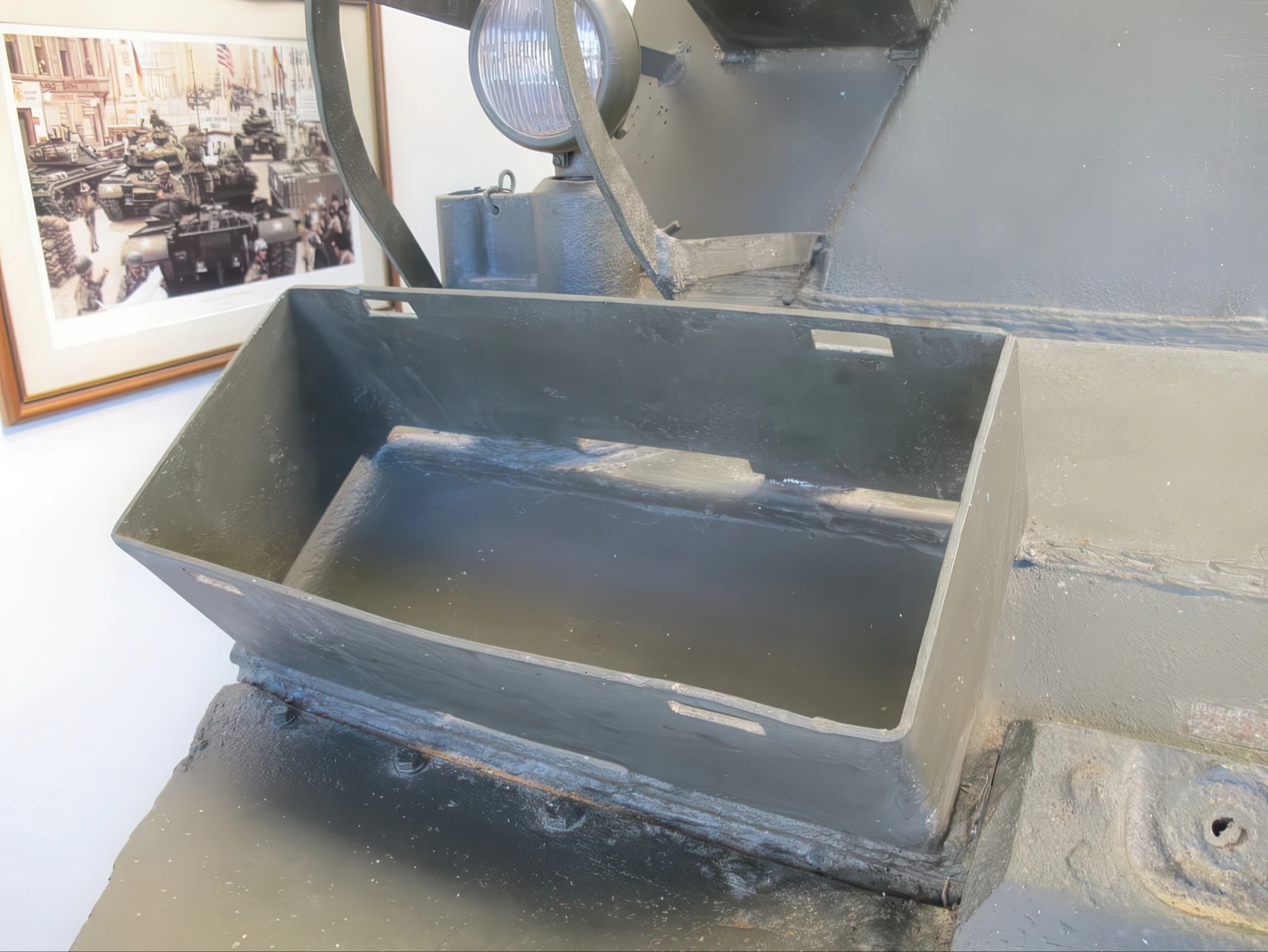
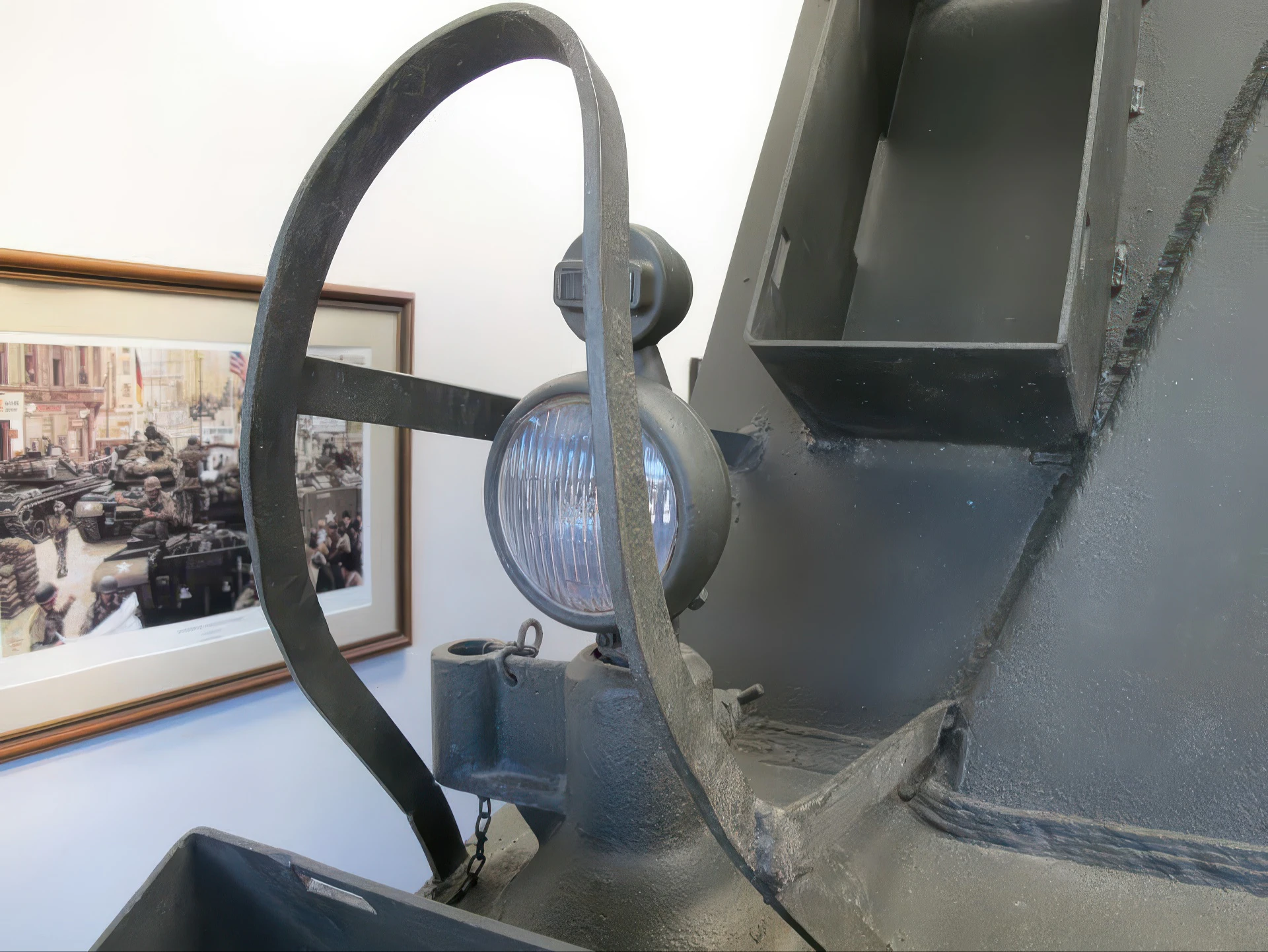
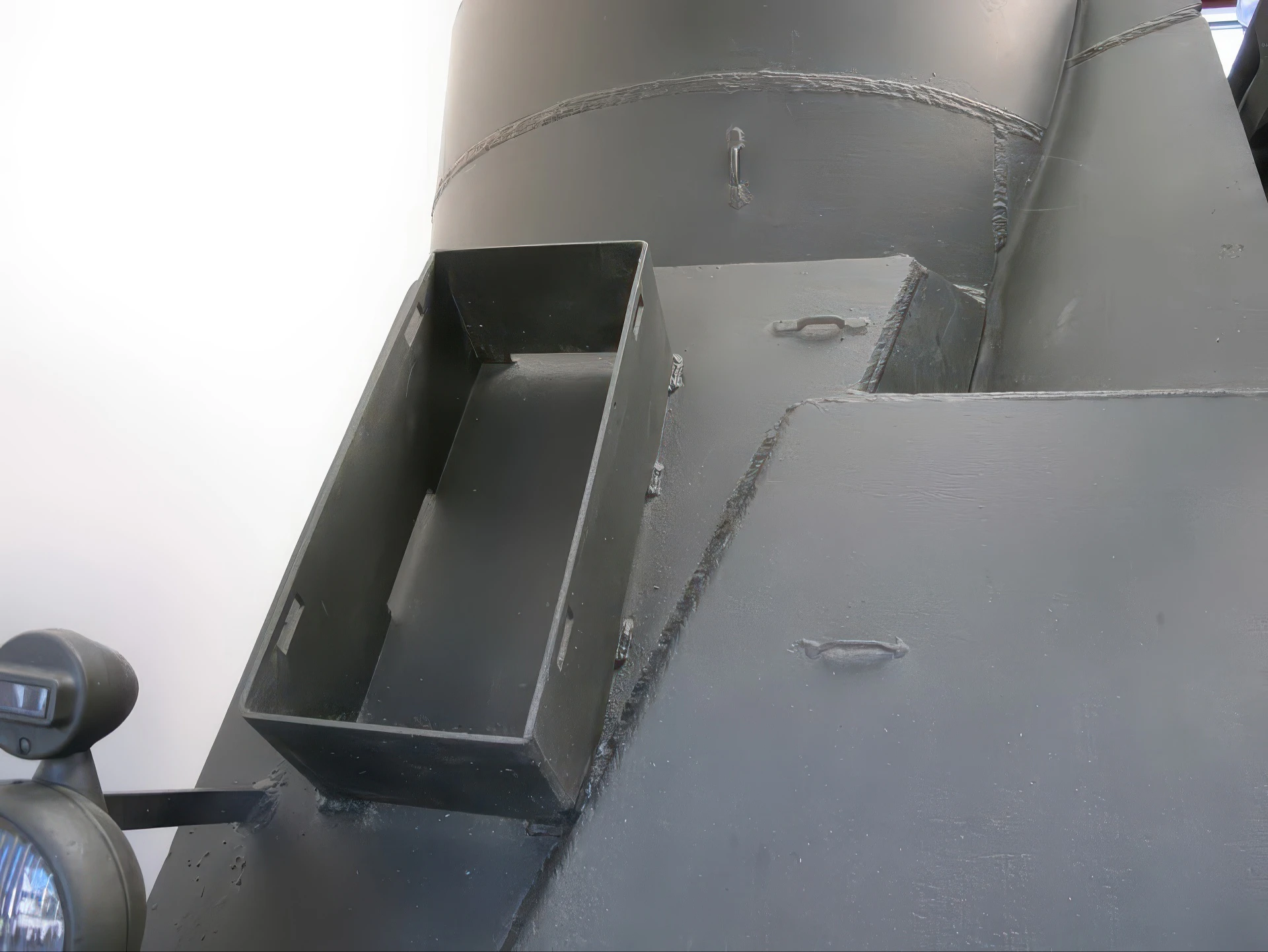
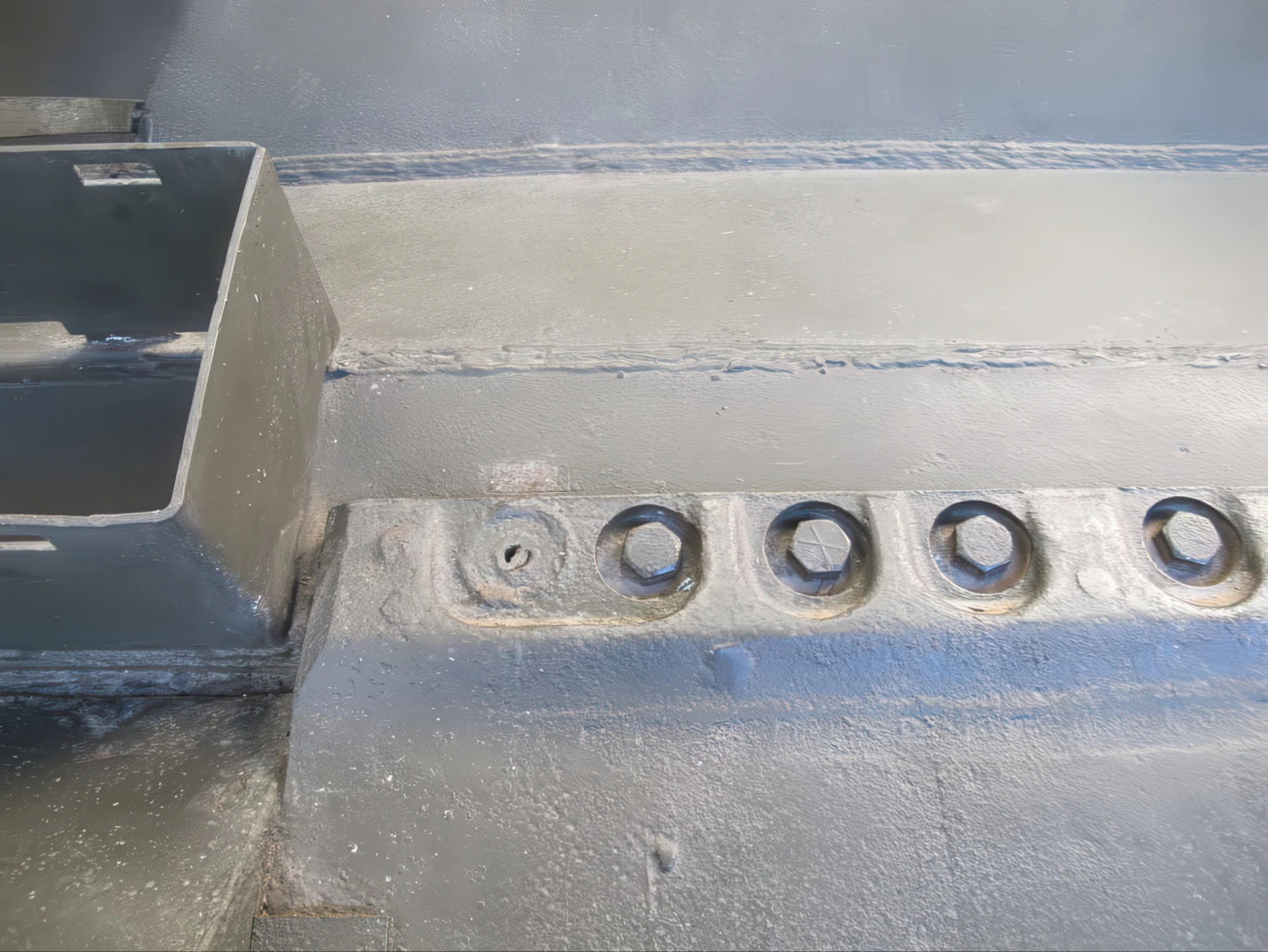
M7B2 사제의 사진 갤러리, 공식적으로 105mm 곡사포 모터 캐리지 M7로 지정, M7 사제 제 2 차 세계 대전 중 미국이 생산 한 자주포였습니다. 사제는 레일에 놓인 기관총이 탱크에 강단이 장착되어 있다는 인상을 주었기 때문에 영국인이 부여한 별명입니다. 그것은 따랐다 비숍 영어와 그들은 공식적으로 105mm SP 사제로 지정했습니다. (영국인은 자주포(사제 = 사제, 주교 = 주교, 섹스턴 = 성직자)에 종교와 관련된 이름을 붙이는 것을 좋아했는데, 이는 수도원장(수도원장)과 함께 1960년대까지 지속된 전통입니다.) 버전 M7B2 : 한국 전쟁 중에 곡사포의 제한된 고도가 정말 문제가되어 최대 65 °까지 증가했습니다. 기관총의 프레임도 360° 발사 가능성을 제공하기 위해 개선되어야 했습니다. 이 문제는 대부분의 경우 한국 분쟁이 언덕이 많은 지형에서 발생했으며 북한군이 서울 북쪽 언덕 꼭대기에 포병을 배치했다는 사실에서 비롯되었습니다.
소스: 위키피디아의 M7B2 사제

참고 항목:


Tthe M7 Howitzer Motor Carriage, better known by its British service name the “Priest,” was a highly successful American self-propelled artillery vehicle. It was developed and produced during World War II to provide a mobile, armored platform capable of offering close fire support to advancing armored divisions and infantry units.
Key Features and Specifications
- Role: Self-propelled artillery/howitzer.
- 주무장: A powerful 105mm M2A1 howitzer, capable of firing high-explosive, smoke, and anti-tank rounds.
- Ammunition Capacity: Carried up to 69 rounds for the main gun.
- Secondary Armament: A .50 caliber M2 Browning heavy machine gun, mounted in a circular “pulpit” cupola. This distinctive mount is what inspired the British nickname “Priest.”
- Chassis:
- M7 (Early): Based on the modified chassis of the M3 Lee medium tank.
- M7B1/M7B2 (Later): Based on the chassis of the M4 Sherman 중형전차.
- Crew Protection: Featured an open-topped fighting compartment with a steel superstructure. This provided protection from small arms and shell fragments but left the crew vulnerable to air bursts.
- 기동성: Fully tracked, allowing for good cross-country movement and the ability to keep pace with mechanized forces.
Combat Service and Legacy
The M7 Priest first saw combat with the British Eighth Army at the Second Battle of El Alamein in late 1942. It was widely used across all major theaters of operation, including North Africa, the Mediterranean, Northwest Europe (Normandy), and the Pacific.
Its operational success lay in its “shoot-and-scoot” capability, which allowed it to quickly fire barrages and relocate before enemy counter-battery fire could zero in. The Priest’s design and performance cemented the need for self-propelled artillery in modern mechanized warfare. It continued to serve beyond World War II, seeing action with US forces and allies during the 한국 전쟁.
Views : 3133