M7B2 Pap | |
|---|---|
| Ország | Usa |
| Időszak | Koreai háború |
| Típus | Önjáró löveg |
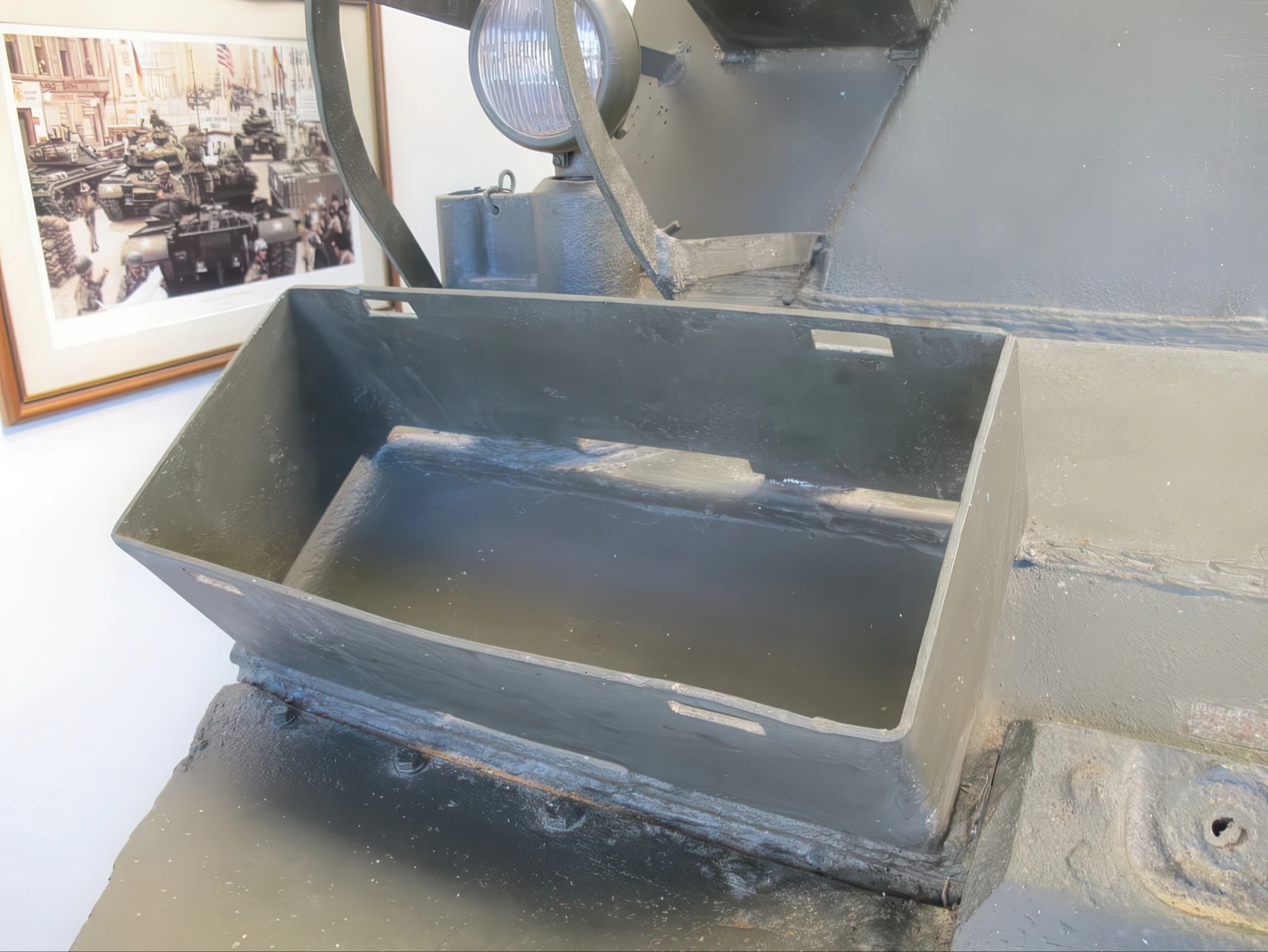
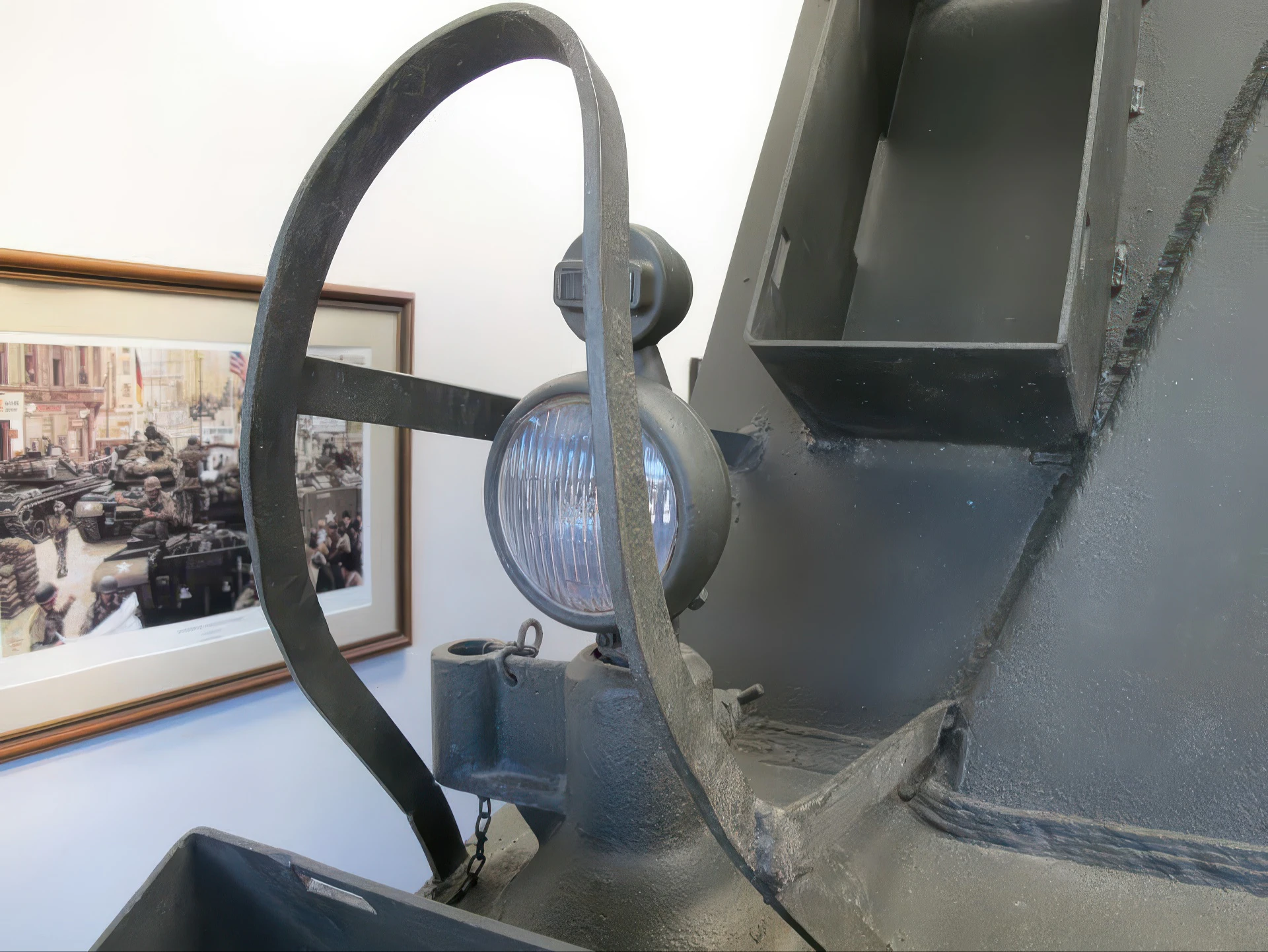
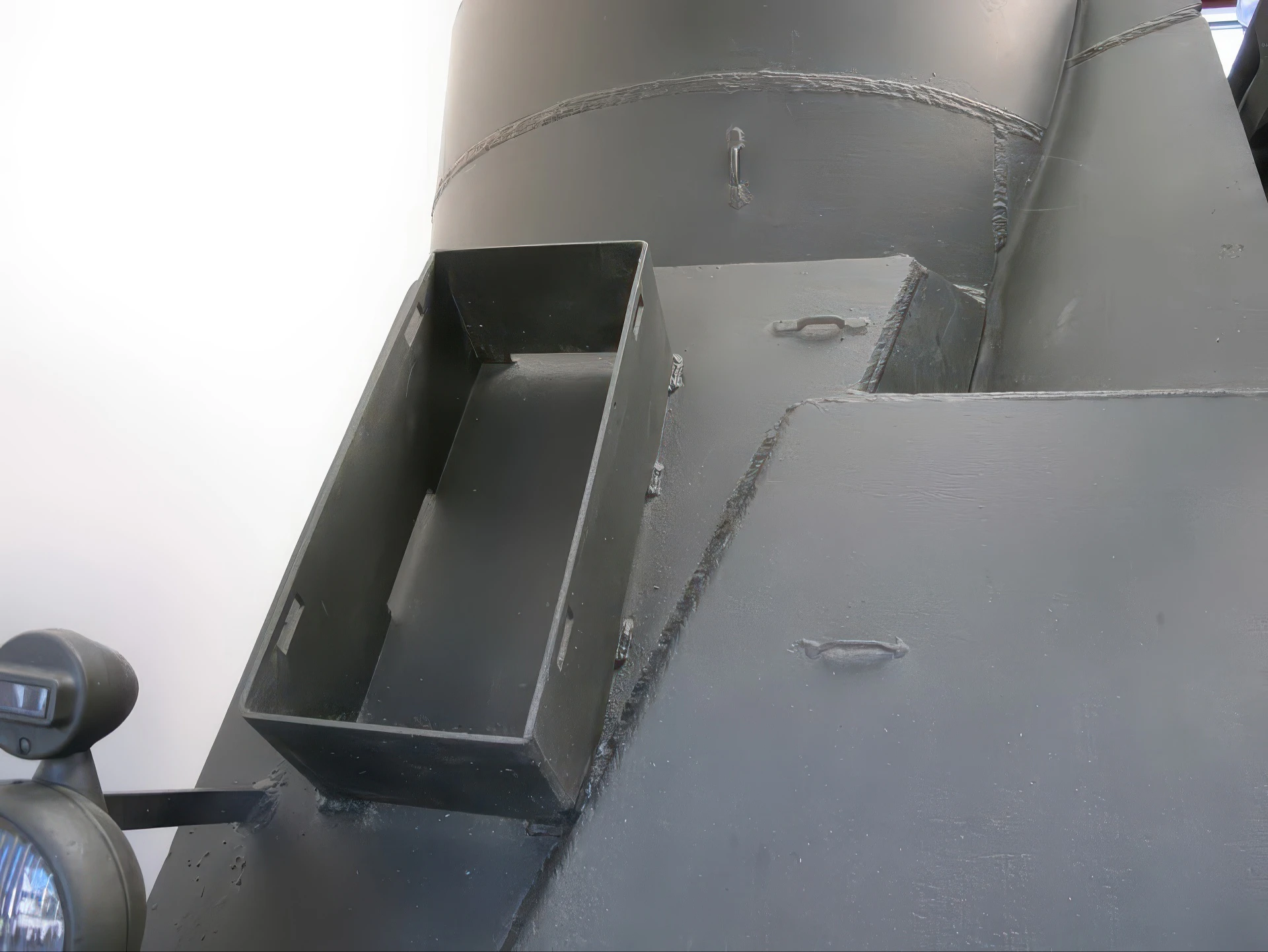
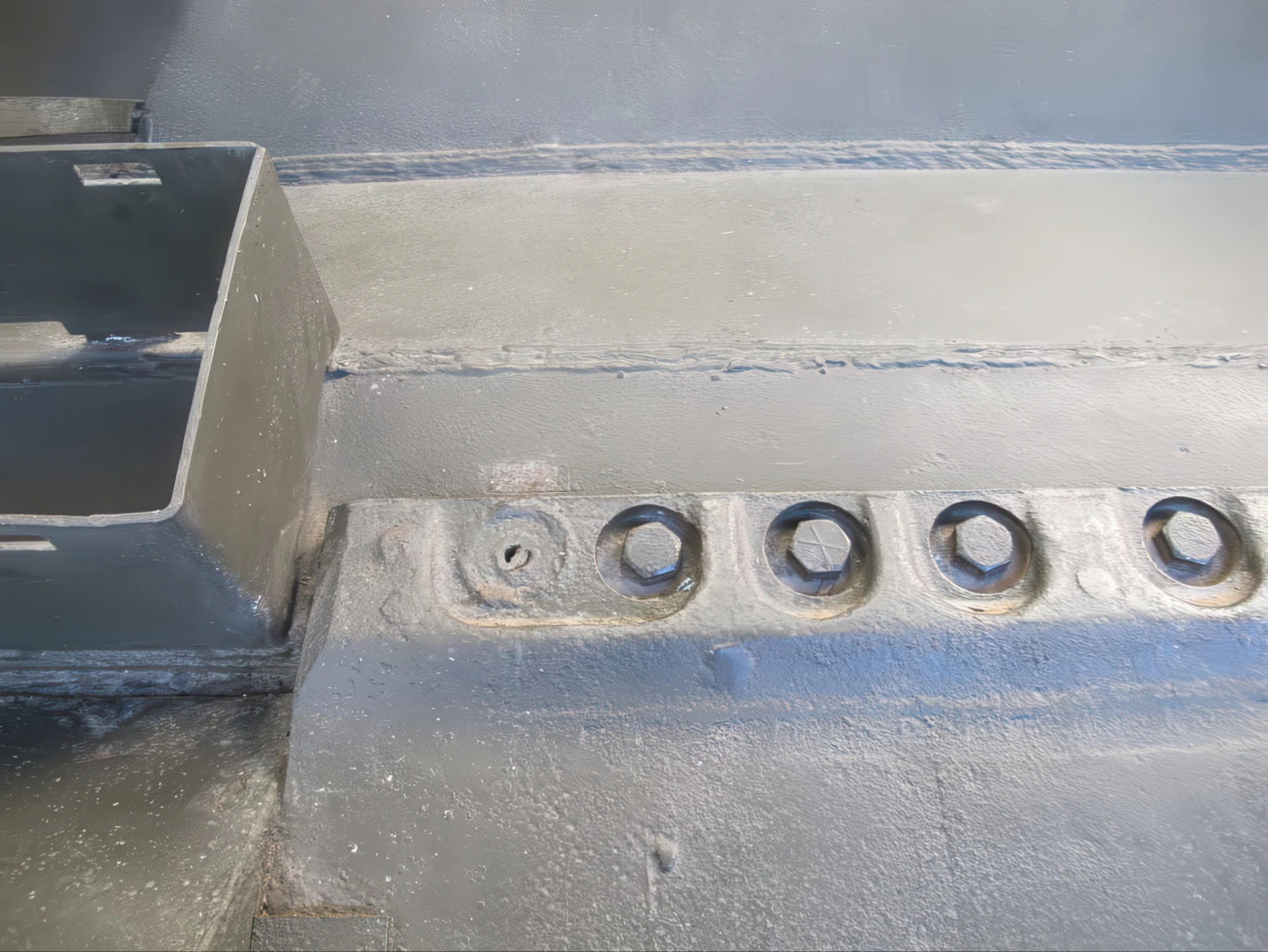
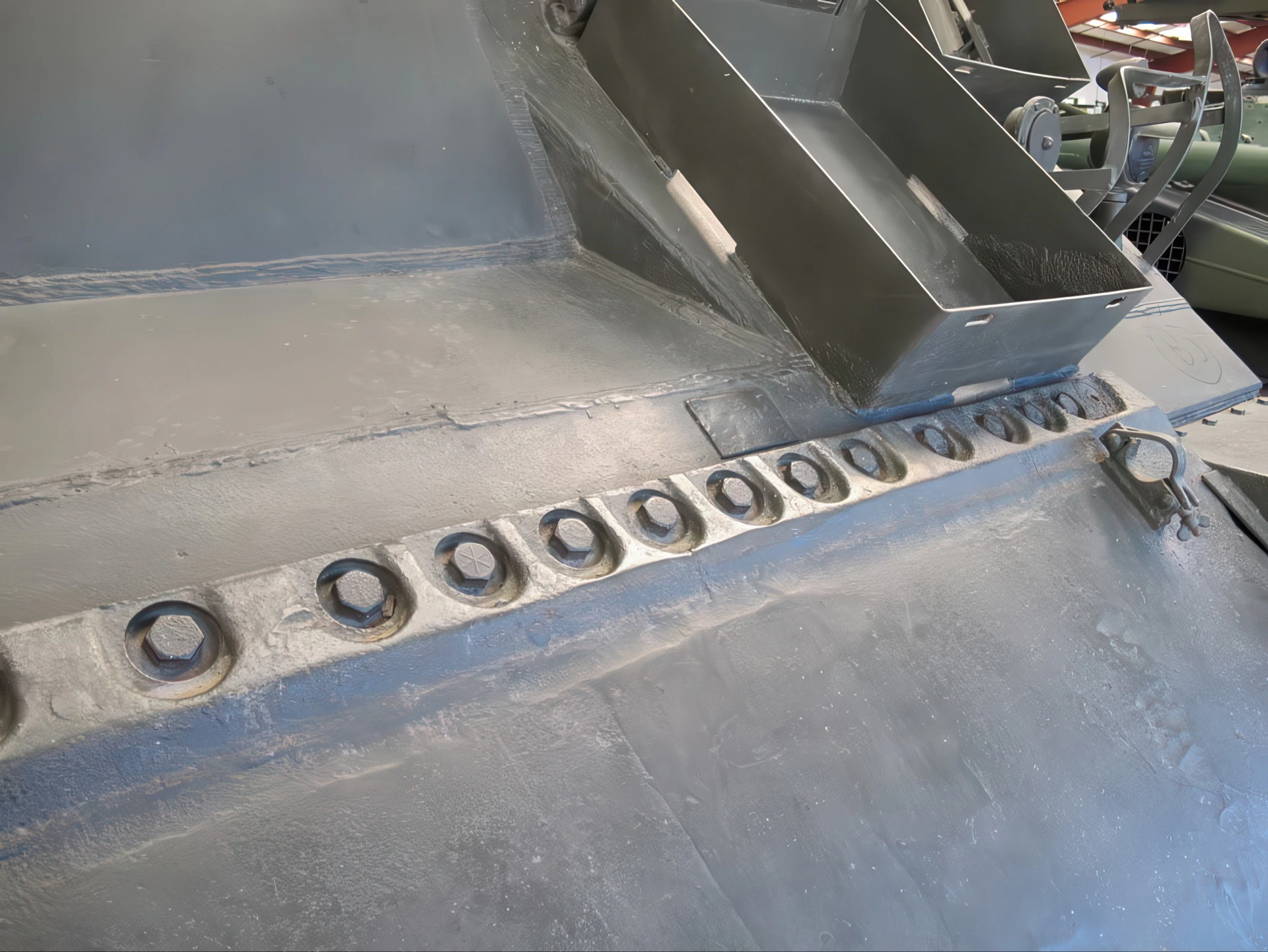
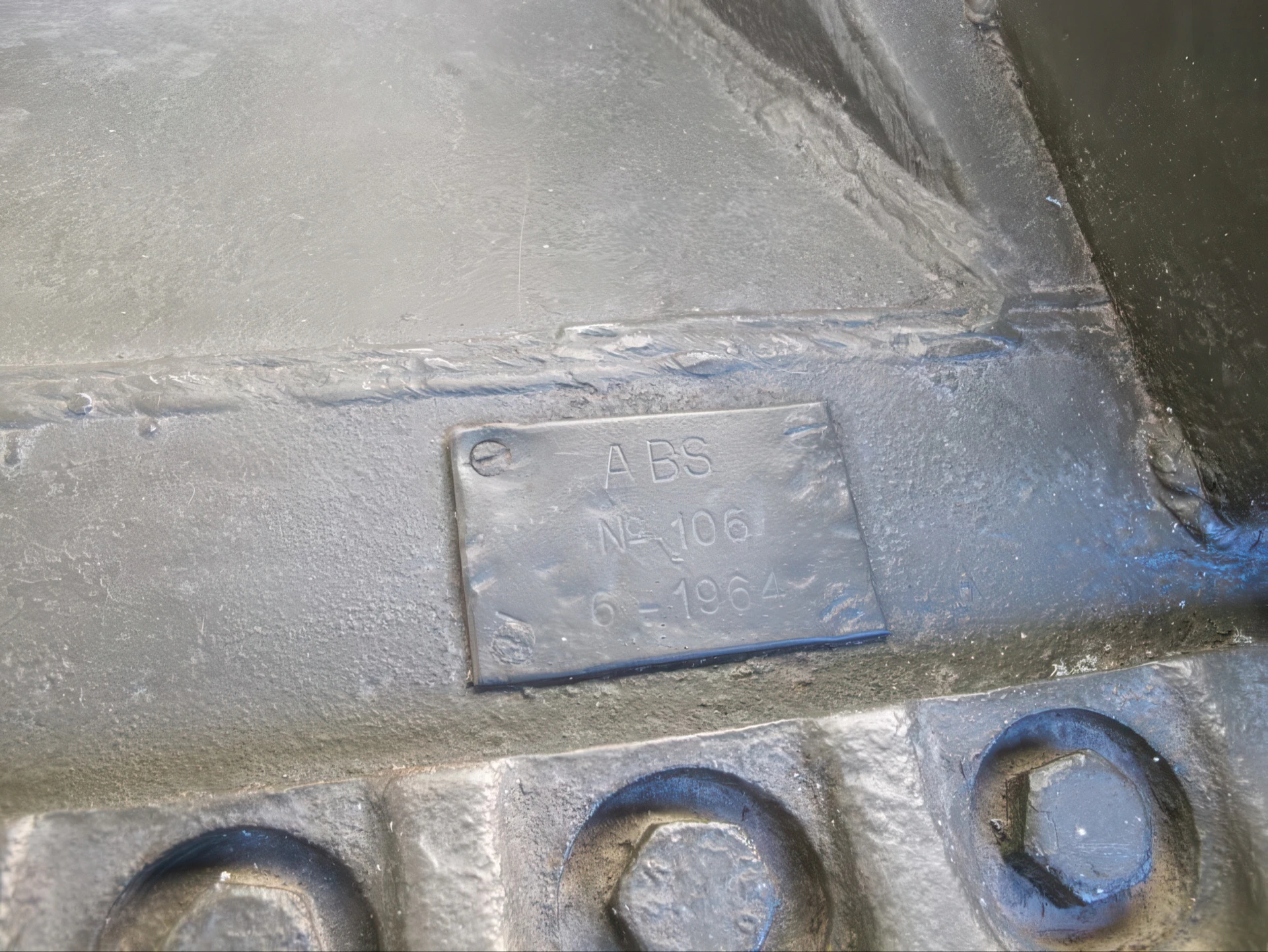
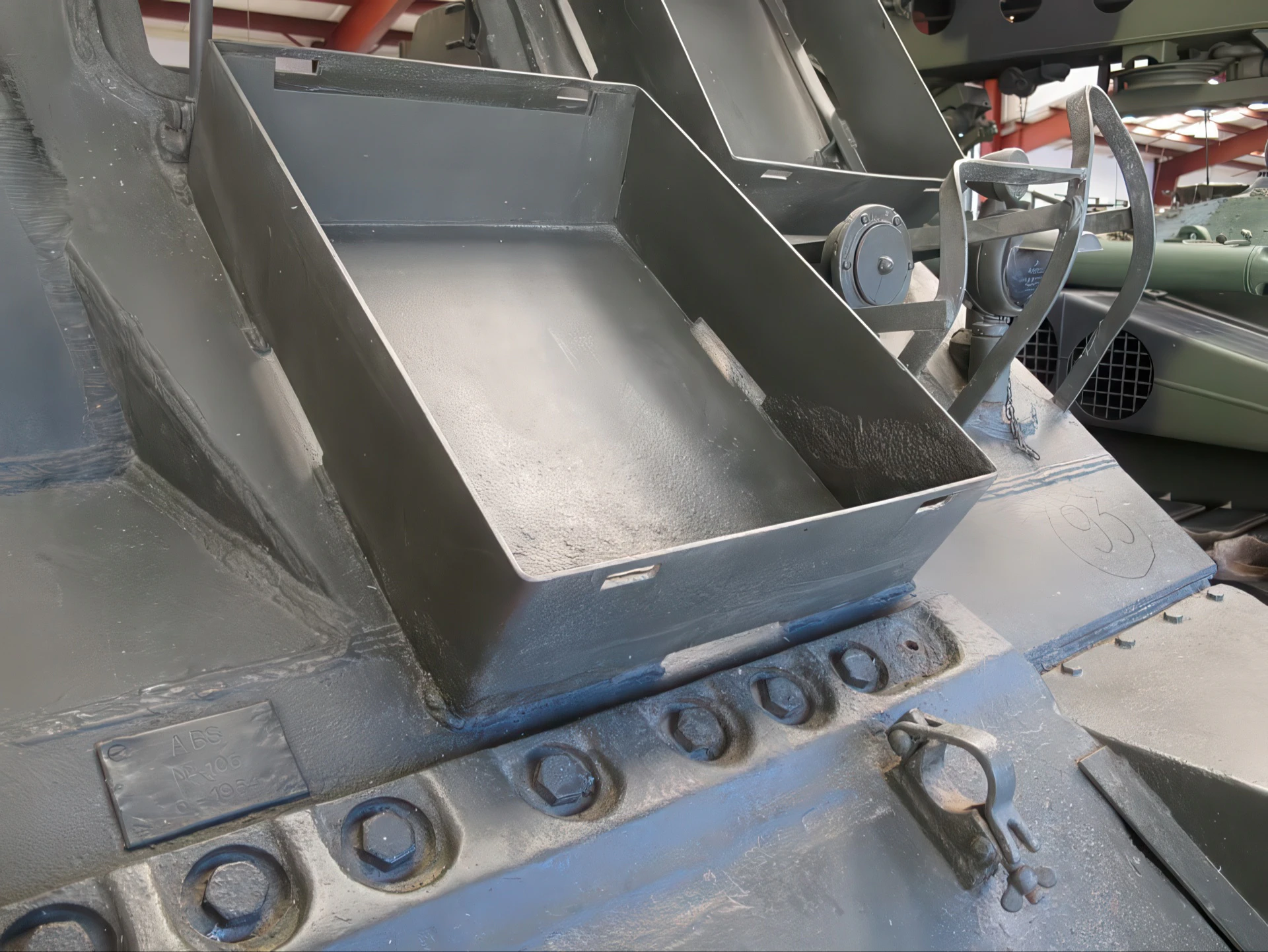
| Leírás | Album de 131 az "M7B2 Priest" önjáró pisztoly körbejáró fotói |
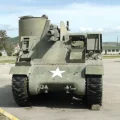
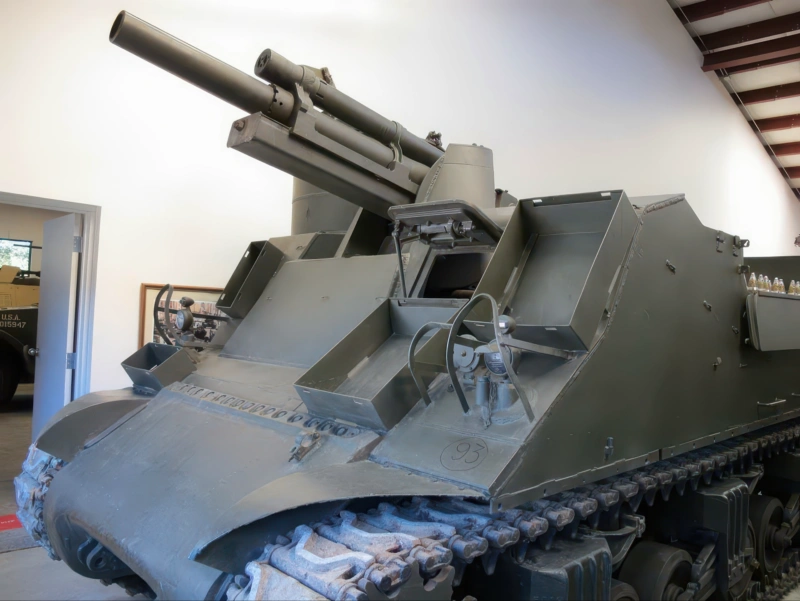
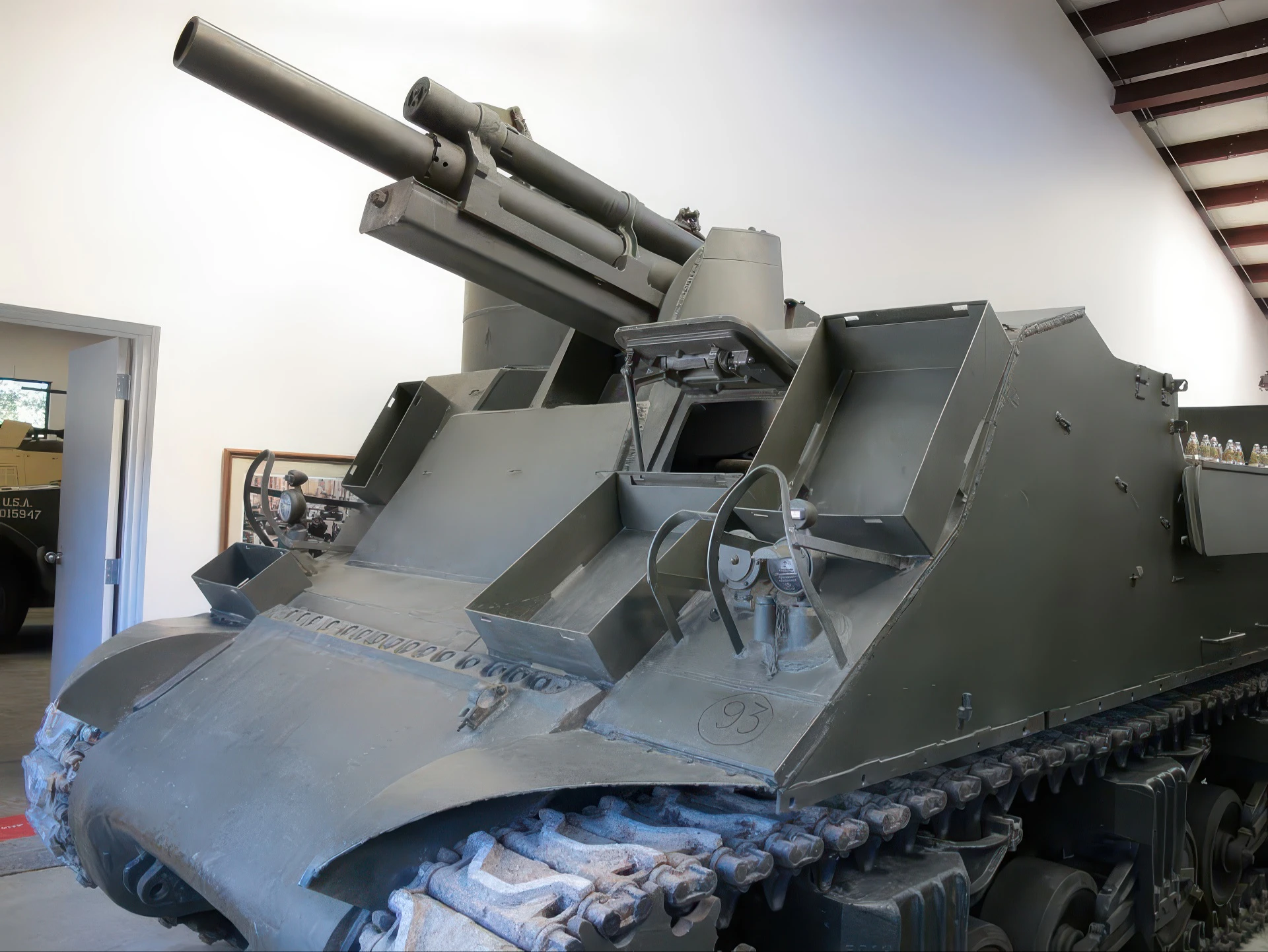
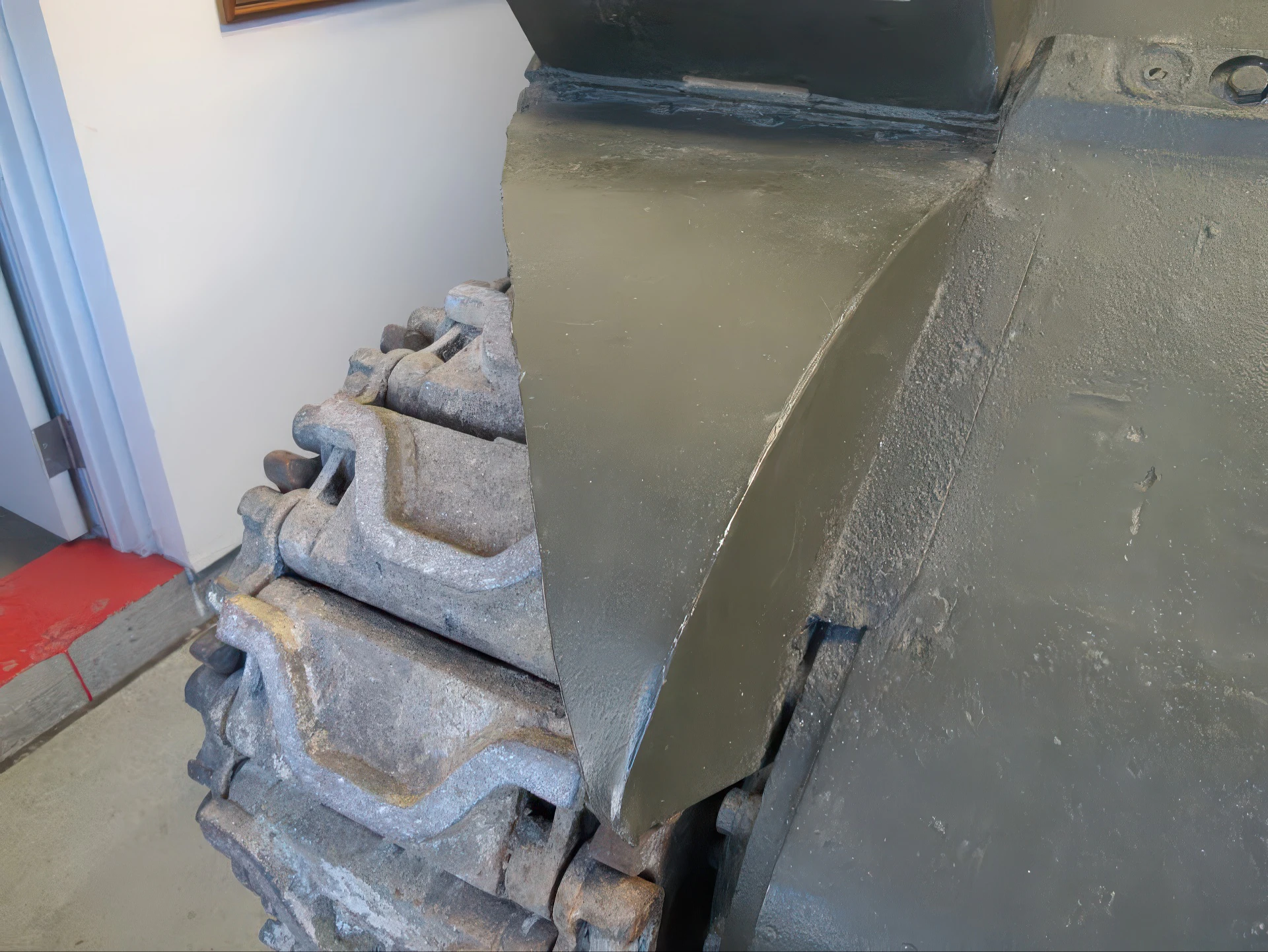
Fotógaléria egy M7B2 Priestről, hivatalos jelölése 105 mm-es tarackos motorkocsi M7, a M7 pap egy önjáró löveg volt, amelyet a második világháború alatt gyártott az Egyesült Államok. A pap a britek által adott becenév, mivel a sínre helyezett géppuska azt a benyomást keltette, hogy a tartály szószékkel van felszerelve. Ezt követte a Püspök Angolul, és hivatalosan 105mm SP Priest-nek nevezték el. (A britek előszeretettel adtak vallási neveket önjáró fegyvereiknek (Priest = pap, Bishop = bishop, Sexton = sekrestyés), ez a hagyomány az 1960-as évekig tartott az apáttal (apáttal).) M7B2 verzió : A koreai háború alatt a tarack korlátozott magassága valóban problémássá vált, és 65°-ra növelték. A géppuska tartóját is javítani kellett, hogy 360°-ban tüzelhessen. Ez a probléma abból a tényből fakadt, hogy a koreai konfliktus legtöbbször dombos terepen zajlott, az észak-koreaiak tüzérségi ágyúikat a Szöultól északra fekvő dombtetőkre telepítették.
Forrás: M7B2 pap a Wikipédián

Lásd még:


A M7 Howitzer Motor Carriage, better known by its British service name the “Priest,” was a highly successful American self-propelled artillery vehicle. It was developed and produced during World War II to provide a mobile, armored platform capable of offering close fire support to advancing armored divisions and infantry units.
Key Features and Specifications
- Szerep: Self-propelled artillery/howitzer.
- Main Armament: A powerful 105mm M2A1 howitzer, capable of firing high-explosive, smoke, and anti-tank rounds.
- Ammunition Capacity: Carried up to 69 rounds for the main gun.
- Secondary Armament: Egy .50 caliber M2 Browning heavy machine gun, mounted in a circular “pulpit” cupola. This distinctive mount is what inspired the British nickname “Priest.”
- Alváz:
- M7 (Early): Based on the modified chassis of the M3 Lee medium tank.
- M7B1/M7B2 (Later): Based on the chassis of the M4 Sherman közepes tank.
- Crew Protection: Featured an open-topped fighting compartment with a steel superstructure. This provided protection from small arms and shell fragments but left the crew vulnerable to air bursts.
- Mobilitás: Fully tracked, allowing for good cross-country movement and the ability to keep pace with mechanized forces.
Combat Service and Legacy
The M7 Priest first saw combat with the British Eighth Army at the Second Battle of El Alamein in late 1942. It was widely used across all major theaters of operation, including North Africa, the Mediterranean, Northwest Europe (Normandy), and the Pacific.
Its operational success lay in its “shoot-and-scoot” capability, which allowed it to quickly fire barrages and relocate before enemy counter-battery fire could zero in. The Priest’s design and performance cemented the need for self-propelled artillery in modern mechanized warfare. It continued to serve beyond World War II, seeing action with US forces and allies during the Koreai háború.
Views : 3147