M7B2プリースト | |
|---|---|
| 国 | 米国 |
| 期間 | 朝鮮戦争 |
| 型 | 自走砲 |
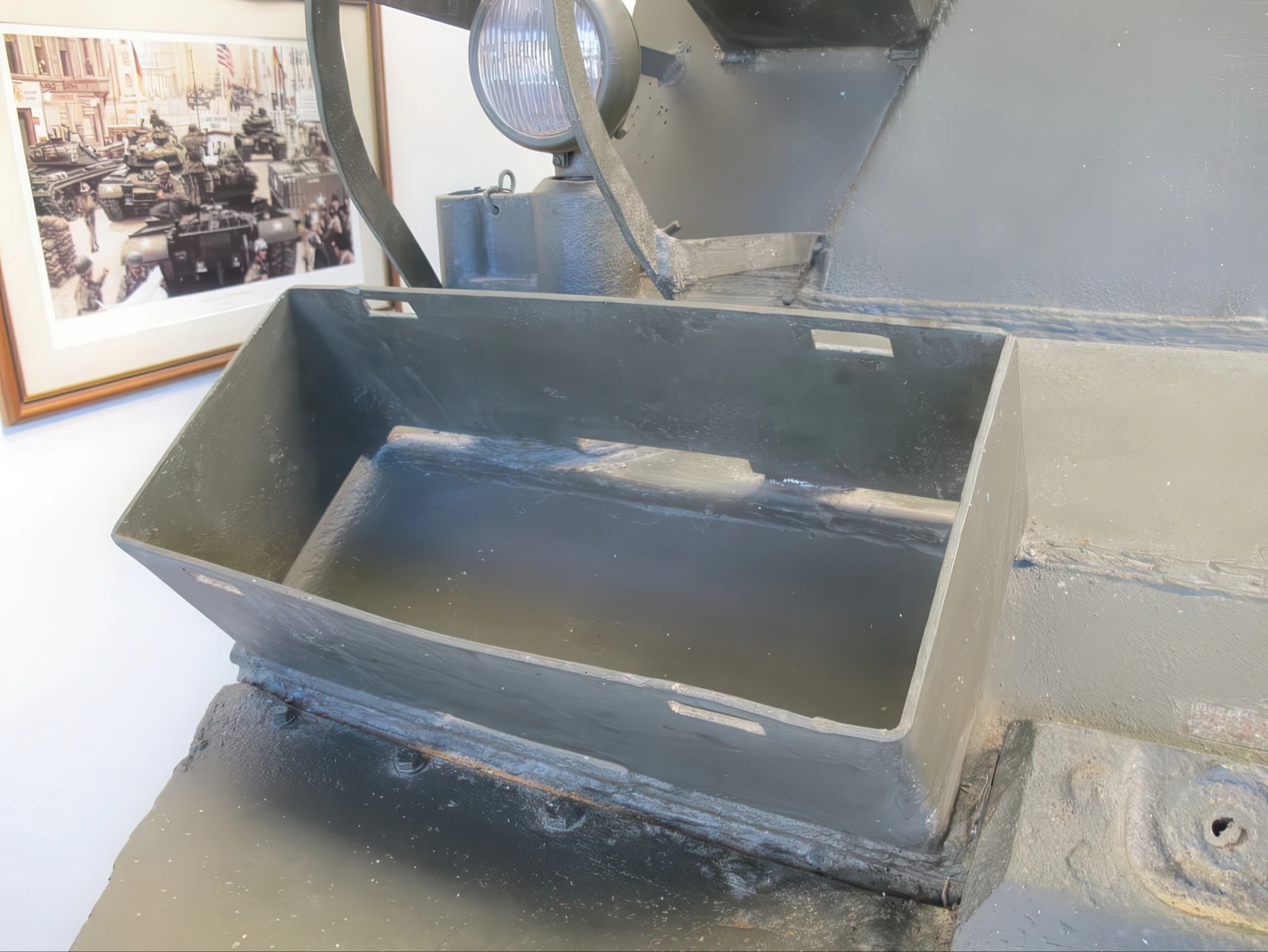
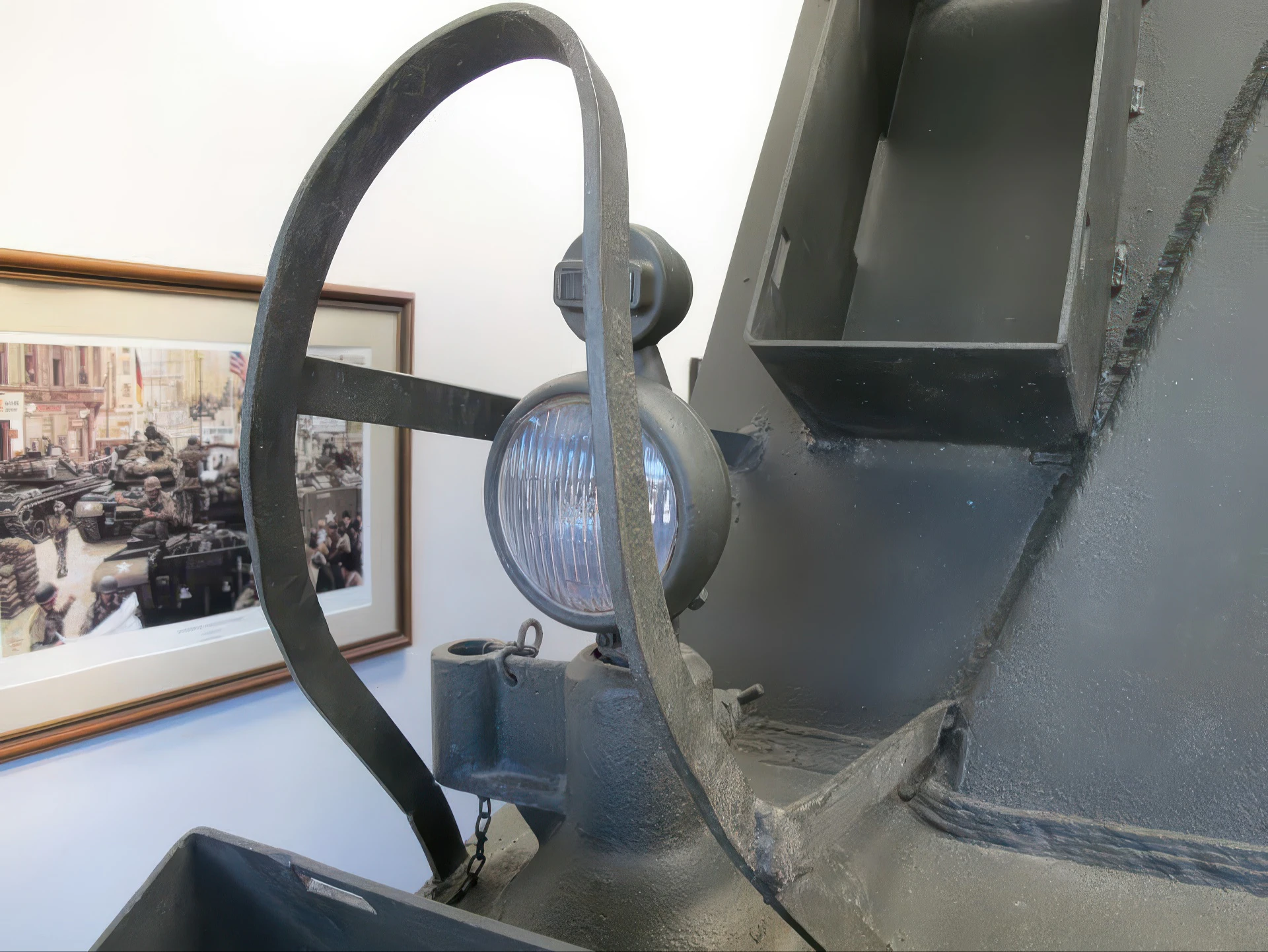
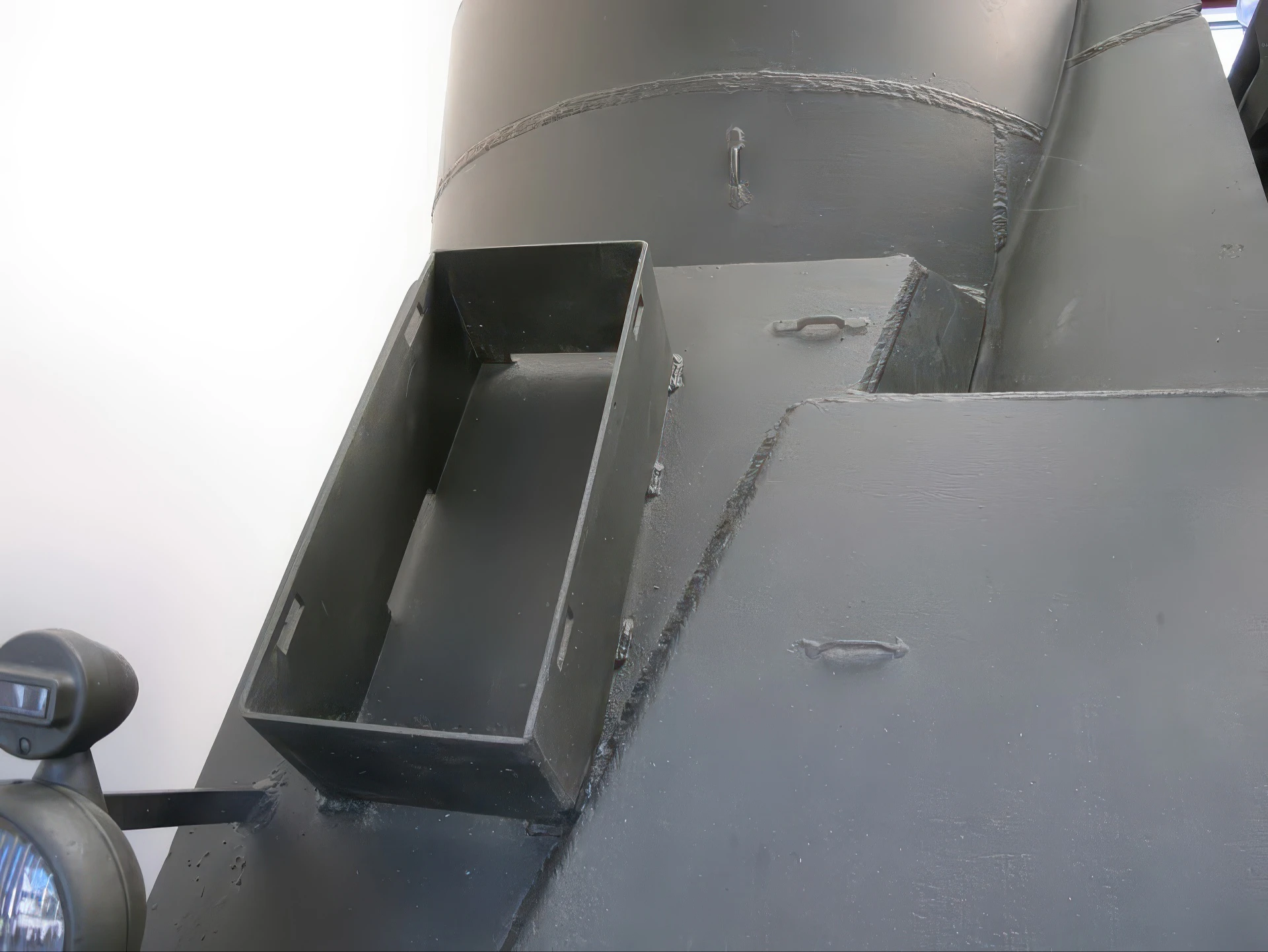
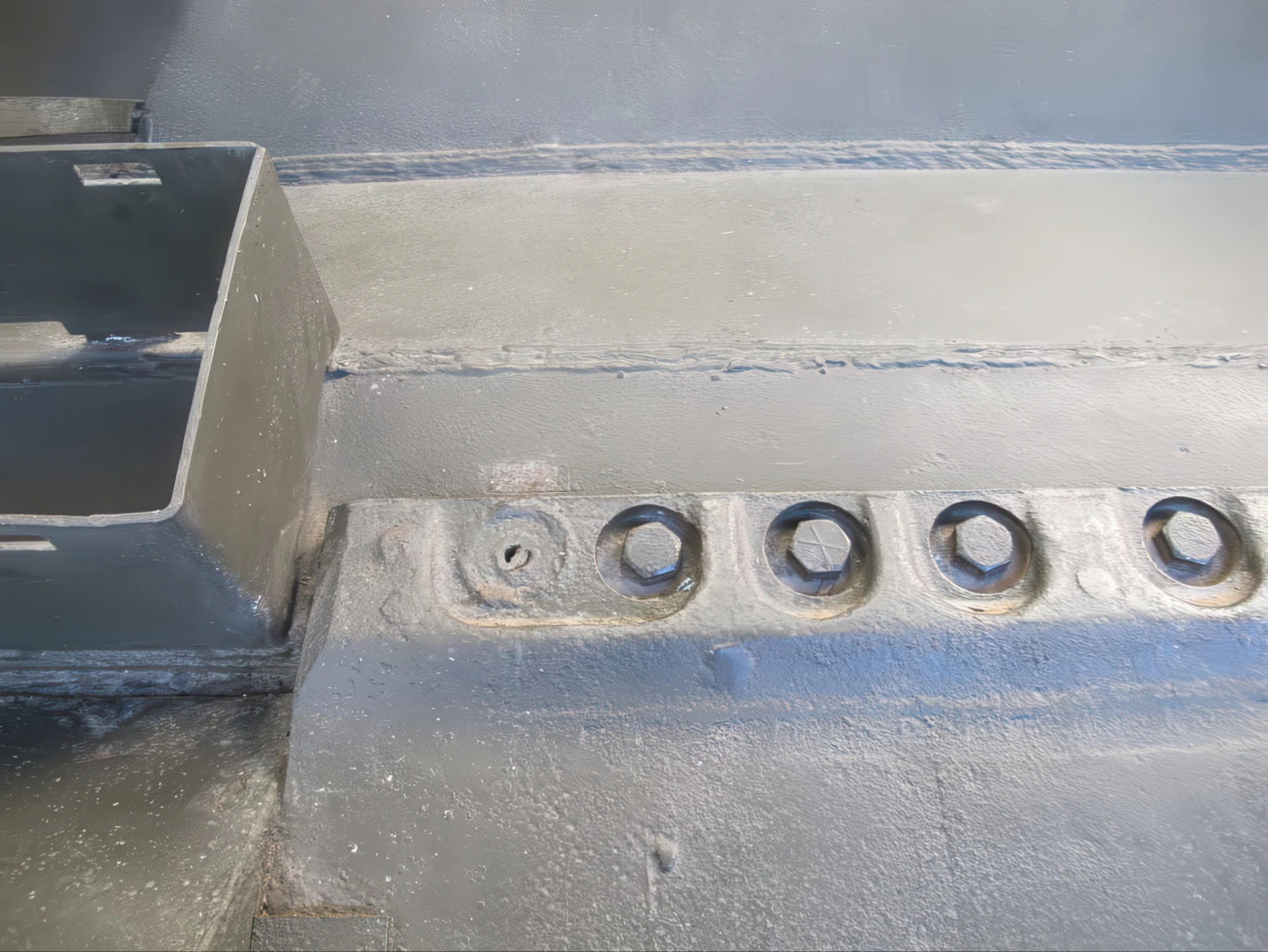
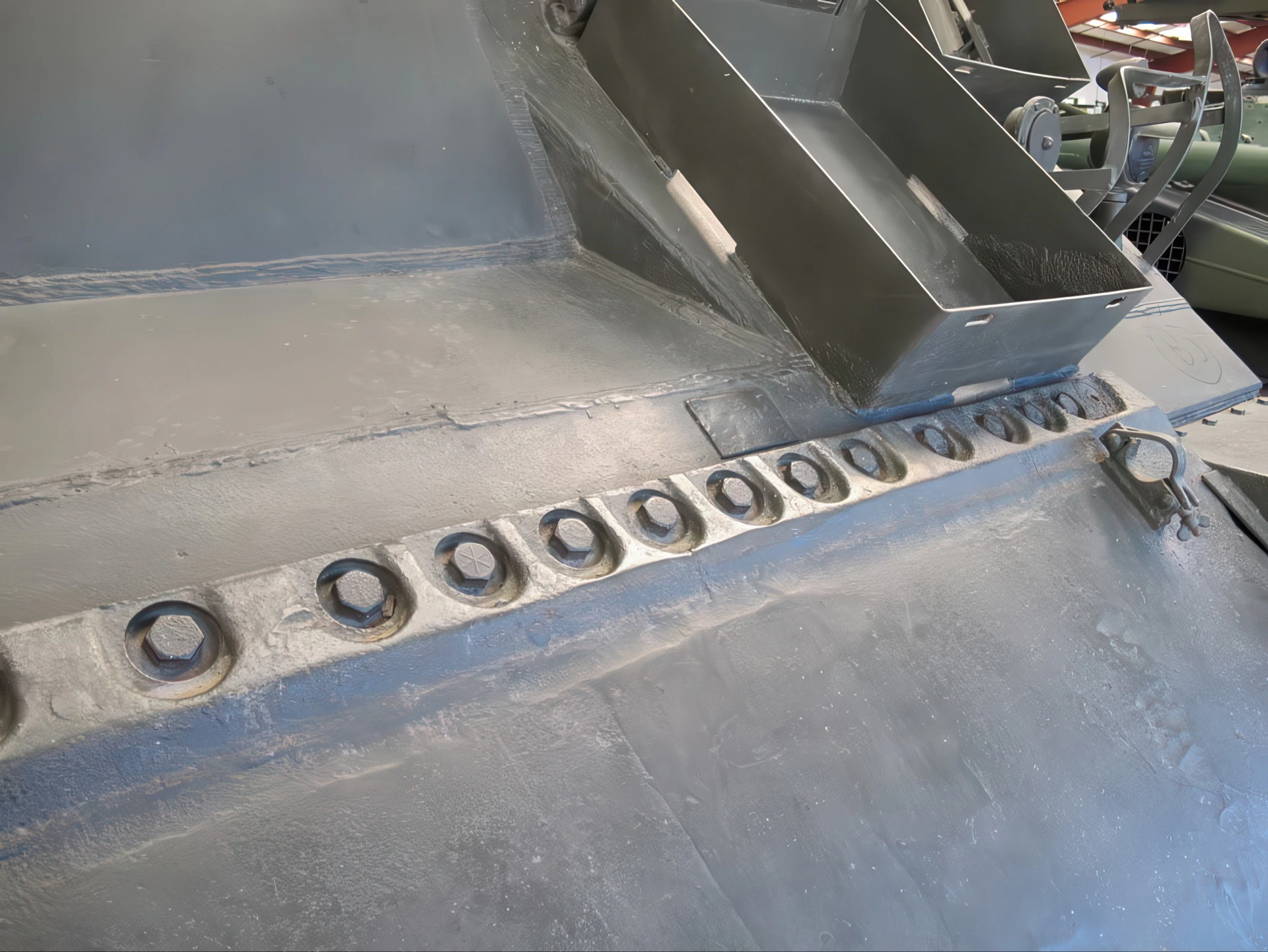
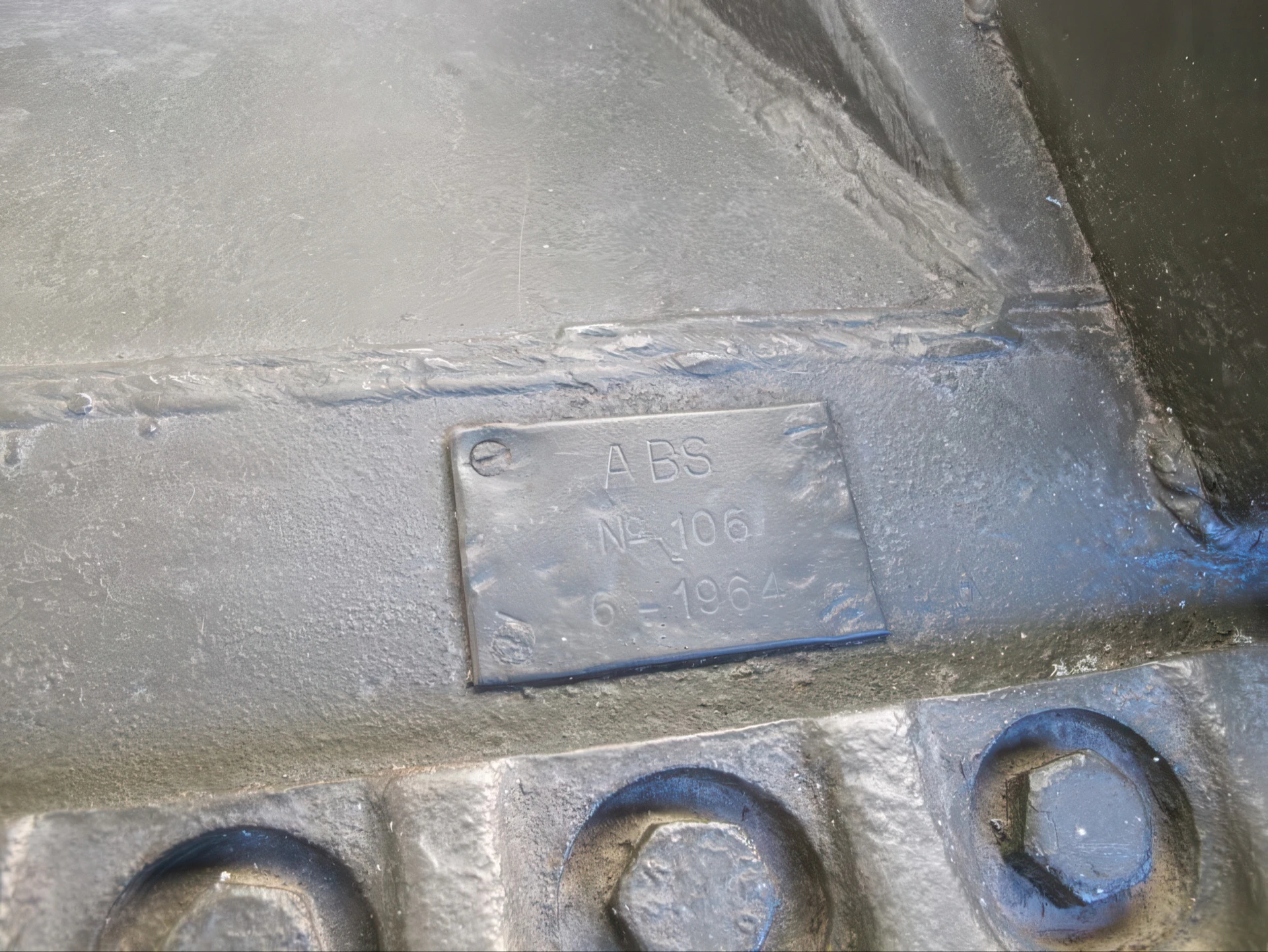
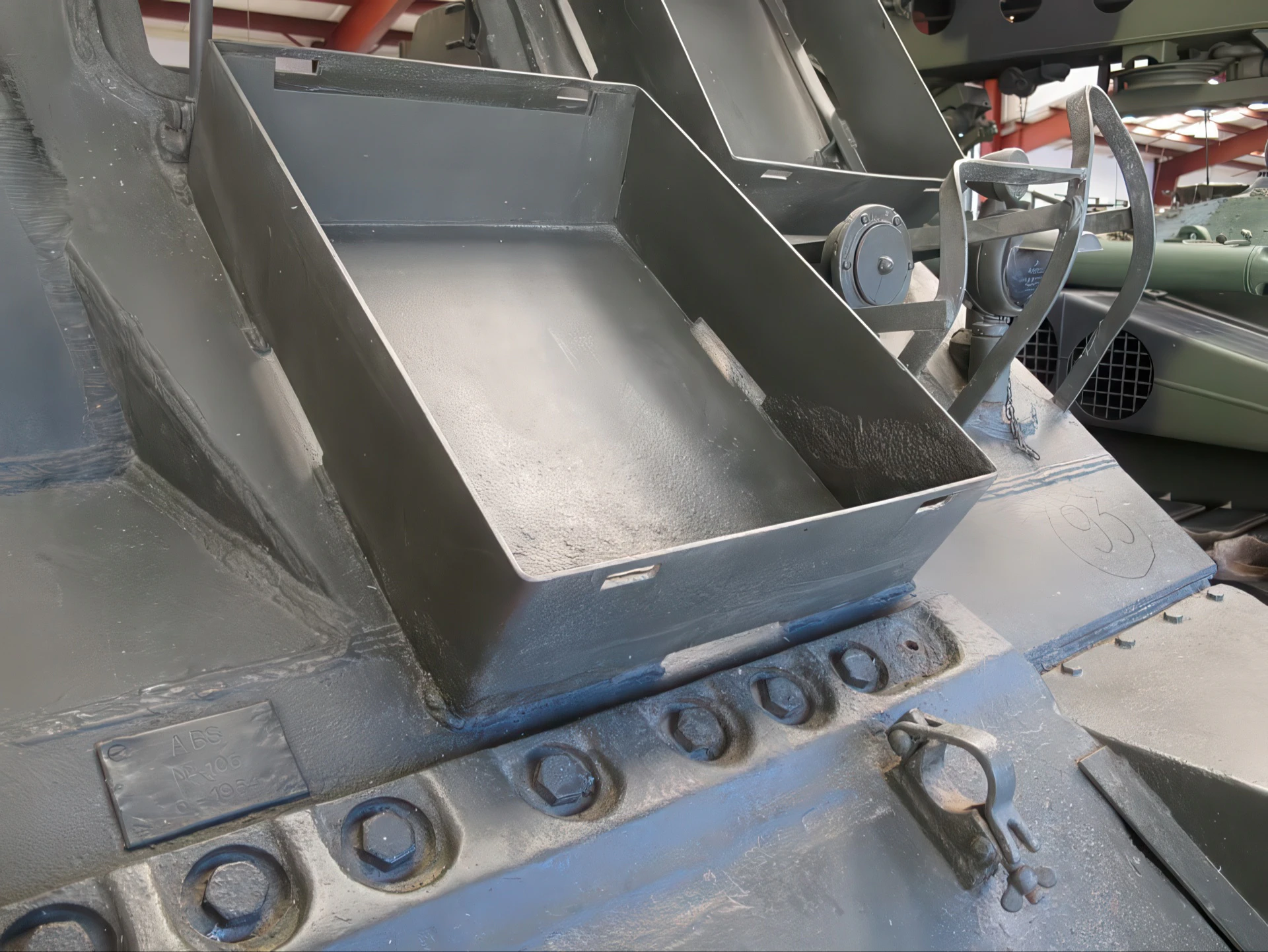
| 説明 | アルバム 131 自走砲「M7B2プリースト」の歩き回り写真 |
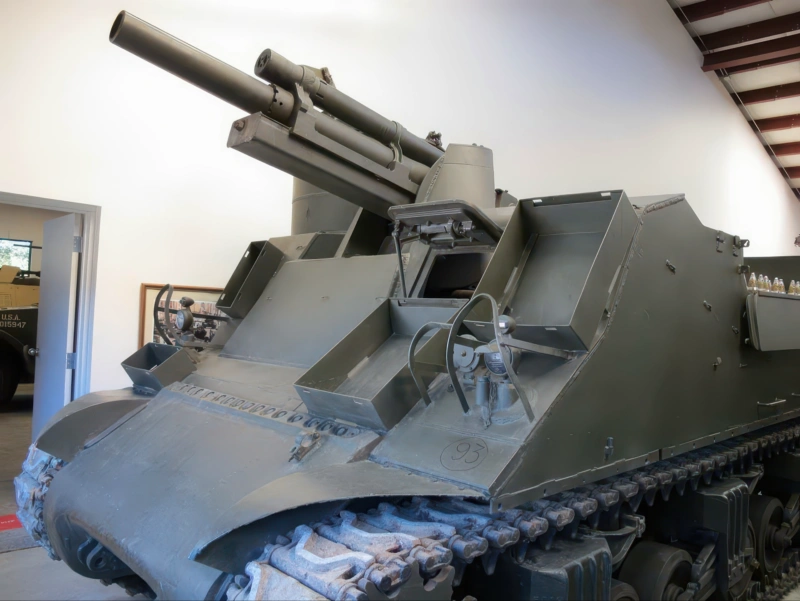
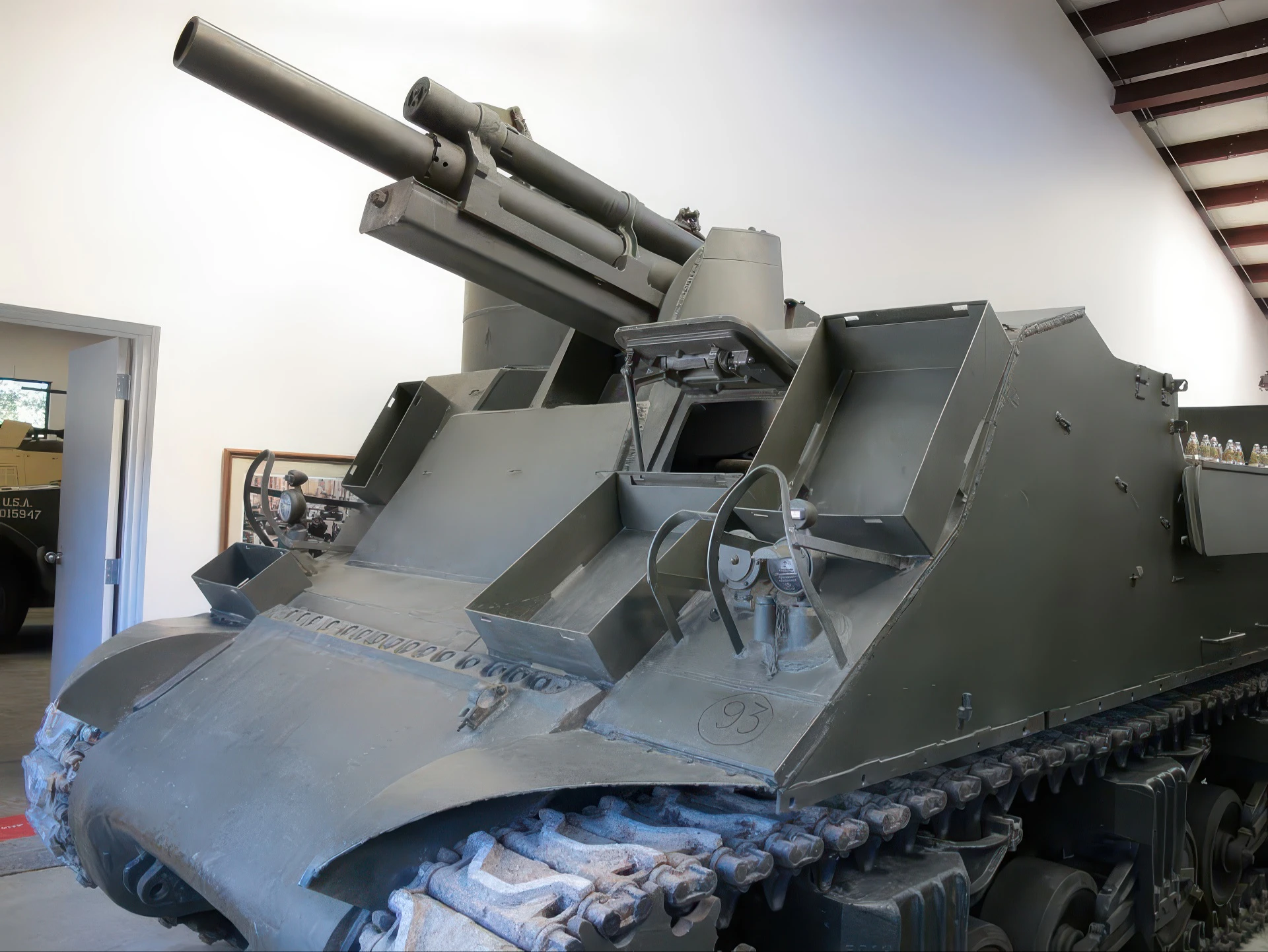
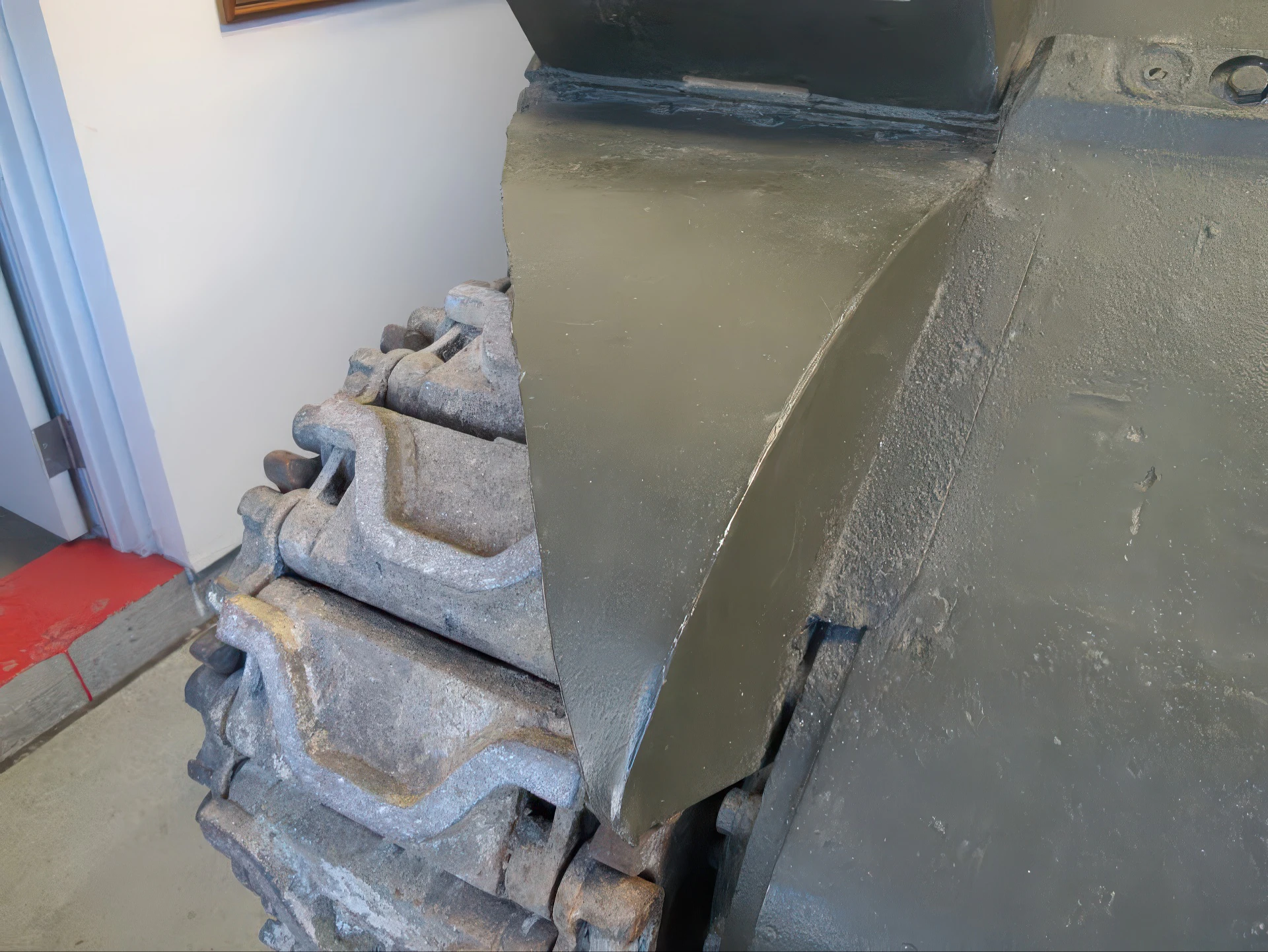
M7B2プリーストのフォトギャラリー、正式に105mm榴弾砲モーターキャリッジM7と名付けられ、 M7プリースト ●アメリカが第二次世界大戦中に生産した自走砲です。●プリーストはイギリス人の愛称で呼ばれ、レールに置かれた機関銃は、戦車にパルピットを装備した印象を与えたという事実によるものです。それは続いて 司教 英語と彼らは正式にそれを105mm SPプリーストを教えました。(イギリス人は、1960年代までアボット(アボット)と続いた伝統である自走砲(司祭、司教、ビショップ、セクストン)に宗教に関連する名前を与えるのが好きでした。 バージョン M7B2 :朝鮮戦争中、榴弾砲の標高が限定的に問題となり、65度にまで上がりました。機関銃のマウントはまた、360度を発射する能力を与えるために改善されなければならなかった。この問題は、朝鮮紛争のほとんどが丘陵地帯で起こり、北朝鮮がソウル北部の丘の上に砲兵隊を配備したという事実に端を発した。
ソース: ウィキペディアの M7B2 プリースト

関連項目:


ザ M7 Howitzer Motor Carriage, better known by its British service name the “Priest,” was a highly successful American self-propelled artillery vehicle. It was developed and produced during World War II to provide a mobile, armored platform capable of offering close fire support to advancing armored divisions and infantry units.
Key Features and Specifications
- 役割: Self-propelled artillery/howitzer.
- 主砲: A powerful 105mm M2A1 howitzer, capable of firing high-explosive, smoke, and anti-tank rounds.
- Ammunition Capacity: Carried up to 69 rounds for the main gun.
- Secondary Armament: A .50 caliber M2 Browning heavy machine gun, mounted in a circular “pulpit” cupola. This distinctive mount is what inspired the British nickname “Priest.”
- Chassis:
- M7 (Early): Based on the modified chassis of the M3 Lee medium tank.
- M7B1/M7B2 (Later): Based on the chassis of the M4シャーマン中戦車.
- Crew Protection: Featured an open-topped fighting compartment with a steel superstructure. This provided protection from small arms and shell fragments but left the crew vulnerable to air bursts.
- 機動力: Fully tracked, allowing for good cross-country movement and the ability to keep pace with mechanized forces.
Combat Service and Legacy
The M7 Priest first saw combat with the British Eighth Army at the Second Battle of El Alamein in late 1942. It was widely used across all major theaters of operation, including North Africa, the Mediterranean, Northwest Europe (Normandy), and the Pacific.
Its operational success lay in its “shoot-and-scoot” capability, which allowed it to quickly fire barrages and relocate before enemy counter-battery fire could zero in. The Priest’s design and performance cemented the need for self-propelled artillery in modern mechanized warfare. It continued to serve beyond World War II, seeing action with US forces and allies during the 朝鮮戦争.
ビュー : 3219