M7B2 Sacerdote | |
|---|---|
| País | E.e.u.u |
| Período | Guerra coreana |
| Tipo | Pistola autopropulsada |
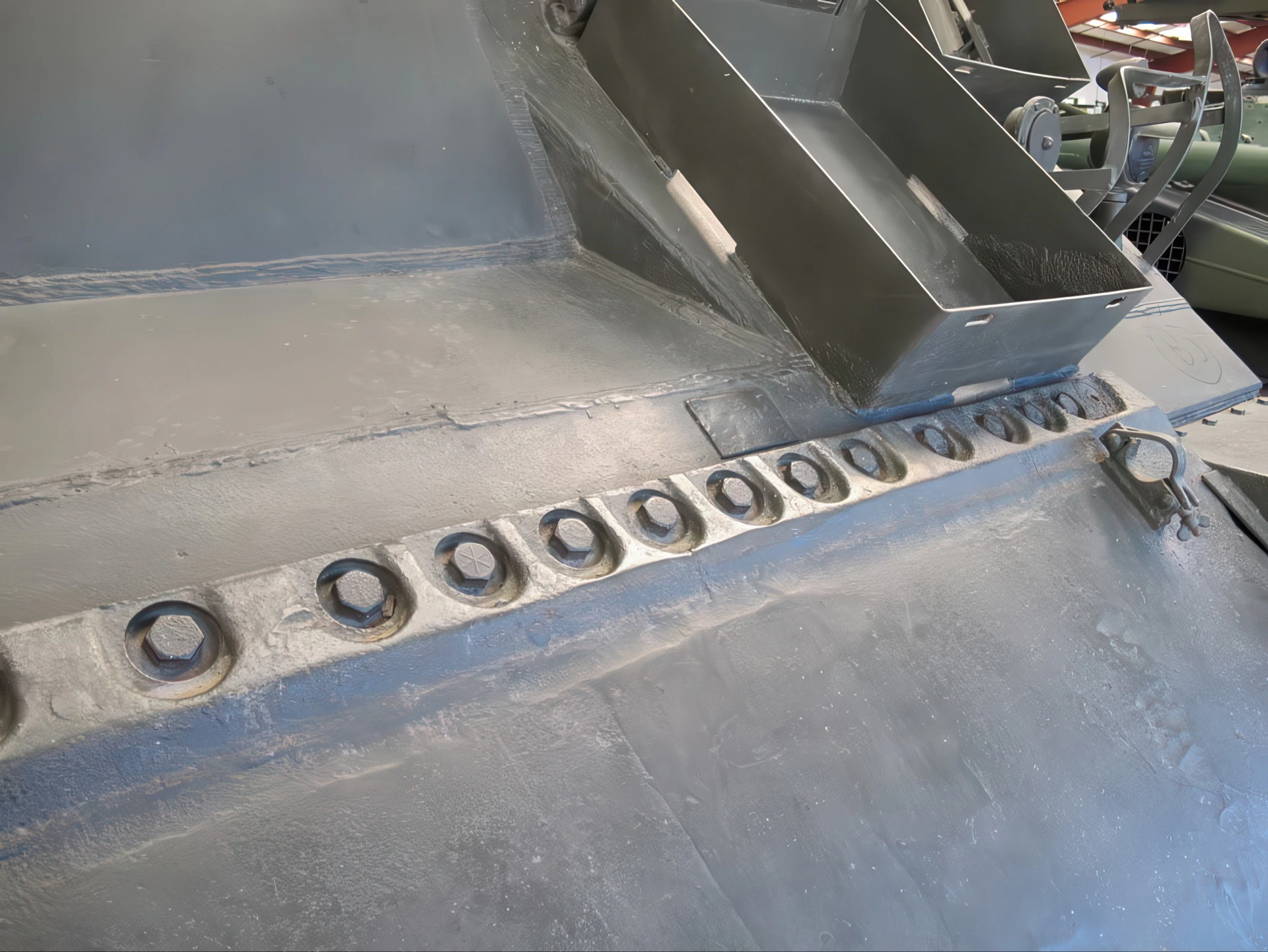
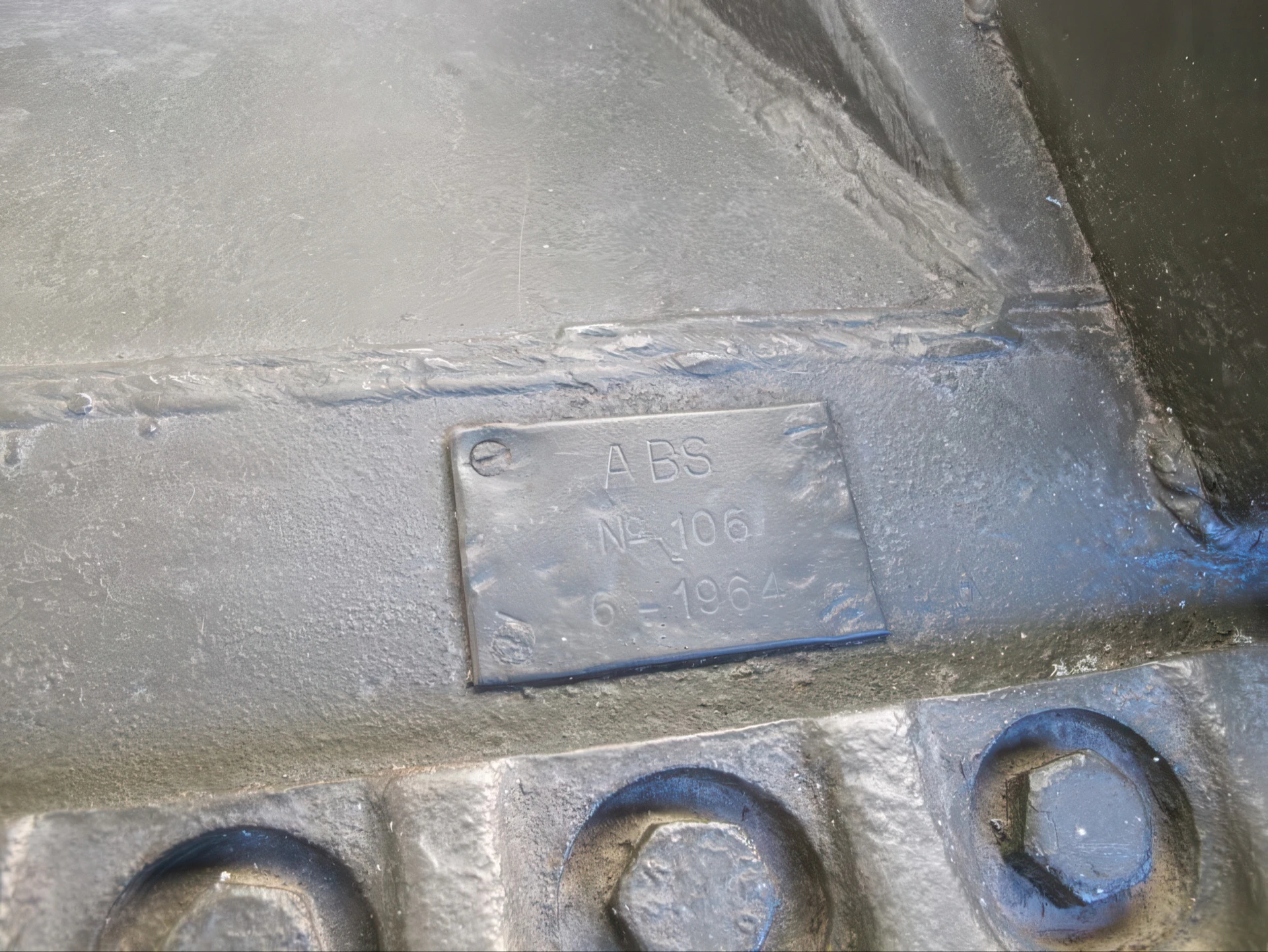
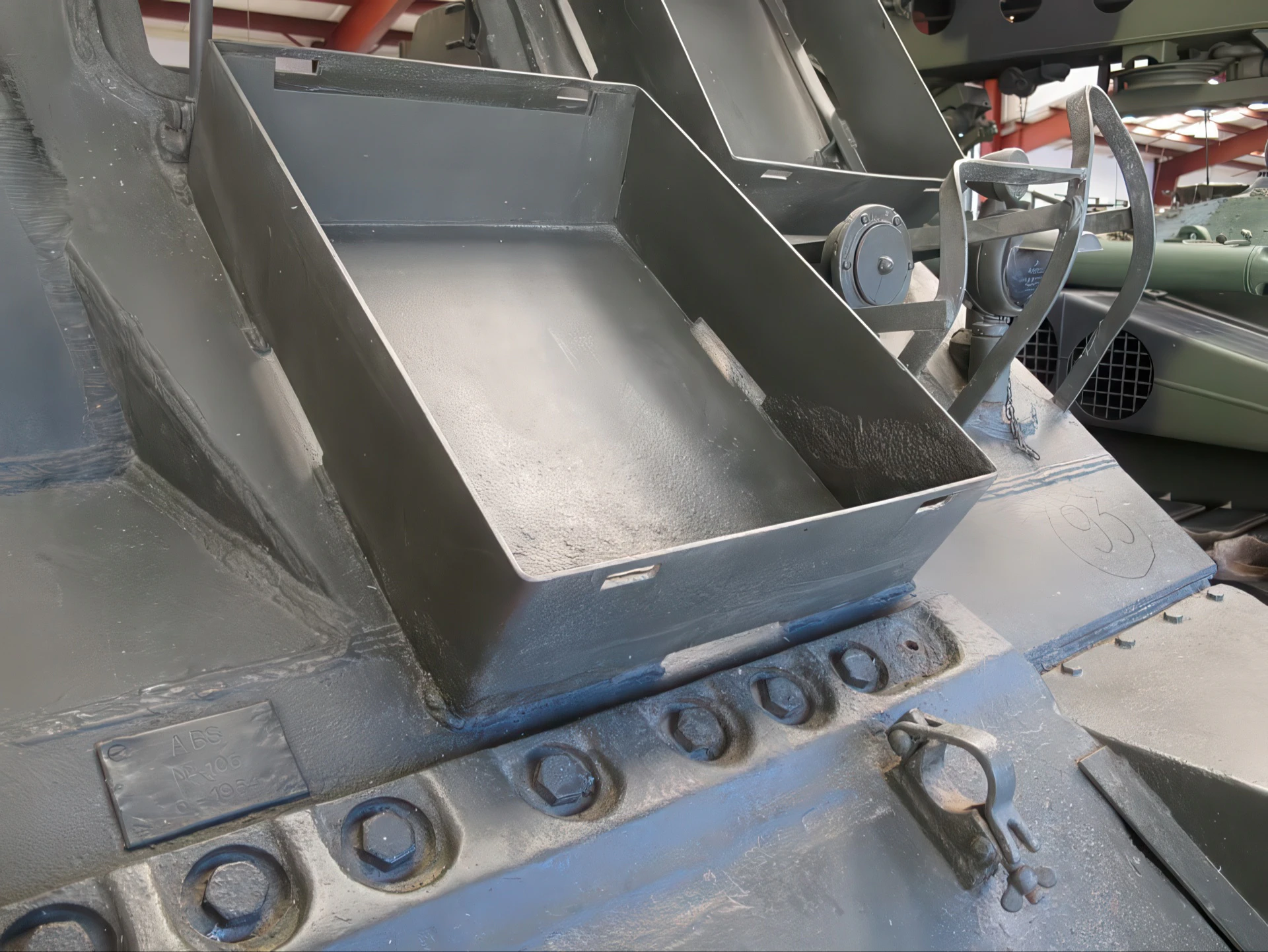
| Descripción | Álbum 131 Fotos del cañón autopropulsado "M7B2 Priest" |
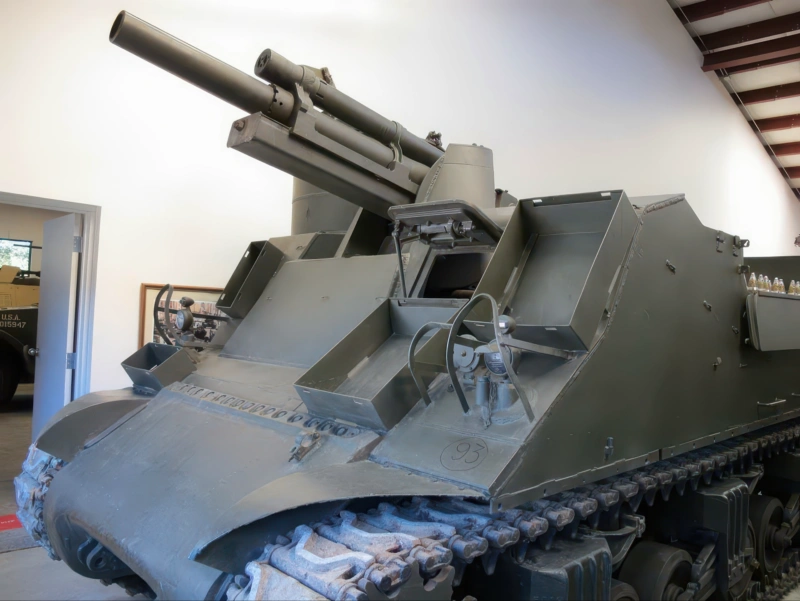
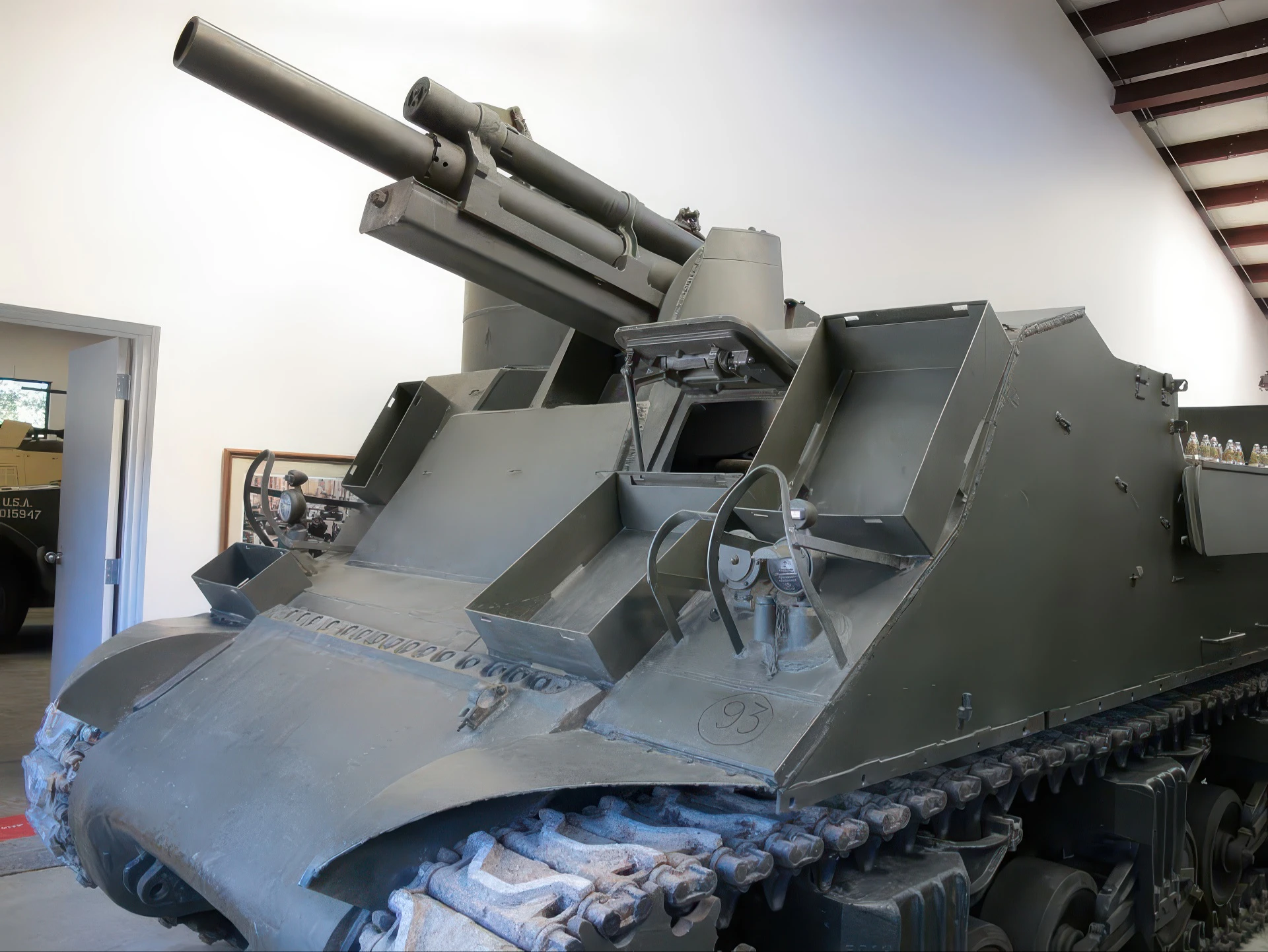
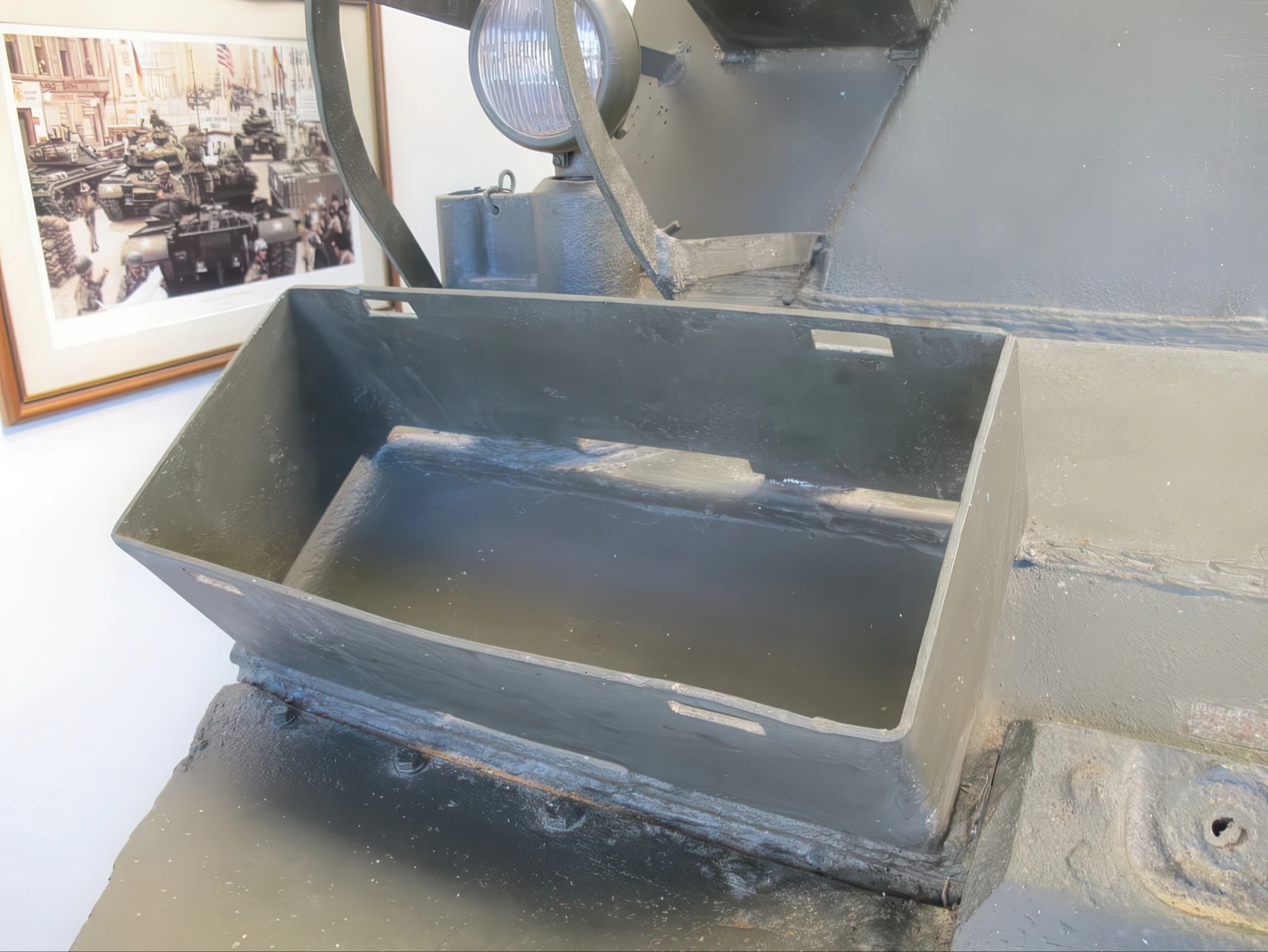
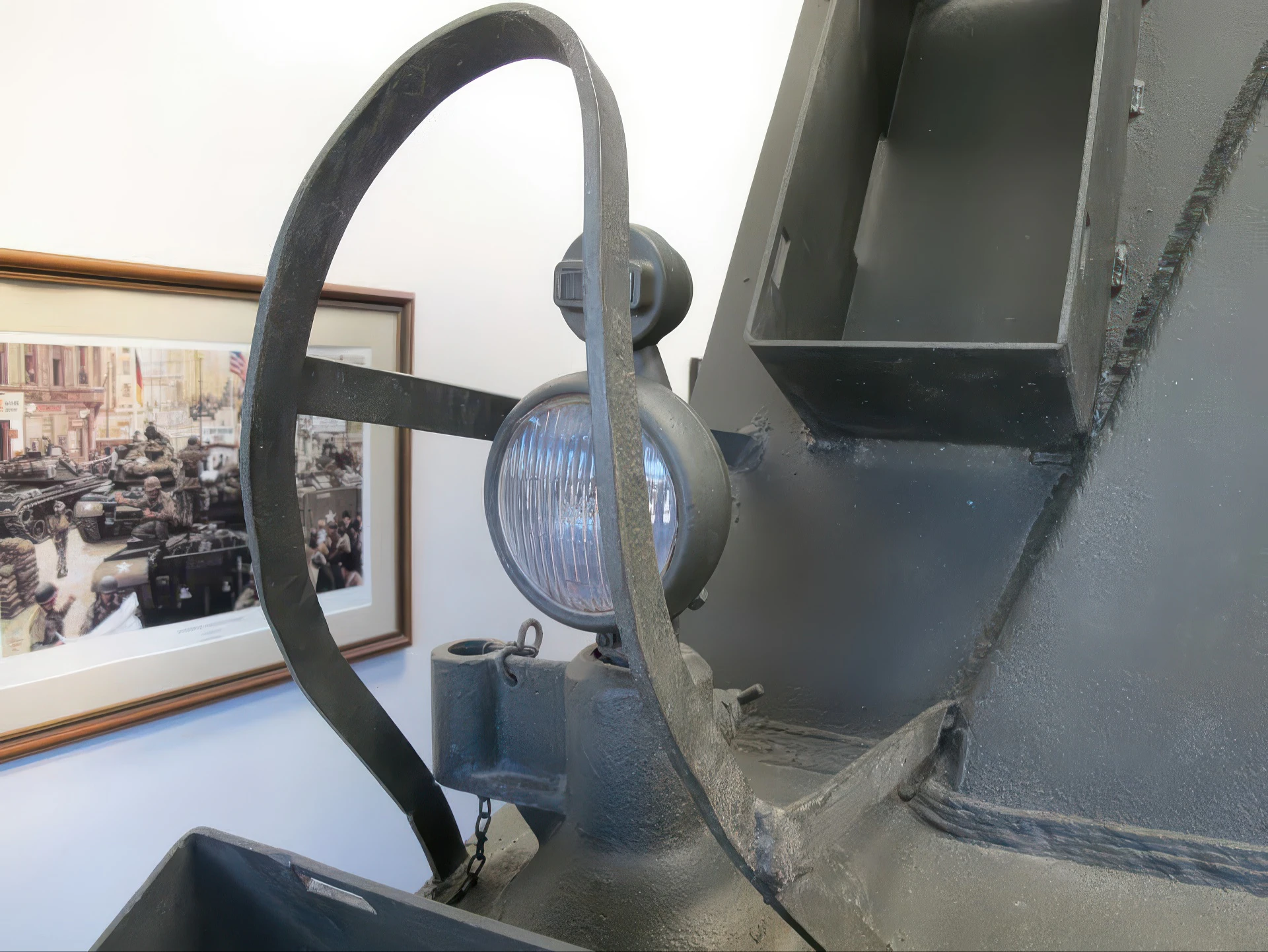
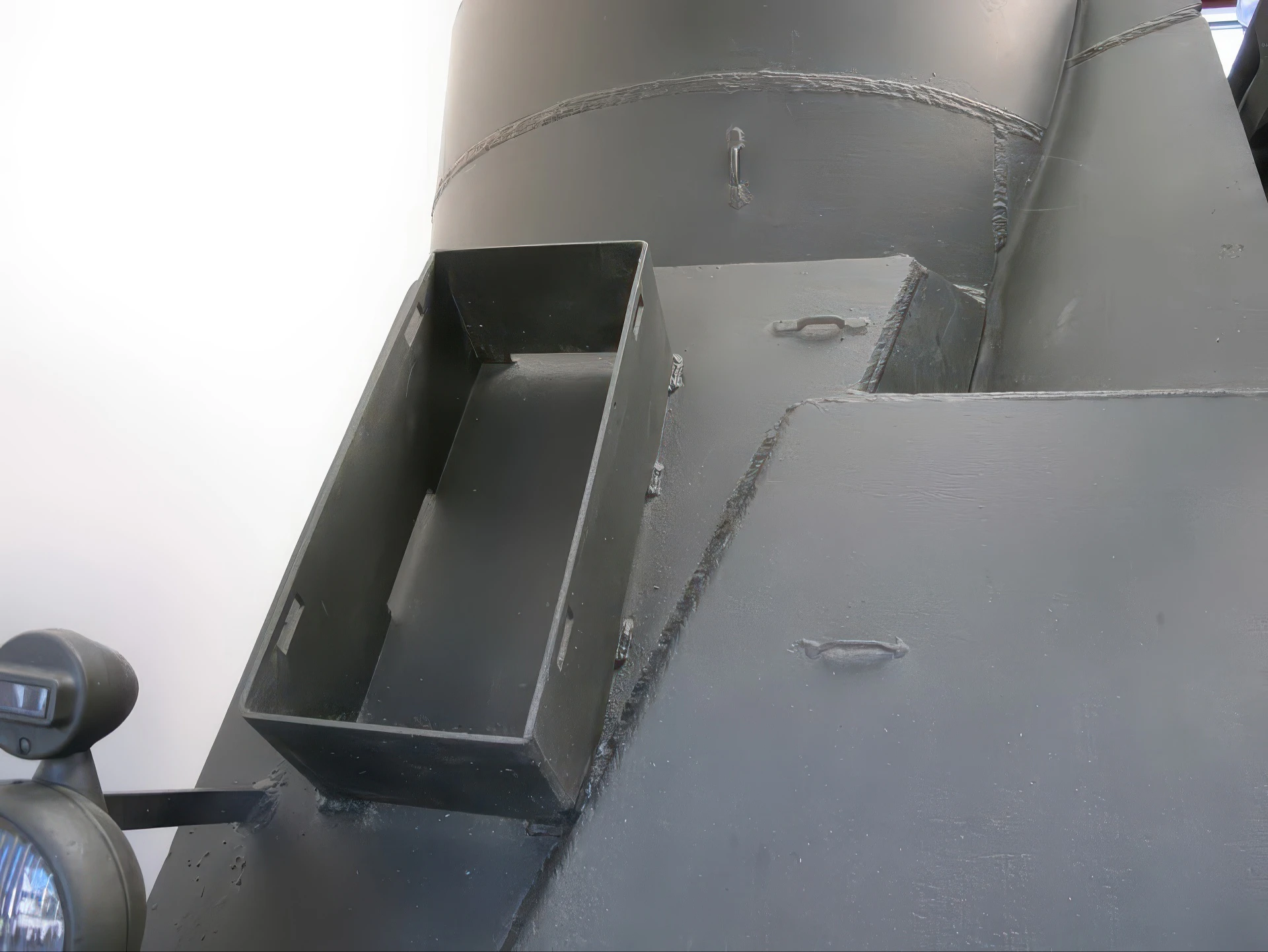
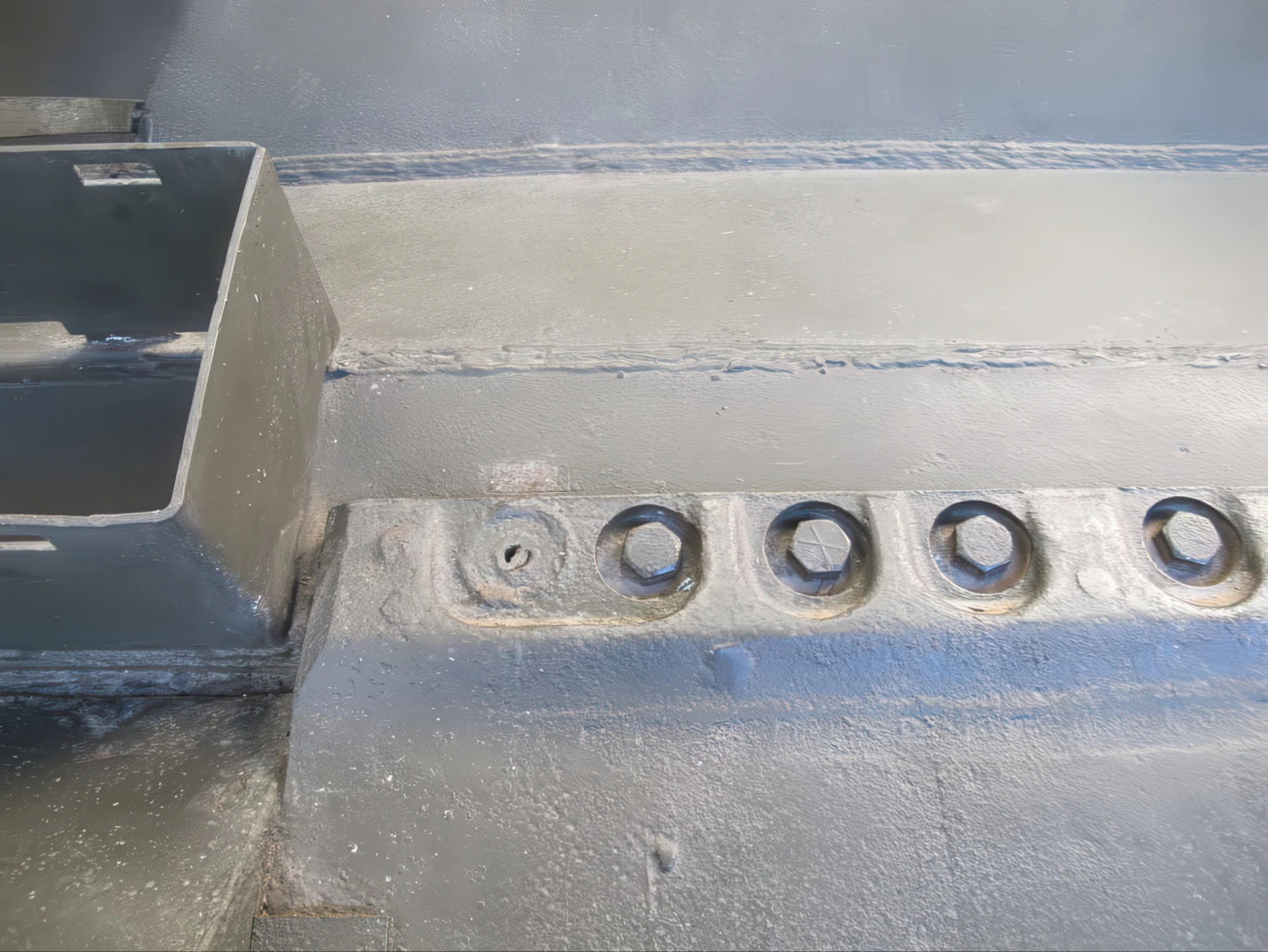
Galería de fotos en un M7B2 Priest, oficialmente conocido como el carro de motor de obús de 105 mm M7, el Sacerdote M7 es un cañón autopropulsado producido durante la Segunda Guerra Mundial por los Estados Unidos. Priest es el apodo dado por los británicos, debido al hecho de que la ametralladora colocada en un riel daba la impresión de que el tanque estaba equipado con un púlpito. Siguió a la Obispo Inglés y lo designaron oficialmente 105mm SP Priest. (A los británicos les gustaba dar nombres relacionados con la religión a sus armas autopropulsadas (sacerdote = sacerdote, obispo = obispo, Sexton = sacristán), una tradición que duró hasta la década de 1960 con el abad (abad).) Versión M7B2 Durante la Guerra de Corea, la elevación limitada del obús se volvió realmente problemática, y se incrementó a 65 °. El marco de la ametralladora también tuvo que ser mejorado para dar la posibilidad de disparar 360 °. Este problema provino del hecho de que la mayor parte del tiempo el conflicto coreano tuvo lugar en terreno montañoso, con norcoreanos desplegando sus piezas de artillería en las cimas de las colinas al norte de Seúl.
Fuente: M7B2 Sacerdote en Wikipedia

Ver también:


el M7 Howitzer Motor Carriage, better known by its British service name the “Priest,” was a highly successful American self-propelled artillery vehicle. It was developed and produced during World War II to provide a mobile, armored platform capable of offering close fire support to advancing armored divisions and infantry units.
Key Features and Specifications
- Rol: Self-propelled artillery/howitzer.
- Armamento principal: A powerful 105mm M2A1 howitzer, capable of firing high-explosive, smoke, and anti-tank rounds.
- Ammunition Capacity: Carried up to 69 rounds for the main gun.
- Secondary Armament: un .50 caliber M2 Browning heavy machine gun, mounted in a circular “pulpit” cupola. This distinctive mount is what inspired the British nickname “Priest.”
- Chasis:
- M7 (Early): Based on the modified chassis of the M3 Lee medium tank.
- M7B1/M7B2 (Later): Based on the chassis of the Tanque mediano M4 Sherman.
- Crew Protection: Featured an open-topped fighting compartment with a steel superstructure. This provided protection from small arms and shell fragments but left the crew vulnerable to air bursts.
- Movilidad: Fully tracked, allowing for good cross-country movement and the ability to keep pace with mechanized forces.
Combat Service and Legacy
The M7 Priest first saw combat with the British Eighth Army at the Second Battle of El Alamein in late 1942. It was widely used across all major theaters of operation, including North Africa, the Mediterranean, Northwest Europe (Normandy), and the Pacific.
Its operational success lay in its “shoot-and-scoot” capability, which allowed it to quickly fire barrages and relocate before enemy counter-battery fire could zero in. The Priest’s design and performance cemented the need for self-propelled artillery in modern mechanized warfare. It continued to serve beyond World War II, seeing action with US forces and allies during the Guerra coreana.
Vistas : 3166