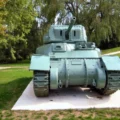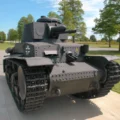
パンツァー 61 | |
|---|---|
| 国 | スイス |
| 型 | 中戦車 |
| 写真 | グンター・ノイマール |
| トピック | アルバムのアルバム 46 タンクの写真 パンツァー 61 |
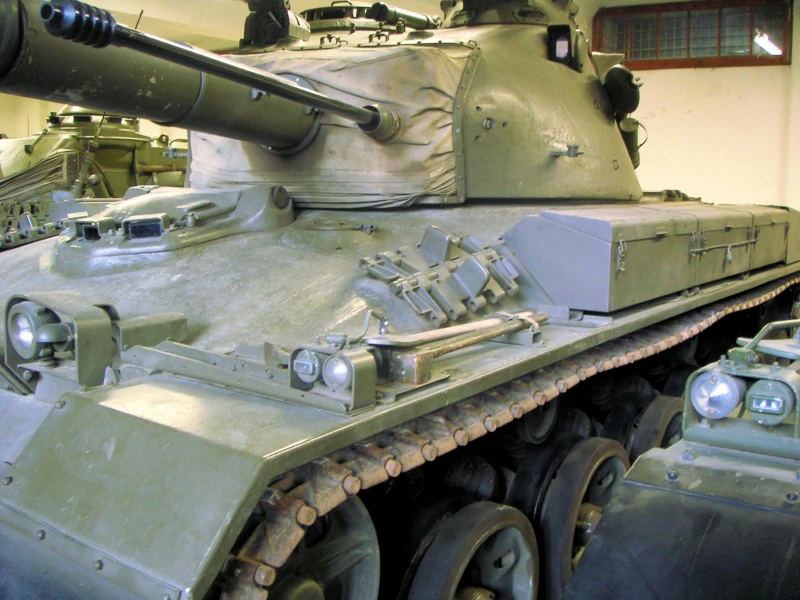
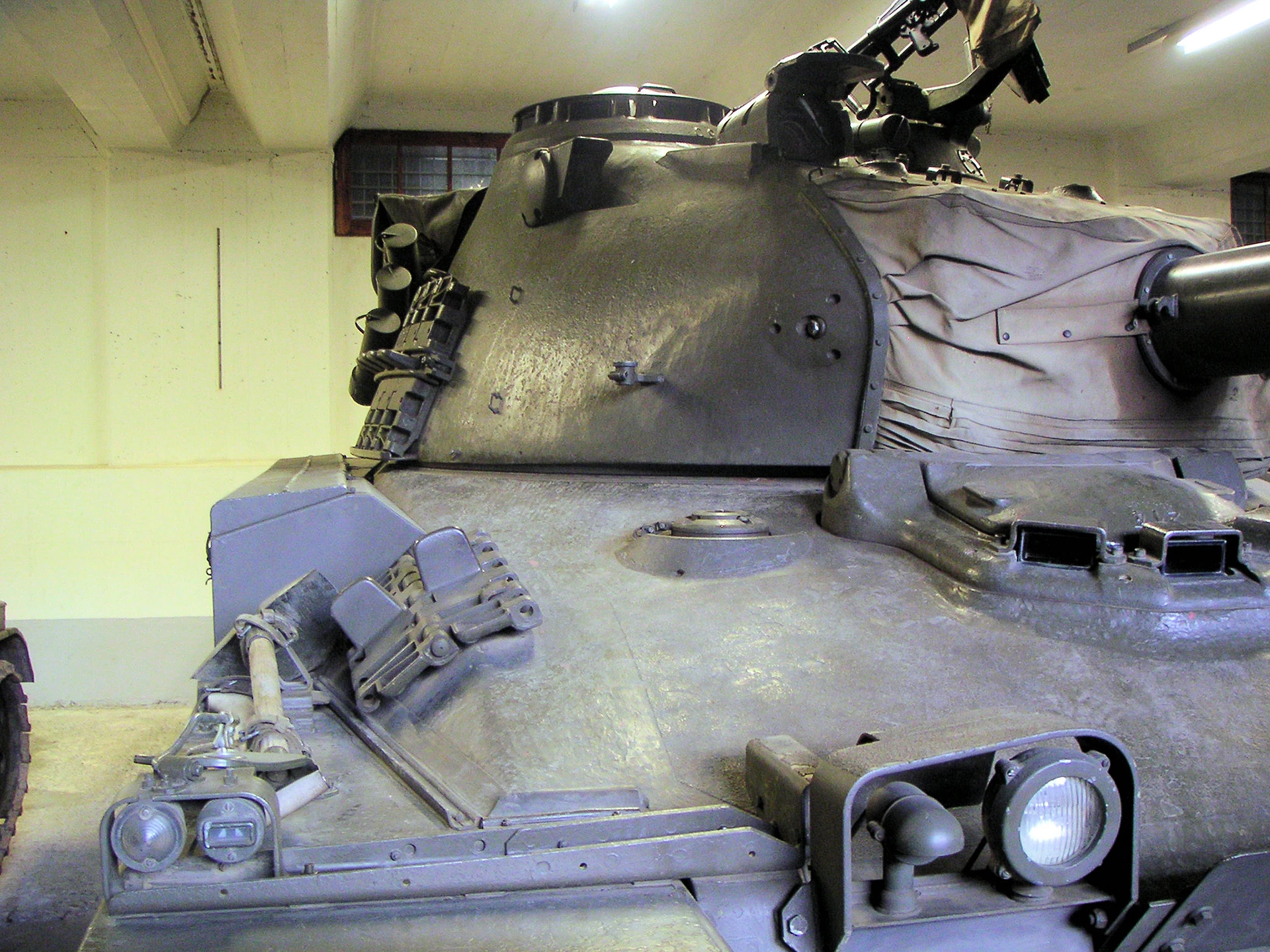
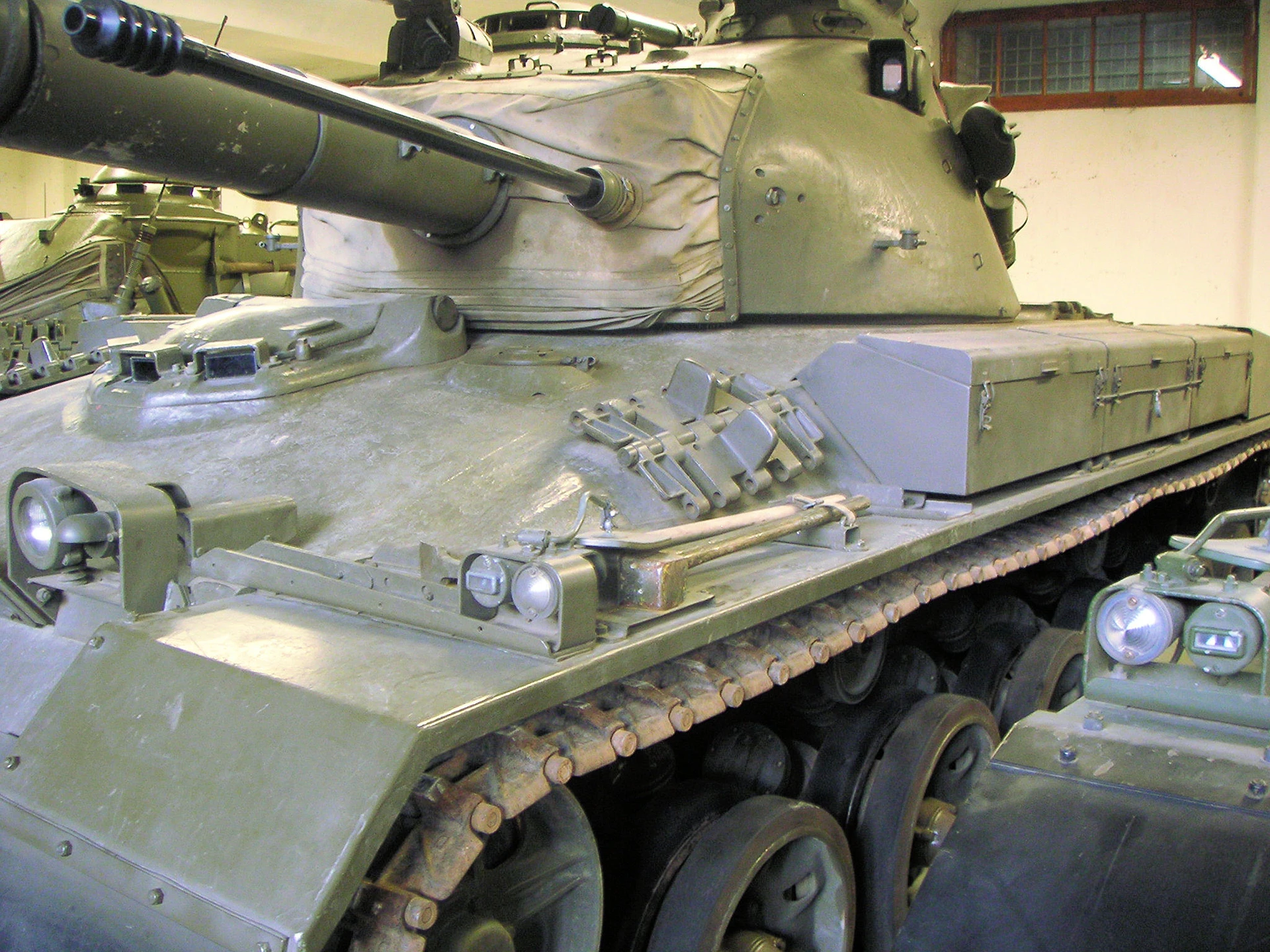
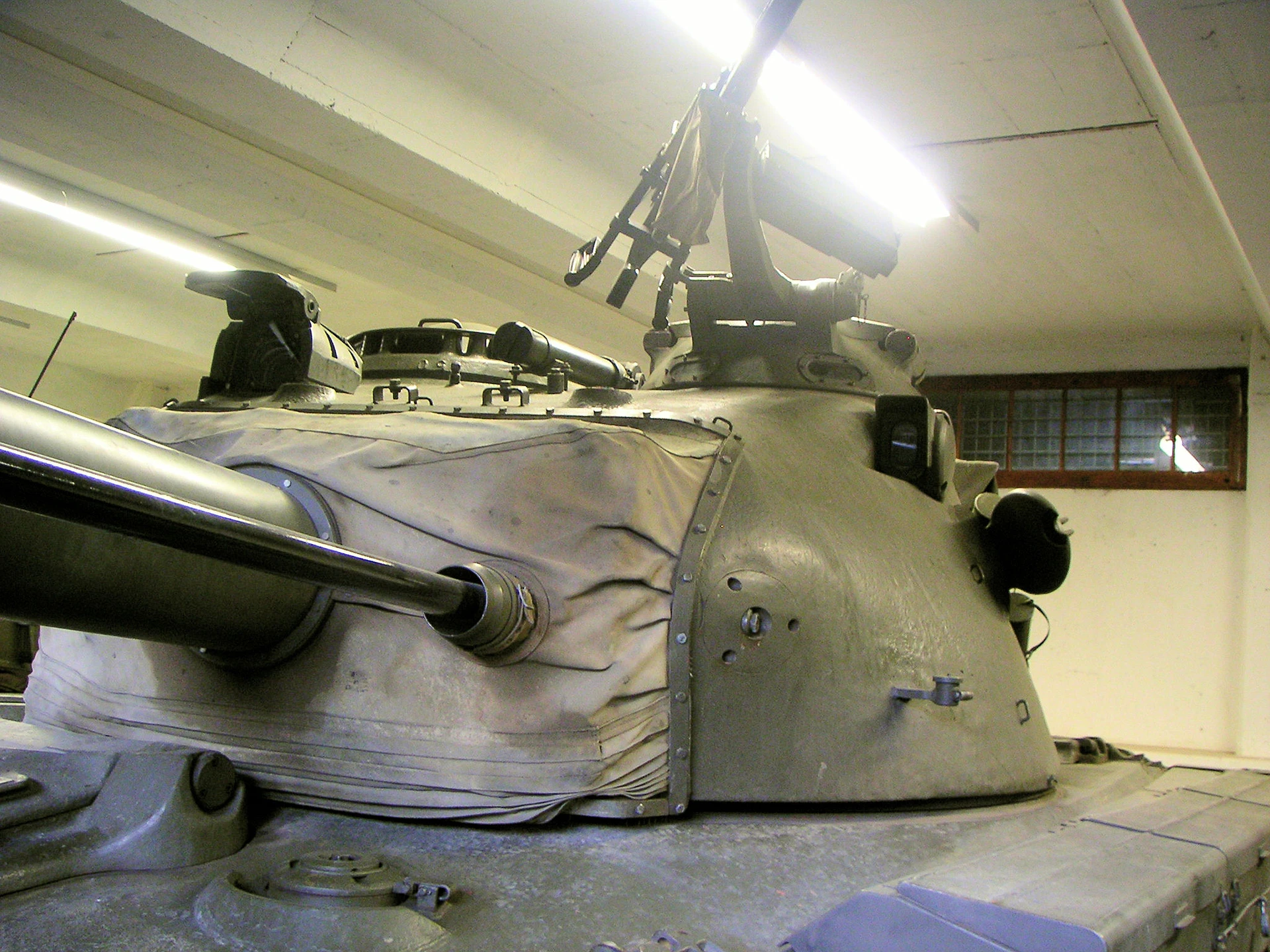
パンツァー61はスイス冷戦時代の中戦車で、後に第2世代の主力戦車として再分類されました。タンクの重量は36.5トンで、630馬力のディーゼルエンジンを搭載し、最高速度は31 mph (50 km/h)であった。パンツァー61の主な武装は105 mm主砲でした。
ソース: ウィキペディアの61号戦車
Panzer 61 02
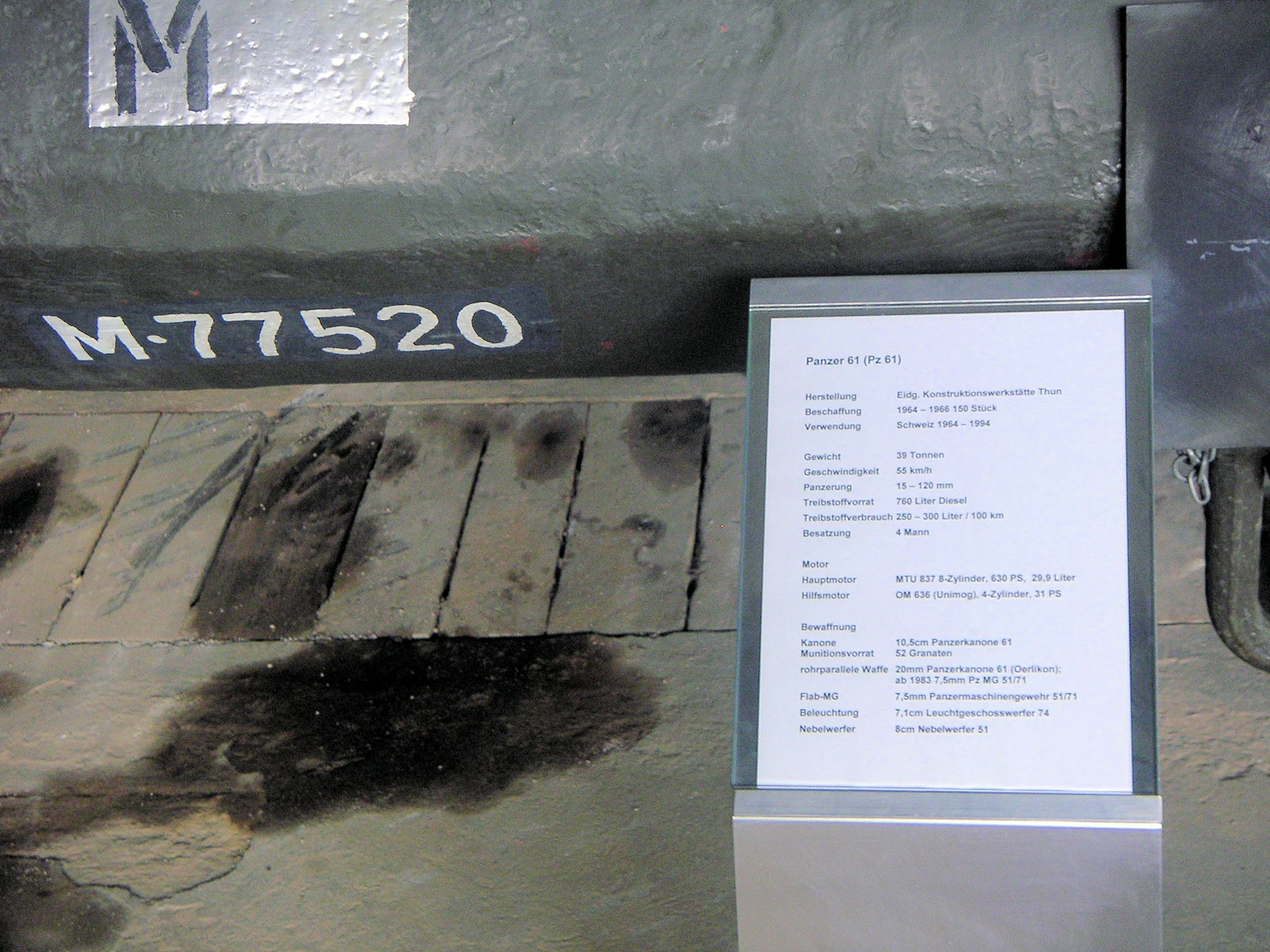
Panzer 61 01
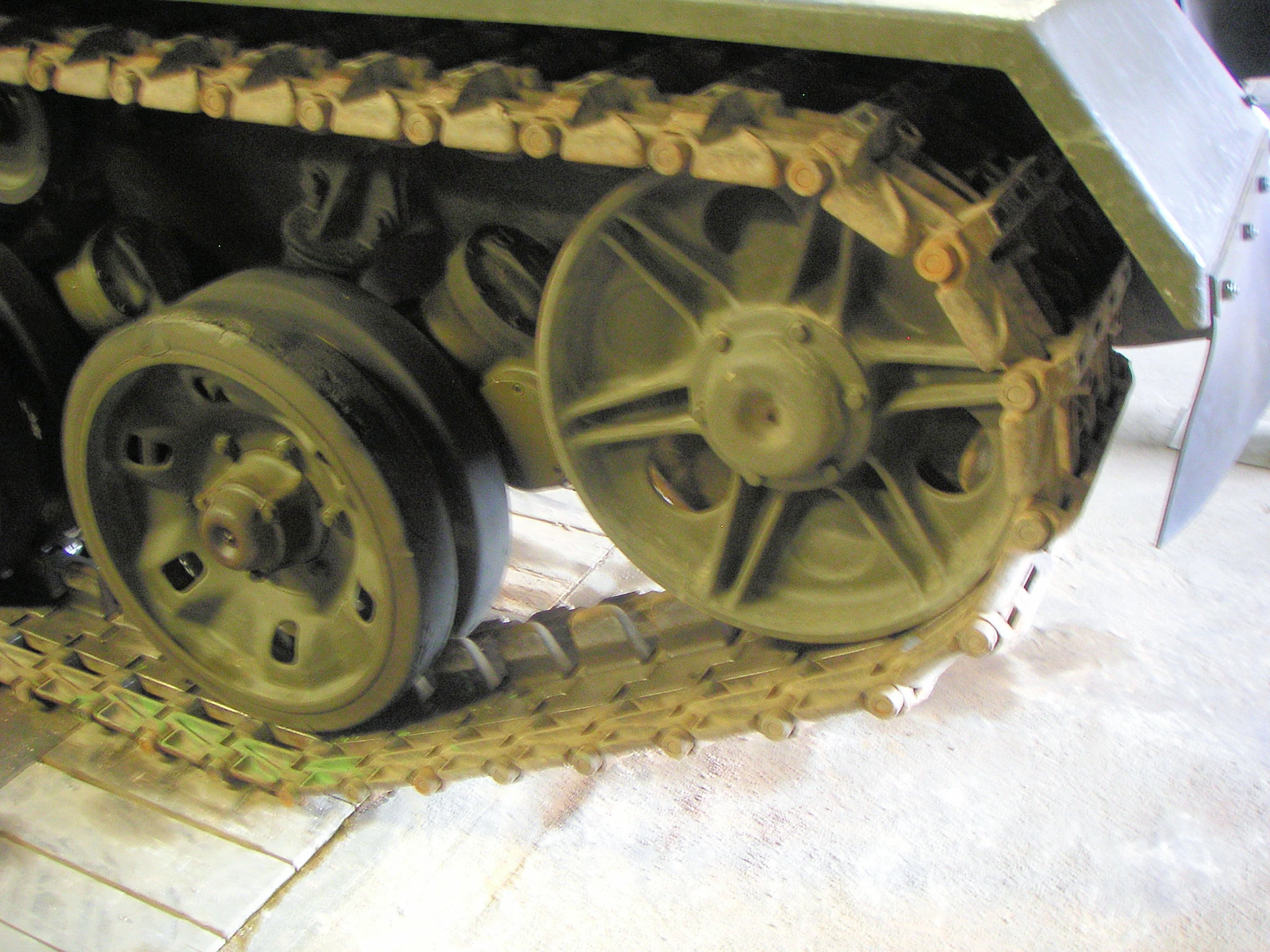
Panzer 61 04
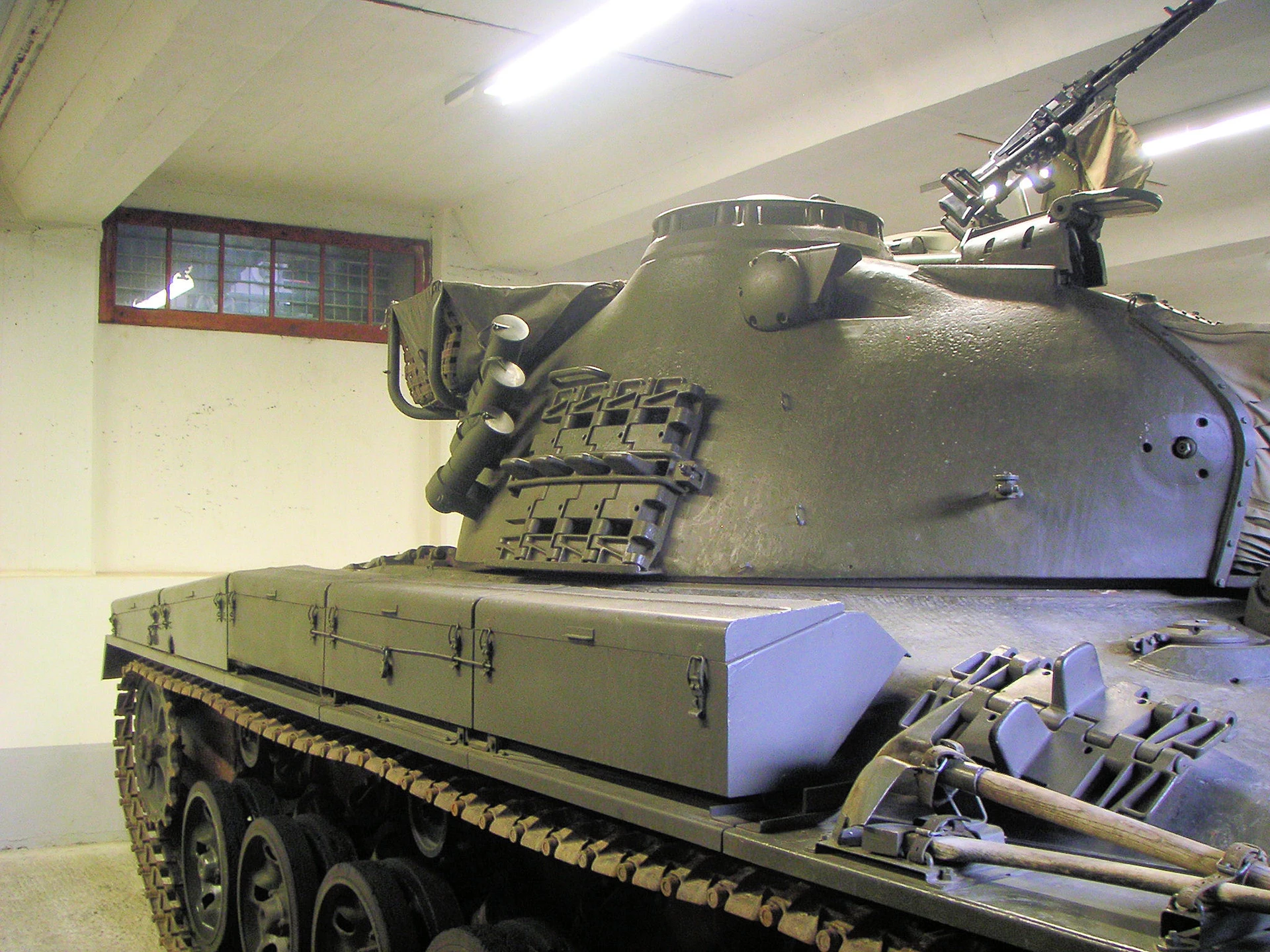
Panzer 61 03
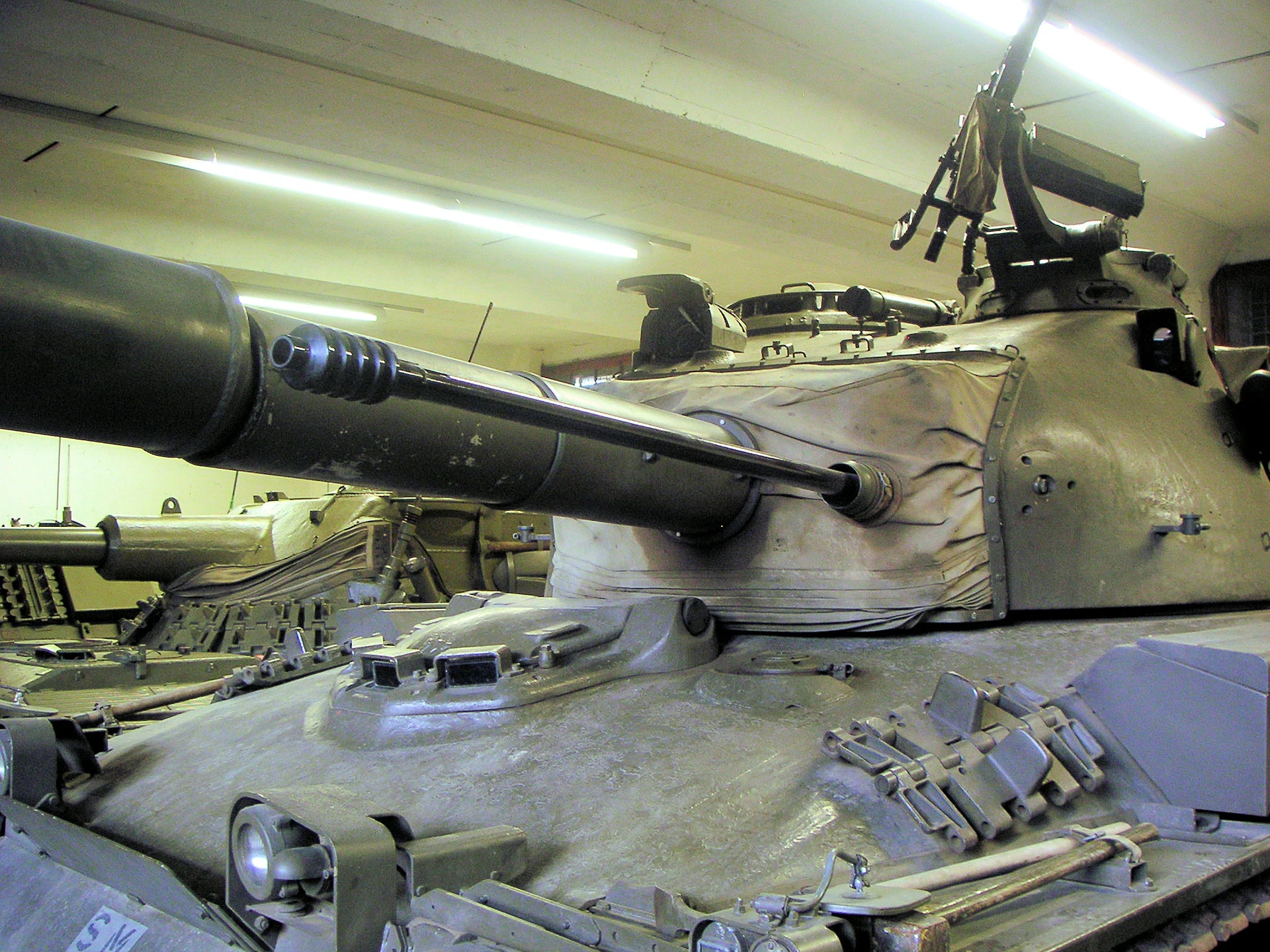
Panzer 61 05
Panzer 61 06
Panzer 61 08
Panzer 61 07
Panzer 61 10
待って、あなたのためにパンツァー61の写真を検索しています...

| サービス履歴 | |
|---|---|
| サービス中 | 1965–1994 |
| 使用者 | スイス |
| 生産履歴 | |
| 設計 | 1950年代 |
| メーカー | Eidgenössische Konstruktionswerkstätte Thun |
| 生産 | 1965–1967 |
| 作成された数 | 150 |
| 仕様 | |
| 重量 | 39t |
| 長さ | 9.45メートル |
| 幅 | 3,06メートル |
| 高さ | 2,72メートル |
| 乗組員 | 4 |
 コーヒーを買って
関連項目:


The Swiss Solution to the Cold War
ザ パンツァー 61 was born out of necessity in the 1950s when Switzerland found it impossible to purchase modern foreign tanks due to the Korean War’s strain on global production. Rather than wait, the Swiss developed their own. The Pz 61 was a sophisticated, second-generation Main Battle Tank (MBT) tailored specifically for the rugged, mountainous Swiss terrain. It was compact, agile, and featured a unique “cast” hull and turret that gave it a smooth, almost organic appearance compared to the boxy tanks of the era.
| Attribute | Technical Specification (Pz 61) |
|---|---|
| 役割 | Main Battle Tank (MBT) |
| 乗組員 | 4 (Commander, Gunner, Loader, Driver) |
| エンジン | Mercedes-Benz MB 837 Ba-500 V8 Diesel (630 hp) |
| 最高速度 | 55 km/h (34 mph) |
| 主砲 | 105 mm PzKan 61 (Swiss-built Royal Ordnance L7) |
| 副武装 | 1 × 20mm Oerlikon Autocannon (Coaxial) & 1 × 7.5mm MG |
| 停止 | Belleville Washer (spring) system |
| 鎧 | Cast Steel (up to 120mm on turret front) |
Design Engineering: Precision and Quirkiness
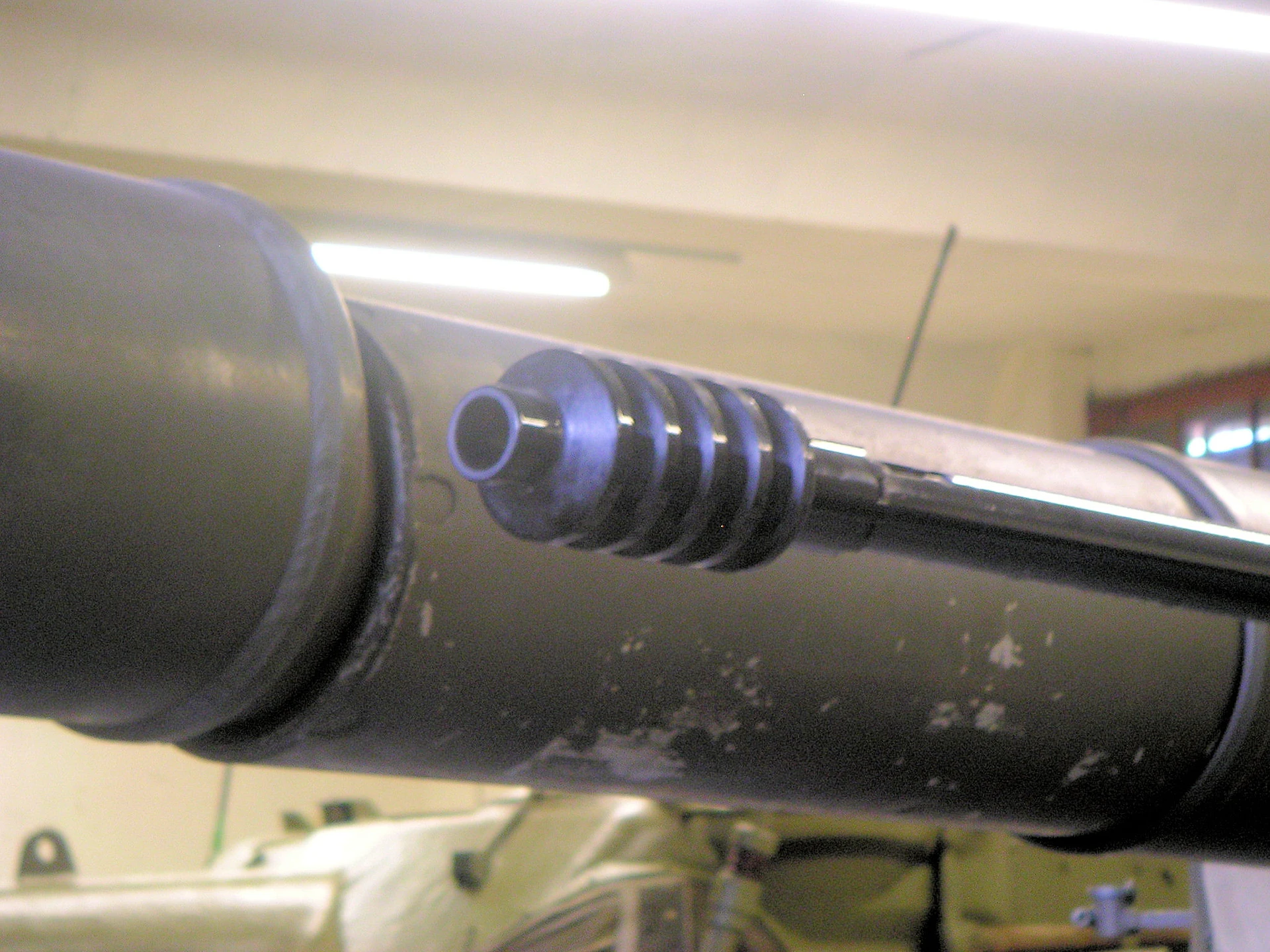
- The Coaxial Autocannon: In a move almost unique among MBTs, the Panzer 61 originally featured a 20mm Oerlikon autocannon next to the main gun. This was intended to engage light armored vehicles and “soft” targets without wasting expensive 105mm shells. However, it was eventually replaced by a standard 7.5mm machine gun in later versions (AA9) to save space.
- Belleville Washer Suspension: Unlike the torsion bars used by the US or USSR, the Pz 61 used a stack of Belleville washers (disc springs). This compact system was easier to maintain in the field and was highly resistant to the extreme temperature changes of the Alps.
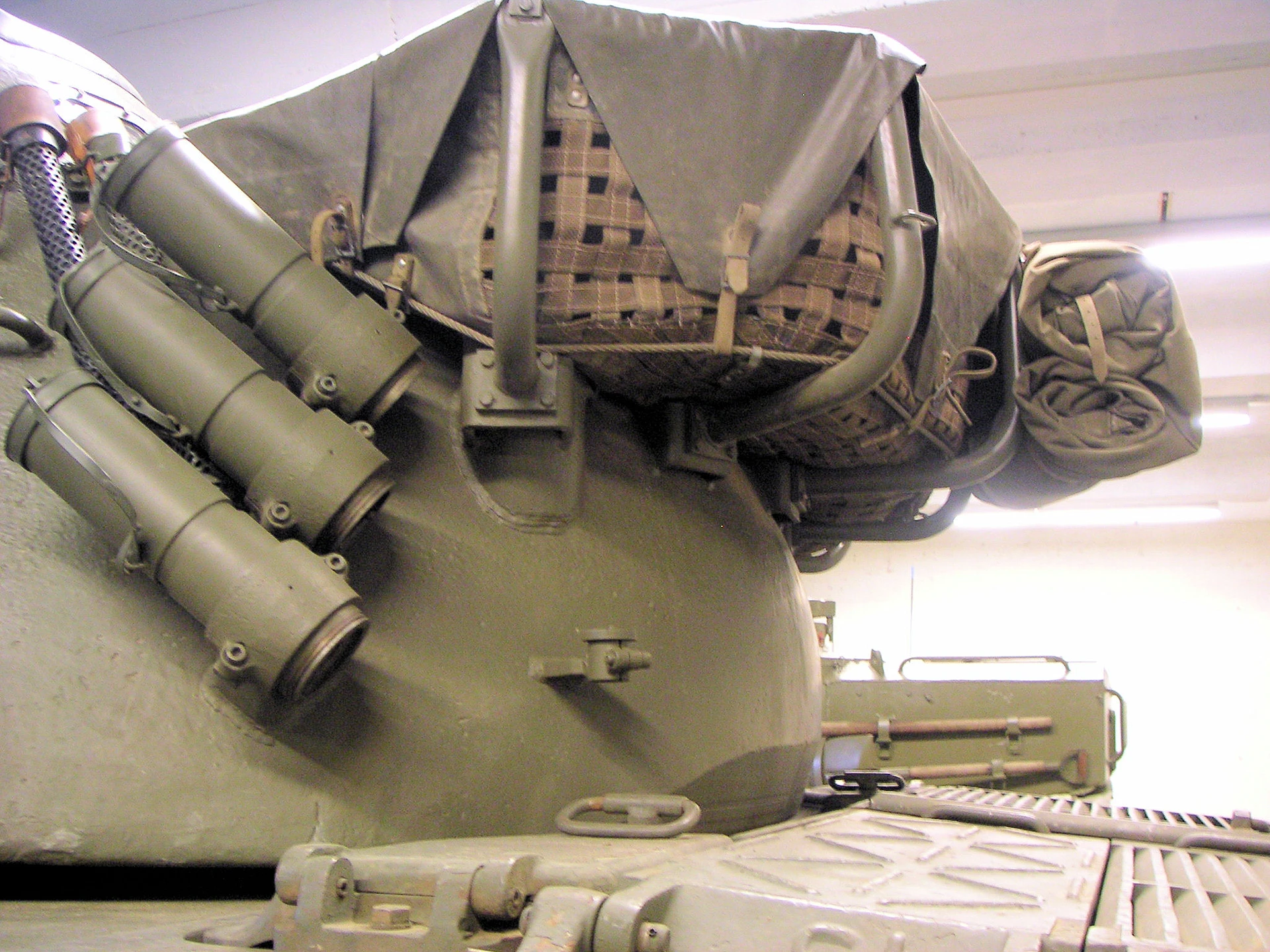
- The “Phone Box”: On the rear left of the hull, there is a small box containing a telephone. This allowed accompanying infantry to talk directly to the tank commander without the commander having to open their hatch in a combat zone.
- No Stabilization: One of the Pz 61’s primary drawbacks was its lack of a gun stabilizer. It could not fire accurately while moving—a trade-off made to keep the turret design simple and compact for mountain warfare where “hull-down” stationary firing was the expected tactic.
Operational History: Thirty Years of Vigilance
- Panzer 58 Prototyping: The Pz 61 was the direct evolution of the Panzer 58. The early prototypes used smaller 90mm or 84mm guns before settling on the legendary British 105mm L7, which the Swiss built under license.
- Defensive Doctrine: The tank was never exported and never saw combat. It was designed purely for the “National Redoubt” strategy—holding the mountain passes against a potential Soviet invasion through neutral Switzerland.
- The Pz 68 Successor: The Panzer 61 served as the mechanical blueprint for the more famous (and controversial) パンツァー 68. Many Pz 61s were later retrofitted with Pz 68 technology to keep them relevant into the 1990s.
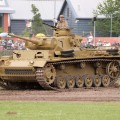
- Movie Star: Because of their “classic” look, two Pz 61s were famously mocked up to look like German Panzer III tanks for the movie Enemy at the Gates (2001).
景色 : 1857