British Aerospace EAP |
|
| Krajiny | Uk |
| Typ | Private venture demonstrator fighter |
| Prvý let | 8 August 1986 |
| Postavený | 1 |
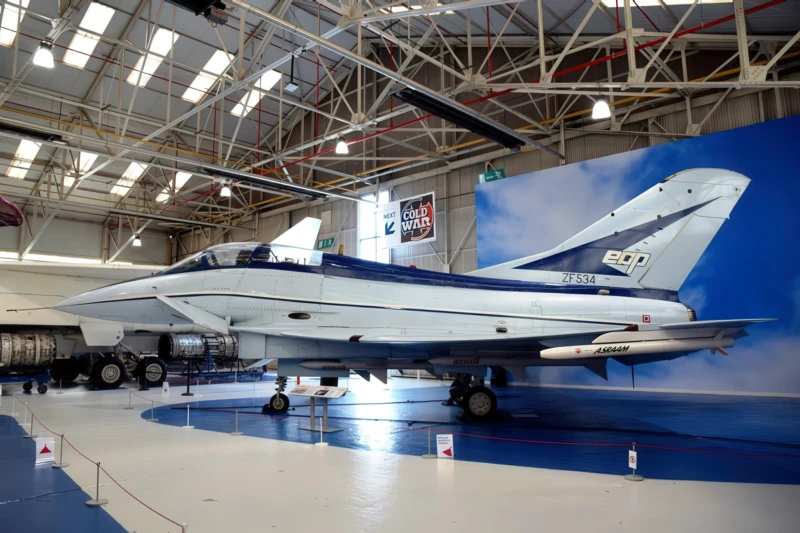
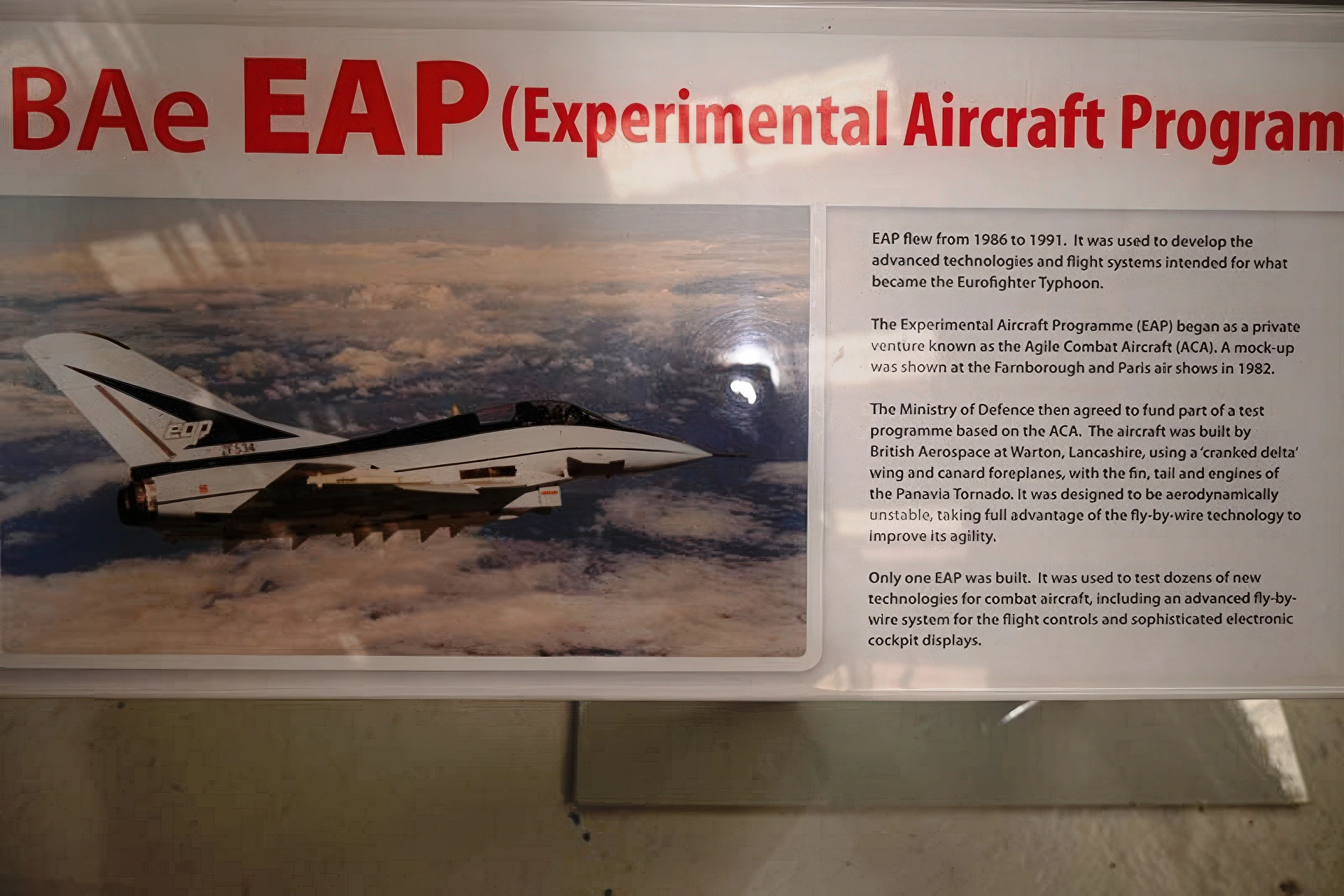
Komisia British Aerospace EAP (standing for Experimental Aircraft Programme) is a British technology demonstrator aircraft developed by aviation company British Aerospace (BAe) as a private venture. It was designed to research technologies to be used for a future European combat aircraft, and for the multinational Eurofighter Typhoon.
Zdrojový: British Aerospace EAP Hawk on Wiki
| BAe EAP (experimental aircraft program) Walk Around | |
|---|---|
| Fotograf | Meindert de Vreeze |
| Lokalizácia | Letecká show Salinas |
| Fotografie | 42 |
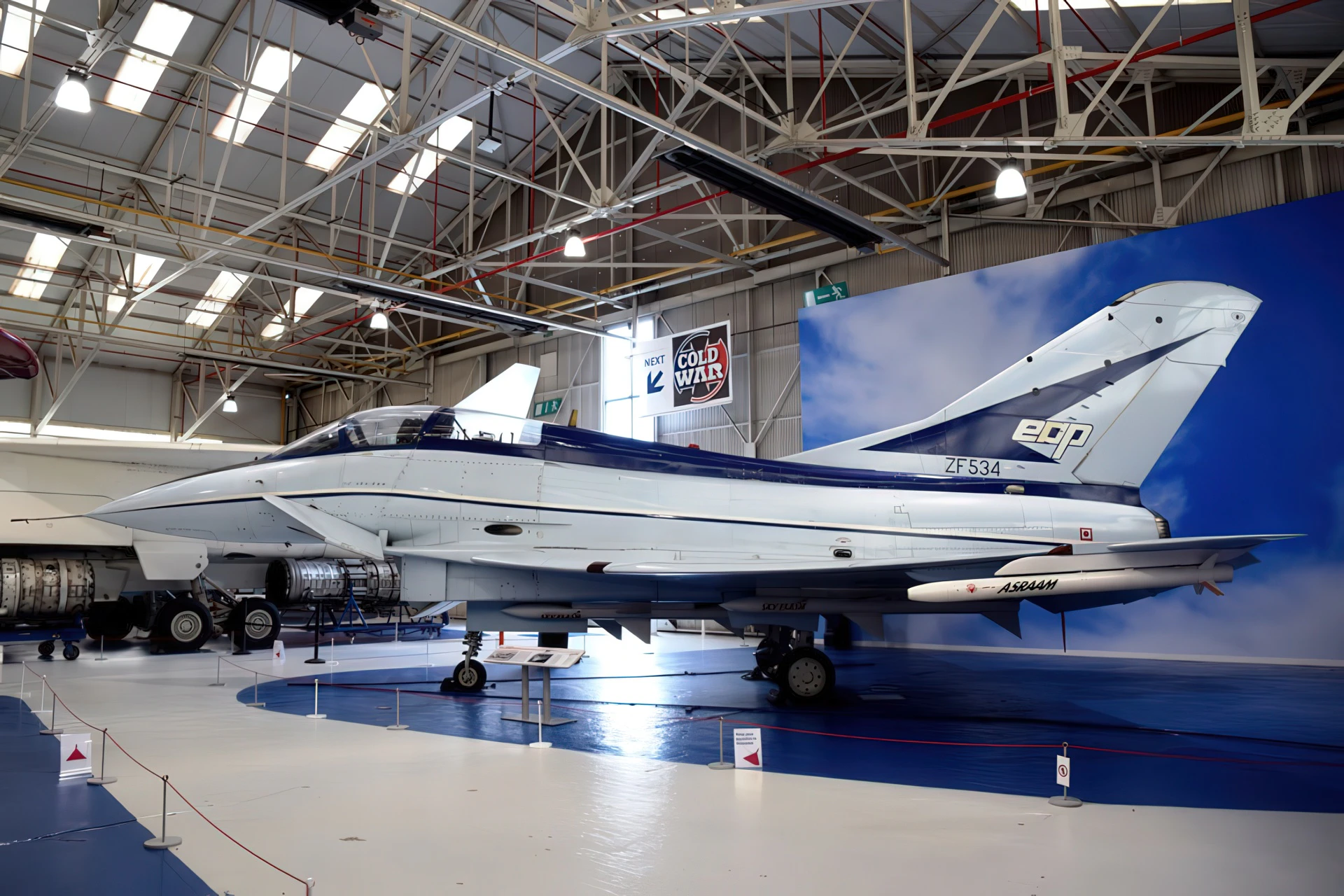
BAE EAP 01
BAE EAP 02
BAE EAP 03
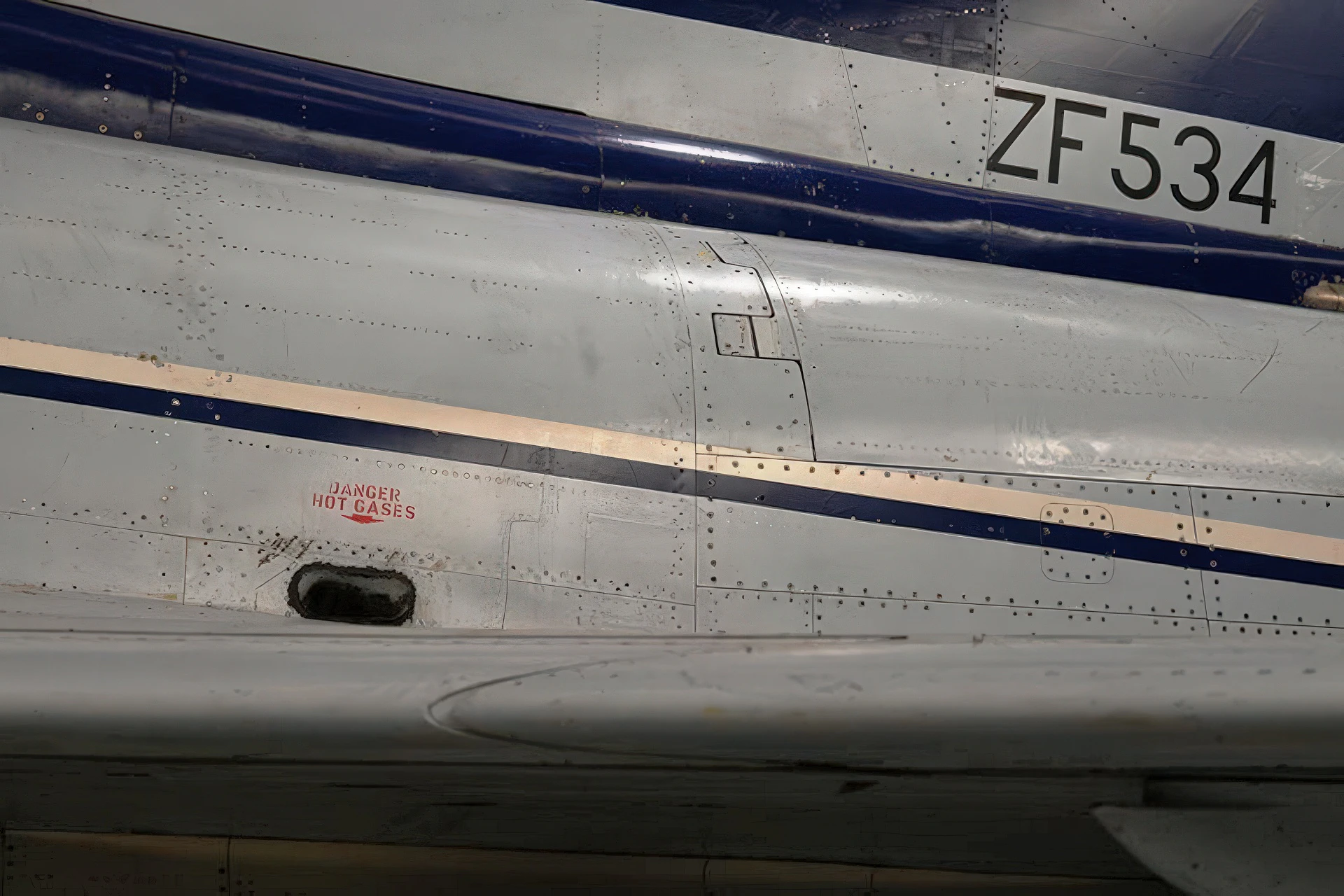
BAE EAP 04
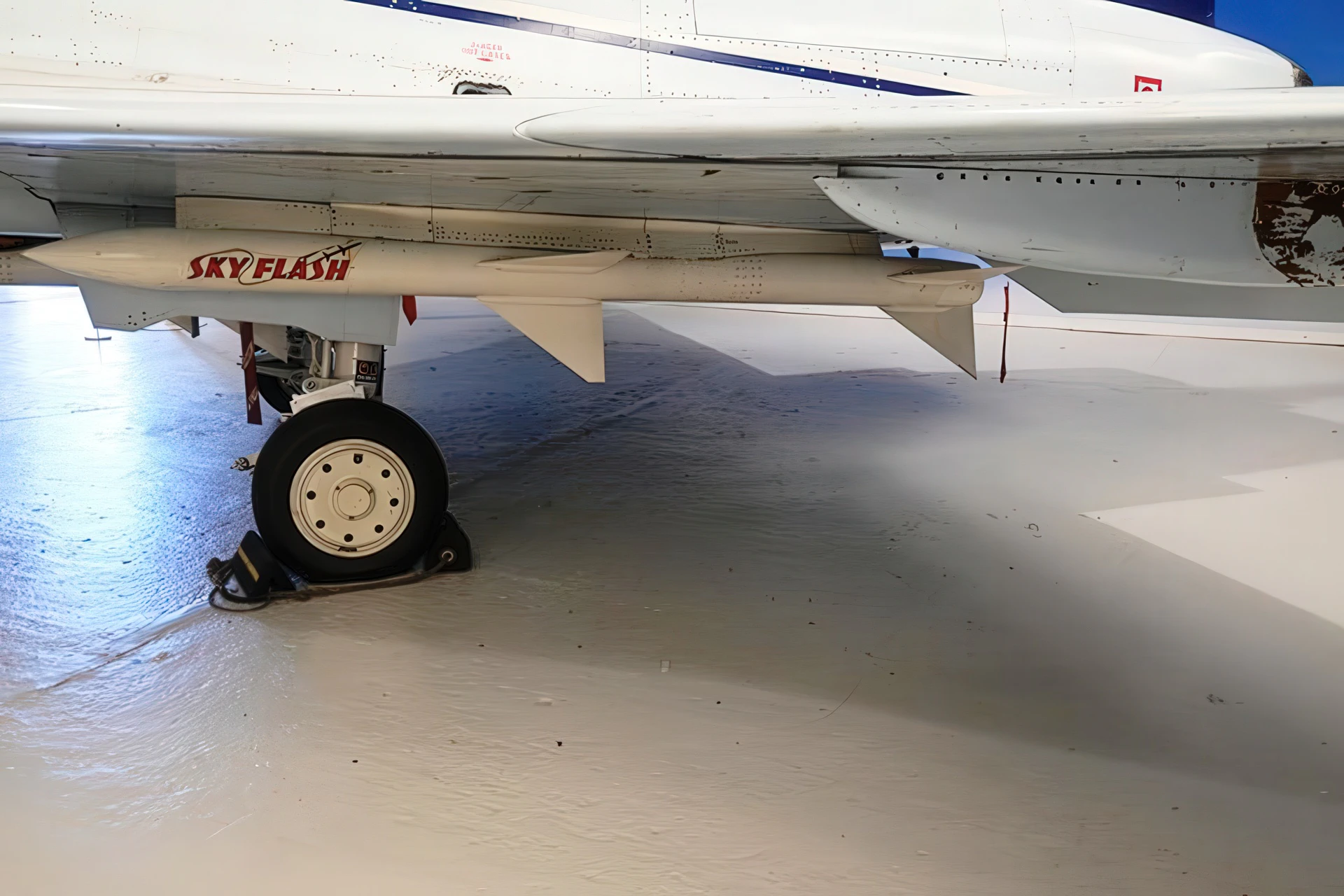
BAE EAP 05
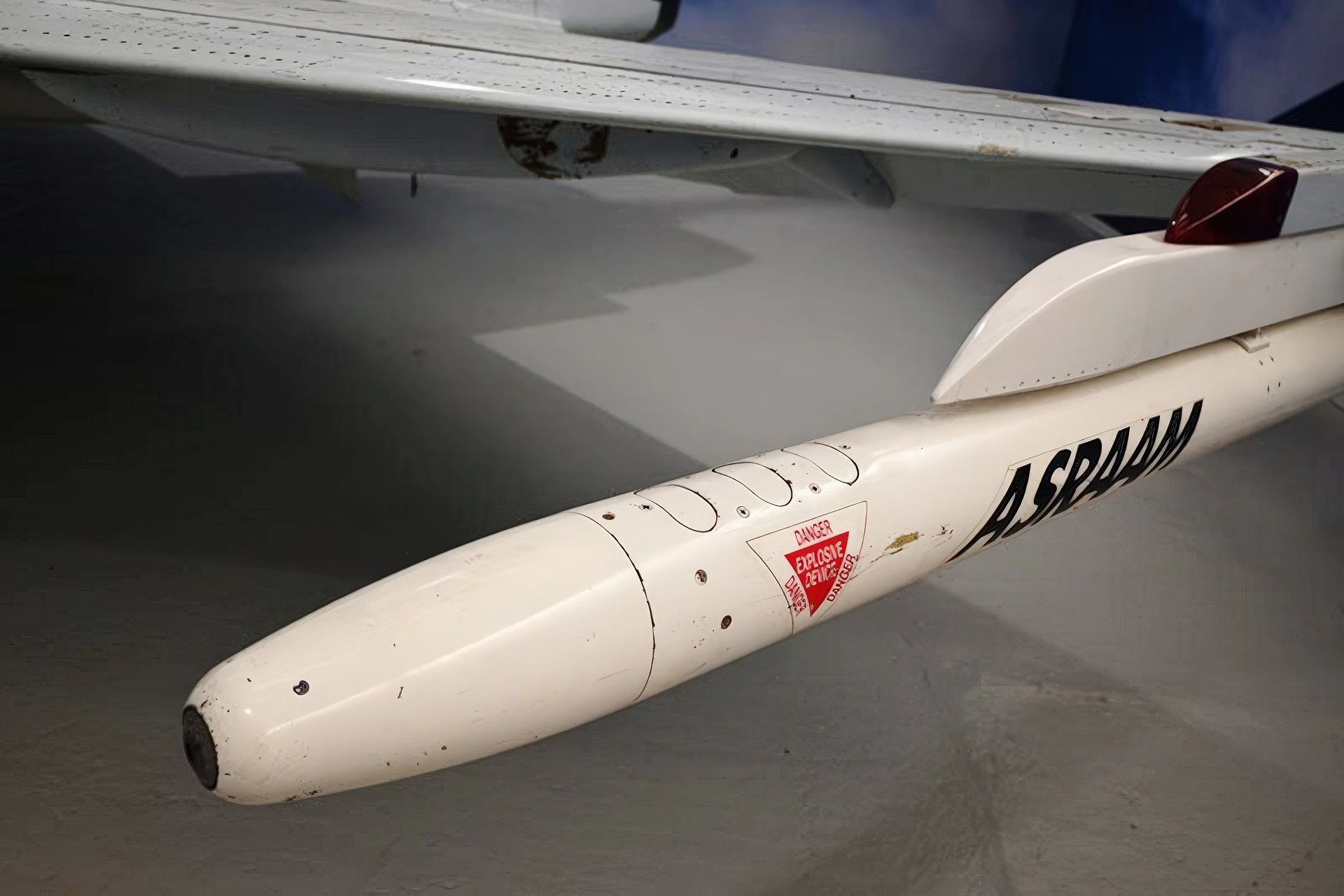
BAE EAP 06
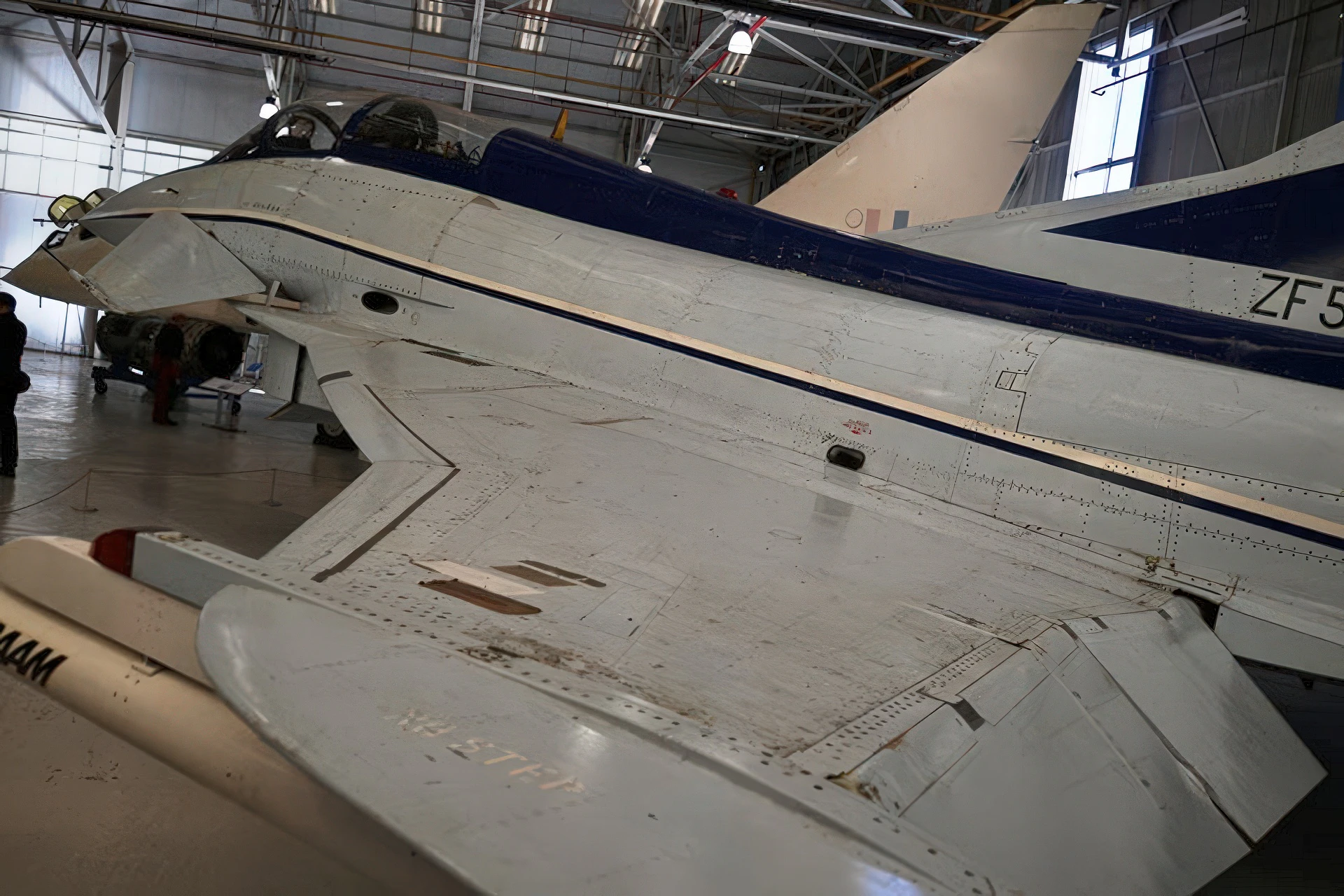
BAE EAP 07
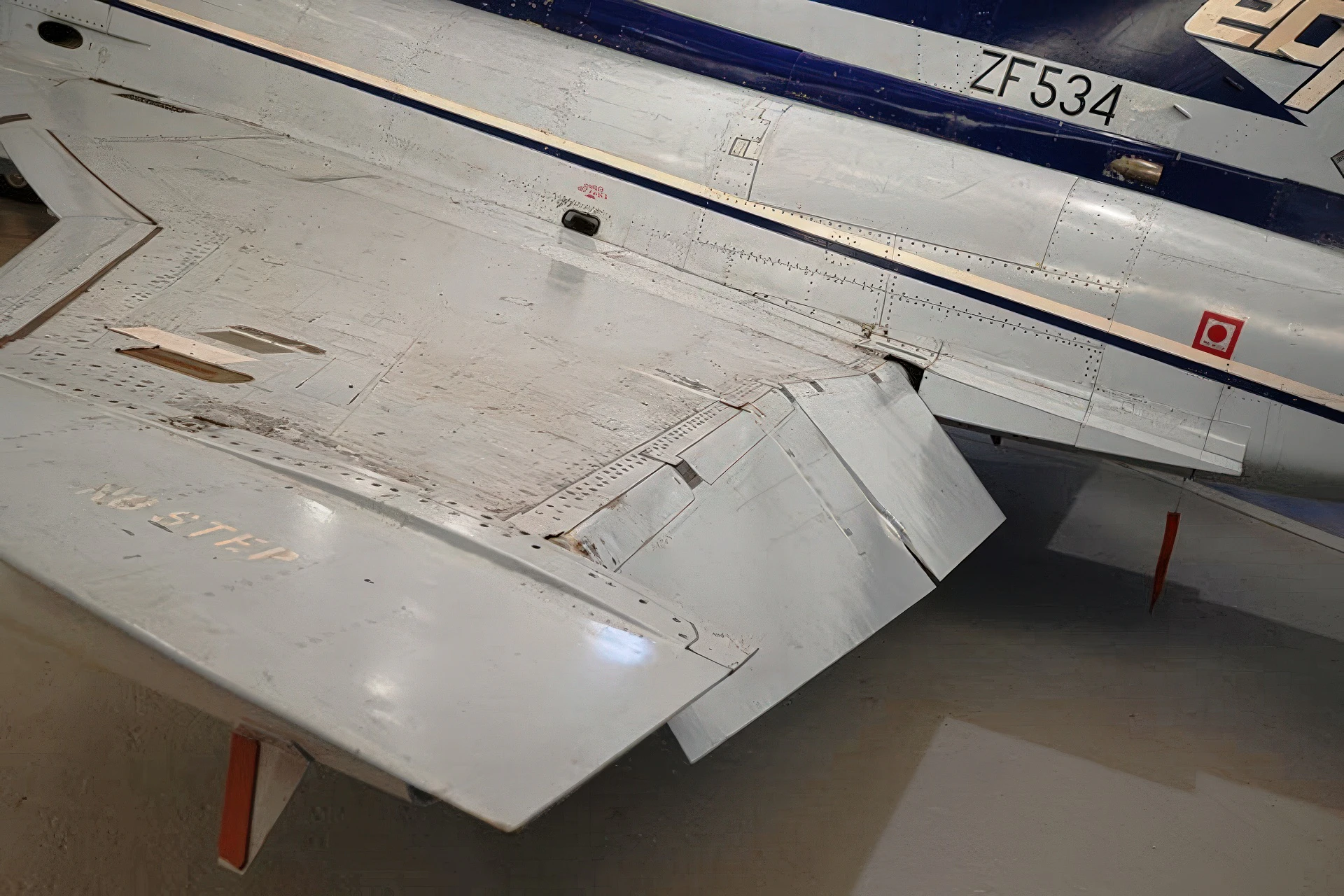
BAE EAP 08
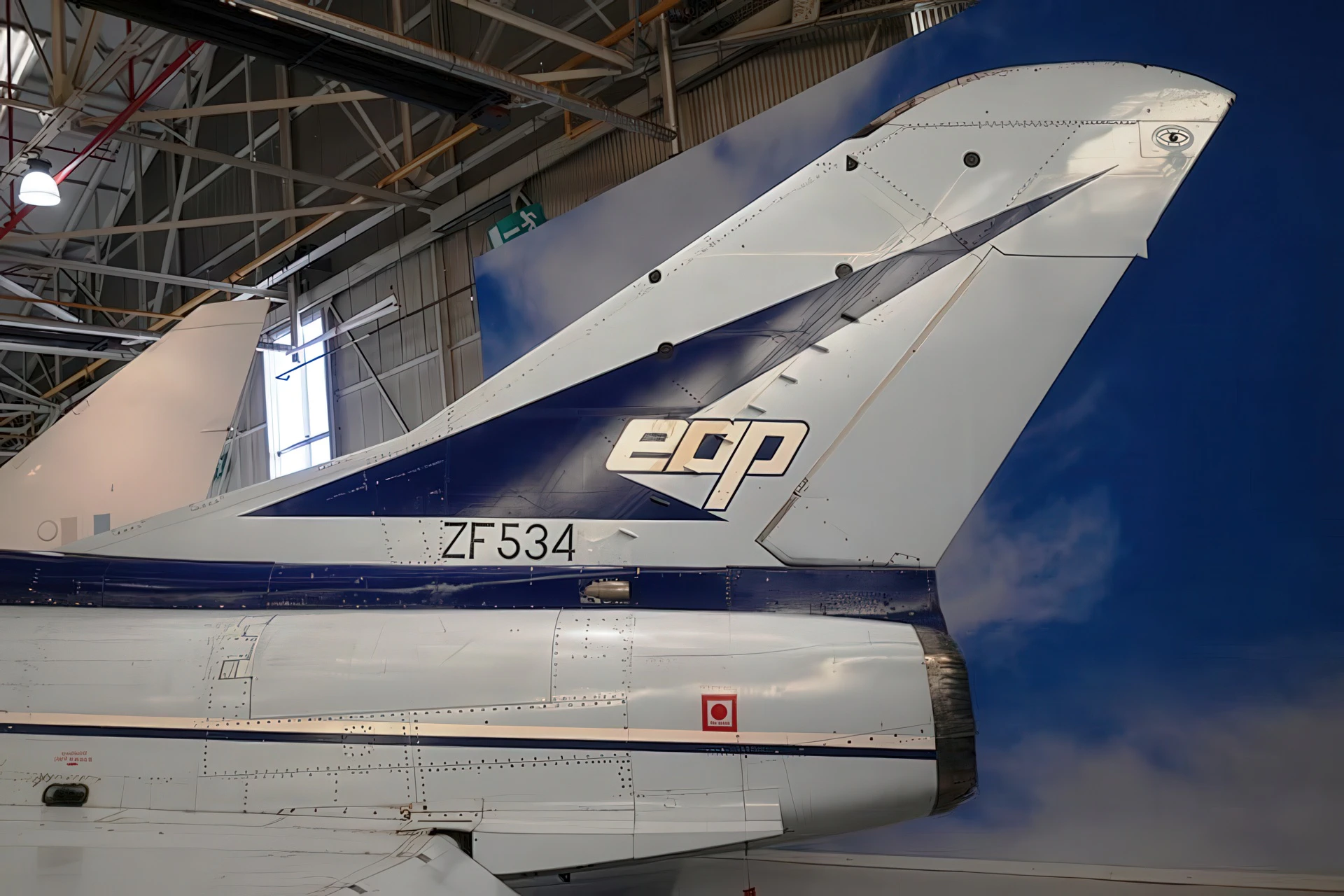
BAE EAP 09
Wait, Searching British Aerospace EAP photos for you…

Pozri tiež:


General Characteristics and Role
The British Aerospace EAP was a high-performance technology demonstrator that served as the primary testbed for the technologies eventually used in the Eurofighter Typhoon. Launched in the 1980s, it proved that an aerodynamically unstable airframe could be safely controlled through advanced digital systems to achieve unprecedented agility. While it resembled the production Typhoon that followed, it featured a distinctive cranked delta wing and a unique rectangular chin intake. This aircraft was essential for validating the computer-controlled flight laws that define modern fourth and fifth-generation fighter performance.
| Property | Typical Value (BAe EAP) |
|---|---|
| Typ | Advanced Technology Demonstrator |
| National Origin | Veľká Británia |
| Výrobca | British Aerospace (BAe) |
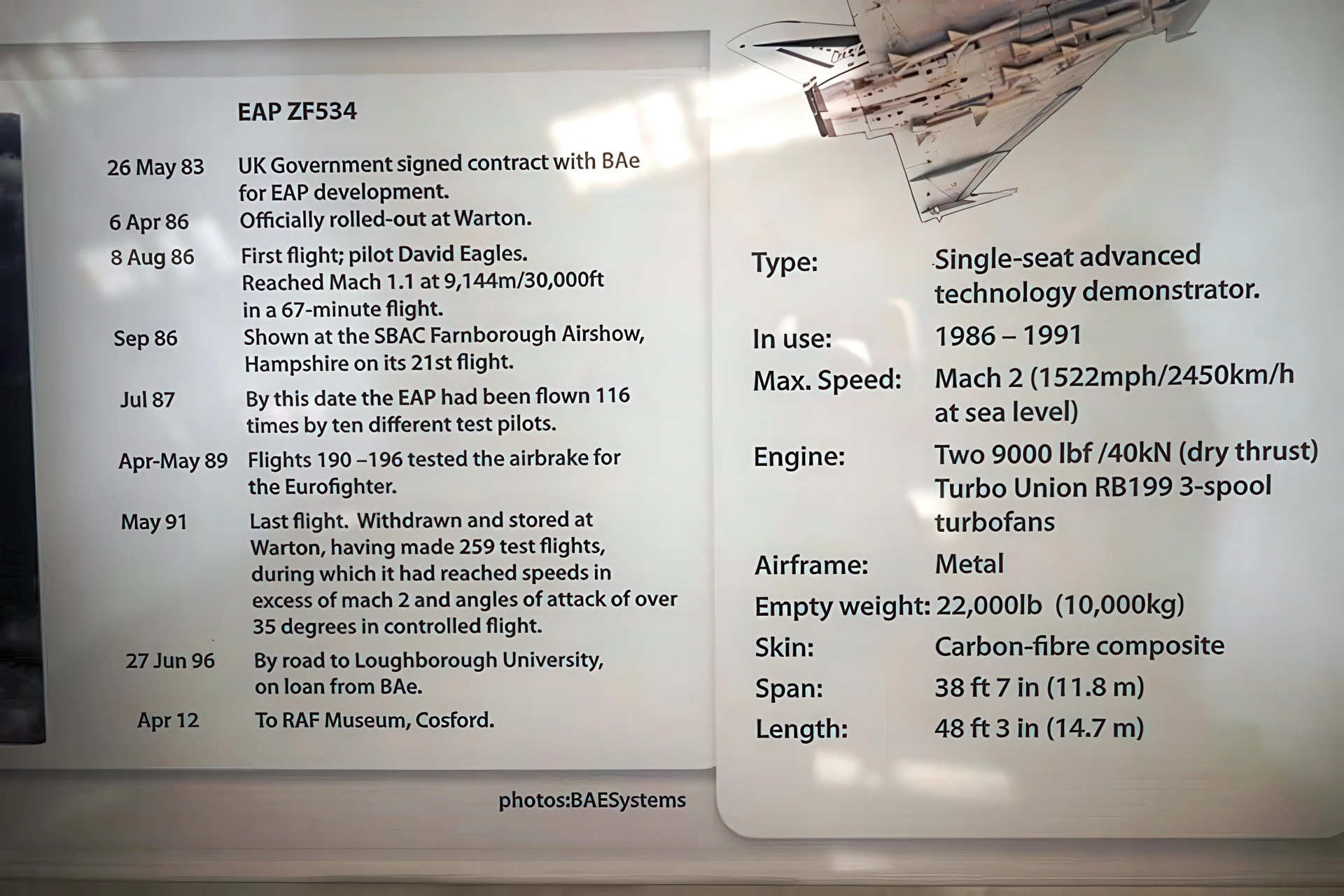
| First Flight | August 8, 1986 |
| Posádky | 1 (Pilot) |
| Dĺžka | 14.7 m (48 ft 3 in) |
| Rozpätie krídel | 11.77 m (38 ft 7 in) |
| Maximálna rýchlosť | Mach 2.0 (approx. 2,125 km/h) |
Powerplant and Flight Technology
- Engines: 2 x Turbo-Union RB199-104D afterburning turbofans. These were adapted from the engines used in the Panavia Tornado to power the lightweight EAP airframe.
- Fly-By-Wire: A quadruplex digital flight control system provided the stability needed for its highly maneuverable, unstable design.
- Wing Design: It utilized a cranked delta wing with leading-edge slats and trailing-edge flaperons, optimized for both high-speed flight and high-Alpha (angle of attack) maneuvers.
- Advanced Cockpit: One of the first military aircraft to feature a full glass cockpit with three multi-function color CRT displays, reducing pilot workload and replacing traditional analog dials.
- Construction: Extensive use of carbon-fiber composites and aluminum-lithium alloys helped keep the aircraft light while maintaining the structural integrity required for 9G maneuvers.
Service History and Preservation
- Flight Programme: Between 1986 and 1991, the EAP completed 259 test flights, amassing 195 hours of vital research data for the Eurofighter consortium.
- Historical Significance: The EAP is credited with keeping the UK’s advanced fighter development on track after international funding shifts, eventually leading to the successful Eurofighter Typhoon.
- Agility Testing: It demonstrated the ability to fly at controlled angles of attack exceeding 35 degrees, a capability that was groundbreaking for the 1980s.
- Final Display: The sole prototype (ZF534) was retired in 1991 and is now a centerpiece of the Test Flight collection at the RAF Museum Midlands at Cosford.