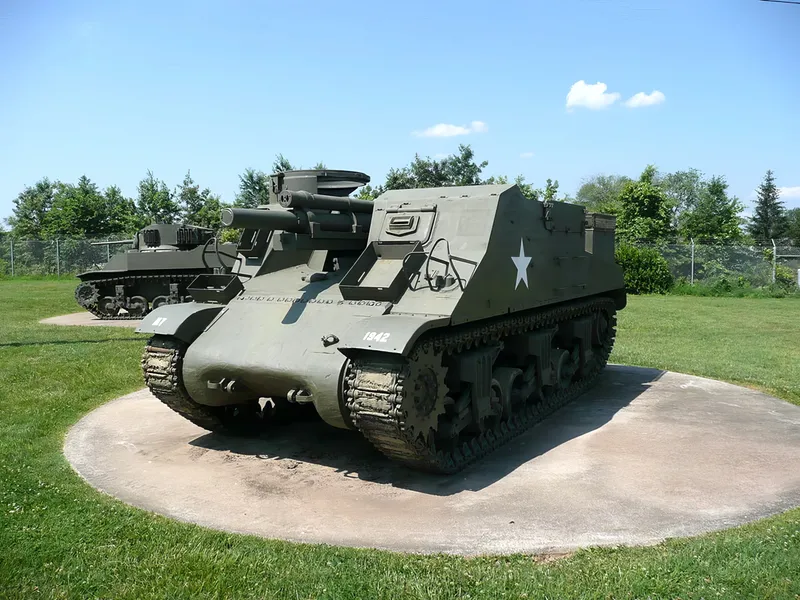
M7 Priest | |
|---|---|
| Land | Usa |
| Typ | Selbstfahrende Kanone |
| Hersteller | American Locomotive Company |
| Produziert | April 1942-July 1945 |
Fotogalerie auf einem M7 Priest, offiziell bekannt als 105mm Howitzer Motor Carriage M7, die M7 Priest ist eine selbstfahrende Kanone, die während des Zweiten Weltkriegs von den Vereinigten Staaten produziert wurde. Priest ist der Spitzname der Briten, der darauf zurückzuführen ist, dass das Maschinengewehr auf einer Schiene den Eindruck erweckte, der Panzer sei mit einem Lehrstuhl versehen. Er folgte dem englischen Bishop und sie nannten ihn offiziell 105mm SP Priest. (Die Briten liebten es, ihren selbstfahrenden Kanonen religion liche Namen zu geben (Priest = Priester, Bischof, Sexton = Priester), eine Tradition, die bis in die 1960er Jahre mit dem Abbot (Abt) dauerte.)
Quelle: M7 Priest auf Wikipedia
| M7 Priest – Walkround | |
|---|---|
| Fotograf | Unbekannter |
| Lokalisierung | Unbekannter |
| Fotos | 92 |
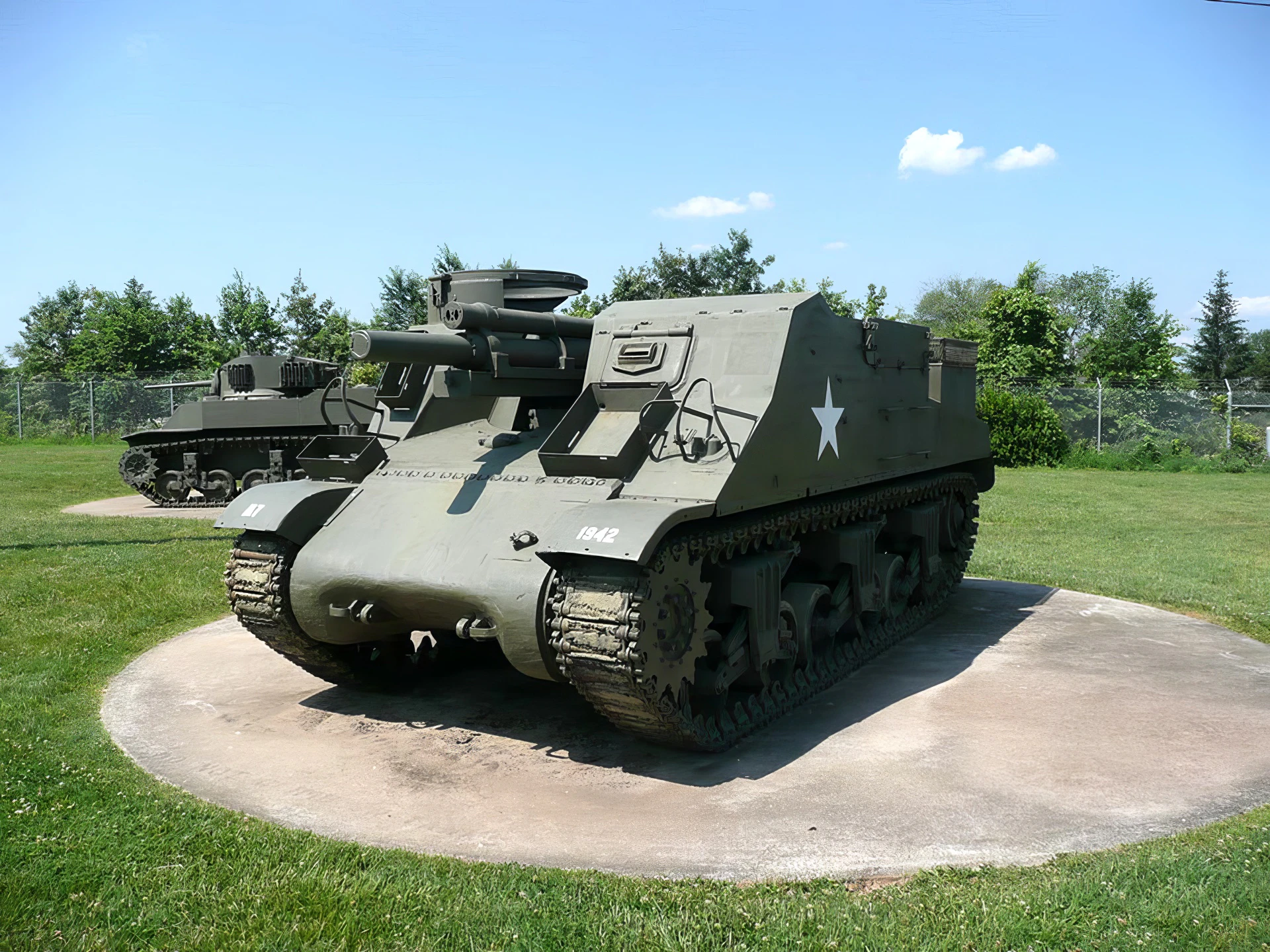
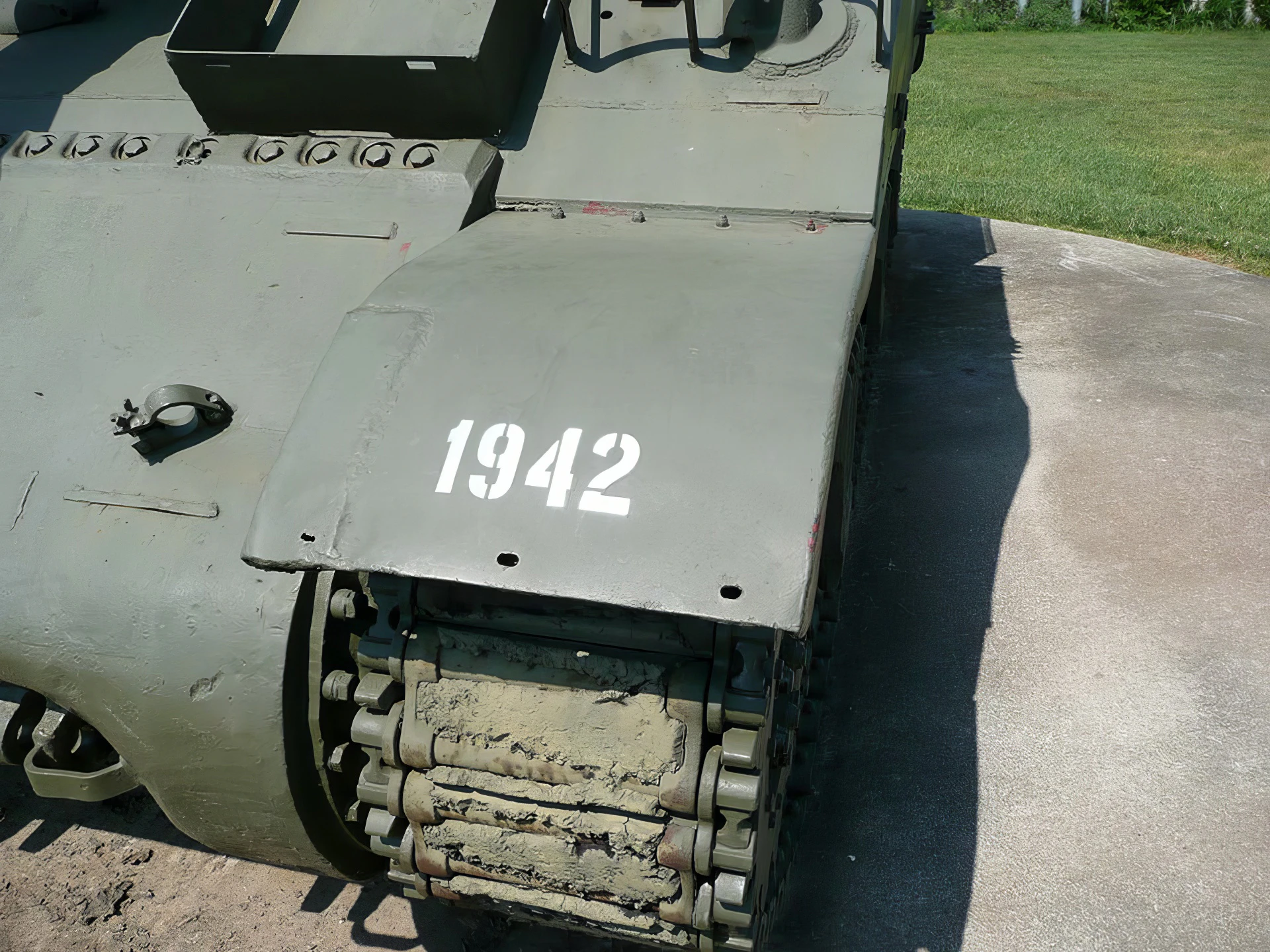
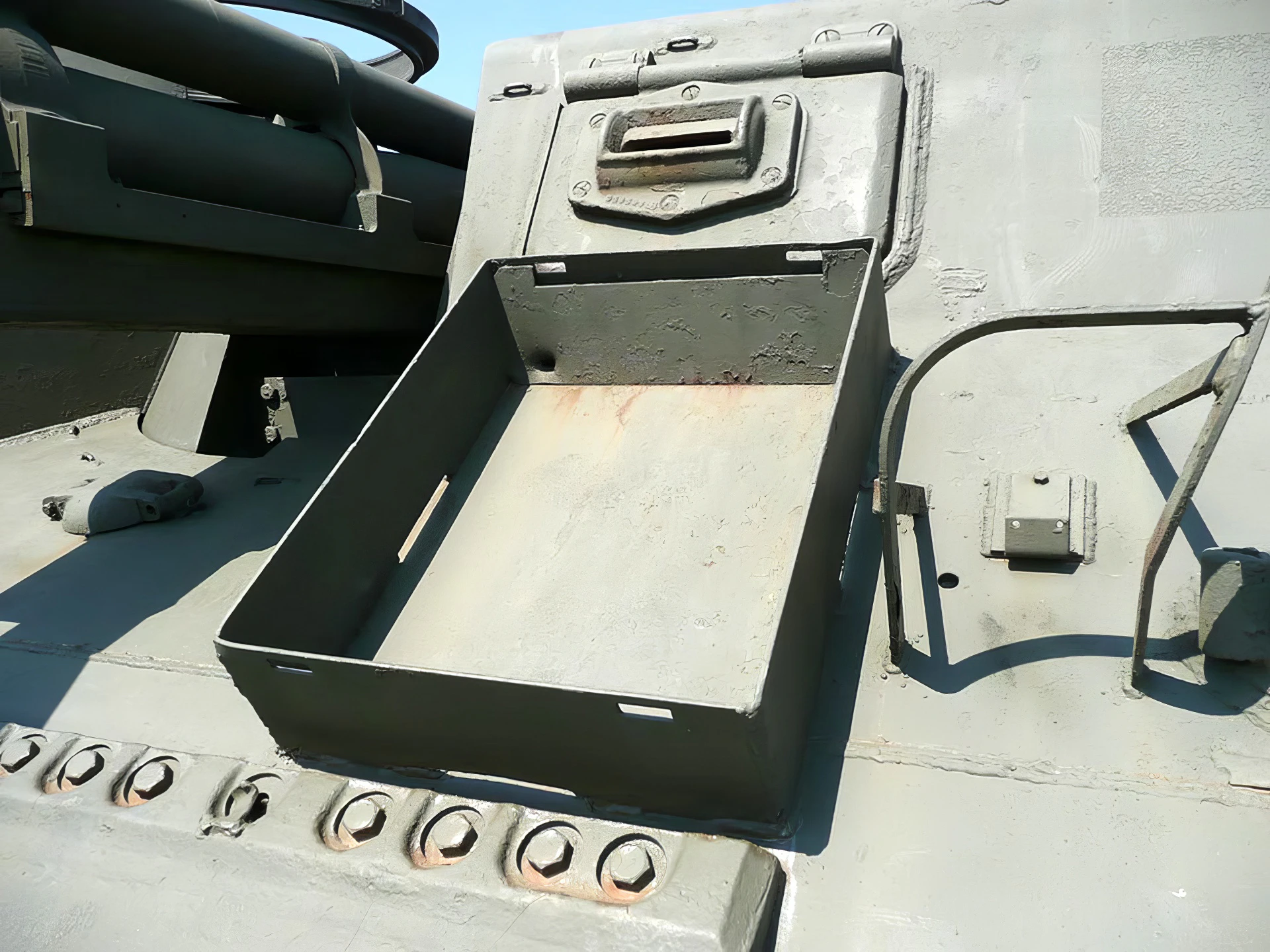
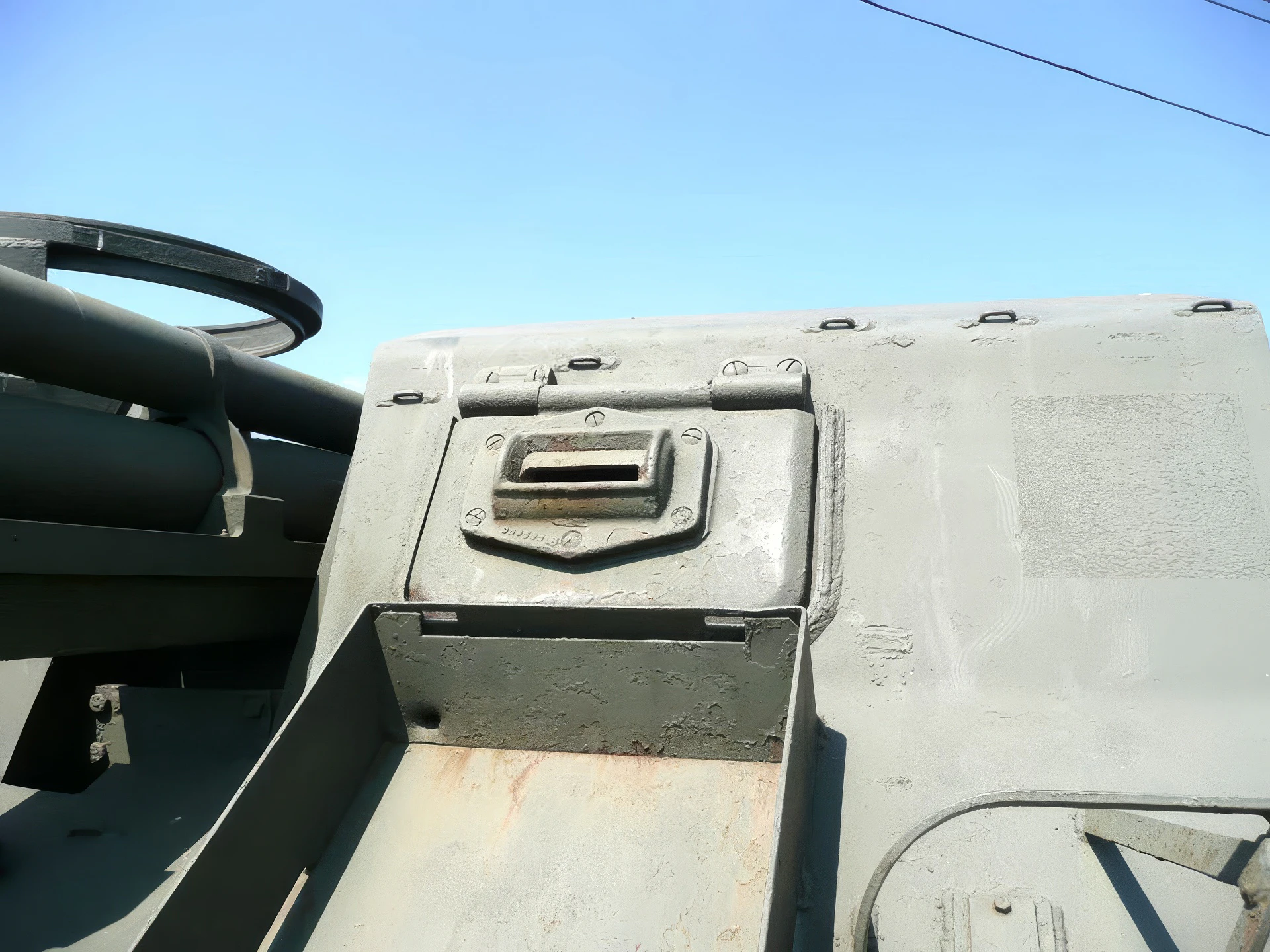
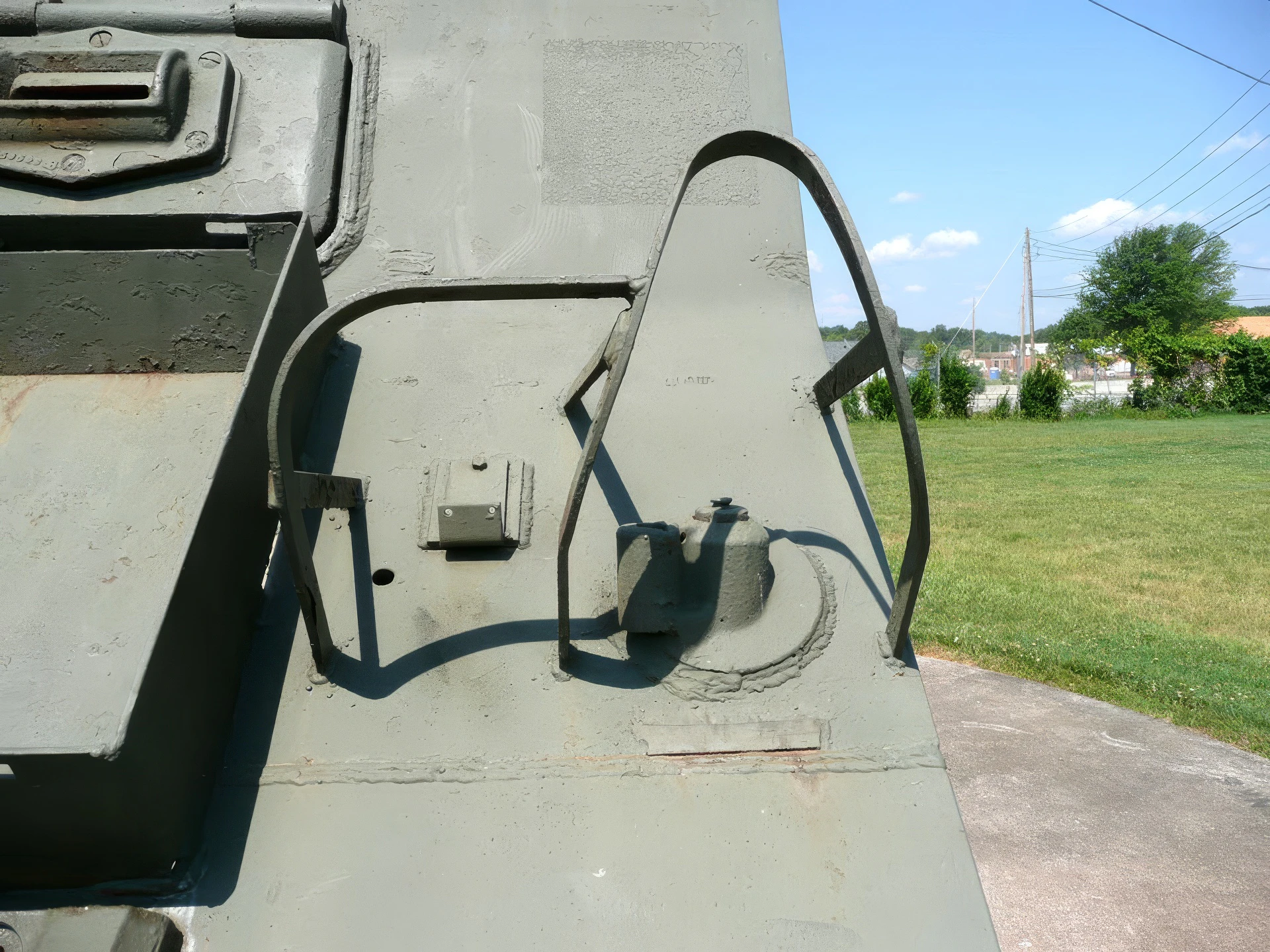
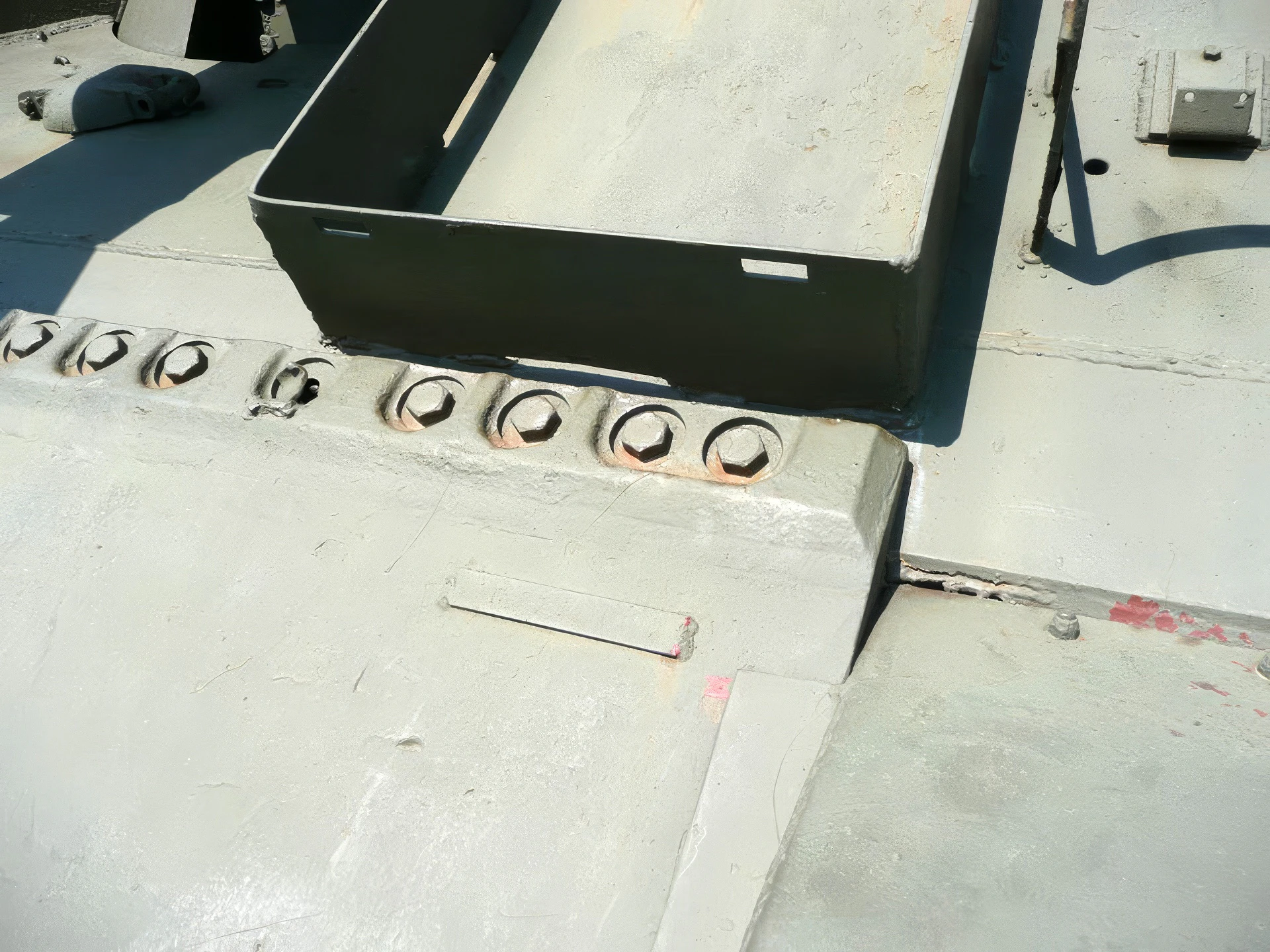
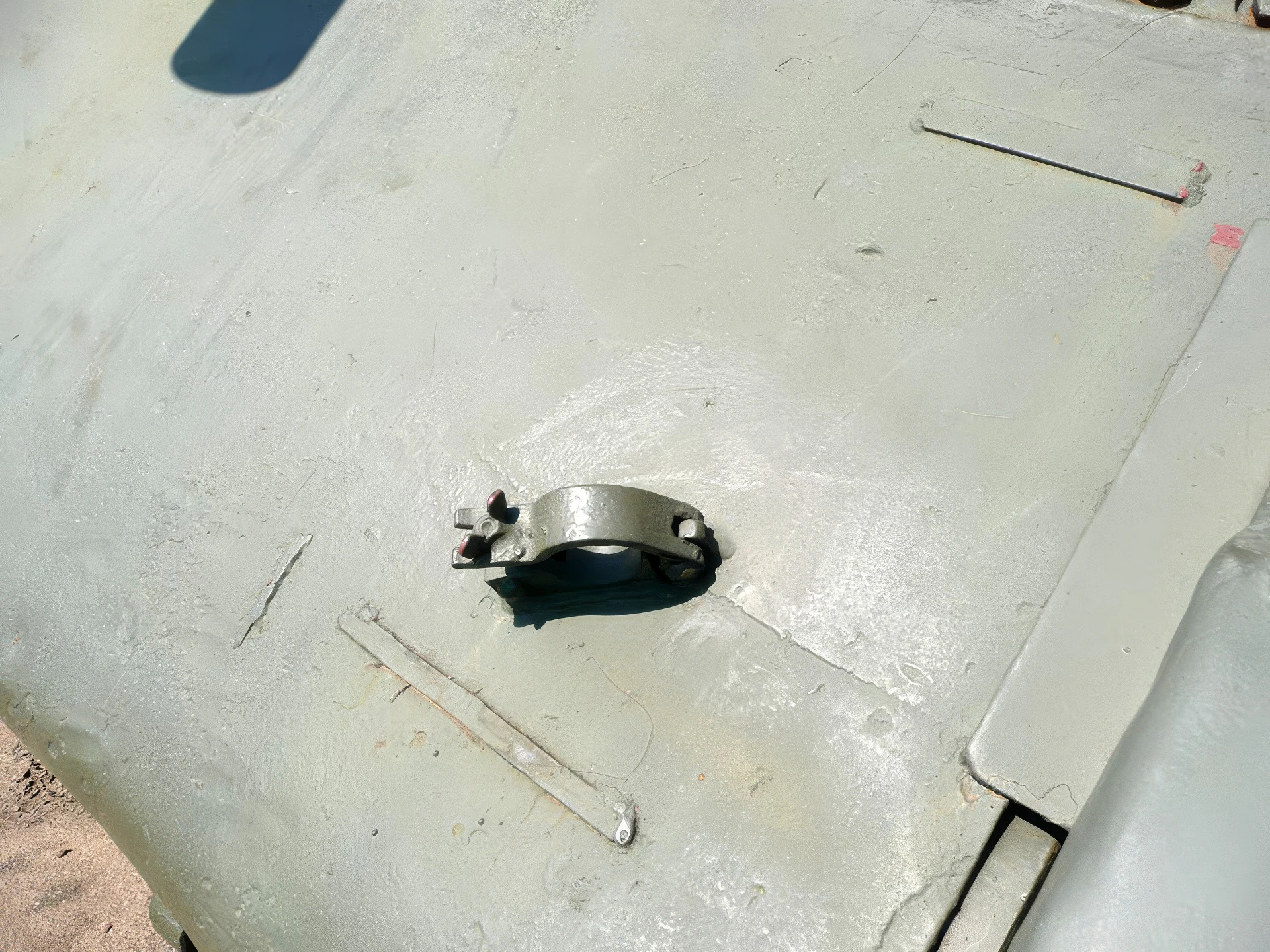
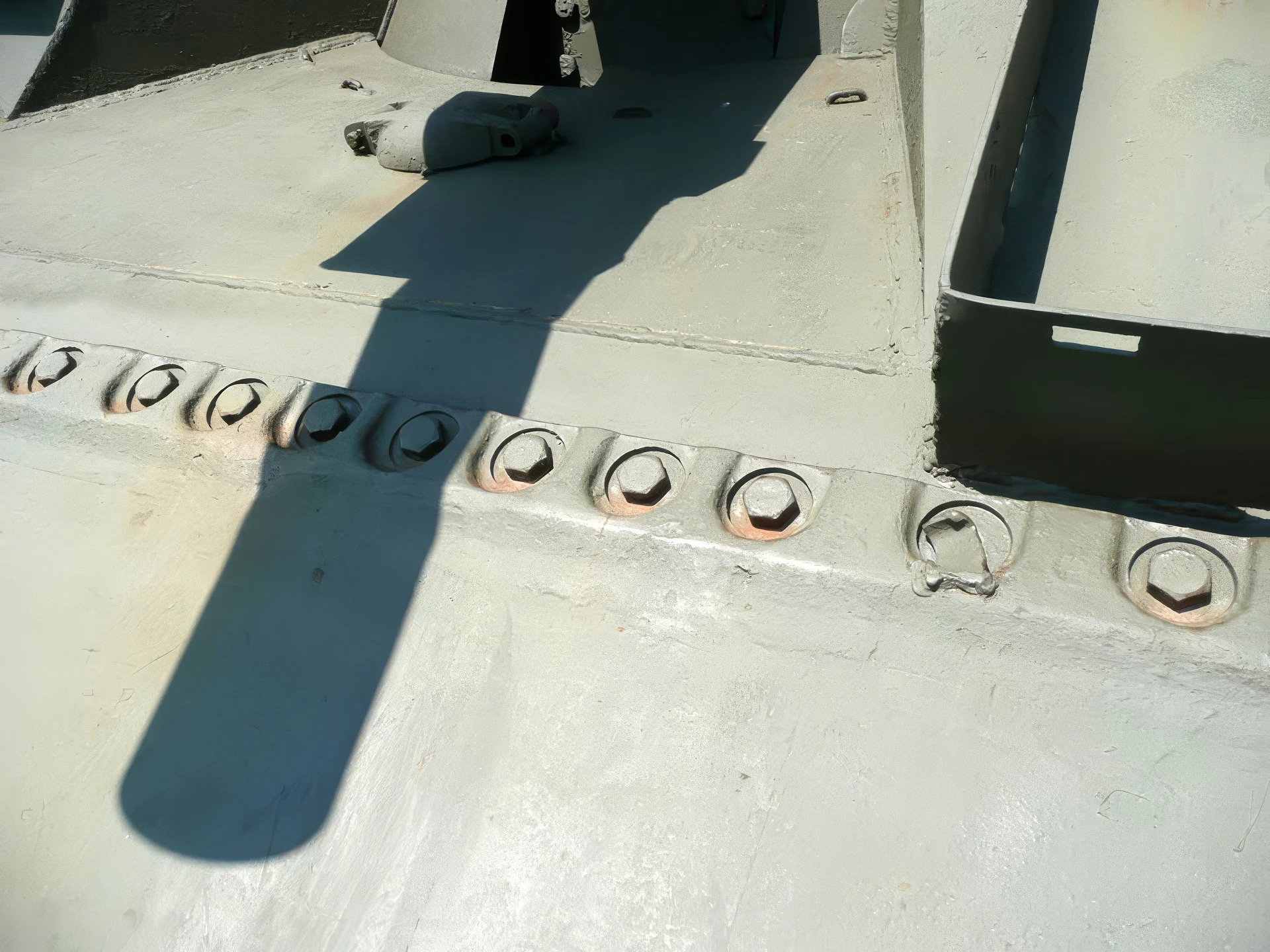
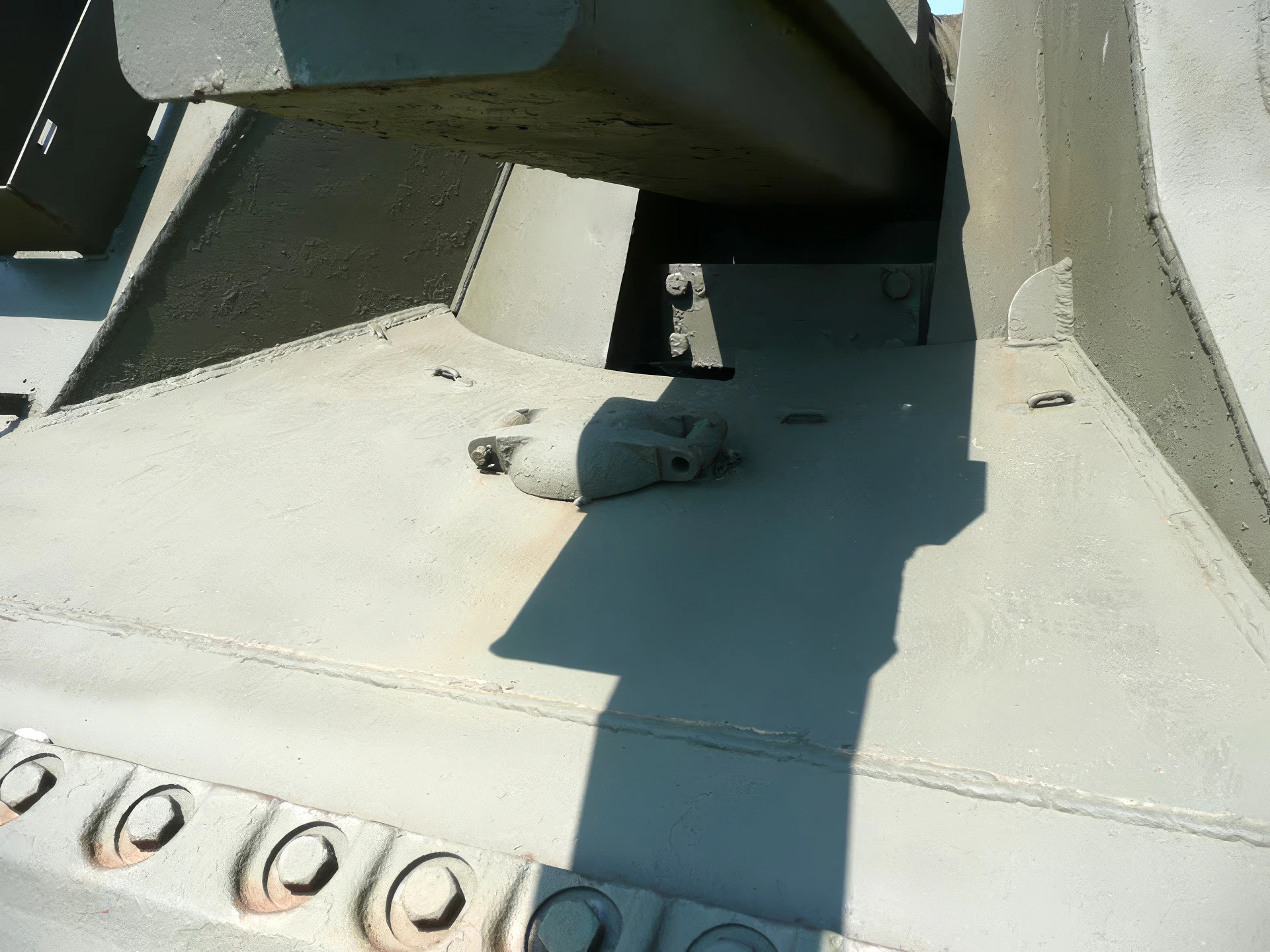

Technische Daten: Équipage : 7 Longueur : 6,02 m Largeur : 2,87 m Hauteur : 2,95 m Masse au combat : 22 970 kg Blindage : coque:51 mm avant Armement principal : Howitzer 105 mm M2A1 (69 obus) Armement secondaire : 1 Mitrailleuse Browning M2 de 12,7 mm (300 balles) Moteur : Wright (Continental) R975 C1 400 ch (299 kW) Suspension : ressorts verticaux en spirales Vitesse sur route : 40 km/h (24 en tout terrain) Puissance massique : 17,4 ch/tonne Autonomie : 193 km
| M7 Priest Walk Around | |
|---|---|
| Fotograf | Kevin Seymour |
| Lokalisierung | Unbekannter |
| Fotos | 27 |
Siehe auch:


The M7 Howitzer Motor Carriage (HMC), commonly known as the M7 Priest, was an American self-propelled artillery vehicle used extensively during World War II and the Korean War. It was developed to provide mobile fire support that could keep pace with armored divisions.
Design and Origin
- Chassis Base: Initially built on the chassis of the M3 Lee medium tank. Later variants utilized the improved M4 Sherman tank chassis.
- Nickname Origin: British troops dubbed it the “Priest” due to the ring-mounted machine gun position, which resembled a pulpit.
- Design Feature: It was characterized by an open-topped superstructure, which gave the crew easy access to the main gun but offered limited protection from shell fragments and shrapnel.
- Rolle: Provided indirect long-range fire support (artillery) and direct fire support for infantry and armor.
General Specifications (M7 HMC)
| Spezifikation | Detail |
|---|---|
| Im Dienst | 1942 – 1950s (US Army) |
| Hauptbewaffnung | 105 mm M2 Howitzer |
| Sekundärbewaffnung | 1 x .50 cal (12.7 mm) M2 Browning HMG in a “pulpit” ring mount |
| Gewicht | ~15.8 tonnes |
| Crew | 5 to 6 (Commander, Driver, Gunner, Loader, etc.) |
| Armor (Max) | 12 – 62 mm |
| Max Speed (Road) | 42 km/h (26 mph) |
Key Variants
| Variante | Chassis Base | Key Feature / Change |
|---|---|---|
| M7 HMC (Original) | M3 Lee | Initial production run; utilized components of the **M3 Lee** tank. |
| M7B1 HMC | M4A3 Sherman | Standardized on the M4A3 Sherman chassis to simplify logistics and maintenance. |
| M7B2 HMC | M7B1 Modified | Post-WWII modification; machine gun mount raised and howitzer traverse capability increased for the **Korean War**. |
| “Kangaroo” | M7 Field Conversion | Canadian and British field conversion where the howitzer was removed to create an **Armored Personnel Carrier (APC)**. |
Aufrufe : 6447
Sie können auch sehen:
 155mm Haubitze M50 BF – Fotos & Videos
 220 mm TR mle 1915/1916 – Fotos & Video
 QF 3,7-Zoll-Haubitze – Fotos & Videos
 2S1 Gvozdika – Fotos & Video
 122-mm-Haubitze M1910/30 – Fotos & Video
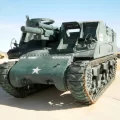 M7B1 Priest – Walk Around
 M109A3GN – WalkAround
 M7B2 Priest – Walkround
 Haubitze 75 mm M1A1 – WalkAround
 Set US M7 Priest Mid Prod – E.T.MODEL E35-052