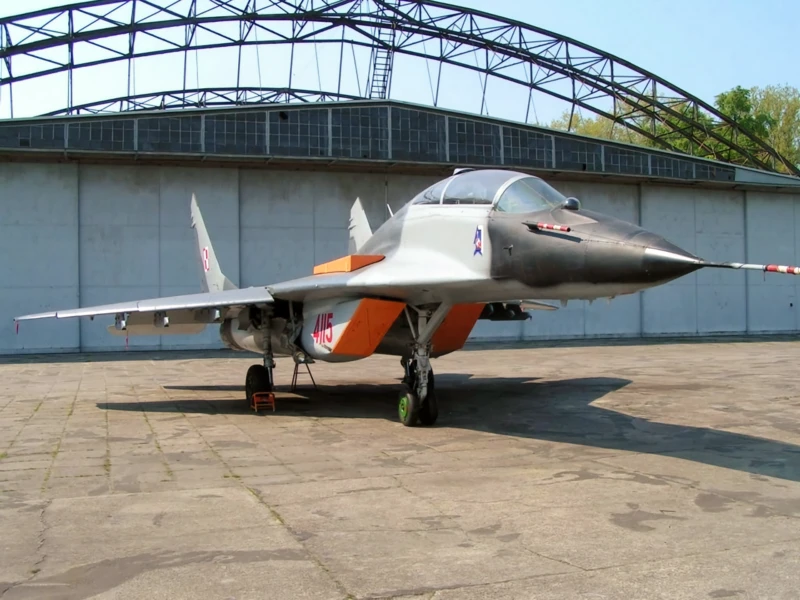
MiG-29 | |
|---|---|
| Land | Sowjetunion |
| Rolle | Luftüberlegenheitsjäger |
| Erstflug | 6. Oktober 1977 |
| Gebaut | 1600+ |
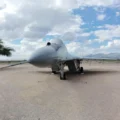
Fotogalerie einer MiG-29, The Mikojan MiG-29 is a fourth-generation jet fighter aircraft designed in the Soviet Union for an air superiority role. Developed in the 1970s by the Mikoyan design bureau, it entered service with the Soviet Air Force in 1983, and remains in use by the Russian Air Force as well as in many other nations. The NATO name “Fulcrum” was sometimes unofficially used by Soviet pilots in service. The MiG-29, zusammen mit der Suchoi Su-27, wurde entwickelt, um neue amerikanische Kämpfer wie die McDonnell Douglas F-15 Eagle und die General Dynamics F-16 Fighting Falcon zu kontern.
Quelle: MiG-29 auf Wiki
| MiG-29 | |
|---|---|
| Fotograf | Unbekannter |
| Lokalisierung | Unbekannter |
| Fotos | 66 |
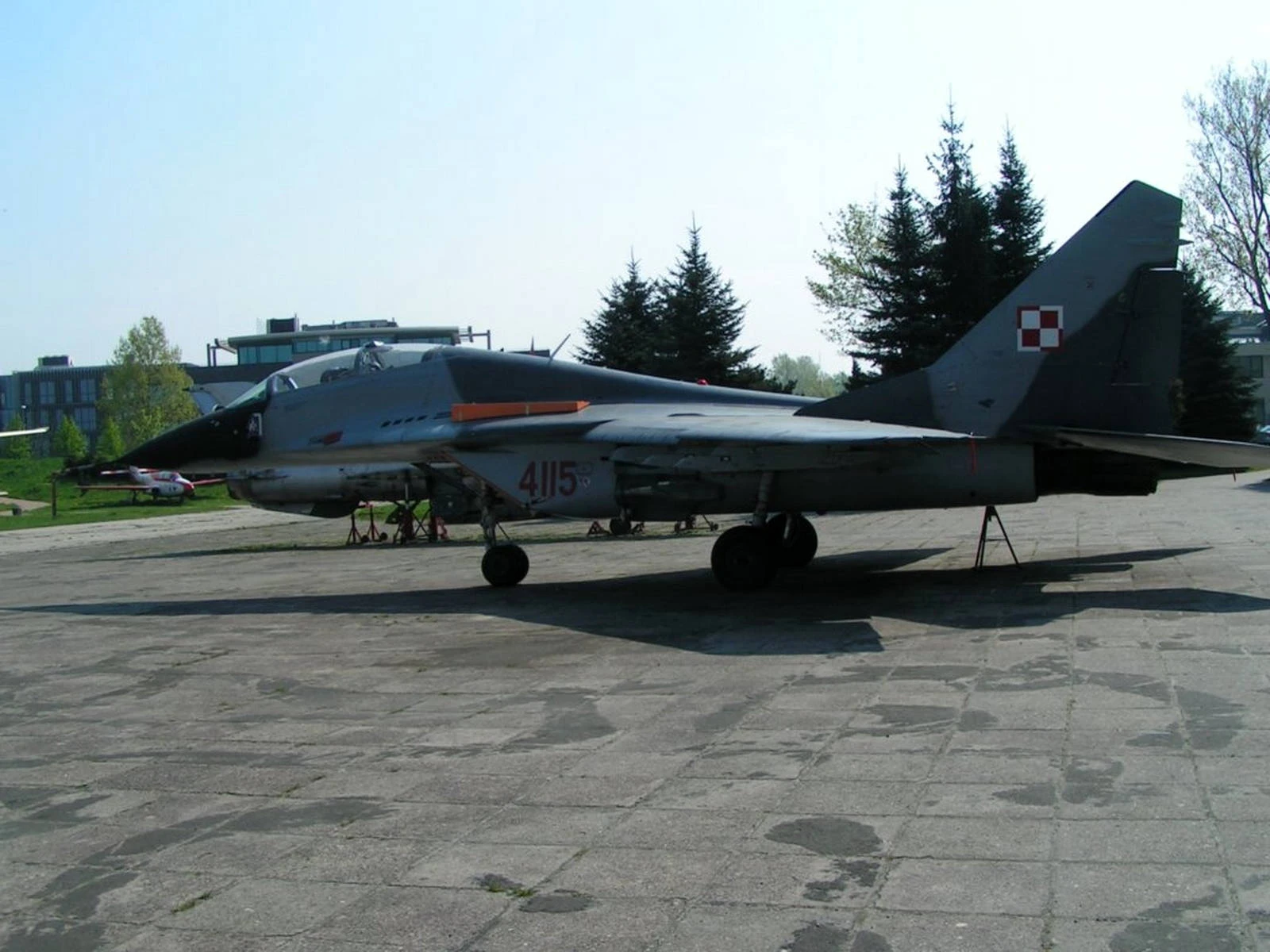
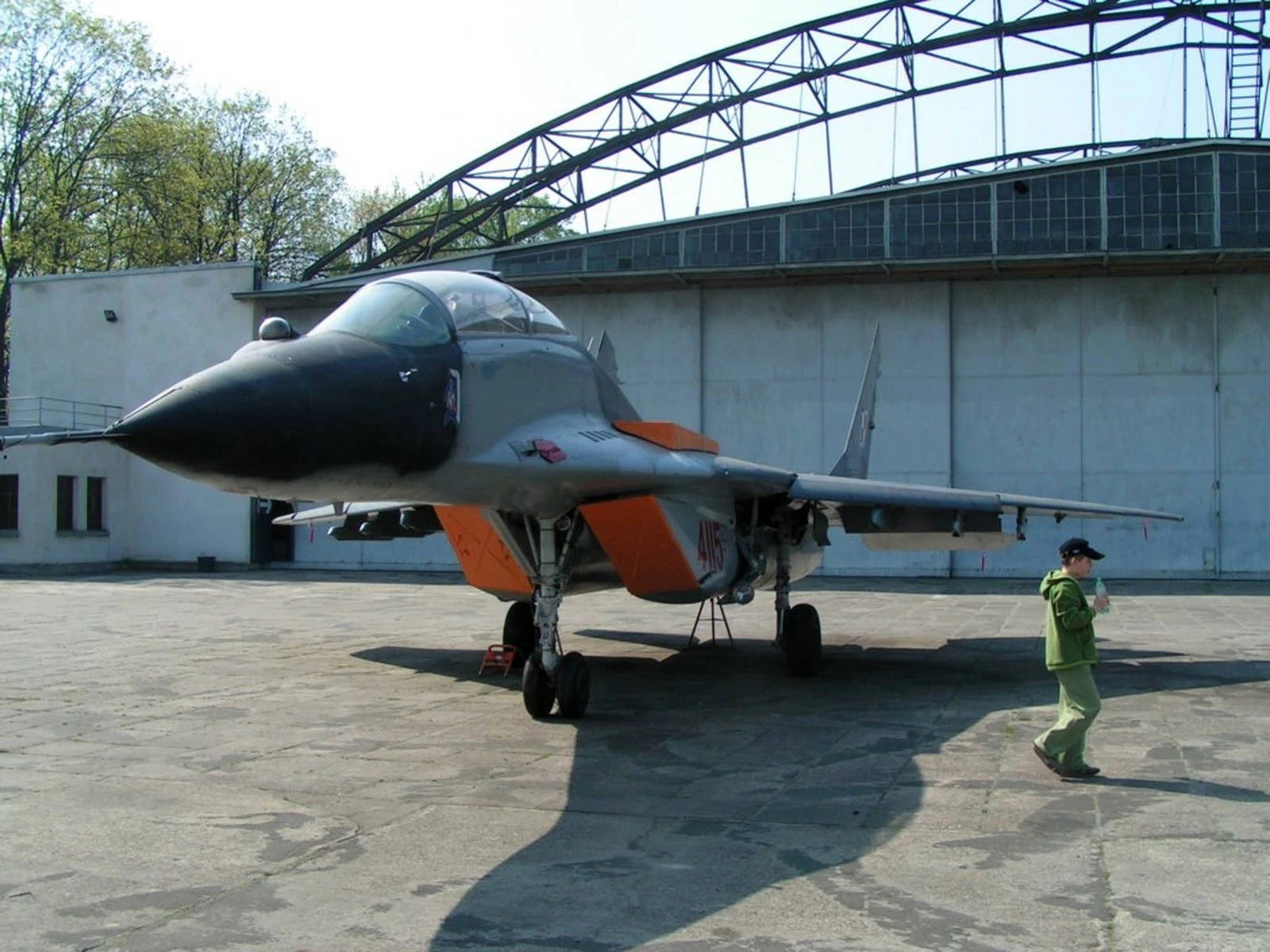
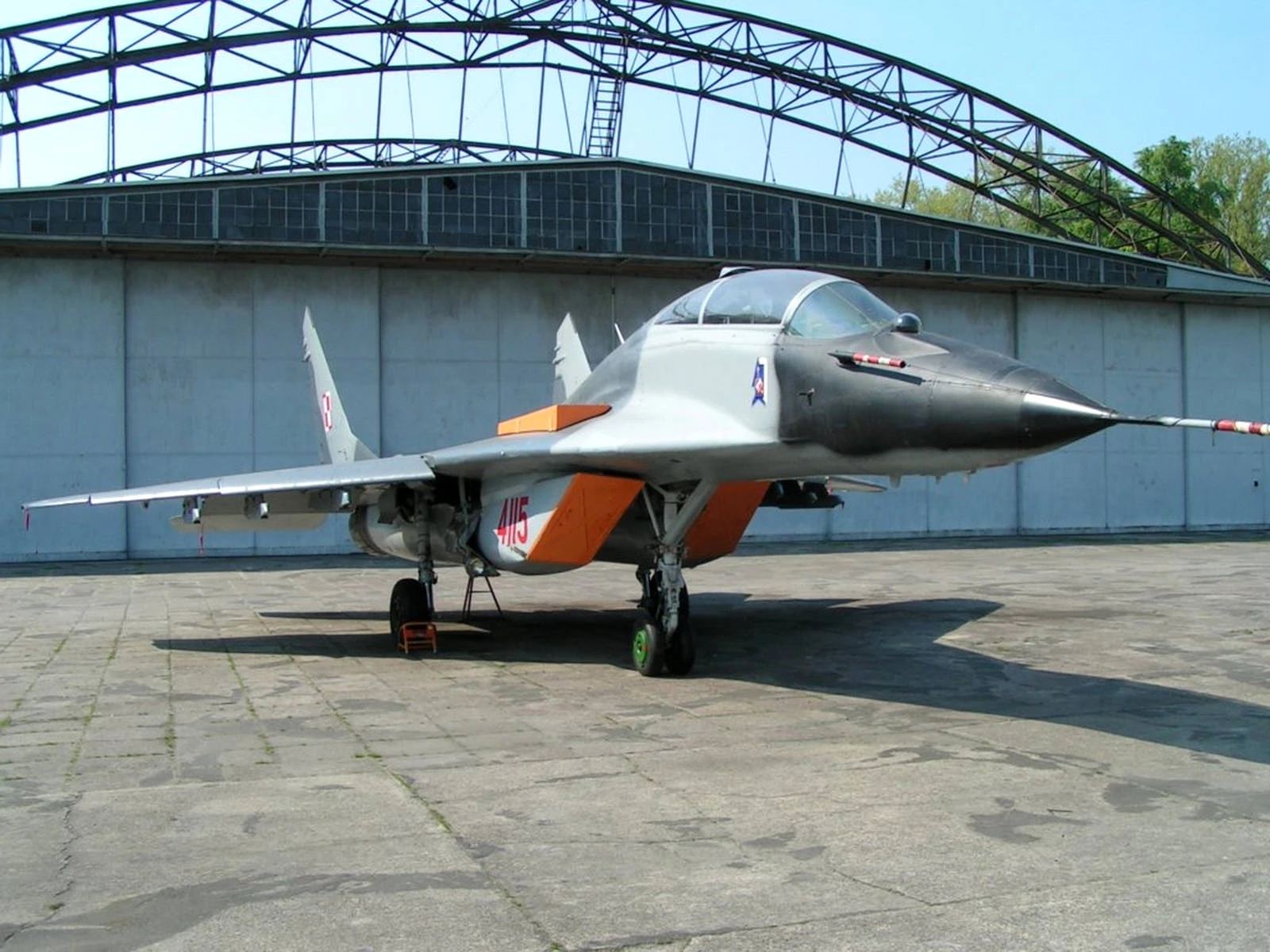
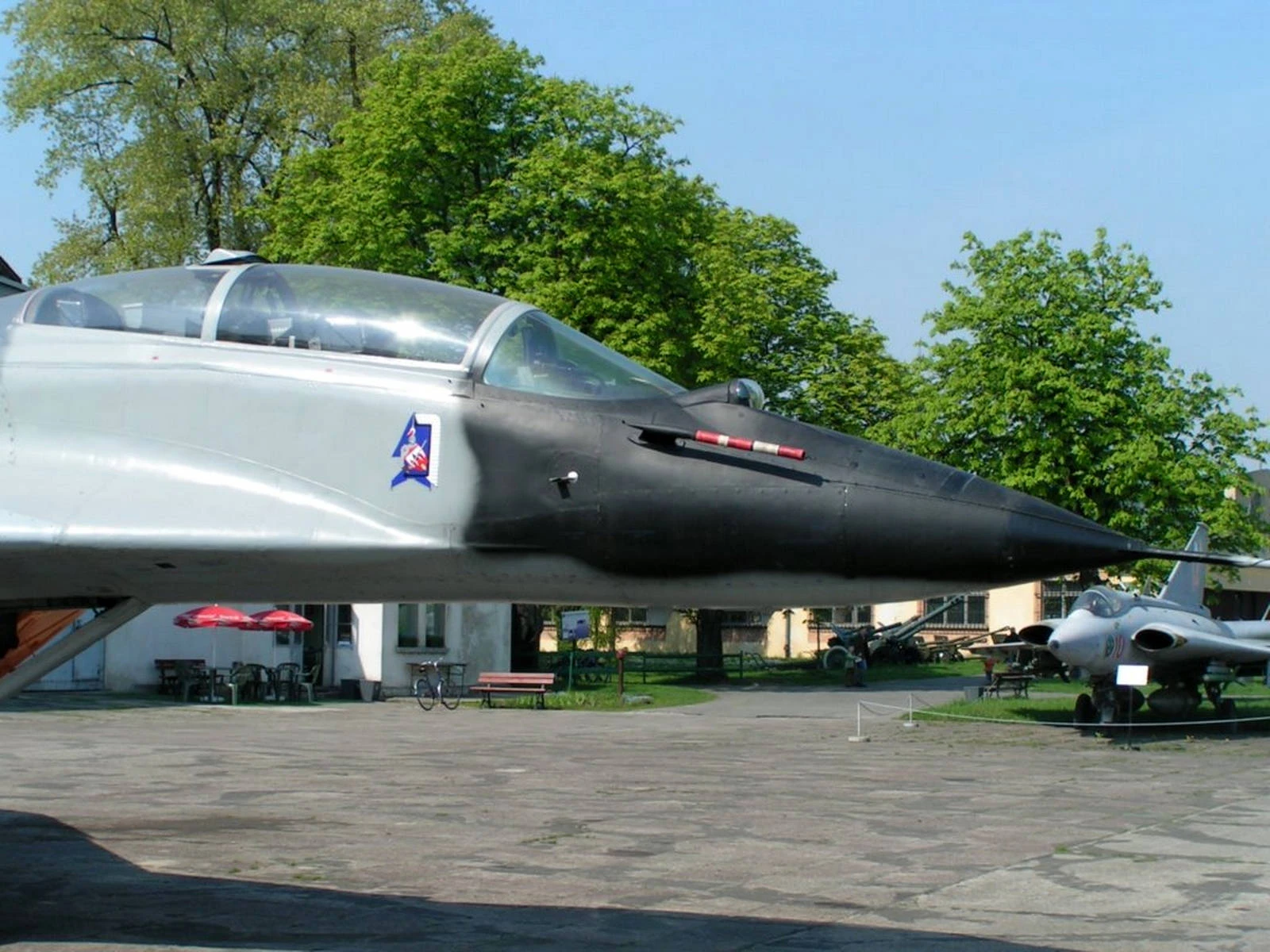
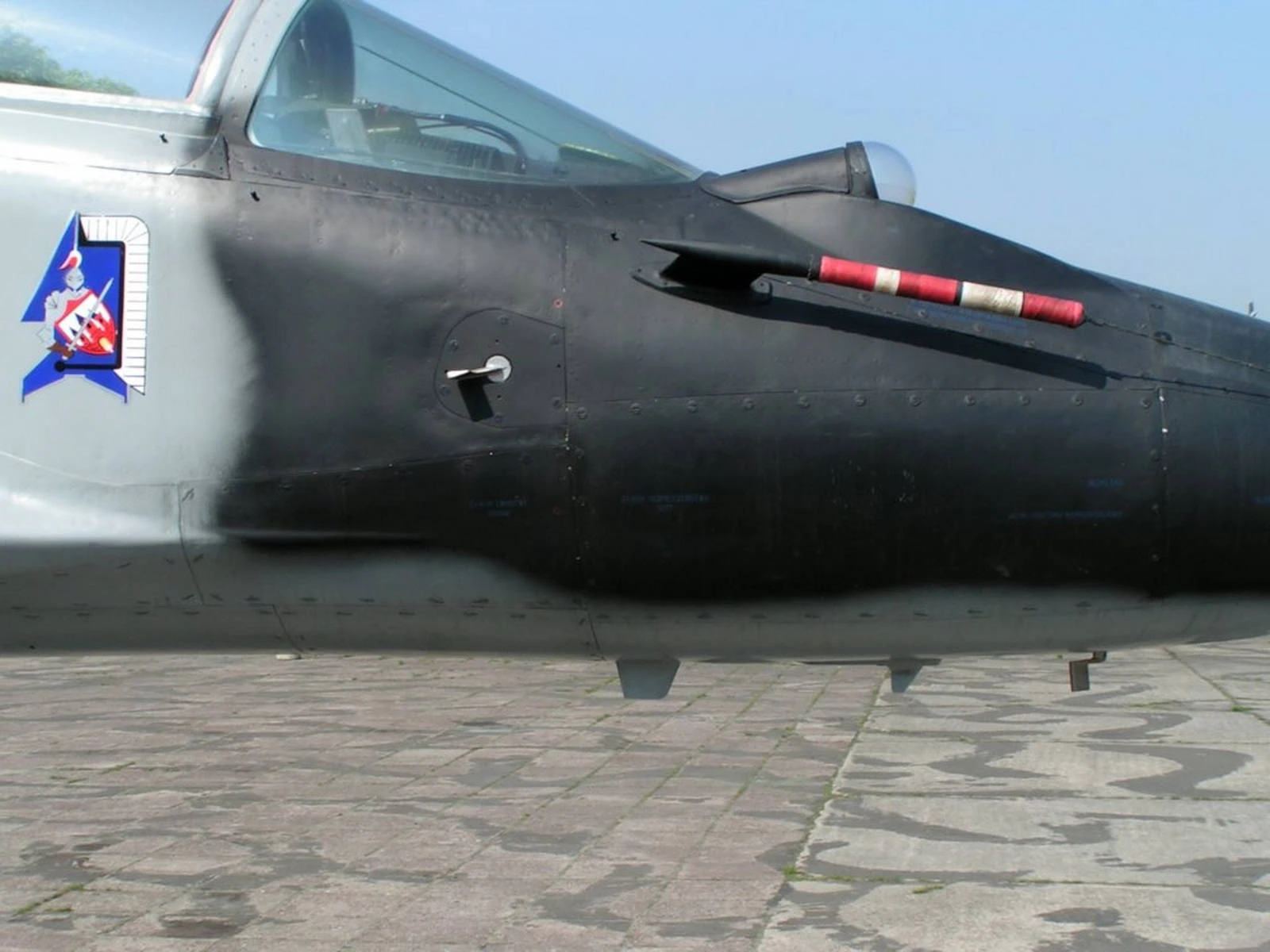
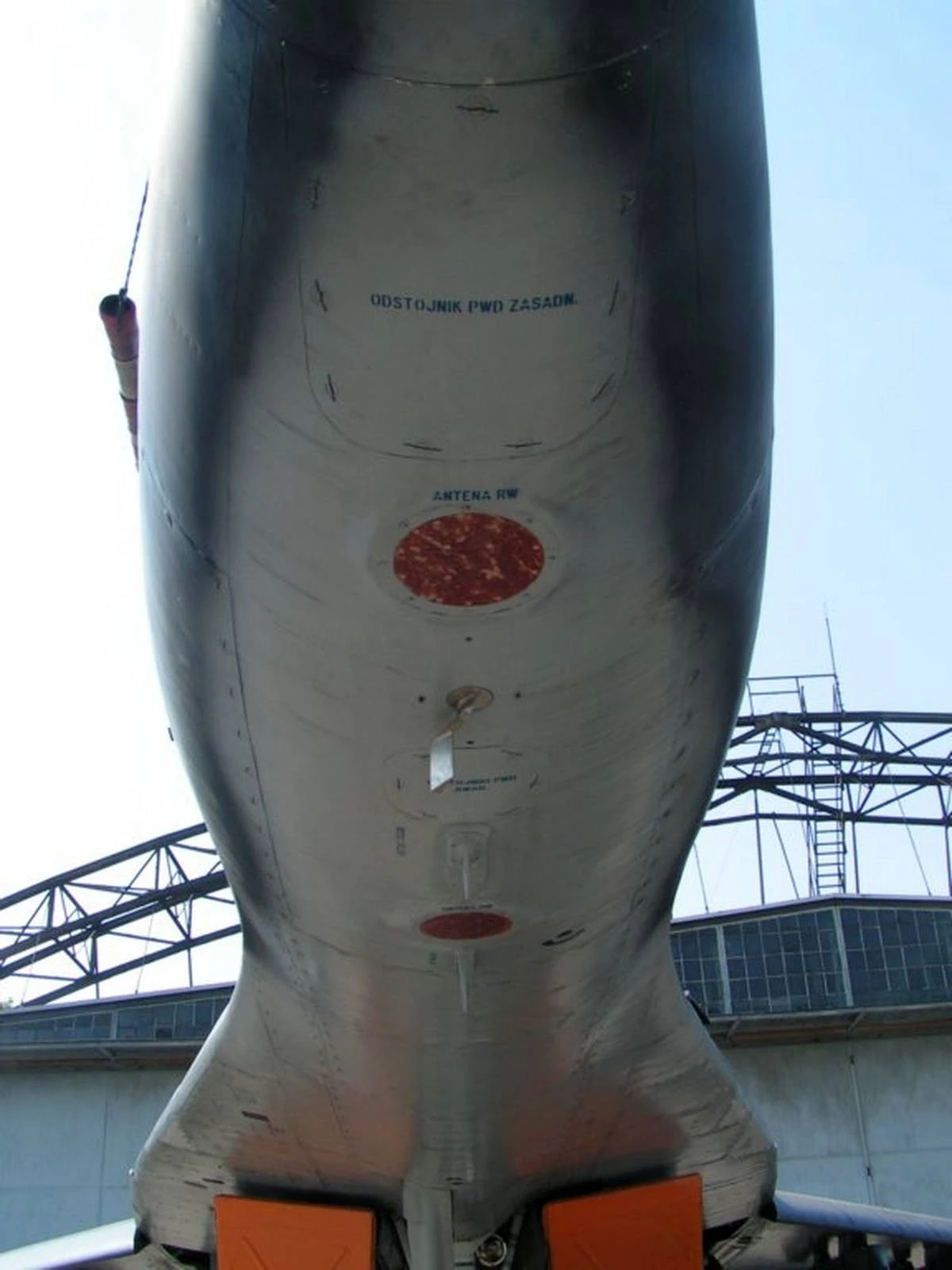
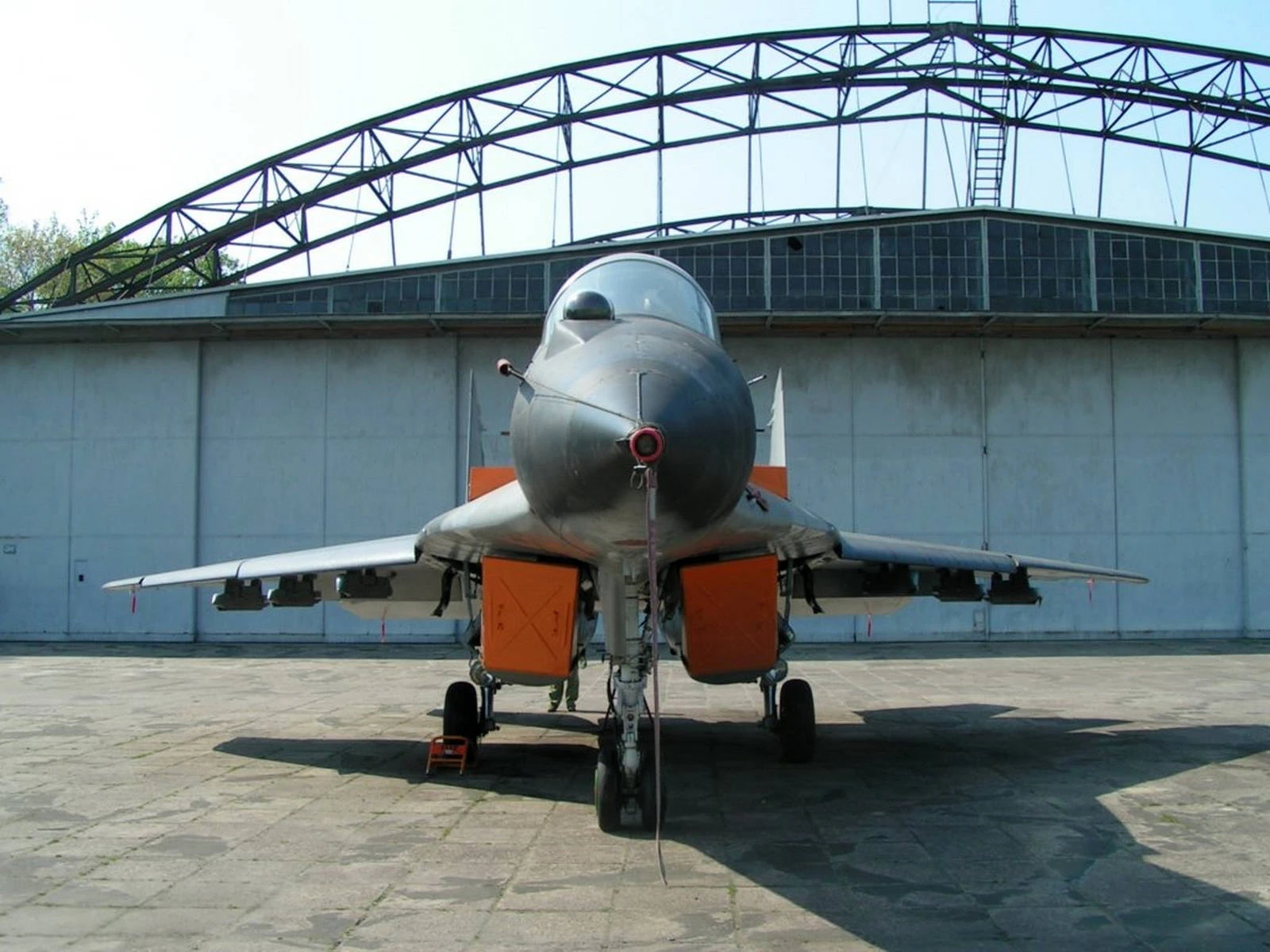
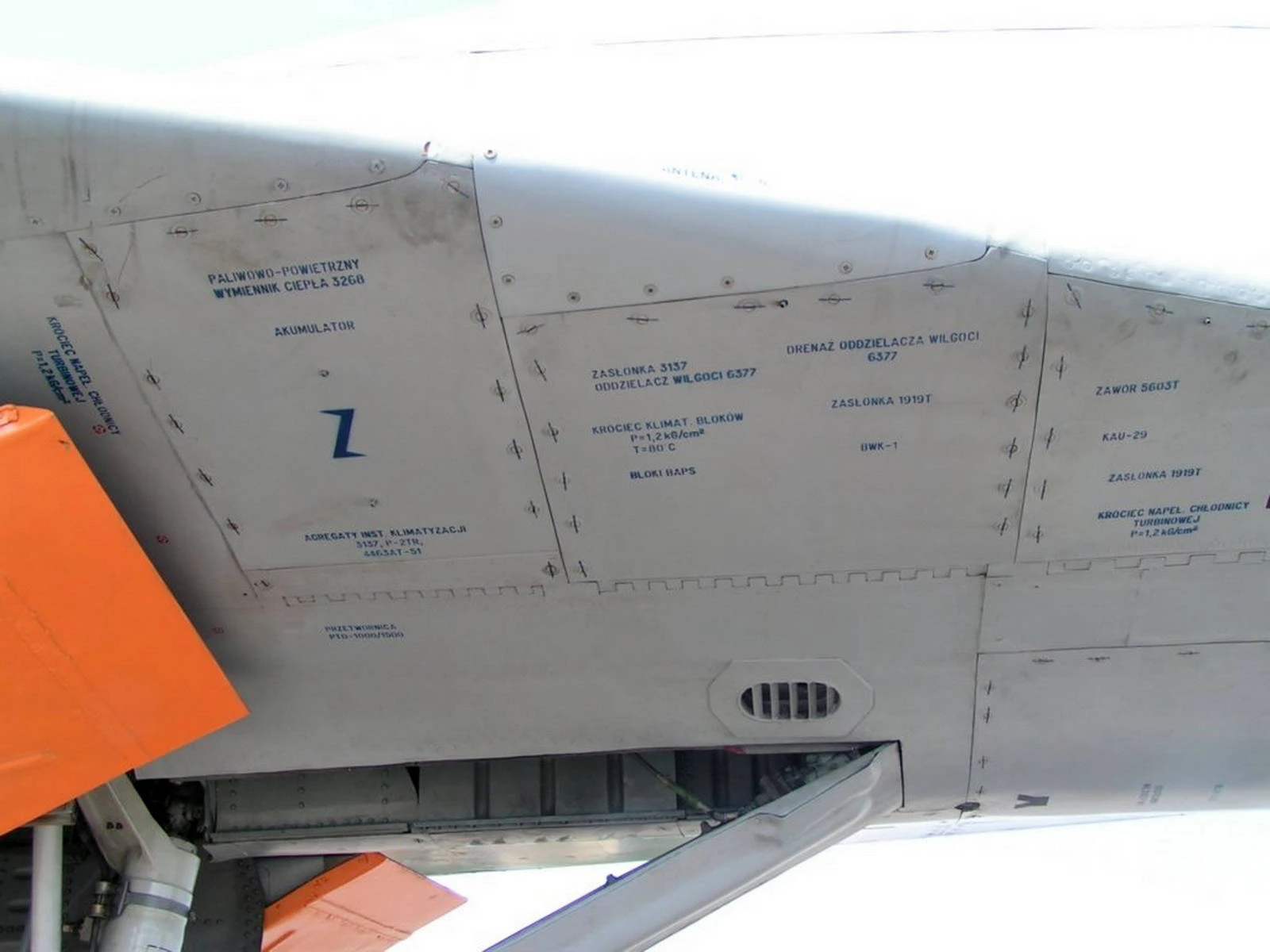
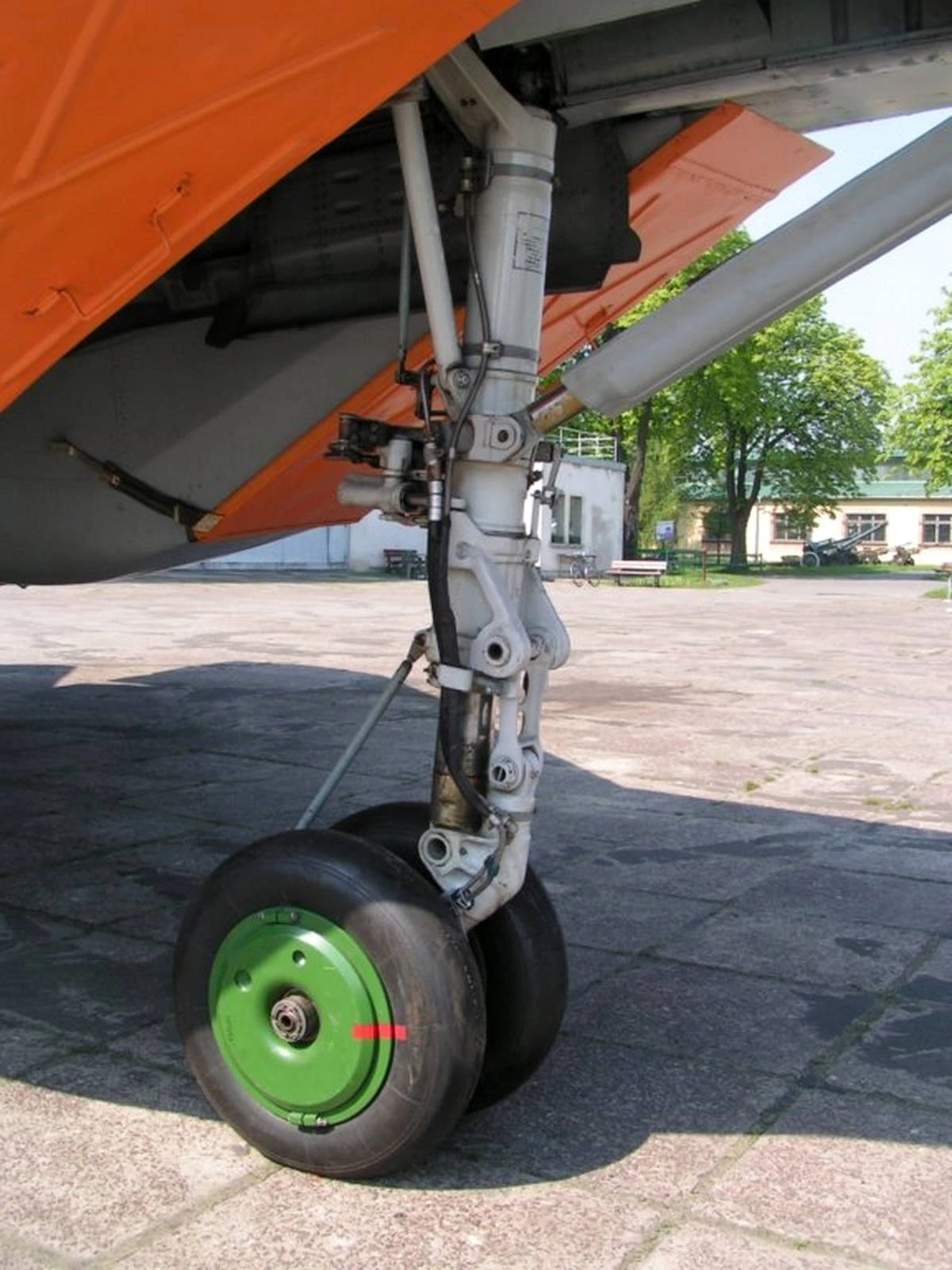

| MiG-29UB Fulcrum Rundgang | |
|---|---|
| Fotograf | Anton Pawlow |
| Lokalisierung | Unbekannter |
| Fotos | 29 |
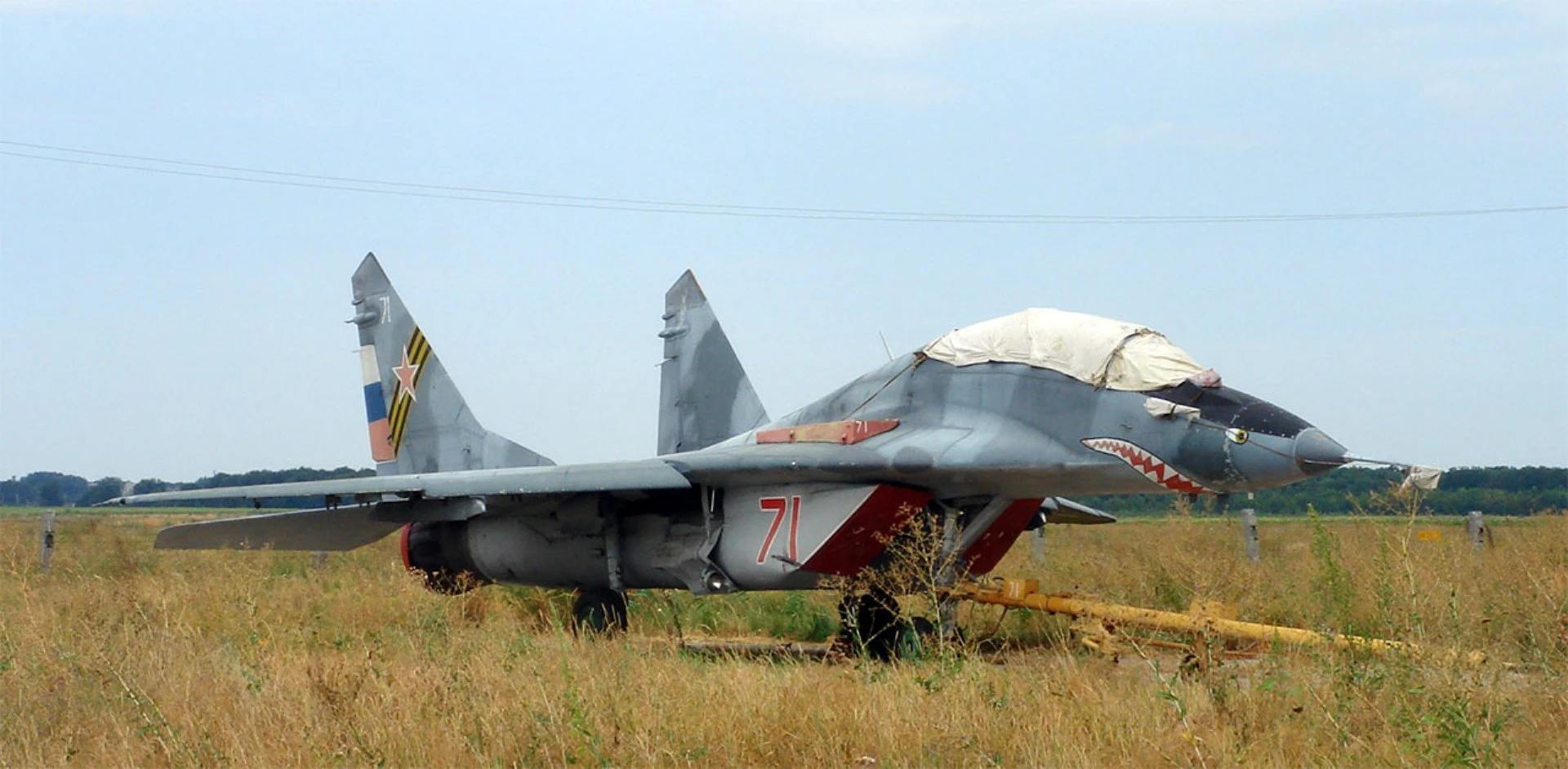
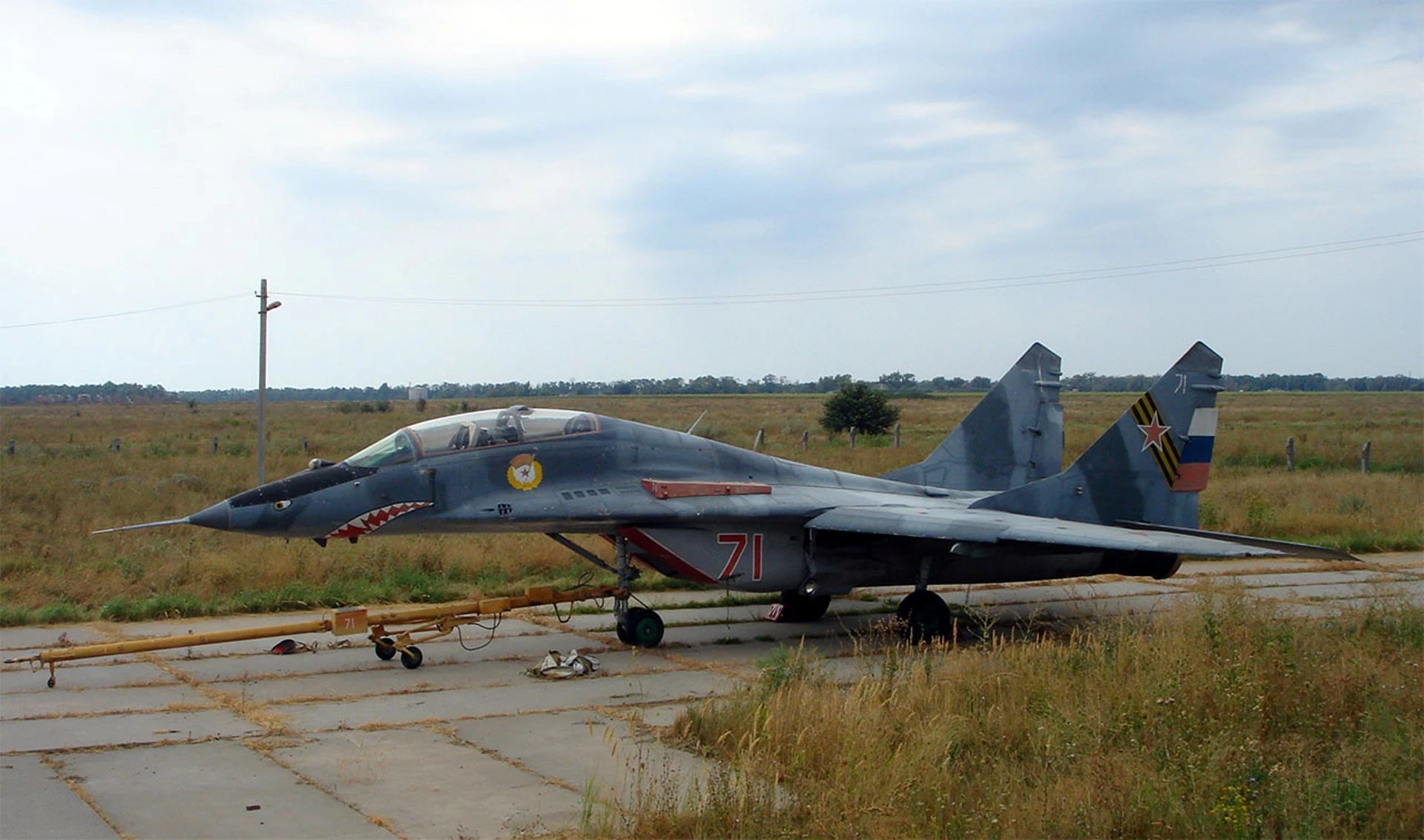
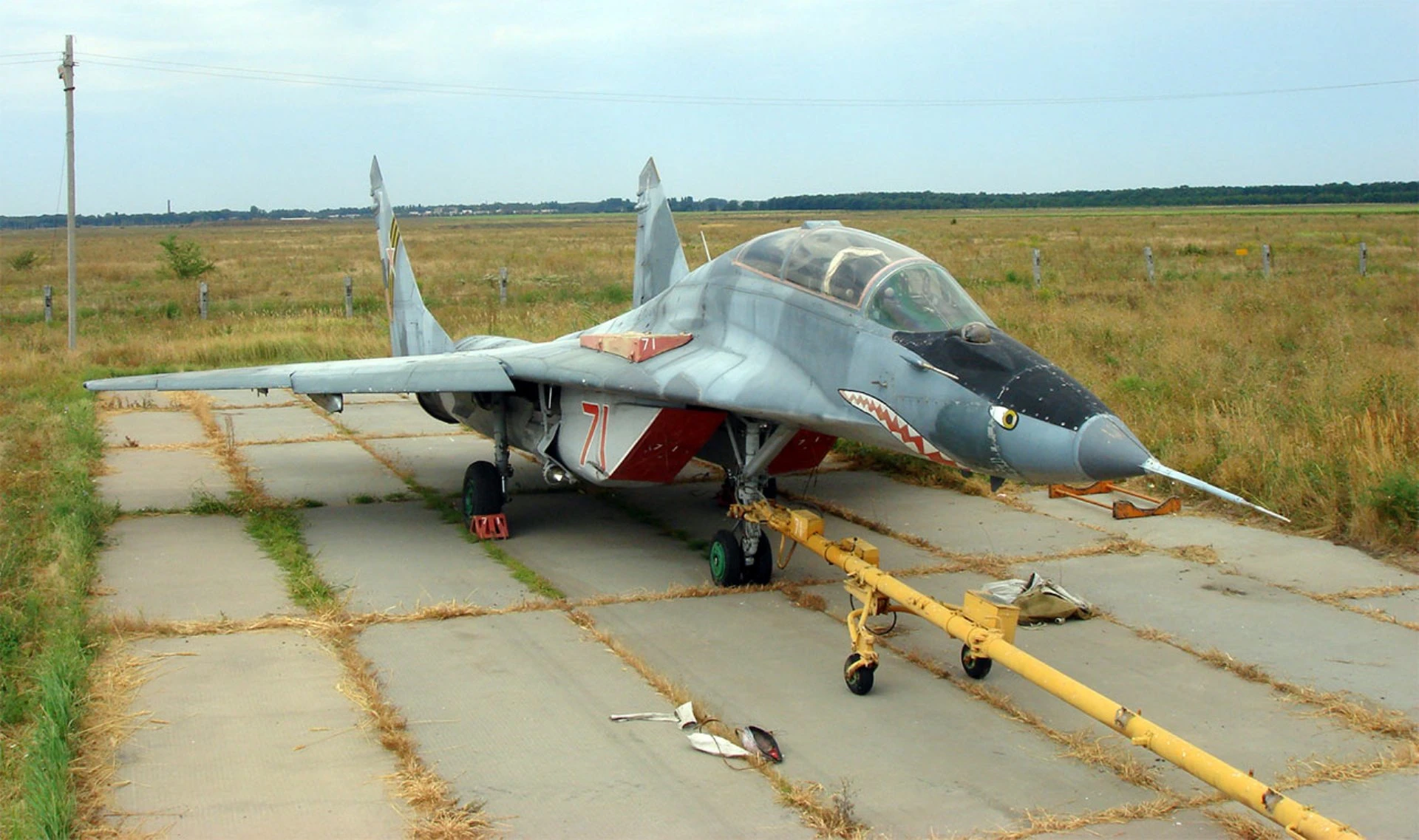
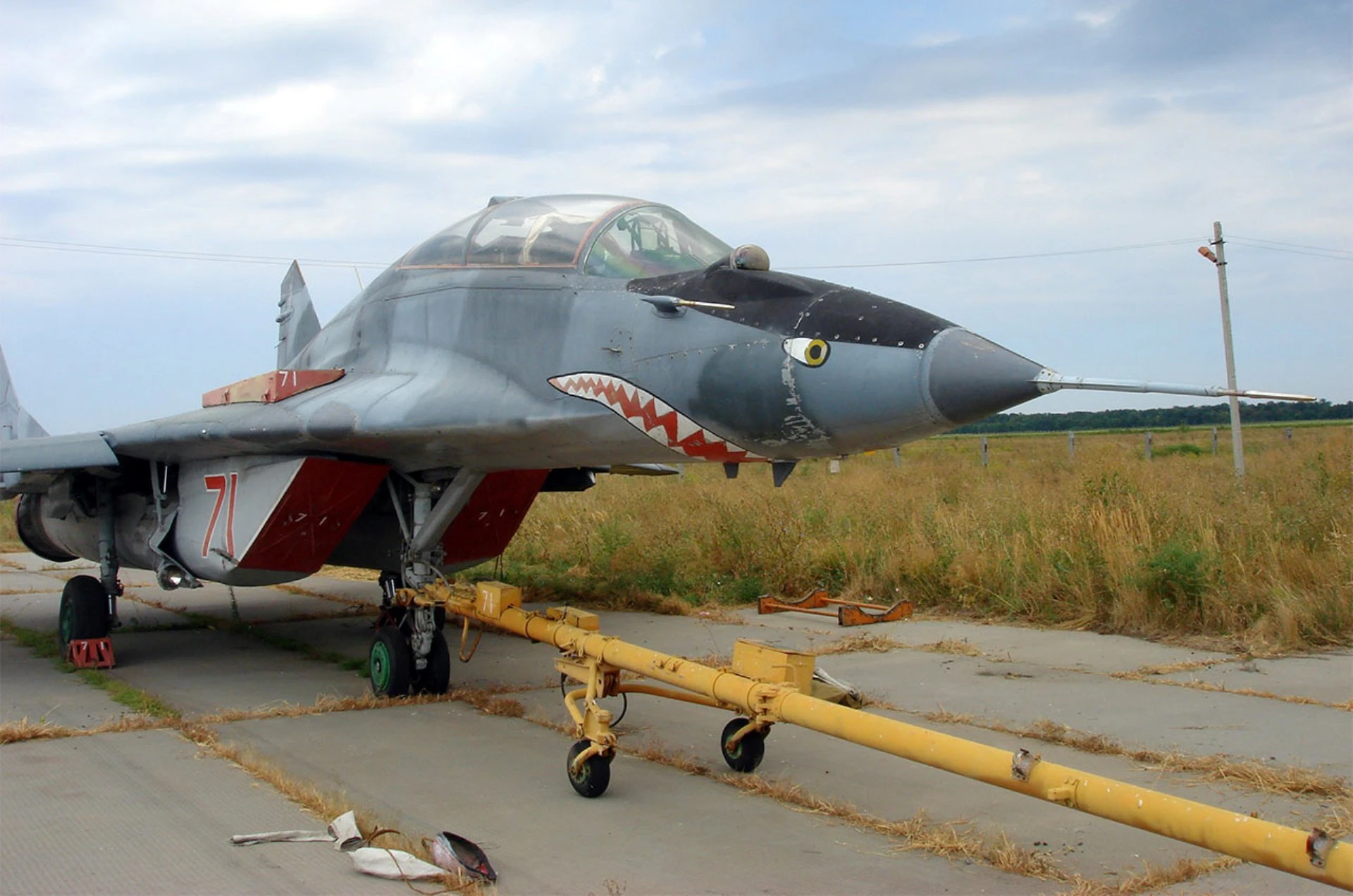
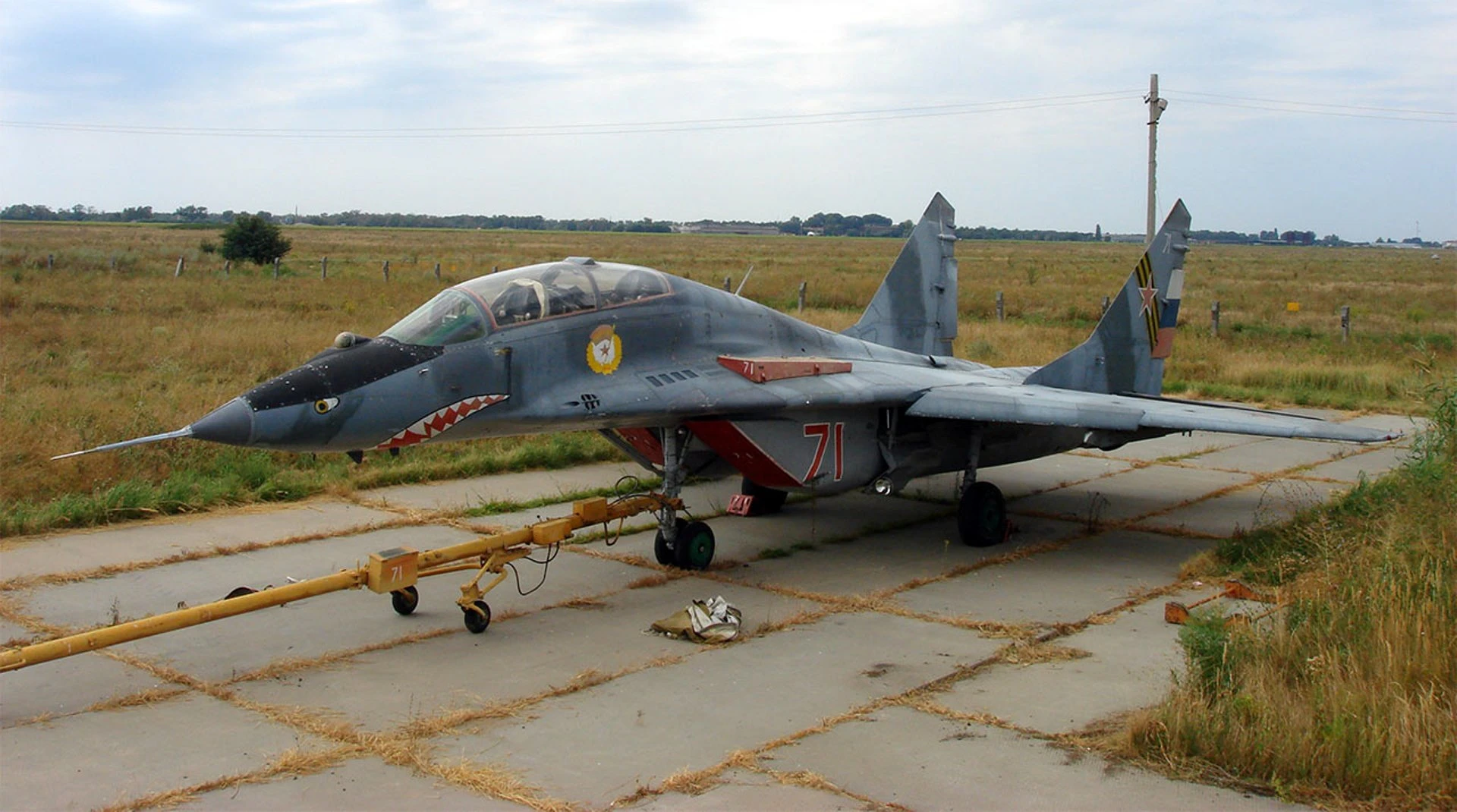
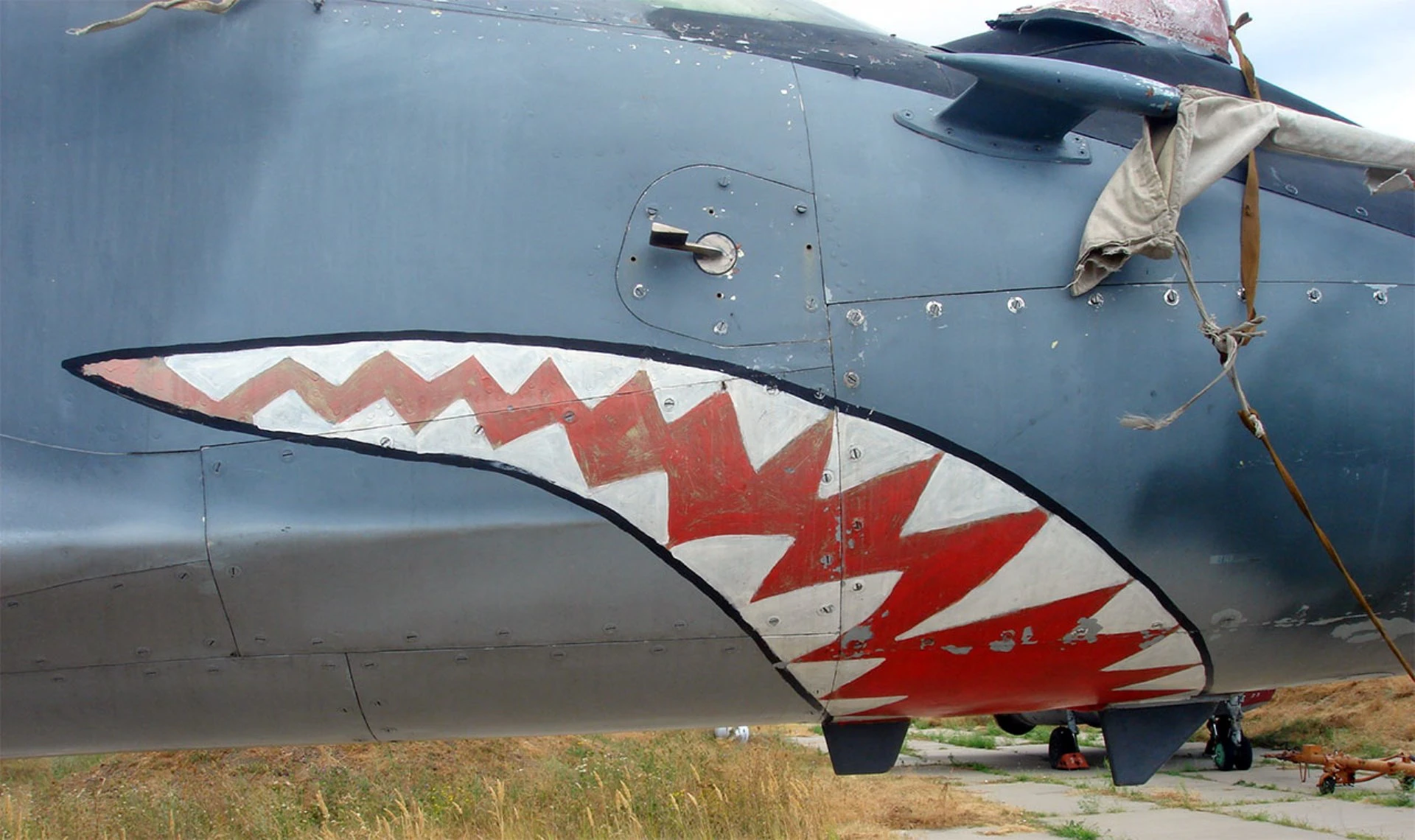
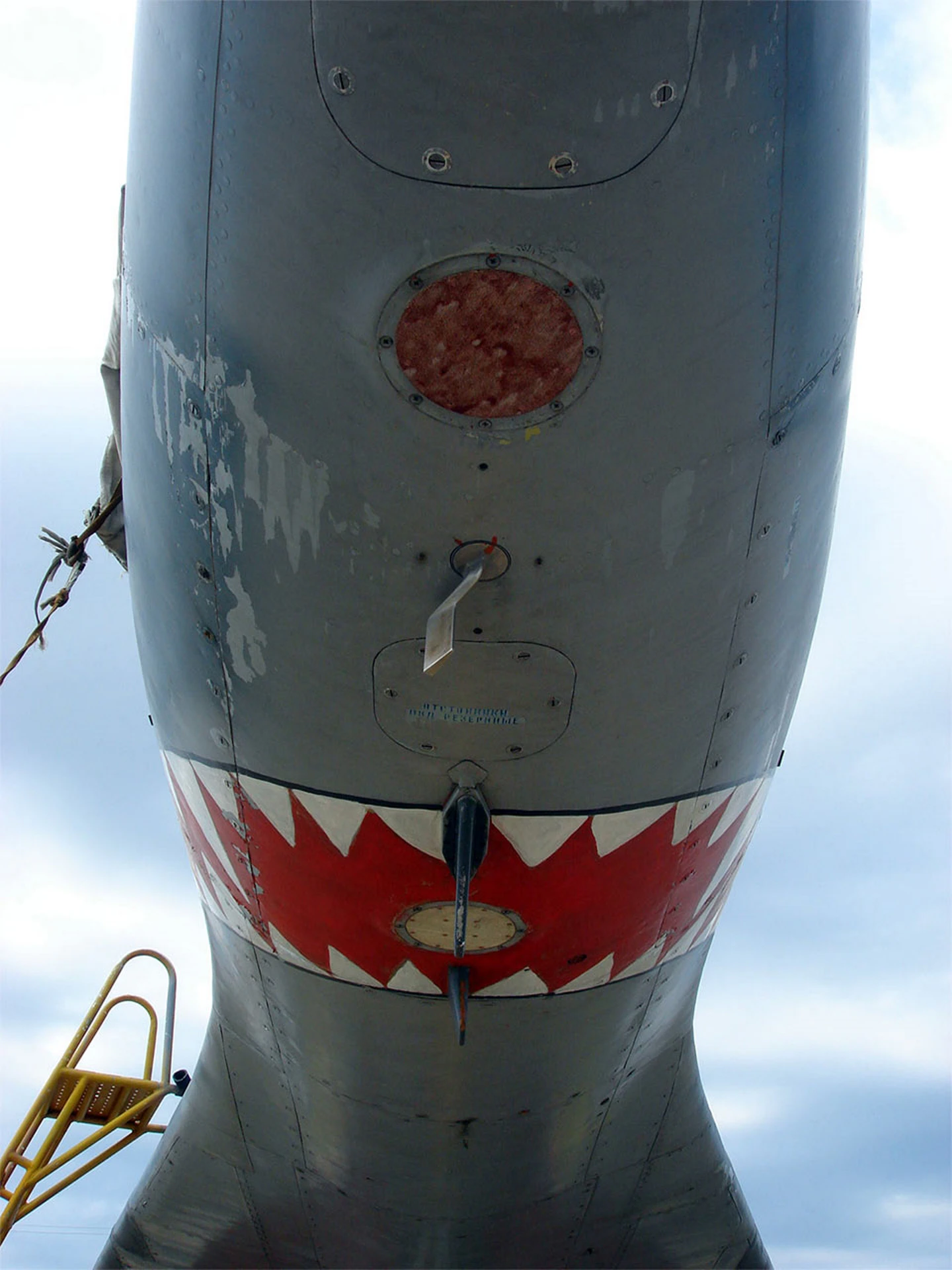
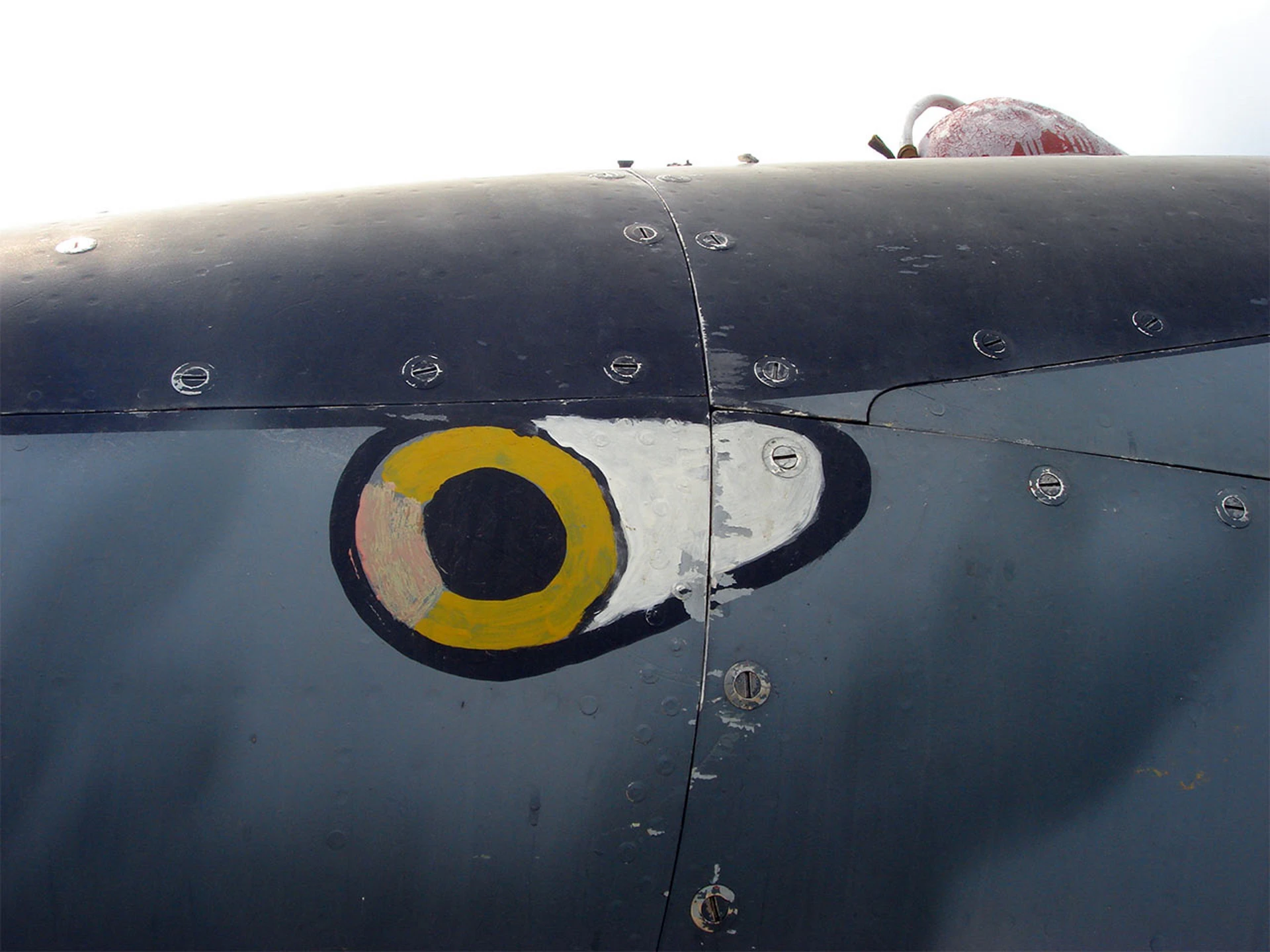
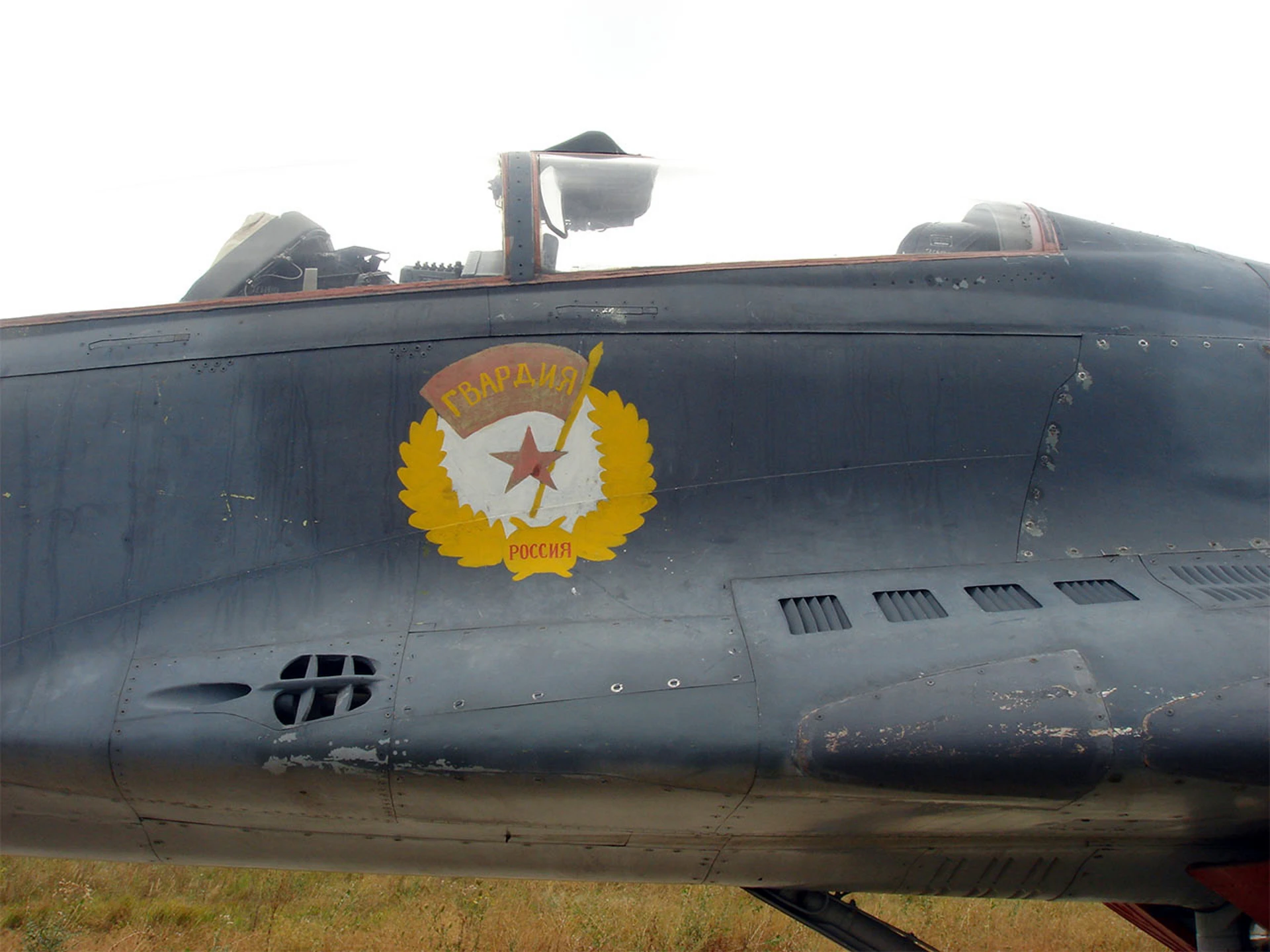
| MiG-29SMT Fulcrum Walk Around | |
|---|---|
| Fotograf | Dmitri Alexandrowitsch Dyakow, Andrej Zintschuk, Alexej Fedorow |
| Lokalisierung | Unbekannter |
| Fotos | 223 |
| Mikoyan MiG-29 Fulcrum Walk Around | |
|---|---|
| Fotograf | Burhand Donke |
| Lokalisierung | Unbekannter |
| Fotos | 47 |
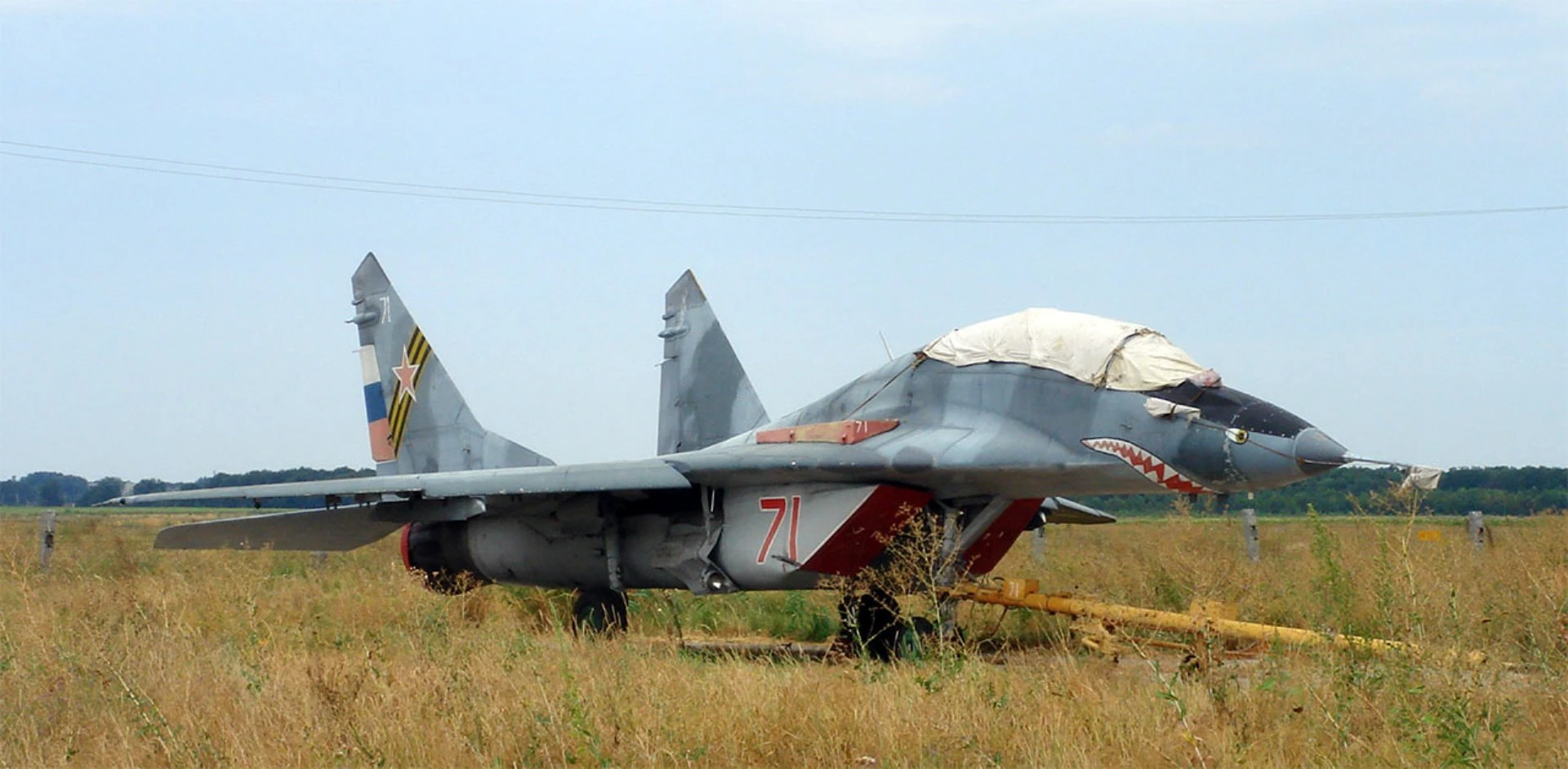
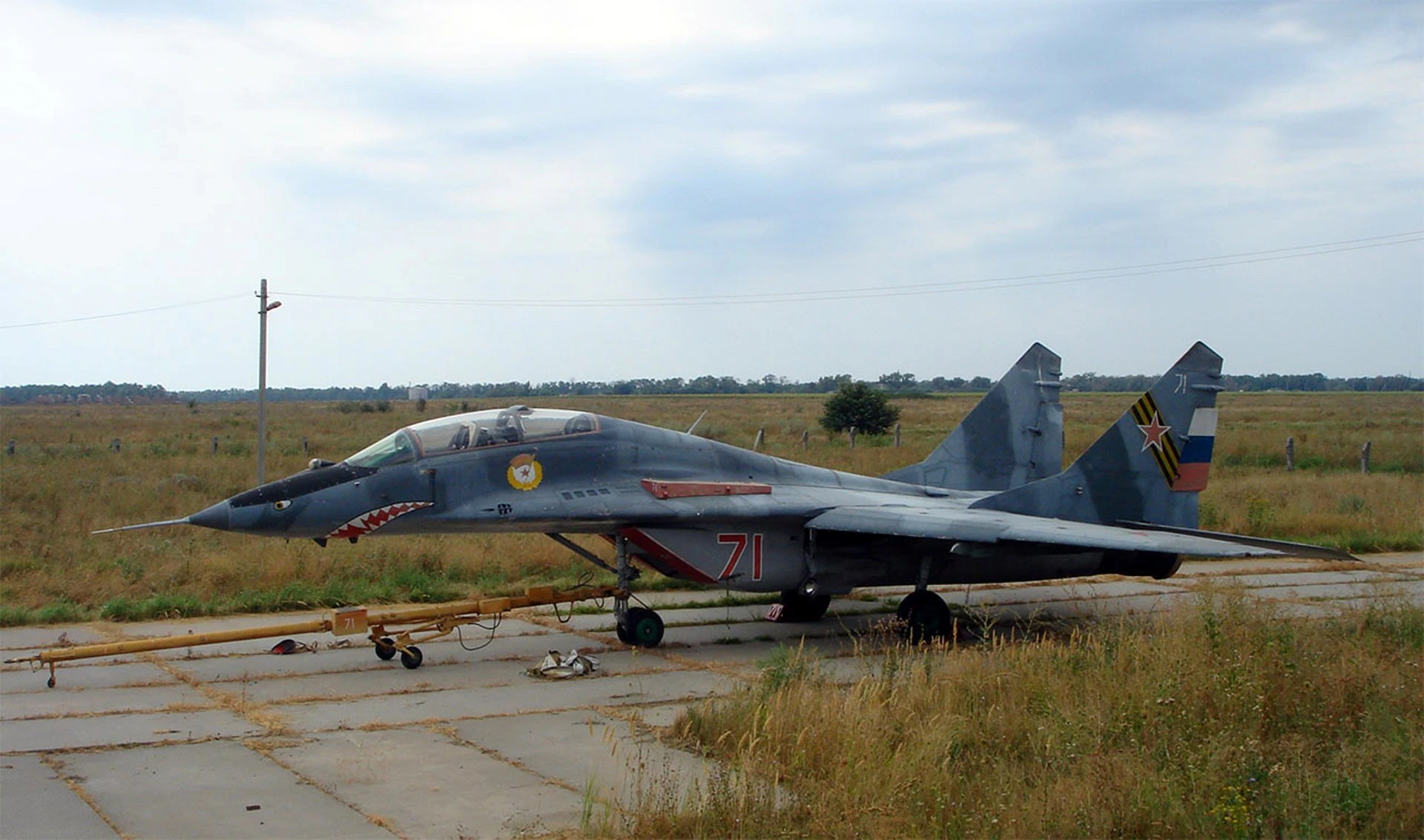
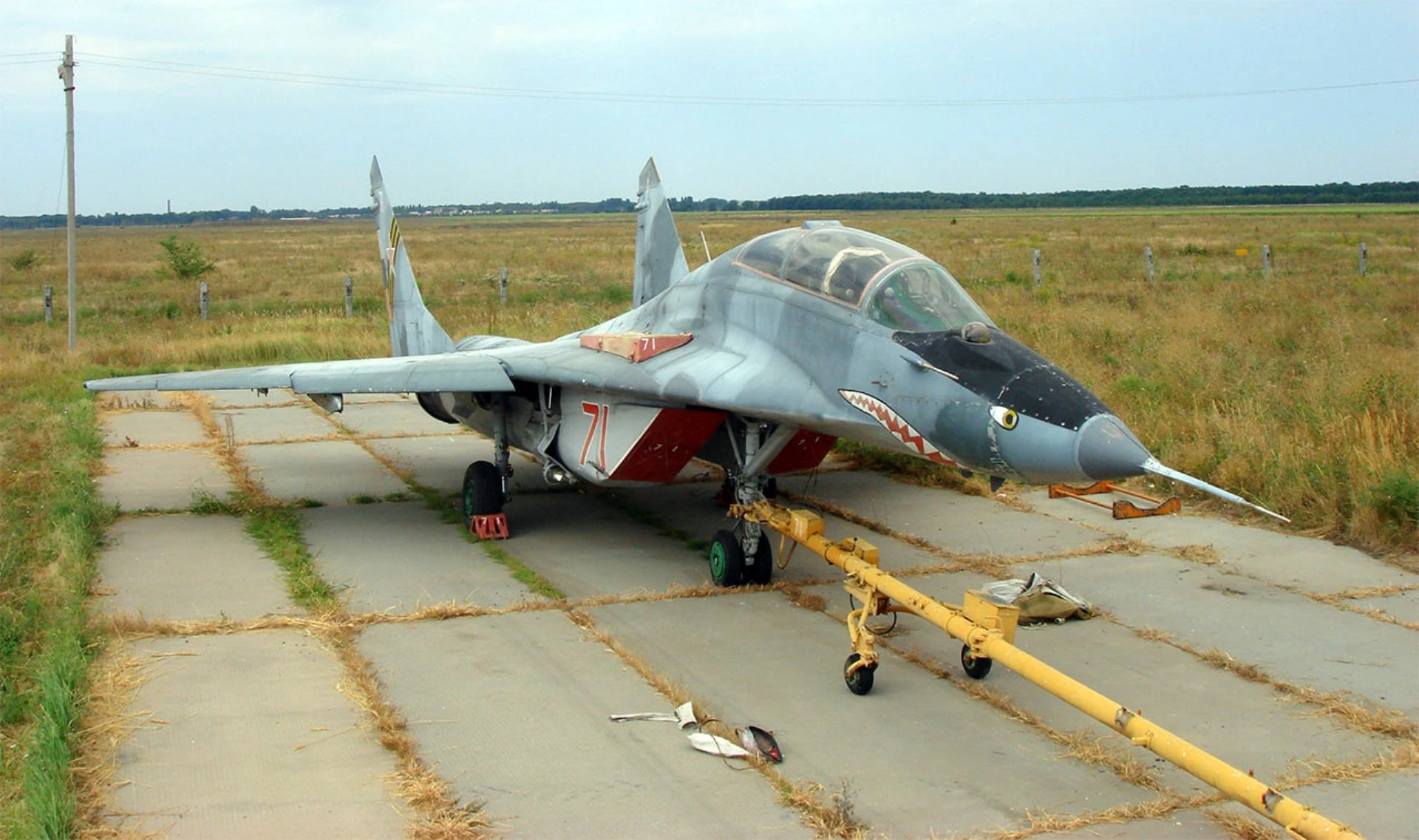
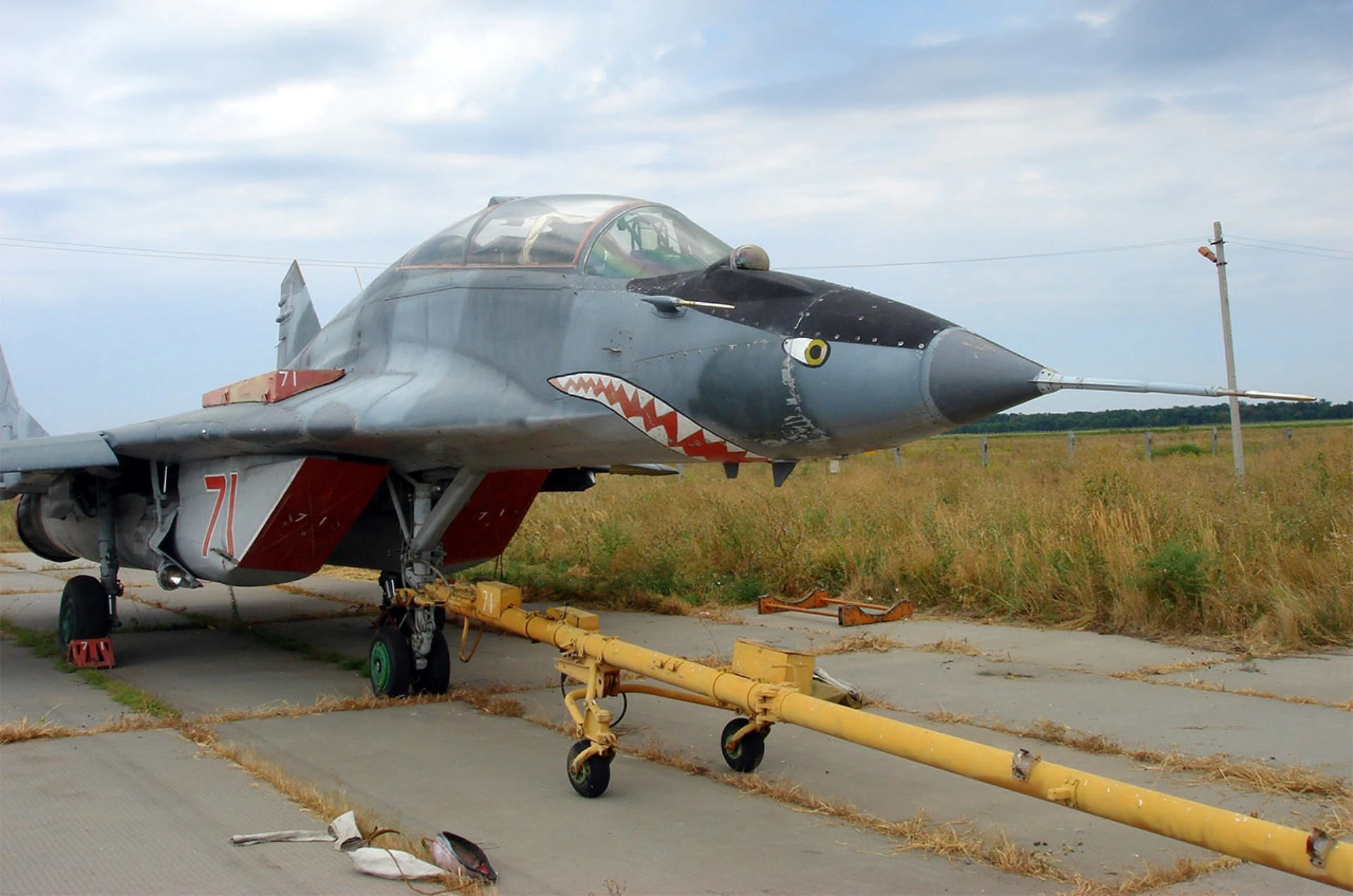
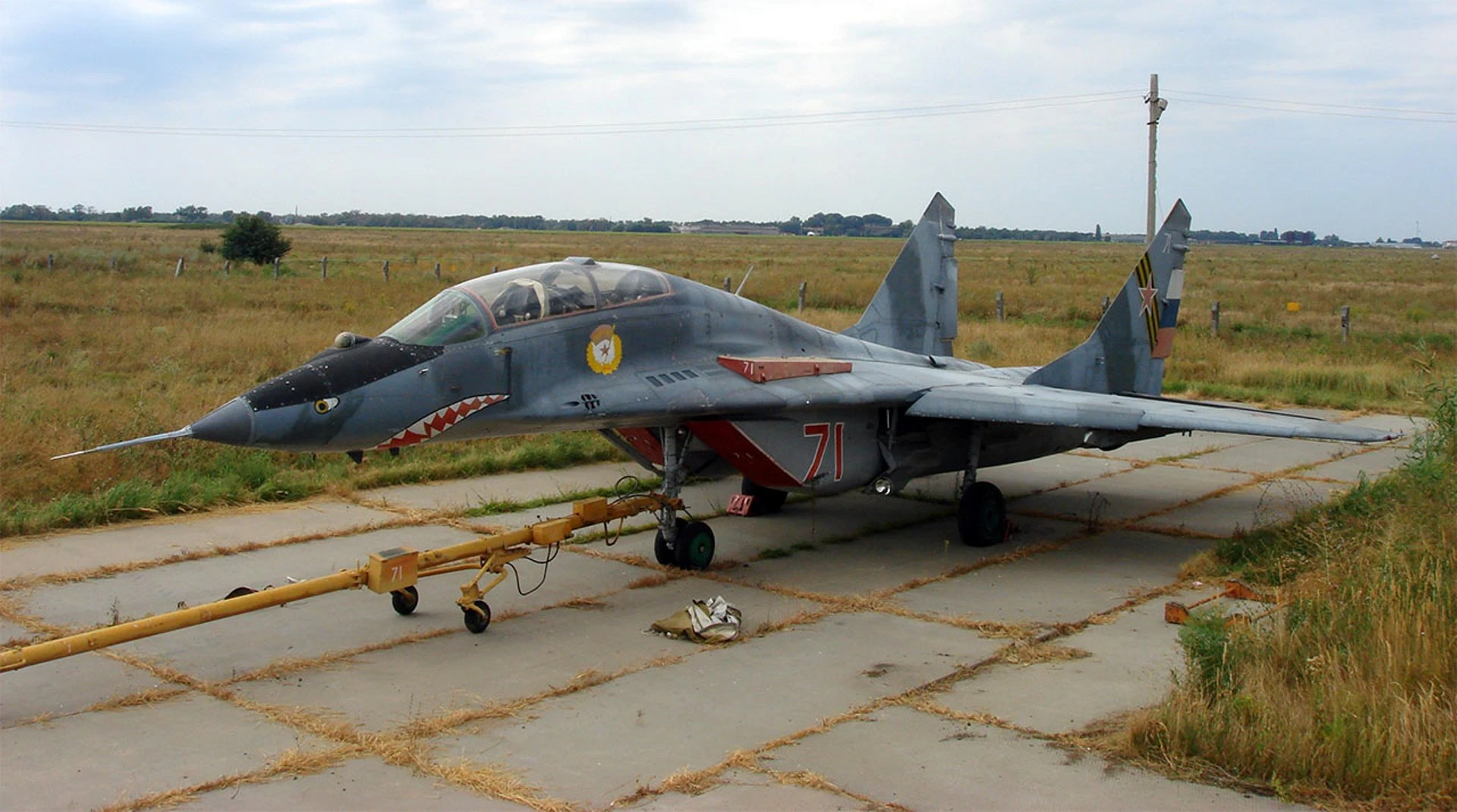
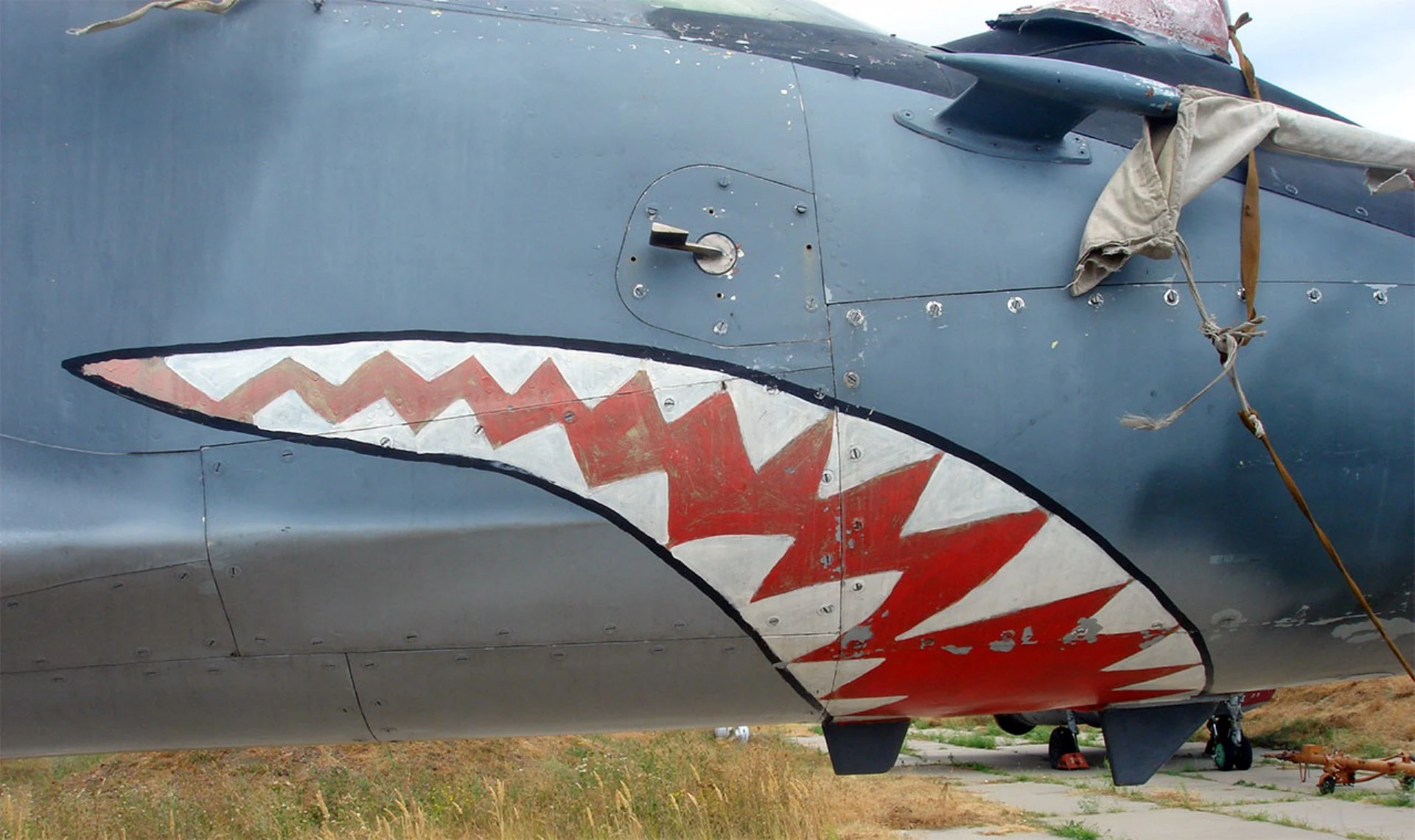
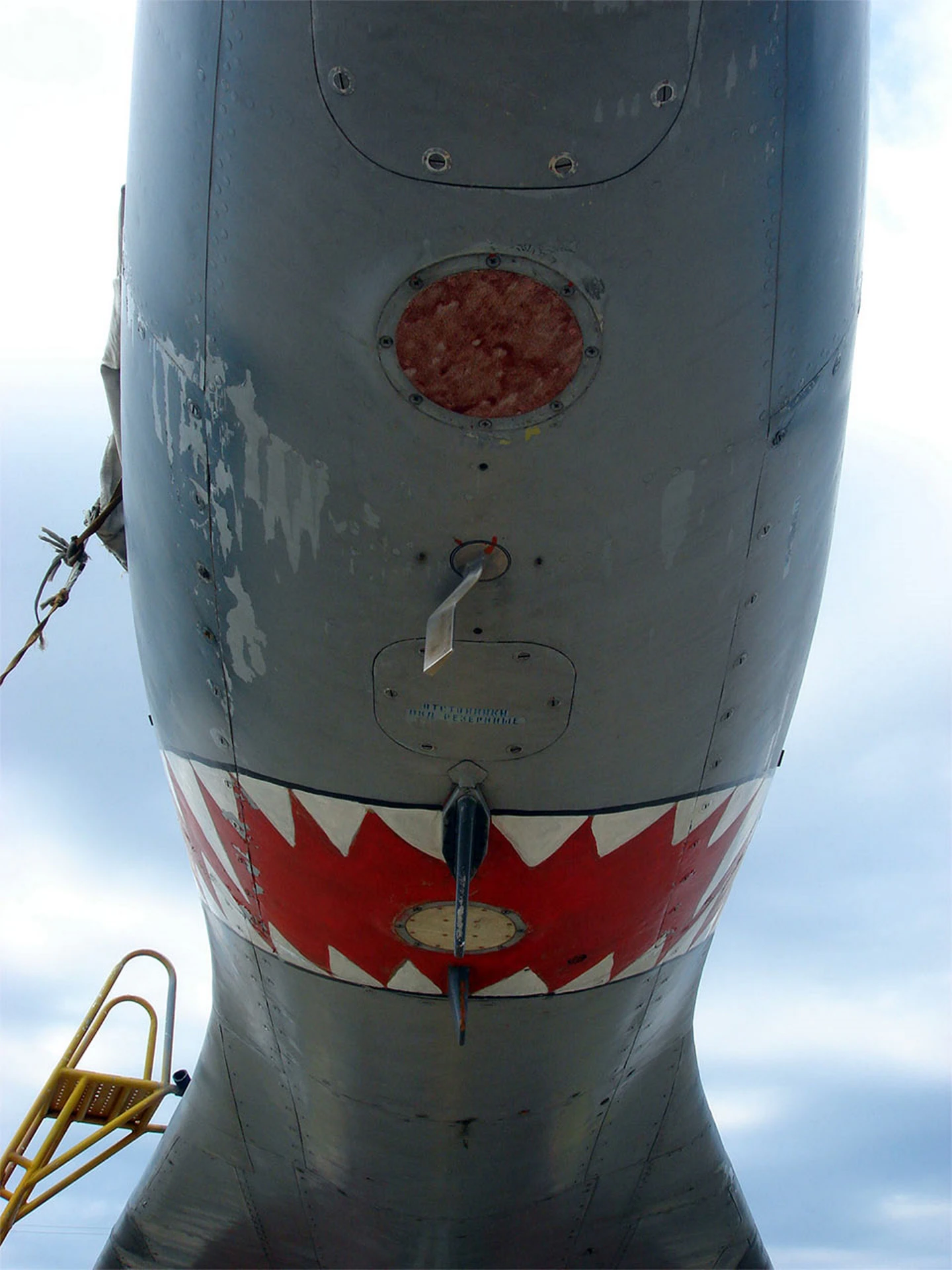
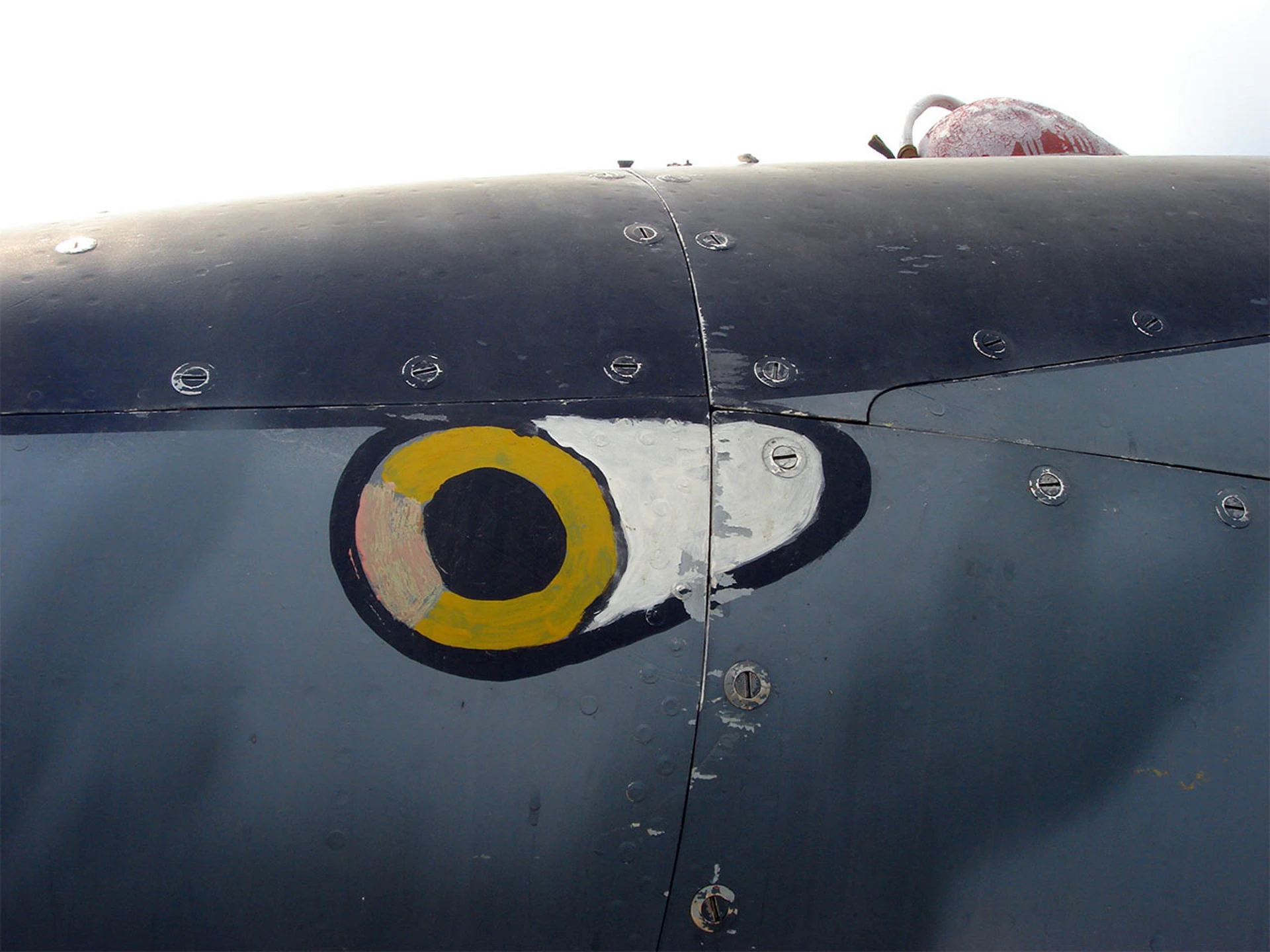
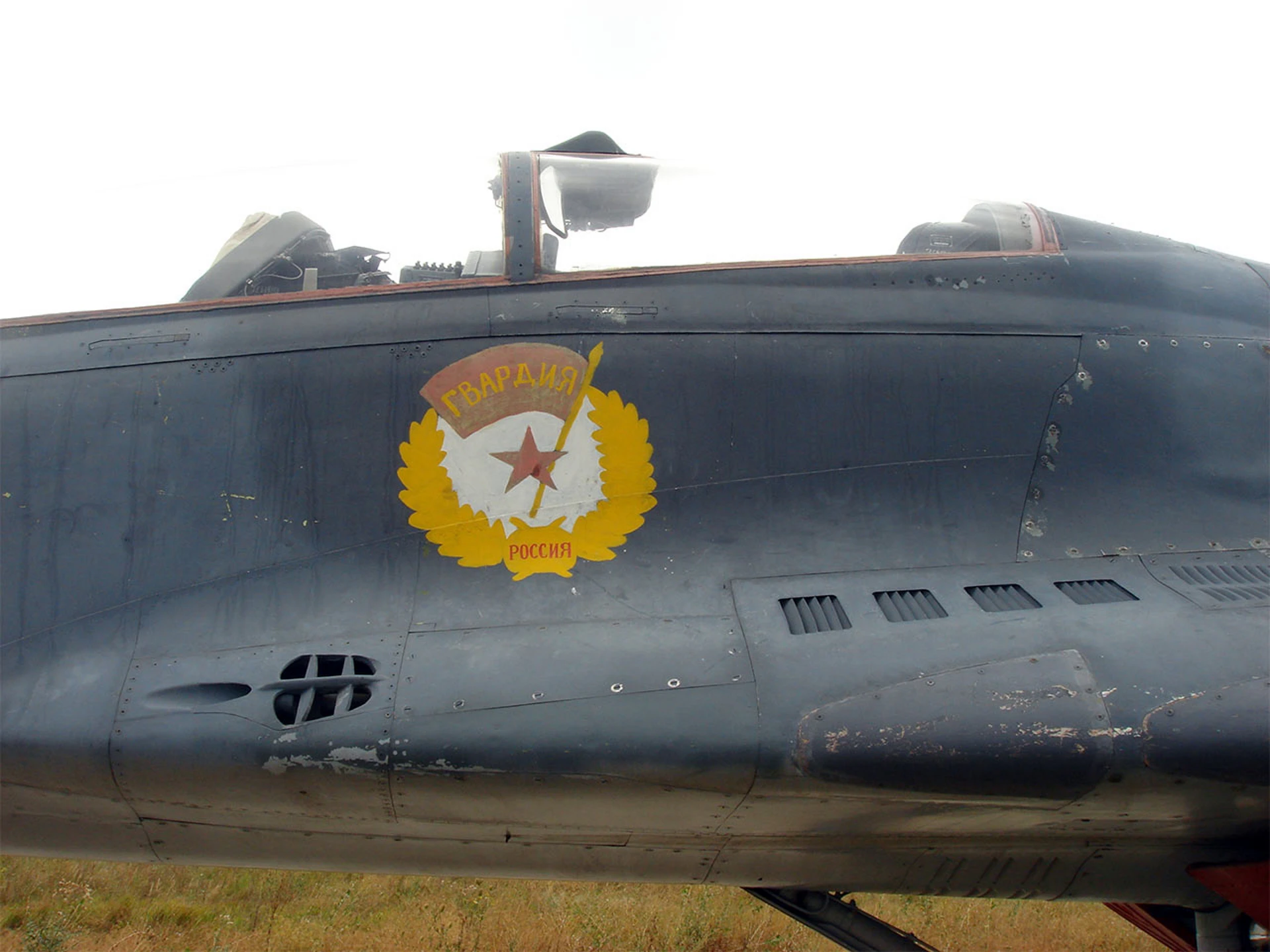
Siehe auch:


The “Frontline” Counter-Punch
das MiG-29 was the Soviet Union’s answer to the American F-16 and F-15. Developed under the “LFI” (Light Frontline Fighter) program, it was designed to operate from rugged, unpaved runways close to the front lines. While its larger brother, the Su-27, handled long-range sweeps, the MiG-29 was the designated “Point Defender.” It shocked Western observers with its incredible thrust-to-weight ratio and a revolutionary helmet-mounted sight that allowed pilots to shoot at targets simply by looking at them—long before NATO mastered the same tech.
| Attribute | Technical Specification (MiG-29 9.12 / Fulcrum-A) |
|---|---|
| Rolle | Air Superiority / Frontline Fighter |
| Crew | 1 (Pilot) |
| Motoren | 2 × Klimov RD-33 afterburning turbofans (18,300 lbf each) |
| Höchstgeschwindigkeit | Mach 2.25 (2,400 km/h) at altitude |
| Service Ceiling | 18,013 meters (59,100 feet) |
| Hauptbewaffnung | 1 × 30 mm GSh-30-1 autocannon (150 rounds) |
| Missiles | R-73 (AA-11 Archer), R-27R (AA-10 Alamo), R-60 (AA-8 Aphid) |
| Max G-Load | +9 g |
Design Engineering: The “Look-to-Shoot” Advantage
- Helmet-Mounted Sight (HMS): The MiG-29 was the first fighter to deploy the Shchel-3UM helmet sight. In a dogfight, a MiG pilot didn’t need to point the whole plane at an enemy; they just looked at the target, and the R-73 missile’s seeker head would “lock on” to whatever the pilot saw.
- Foreign Object Debris (FOD) Protection: Since it was meant for rough airfields, the MiG-29 has a unique feature: during takeoff and landing, the main air intakes close entirely, and the engines suck air through “louvers” on top of the wing roots. This prevents stones or ice from being sucked into the engines.
- IRST (Infrared Search and Track): Located just in front of the cockpit, the OEPS-29 sensor allows the MiG-29 to hunt enemies without turning on its radar. It “sees” the heat from enemy engines, allowing the MiG to sneak up and fire heat-seeking missiles silently.
- The K-36 Ejection Seat: Widely considered the best ejection seat in the world, the Zvezda K-36 has saved numerous pilots at “zero-zero” (zero altitude, zero speed) and even during spectacular crashes at international airshows.
Operational History: The Export King
- The German Surprise: After the reunification of Germany, the Luftwaffe inherited East German MiG-29s. In mock dogfights, Western pilots were stunned to find the “outdated” MiGs consistently defeated F-16s and F-15s in close-range turning fights.
- The Pacific and Beyond: India has been one of the largest operators, even developing a carrier-based version, the MiG-29K. It remains a staple in air forces from North Korea to Peru.
- Modern Conflicts: The MiG-29 has seen extensive combat in the Gulf War, the Yugoslav Wars, and most recently in the defense of Ukraine, where its ability to operate from dispersed, damaged runways has been a critical asset.
- “The Hump”: Later variants like the 9.13 (Fulcrum-C) feature a distinctive “hump” behind the cockpit. This was added to house more fuel and internal electronic jamming equipment, addressing the early model’s short range.
Ansichten : 18816
Sie können auch sehen:
 Mikojan MiG-31 – Fotos & Videos
 Zlin XII – Fotos & Video
 Suchoi Su-7 – Fotos & Video
 Lockheed T-33 – Fotos & Video
 Fairey Fulmar Mk.I – Fotos & Video
 Caproni Ca.100 – Fotos & Video
 Fairchild PT-19A Cornell – Fotos & Video
 de Havilland DH.82 Tiger Moth – Fotos & Video
 Mikojan-Gurewitsch MiG-17 – WalkAround
 Mikojan MiG-29 – WalkAround
Belles Fotos