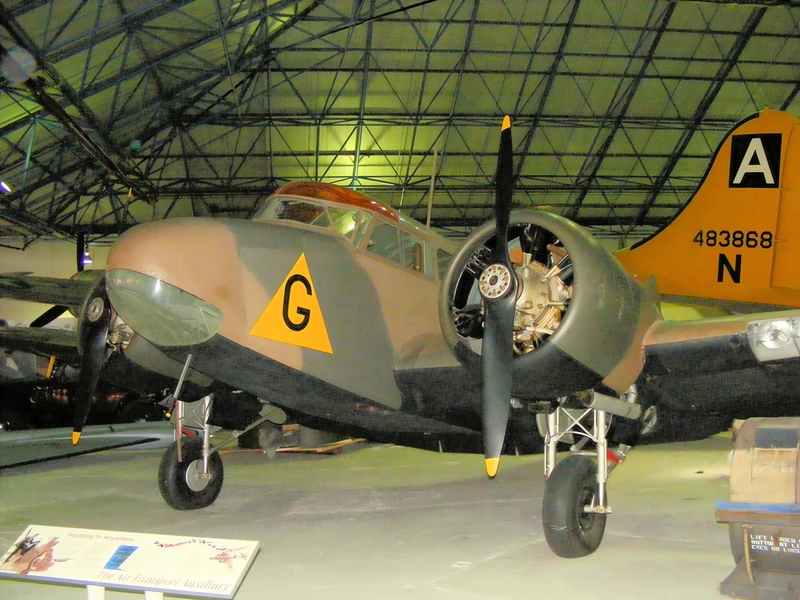
Airspeed Oxford | |
|---|---|
| Země | Uk |
| Roli | Výcviková letadla |
| První let | 19. června 1937 |
| Postaven | 8751 |
Tá Airspeed AS.10 Oxford byl dvoumotorový jednoplošníkový letoun vyvinutý a vyráběný společností Airspeed. Během druhé světové války se široce využívala pro výcvik britských posádek Commonwealthu v navigačních, radiotelekomunikačních, bombardování a střelbě.
Zdroj: Airspeed Oxford na Wikipedii
| Airspeed Oxford Walk Around | |
|---|---|
| Fotograf | Neznámé |
| Lokalizace | Neznámé |
| Fotografie | 12 |
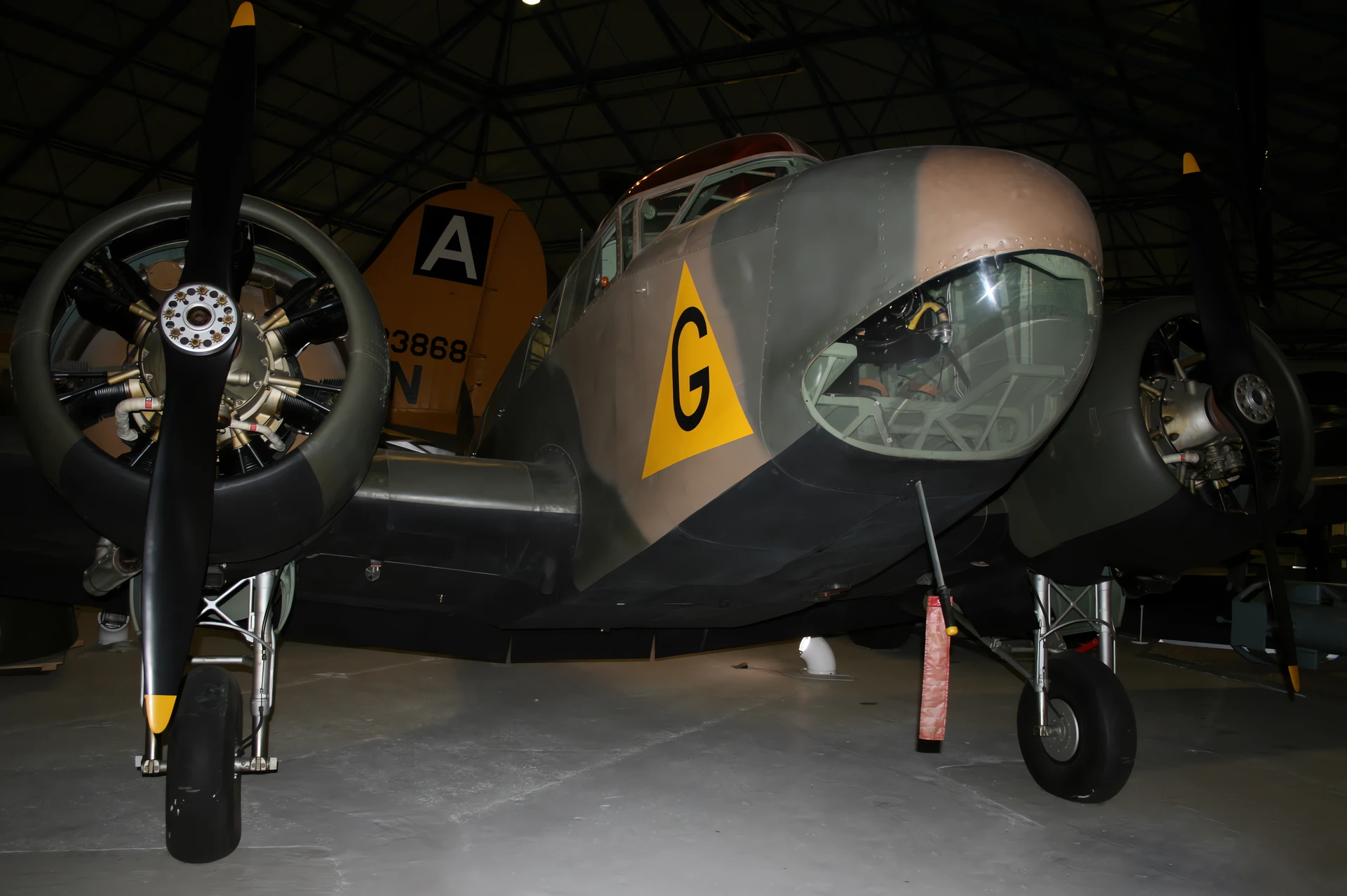
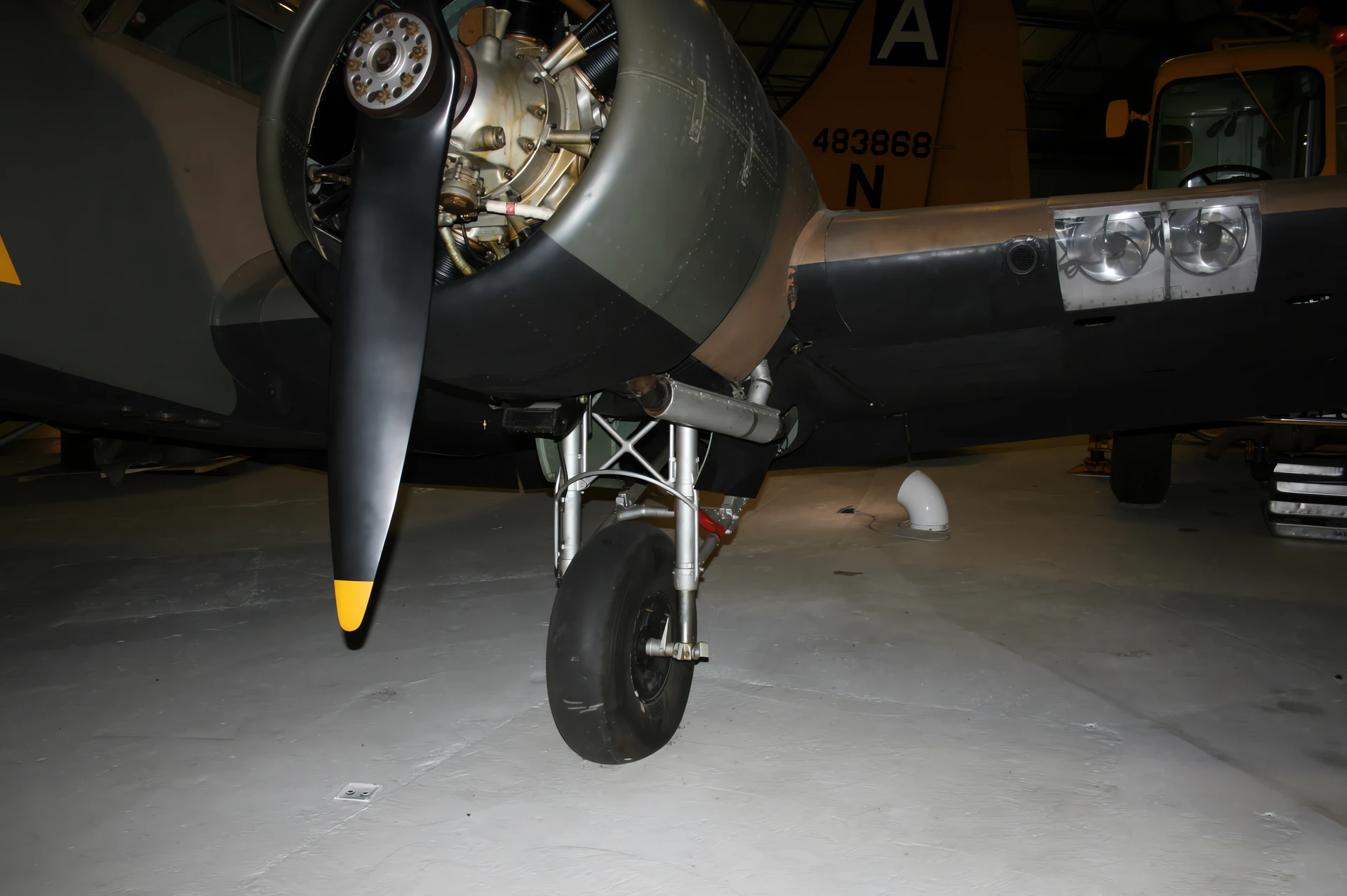
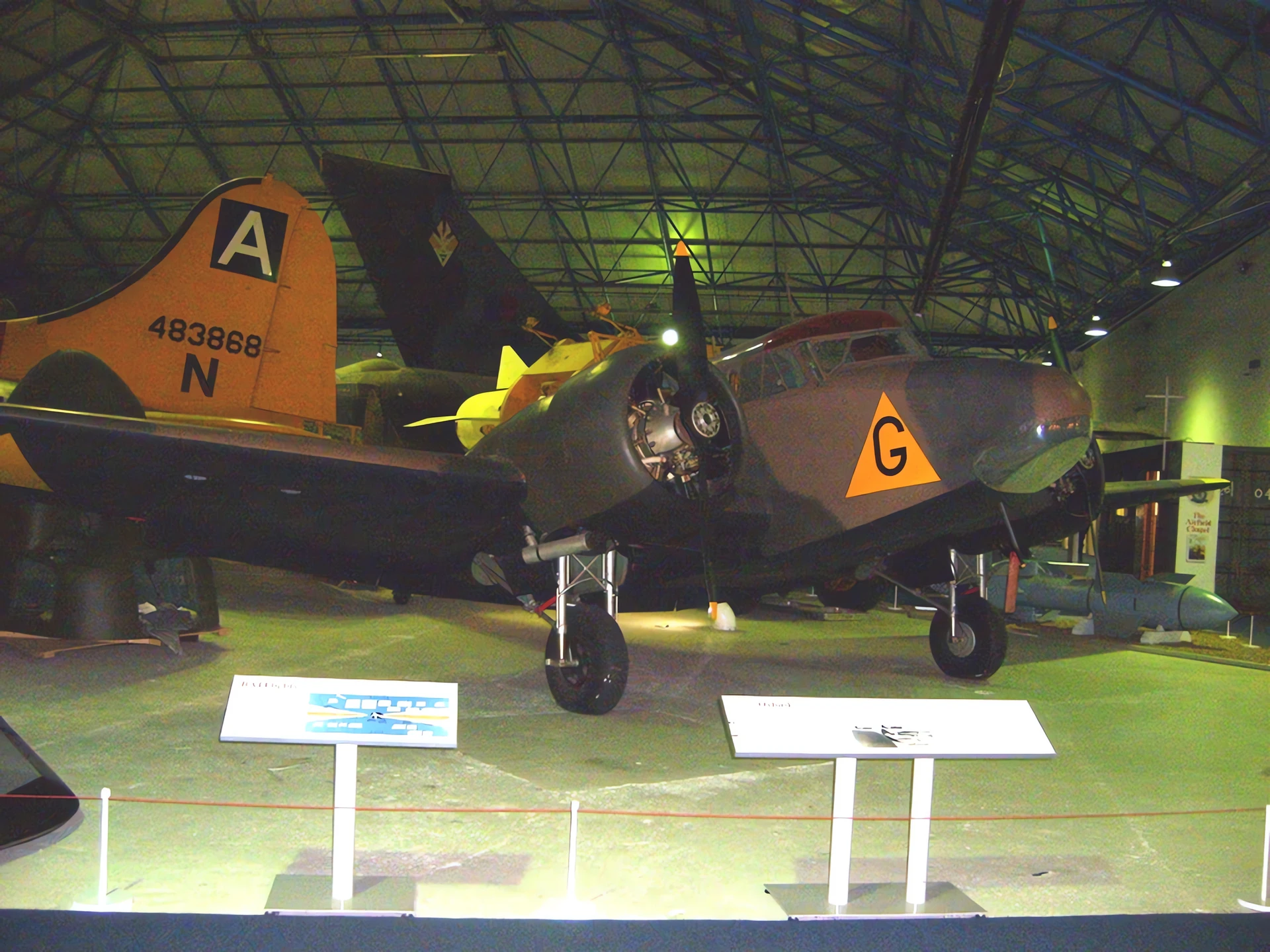
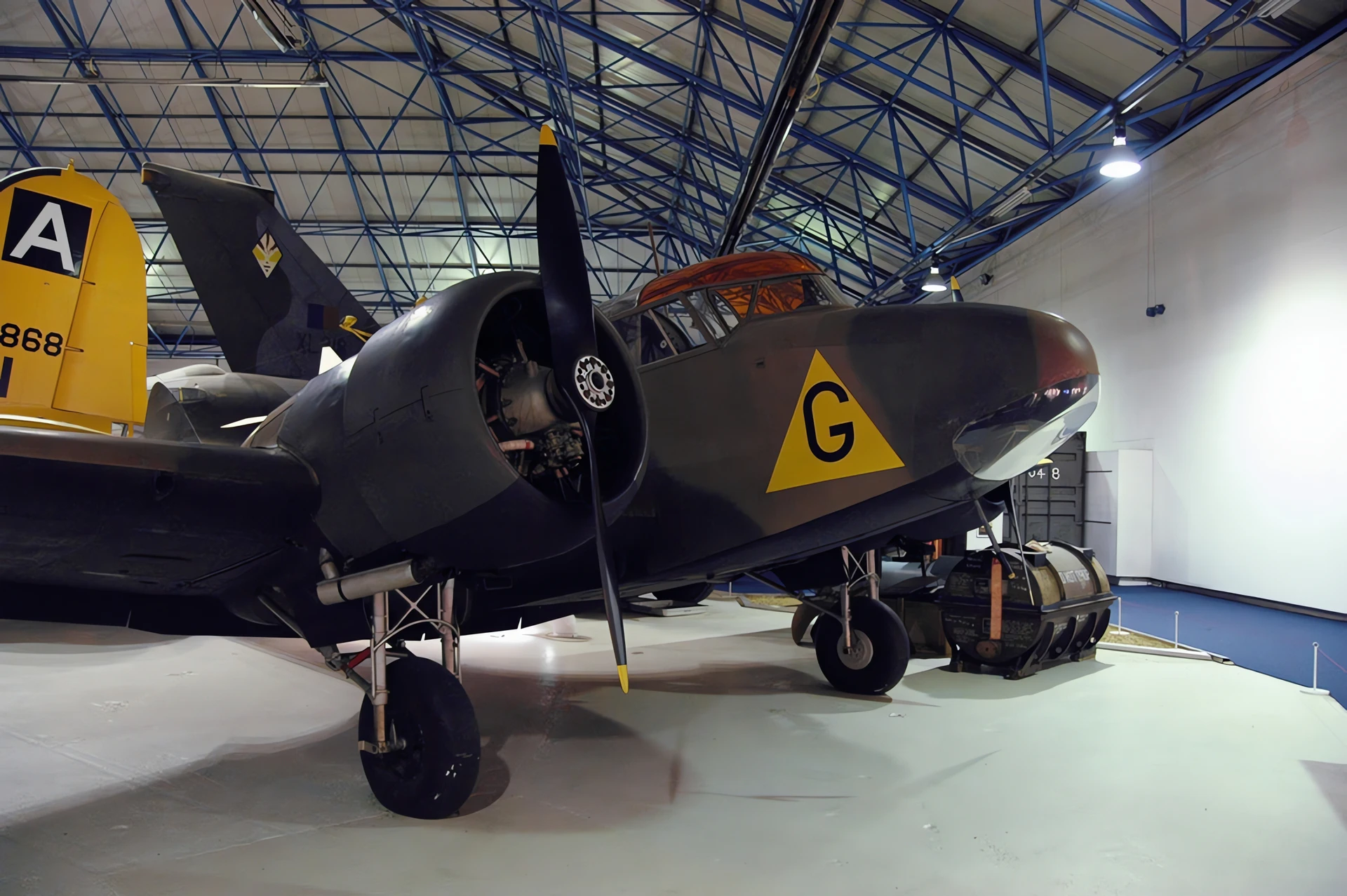
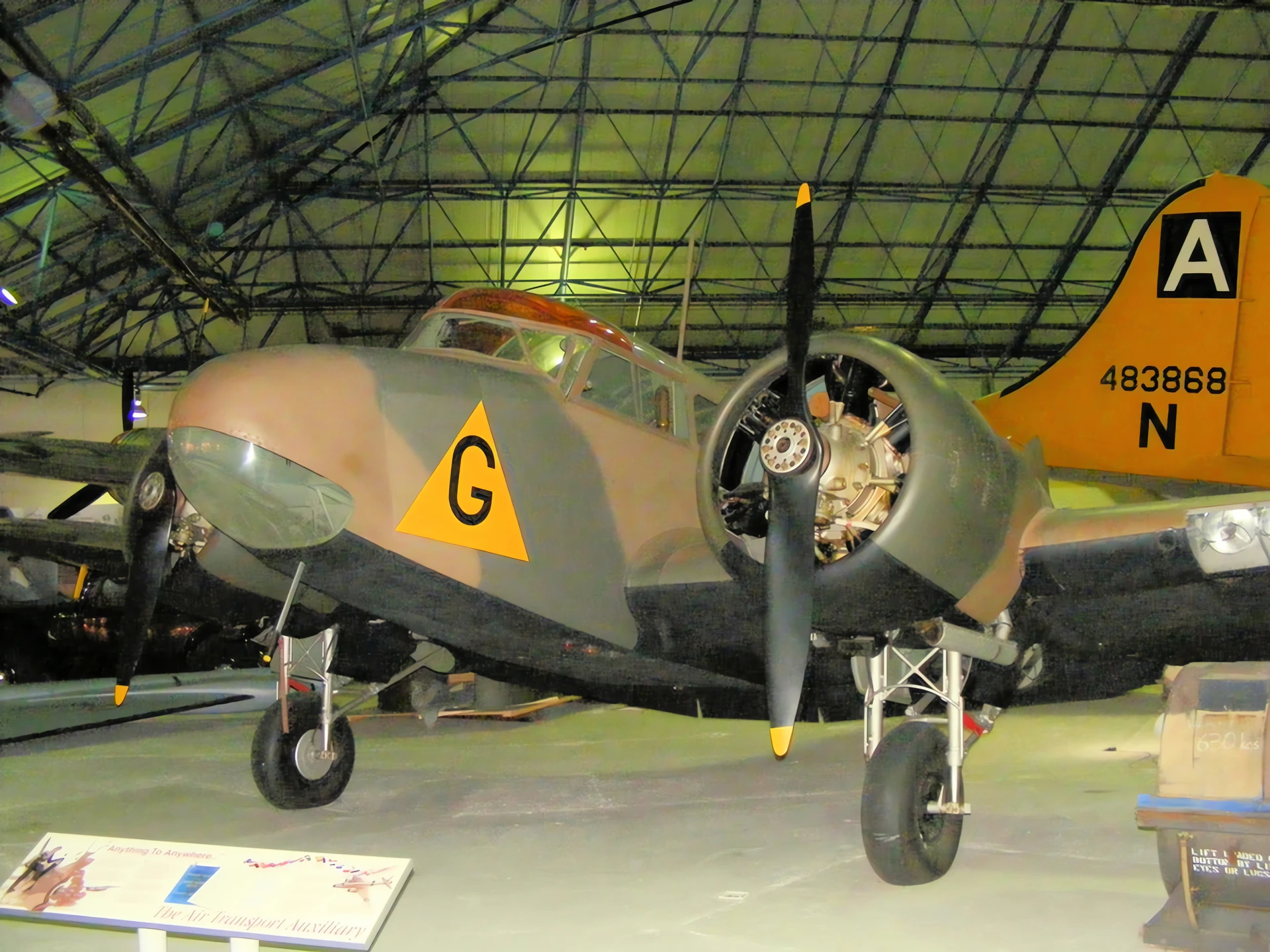
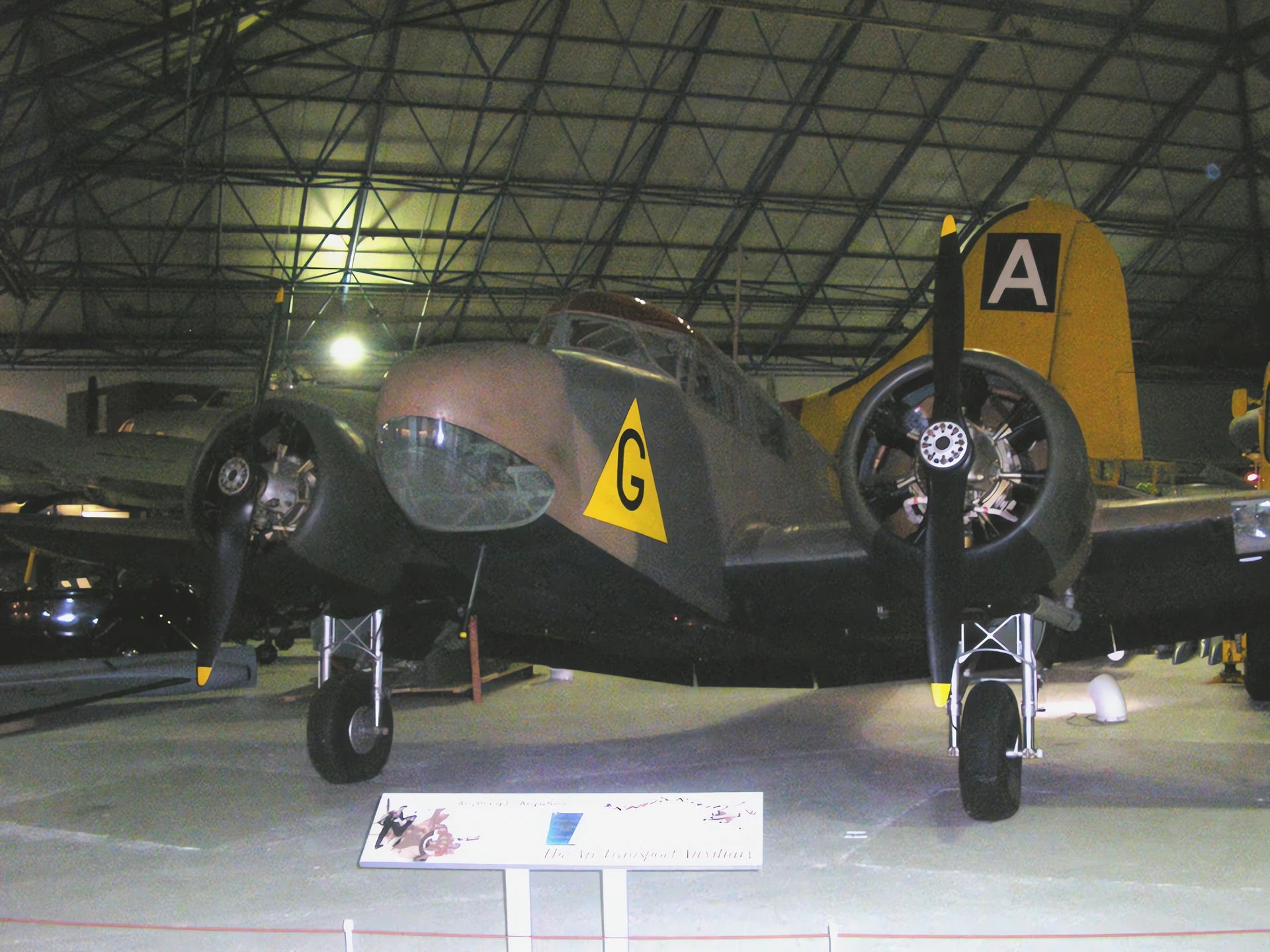
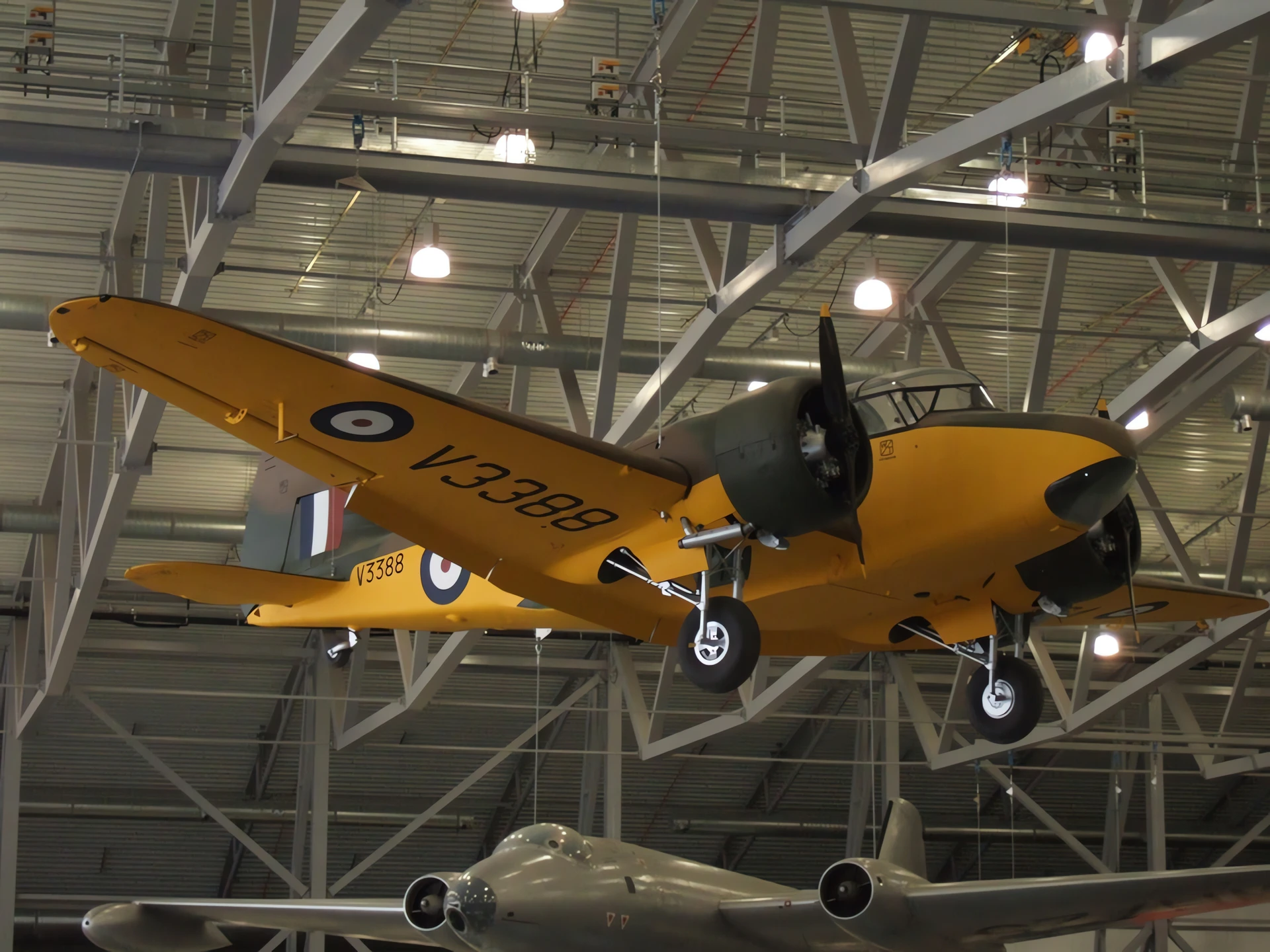


General Characteristics
The Airspeed Oxford (affectionately known as the ‘Ox-box’) was the primary twin-engine advanced trainer used by the Royal Air Force (RAF) and the entire British Commonwealth Air Training Plan (BCATP) during World War II. Developed from the Airspeed Envoy civil airliner, it was designed to train complete bomber crews (pilot, navigator, bomb aimer, gunner, and radio operator) on a single flight. Over 8,500 were built, and it was instrumental in preparing Allied aircrews for service on multi-engine combat aircraft like the Vickers Wellington and Avro Lancaster.
| Property | Typical Value (Oxford Mk I/II) |
|---|---|
| Roli | Advanced Twin-Engine Trainer, Transport, Air Ambulance |
| Výrobce | Airspeed, De Havilland, Percival, Standard Motors |
| First Flight | June 19, 1937 |
| No. Built | 8,586 |
| Posádky | 3 (Configurable for up to 6 student roles) |
| Délka | 10.52 m (34 ft 6 in) |
| Rozpětí křídel | 16.26 m (53 ft 4 in) |
| Max Takeoff Weight | 3,447 kg (7,600 lb) |
Powerplant and Performance
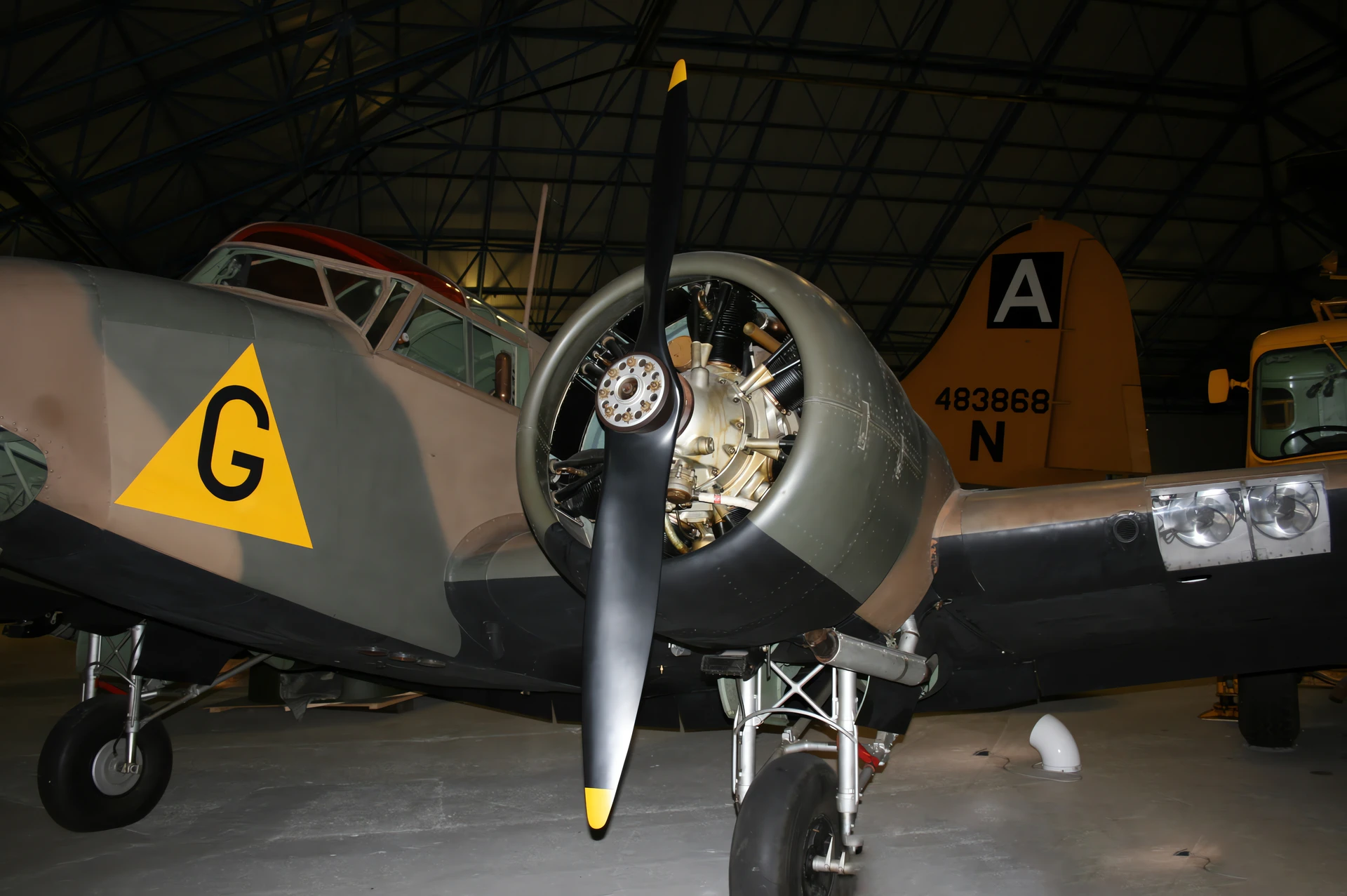
- Engine: Two Armstrong Siddeley Cheetah X 7-cylinder air-cooled radial engines.
- Power Output (each): 276 kW (375 hp).
- Construction: Semi-monocoque fuselage with a plywood exterior over a wooden framework, and wooden wings.
- Maximum Speed: 293 km/h (182 mph) at 2,530 m (8,300 ft).
- Service Ceiling: 5,850 m (19,200 ft).
- Range: 885 km (550 mi).
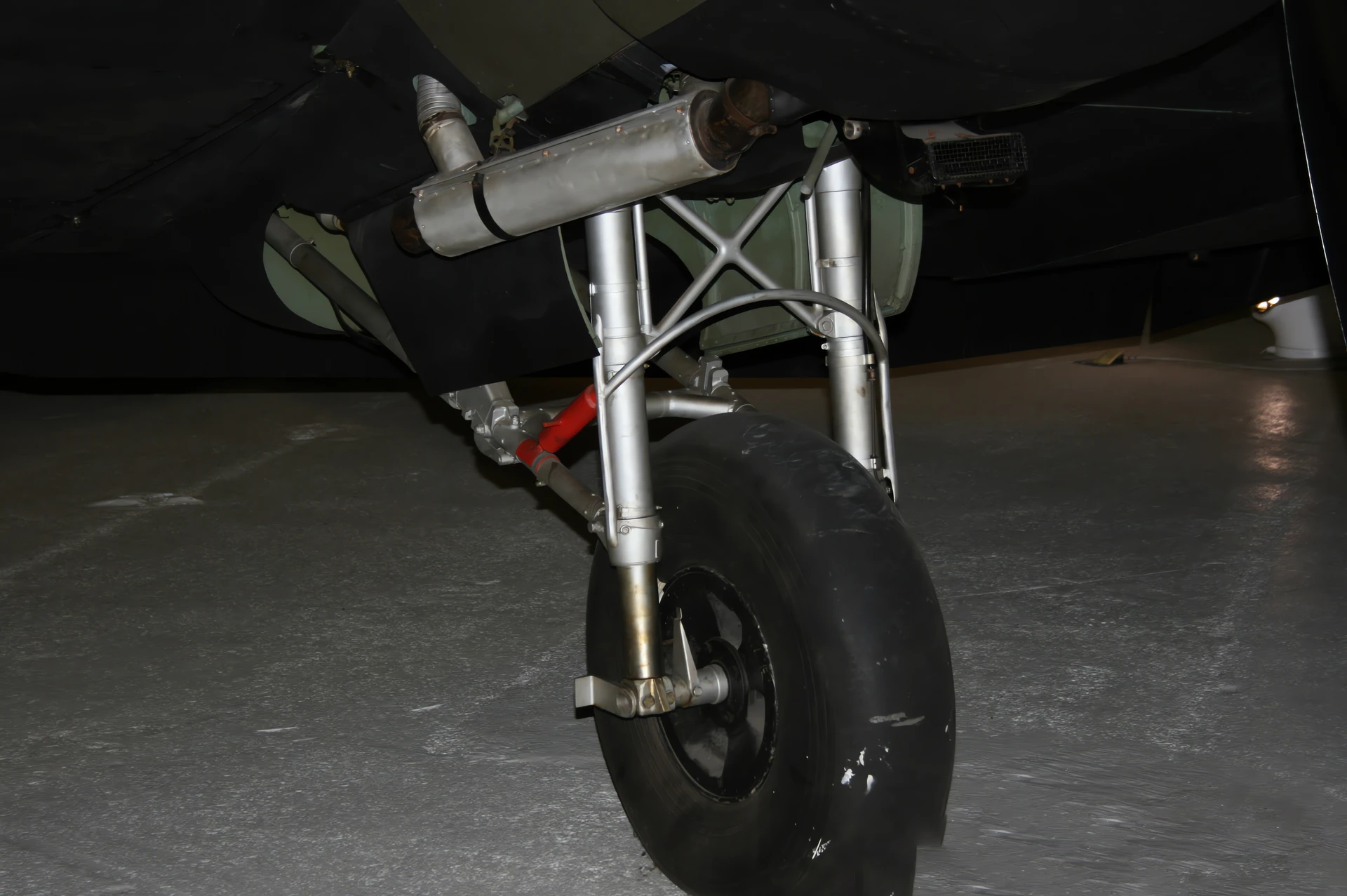
- Landing Gear: Retractable main gear (into engine nacelles) and fixed tailwheel. Hydraulically operated.
Training Roles and Armament
- Primary Role: Training in pilot dual control, navigation, instrument flying, wireless operation, and direction-finding.
- Oxford Mk I: Configured for general-purpose training, including gunnery, and featured an **Armstrong Whitworth dorsal gun turret** (often with a 7.7 mm Vickers K machine gun).
- Oxford Mk II: Lacked the dorsal turret but was fitted with full dual controls, primarily used for advanced pilot and radio navigation training.
- Bomb Training: Could carry up to 16 x 11.5 lb (5 kg) practice bombs in a belly well for bomb aimer training.
- Service Life: Continued in service with the RAF as a trainer and light transport until 1956, long after the end of WWII.
Počet zobrazení: 1190
Můžete také vidět:
 McDonnell Douglas KC-10 Extender – Fotografie a video
 McDonnell FH Phantom – Fotografie & Video
 C-130J Hercules – Fotografie & Video
 Macchi MC-200 – WalkAround
 PZL P.11 – Procházka
 P-51 Mustang vol2 – Procházka Kolem
 Bell P-63E KingCobra – WalkAround
 Vought F4U Corsair – Procházka
 F4U-7 Corsair – Procházka
 Douglas A-26 Invader – Procházka