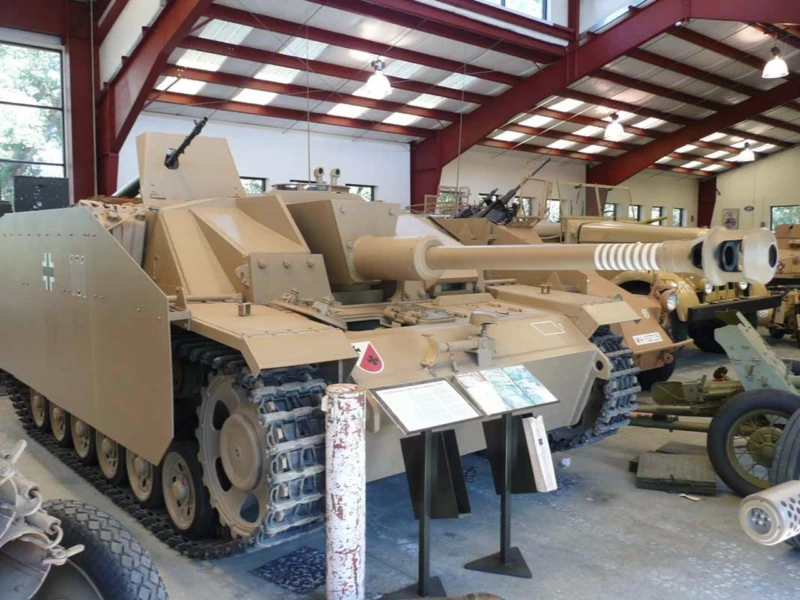
Стуг III Аусф. G | |
|---|---|
| Країні | Нацистська Німеччина |
| Роль | Штурмова гармата |
| Виробництва | Грудень 1942 р. – квітень 1945 р. |
| Побудований | ~8423 |
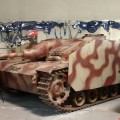
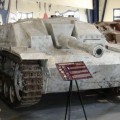
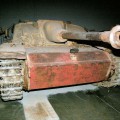
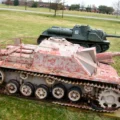
Остаточний і, безумовно, найбільш поширений з Стуг ряд. Верхня надбудова була розширена: зварні ящики з обох сторін були покинуті. Ця нова конструкція надбудови збільшила висоту до 2160 мм. Задня стінка бойового відсіку була випрямлена, а вентиляційний вентилятор поверх надбудови був перенесений на задню частину бойового відсіку. З березня 1943 року перископ водія був покинутий. У лютому 1943 року до Alkett приєднався MIAG як другий виробник. З травня 1943 року бронепласти з боковим корпусом (Schürzen) були оснащені моделями G для додаткового бронезахисту, особливо проти російських протитанкових гвинтівок, але також були корисні проти порожнистих боєприпасів. Бічні пластини були ретро-встановлені на деяких Ausf. Моделі F/8, як і до червня 1943 року, повинні були бути встановлені на всій лінії фронту стугами та іншими танками в рамках підготовки до курської битви. Монтаж для Шюрцена виявився неадекватно сильним, так як багато хто загубився на полі. З березня 1944 року було впроваджено покращене кріплення; в результаті бічні спідниці частіше зустрічаються з покійною моделлю Ausf G. З травня 1943 року для лобової броні замість двох пластин 50 мм + 30 мм використовувалися пластини товщиною 80 мм. Тим не менш, відставання стугів з добудою 50-мм бронею існувало. Для них, 30 мм додаткова броня пластина все ще повинна бути зварна або прикручена, до жовтня 1943 року.
Джерело: Стуг III Аусф. G у Вікіпедії
| SdKfz 142/1 Sturmgeschutz (СтуГ) III Прогулянка навколо | |
|---|---|
| Фотограф | Володимир Якубов |
| Локалізацією | Колекція Жака Літтлфілда |
| Фото | 34 |
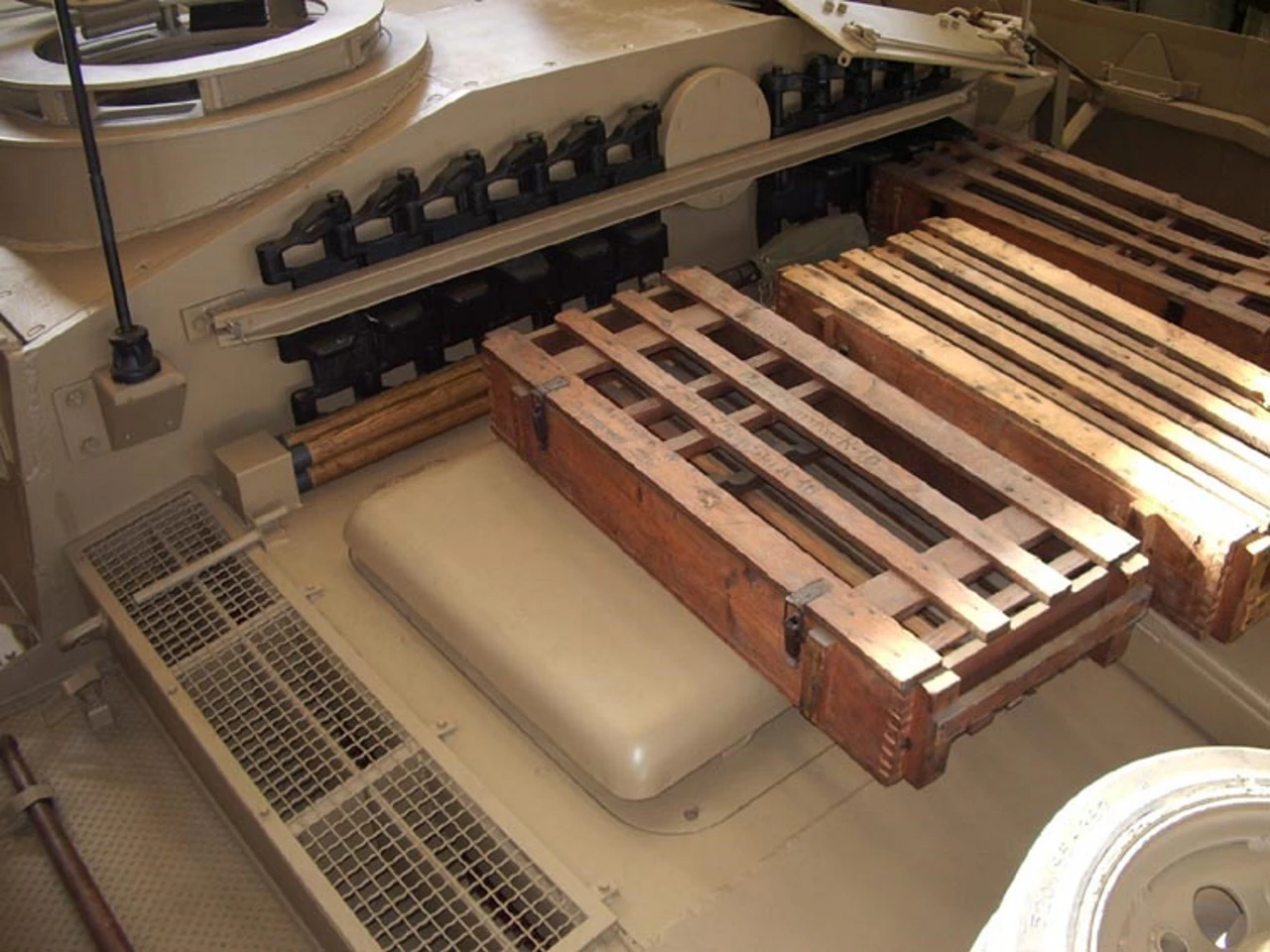
SdKfz 142-1 StuG III 02

SdKfz 142-1 StuG III 01

SdKfz 142-1 StuG III 04
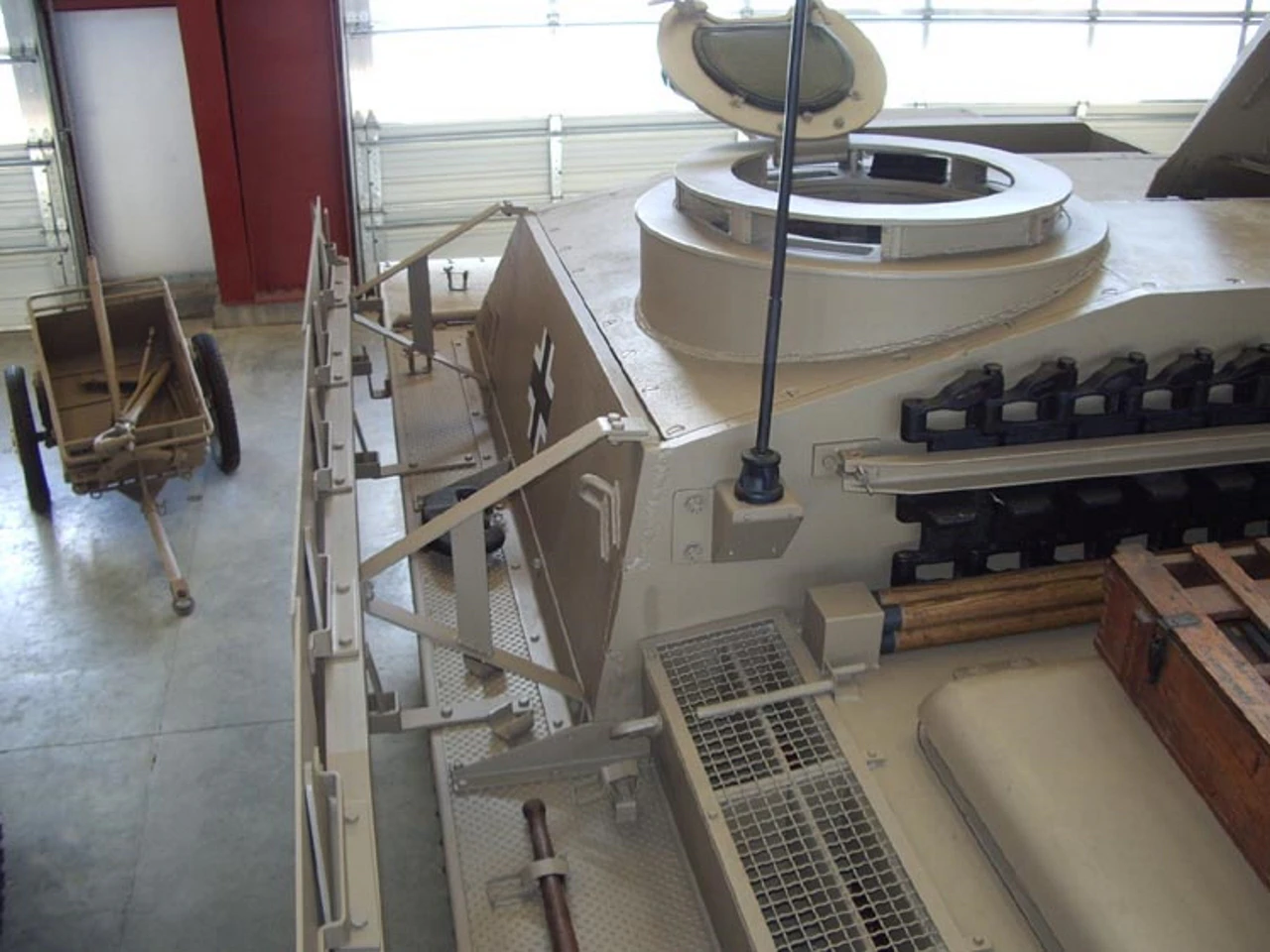
SdKfz 142-1 StuG III 03
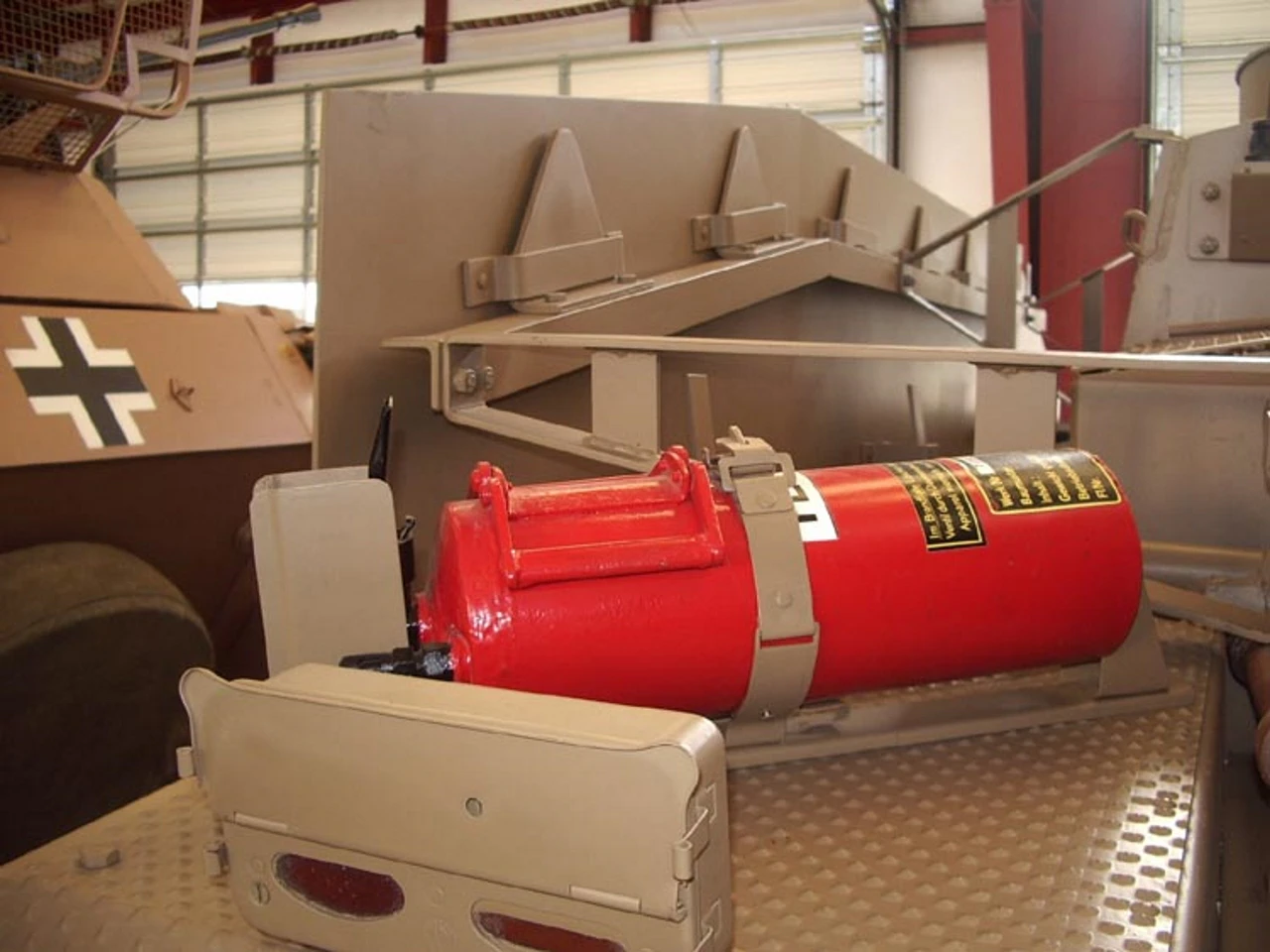
SdKfz 142-1 StuG III 05

SdKfz 142-1 StuG III 06

SdKfz 142-1 StuG III 08
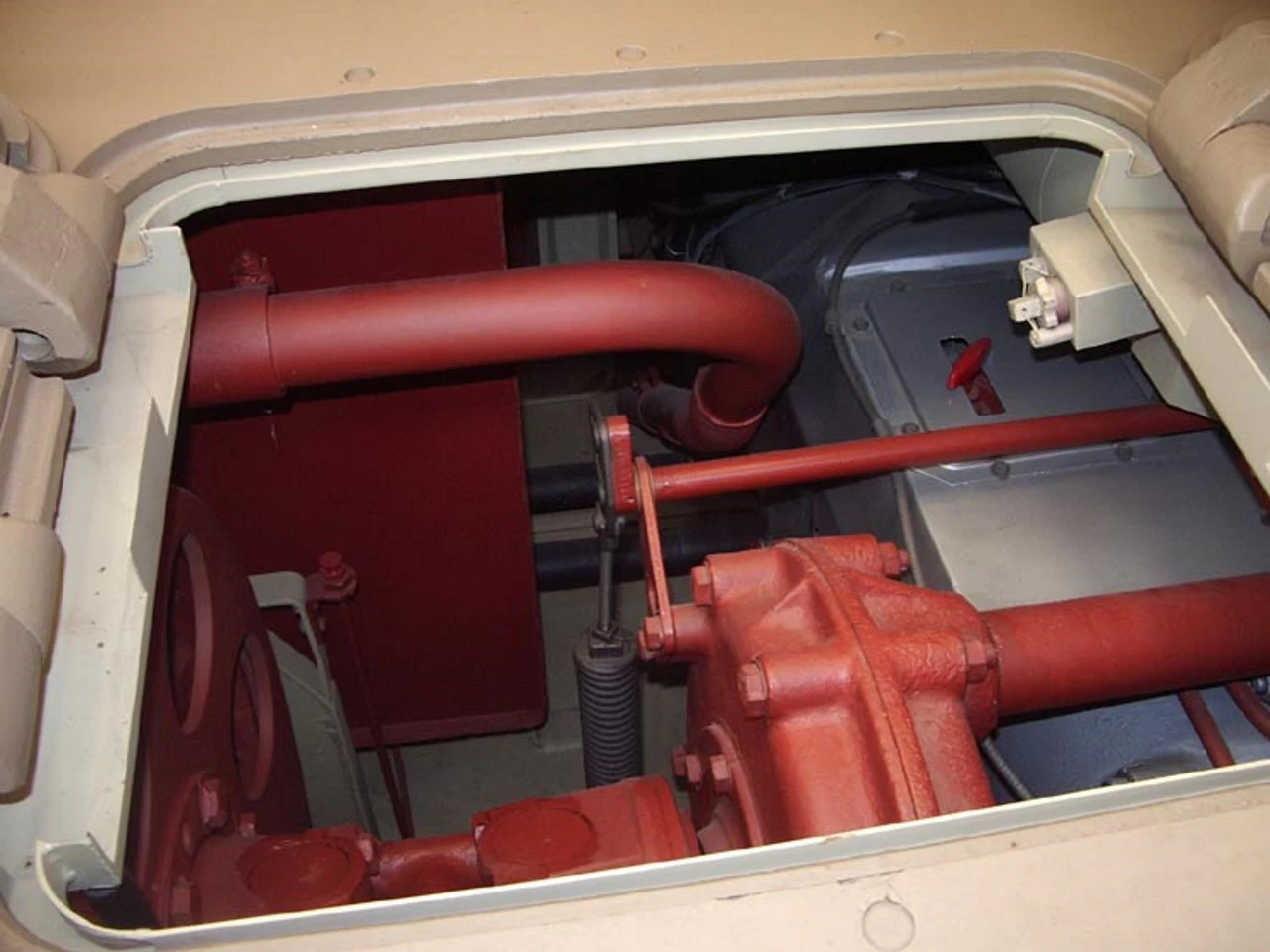
SdKfz 142-1 StuG III 07

SdKfz 142-1 StuG III 09
Зачекай, пошук стуг III Ausf. G фотографії для вас ...

| SdKfz 142/1 Sturmgeschutz (StuG) III Ausf G Прогулянка навколо | |
|---|---|
| Фотограф | Володимир Якубов |
| Локалізацією | Музей броні Латруна |
| Фото | 107 |
| Sturmgeschutz III Ausf. B Walk Around | |
|---|---|
| Фотограф | Unknow |
| Локалізацією | Незнай |
| Фото | 16 |
Читайте також:


The Deadliest Silhouette on the Eastern Front
У 201 Стуг III Аусф. G was the final and most prolific version of the Sturmgeschütz series. Built on the reliable chassis of the Panzer III, it abandoned the rotating turret in favor of a fixed, low-profile casemate. Originally designed as infantry support artillery, the Ausf. G was up-gunned with a high-velocity 75mm cannon, transforming it into a formidable tank destroyer. Its low height made it easy to camouflage and difficult to hit, making it the preferred weapon for German “Tank Aces” like Michael Wittmann before they transitioned to heavier armor.
| Attribute | Technical Specification (StuG III Ausf. G) |
|---|---|
| Роль | Assault Gun / Tank Destroyer |
| команда | 4 (Commander, Gunner, Loader, Driver) |
| Production Years | 1942 – 1945 (Approx. 8,400 built) |
| Основне озброєння | 7.5 cm KwK 40 L/48 |
| Другорядне озброєння | 1 or 2 × 7.92 mm MG34 machine guns |
| Armor (Front) | 80 mm (3.1 in) |
| Двигун | Maybach HL 120 TRM V-12 (300 hp) |
| Top Speed | 40 km/h (25 mph) on roads |
Design Evolution: The “G” Refinements
- The Saukopf (Sow’s Head) Mantlet: Later Ausf. G models featured a cast gun mantlet with rounded edges. This was designed to deflect incoming shells more effectively than the earlier bolted, boxy designs.
- Schürzen (Side Skirts): To defend against Soviet anti-tank rifles and HEAT rounds, the StuG III G was often fitted with thin metal plates along the sides. These “skirts” would prematurely detonate or destabilize incoming projectiles before they hit the main hull.
- Commander’s Cupola: The Ausf. G introduced a proper cupola with periscopes for the commander, significantly improving situational awareness—a major weakness of earlier turretless designs.
- Zimmerit Coating: Many Ausf. Gs were covered in a ridged, paste-like ceramic coating. This was intended to prevent magnetic anti-tank mines from sticking to the steel hull.
The “Wait-and-Strike” Specialist
- Economic Efficiency: The StuG III was significantly cheaper and faster to build than the Panzer IV or Tiger tanks. Because it lacked a complex turret mechanism, it was also easier to maintain in the field.
- Ambush Master: Its low height allowed the StuG to hide in tall grass or shallow depressions that would expose a normal tank. Soviet tankers often didn’t realize they were being engaged by a StuG until it was too late to return fire.
- Sturmhaubitze 42 (StuH 42): A variant of the Ausf. G was armed with a 10.5 cm howitzer instead of the anti-tank gun. This version returned to the vehicle’s roots, providing devastating high-explosive support for infantry.
- Post-War Service: The StuG III was so effective that it continued to serve long after 1945. The Finnish Army used them until the 1960s, and Syria even deployed them against Israel in the 1967 Six-Day War.
Views : 11349