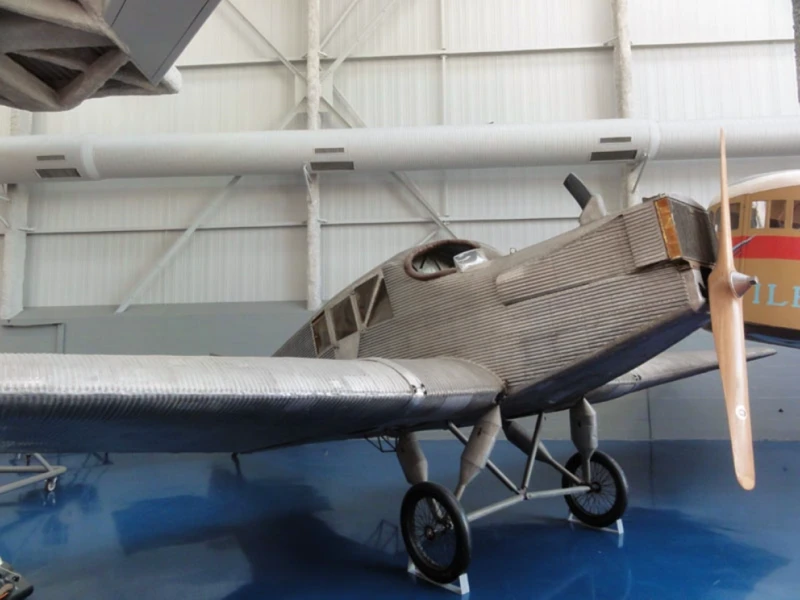
Юнкери F.13 | |
|---|---|
| Країні | Німеччина |
| Роль | Малий пасажирський транспорт |
| Перший політ | 25 червня 1919 |
| Побудований | 322 |
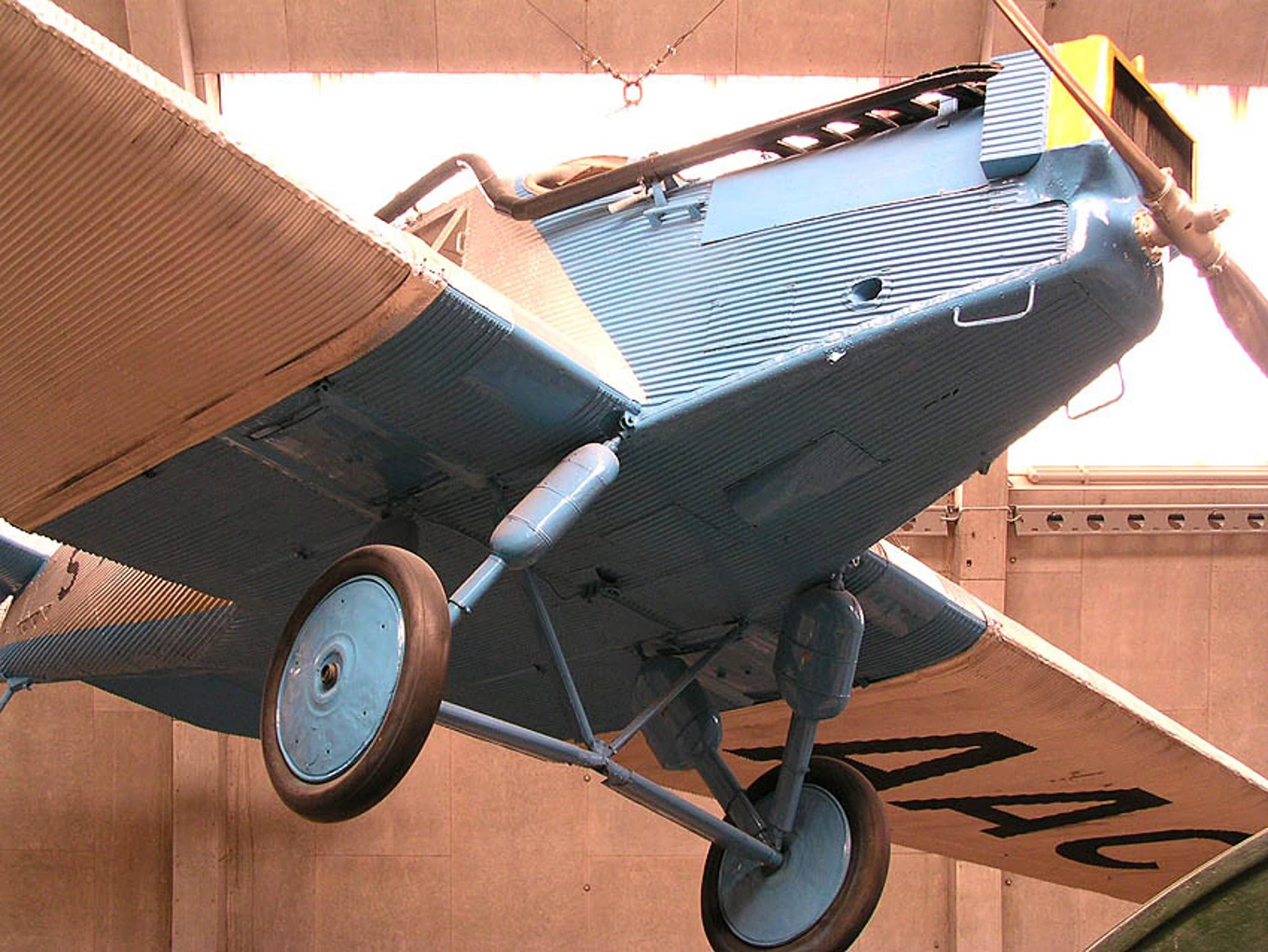
У 201 Юнкери F.13 (також відомий як F 13) був першим у світі суцільнометалевим транспортним літаком, розробленим у Німеччині наприкінці Першої світової війни. Це був вдосконалений консольний моноплан із закритим житлом для чотирьох пасажирів. Було продано понад 300. Він перебував у виробництві тринадцять років і в комерційній службі майже двадцять.
Джерело: Junkers F.13 у Вікіпедії
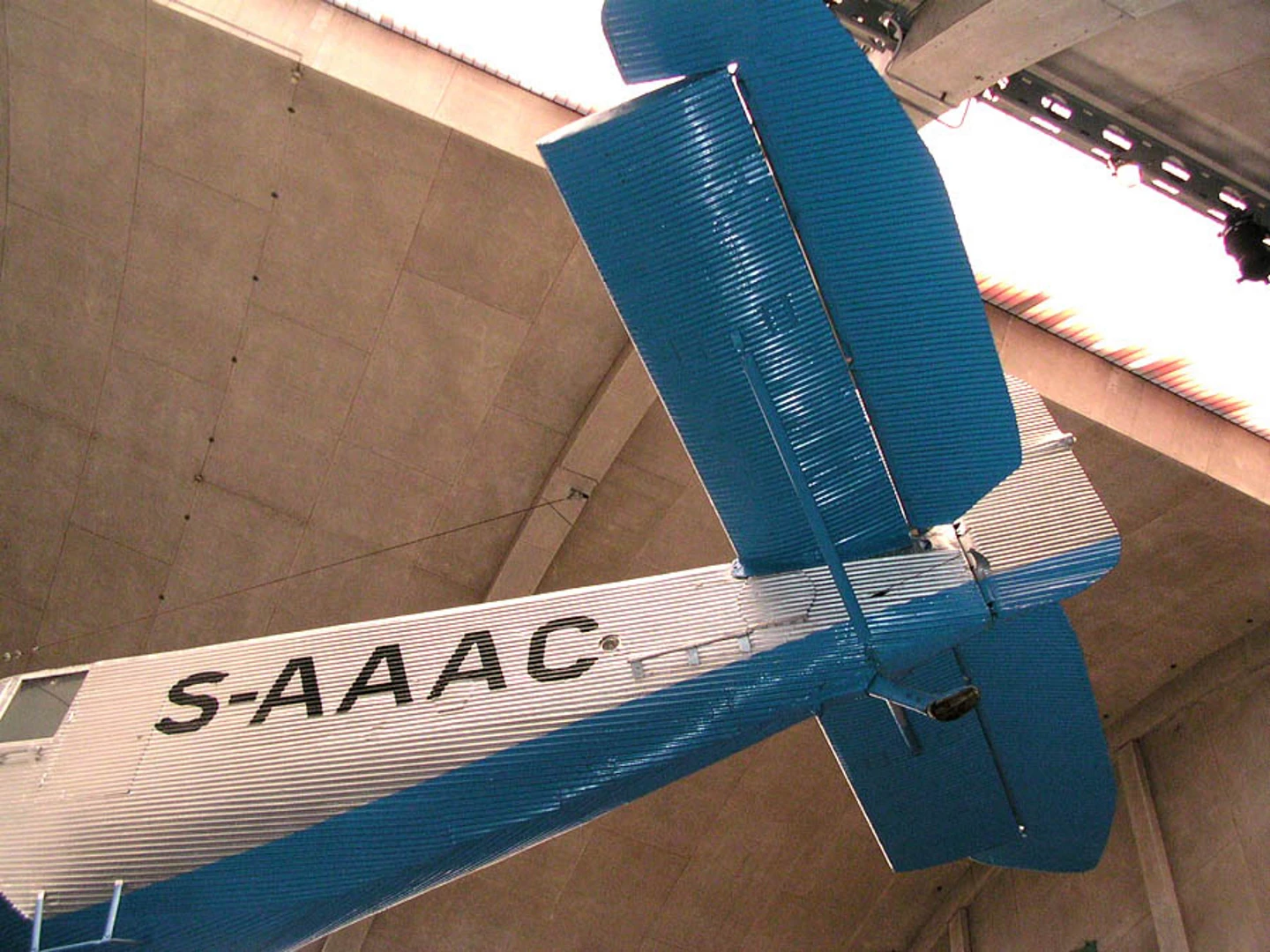
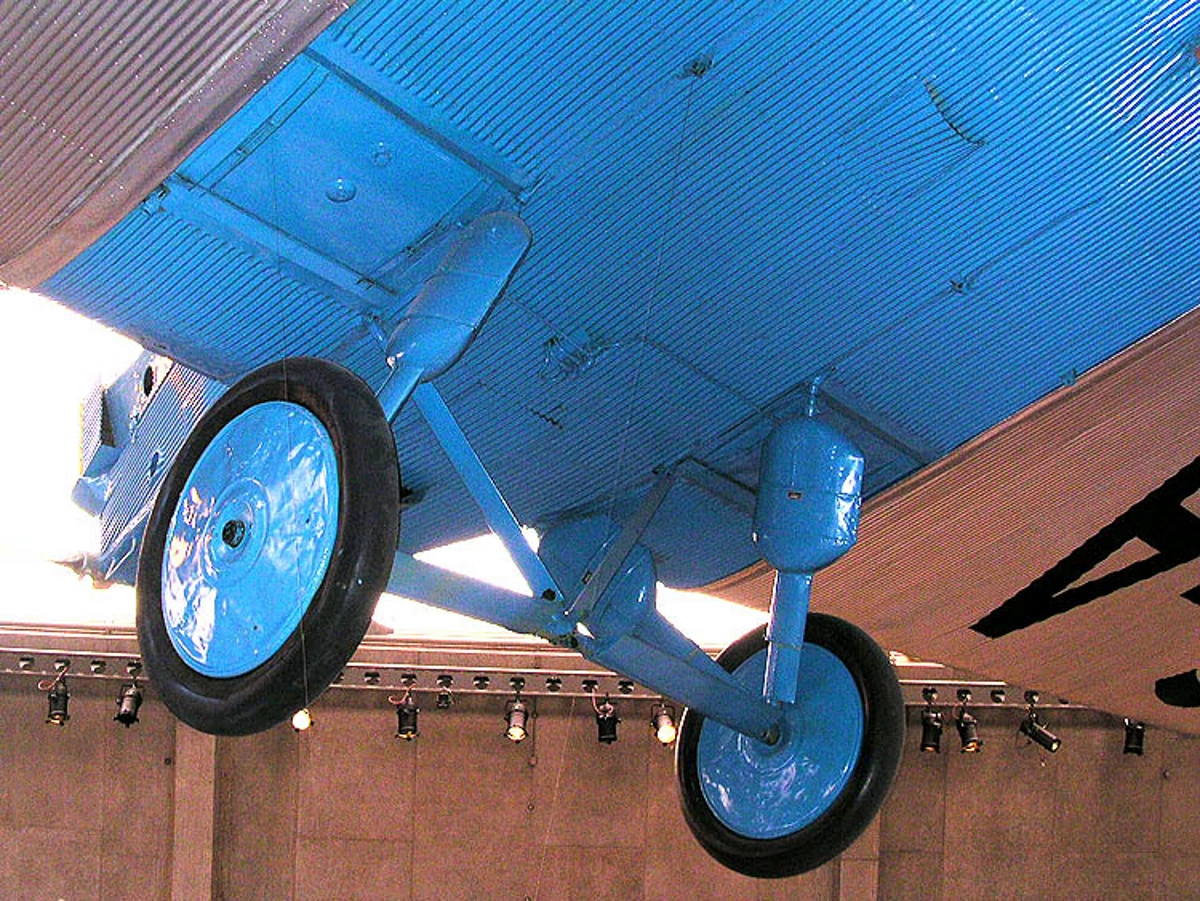
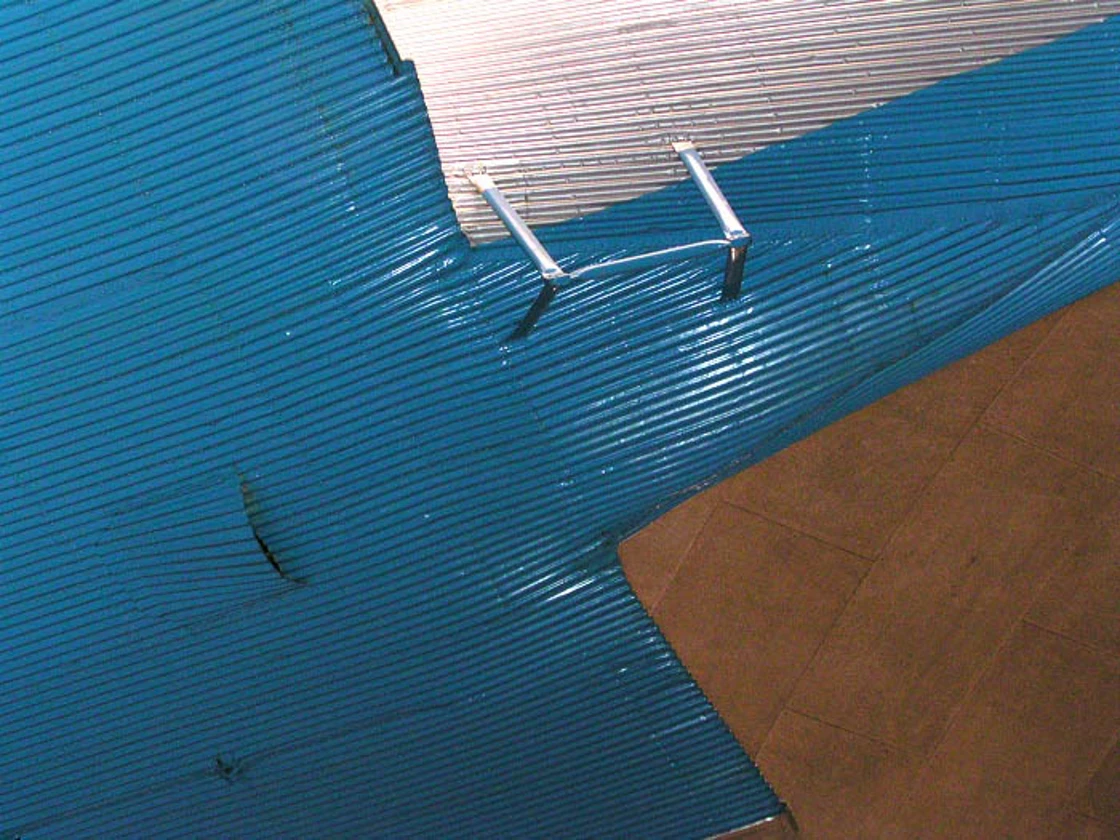
| Юнкерс Ф.13 Прогулянка навколо | |
|---|---|
| Фотограф | Міндерт-де-Врезе |
| Локалізацією | Незнай |
| Фото | 22 |
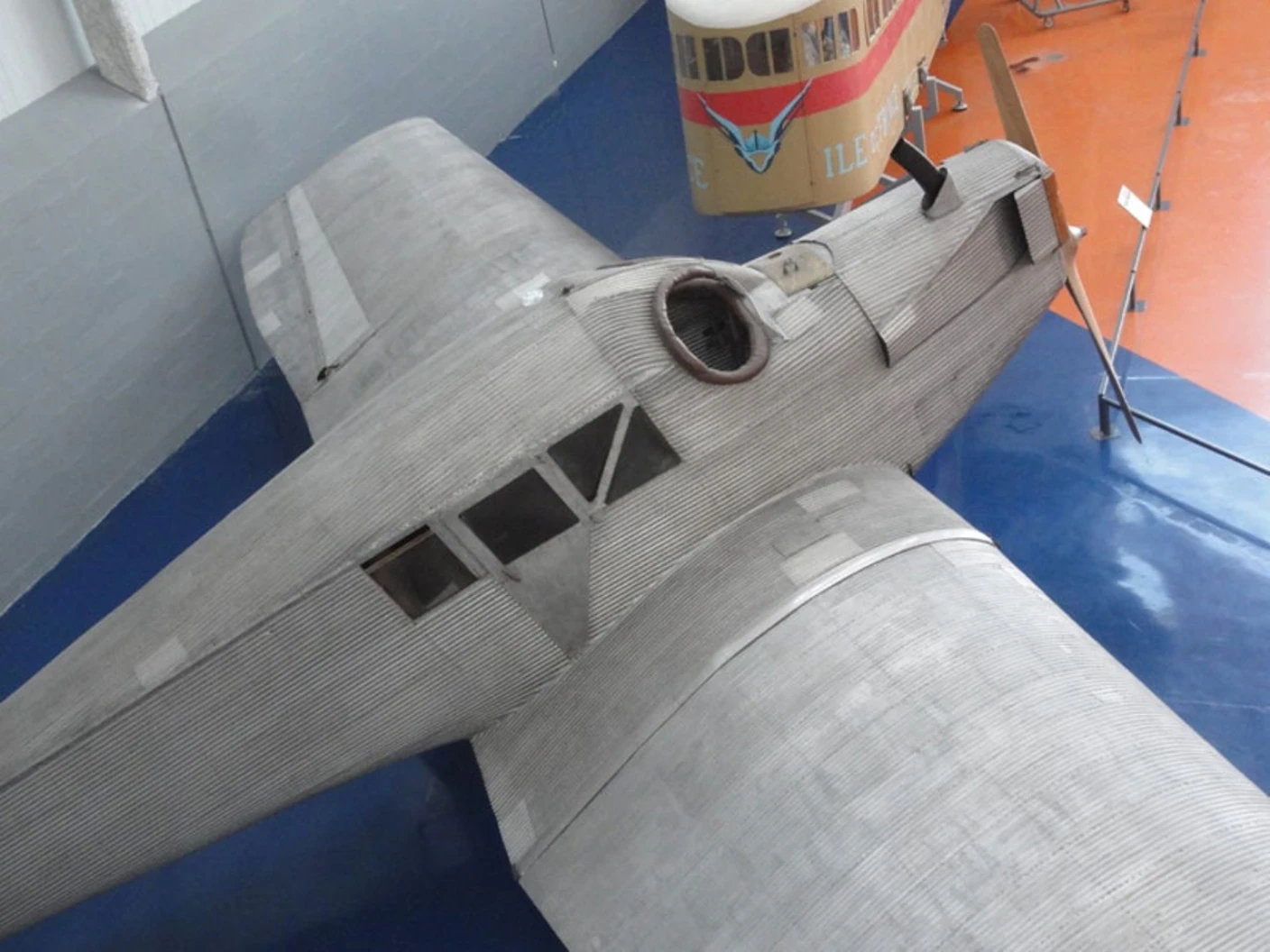
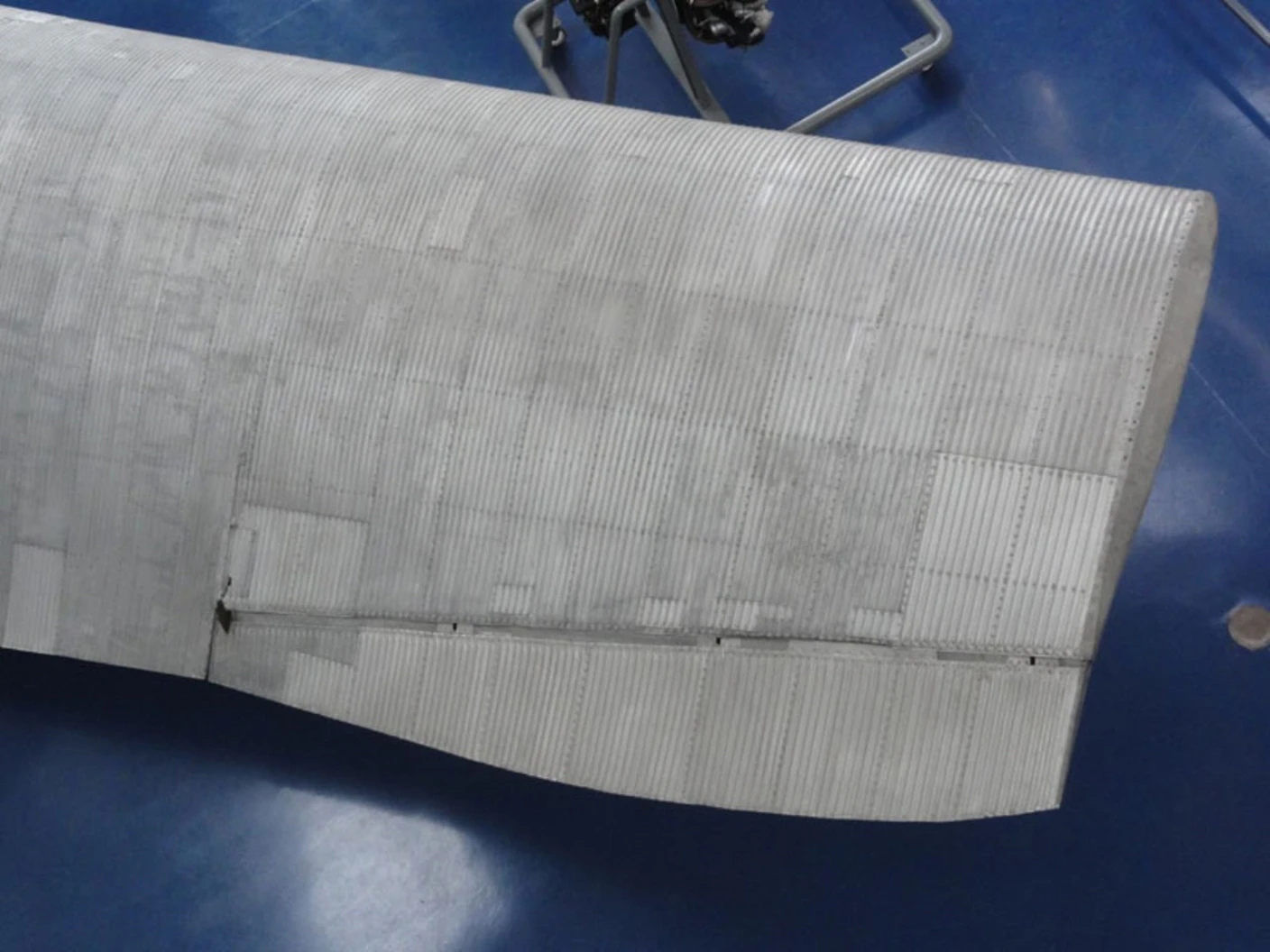
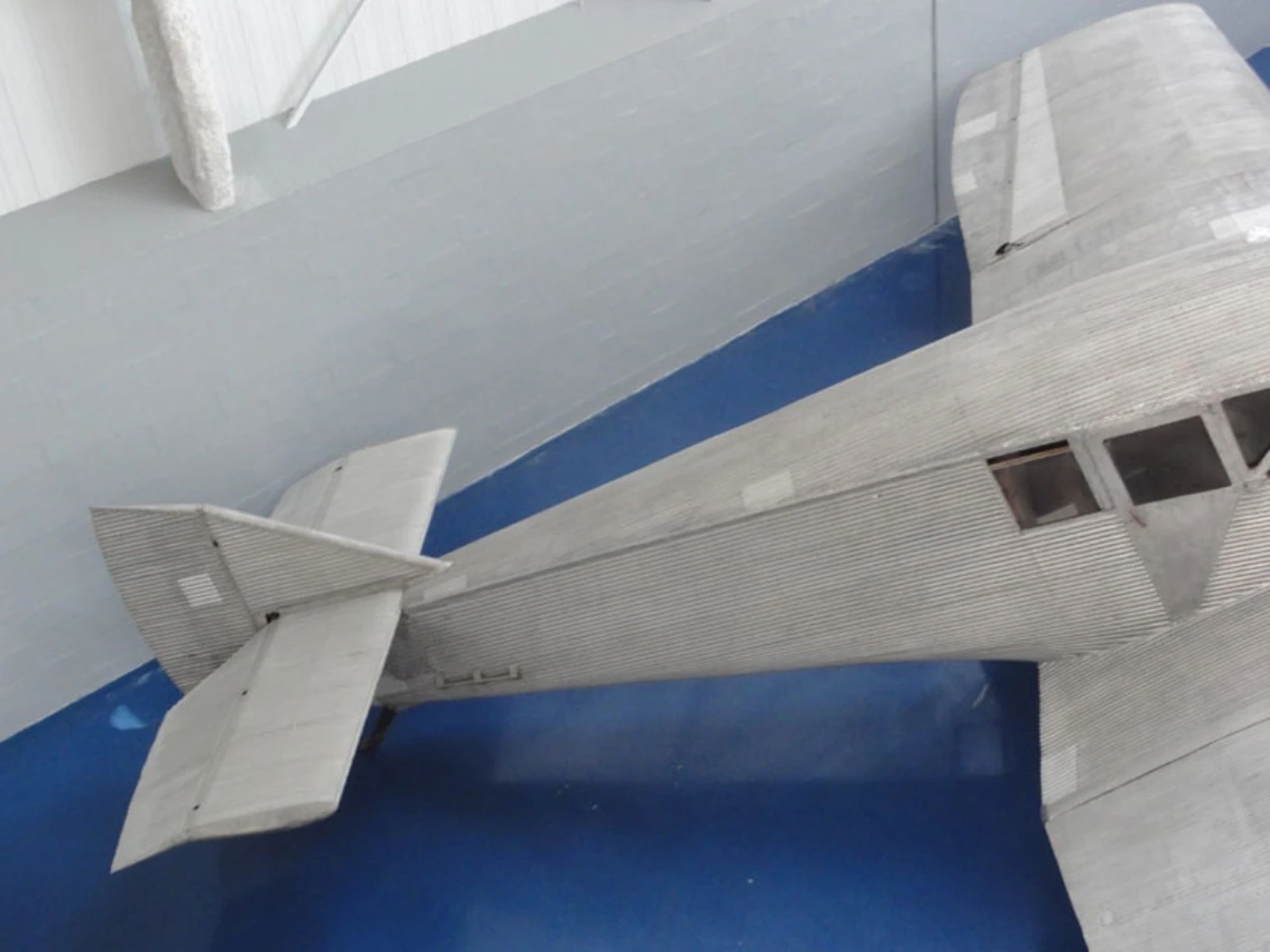
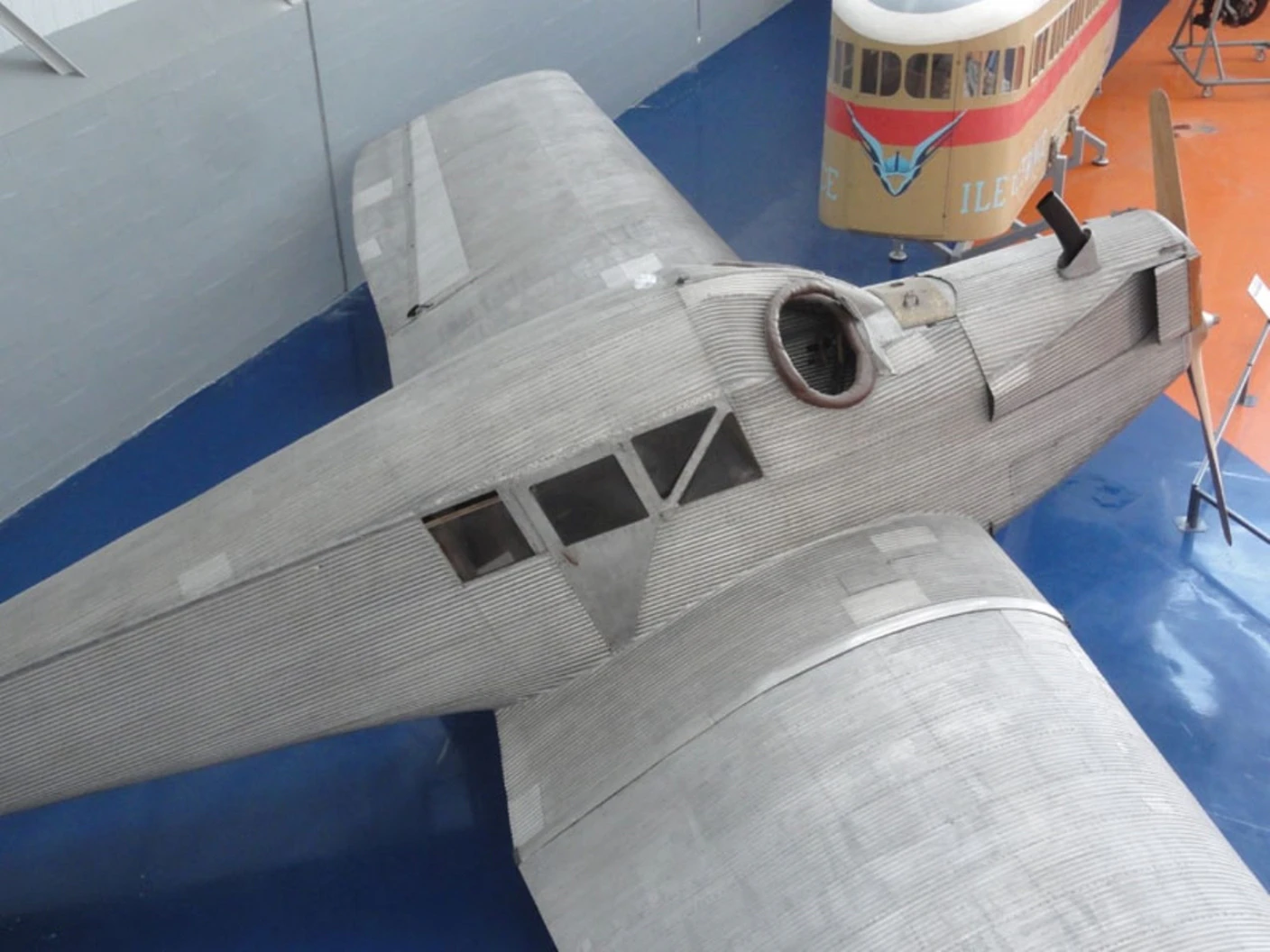
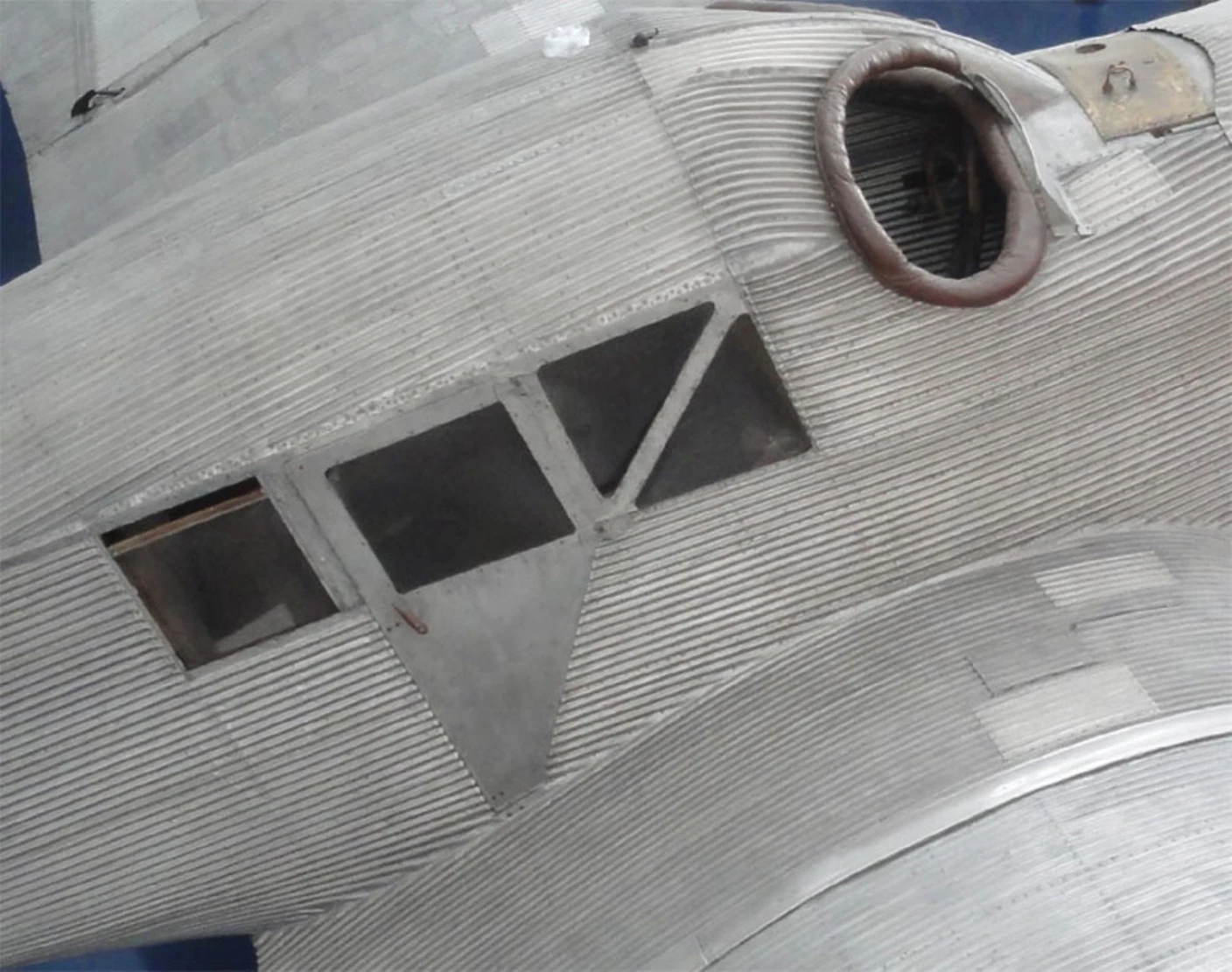
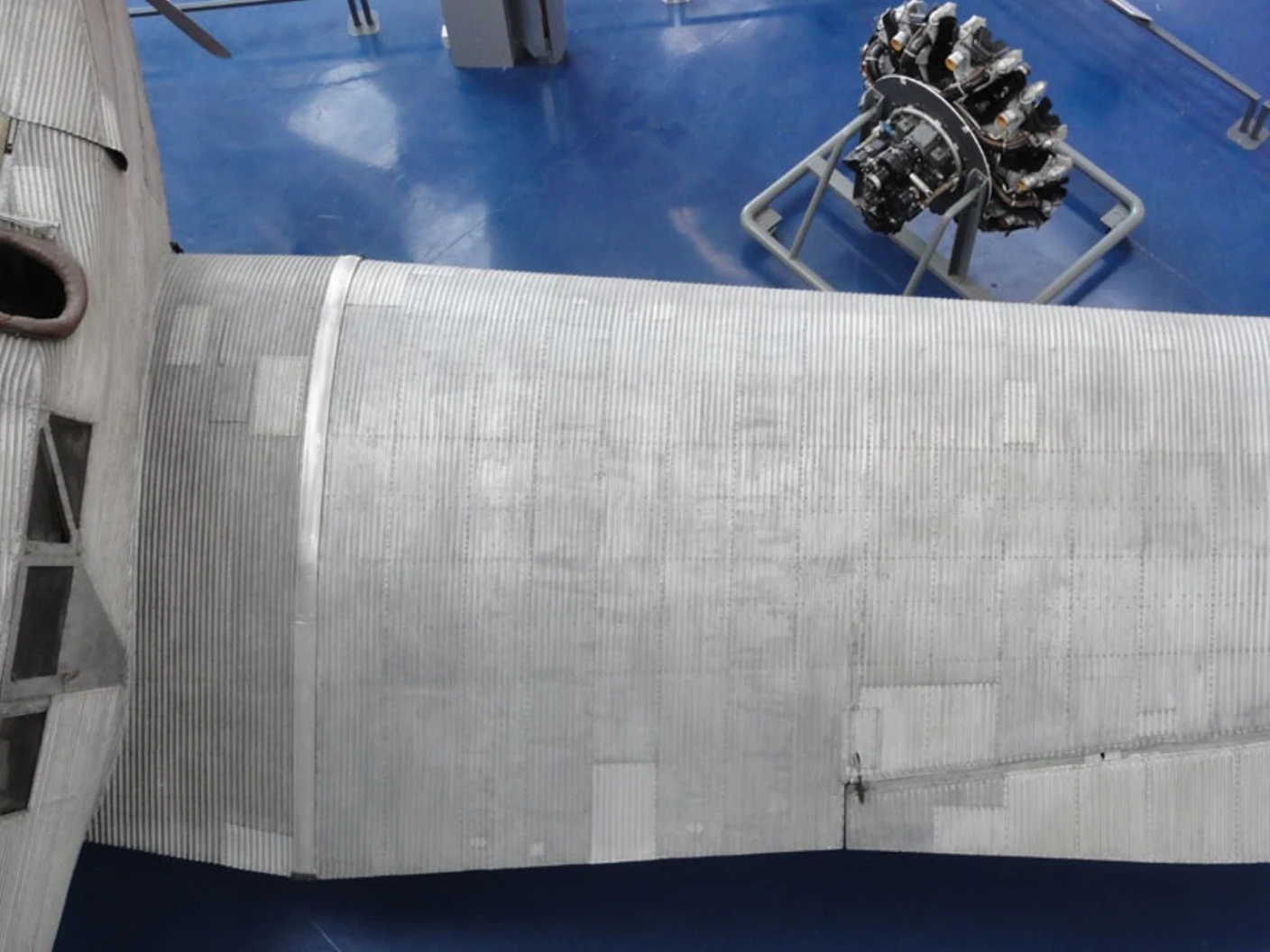
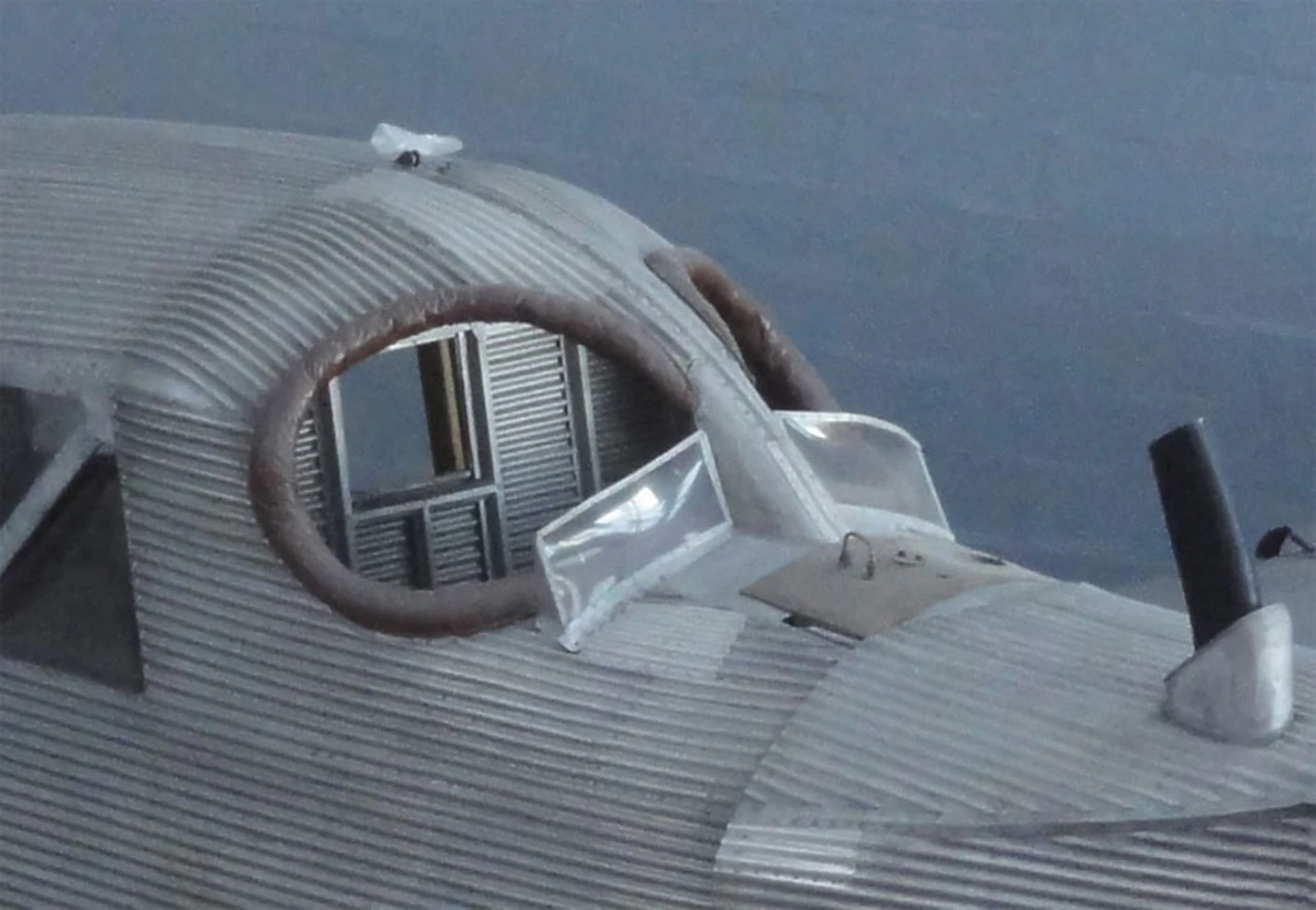
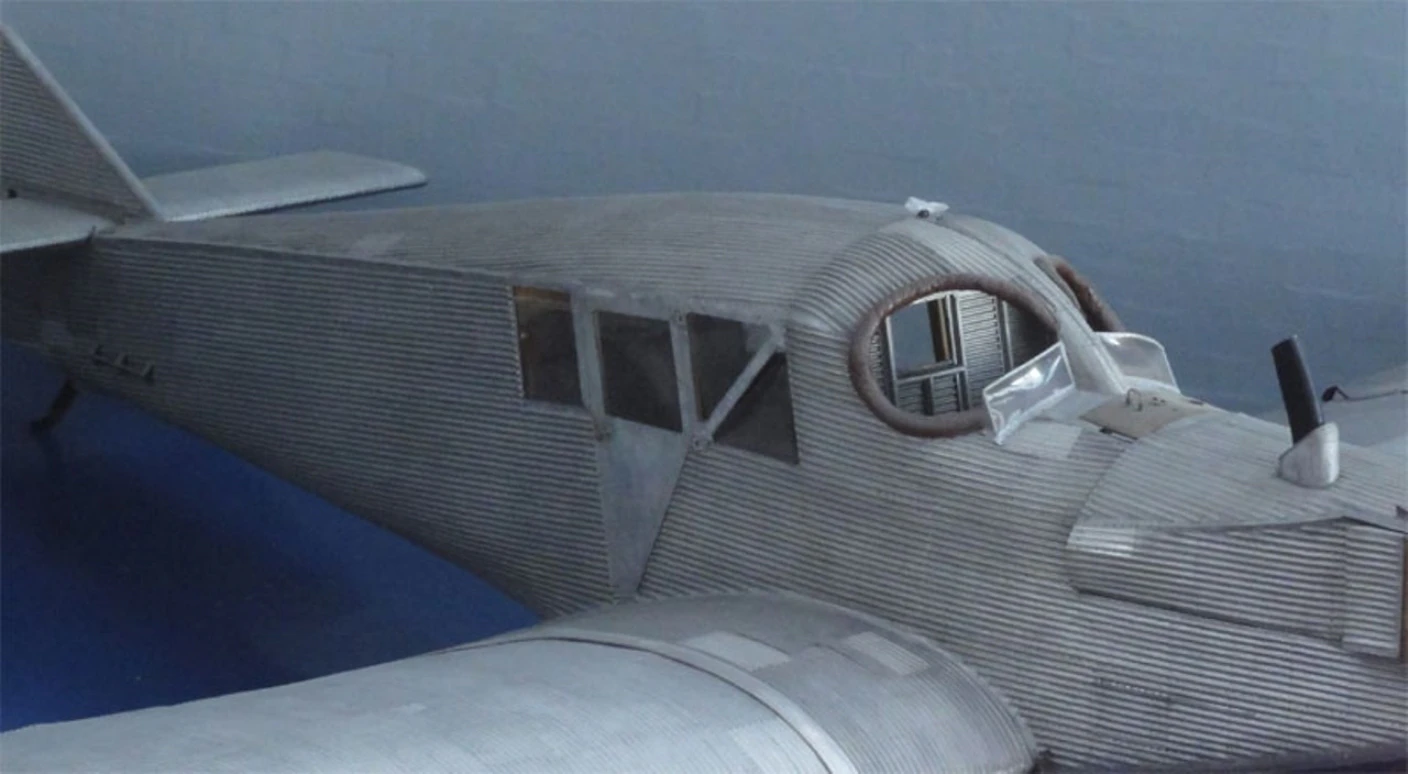
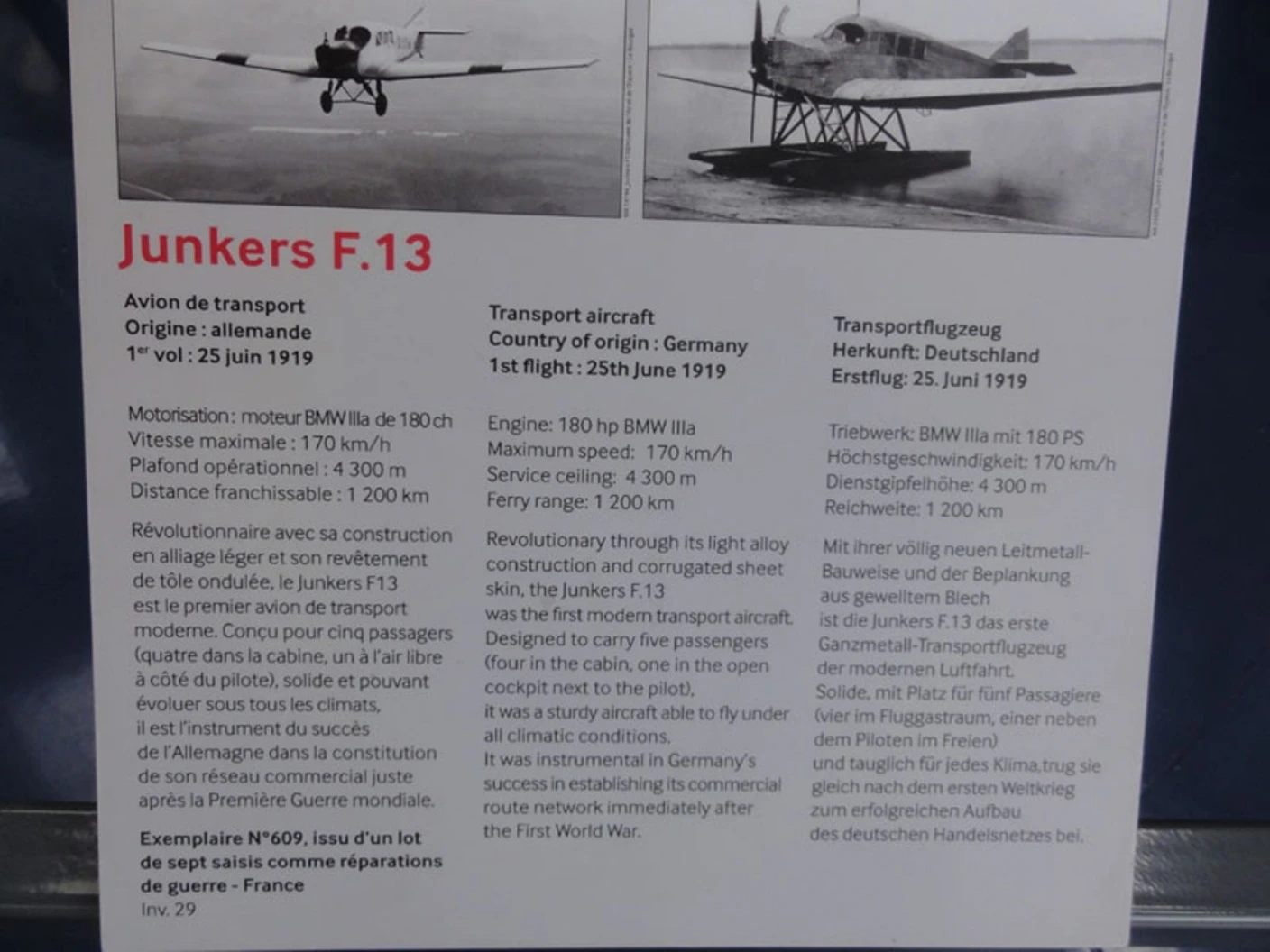

| Юнкерс Ф.13 Прогулянка навколо | |
|---|---|
| Фотограф | Незнай |
| Локалізацією | Незнай |
| Фото | 23 |
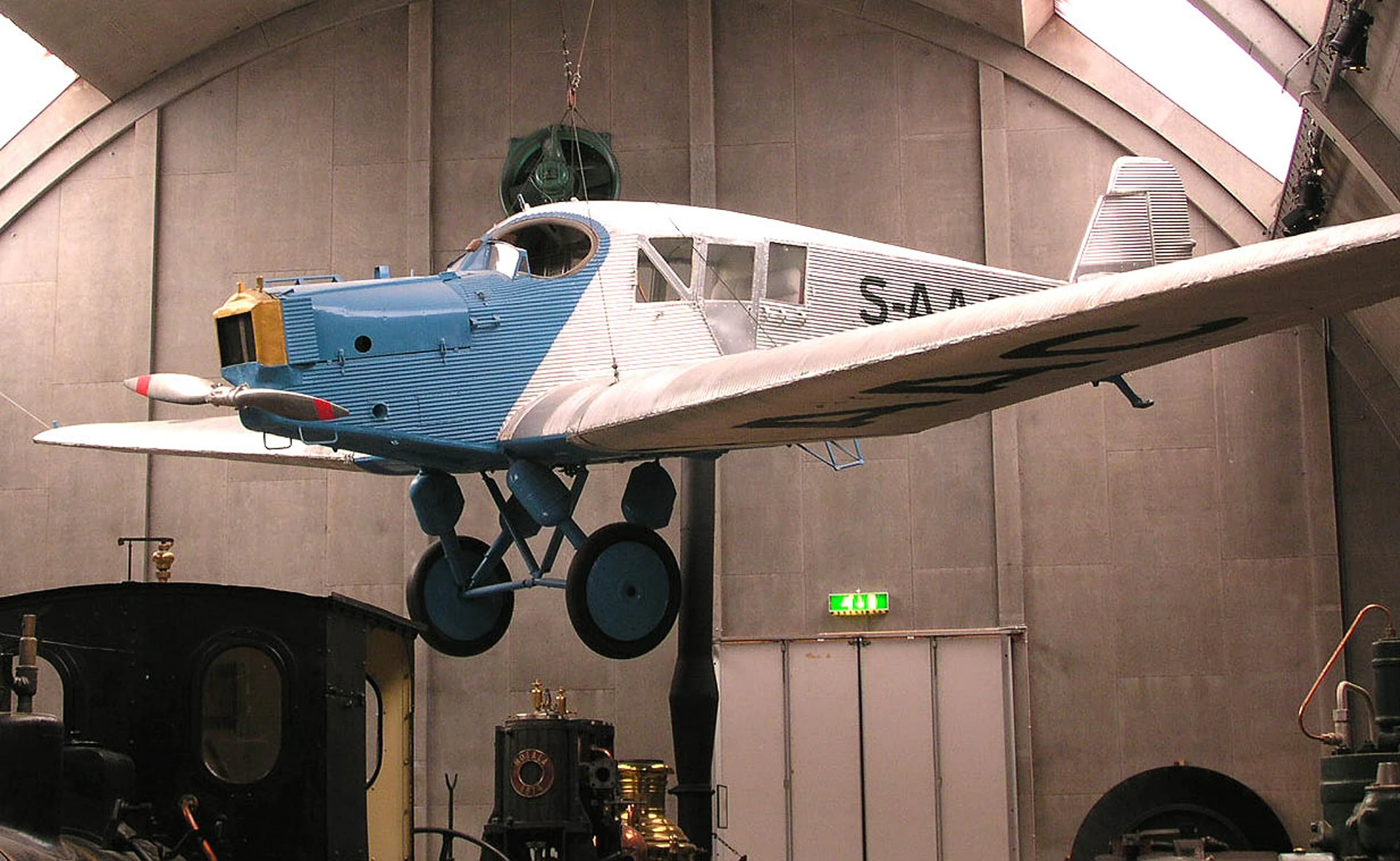
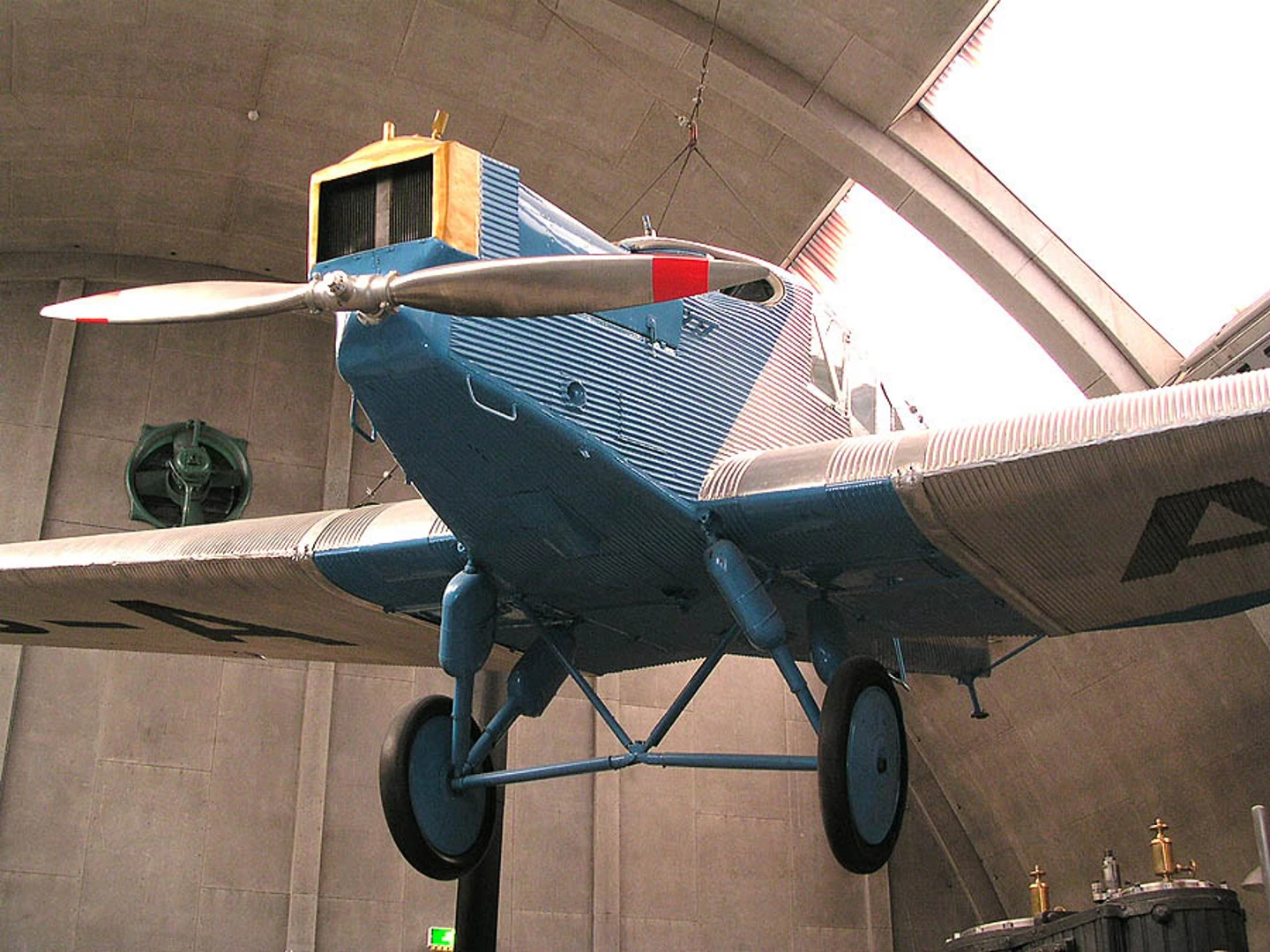
Читайте також:


A Revolution in Civil Aviation
У 201 Юнкери F.13 was a landmark in aviation history. Developed immediately after WWI by Hugo Junkers, it was the first aircraft designed specifically as a commercial passenger plane rather than a converted bomber. While other 1919-era planes were made of wood and fabric, the F.13 was built entirely of duralumin. Its cantilever wing design—meaning it had no drag-inducing external struts or wires—set the template for every modern airliner flying today.
| Attribute | Technical Specification (F.13ge) |
|---|---|
| Роль | Civil Passenger / Transport Aircraft |
| команда | 2 (Open cockpit) |
| Capacity | 4 Passengers (Enclosed cabin) |
| First Flight | June 25, 1919 |
| Силова установка | 1 × BMW IV 6-cylinder water-cooled inline |
| Horsepower | 250 hp (186 kW) |
| Максимальна швидкість | 106 mph (170 km/h) |
| Діапазон | 870 miles (1,400 km) |
Corrugated Strength & Comfort
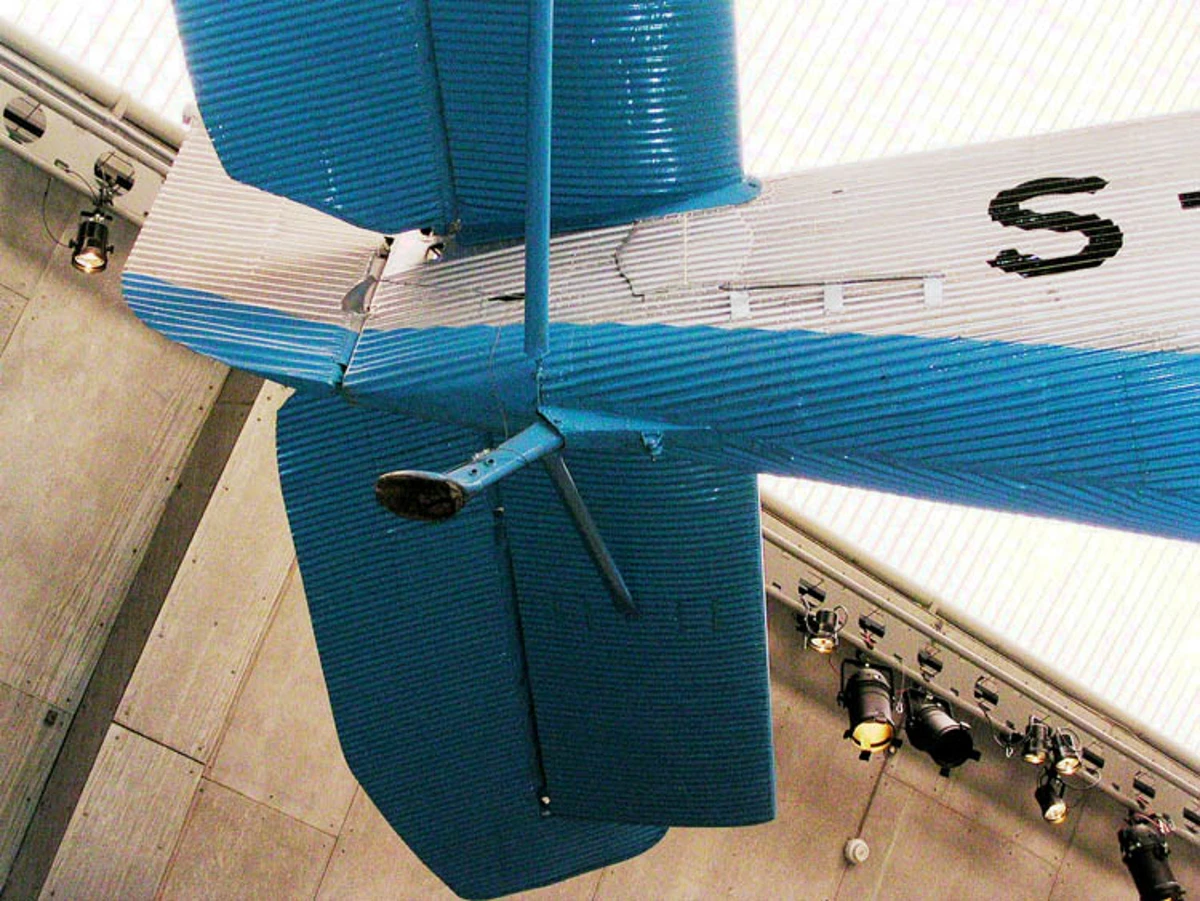
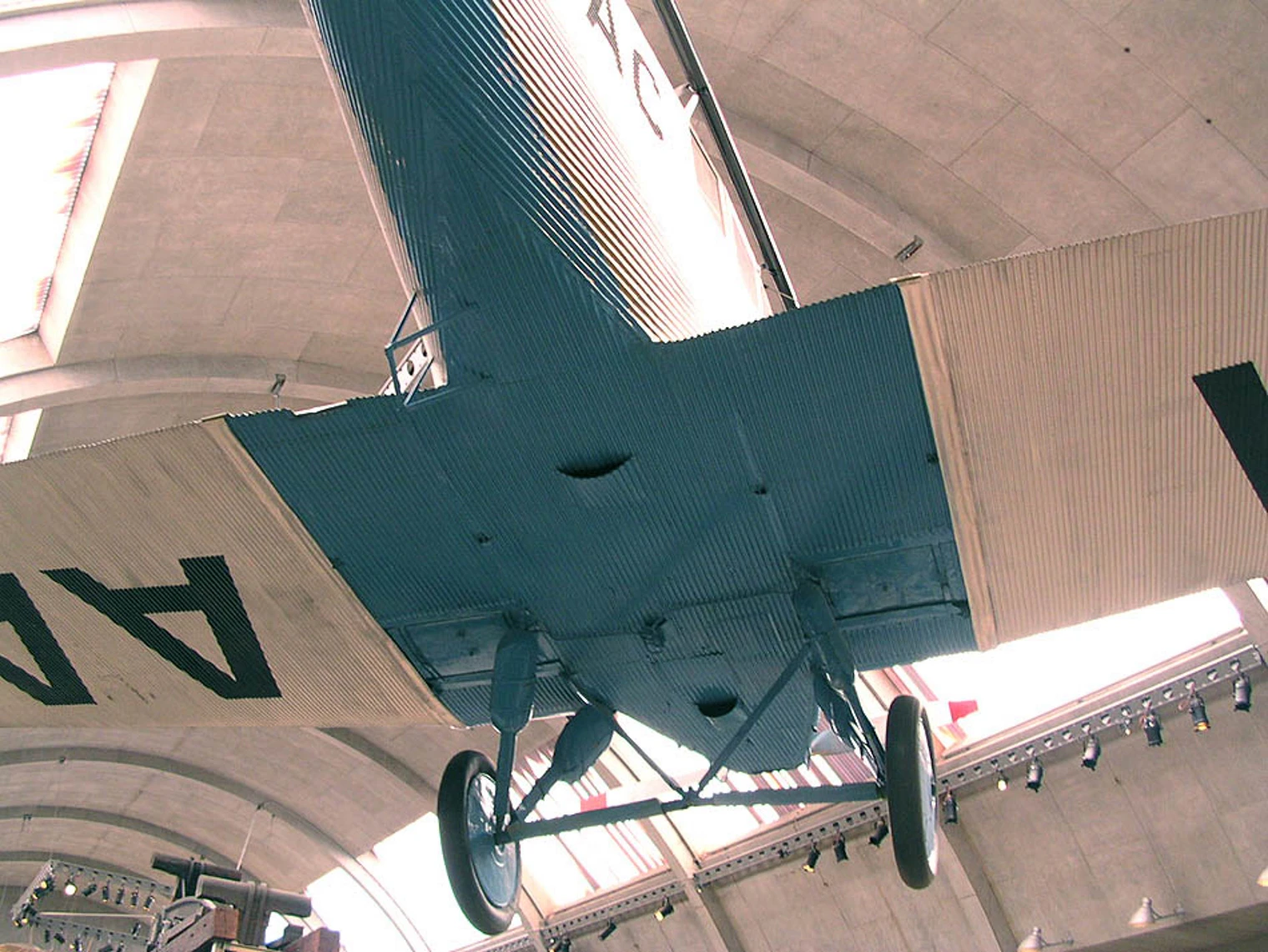
- Corrugated Duralumin Skin: The F.13’s most famous feature is its “washboard” skin. The corrugation provided immense structural rigidity without adding significant weight, making the aircraft incredibly durable in harsh environments from the Arctic to the Tropics.
- The Cantilever Wing: Unlike biplanes of the era, the F.13’s wing was internally braced. This “clean” wing allowed for much higher efficiency and speed, a direct result of Hugo Junkers’ pioneering research into aerodynamics.
- Luxury for Passengers, Elements for Pilots: In a strange twist of 1920s logic, the passengers sat in a heated, upholstered, and enclosed cabin with large windows. Meanwhile, the pilots sat in an open-air cockpit just behind the engine, exposed to the wind and rain.
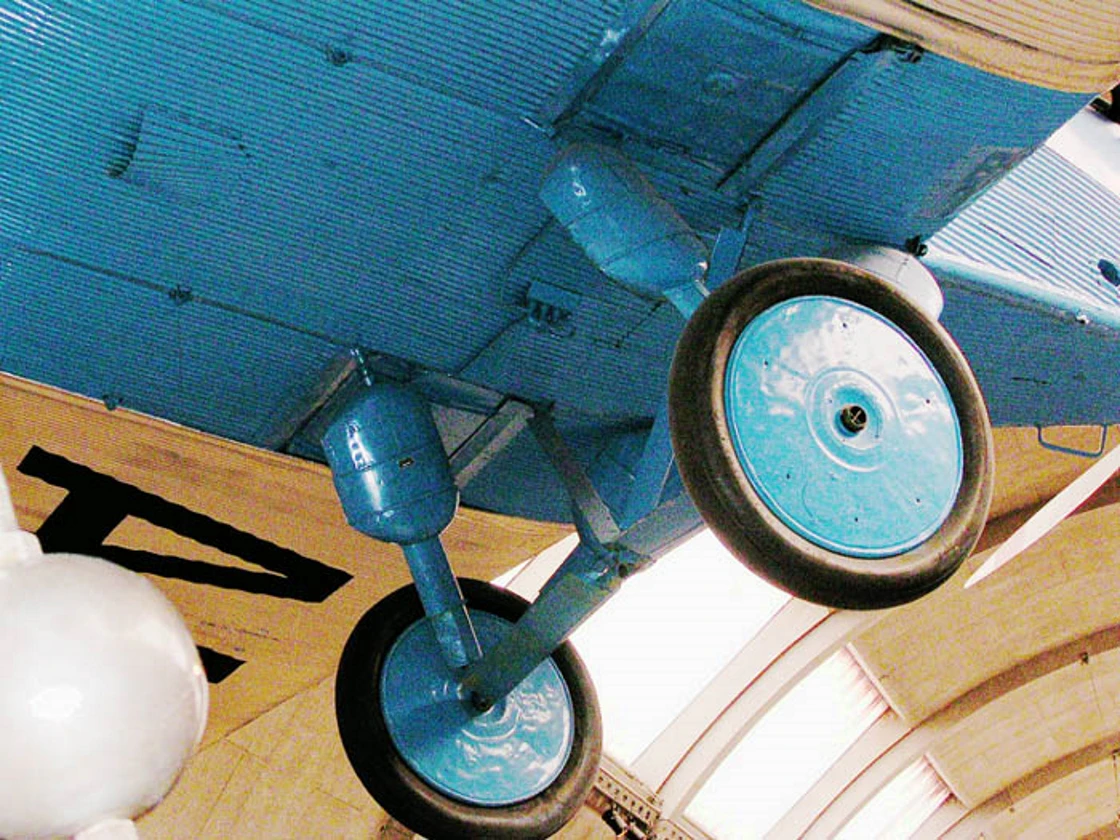
- Modular Landing Gear: The F.13 was designed to be versatile. It could be fitted with standard wheels, large wooden skis for snow, or twin duralumin floats for water operations.
A Global Legacy
- Founding of Airlines: The F.13 was the primary aircraft used to establish many of the world’s early airlines, including Lufthansa (Germany), SCADTA (Colombia), and Ad Astra Aero (Switzerland).
- Longevity: Over 300 F.13s were built. Because of their metal construction, they outlasted their wooden competitors by decades, with some remaining in commercial service well into the late 1940s.
- The American Connection: John Larsen imported F.13s to the US as the “JL-6.” One of these was used by the US Post Office to pioneer transcontinental airmail routes.
- Modern Rebirth: The design is so legendary that a Swiss team (RIMOWA) built a 1:1 flying replica of the F.13 in 2016, using the original drawings to bring the “Annelise” back to the skies.
Переглядів : 4067
Ви також можете побачити:
 Canadair CF-104 Starfighter – Фото та відео
 SPAD S.XIII – Фото & Відео
 Junkers Ju-87G-2 Stuka – фото &відео
 CASA 2.111 vol3 – WalkAround
 AV-8B Гарріер II Плюс – мобільний
 Мікоян МіГ-29 – обхідний шлях
 C-17 Globemaster – обхід
 McDonnell F-101B Voodoo – фото &відео
 Юнкери Ju-52 Tante Ju – Прогулянка Навколо
 Юнкери JU-52 – Прогулянка Навколо