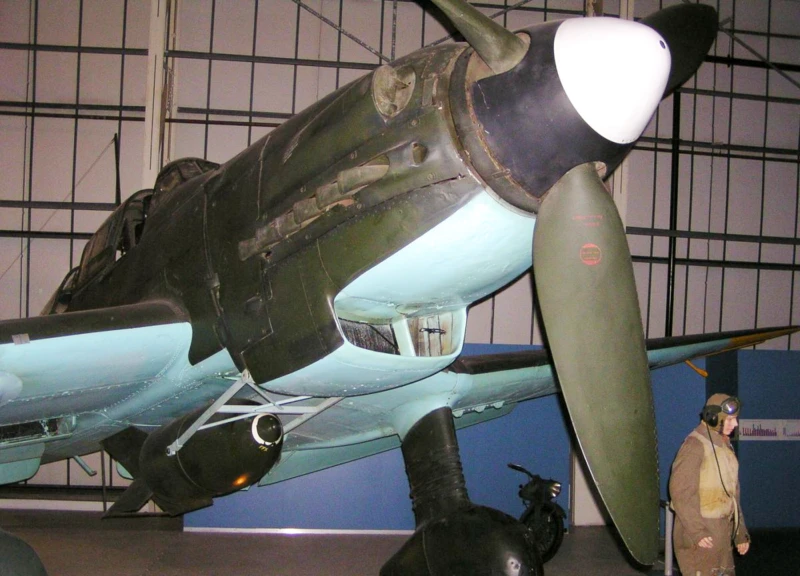
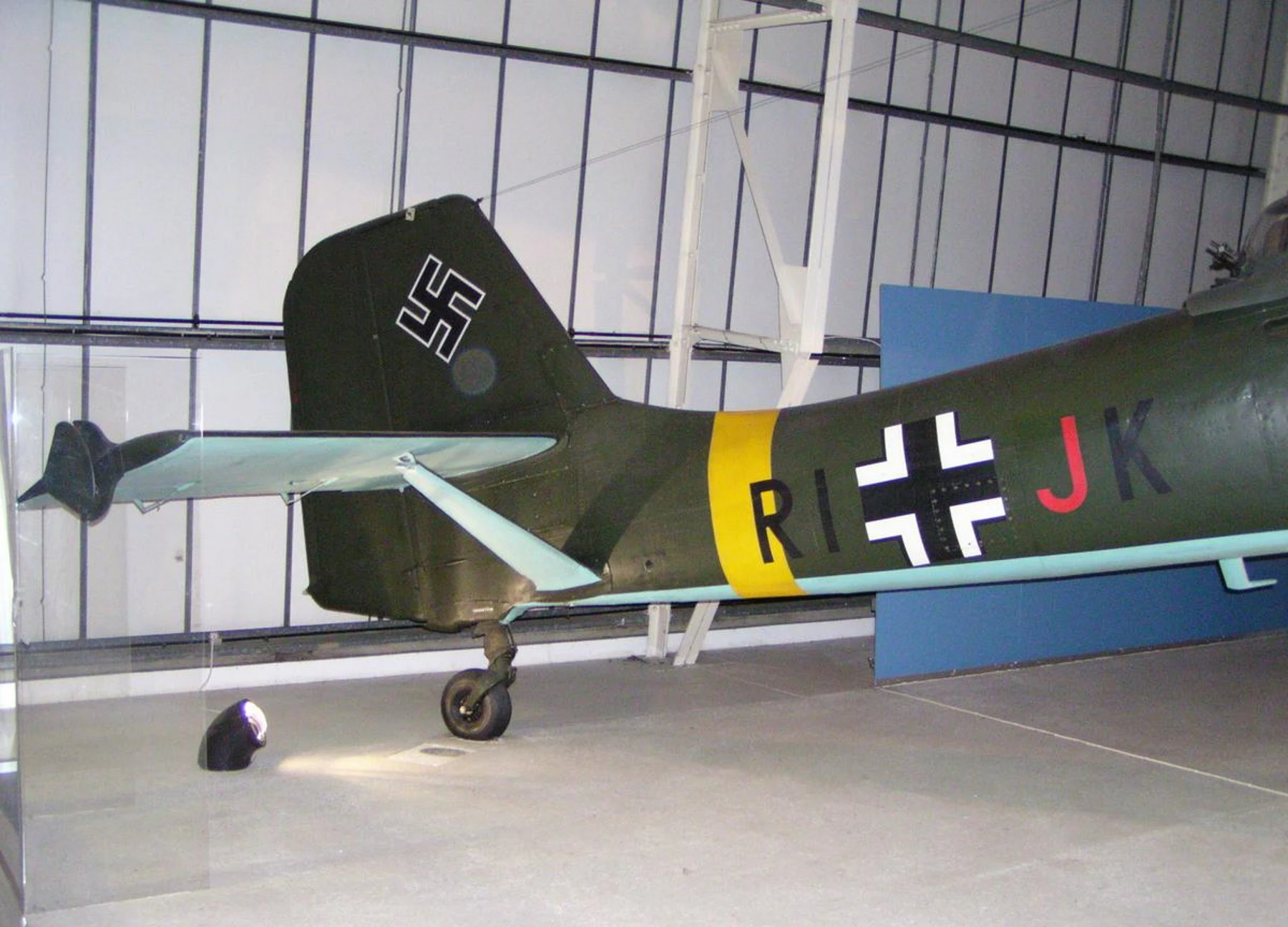
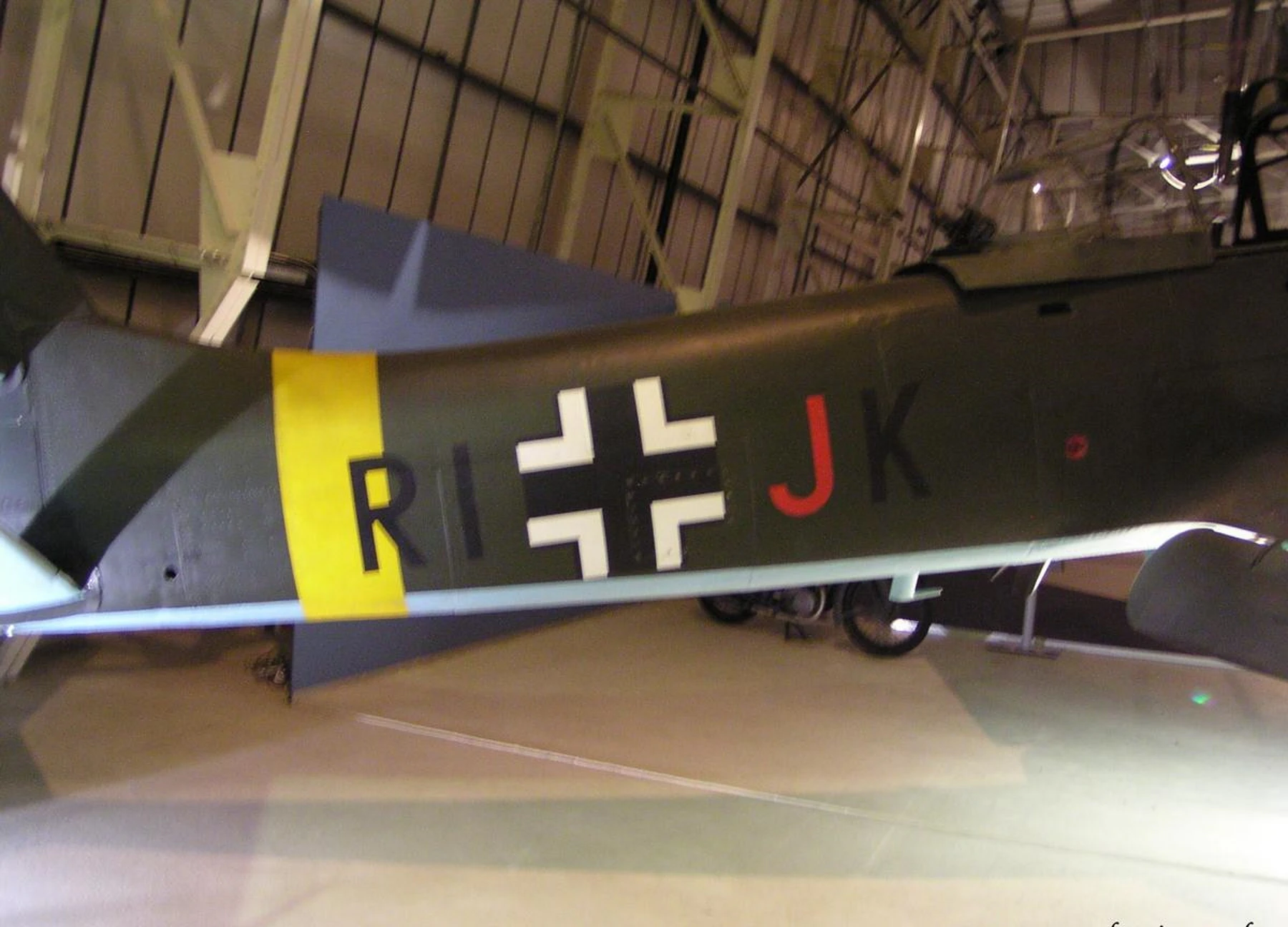
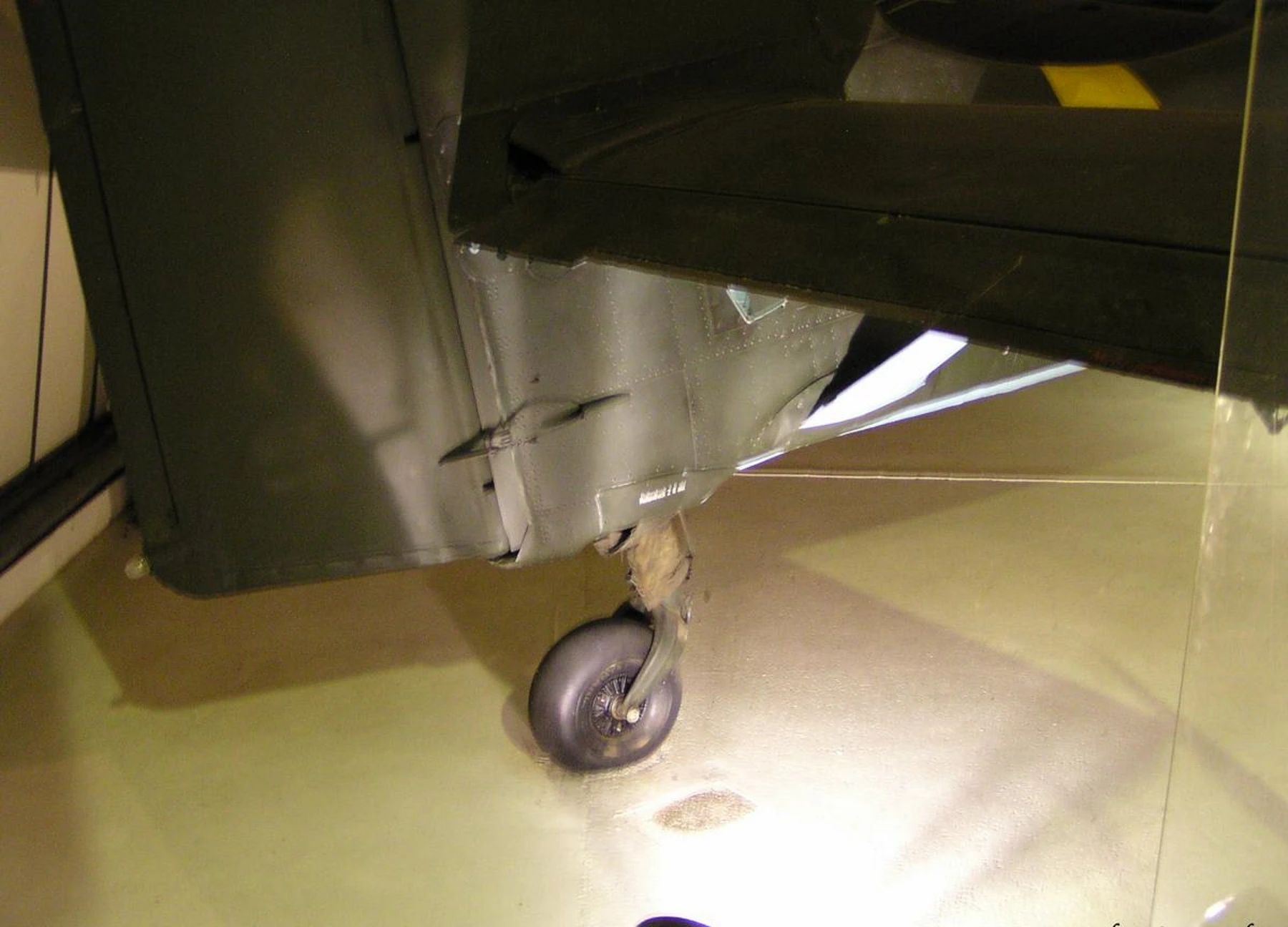
Junkers Ju-87G-2 Stuka | |
| Državi | Nacistična Nemčija |
| Vrsta | Potapljaški bombnik in letala za napad na tla |
| Prvi let | 17. september 1935 |
| Zgrajena | 6500+ |
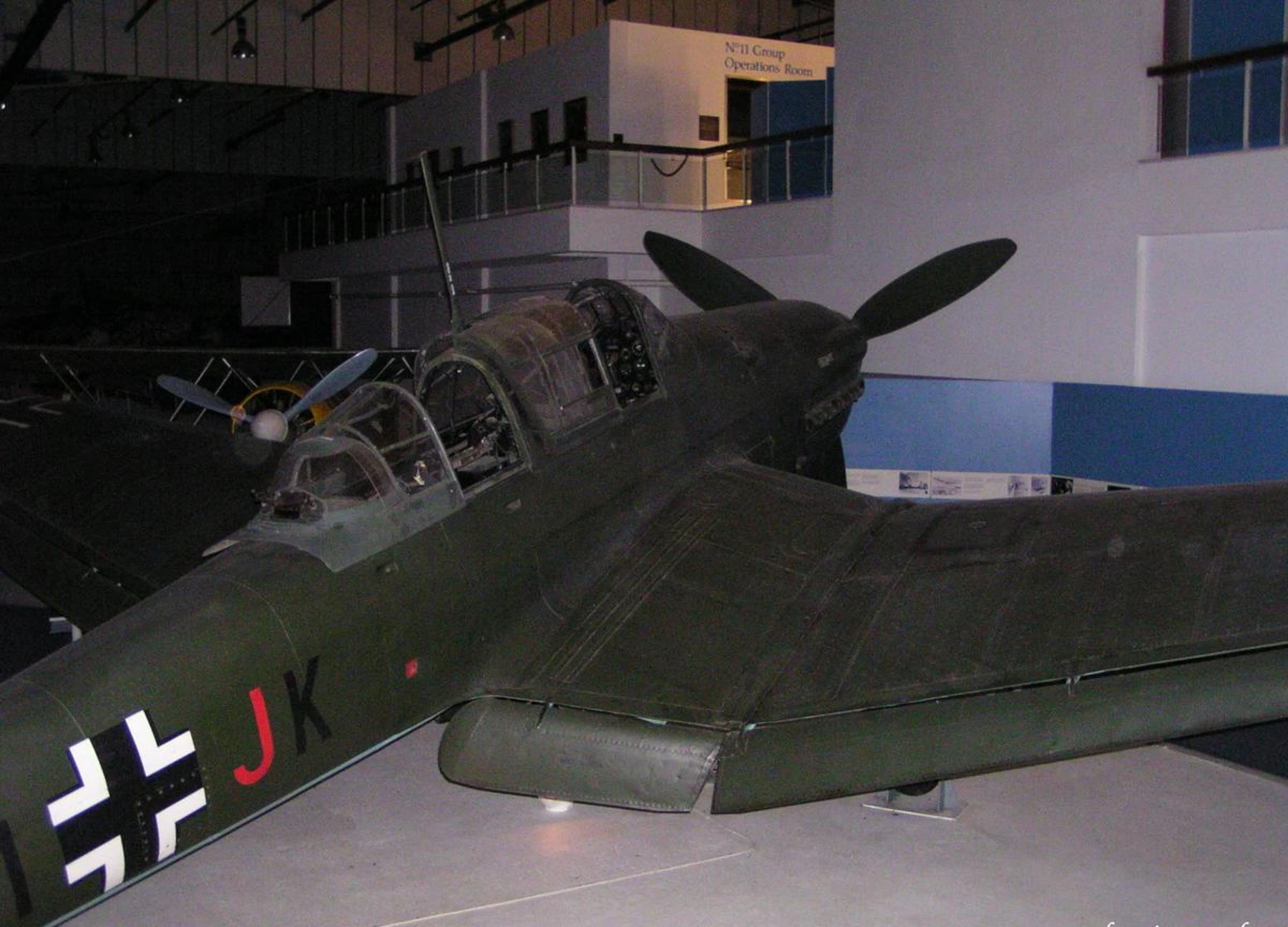
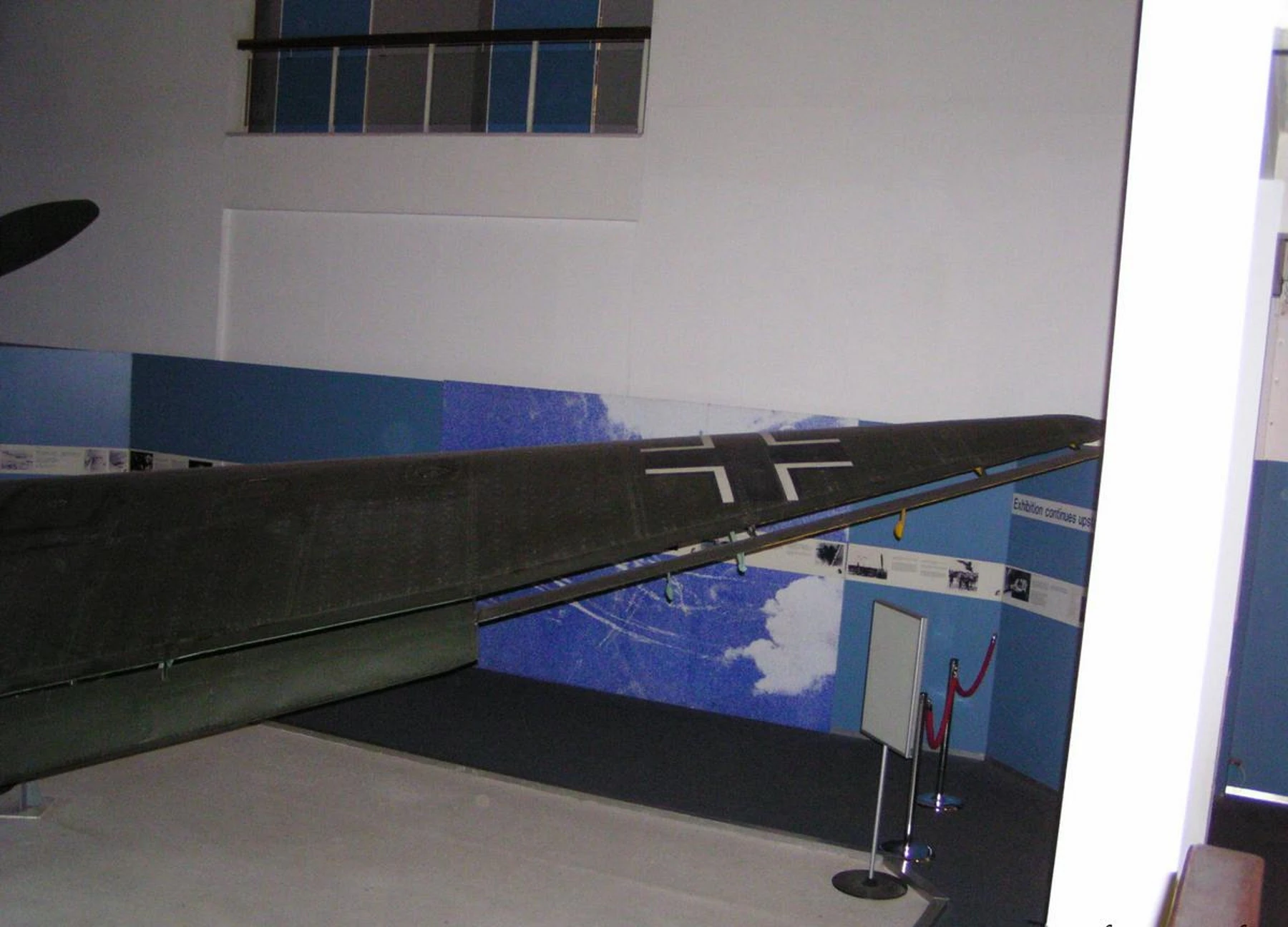
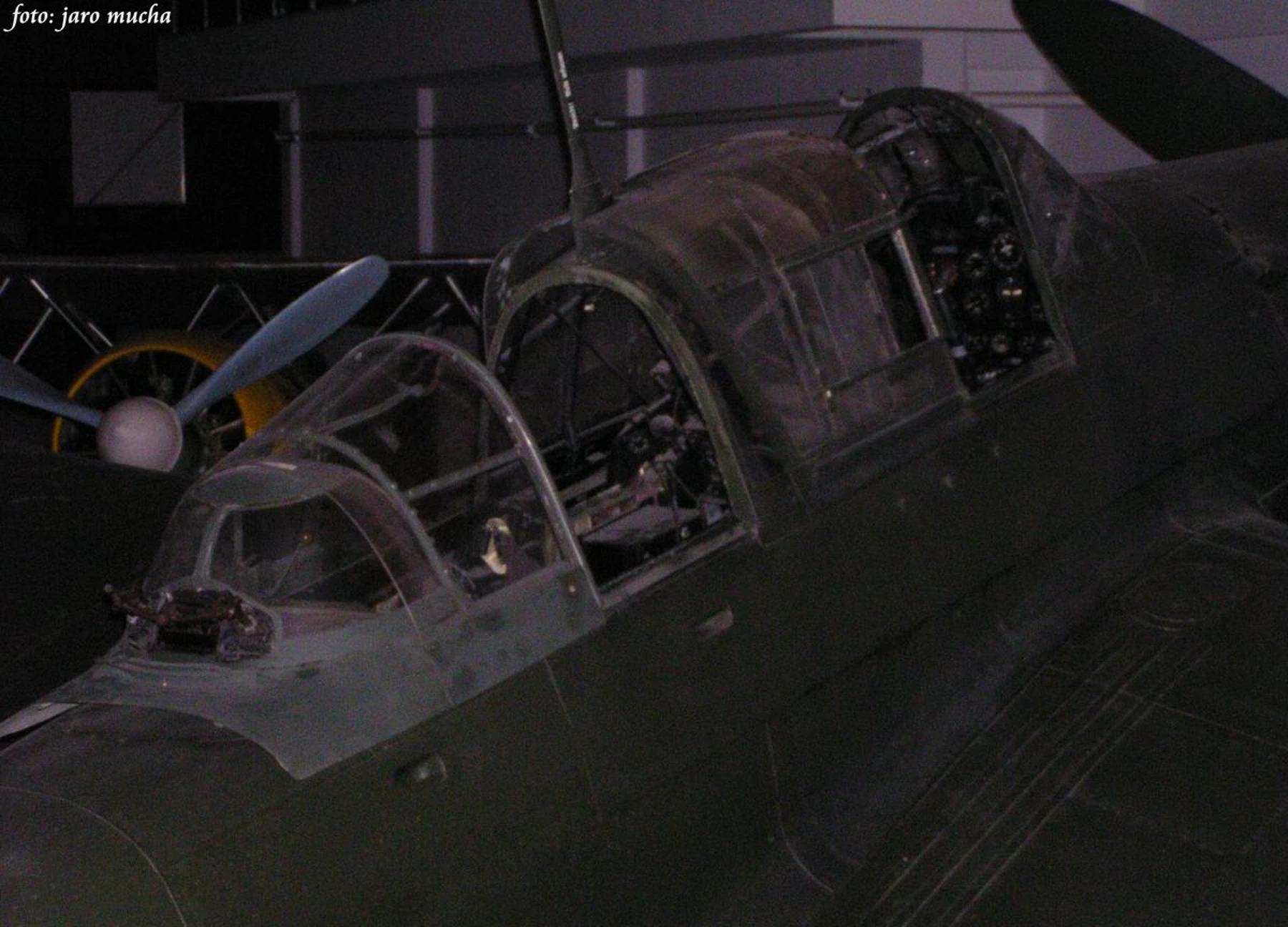
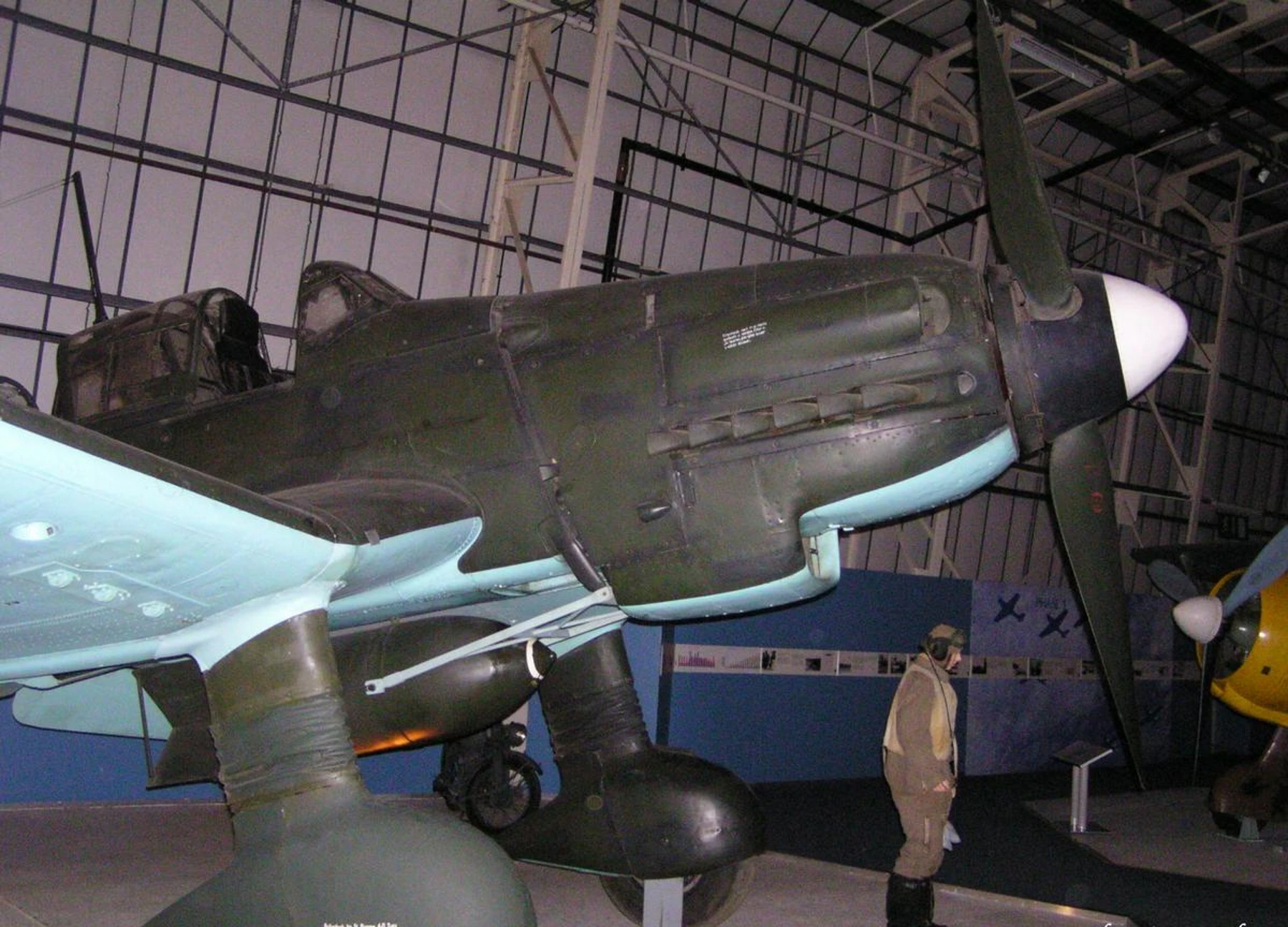
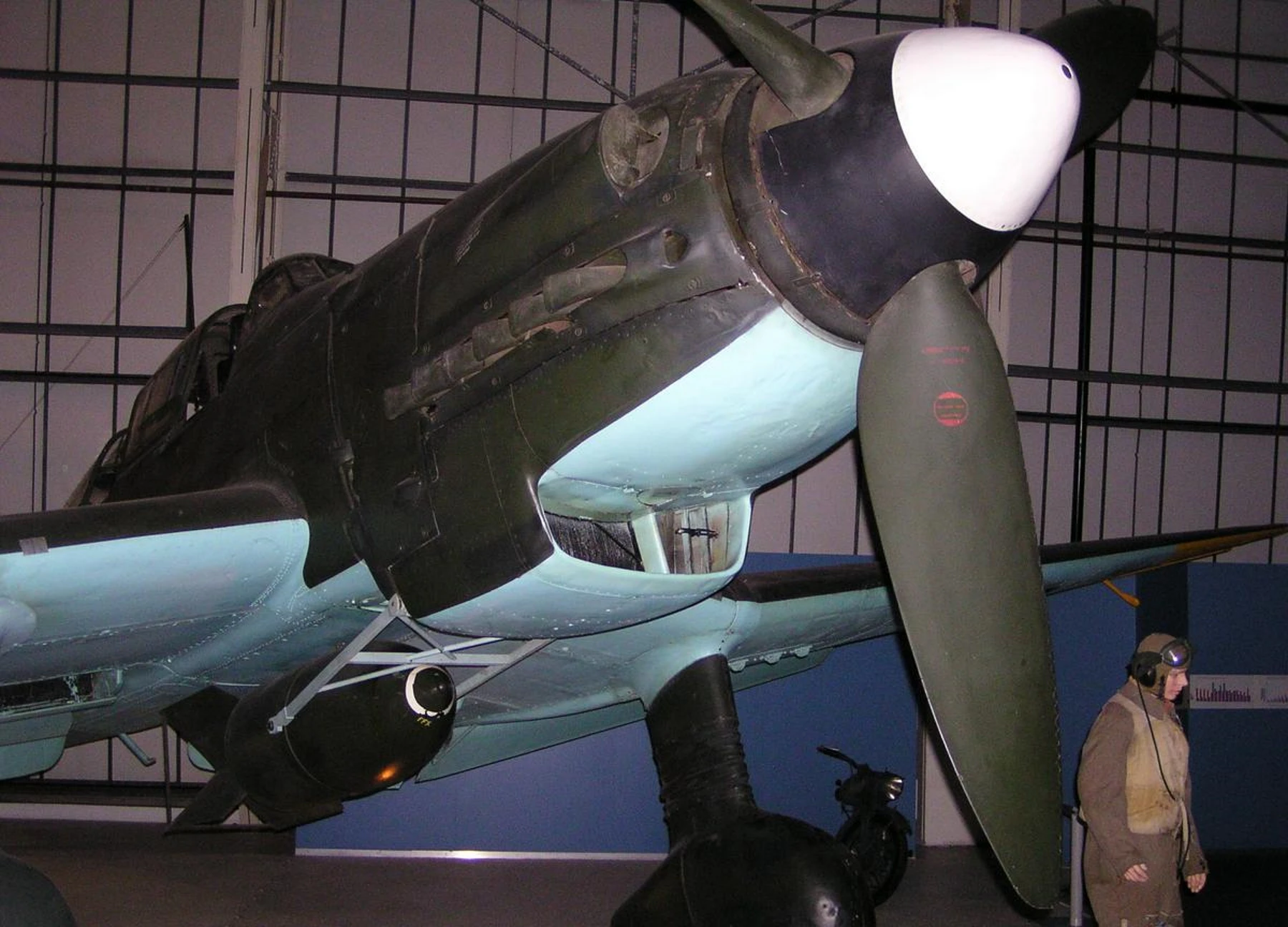
V Junkers Ju 87 ali Stuka (iz Sturzkampfflugzeug, "potopni bombnik") je bil nemški potopni bombnik in letalo zemeljskih napadov. Projektiral ga je Hermann Pohlmann, prvič je letel leta 1935. Ju 87 je v boju debitiral leta 1937 z Luftwaffe's Condor legijo med špansko državljansko vojno. Služil je silam Osi v drugi svetovni vojni. Ju 87GZ različico G je starajoč se zračni okvir Ju 87 našel novo življenje kot proti tankovsko letalo. To je bila končna operativna različica Stuke, ki je bila napotena na vzhodno fronto.
| Junkers Ju-87G-2 Stuka | |
|---|---|
| Fotograf | Jaro Mucha |
| Lokalizacijo | Neznano |
| Fotografije | 21 |

 Kupite mi kavo
Glej tudi:


| Junkers Ju-87 G2 Walk Around | |
|---|---|
| Fotograf | Unknow |
| Lokalizacijo | Neznano |
| Fotografije | 69 |
A Second Life on the Eastern Front
V Junkers Ju 87 G-2 was the final combat evolution of the legendary Stuka. By 1943, the aircraft was dangerously obsolete as a dive bomber due to its low speed and vulnerability to modern fighters. However, the desperate need to halt Soviet “tank deluges” led to the Kanonenvogel (Cannon Bird). Stripped of its dive brakes and bomb racks, the G-2 was fitted with two massive 37mm flak cannons. In the hands of experts, this ungainly aircraft became a surgical instrument of destruction, capable of cracking open a T-34 with a single well-placed shot to the rear armor.
| Attribute | Technical Specification (Ju 87 G-2) |
|---|---|
| Vlogo | Anti-Tank / Close Air Support |
| Posadke | 2 (Pilot and Rear Gunner) |
| Powerplant | 1 × Junkers Jumo 211J-1 V12 inverted liquid-cooled engine |
| Horsepower | 1,420 hp (1,044 kW) |
| Maximum Speed | 344 km/h (214 mph) — reduced by pod drag |
| Main Armament | 2 × 37 mm Bordkanone BK 3,7 cannons (12 rounds per gun) |
| Defensive Armament | 1 × 7.92 mm MG 81Z twin machine gun (rear cockpit) |
| Wing Span | 15.0 m (49 ft 2.5 in) — extended from earlier models |
Design Engineering: The Tank-Cracker
- The BK 3,7 Cannons: These were adapted from the 3.7 cm Flak 18 anti-aircraft gun. Firing tungsten-cored Hartkernmunition (APCR), they could penetrate the thin top or rear armor of any Soviet tank. However, each pod weighed over 600 lbs, making the plane incredibly “heavy” on the controls.
- Removal of Dive Brakes: The G-series was no longer intended for vertical diving. The iconic dive brakes were removed to save weight and offset the massive drag of the gun pods. Attacks were instead carried out in shallow, low-level glides.
- Extended Wings: Based on the Ju 87 D-5 airframe, the G-2 featured extended outer wing panels. This was necessary to provide enough lift for the heavily encumbered aircraft and to improve stability when the large cannons fired.
- Recoil Sync: The guns were synchronized to fire simultaneously. If one gun jammed while the other fired, the massive off-center recoil could literally jerk the aircraft out of the sky or cause it to spin.
The Legend of Hans-Ulrich Rudel
- The Knight of the Sky: Hans-Ulrich Rudel is the pilot most synonymous with the G-2. He is credited with destroying 519 Soviet tanks, a battleship (the Marat), and a cruiser. He was the only person to receive the “Golden Oak Leaves” to the Knight’s Cross.
- The “Rear-Attack” Tactic: Rudel perfected the art of flying at “chimney-height” to approach tanks from the rear, where the armor over the engine vents was thinnest. He often flew so low that his aircraft was buffeted by the explosion of the tanks he hit.
- High-Stakes Combat: The G-2 was a “marginal” warplane. It was so slow that it required an escort of Focke-Wulf Fw 190s just to survive the flight to the target. If caught by Soviet fighters without cover, the G-2 was almost defenseless.
- Surviving Examples: One of the few original Ju 87 G-2s in existence is preserved at the Royal Air Force Museum in London. It serves as a stark reminder of the “last stand” of the Stuka on the Eastern Front.
Views : 9080
Prav tako si lahko ogledate:
 Martin 4-0-4 – Fotografije & Video posnetki
 Bristol F.2 Fighter – Fotografije & Video posnetki
 Northrop JB-1 Bat – Fotografije & Video posnetki
 Convair F2Y Sea Dart – Fotografije & Video posnetki
 Miles Magister – Fotografije & Video posnetki
 Junkers F.13 – Fotografije & Video
 KFIR C-1 – WalkAround
 MiG-29 – WalkAround
 Junkers Ju-52 Tante Ju – Sprehod Okoli
 Junkers JU-52 – Sprehod Okoli
Nov nabor 40 fotografij