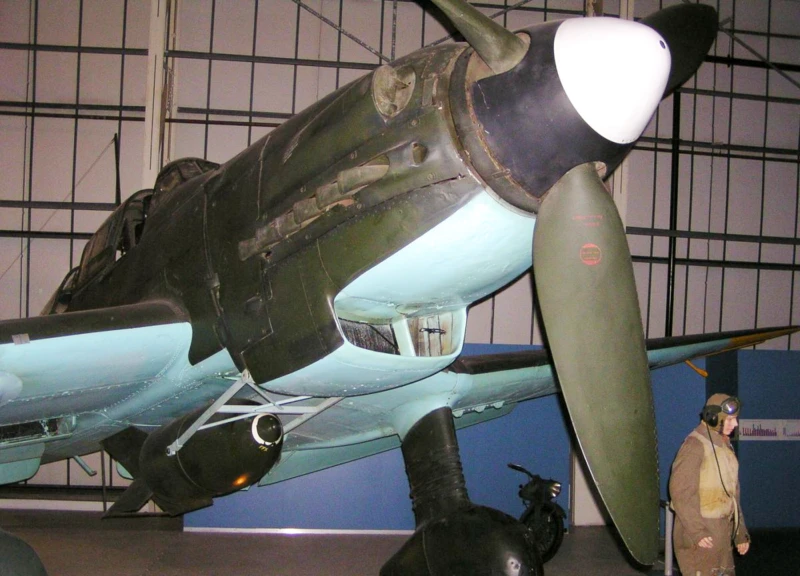
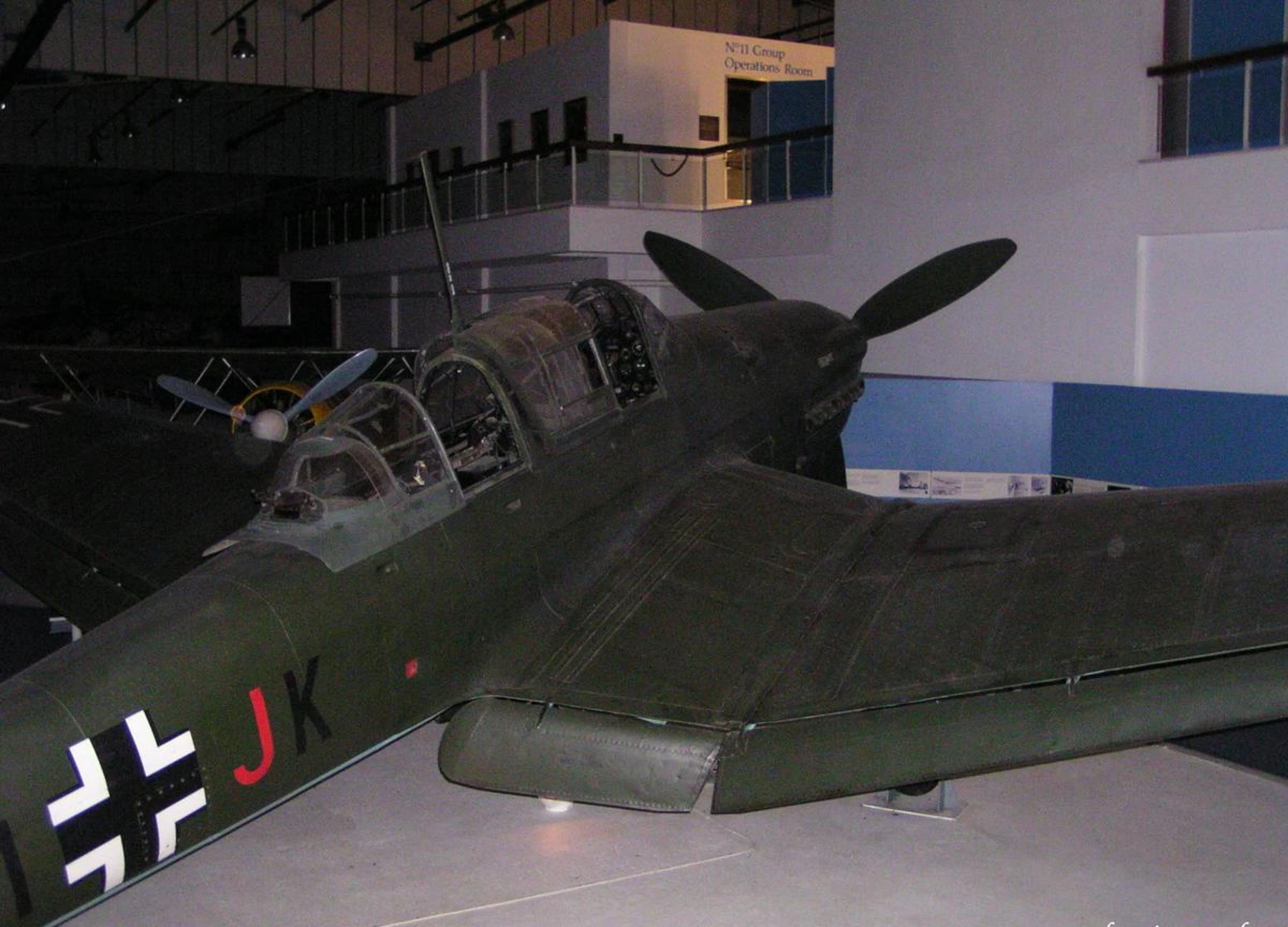
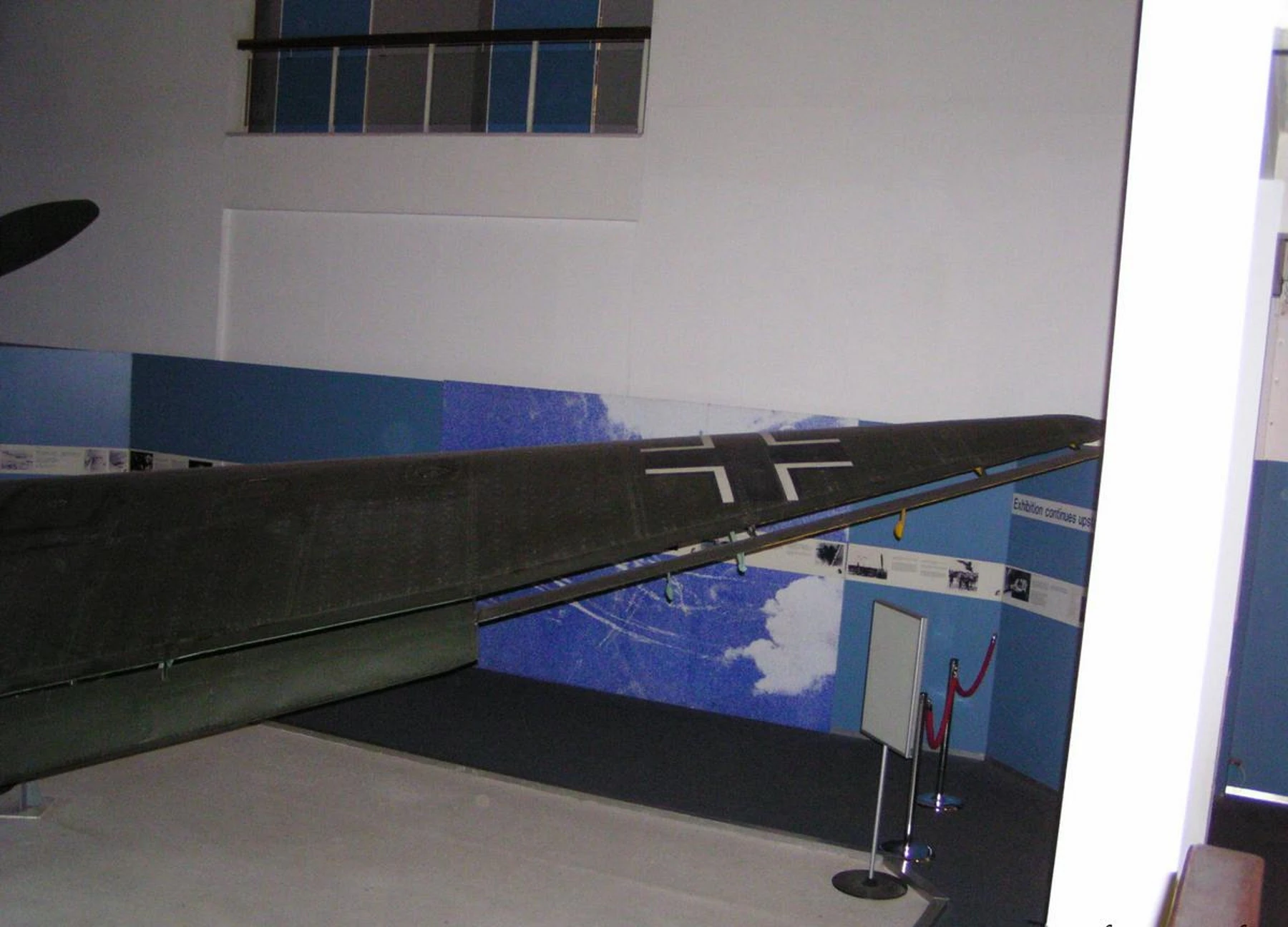
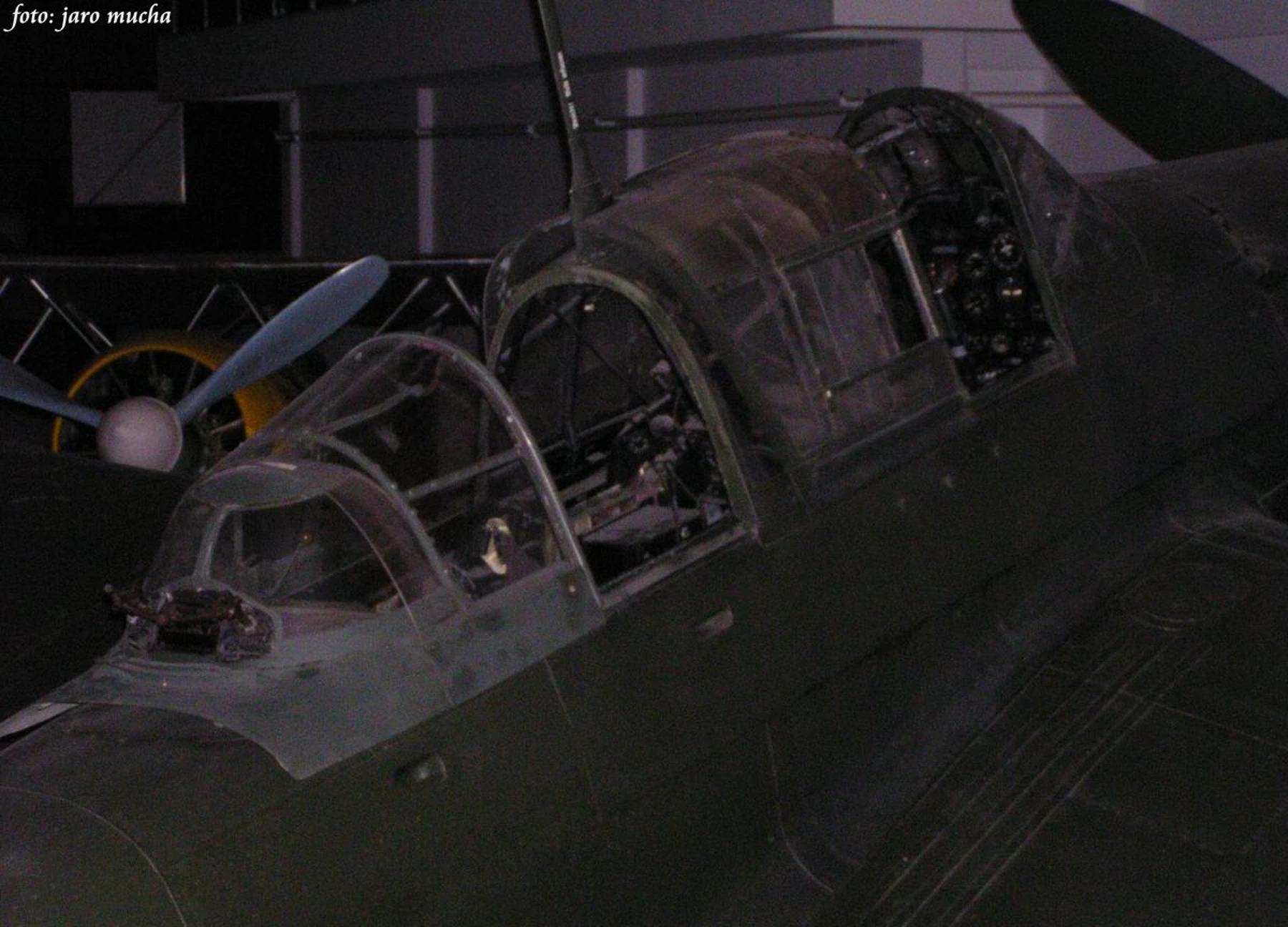
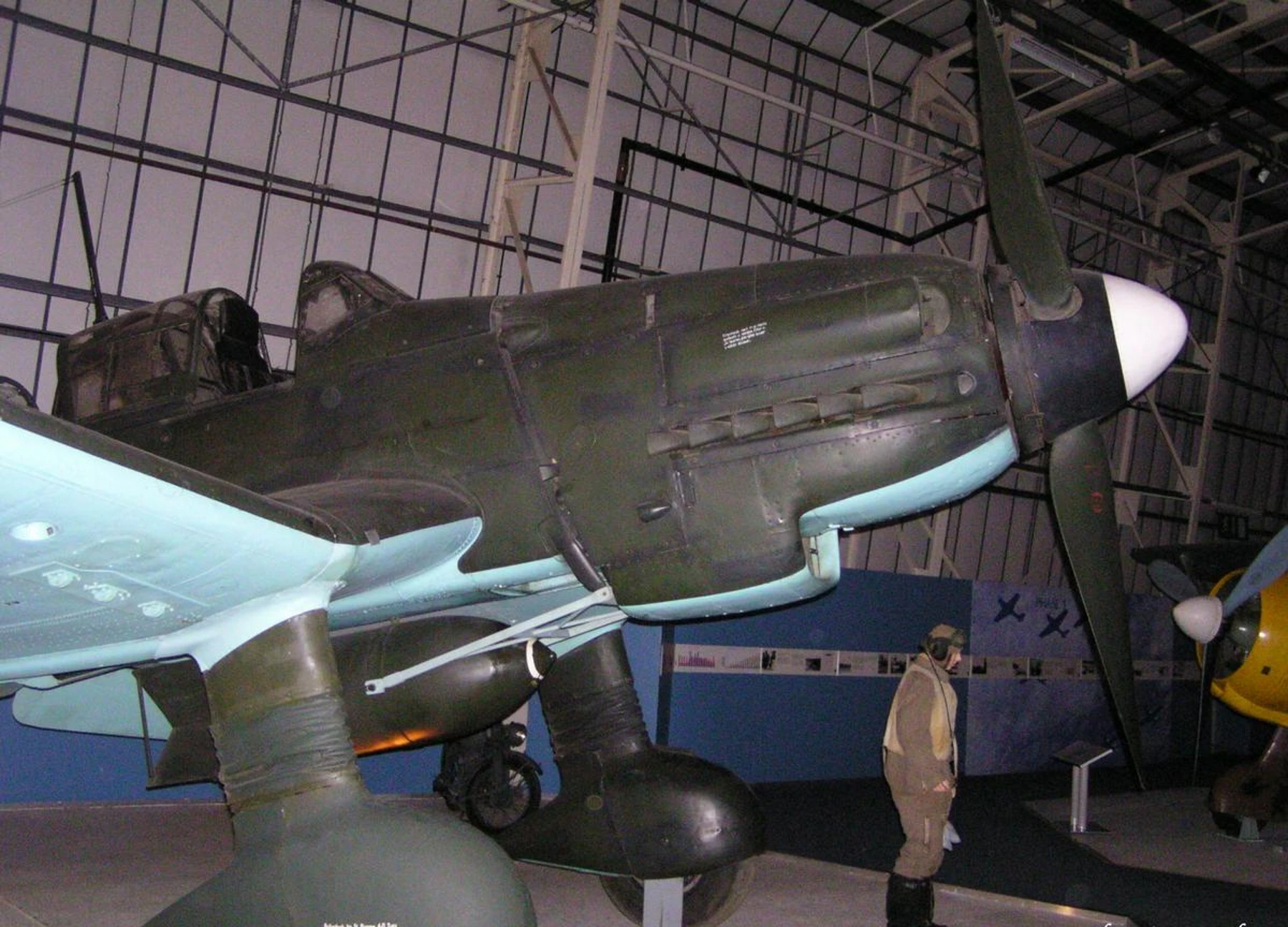
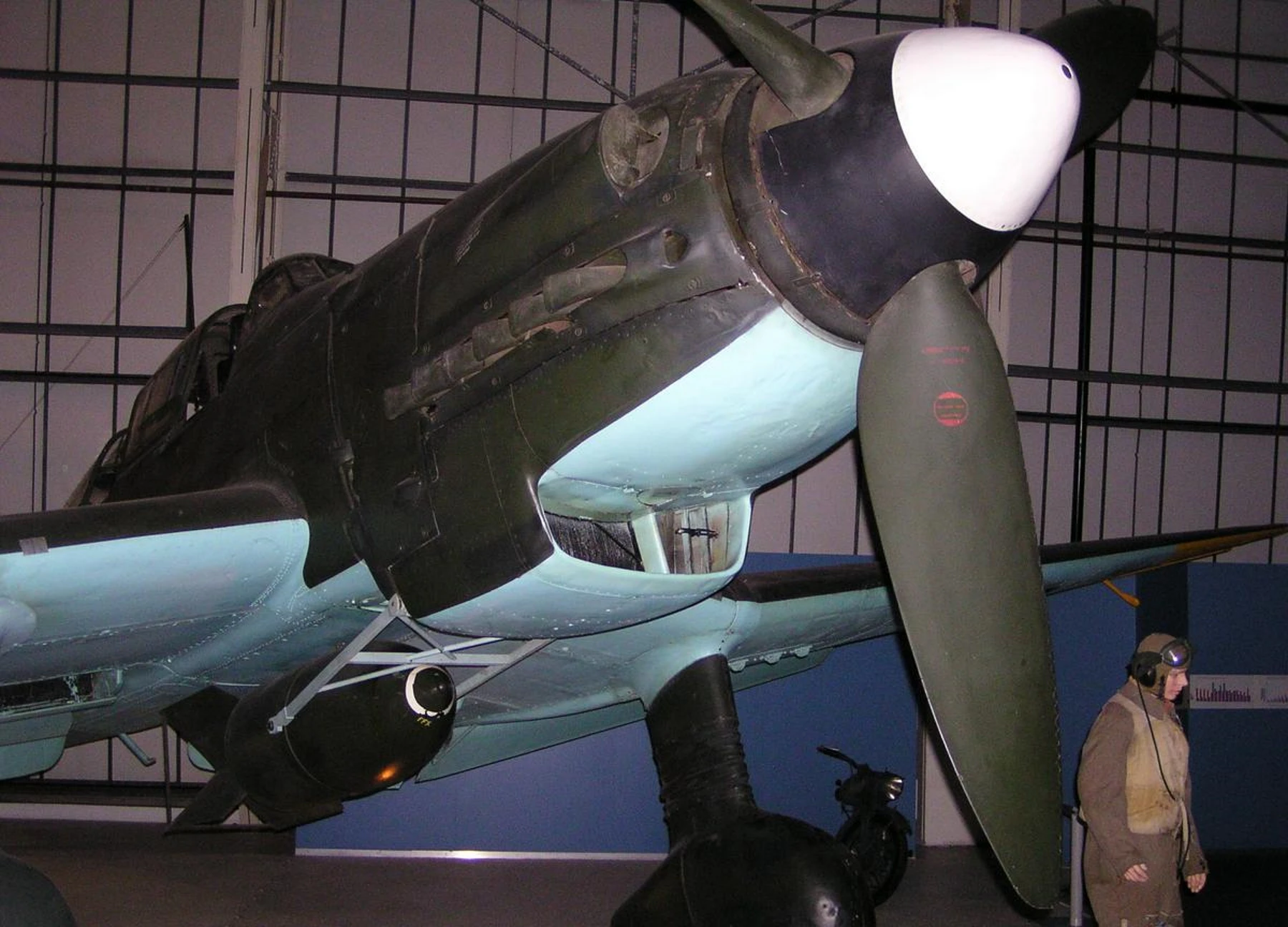
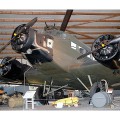
정커 주-87G-2 스투카 | |
| 국가 | 나치 독일 |
| 형식 | 다이빙 폭격기 및 지상 공격 항공기 |
| 첫 비행 | 1935년 9월 17일 |
| 내장 | 6500+ |
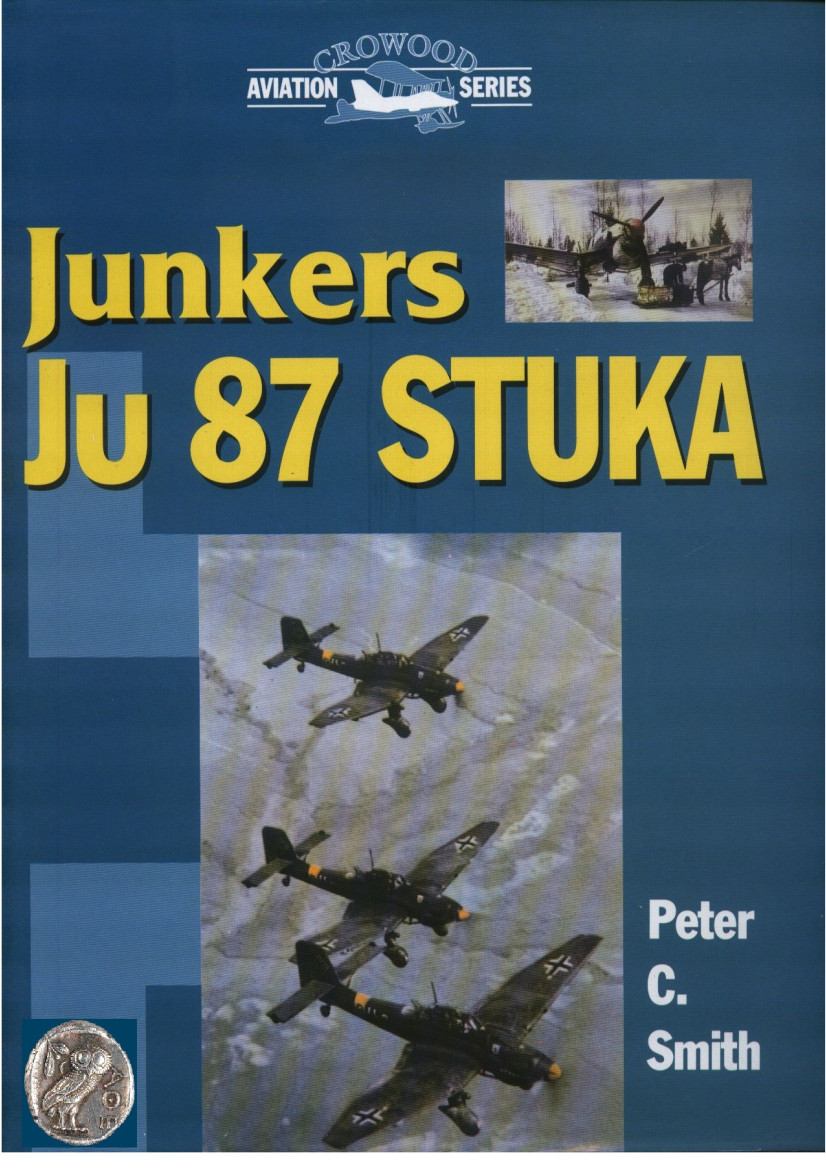
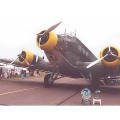
Tthe 정커 주 87 또는 스투카 (주) (Sturzkampfflugzeug에서, "다이빙 폭격기") 독일 다이빙 폭격기와 지상 공격 항공기였다. 헤르만 폴만이 설계한 이 비행은 1935년에 처음 날아갔다. Ju 87은 스페인 남북 전쟁 중 루프트한자의 콘도르 군단과 함께 1937년에 전투에 데뷔했습니다. 그것은 차 세계 대전에서 축 세력을 봉사했다. 주 87G: G 변종으로 Ju 87의 노후화기는 대전차 항공기로서의 새로운 삶을 발견했습니다. 이것은 스투카의 최종 운영 버전이었고, 동부 전선에 배치되었다.
| 정커 주-87G-2 스투카 | |
|---|---|
| 사진 작가 | 자로 무카 |
| 로컬라이제이션 | Unknow |
| 사진 | 21 |

 커피 사줘
커피 사줘참고 항목:


| Junkers Ju-87 G2 Walk Around | |
|---|---|
| 사진 작가 | Unknow |
| 로컬라이제이션 | Unknow |
| 사진 | 69 |
A Second Life on the Eastern Front
Tthe Junkers Ju 87 G-2 was the final combat evolution of the legendary Stuka. By 1943, the aircraft was dangerously obsolete as a dive bomber due to its low speed and vulnerability to modern fighters. However, the desperate need to halt Soviet “tank deluges” led to the Kanonenvogel (Cannon Bird). Stripped of its dive brakes and bomb racks, the G-2 was fitted with two massive 37mm flak cannons. In the hands of experts, this ungainly aircraft became a surgical instrument of destruction, capable of cracking open a T-34 with a single well-placed shot to the rear armor.
| Attribute | Technical Specification (Ju 87 G-2) |
|---|---|
| 역할 | Anti-Tank / Close Air Support |
| 승무원 | 2 (Pilot and Rear Gunner) |
| 동력 장치 | 1 × Junkers Jumo 211J-1 V12 inverted liquid-cooled engine |
| Horsepower | 1,420 hp (1,044 kW) |
| 최대 속도 | 344 km/h (214 mph) — reduced by pod drag |
| 주무장 | 2 × 37 mm Bordkanone BK 3,7 cannons (12 rounds per gun) |
| Defensive Armament | 1 × 7.92 mm MG 81Z twin machine gun (rear cockpit) |
| Wing Span | 15.0 m (49 ft 2.5 in) — extended from earlier models |
Design Engineering: The Tank-Cracker
- The BK 3,7 Cannons: These were adapted from the 3.7 cm Flak 18 anti-aircraft gun. Firing tungsten-cored Hartkernmunition (APCR), they could penetrate the thin top or rear armor of any Soviet tank. However, each pod weighed over 600 lbs, making the plane incredibly “heavy” on the controls.
- Removal of Dive Brakes: The G-series was no longer intended for vertical diving. The iconic dive brakes were removed to save weight and offset the massive drag of the gun pods. Attacks were instead carried out in shallow, low-level glides.
- Extended Wings: Based on the Ju 87 D-5 airframe, the G-2 featured extended outer wing panels. This was necessary to provide enough lift for the heavily encumbered aircraft and to improve stability when the large cannons fired.
- Recoil Sync: The guns were synchronized to fire simultaneously. If one gun jammed while the other fired, the massive off-center recoil could literally jerk the aircraft out of the sky or cause it to spin.
The Legend of Hans-Ulrich Rudel
- The Knight of the Sky: Hans-Ulrich Rudel is the pilot most synonymous with the G-2. He is credited with destroying 519 Soviet tanks, a battleship (the Marat), and a cruiser. He was the only person to receive the “Golden Oak Leaves” to the Knight’s Cross.
- The “Rear-Attack” Tactic: Rudel perfected the art of flying at “chimney-height” to approach tanks from the rear, where the armor over the engine vents was thinnest. He often flew so low that his aircraft was buffeted by the explosion of the tanks he hit.
- High-Stakes Combat: The G-2 was a “marginal” warplane. It was so slow that it required an escort of Focke-Wulf Fw 190s just to survive the flight to the target. If caught by Soviet fighters without cover, the G-2 was almost defenseless.
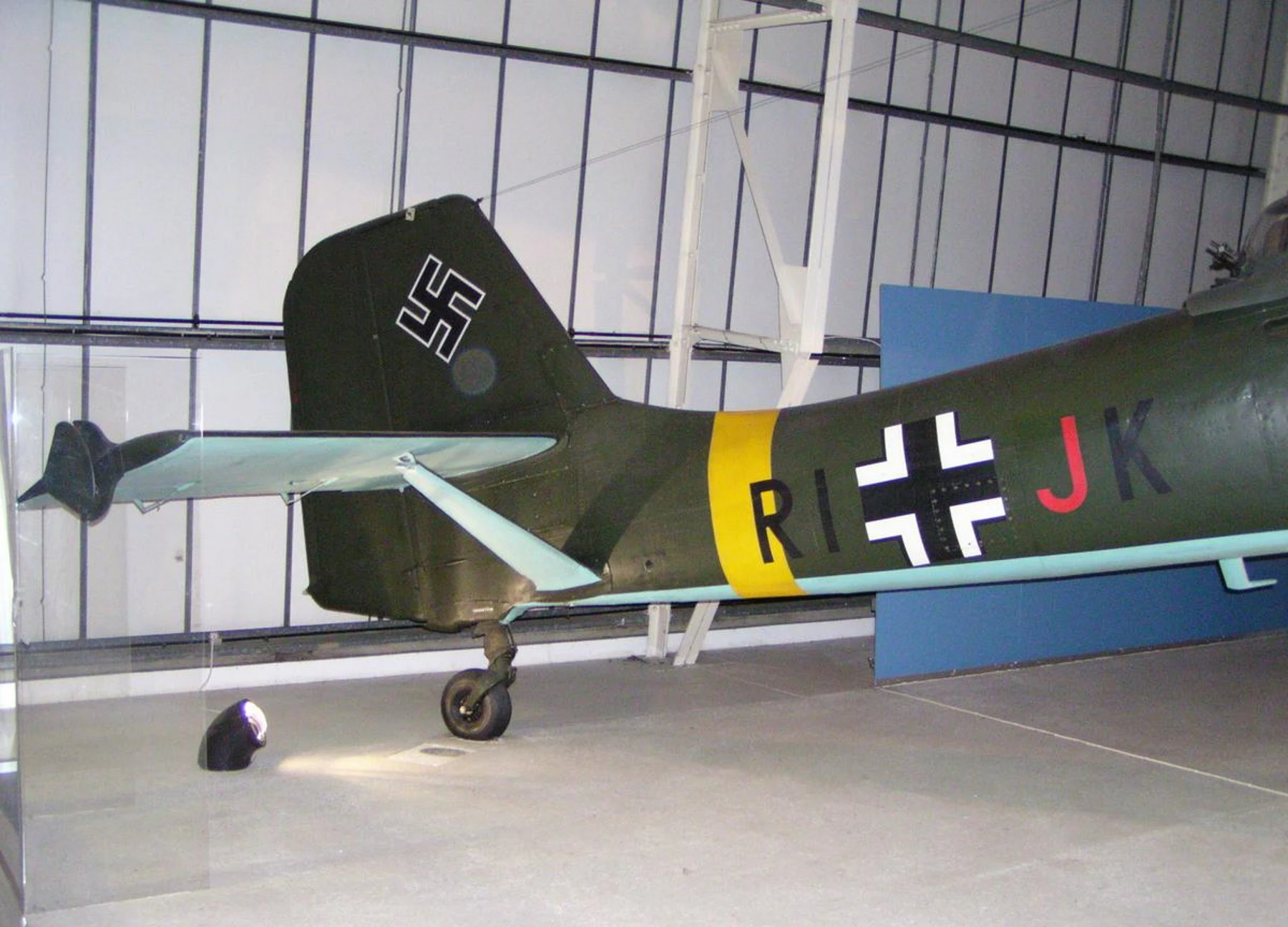
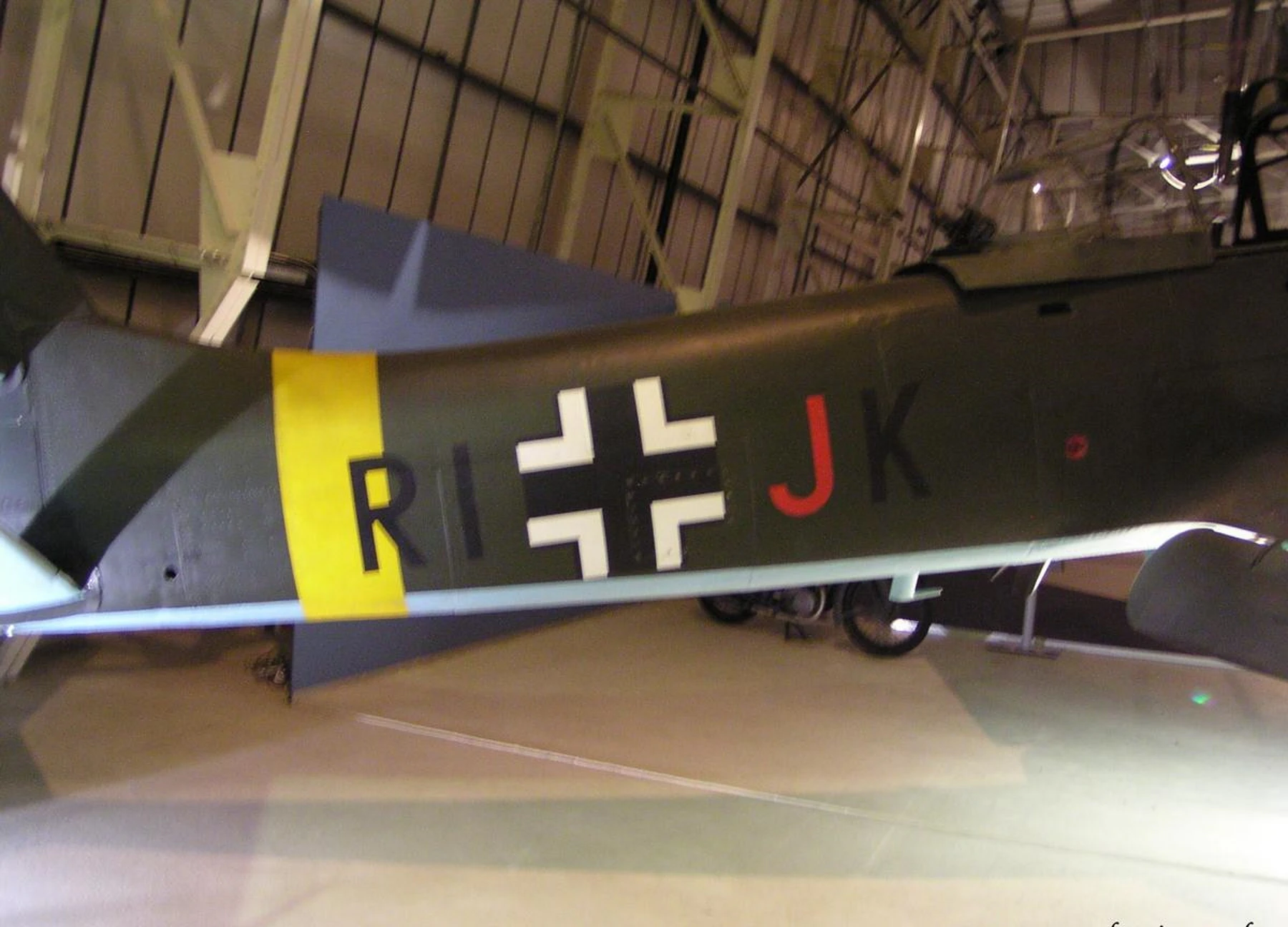
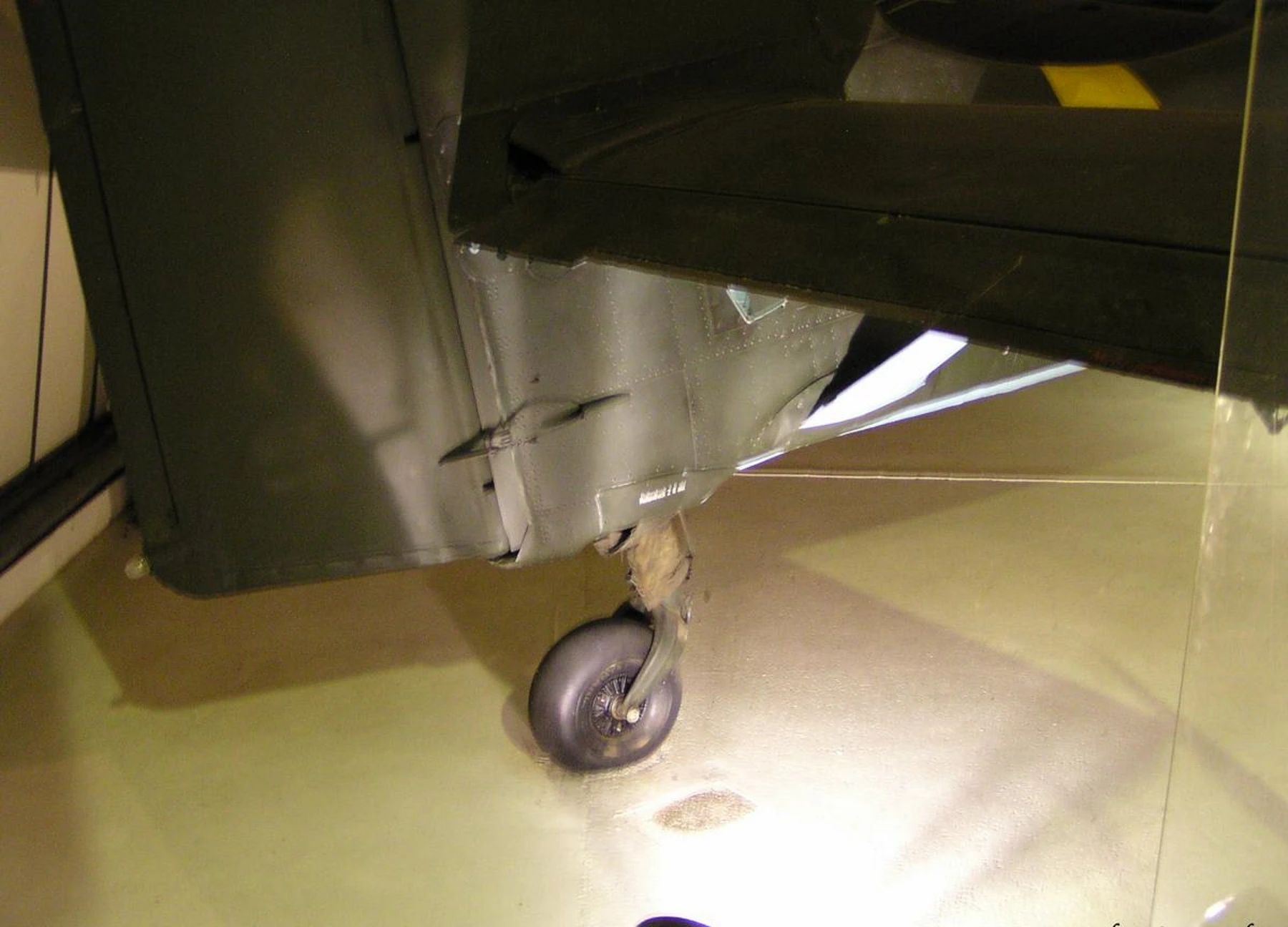
- Surviving Examples: One of the few original Ju 87 G-2s in existence is preserved at the Royal Air Force Museum in London. It serves as a stark reminder of the “last stand” of the Stuka on the Eastern Front.
조회수 : 9097
40장의 새로운 사진 세트