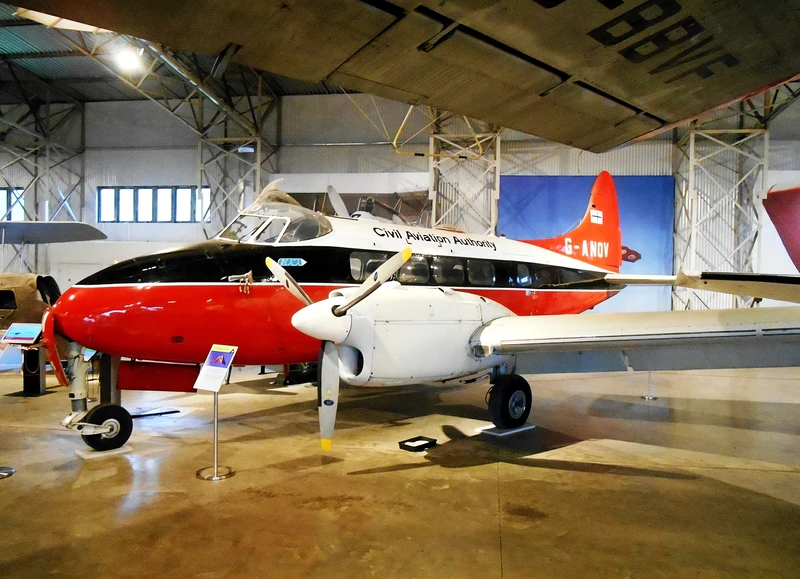
| de Havilland DH.104 Dove | |
|---|---|
| Državi | Uk |
| Vlogo | Kratkoročni letalski prevoznik |
| Prvi let | 25. septembra 1945 |
| Zgrajena | 544 |
V de Havilland DH.104 Dove je britansko potniško letalo na kratke razdalje, ki ga je razvil in izdelal de Havilland. Zasnova, ki je bila naslednica predvojnega dvokrilca Dragon Rapide, je nastala iz poročila odbora Brabazon, ki je med drugimi tipi letal pozval k britanskemu napajalniku na kratke razdalje za letalske prevoznike.
Vir: de Havilland DH.104 Dove na Wikipediji, prosta enciklopedija
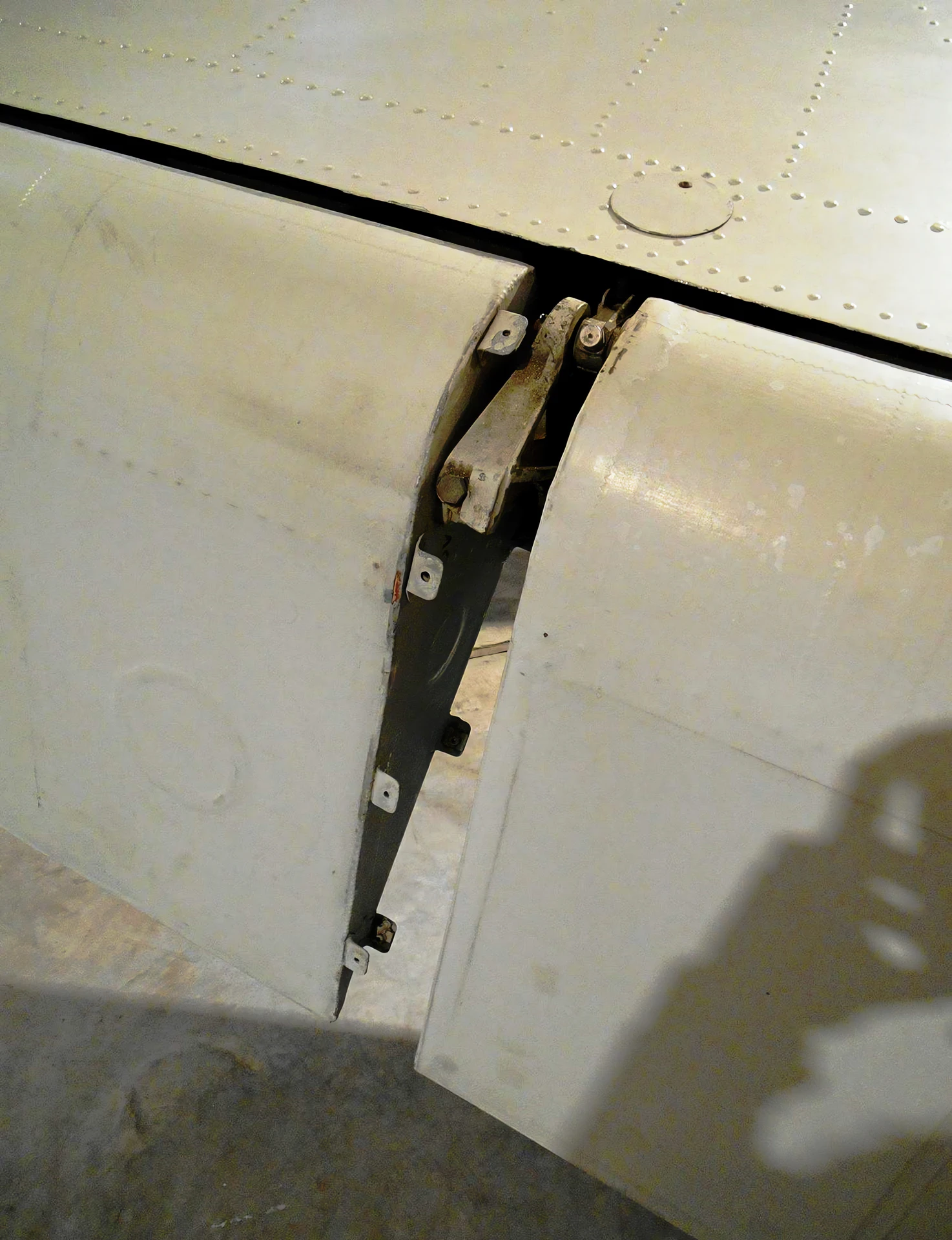
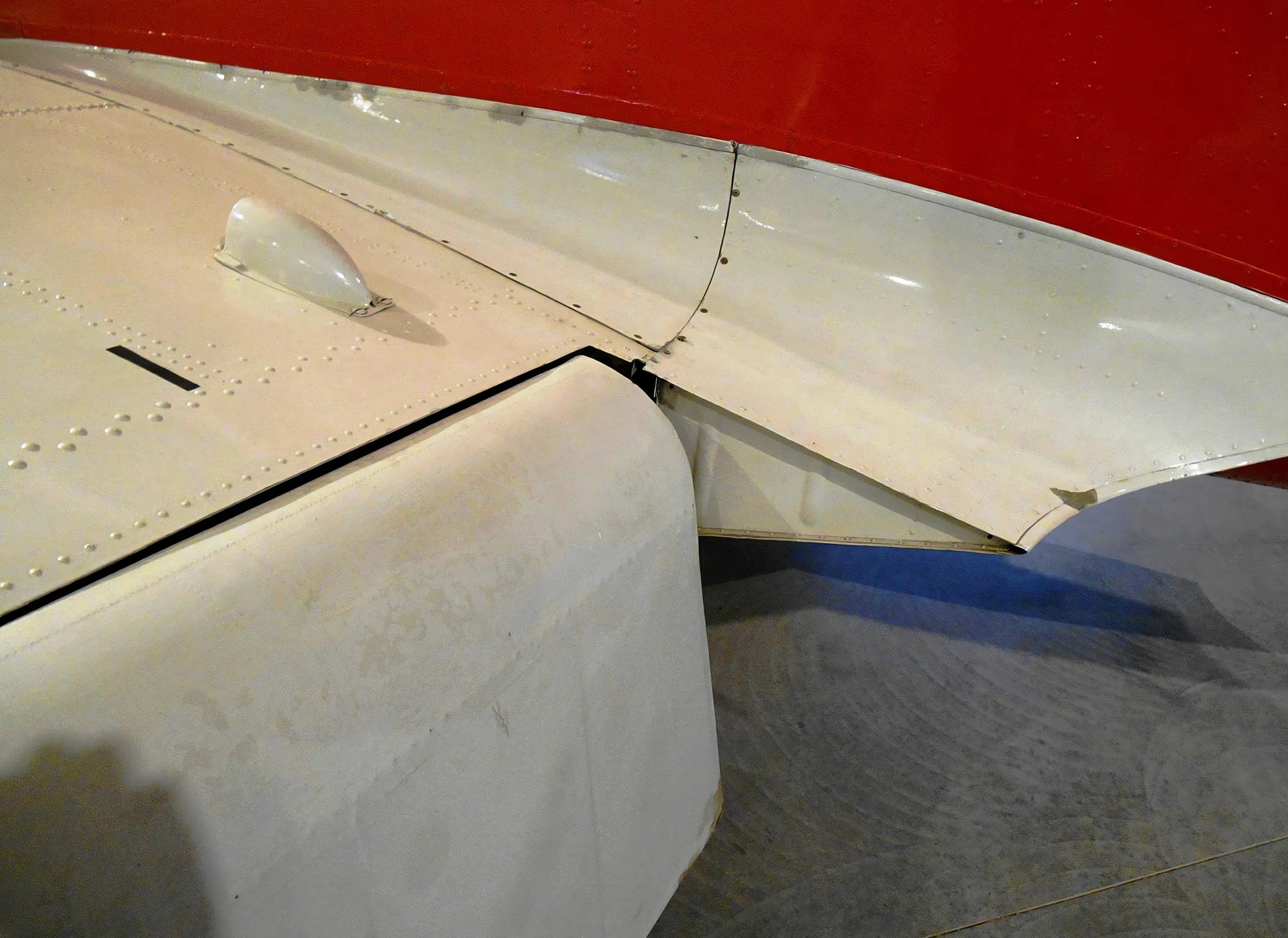
| De Havilland DH.104 ‘Dove’ Walk Around | |
|---|---|
| Fotograf | Ondrej Skarka |
| Lokalizacijo | Neznano |
| Fotografije | 16 |
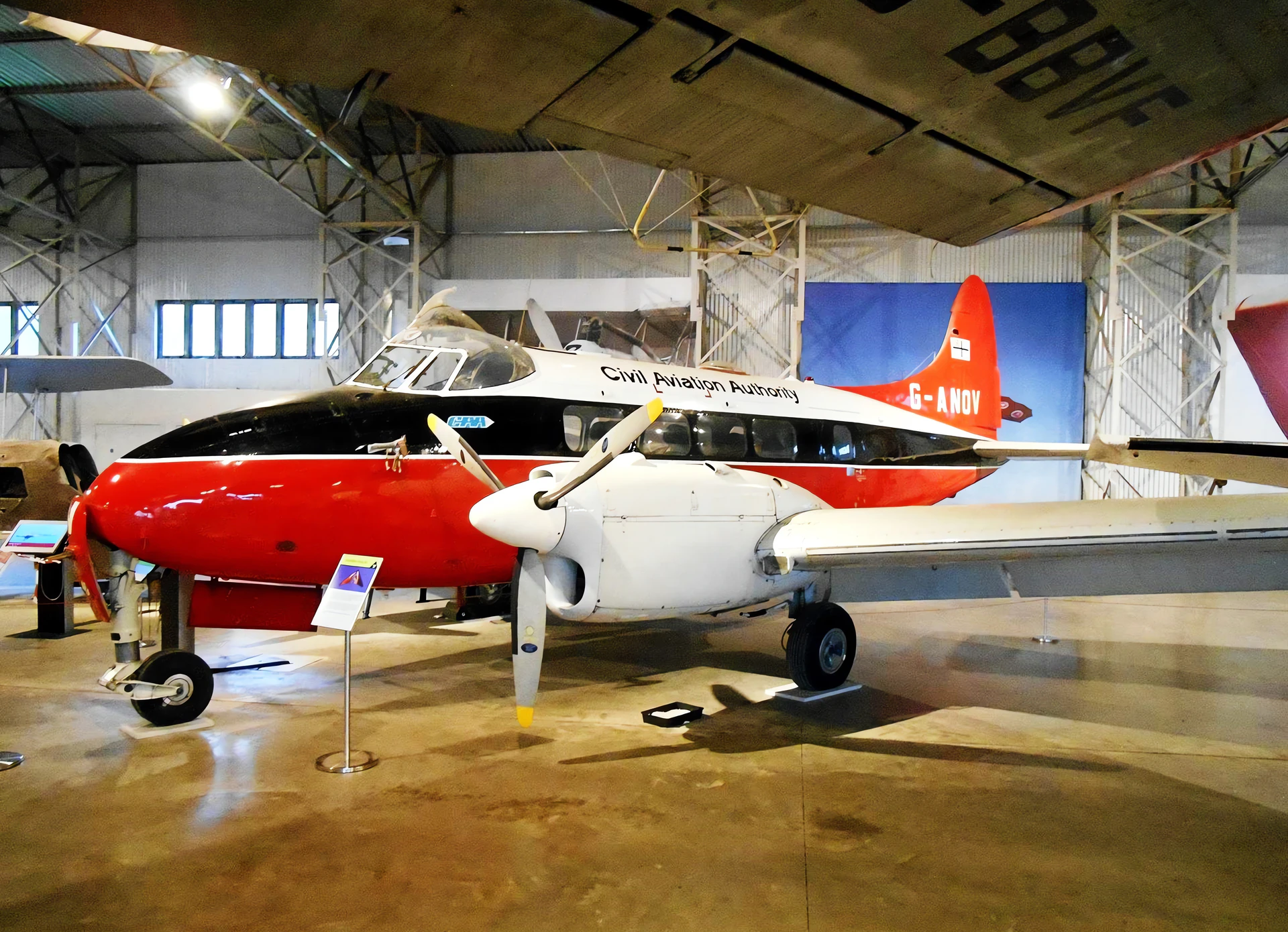
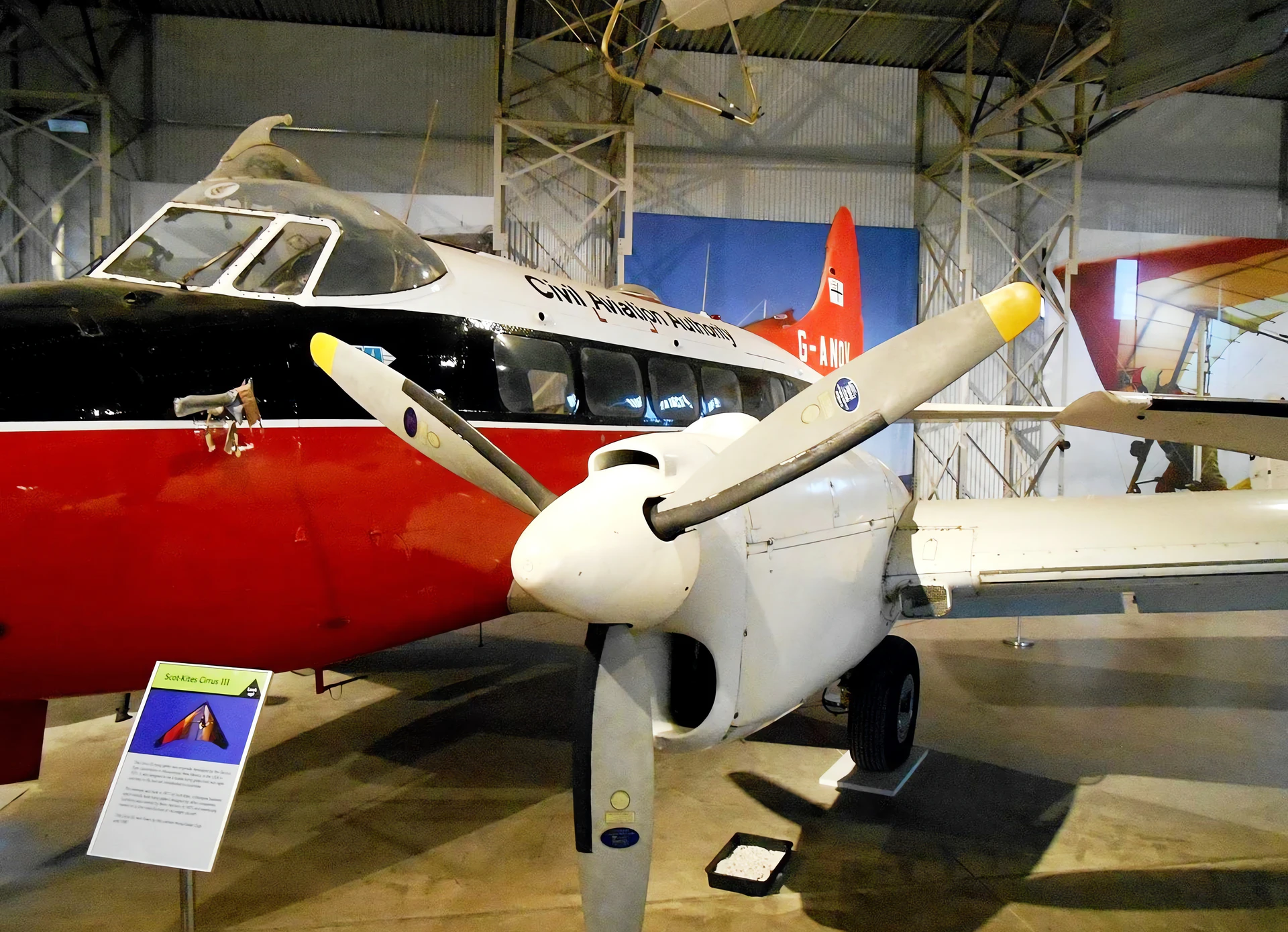
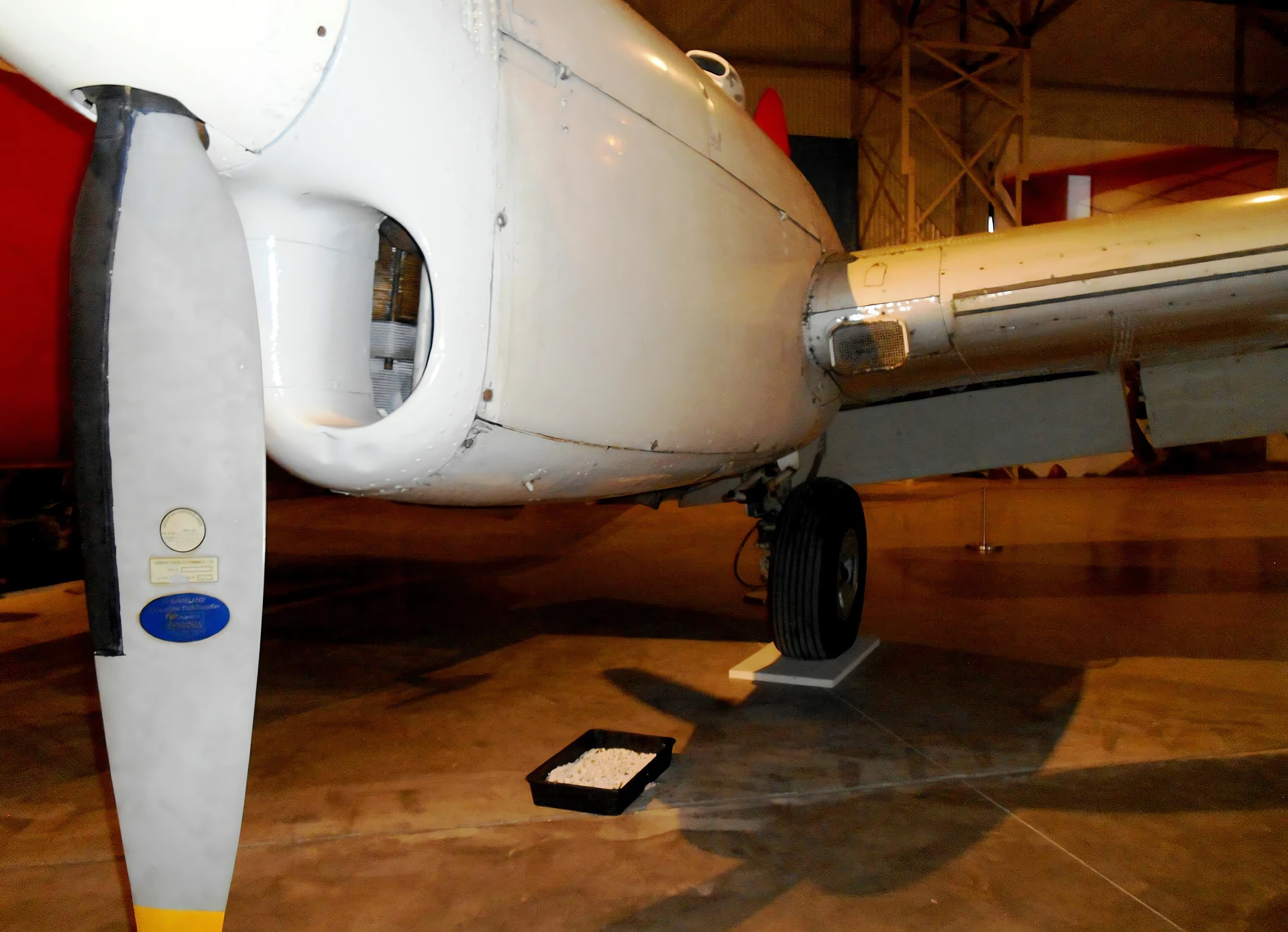
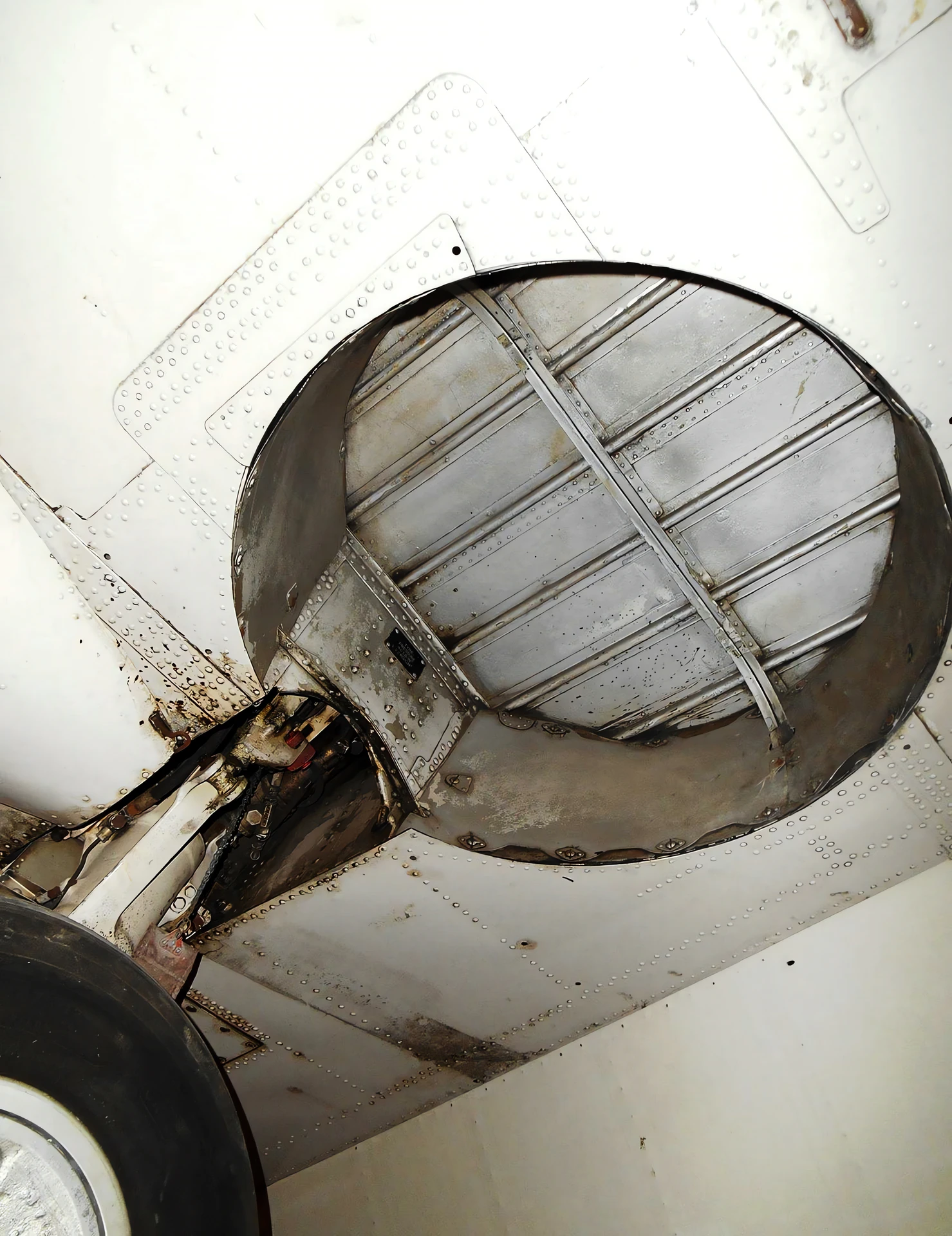
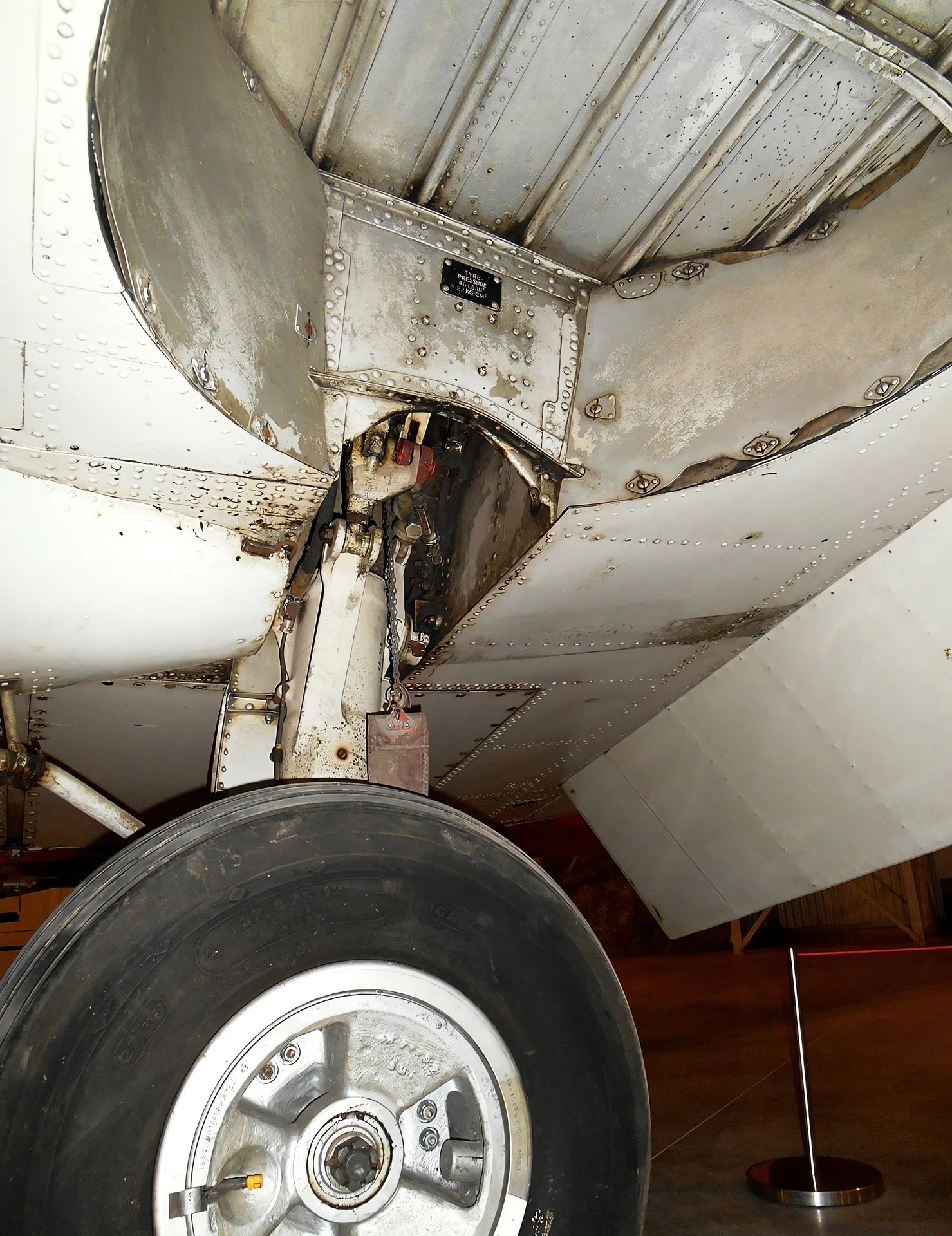
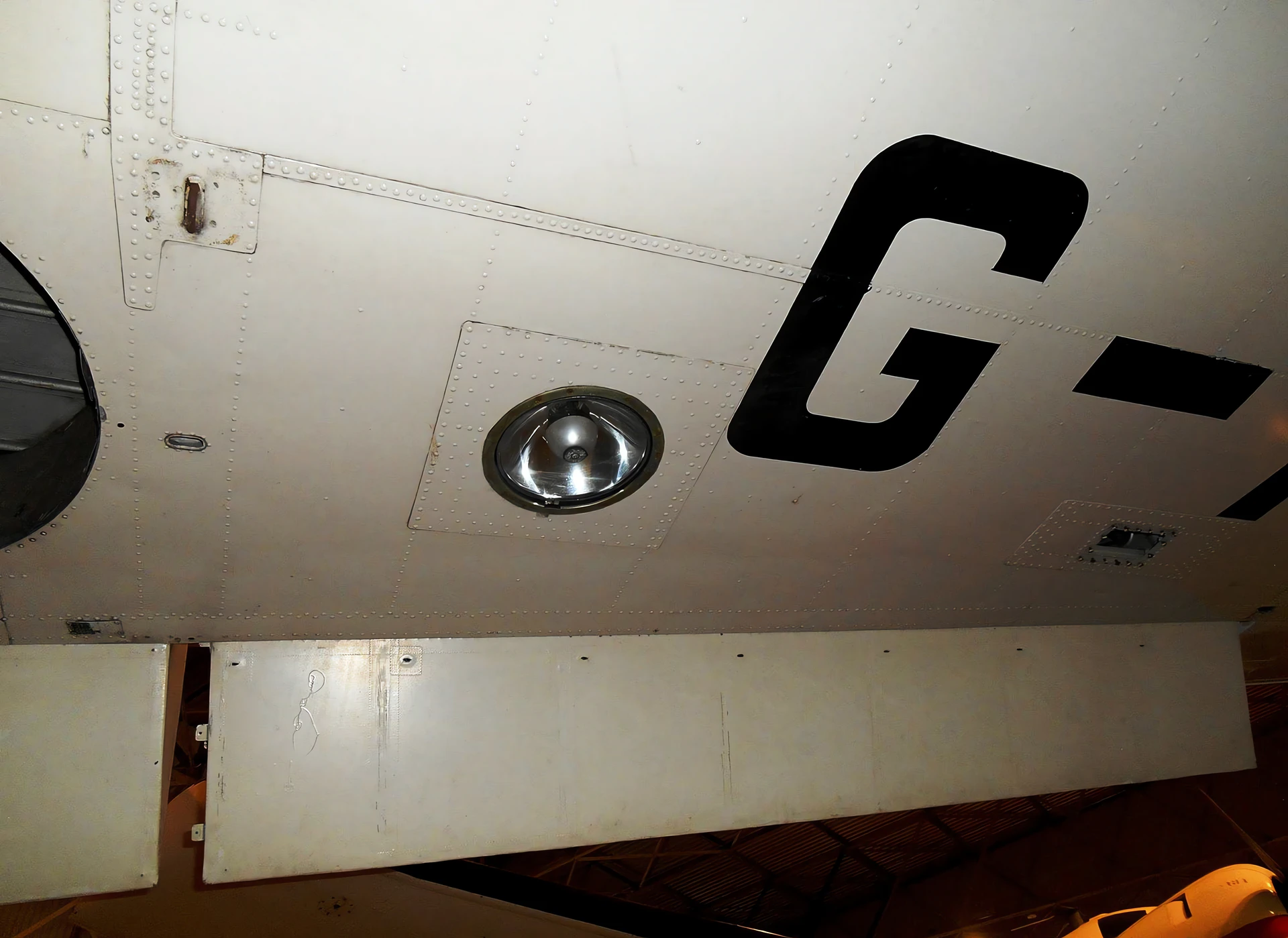
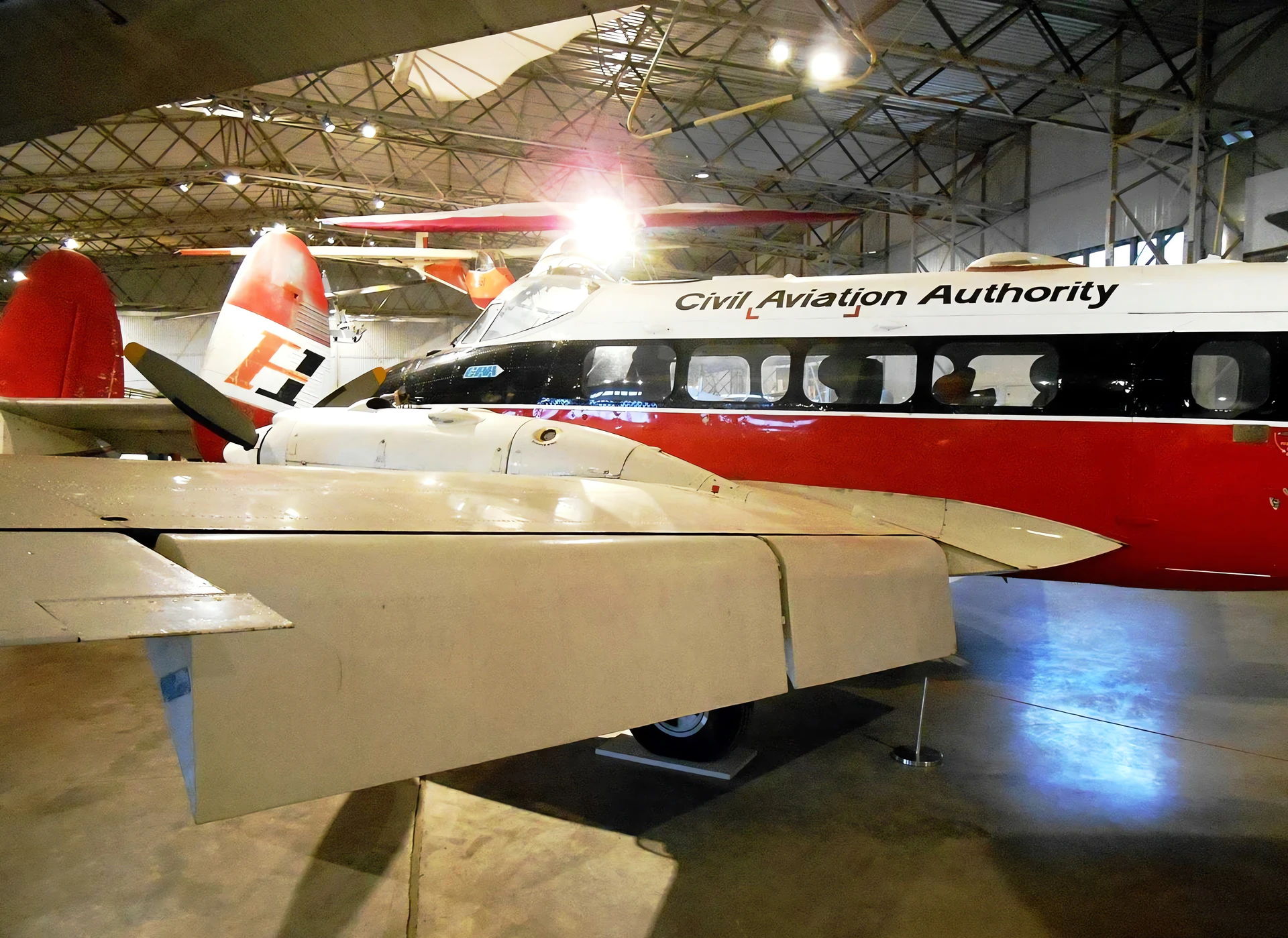

 Kupite mi kavo

Glej tudi:


General Characteristics (Series 1 / Early Production)
The de Havilland DH.104 Dove was a successful British short-haul airliner and executive transport aircraft designed to replace the pre-war Dragon Rapide biplane. It was one of the first British aircraft designed immediately after World War II, featuring all-metal construction, a tricycle landing gear, and modern systems, making it a very popular post-war design globally.
| Property | Typical Value (Dove Series 1) |
|---|---|
| Vlogo | Short-Haul Airliner / Executive Transport |
| proizvajalec | de Havilland |
| First Flight | September 25, 1945 |
| Posadke | 2 (Pilot and Radio Operator/Co-pilot) |
| Capacity (Passengers) | 8 to 11 passengers (Varies by configuration) |
| Peruti | 17.37 m (57 ft 0 in) |
| Dolžina | 11.96 m (39 ft 3 in) |
| Max Takeoff Weight | 3,855 kg (8,500 lb) |
Design and Powerplant
- Engines: Two de Havilland Gipsy Queen 70-3 six-cylinder, inverted in-line piston engines (early models). Later variants used the 70-2 and 70-3 engines with higher horsepower.
- Power Output (each): Approximately 246 kW (330 hp) to 298 kW (400 hp) on later models.
- Propellers: De Havilland Hydromatic constant speed, fully feathering, three-bladed propellers.
- Construction: All-metal, stressed-skin construction, which was a significant advance over the wooden and fabric construction of its predecessor.
- Maintenance: Designed for ease of maintenance with interchangeable components and engines mounted on quick-release pickup points.
- Landing Gear: Fully retractable tricycle landing gear, a modern feature for its time.
Performance and Variants
- Maximum Speed: Up to 370 km/h (230 mph, 200 knots) (Later Series 7/8).
- Cruise Speed: Approximately 300–322 km/h (186–200 mph).
- Service Ceiling: 6,610 m (21,700 ft).
- Range: Approximately 1,415 km (880 mi, 765 nm).
- Military Variants:
- Devon C Mk 1: Transport and communications version for the Royal Air Force (RAF).
- Sea Devon C Mk 20: Transport and communications version for the Royal Navy.
- Successor: The de Havilland Heron was a larger, four-engine development of the Dove, designed for longer-range routes.
Ogledov : 431
Prav tako si lahko ogledate:
 de Havilland Dragon Rapide – Fotografije & Video posnetki
 de Havilland Canada DHC-2 – Fotografije & Video posnetki
 de Havilland DH.60 Moth - Fotografije in videoposnetki
 de Havilland DH112 Venom – Fotografije & Video posnetki
 de Havilland Canada DHC-4 Caribou – Fotografije & Video
 de Havilland Dragon – Fotografije & Video
 de Havilland Mosquito - fotografije in video
 de Havilland DH.88 Komet – fotografije in video
 de Havilland Vampire – Fotografije & Video
de Havilland DH112 Venom - fotografije in video
de Havilland Vampire – Fotografije & Video
de Havilland DH112 Venom - fotografije in video