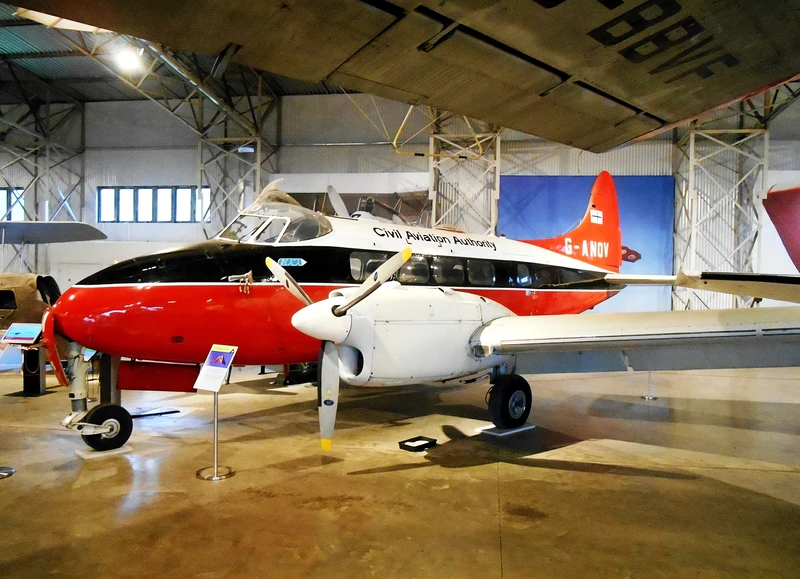
| de Havilland DH.104 Dove | |
|---|---|
| Страны | Великобритании |
| Роль | Малотягистральный авиалайнер |
| Первый полет | 25 сентября 1945 г. |
| Построен | 544 |
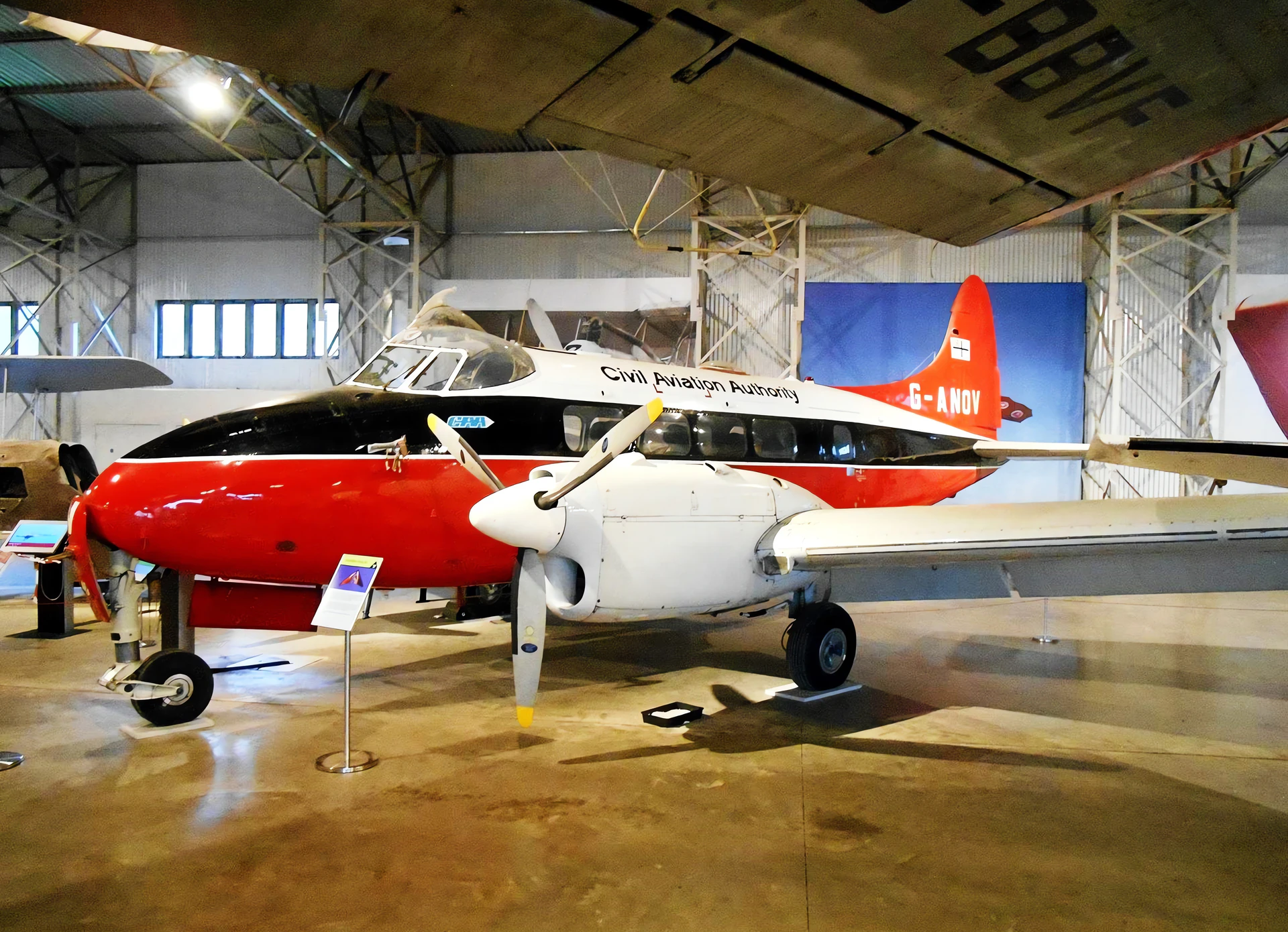
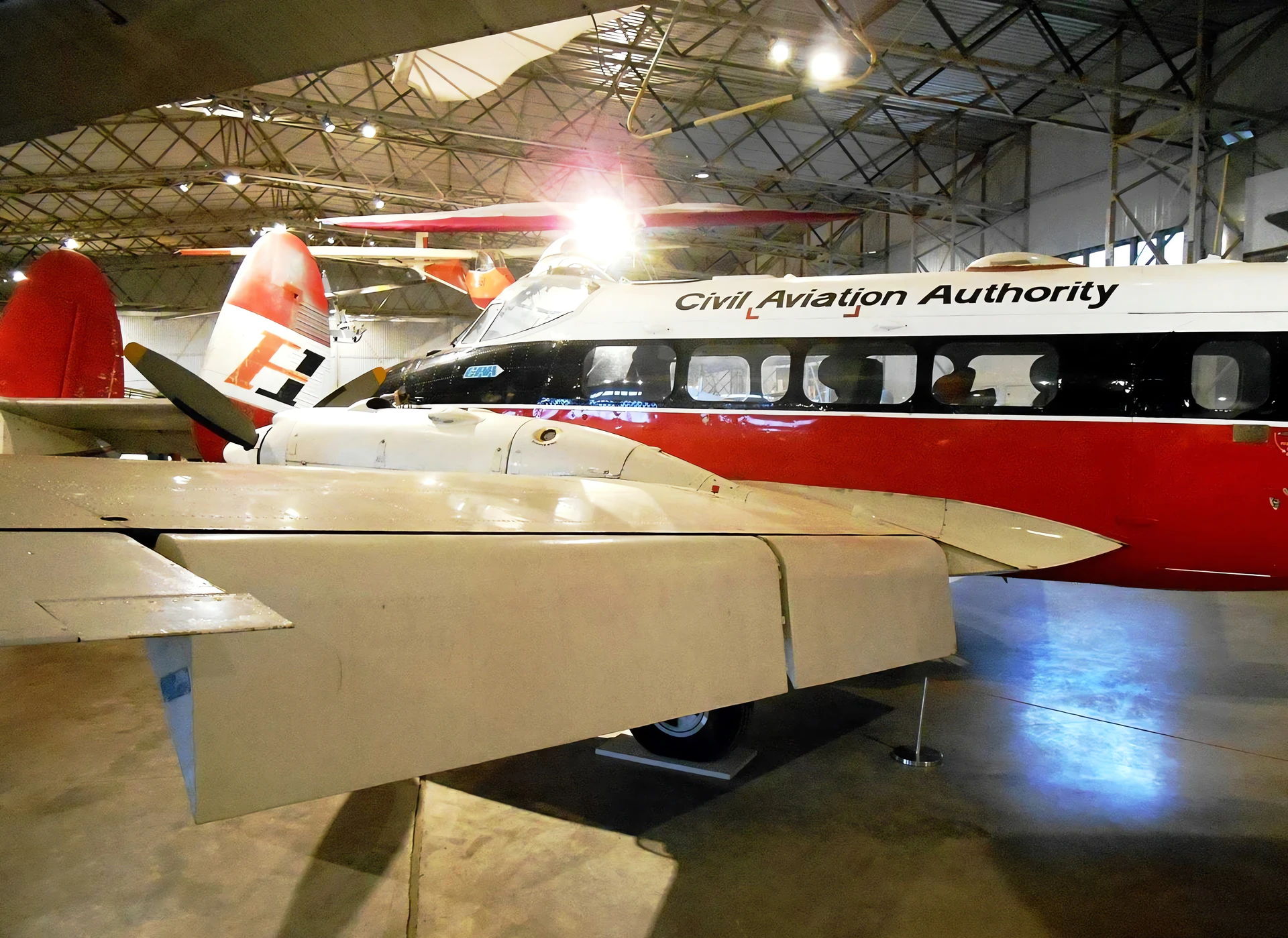
Teh де Хэвилленд DH.104 Голубь — британский ближнемагистральный авиалайнер, разработанный и изготовленный компанией de Havilland. Конструкция, которая была преемником моноплана довоенного биплана Dragon Rapide, возникла из доклада Комитета Брабазона, в котором, среди других типов самолетов, содержался призыв к британскому ближнемагистральному фидеру для авиакомпаний.
Источник: de Havilland DH.104 Голубь в Википедии
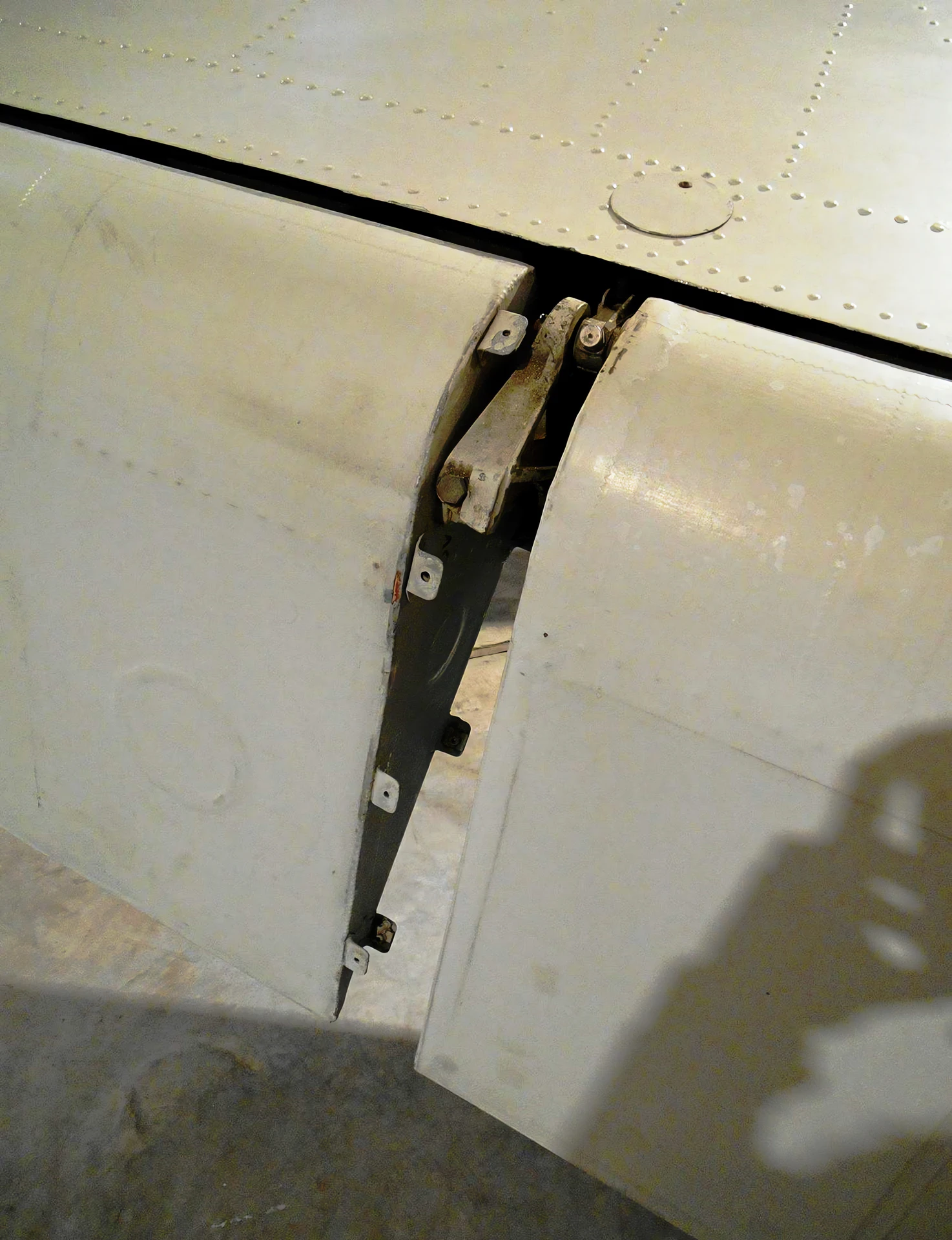
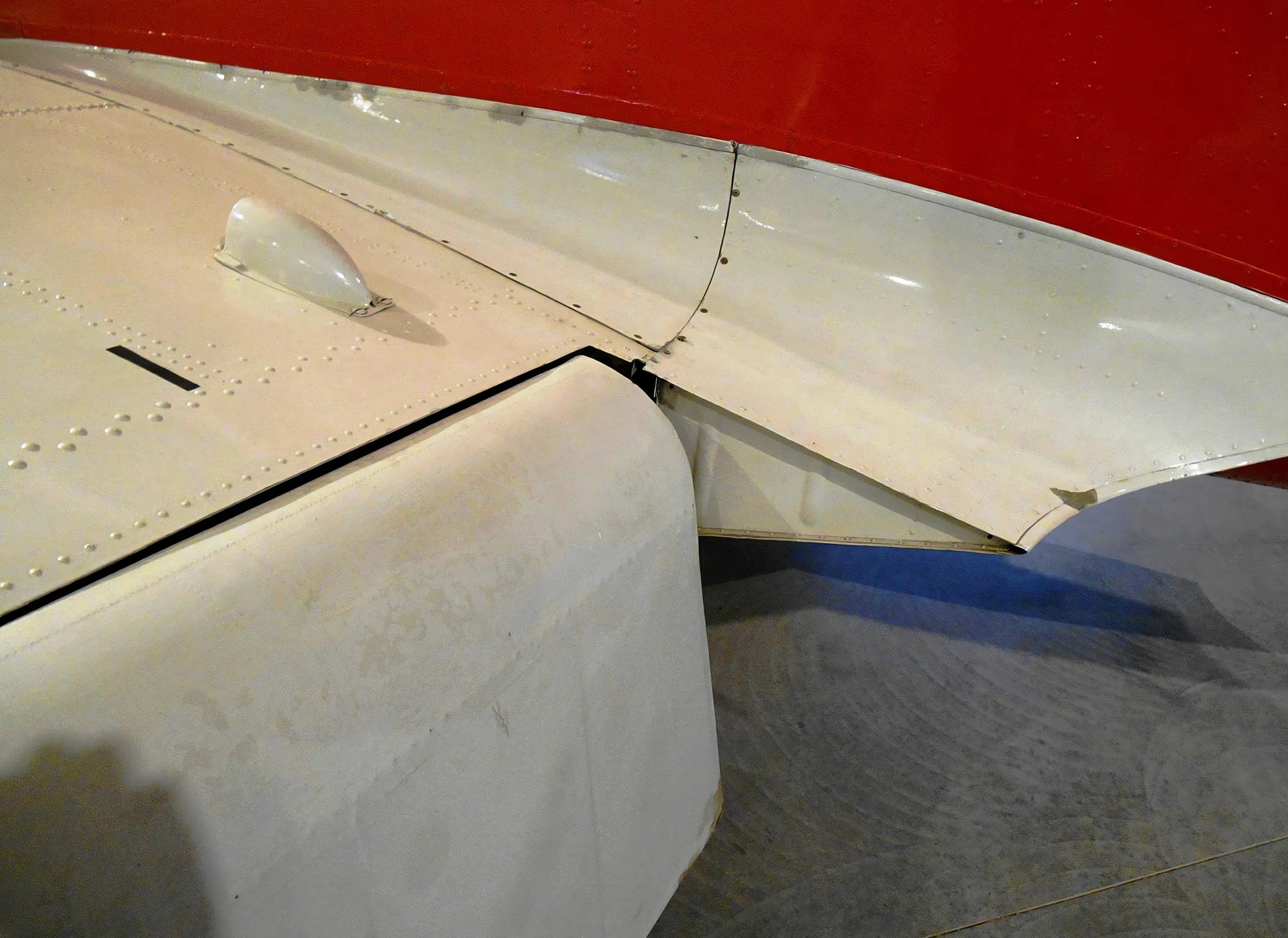
| De Havilland DH.104 Прогулка «Голубь» | |
|---|---|
| Фотограф | Ондрей Скарка |
| Локализации | Неизвестная |
| Фотографии | 16 |

 Купить мне кофе

Читайте также:


General Characteristics (Series 1 / Early Production)
The de Havilland DH.104 Dove was a successful British short-haul airliner and executive transport aircraft designed to replace the pre-war Dragon Rapide biplane. It was one of the first British aircraft designed immediately after World War II, featuring all-metal construction, a tricycle landing gear, and modern systems, making it a very popular post-war design globally.
| Property | Typical Value (Dove Series 1) |
|---|---|
| Роль | Short-Haul Airliner / Executive Transport |
| Производителя | де Хэвилленд |
| First Flight | September 25, 1945 |
| Экипажа | 2 (Pilot and Radio Operator/Co-pilot) |
| Capacity (Passengers) | 8 to 11 passengers (Varies by configuration) |
| Размах крыла | 17.37 m (57 ft 0 in) |
| Длина | 11.96 m (39 ft 3 in) |
| Max Takeoff Weight | 3,855 kg (8,500 lb) |
Design and Powerplant
- Engines: Two de Havilland Gipsy Queen 70-3 six-cylinder, inverted in-line piston engines (early models). Later variants used the 70-2 and 70-3 engines with higher horsepower.
- Power Output (each): Approximately 246 kW (330 hp) to 298 kW (400 hp) on later models.
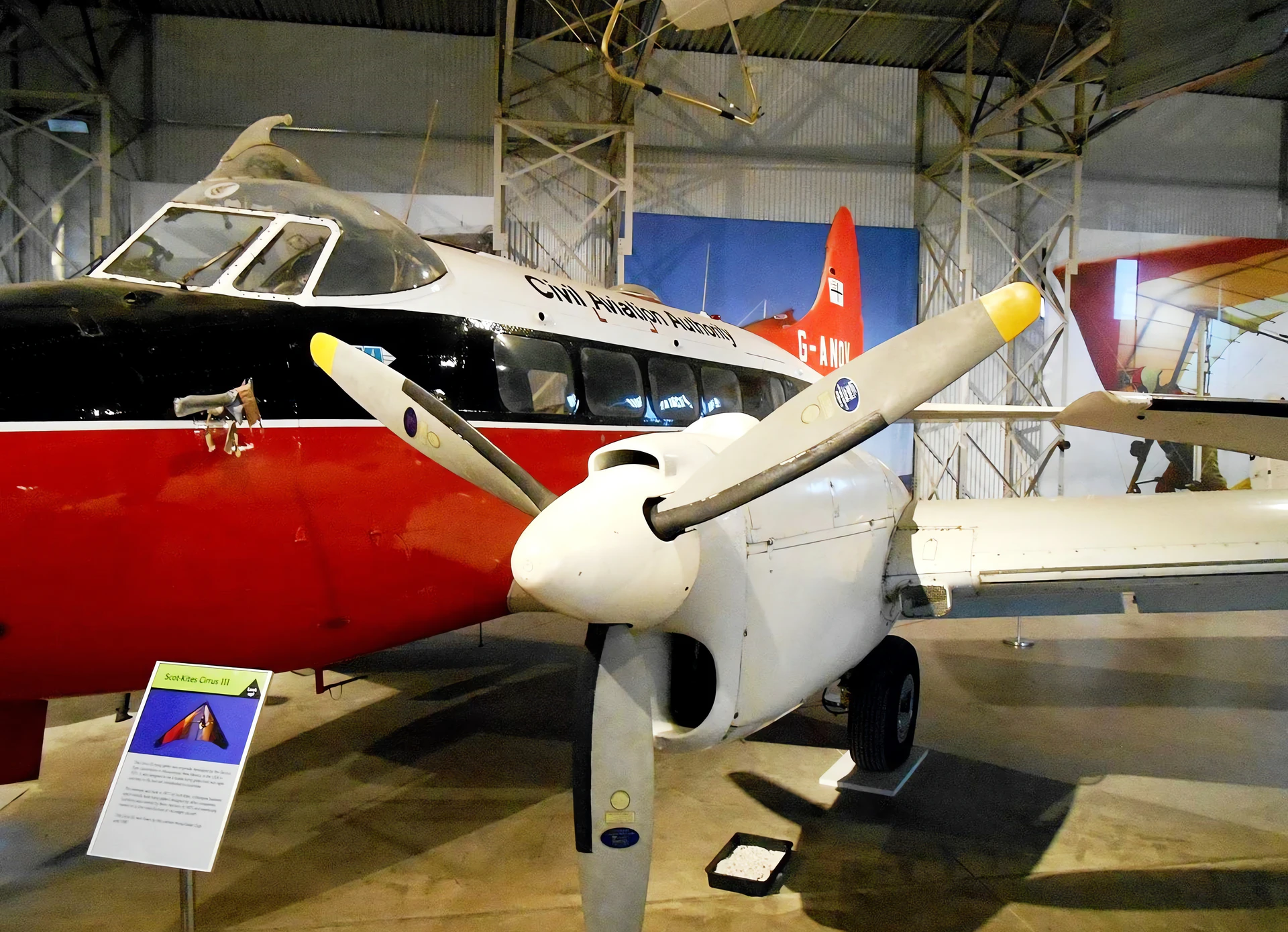
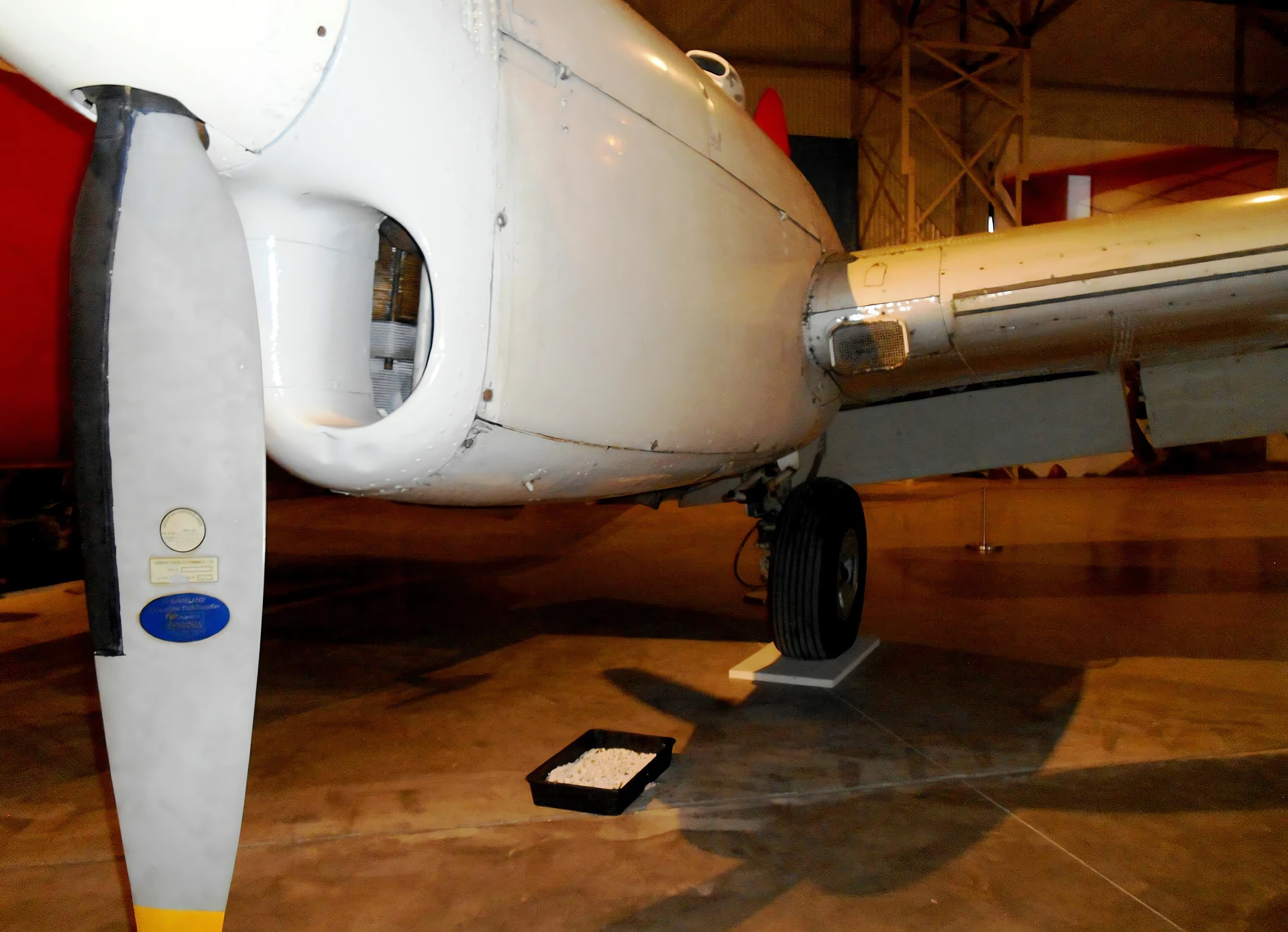
- Propellers: De Havilland Hydromatic constant speed, fully feathering, three-bladed propellers.
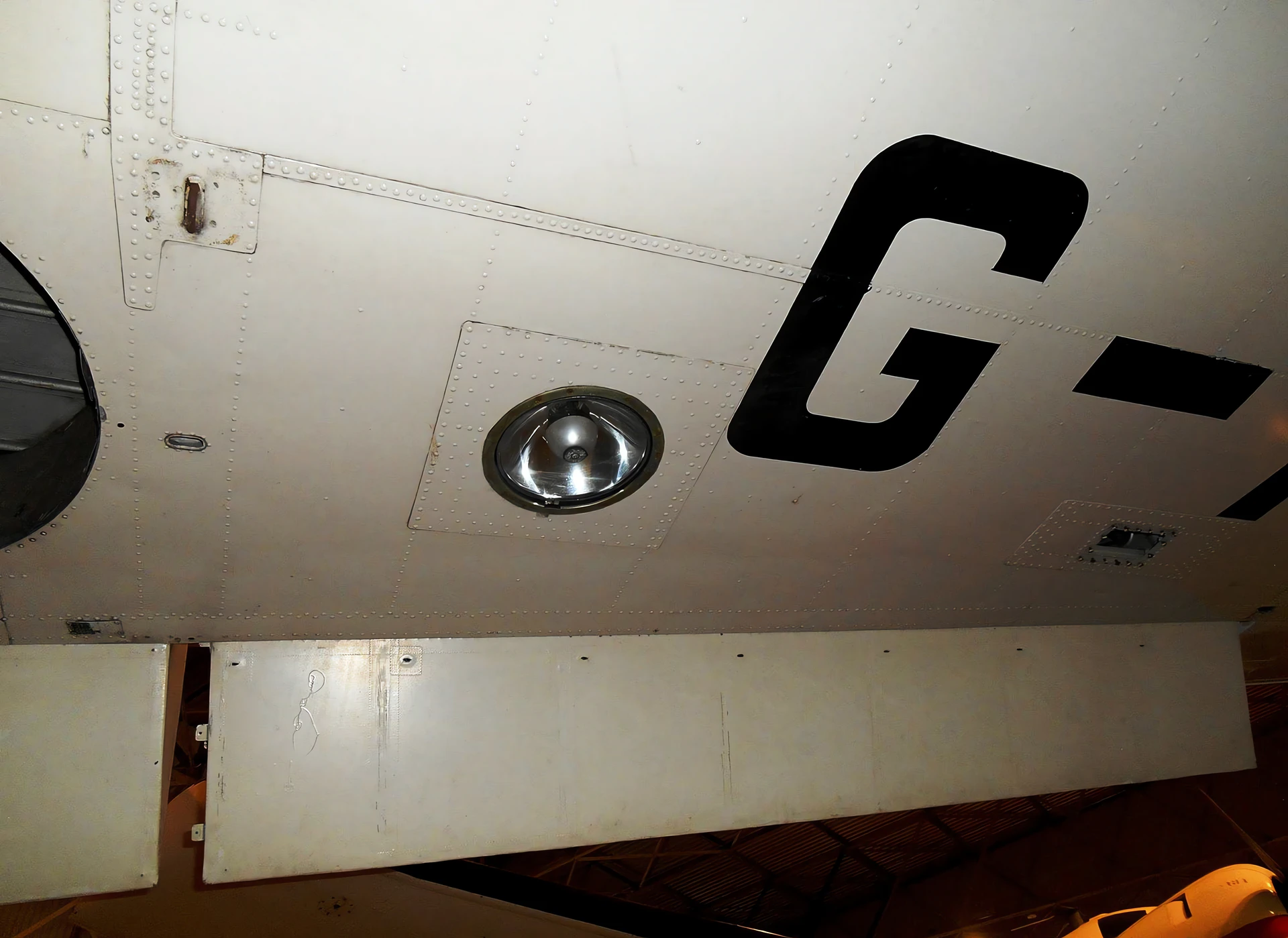
- Construction: All-metal, stressed-skin construction, which was a significant advance over the wooden and fabric construction of its predecessor.
- Maintenance: Designed for ease of maintenance with interchangeable components and engines mounted on quick-release pickup points.
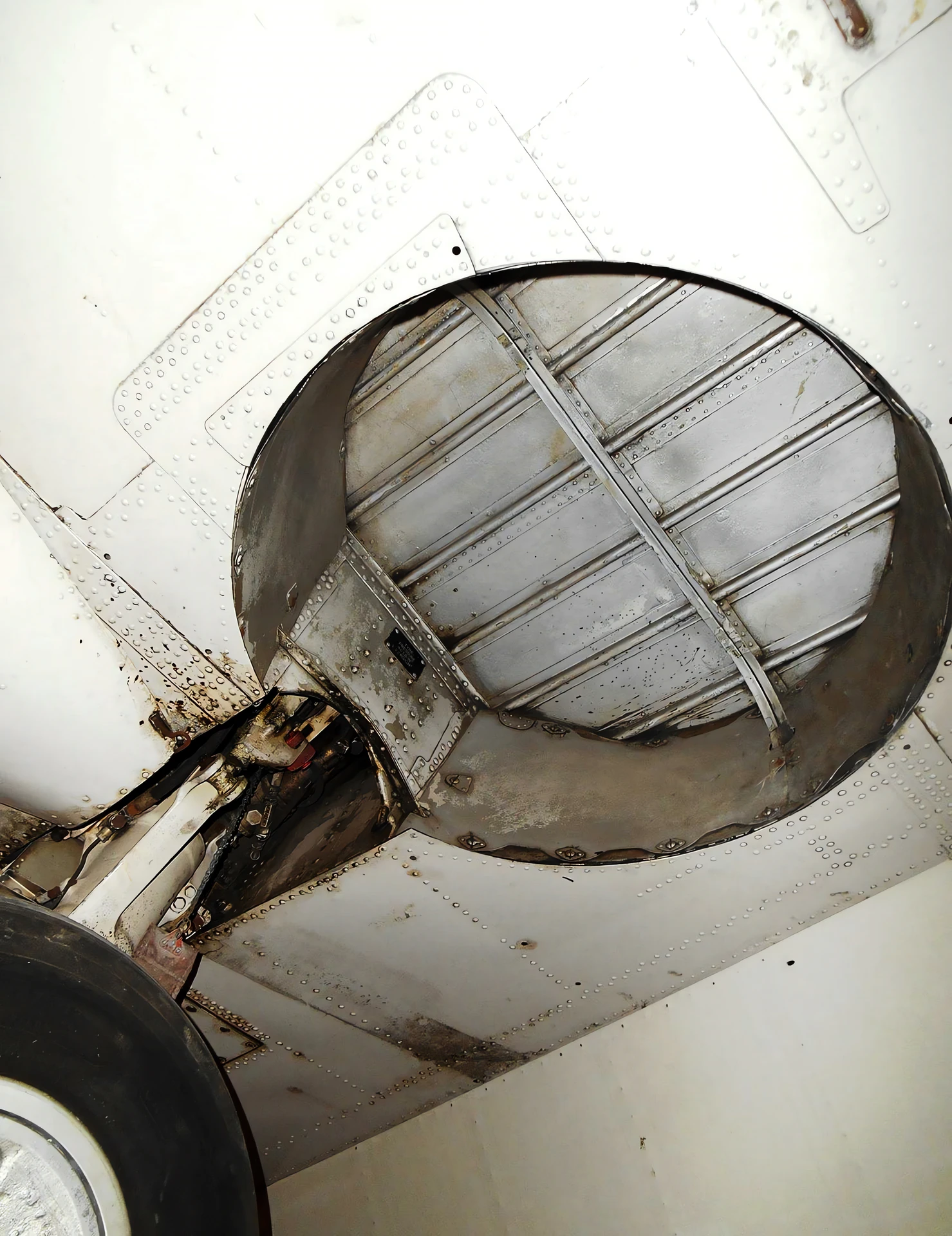
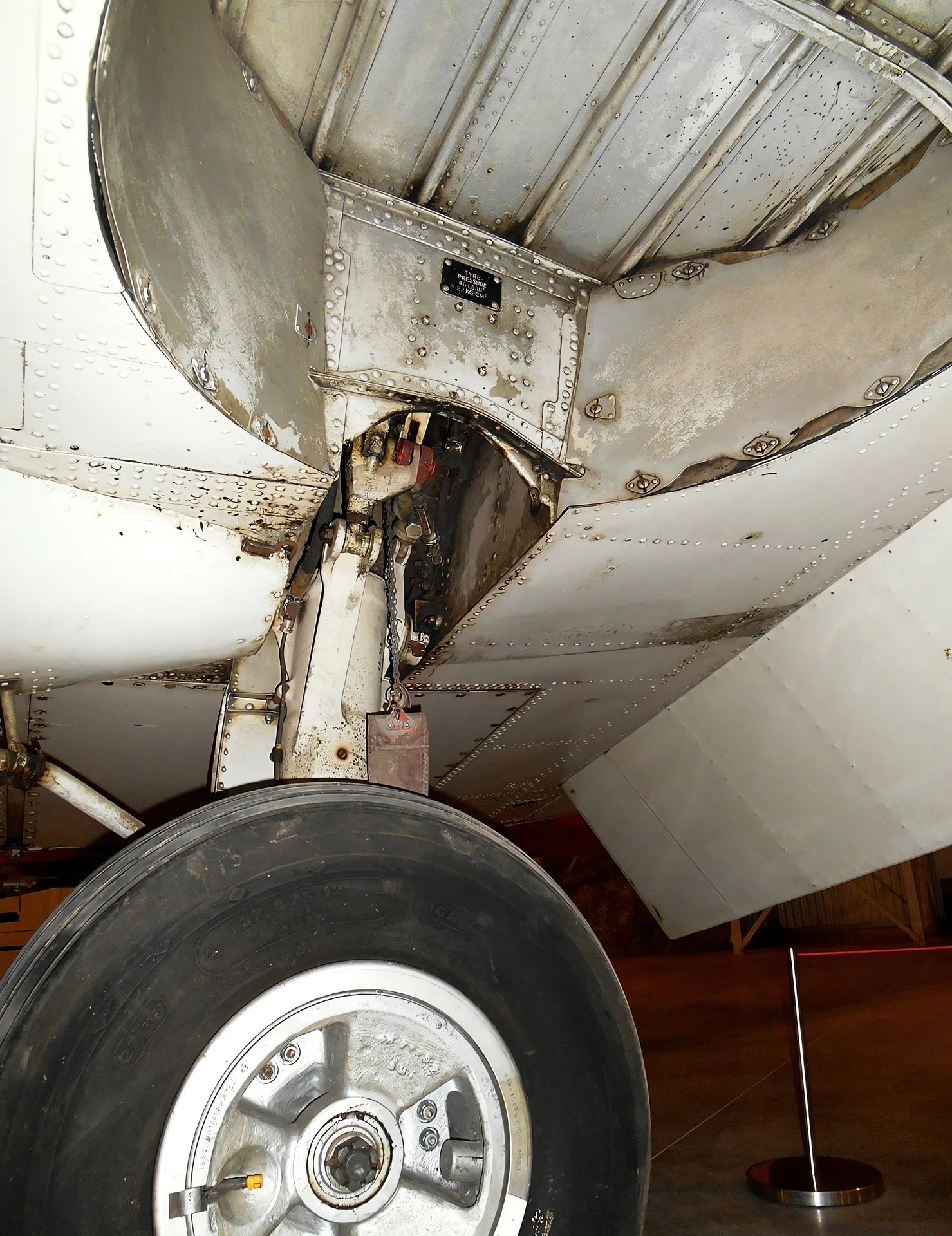
- Landing Gear: Fully retractable tricycle landing gear, a modern feature for its time.
Performance and Variants
- Maximum Speed: Up to 370 km/h (230 mph, 200 knots) (Later Series 7/8).
- Cruise Speed: Approximately 300–322 km/h (186–200 mph).
- Service Ceiling: 6,610 m (21,700 ft).
- Range: Approximately 1,415 km (880 mi, 765 nm).
- Military Variants:
- Devon C Mk 1: Transport and communications version for the Royal Air Force (RAF).
- Sea Devon C Mk 20: Transport and communications version for the Royal Navy.
- Successor: The de Havilland Heron was a larger, four-engine development of the Dove, designed for longer-range routes.
Просмотров : 422
Вы также можете увидеть:
 де Хэвилленд Драгон Рапид – Фото и Видео
 de Havilland Canada DHC-2 – Фото и видео
 de Havilland DH.60 Moth – Фото и видео
 de Havilland DH112 Venom – Фото и Видео
 de Havilland Canada DHC-4 Caribou – Фото и Видео
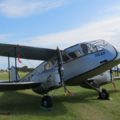 де Хэвилленд Дракон — Фото и Видео
 de Havilland Mosquito — Фото и видео
 de Havilland DH.88 Comet – Фото и Видео
 Вампир де Хэвилленд — фото и видео
de Havilland DH112 Venom – фото и видео
Вампир де Хэвилленд — фото и видео
de Havilland DH112 Venom – фото и видео