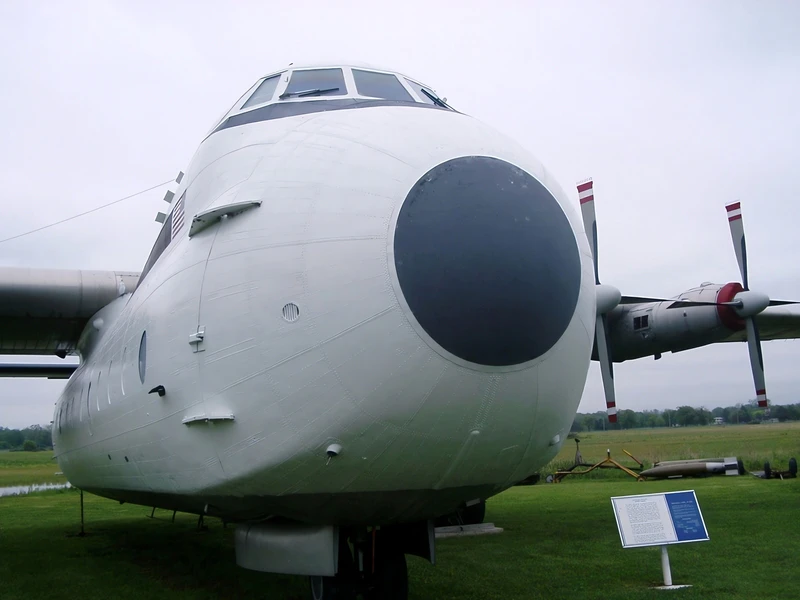
Armstrong Whitworth AW.660 Argosy | |
|---|---|
| Страны | Великобритании |
| Роль | Грузовой транспорт |
| Первый полет | 8 января 1959 г. |
| Построен | 74 |
Teh Армстронг Уитворт Аргоси был британским послевоенным транспортно-грузовым самолетом, это был последний самолет, разработанный и произведенный авиационной компанией Armstrong Whitworth Aircraft. Несмотря на разные внутренние конструктивные номера, гражданские и военные модели AW.650 для большинства практических целей имели одинаковую конструкцию, в то время как обе модели также имели общее название «Argosy».
Hawker Siddeley Argosy E Mk 1: During 1963, Hawker Siddeley Group dropped the names of its component companies, rebranding its products under the Hawker Siddeley banner. To meet a requirement for a RAF flight inspection aircraft, nine Argosy C.1s were modified in 1971 as the Argosy E.1. These were a regular sight at British military airfields, being operated by 115 Squadron until they were replaced by the Hawker Siddeley Andover during 1978.
Источник: Armstrong Whitworth AW.660 Argosy в Википедии
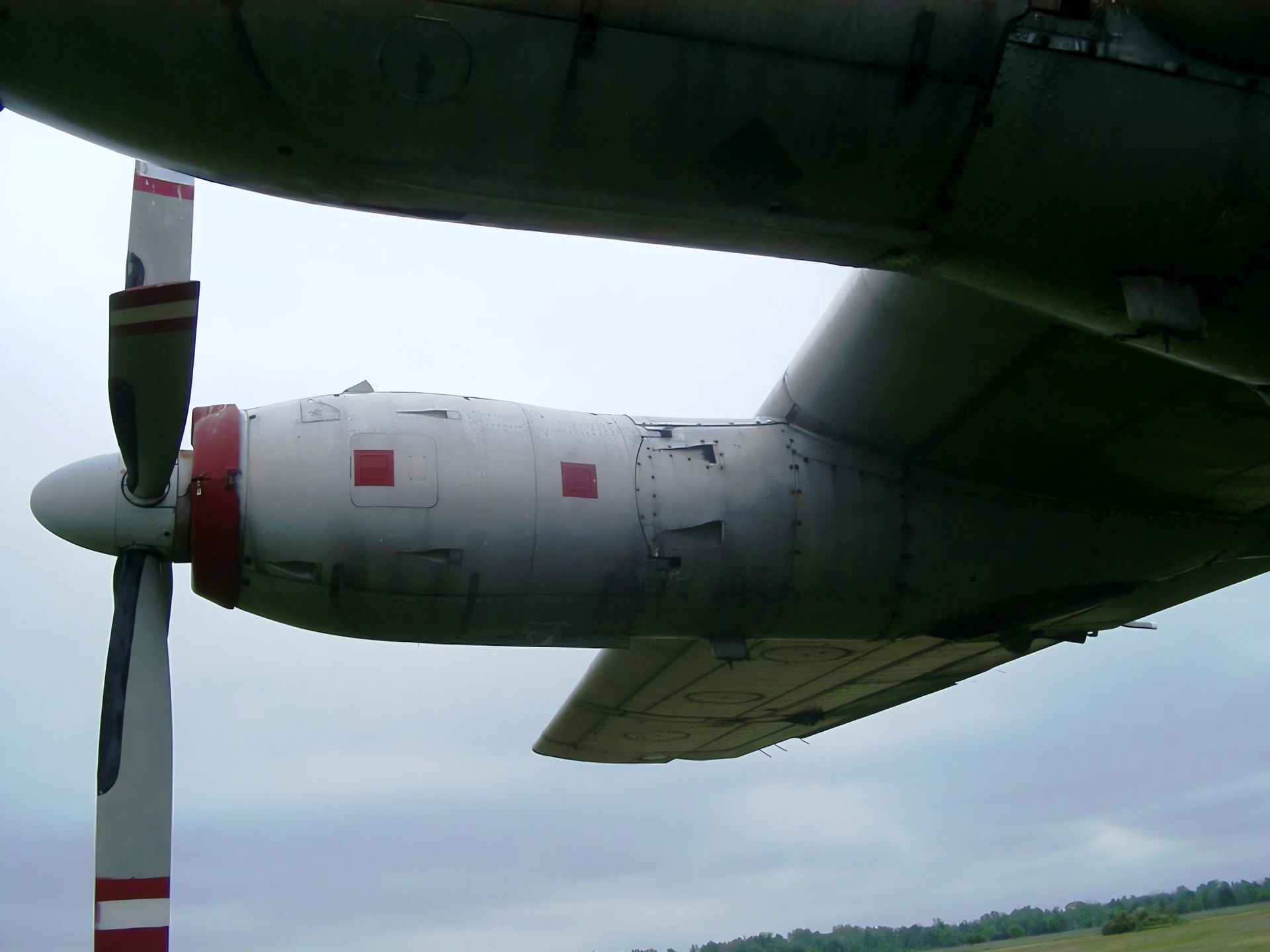
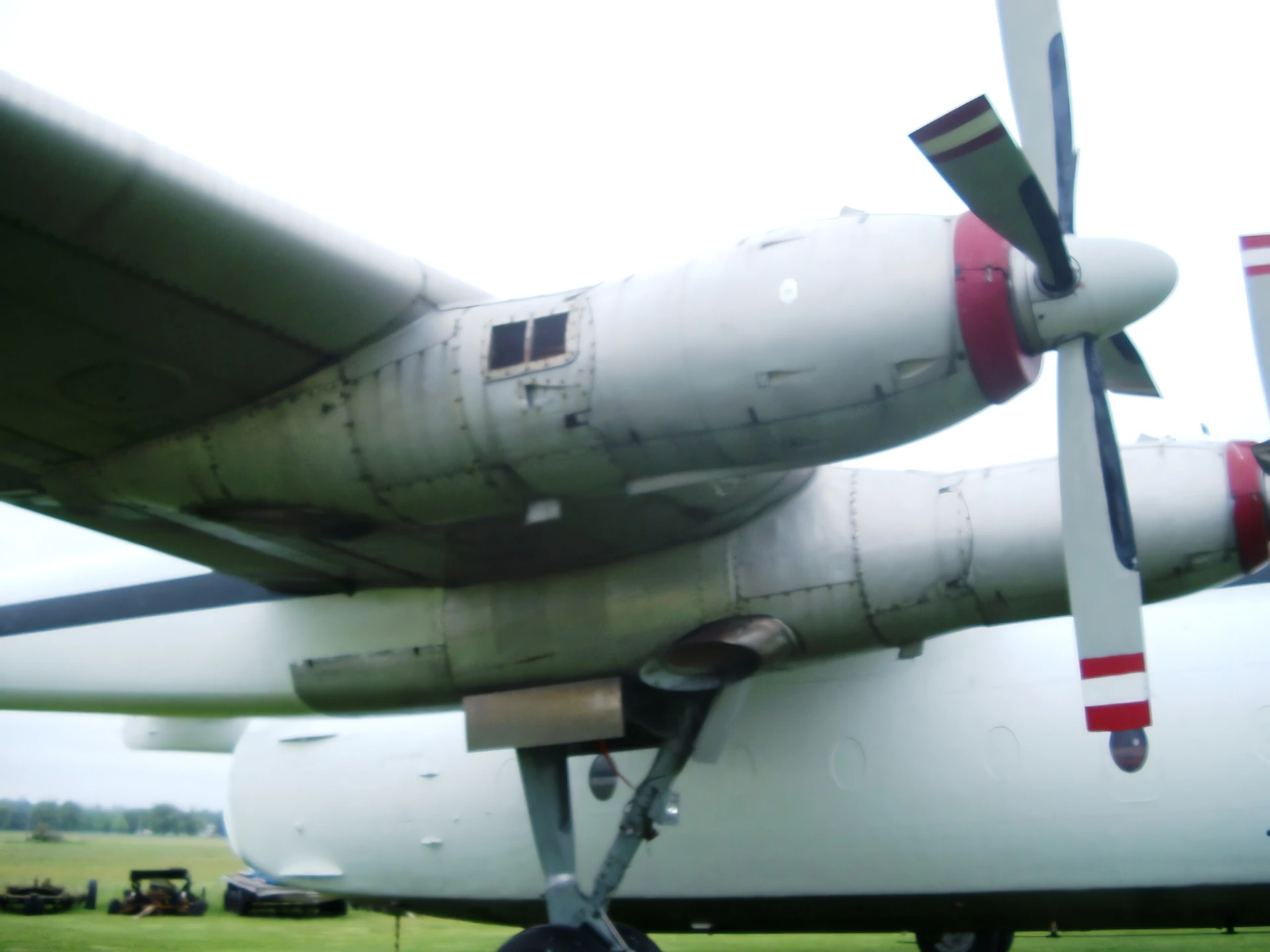
| Hawker Siddeley Argosy Walk Around | |
|---|---|
| Photographer | Howard Mason |
| Localisation | Yankee Air Museum |
| Photos | 51 |
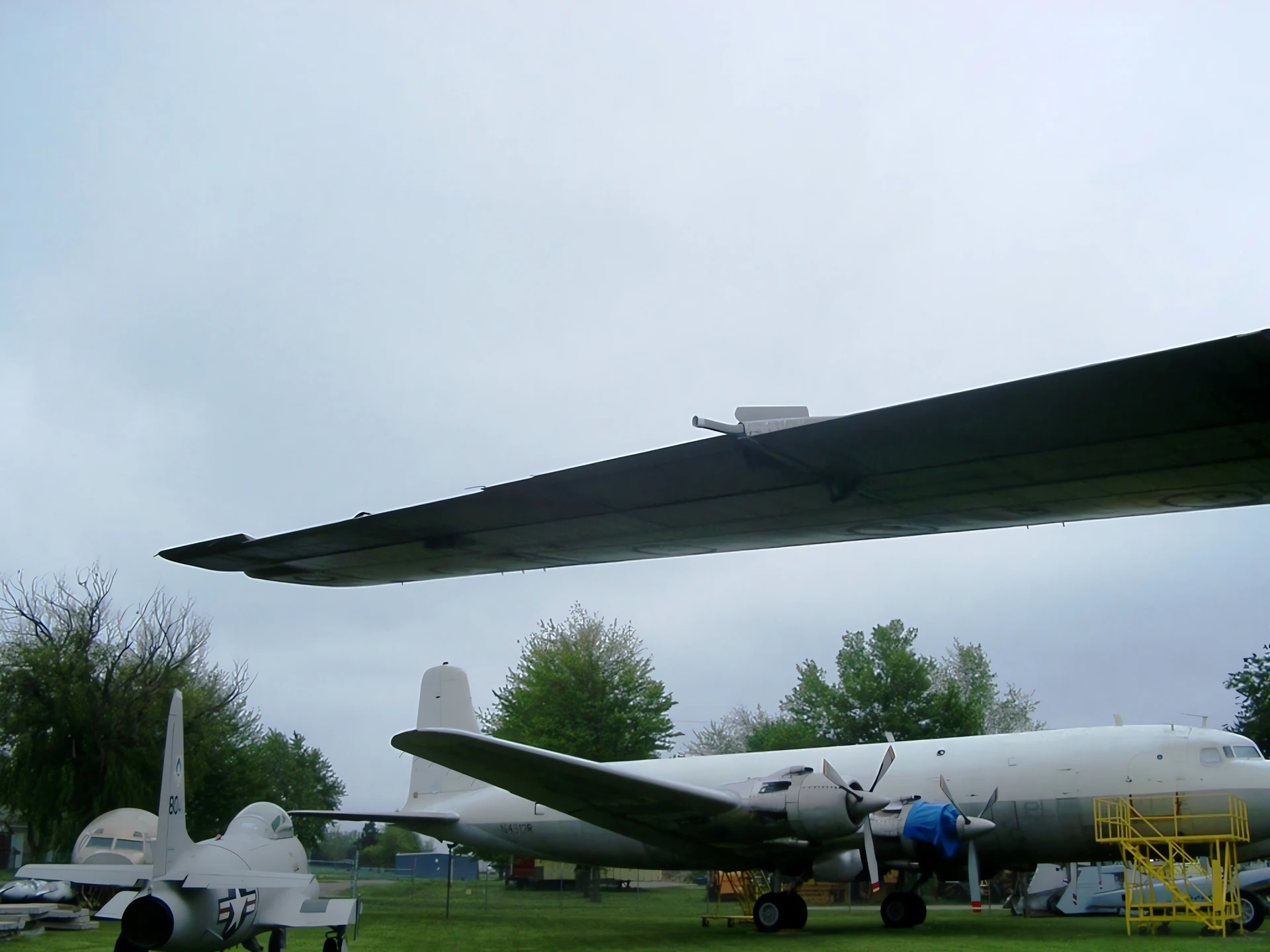
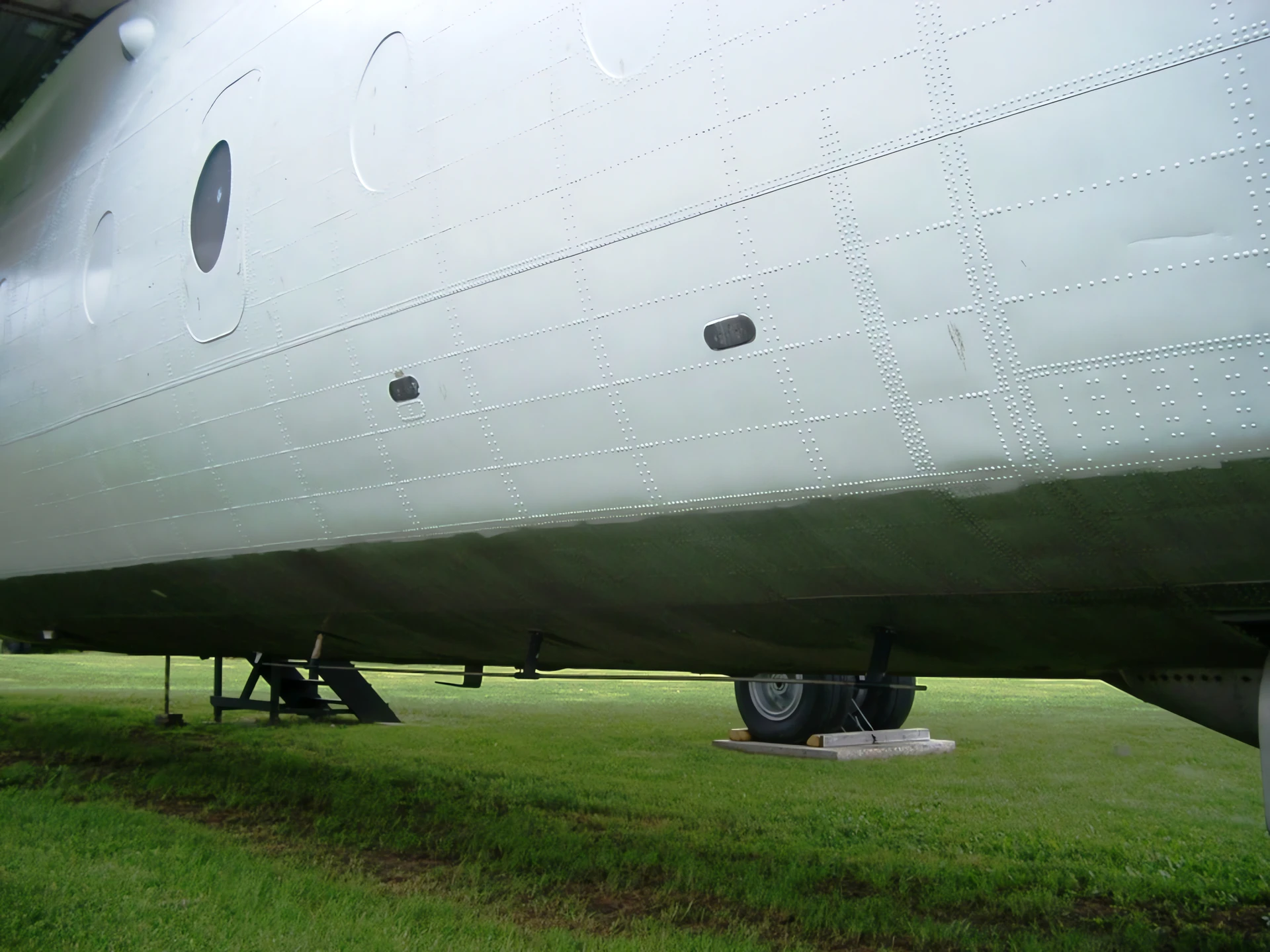
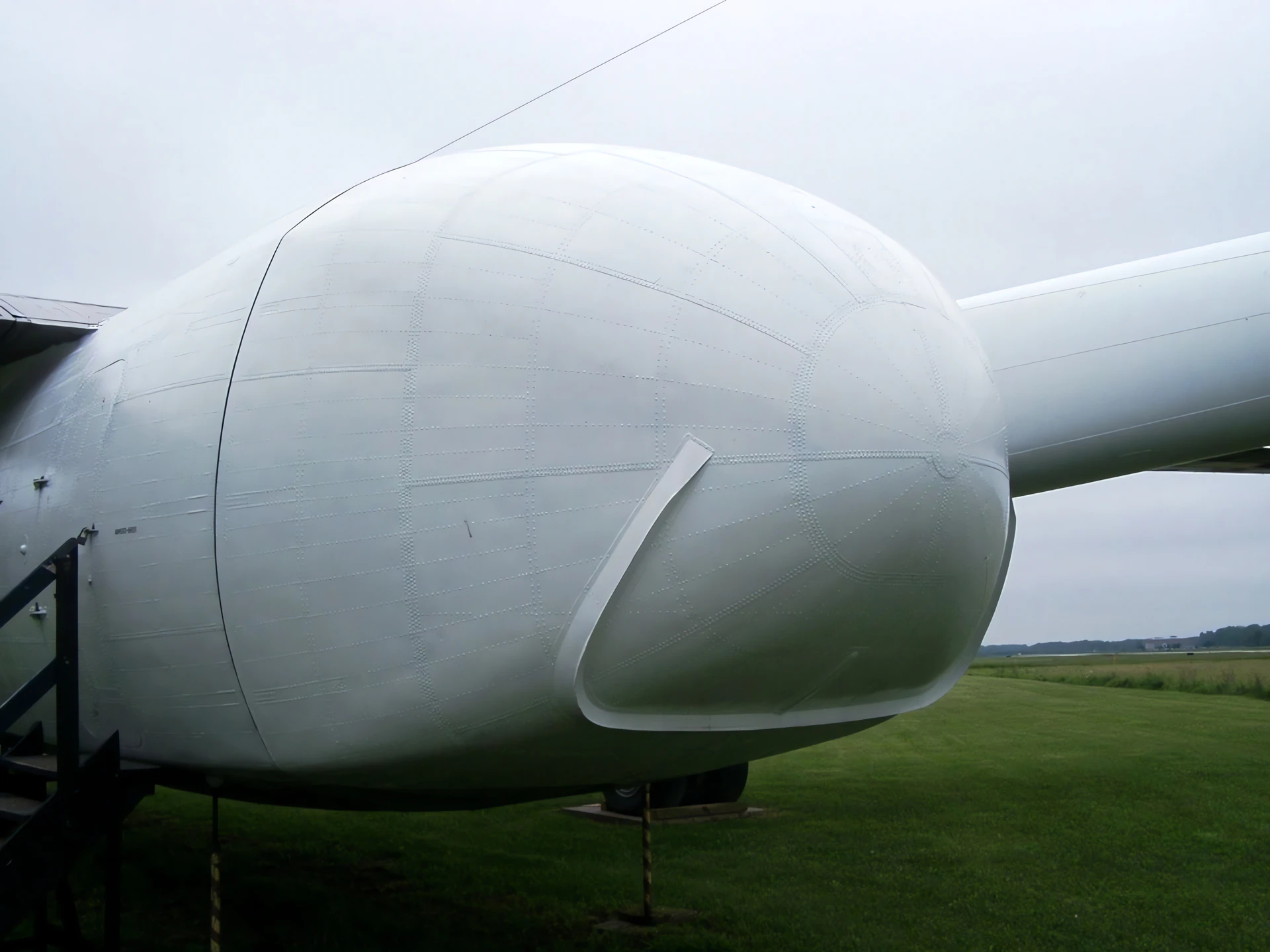
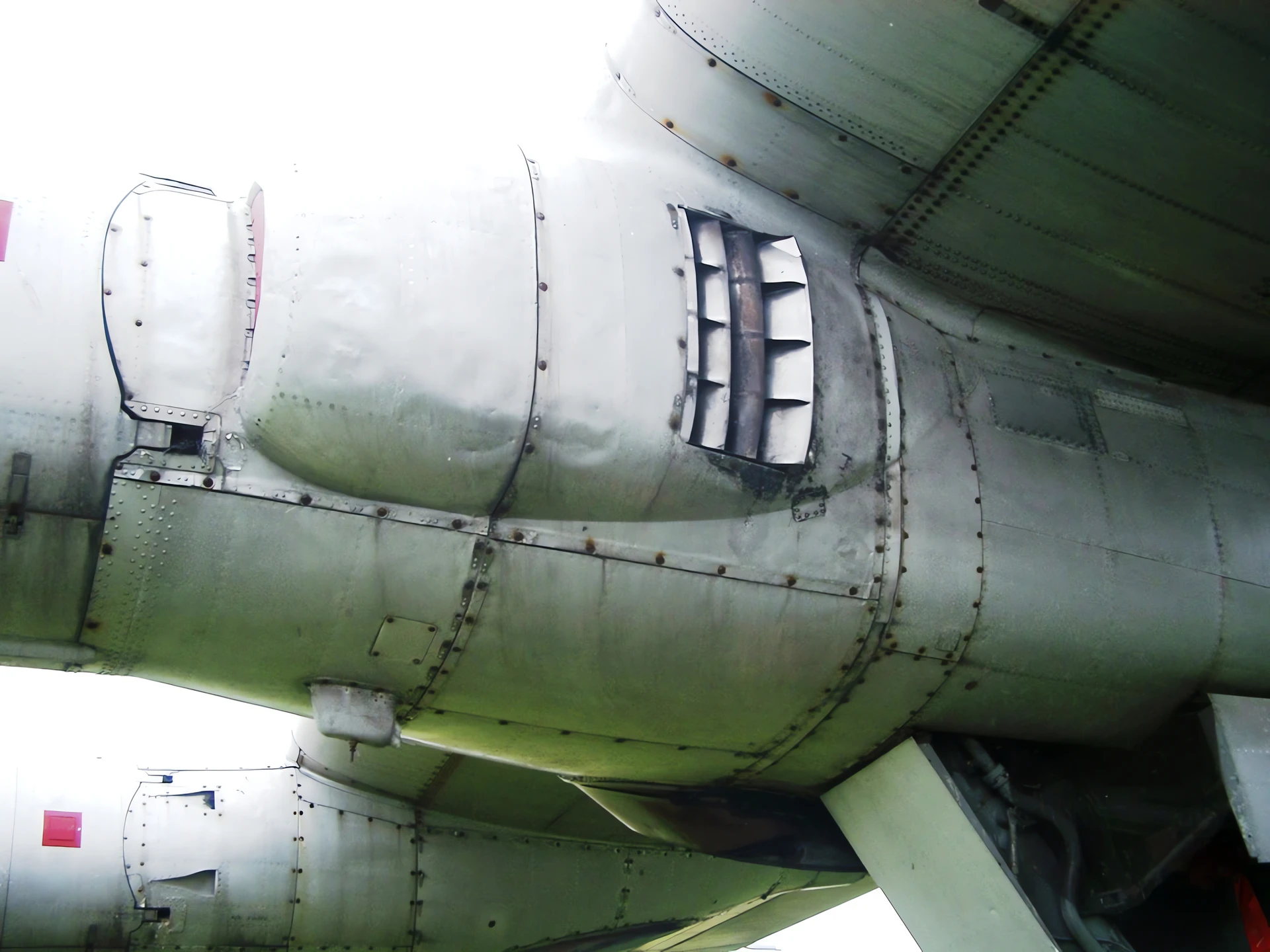
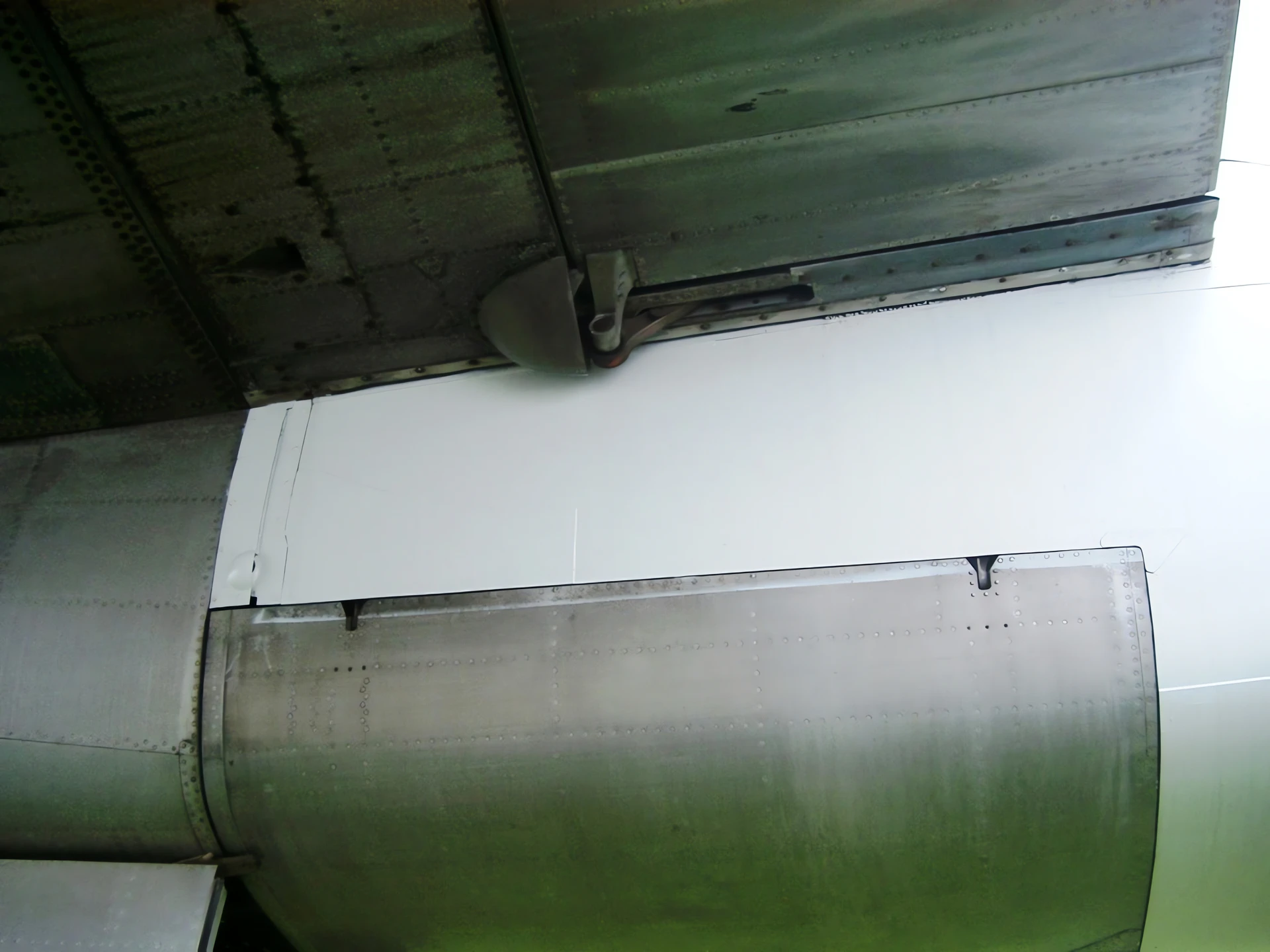
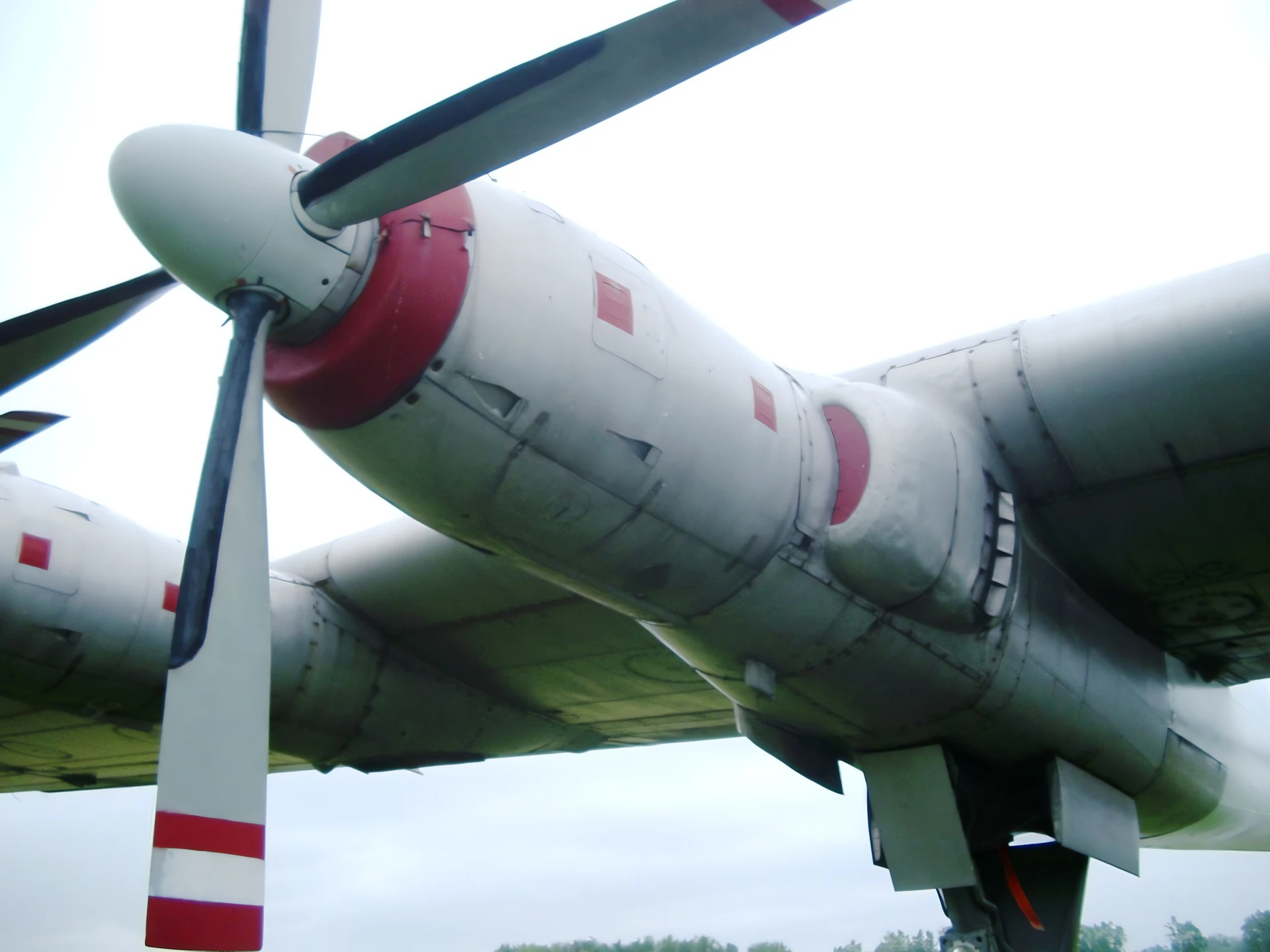
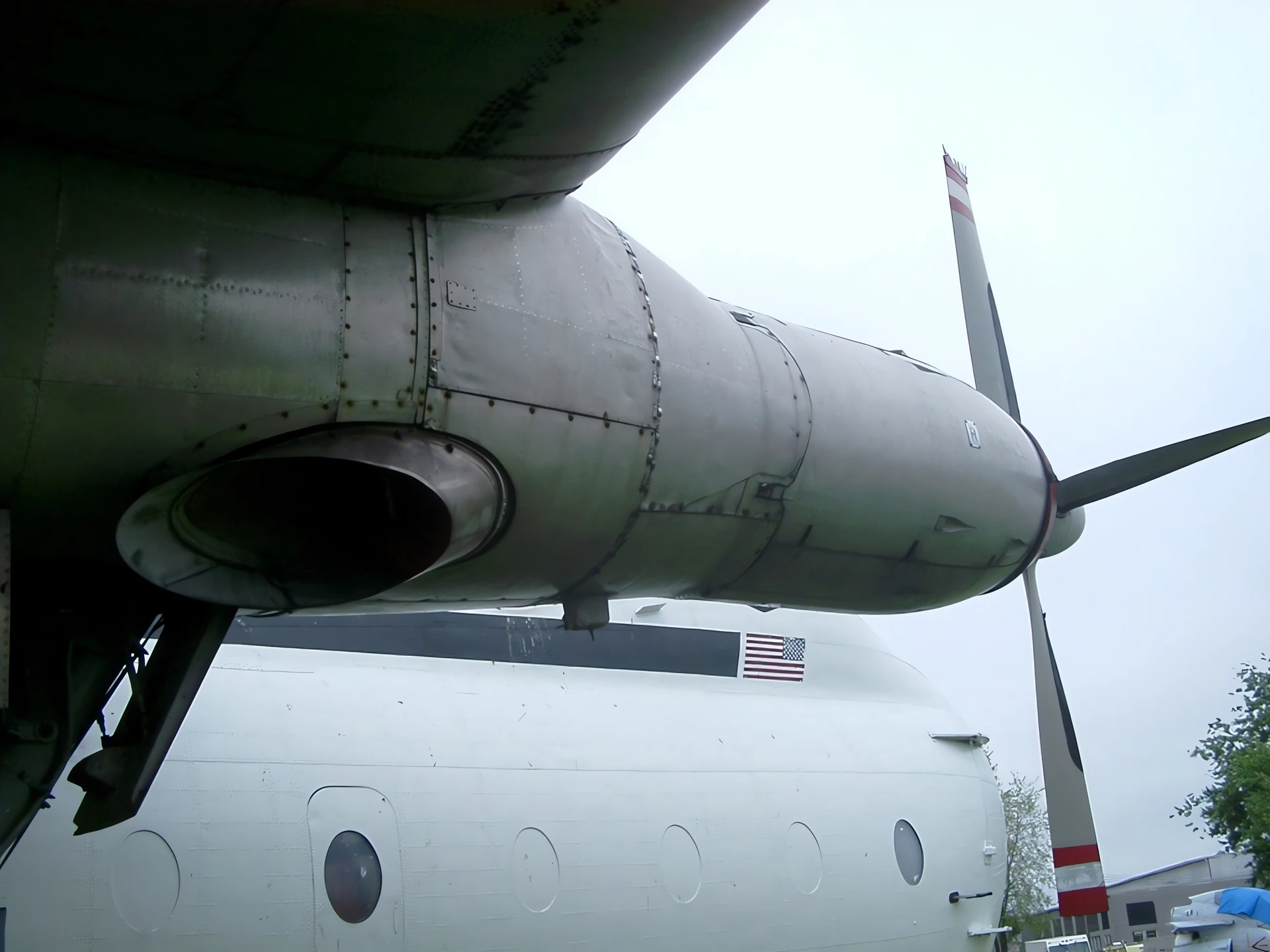

Читайте также:


General Characteristics (AW.660 C Mk 1)
The Armstrong Whitworth AW.660 Argosy was a British four-engine turboprop transport aircraft. Developed from the civil AW.650, the military AW.660 served as a medium-range transport, paratroop, and supply aircraft for the Royal Air Force (RAF). Its distinctive “pod-and-boom” structure with a high-set cockpit and rear clamshell doors allowed for easy, double-end loading, earning it the nickname, the “Whistling Wheelbarrow.”
| Property | Typical Value (AW.660 C Mk 1) |
|---|---|
| Роль | Medium-Range Transport / Cargo / Paratroop Carrier |
| Производителя | Armstrong Whitworth Aircraft (later Hawker Siddeley) |
| First Flight | March 4, 1961 (Military Variant) |
| Экипажа | 4 (Pilot, Co-pilot, Navigator, Air Engineer) |
| Способность | Up to 69 troops, 48 stretchers, or 13,000 kg (29,000 lb) of freight |
| Размах крыла | 35.05 m (115 ft 0 in) |
| Длина | 26.44 m (86 ft 9 in) |
| Max Takeoff Weight | 47,627 kg (105,000 lb) |
Design and Powerplant
- Engines: Four Rolls-Royce Dart Mk 101 turboprop engines.
- Power Output (each): Approximately 1,840 kW (2,470 shp) equivalent horsepower.
- Propellers: Four-bladed Rotol propellers.
- Design Concept: The twin-boom arrangement was adopted to provide an unobstructed cargo compartment with loading doors at both the front and rear of the fuselage, allowing for simultaneous or straight-through loading.
- Military Modifications: The AW.660 military variant differed from the civil AW.650 by featuring a sealed nose door (for weather radar), clamshell-style rear doors with an integral loading ramp, paratroop doors, and increased fuel capacity for double the range.
- Cargo Handling: Utilized a “Rolomat” system of rollers and pallets to facilitate rapid loading and unloading without external lifting equipment.
Performance and Capabilities
- Maximum Speed: Up to 460 km/h (286 mph, 248 knots).
- Cruise Speed: Approximately 452 km/h (281 mph, 244 knots).
- Service Ceiling: 6,400 m (21,000 ft).
- Range: Approximately 3,219 km (2,000 mi, 1,738 nmi).
- Key Capability: Could carry vehicles like the Saracen or Ferret armoured cars, or the 105 mm howitzer.
- Later Variants: Some aircraft were converted to the Argosy E.1 for electronic calibration missions for the RAF.
Просмотров : 806