
Breguet XIV | |
|---|---|
| Državi | Francija |
| Vlogo | Bomber |
| Prvi let | 21. november 1916 |
| Zgrajena | 8000+ |
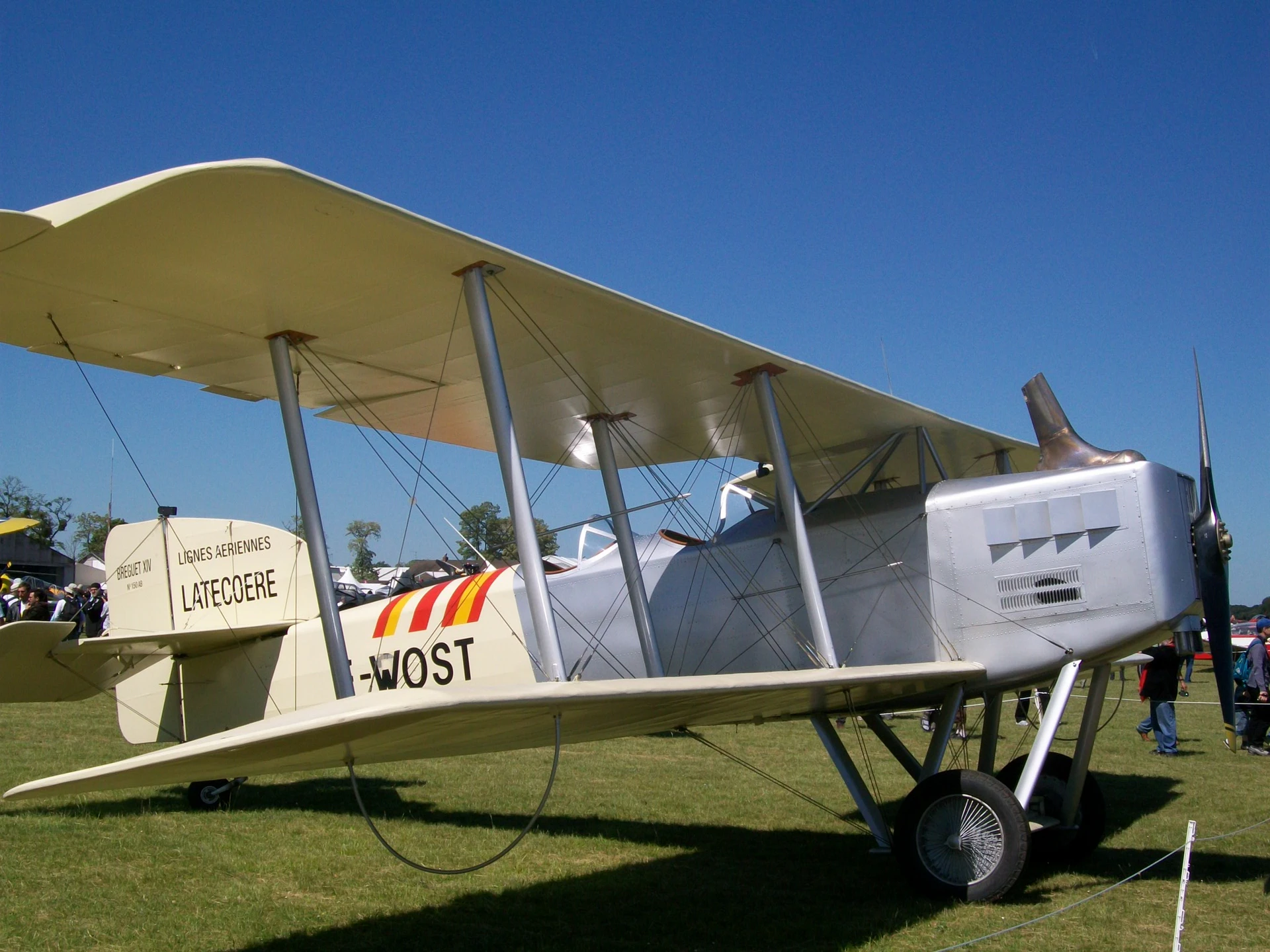
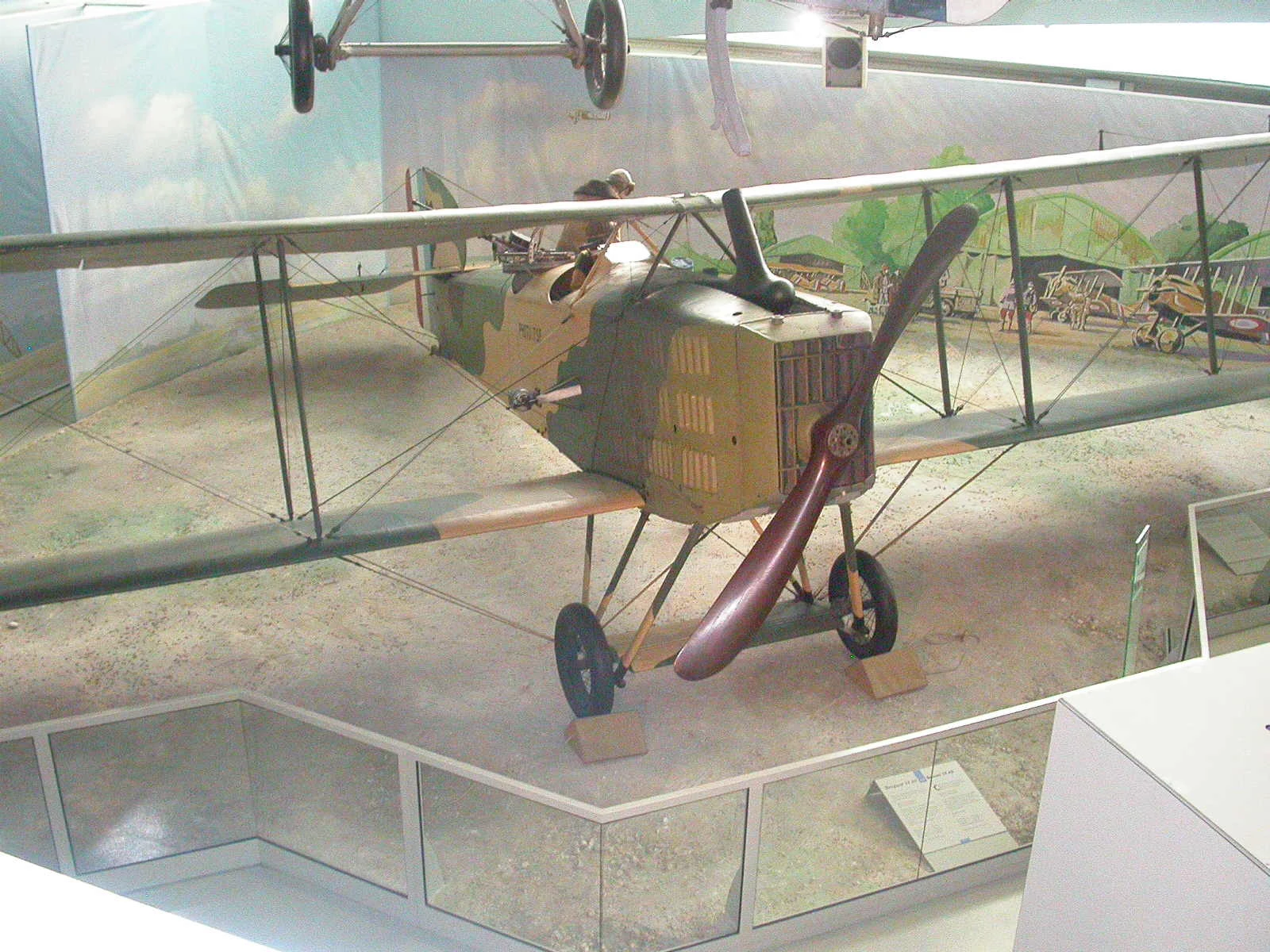
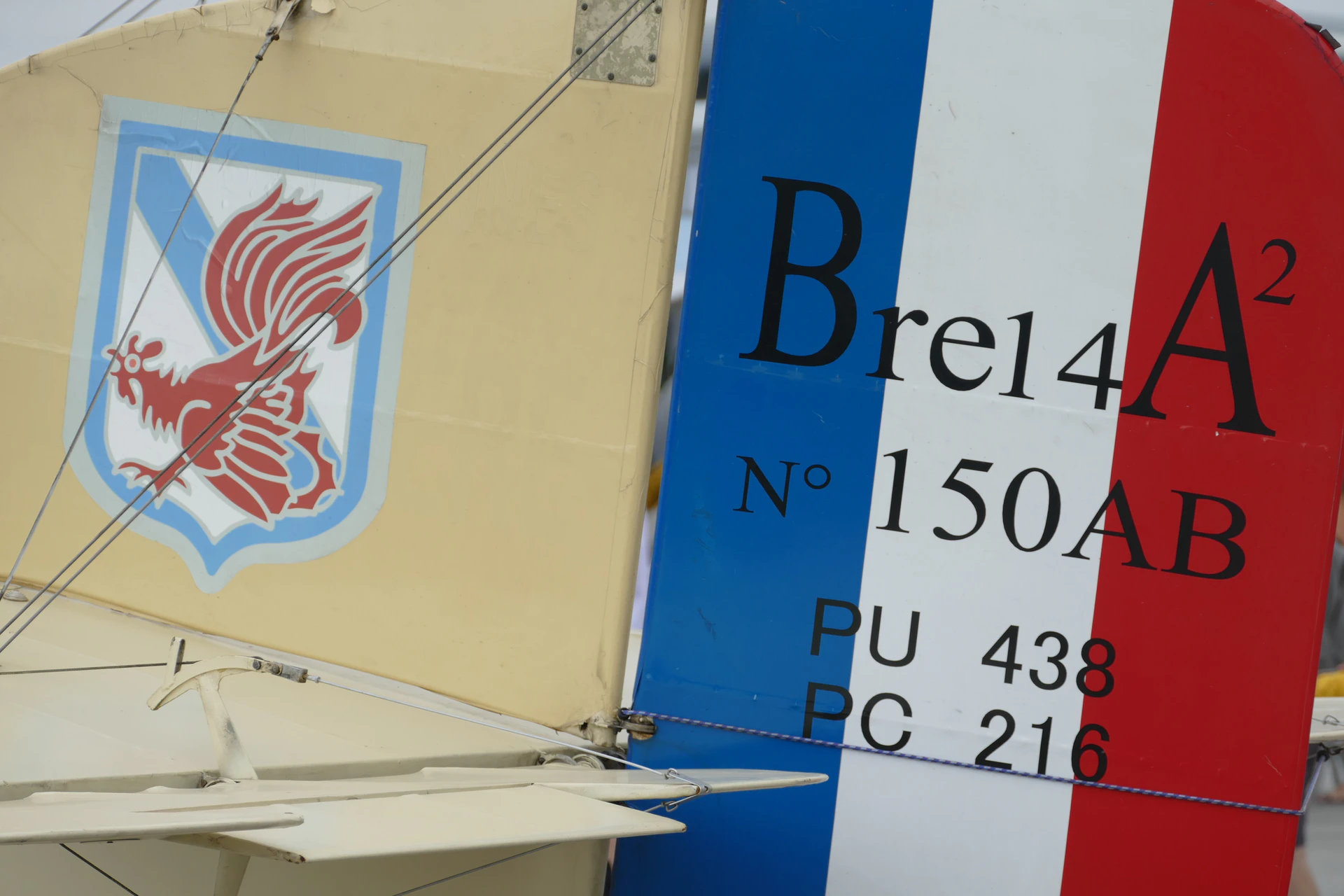
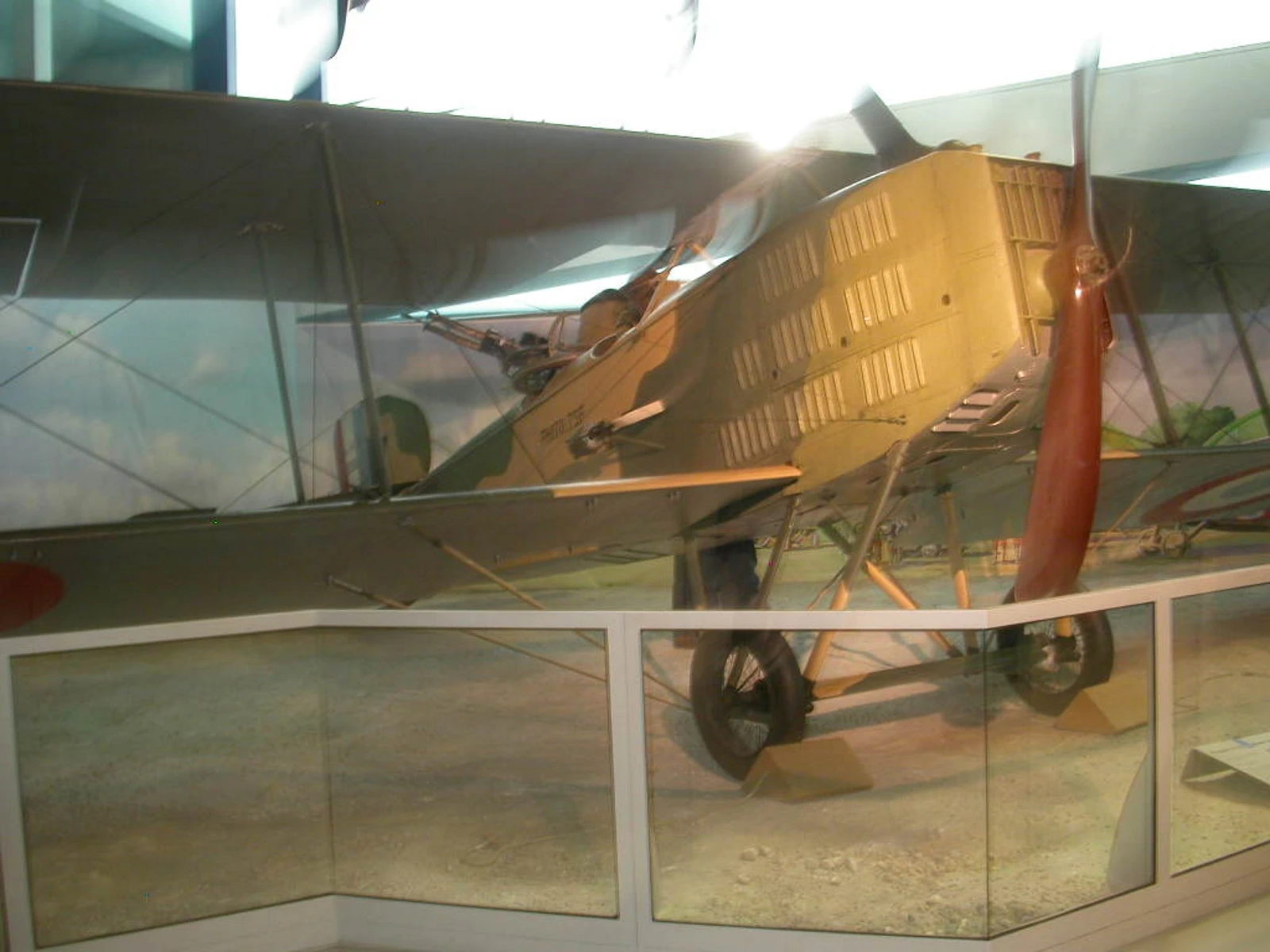
V Bréguet 14 was a French biplane bomber and reconnaissance aircraft of World War I. It was built in very large numbers and production continued for many years after the end of the war. Apart from its widespread usage, the Bréguet 14 is known for being among the first mass-produced aircraft to use large amounts of metal, rather than wood, in its structure. This allowed the airframe to be lighter than a wooden airframe of the same strength, in turn making the aircraft relatively fast and agile for its size; in combat it was able to outrun many contemporary fighters. The Bréguet 14’s strong construction allowed it to sustain considerable damage, in addition to being easy to handle and possessing favourable performance. The type has often been considered to have been one of the best aircraft of the war.
Vir: Breguet XIV na Wiki
| Breguet XIV Walk Around | |
|---|---|
| Fotograf | Neznano |
| Lokalizacijo | Neznano |
| Fotografije | 39 |



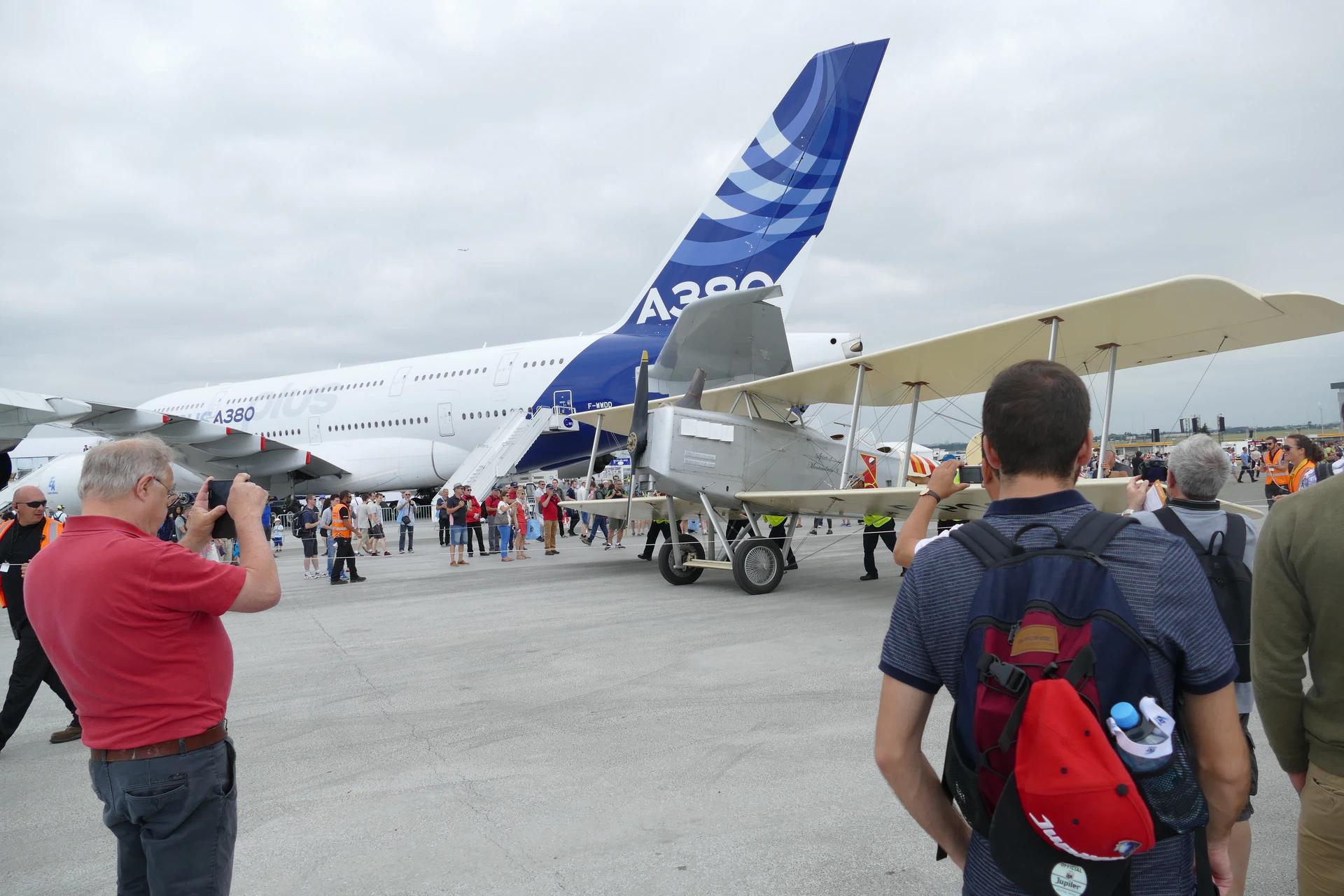


Glej tudi:


A Leap Forward in Aviation Engineering
V Breguet 14 was a revolutionary French biplane of World War I, designed by Louis Breguet. While most contemporary aircraft were built of wood, the Breguet 14 was the first mass-produced aircraft to utilize duralumin (aluminum alloy) for its primary structure. This made it lighter, stronger, and more durable than its rivals. Its exceptional performance as a reconnaissance and bomber aircraft ensured its production continued long after the war, with over 8,000 units built.
| Attribute | Standard Specification (Breguet 14 B2) |
|---|---|
| Vlogo | Day Bomber / Reconnaissance |
| Posadke | 2 (Pilot and Observer/Gunner) |
| First Flight | November 1916 |
| Powerplant | 1 × Renault 12Fe water-cooled V12 |
| Horsepower | 300 hp (224 kW) |
| Maximum Speed | 184 km/h (114 mph) |
| Service Ceiling | 6,000 meters (19,685 ft) |
| Oborožitev | 1 × fixed .303 Vickers; 2 × .303 Lewis guns on ring mount |
| Bomb Load | Up to 300 kg (660 lbs) |
Technical Innovations
- Duralumin Construction: The use of metal allowed for a thinner wing profile and a more streamlined fuselage, which contributed to its high speed for the era. It also made the aircraft much more resistant to weather and humid environments.
- Automatic Wing Flaps: The Breguet 14 was one of the first aircraft to feature automatic camber-changing flaps (lower wing) that would deploy under high air pressure, improving lift during slow-speed flight and takeoffs.
- Internal Bomb Bays: While most WWI bombers carried bombs externally, the Breguet 14 featured an internal bomb rack within the fuselage, reducing aerodynamic drag.
- The Renault V12: The powerful, liquid-cooled Renault engine provided the reliability needed for long-distance missions and the high-altitude performance required to escape German interceptors.
Post-War Legacy: The Airmail Pioneer
- Lignes Aériennes Latécoère: After the war, hundreds of Breguet 14s were used to establish the first international airmail routes. Pilots like Antoine de Saint-Exupéry (author of The Little Prince) flew them across the Sahara and the Andes.
- Global Service: The aircraft was used by over 25 countries, including the United States, Poland, and Brazil, remaining in frontline service in some regions well into the 1930s.
- Versatility: It was modified for dozens of roles, including air-ambulance (Sanitaire), photographic reconnaissance, and even a “Limousine” version with a closed cabin for passengers.
Ogledov : 1581
Prav tako si lahko ogledate:
 Hawker Fury – Fotografije & Video posnetki
 EKW C-35 – Fotografije & Video posnetki
 SPAD S.XI – Sprehod Okoli
 Focke-Wulf Fw 44 – Fotografije & Video posnetki
 Pravljična mečarica - fotografije in videi
 Hawker Hart – Fotografije & Video posnetki
 Fokker D.VII - Fotografije in video
 Royal Aircraft Factory S.E.5 – Fotografije & Video
 SPAD S.VII Cabruna & Ruffo – Fotografije & Video
 Stearman PT-13D Kaydet- Fotografije & Video