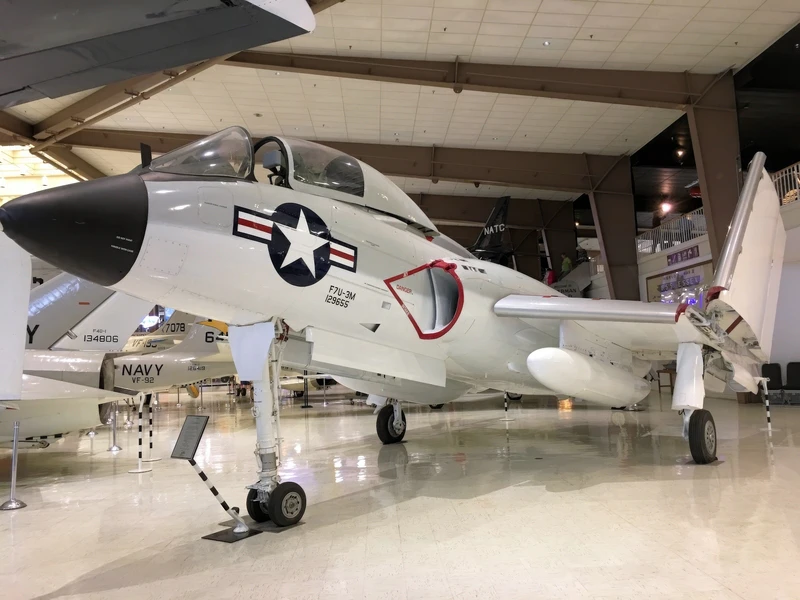
Vought F7U Cutlass | |
|---|---|
| Kraju | Stany Zjednoczone Ameryki |
| Roli | Morski myśliwiec wielozadaniowy |
| Pierwszy lot | 29 września 1948 |
| Zbudowany | 320 |
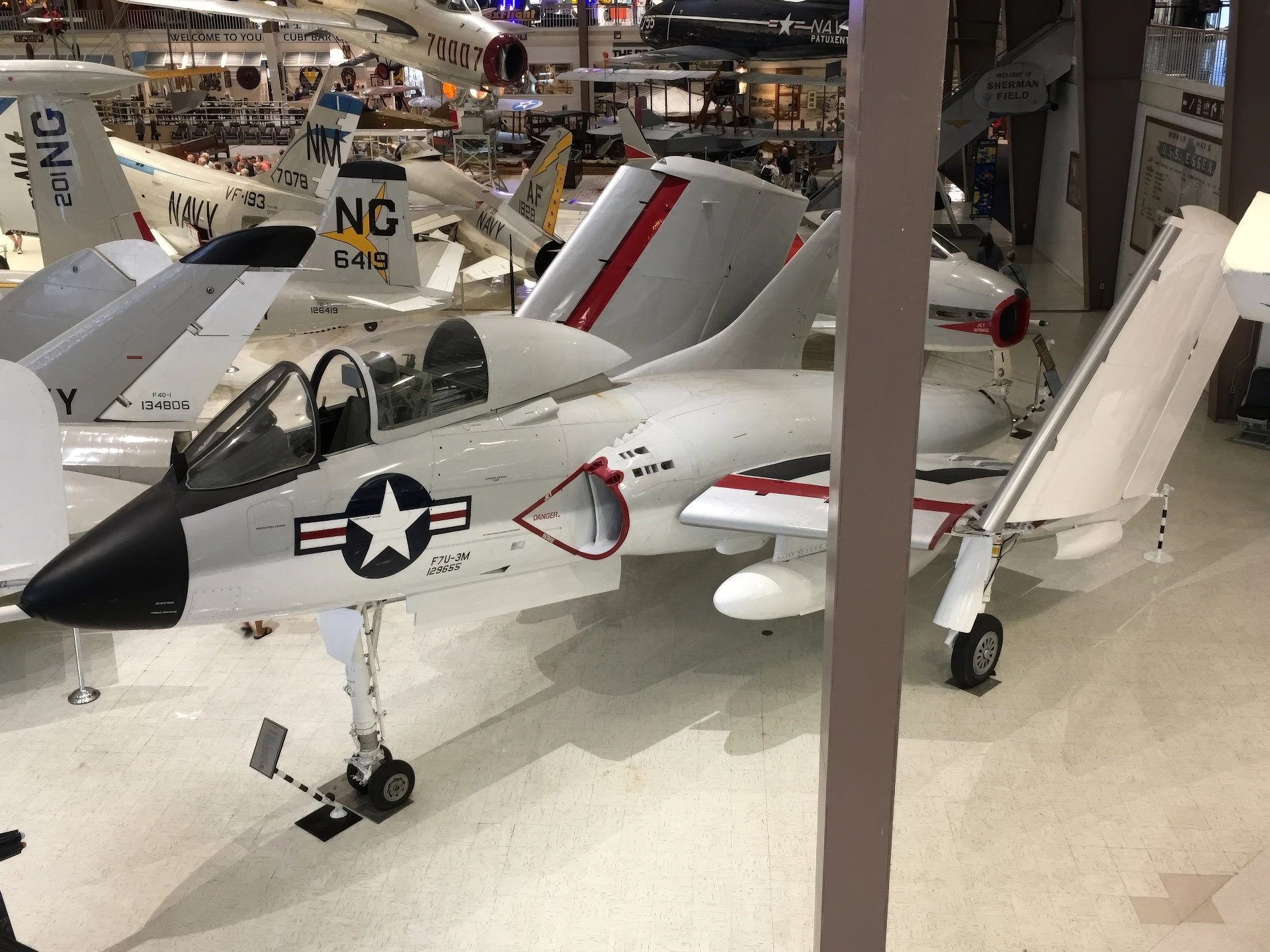
Tthe Vought F7U Kordelas – amerykański myśliwiec odrzutowy i myśliwsko-bombowy z okresu zimnej wojny. Był to samolot bezogonowy oparty na danych aerodynamicznych i planach przejętych od niemieckiej firmy Arado pod koniec II wojny światowej, chociaż projektanci Vought zaprzeczyli jakiemukolwiek powiązaniu z niemieckimi badaniami w tamtym czasie. F7U był ostatnim samolotem zaprojektowanym przez Rexa Beisela, który był odpowiedzialny za pierwszy myśliwiec zaprojektowany specjalnie dla Marynarki Wojennej Stanów Zjednoczonych, Curtiss TS-1 z 1922 roku.
Źródła: Vought F7U Cutlass na Wikipedii
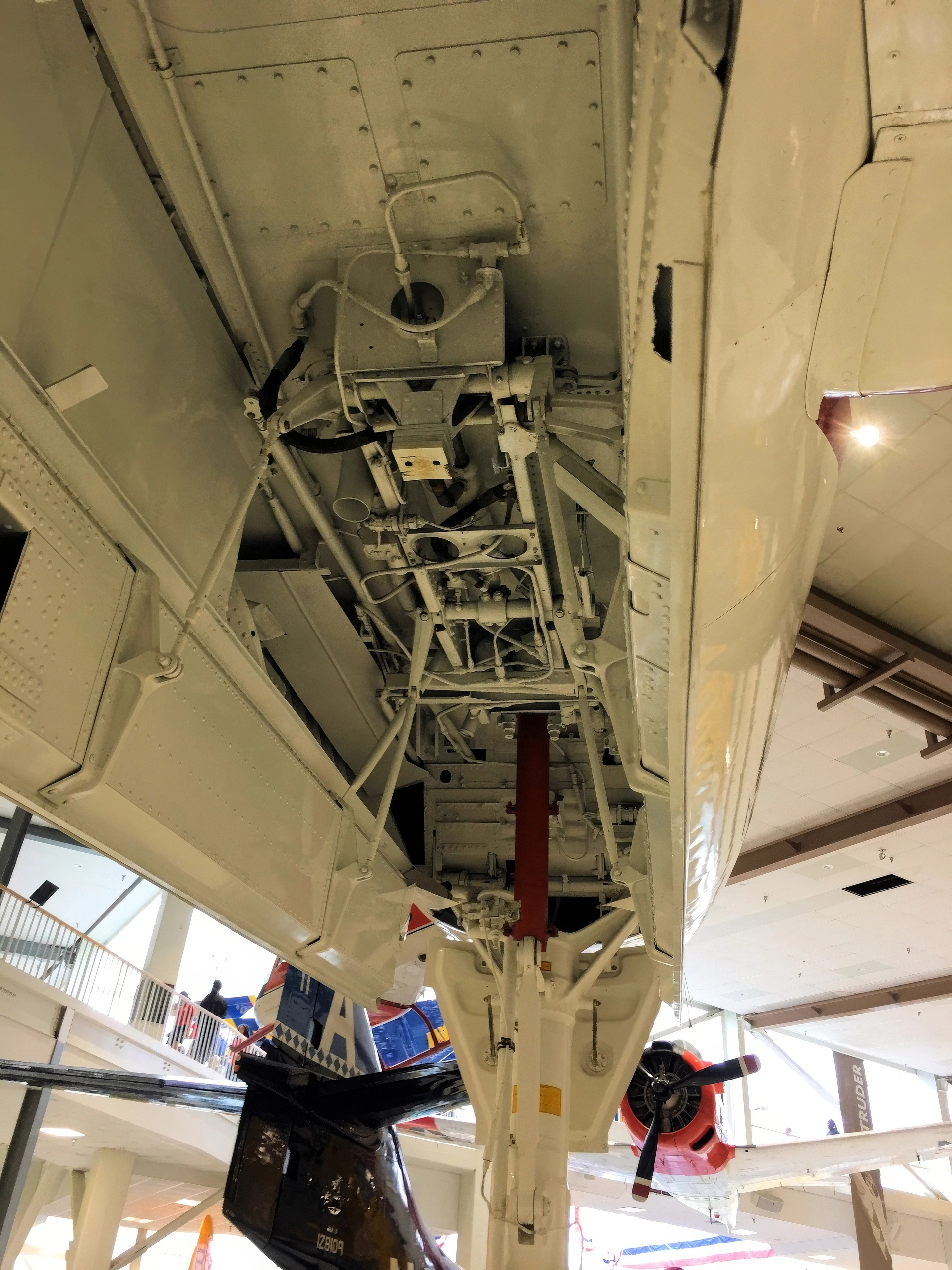
| F7U-3M Cutlass Walk Around | |
|---|---|
| Fotograf | Fotios Rouch |
| Lokalizacja | Niewiedzy |
| Zdjęcia | 27 |

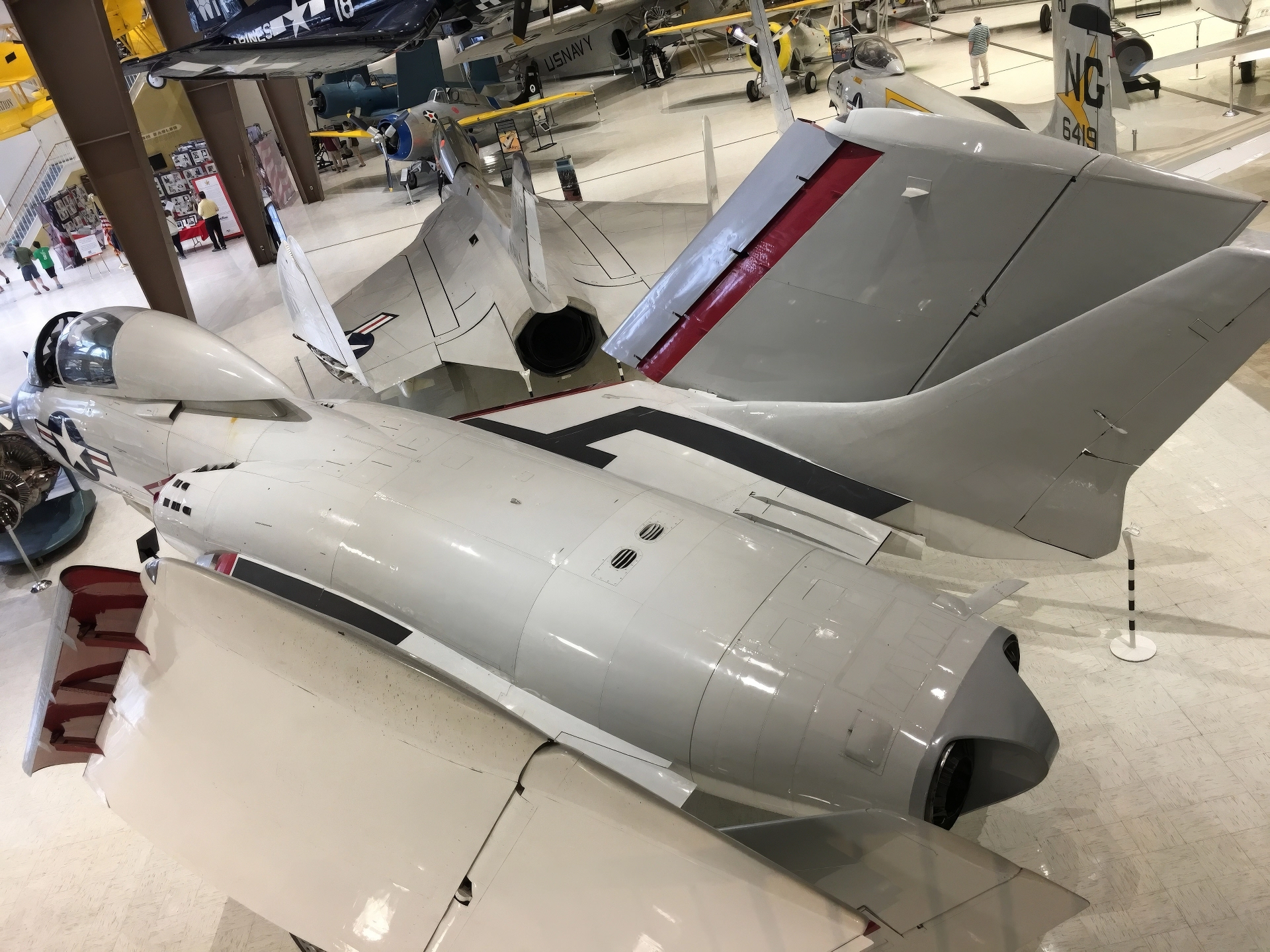
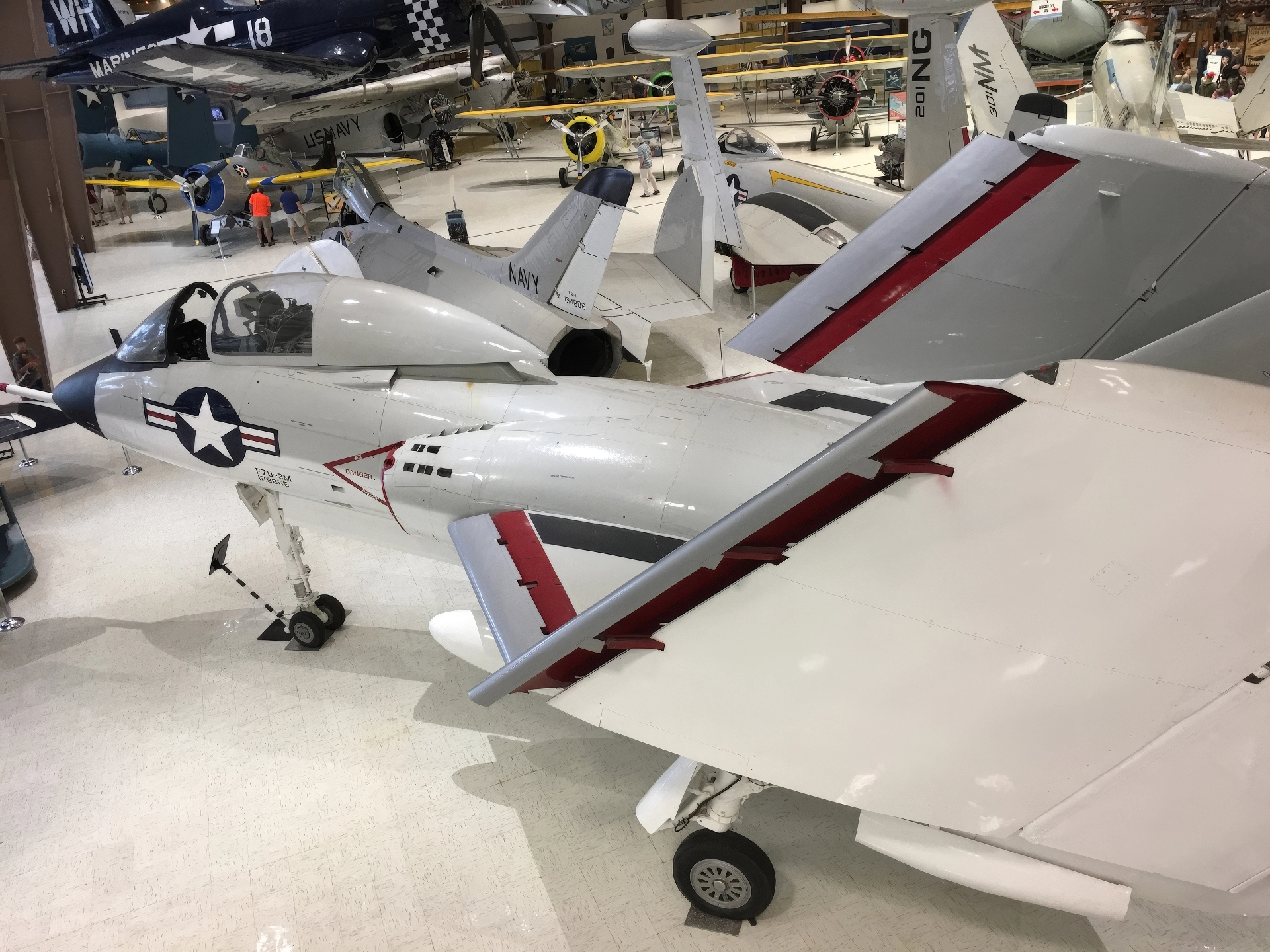
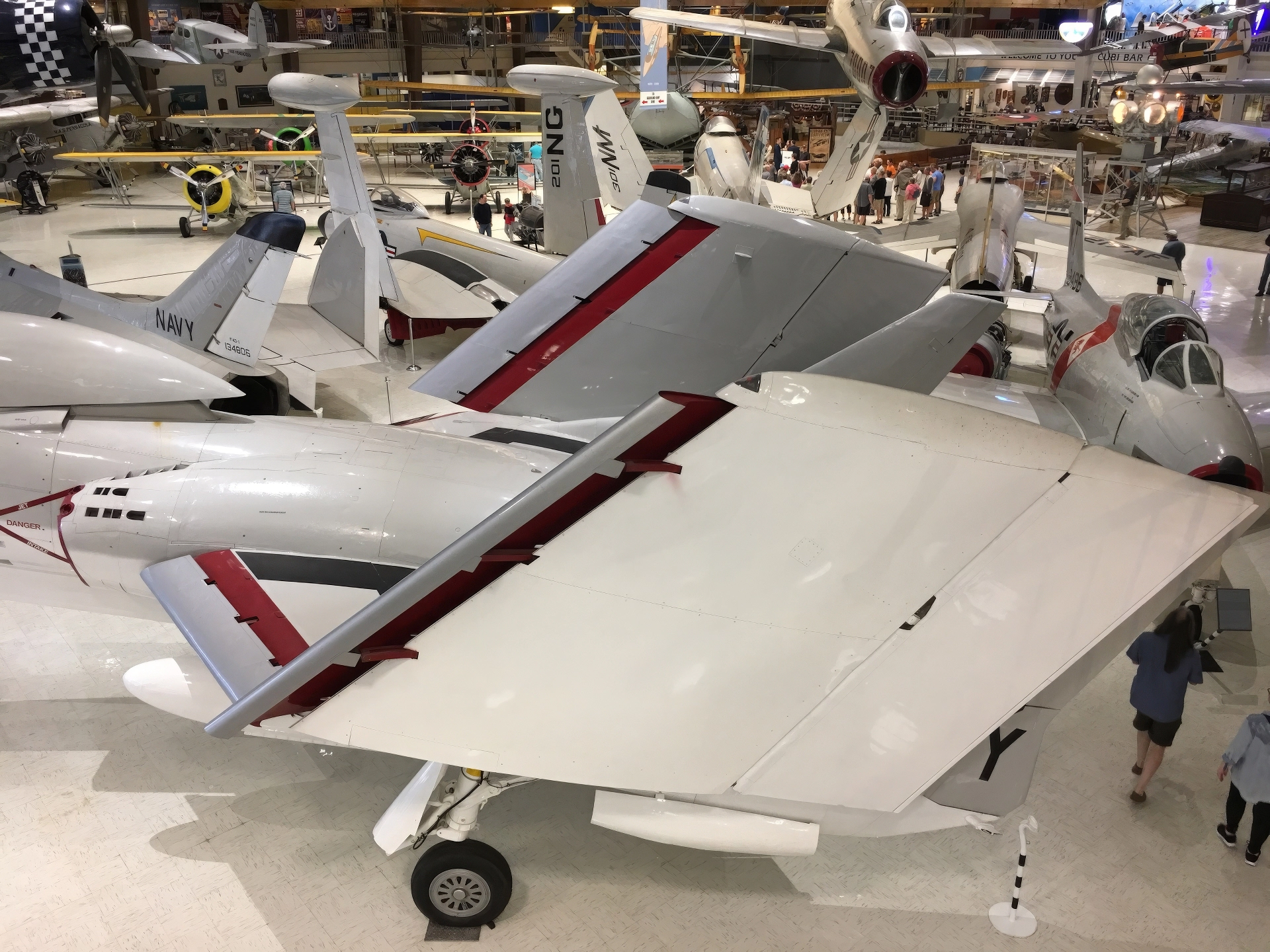


Zobacz też:


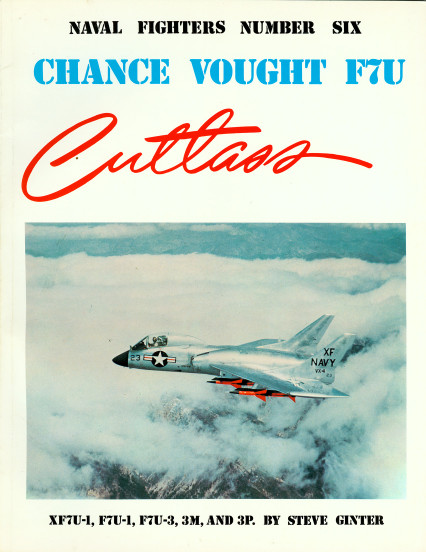
General Characteristics and Design
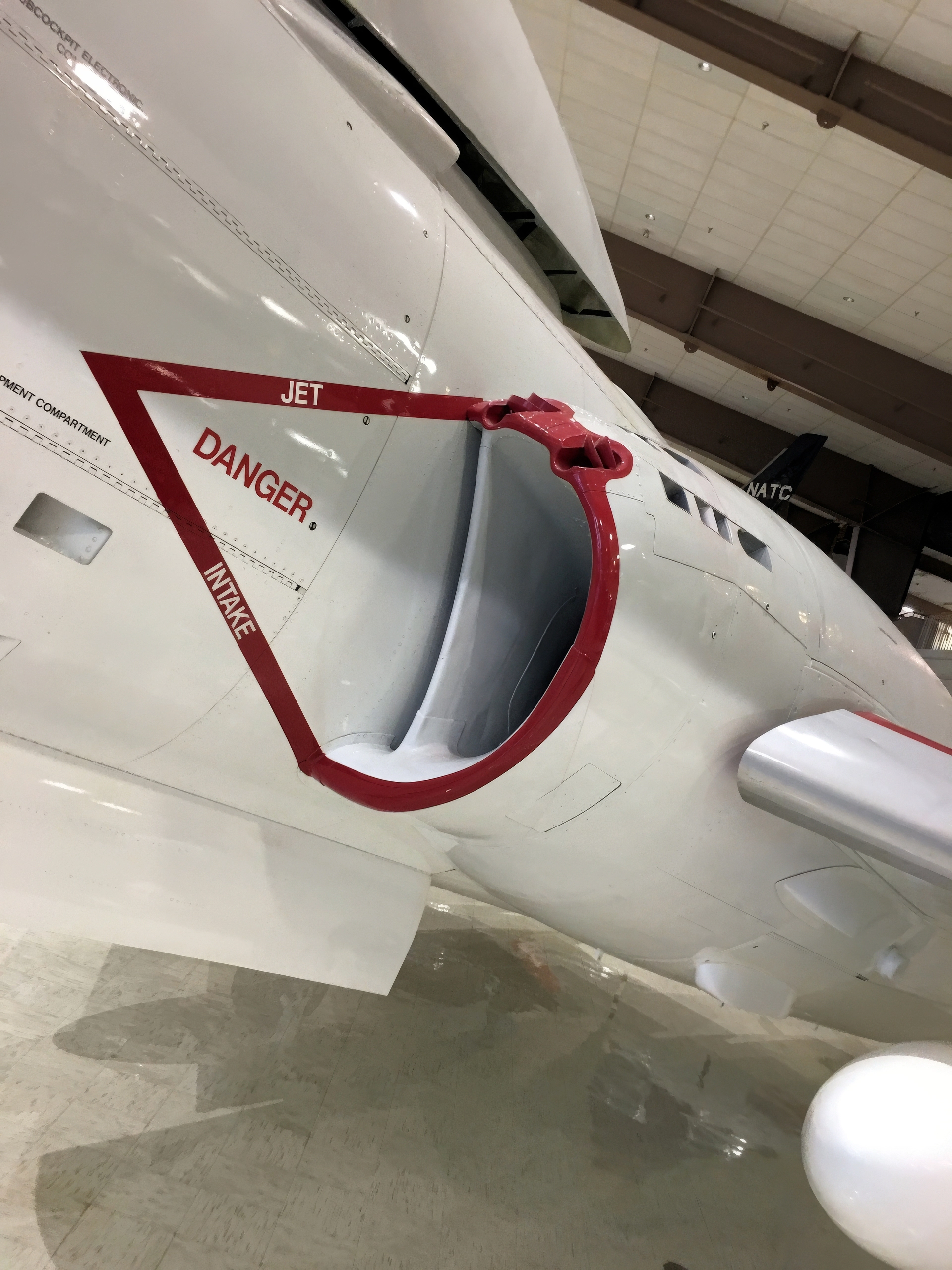
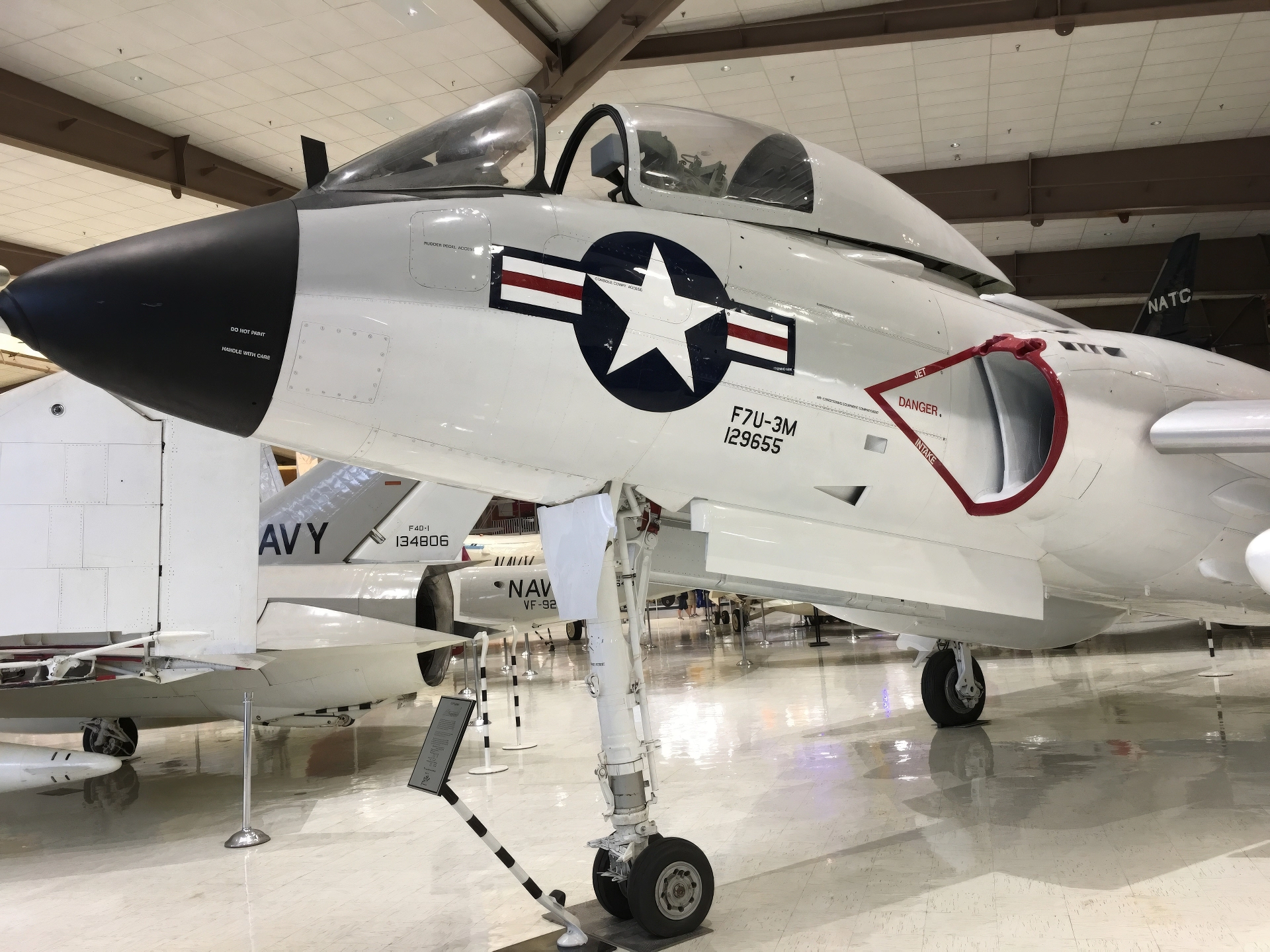
The Vought F7U Cutlass was a unique and radical US Navy carrier-based jet fighter of the early Cold War era. Its design was heavily influenced by German aerodynamic data obtained at the end of World War II. The Cutlass was the first American tailless production fighter and one of the first Navy jets to feature swept wings and afterburners. Its unusual configuration, featuring low aspect ratio swept wings and twin vertical fins, eliminated the traditional horizontal tailplane. Pitch and roll control were combined into surfaces called elevons (or ailevators) on the wing trailing edges. Despite its innovative design, the aircraft earned unflattering nicknames like the “Gutless Cutlass” and “Ensign Eliminator” due to being underpowered and having a high accident rate.
| Property | Typical Value (F7U-3) |
|---|---|
| Roli | Carrier-Based Fighter and Fighter-Bomber |
| National Origin | Stany Zjednoczone |
| Producent | Chance Vought Aircraft Inc. |
| First Flight | 29 September 1948 (Prototype) |
| Załogi | 1 (Pilot) |
| Długość | 13.50 m (44 ft 3 in) |
| Rozpiętość | 12.10 m (39 ft 8 in) |
| Wysokość | 4.45 m (14 ft 7 in) |
| Empty Weight | Approx. 8,267 kg (18,226 lb) |
| Gross Weight | Approx. 14,365 kg (31,670 lb) |
Powerplant and Performance
- Engines: Two Westinghouse J46-WE-8A turbojet engines with afterburners.
- Thrust (Each): 20.5 kN (4,600 lbf) dry / 27.1 kN (6,100 lbf) with afterburner.
- Maximum Speed: Approx. 1,095 km/h (680 mph) (Mach 0.9–0.95, near supersonic capability).
- Initial Rate-of-Climb: Approx. 14,240 ft/min.
- Range: Approx. 1,061 km (659 mi) (combat range).
- Service Ceiling: 12,192 m (40,000 ft).
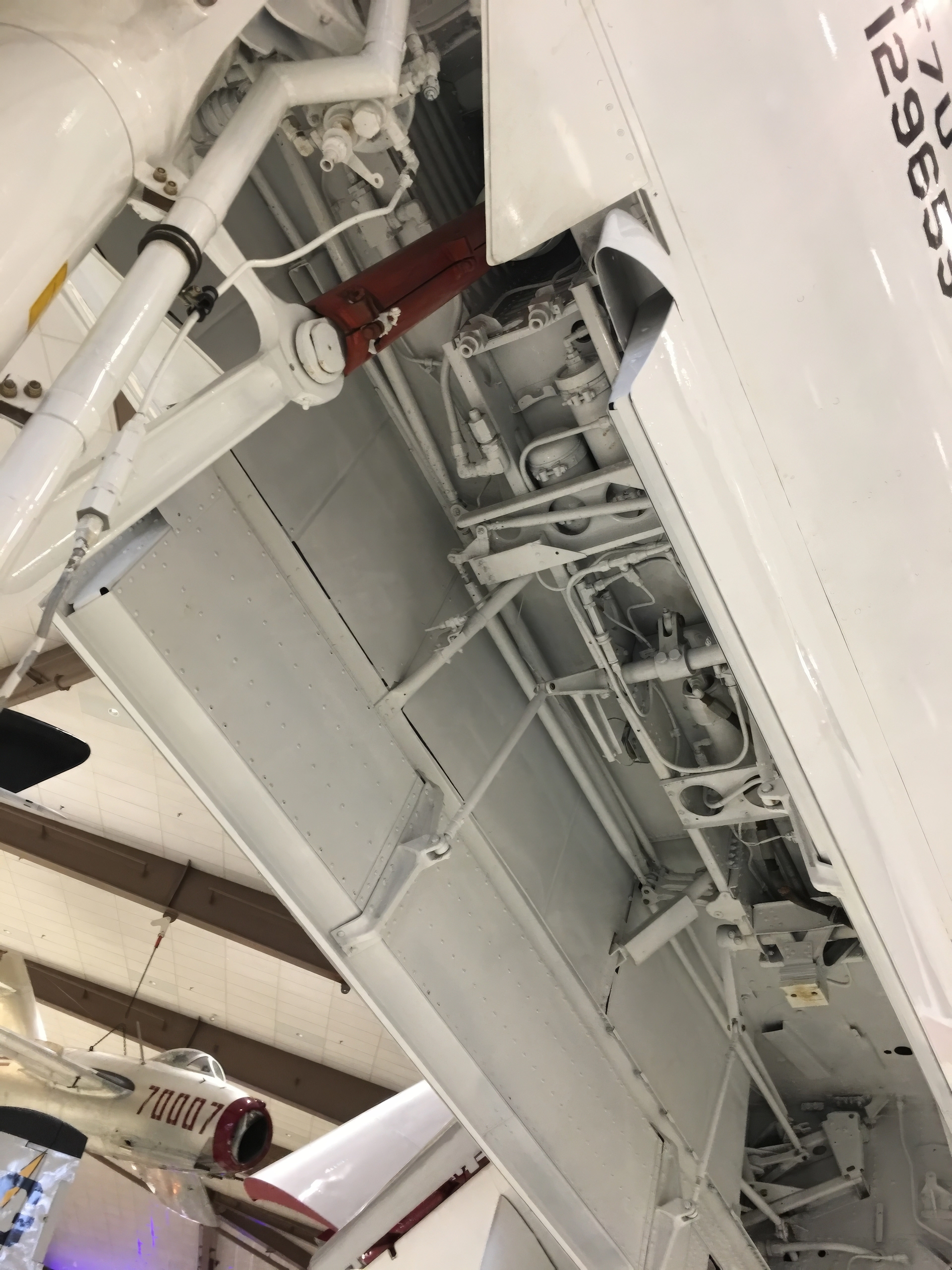
- Carrier Feature: Long nose landing gear strut required for a high angle of attack during catapult launches. The nose gear also had a unique pre-spinning device to bring tires up to speed before landing.
Armament and Variants
- Internal Armament: 4 x 20 mm M3 cannon (located above the inlet ducts), 180 rounds per gun.
- External Hardpoints: 4 underwing hardpoints with a total capacity of up to 2,500 kg (5,500 lb).
- Ordnance Capability:
- Bombs: Up to 2,000 lb of bombs or 32 x 2.75-inch unguided rockets.
- Missiles (F7U-3M variant): Fitted to carry four AIM-7 Sparrow I radar-guided air-to-air missiles.
- Major Variants:
- F7U-1: Pre-production, underpowered version.
- F7U-3: Main production version with larger airframe and J46 engines.
- F7U-3M: Missile-capable version, carrying Sparrow I missiles.
- F7U-3P: Photo-reconnaissance version with an extended nose and cameras (guns deleted).
Views : 2868
Możesz również zobaczyć:
 Stinson L-5 Sentinel – Zdjęcia & Video
 Piper L-4 Grasshopper – Zdjęcia & Video
 Lockheed U-2 – Zdjęcia i film
 Vought SB2U Vindicator – Zdjęcia & Wideo
 Vought F4U Corsair – Zdjęcia & Wideo
 Hawker Sea Fury FBII vol2 – Spacer
 P-51D Mustang vol2 – Spacer
 B-17G Latająca Forteca – WalkAround
 Messerschmitt Bf 109G-2 – Spacer
 General Motors FM-2 Wildcat – WalkAround