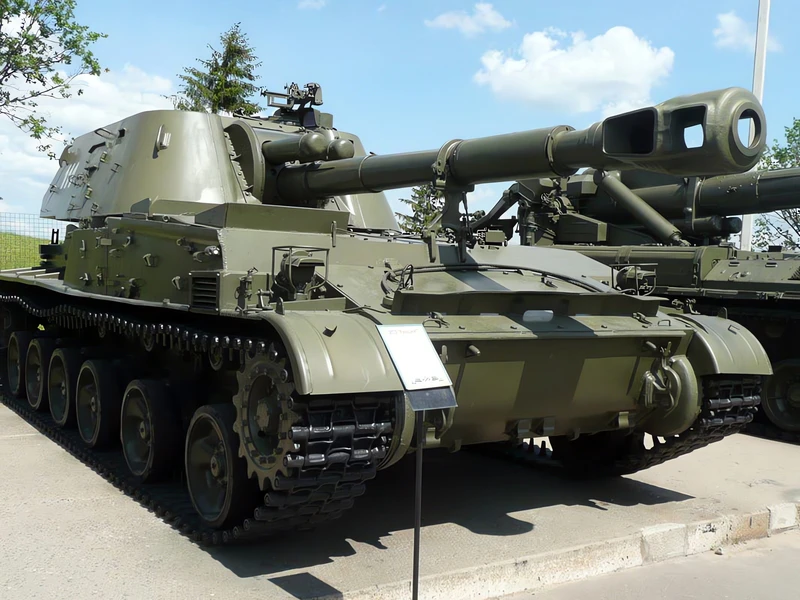
2S3 Akatsiya | |
|---|---|
| Kraju | Radzieckiego |
| Roli | Działo samobieżne |
| W eksploatacji | od 1971 do chwili obecnej |
| Zbudowany | Niewiedzy |
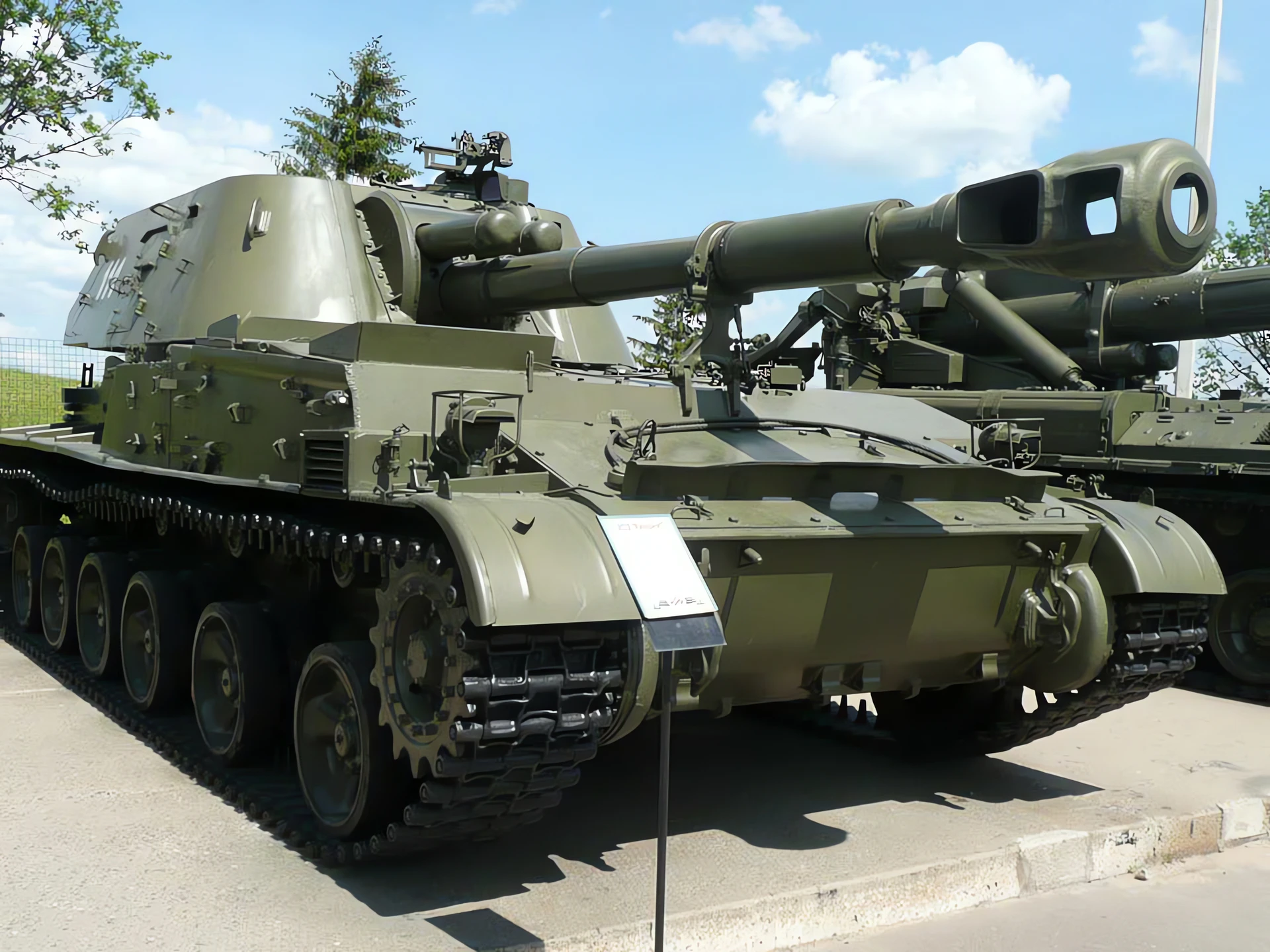
SO-152 Radziecki działo samobieżne 152,4 mm powstało w 1968 roku. Była to odpowiedź na amerykański 155 mm M109. Prace rozpoczęły się w 1967 roku zgodnie z uchwałą Rady Ministrów Związku Radzieckiego z 4 lipca 1967 roku. W 1968 so-152 został ukończony i w 1971 wszedł do służby. Jego oznaczenie GRAU to 2S3 (2С3). Pojazd bojowy otrzymał również dodatkowe oznaczenie Akatsiya ( Akatsiya ) (Акация), który jest rosyjski dla akacji.
Źródła: 2S3 Akatsiya na Wikipedii
| 2S3 Akatsiya Walk Around | |
|---|---|
| Fotograf | Vladimir Yakubov |
| Lokalizacja | Niewiedzy |
| Zdjęcia | 100 |
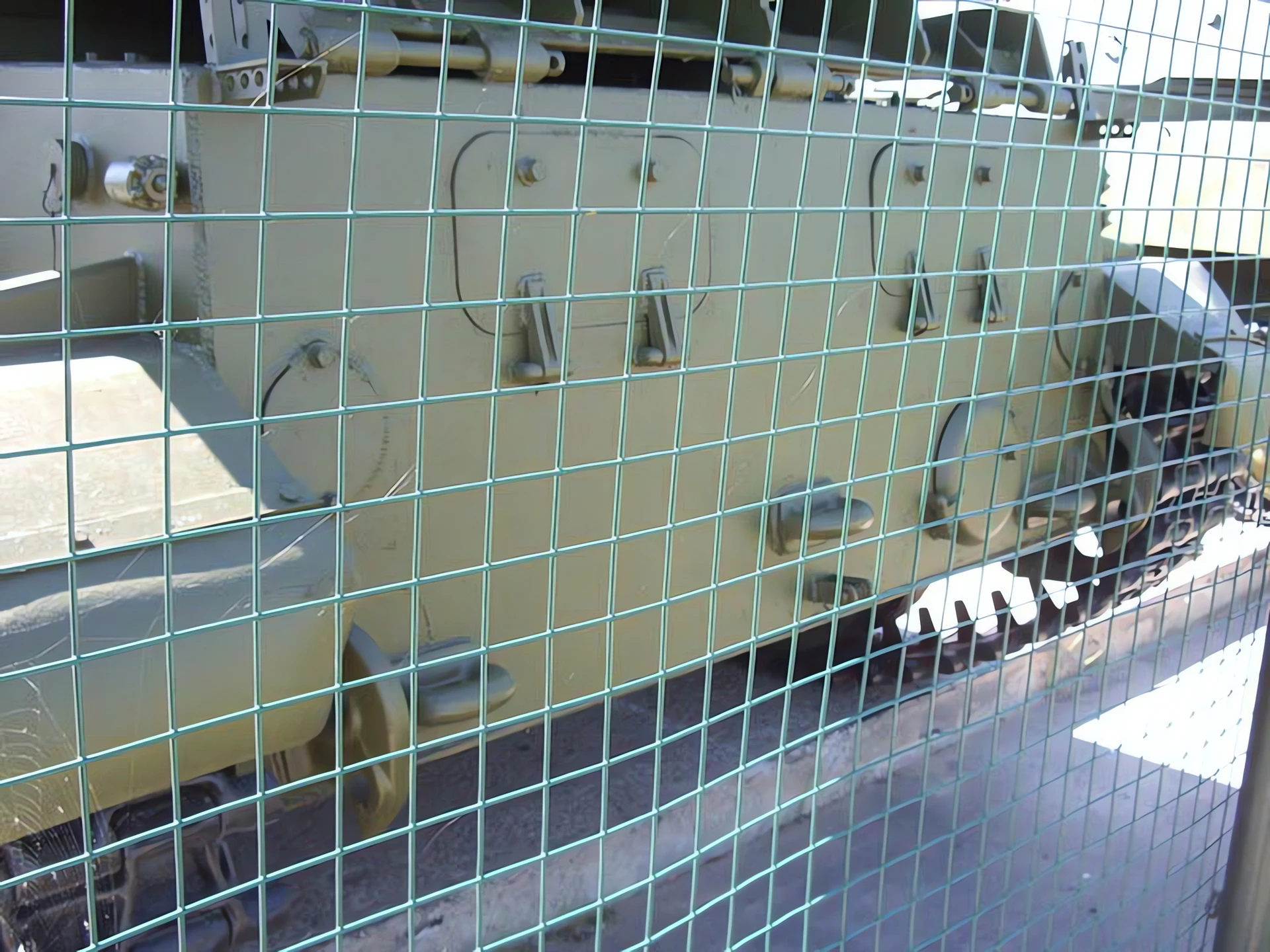
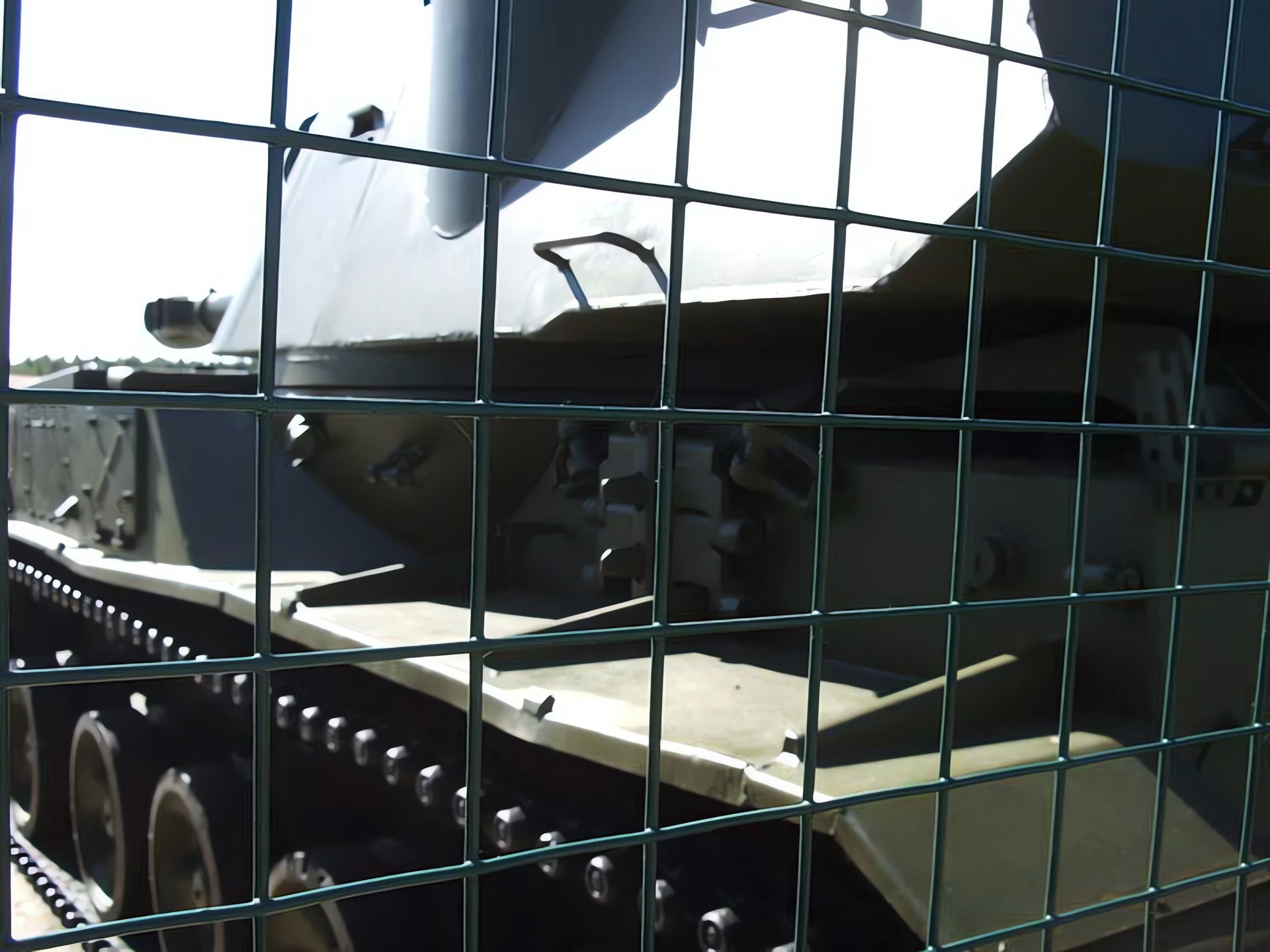
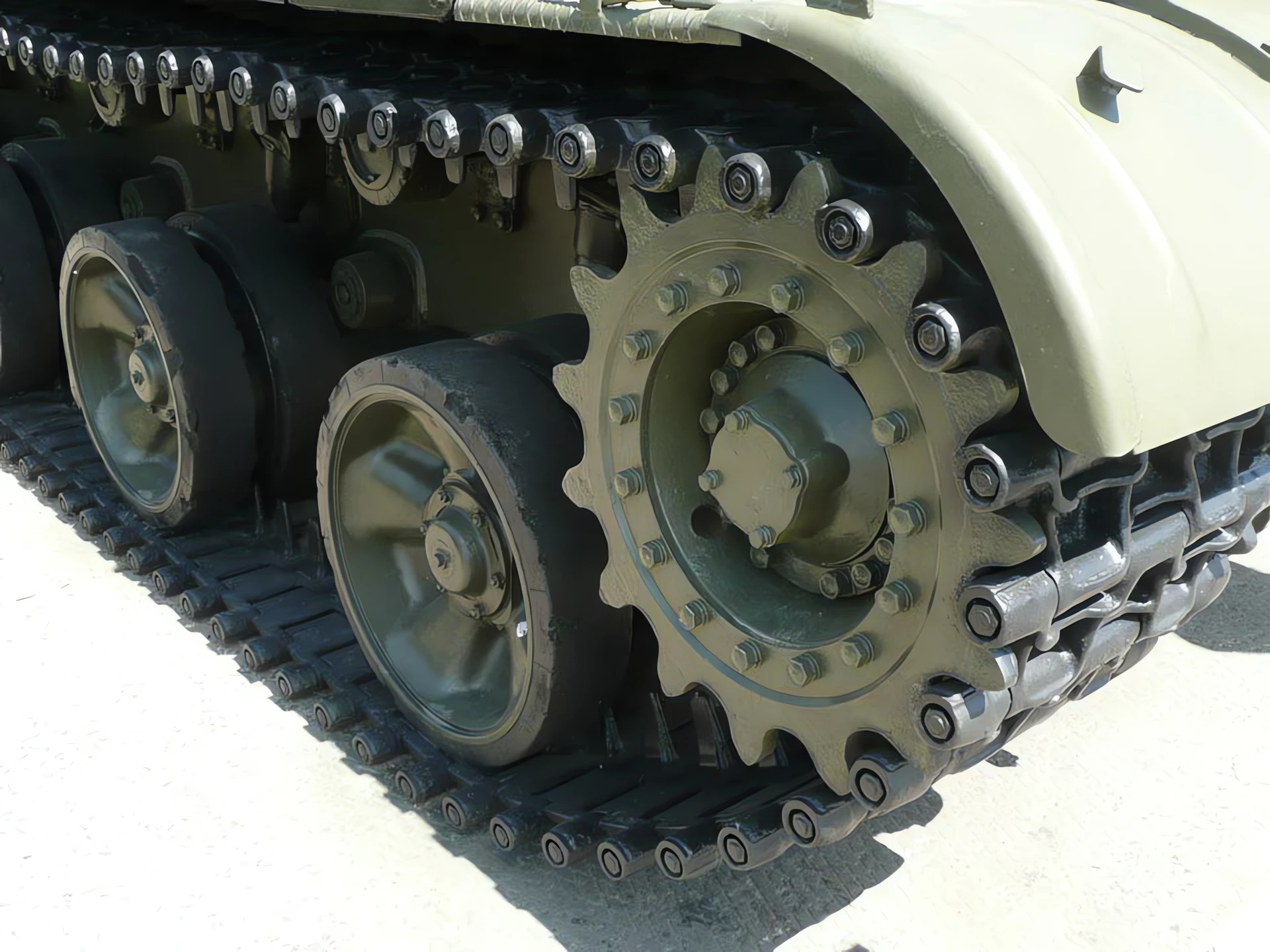
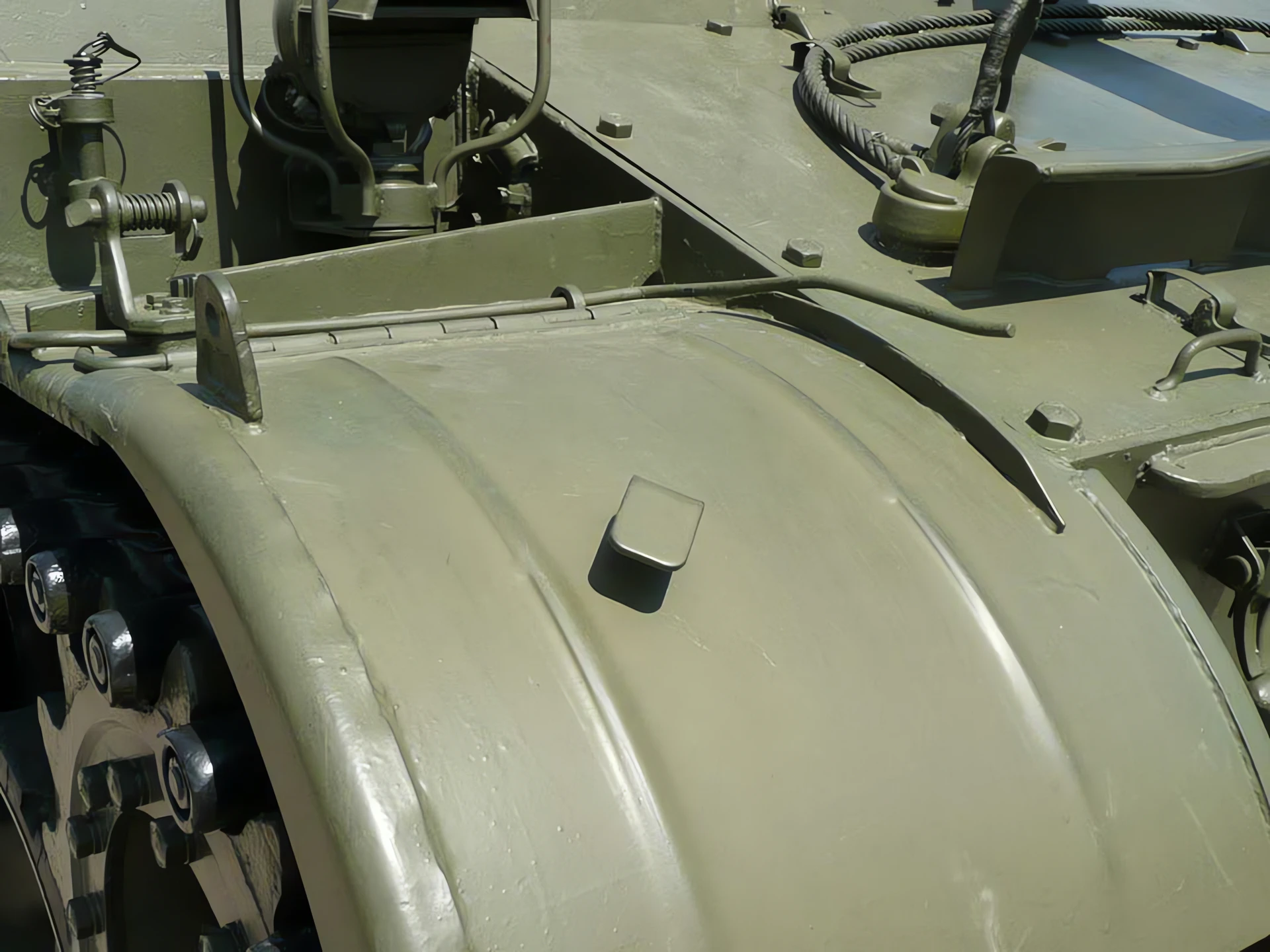


Zobacz też:


General Characteristics and Role
The 2S3 Akatsiya (Russian for “Acacia”) is a Soviet-era 152 mm self-propelled howitzer developed in the late 1960s as a direct response to the American 155 mm M109 SPG. It was designed to suppress and destroy enemy personnel, artillery, command posts, and field fortifications, providing division-level indirect fire support. The vehicle uses a tracked chassis derived from the 2K11 Krug (SA-4 Ganef) surface-to-air missile system. It was accepted into Soviet service in 1971 and received the NATO designation M1973. It is known for its ruggedness and capability to fire a wide variety of Soviet 152 mm ammunition. [Image of the T-60 light tank]
| Property | Typical Value |
|---|---|
| Roli | Self-Propelled Howitzer |
| National Origin | Soviet Union (USSR) |
| Producent | Uraltransmash / OKB-9 |
| Service Entry | 1971 |
| Załogi | 4 (Commander, Driver, Gunner, Loader) |
| Combat Weight | 27.5 tonnes (27,500 kg) |
| Length (Gun Forward) | 8.4 m (27 ft 7 in) |
| Szerokość | 3.25 m (10 ft 8 in) |
| Wysokość | 3.05 m (10 ft 0 in) |
Powerplant and Mobility
- Engine: V-59 V-12 liquid-cooled diesel engine.
- Power Output: 387 kW (520 hp).
- Transmission: Manual, with 6 forward and 2 reverse gears.
- Suspension: Independent torsion bars with hydraulic shock absorbers.
- Maximum Speed (Road): 60–63 km/h (37–39 mph).
- Operational Range (Road): Approx. 500 km (310 mi).
- Protection: All-welded steel armor, providing protection against small arms fire and artillery shell splinters (up to 30 mm thickness on the turret and hull front).
- NBC Protection: Equipped with a collective Nuclear, Biological, and Chemical (NBC) defense system.
Armament and Performance
- Main Armament: 152.4 mm (6-inch) 2A33 howitzer (28 caliber length).
- Elevation/Traverse: -4° to +60° elevation; 360° turret traverse.
- Ammunition Load: 40 to 46 rounds (depending on variant and internal stowage).
- Maximum Range (Standard HE): Approx. 17.4 km (10.8 mi) with conventional High Explosive (HE) rounds.
- Maximum Range (RAP): Approx. 20.5–24 km (12.7–15 mi) with Rocket Assisted Projectiles (RAP).
- Rate of Fire: Maximum of 4 rounds per minute (rpm); sustained rate of 1–3 rpm.
- Ammunition Types: Fires a wide range of separate-loading 152 mm ammunition, including HE-FRAG, HEAT, smoke, illumination, and later, laser-guided munitions like the **Krasnopol** projectile.
- Secondary Armament: 1 x 7.62 mm PKT machine gun mounted on the commander’s cupola for anti-aircraft and self-defense.
Views : 2367
Możesz również zobaczyć:
 Wespe Sd.Kfz. 124 – Spacer dookoła
 2S4 Tyulpan – Zdjęcia & Filmy
 Astros II MLRS – Zdjęcia i filmy
 System rakiet wielokrotnego startu M270 – zdjęcia i filmy
 L-33 Roem – Zdjęcia & Filmy
 ZiS-2 – Zdjęcia i filmy
 Haubica M198 – Zdjęcia & wideo
 Działko atomowe M65 – Zdjęcia i film
 Moździerz samobieżny 600mm Adam – zdjęcia i film
 Holowane działo polowe 130 mm M1954 (M-46) – Zdjęcia i film