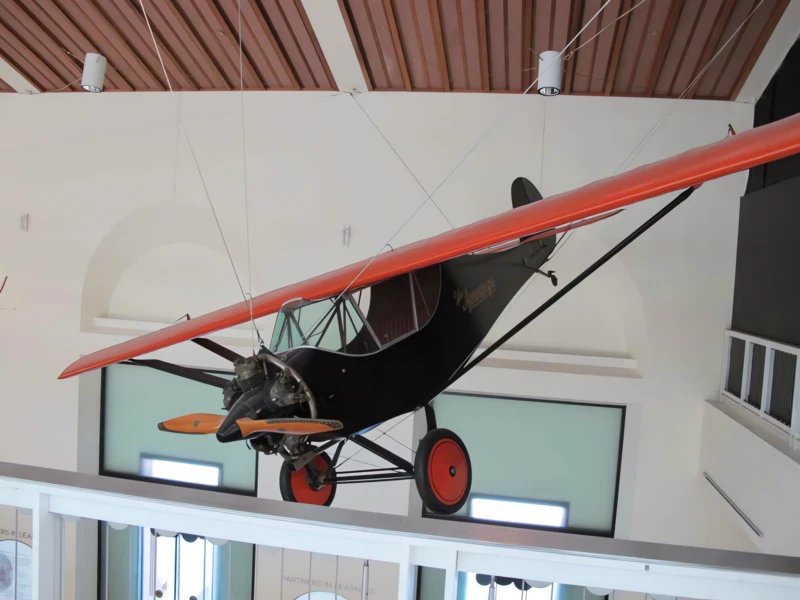
Velie Monocoupe | |
|---|---|
| Country | USA |
| Role | Sport aircraft |
| First flight | 1928 |
| Built | 22+99 |
The Velie Monocoupe was an American general aviation aircraft manufactured from 1927-1929 by the Mono-Aircraft Corp, a division of Velie Motors Corporation, (founded by Willard L. Velie, maternal grandson of John Deere).
Source: Velie Monocoupe on Wikipedia
| Velie Monocoupe Model 70 Walk Around | |
|---|---|
| Photographers | Vladimir Yakubov |
| Localisation | California Science Center, Los Angeles |
| Photos | 70 |

See also:


General Characteristics and Role
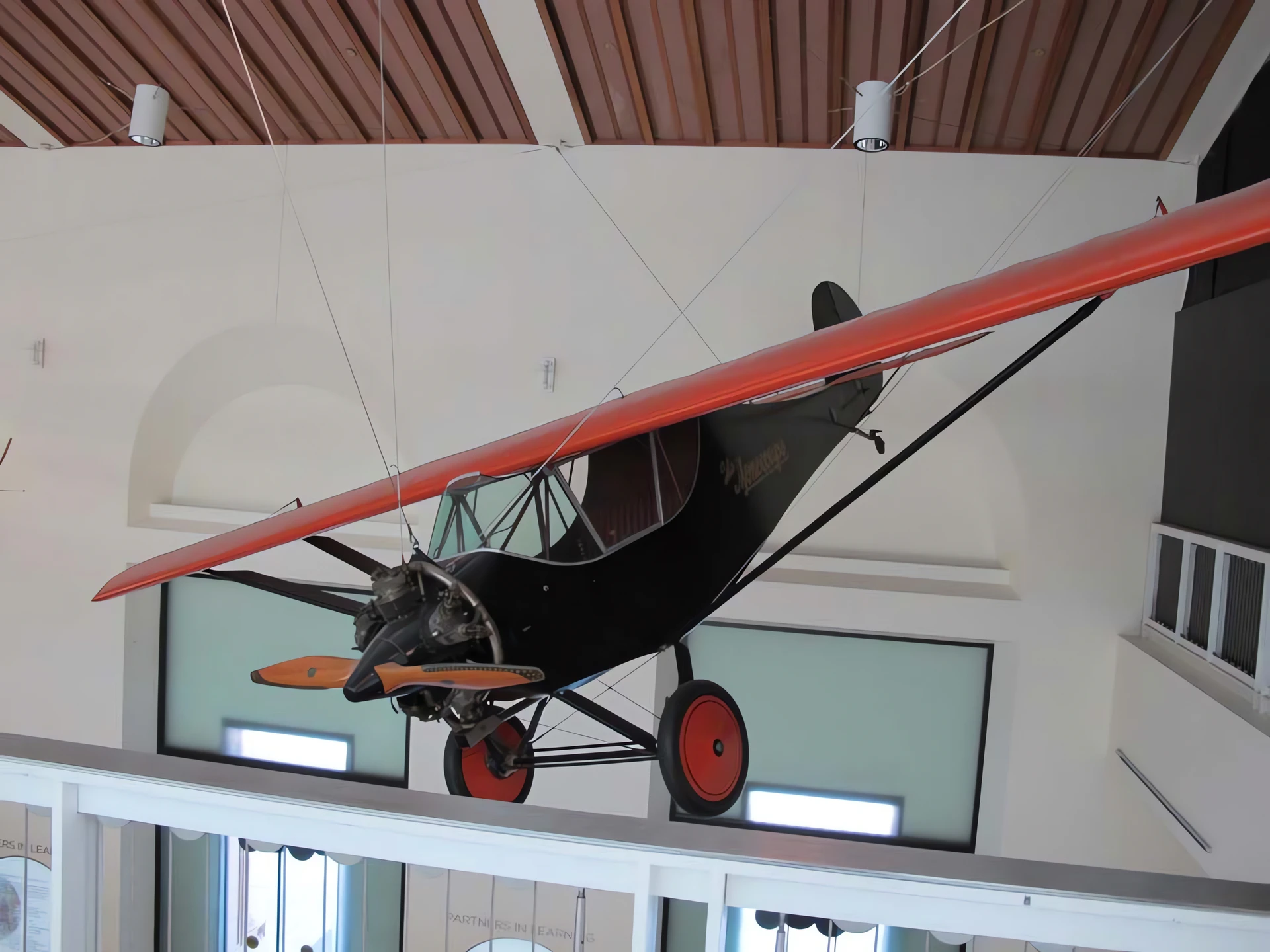
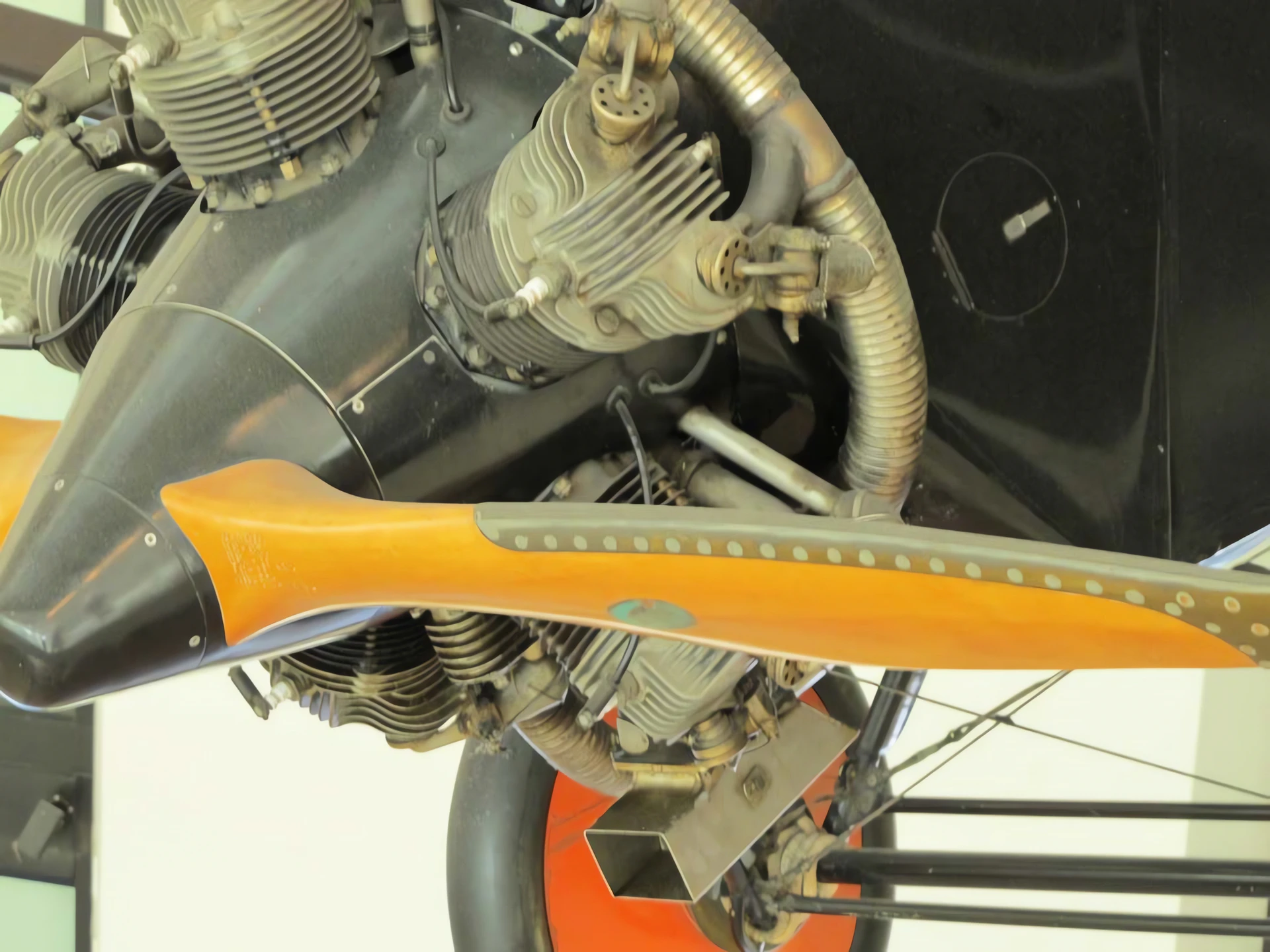
The Monocoupe Model 70 was a highly successful two-seat light cabin monoplane first produced by the Mono Aircraft Corporation in 1927, which was a subsidiary of the Velie Motor Company. The aircraft was one of the first light personal aircraft in the United States to feature a fully enclosed cabin—a significant luxury and safety feature at the time, differentiating it from open-cockpit biplanes. The Model 70 was designed for personal transport, training, and light commercial use, appealing to pilots seeking a reliable, high-performing aircraft that was relatively affordable. Its clean design and powerful engine for its size made it a popular choice during the late 1920s and early 1930s.
| Property | Typical Value (Model 70) |
|---|---|
| Type | Light Cabin Monoplane / General Aviation |
| National Origin | United States |
| Manufacturer | Mono Aircraft Corporation (Velie Motor Co.) |
| First Flight | 1927 (Monocoupe series) |
| Crew | 1 (Pilot) |
| Capacity | 1 Passenger |
| Length | 5.97 m (19 ft 7 in) |
| Wingspan | 9.73 m (31 ft 11 in) |
| Empty Weight | 415 kg (915 lb) |
Powerplant and Construction
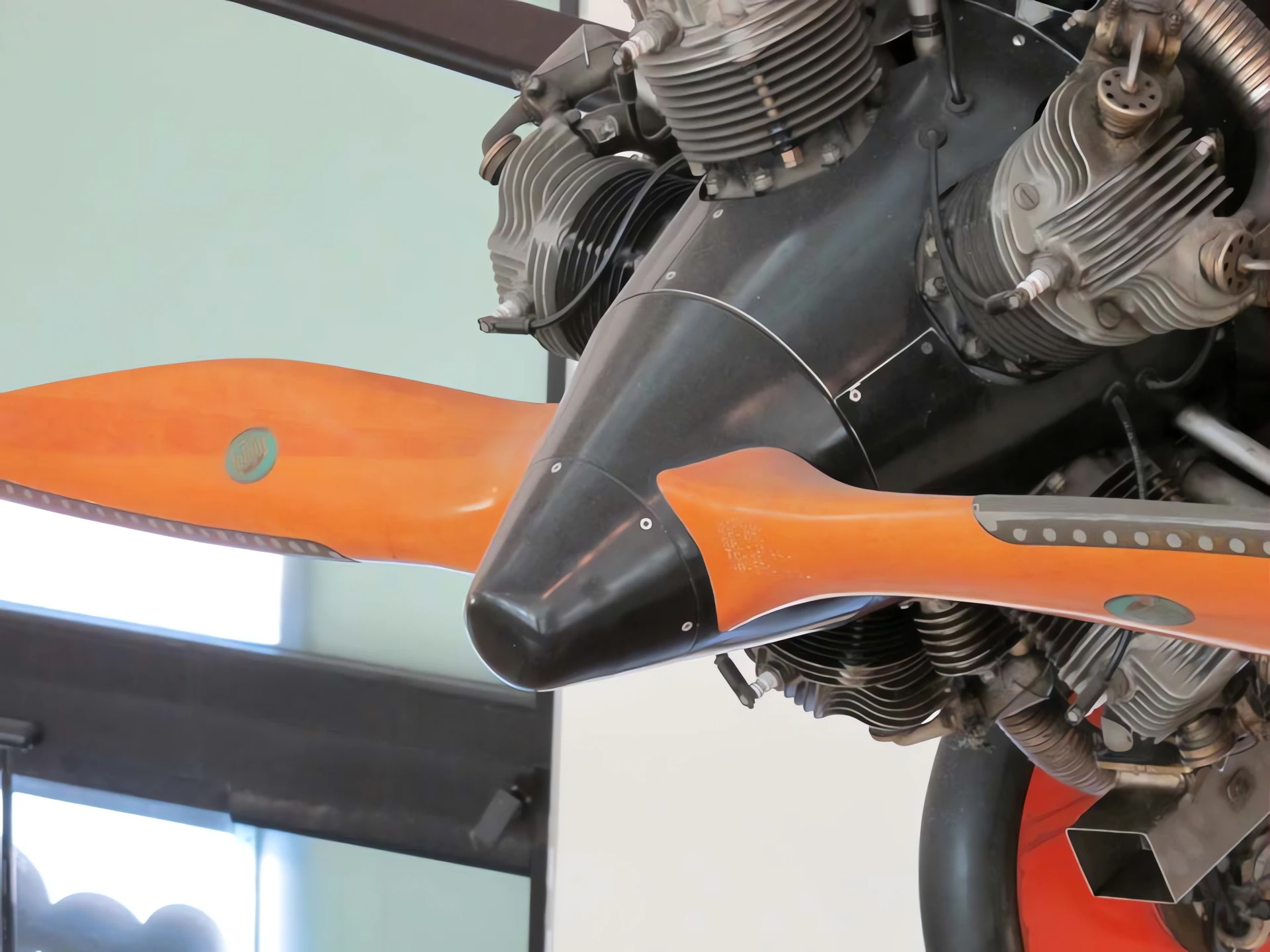
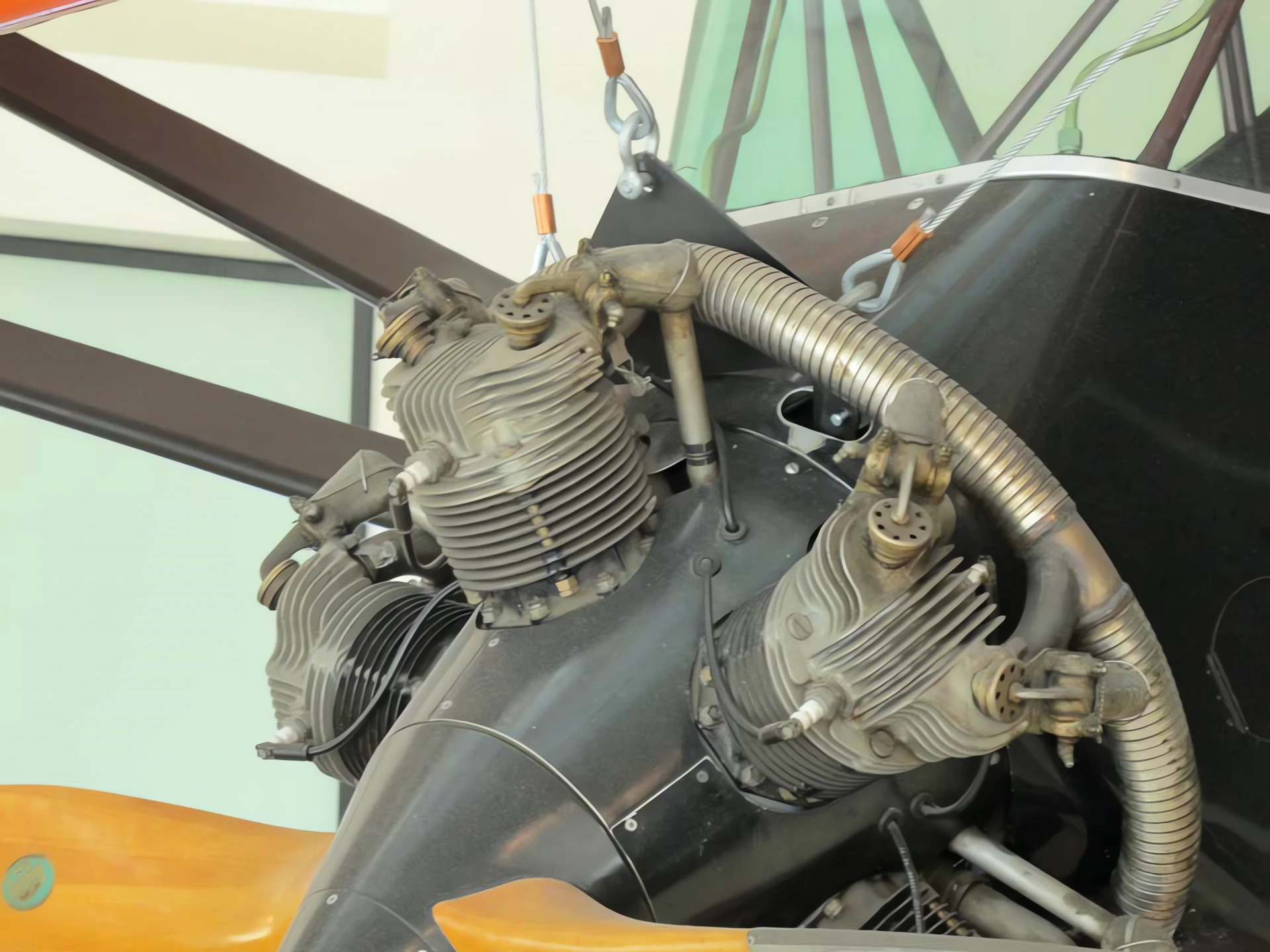
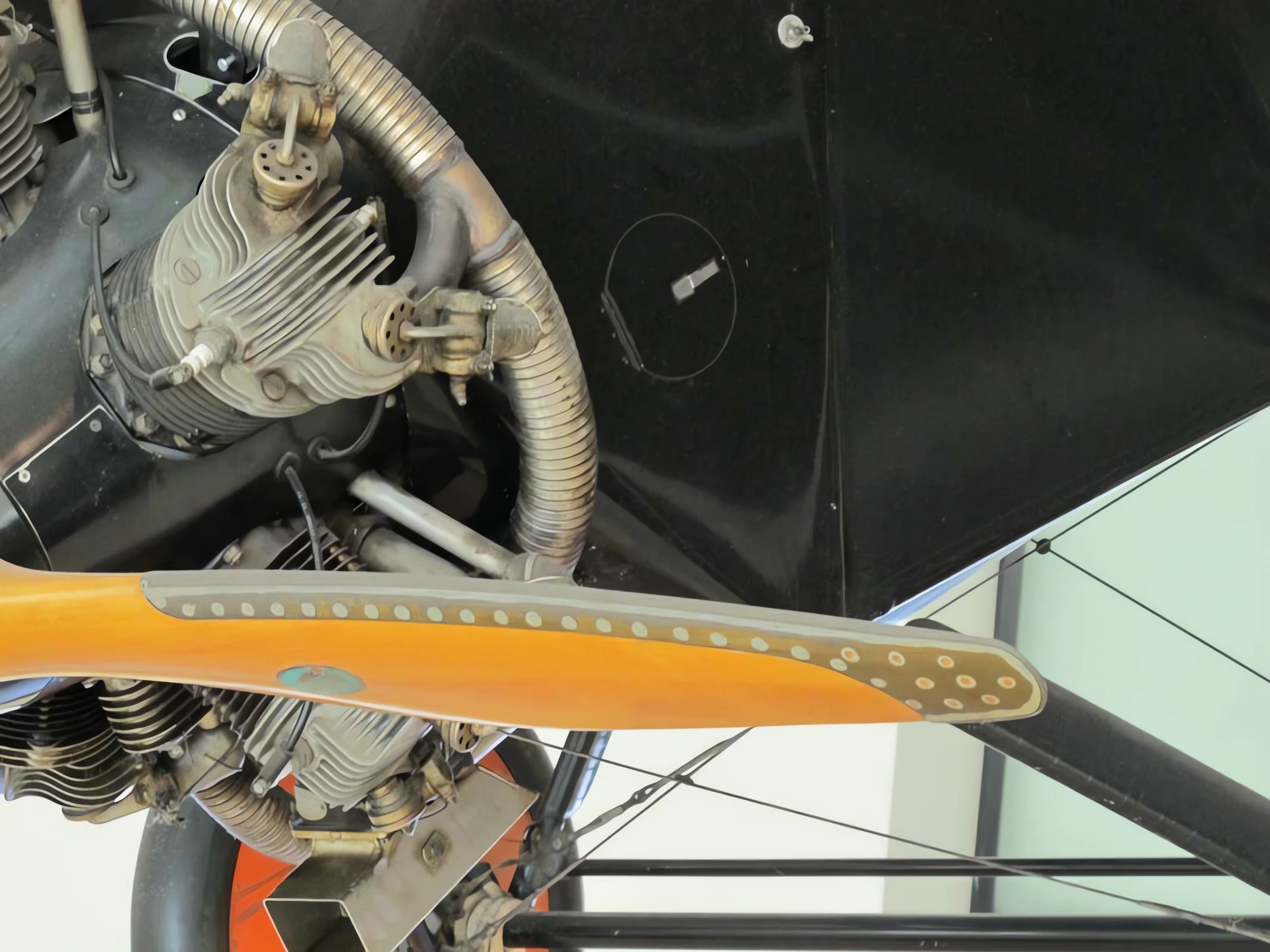
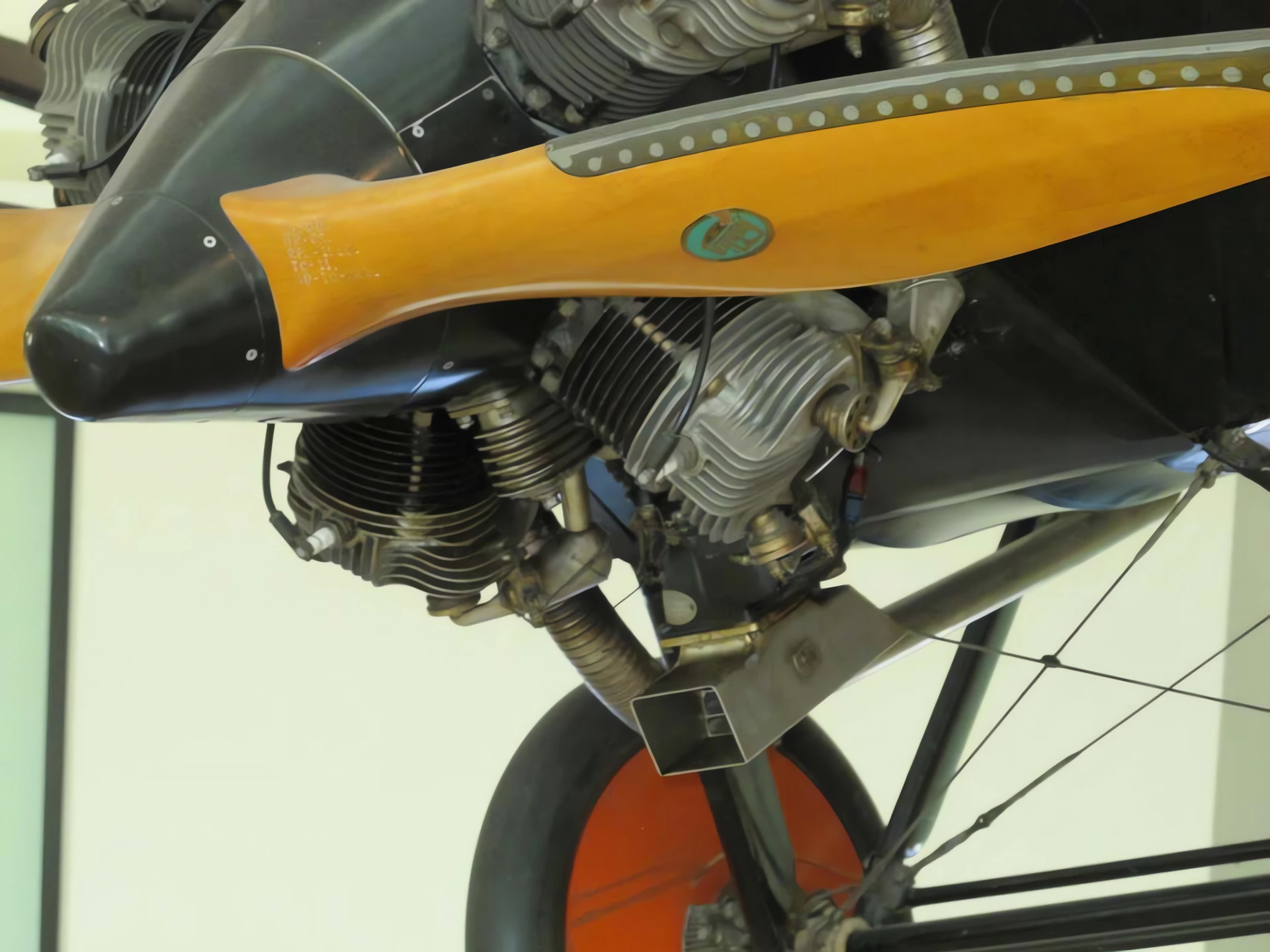
- Engine: 1 x Velie M-5 5-cylinder, air-cooled radial engine.
- Power Output: 65 hp (48 kW).
- Construction: The fuselage was built of welded steel tube covered in fabric. The wings were built of wooden spars and ribs, also covered in fabric.
- Cruising Speed: 145 km/h (90 mph).
- Maximum Speed: 169 km/h (105 mph).
- Range: Approximately 805 km (500 mi).
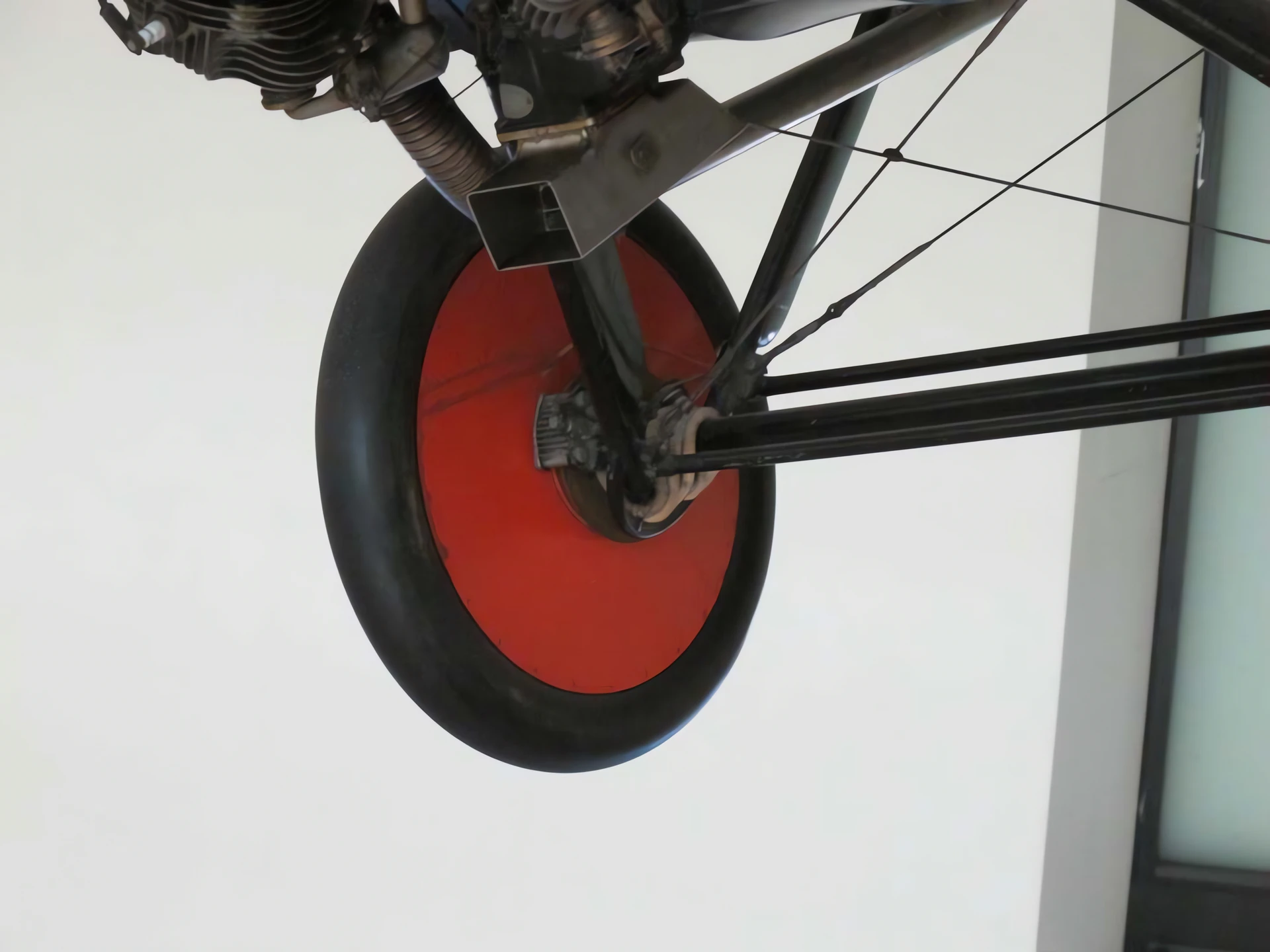
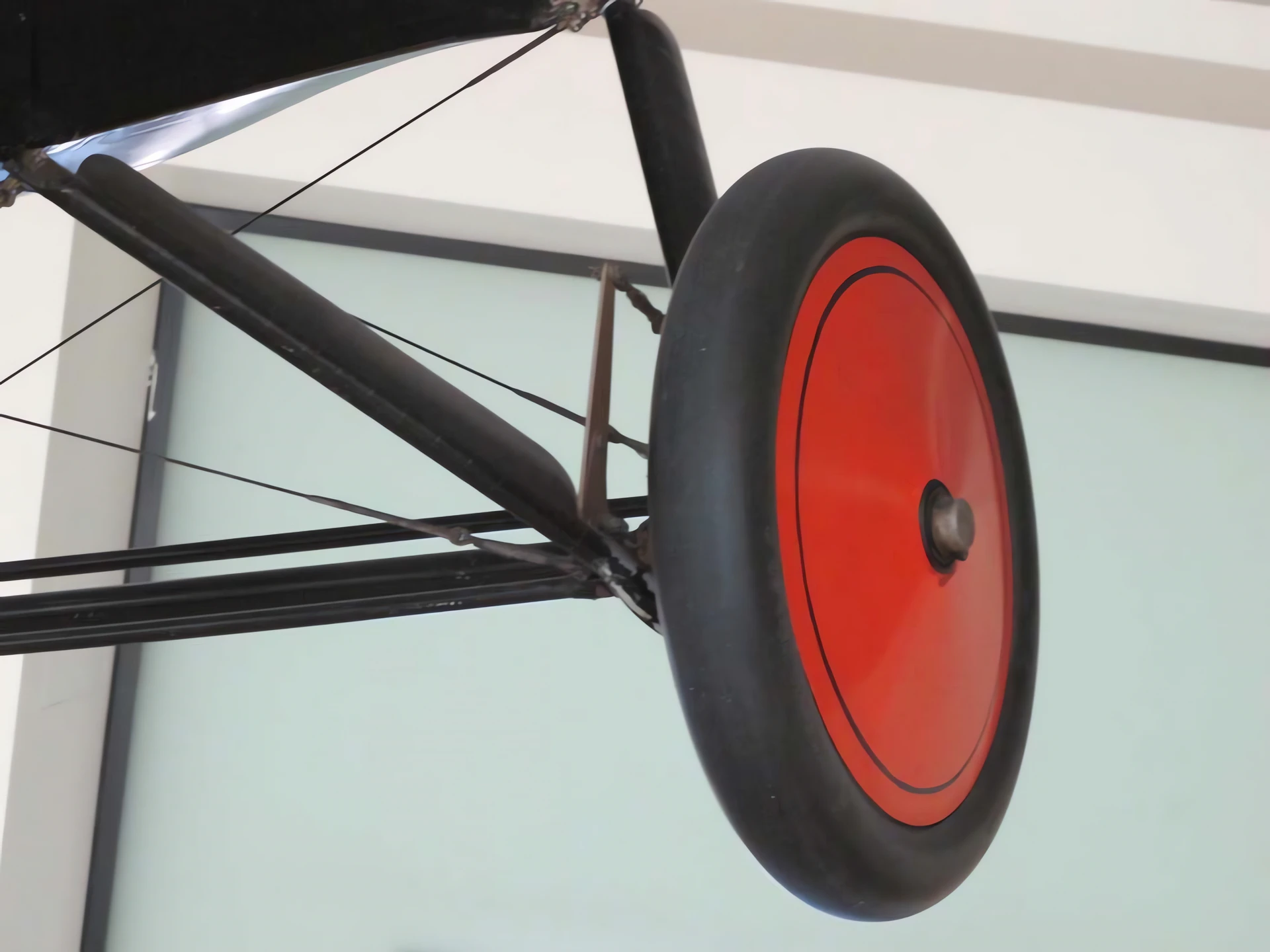
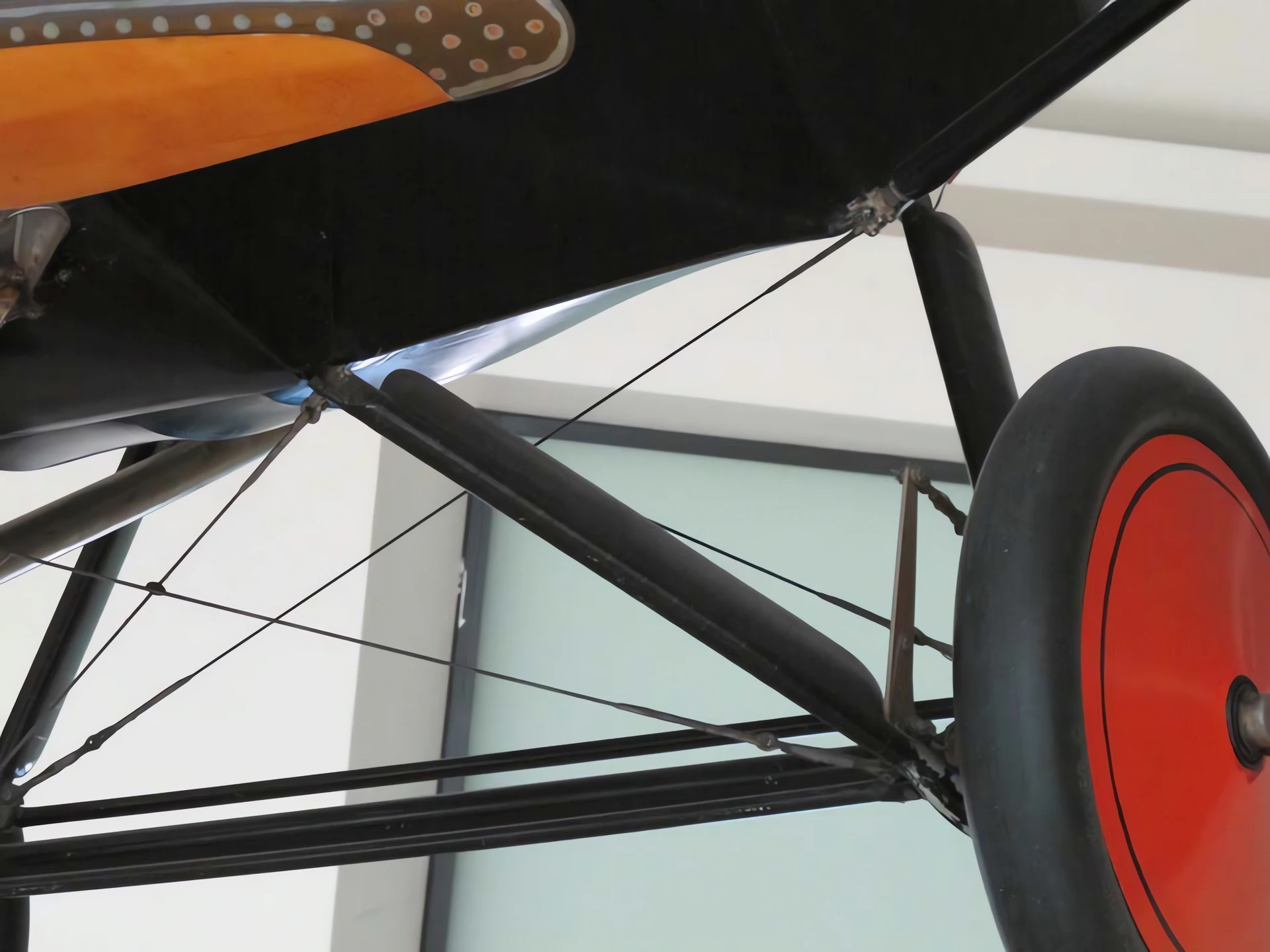
- Undercarriage: Fixed conventional landing gear with a tail skid (later tailwheel).
Legacy and Historical Significance
- Pilot Appeal: The Monocoupe Model 70 was noted for its excellent performance and ease of handling relative to its contemporaries, making it a highly desirable machine for early private pilots.
- Evolution: The design was highly adaptable. Subsequent models in the Monocoupe line, such as the Model 90 and the powerful racing variants, used larger engines and improved airframes, building directly on the Model 70’s success.
- Commercial Success: It was one of the first commercially successful light aircraft designs in the US that was not a biplane, paving the way for the enclosed cabin monoplanes that would dominate general aviation in the 1930s.
- Preservation: A number of the Monocoupe 70s and their variants have been meticulously restored and remain popular at air shows and in vintage aircraft collections today.
Views : 1238
You can see also :
 McDonnell F3H Demon – Photos & Video
 McDonnell Douglas KC-10 Extender – Photos & Video
 McDonnell FH Phantom – Photos & Video
 C-130J Hercules – Photos & Video
 Macchi MC-200 - WalkAround
 PZL P.11 – WalkAround
 P-51 Mustang vol2 – Walk Around
 Bell P-63E KingCobra - WalkAround
 Vought F4U Corsair – WalkAround
 F4U-7 Corsair - WalkAround