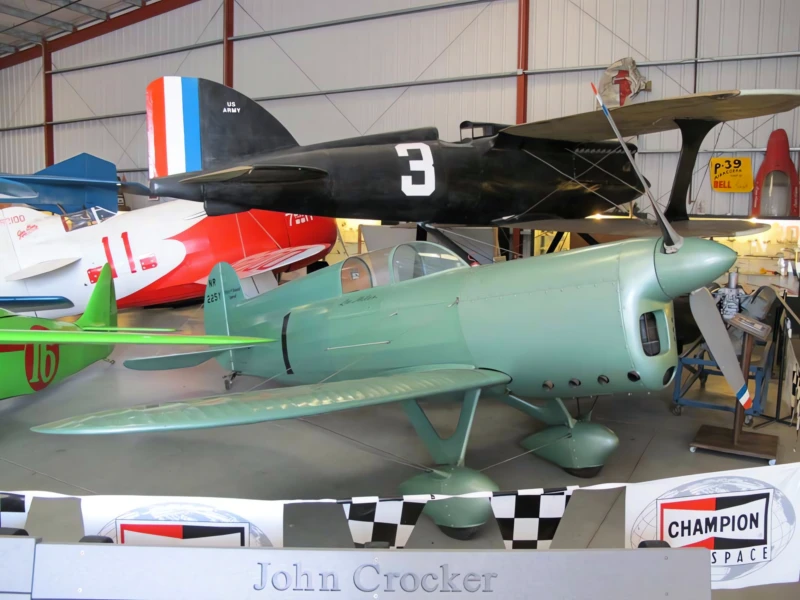
Miles & Atwood Racer | |
|---|---|
| Country | USA |
| Role | Air racing |
| First flight | Unknow |
| Built | 1 |
The Miles & Atwood Special is a racing aircraft developed during the interwar period.
| Miles & Atwood Racer Walk Around | |
|---|---|
| Photographers | Vladimir Yakubov |
| Localisation | Planes of Fame Museum, Chino |
| Photos | 33 |
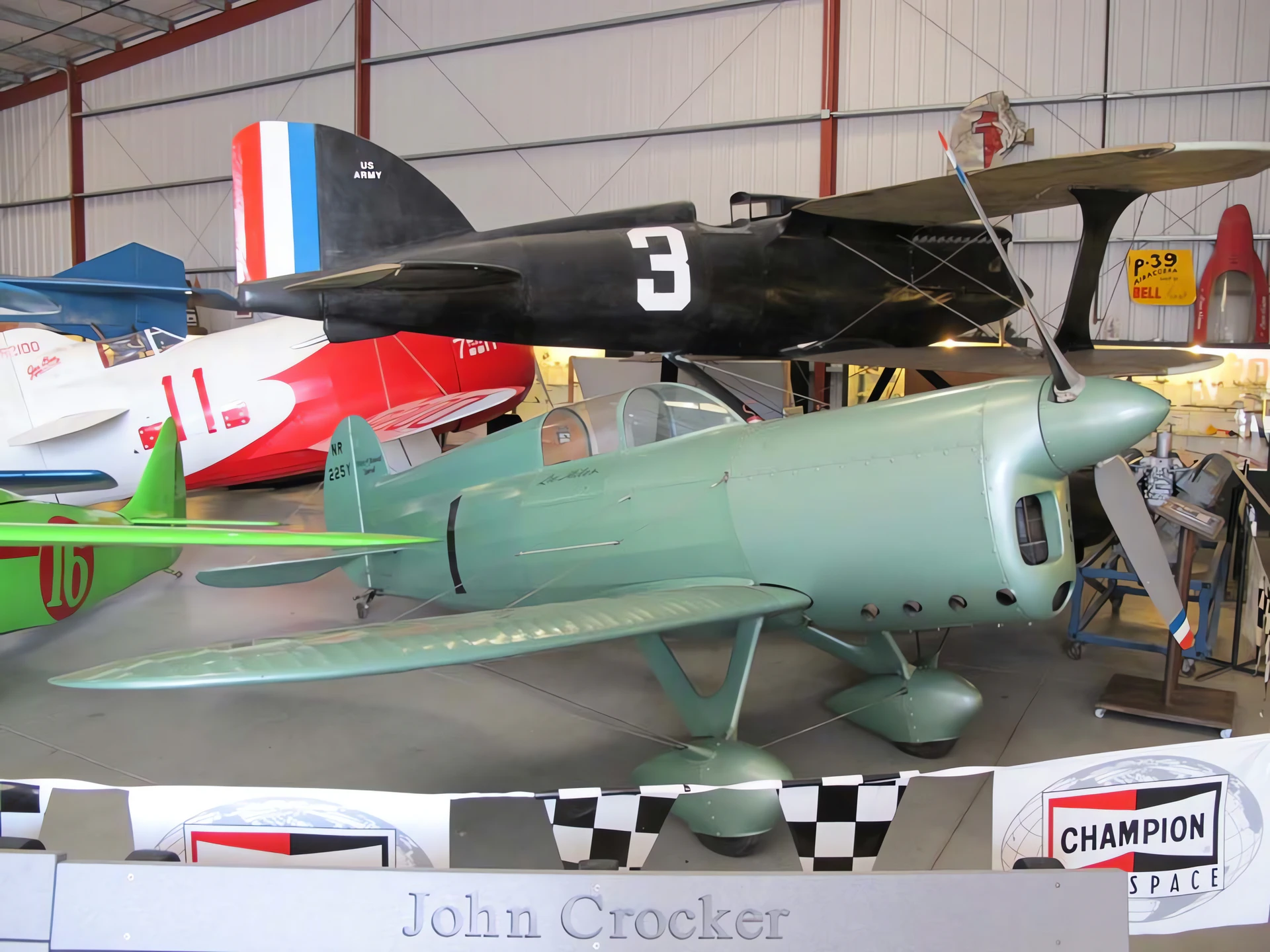
Miles & Atwood Racer 01

Miles & Atwood Racer 02

Miles & Atwood Racer 03
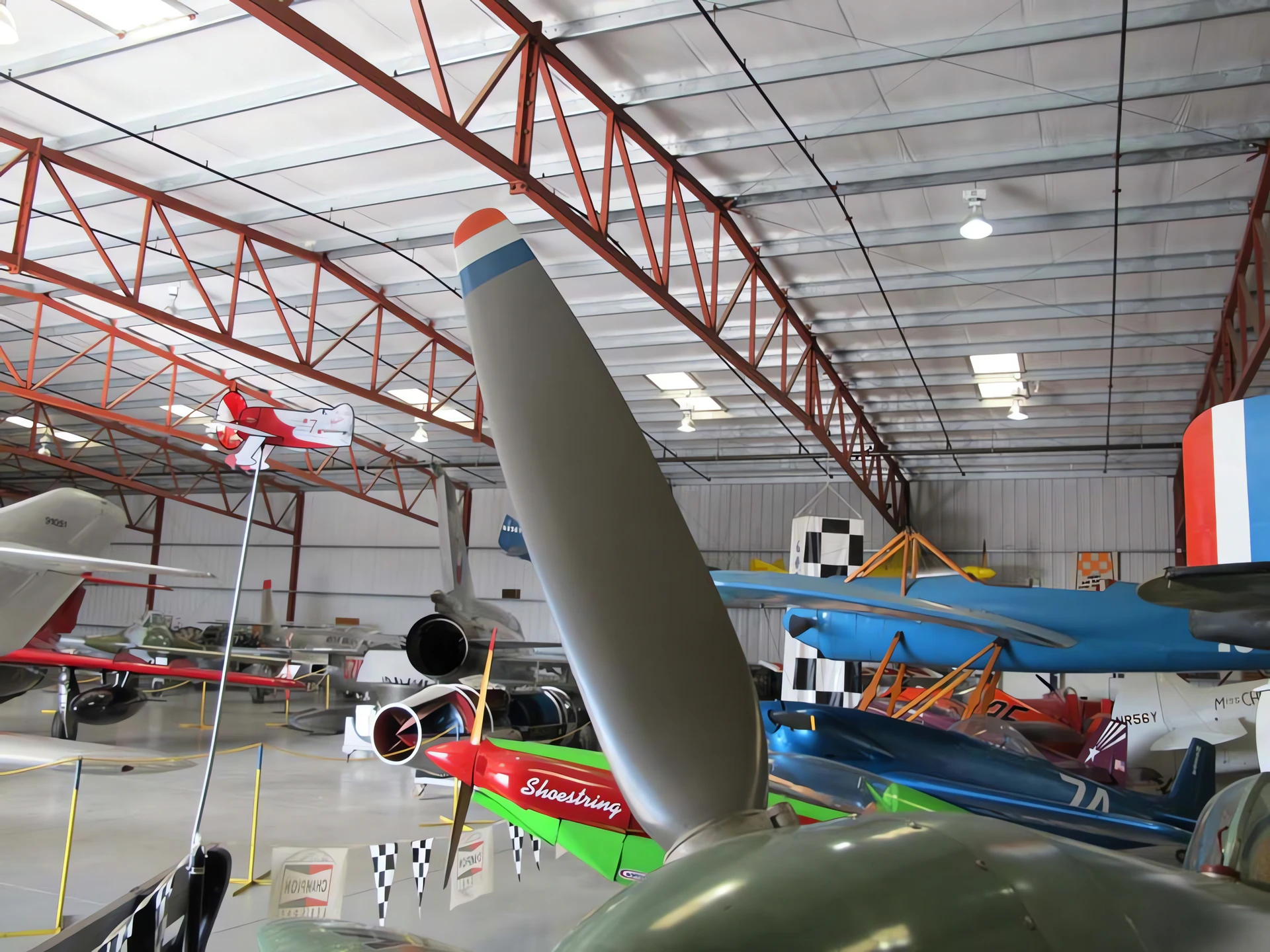
Miles & Atwood Racer 04

Miles & Atwood Racer 05
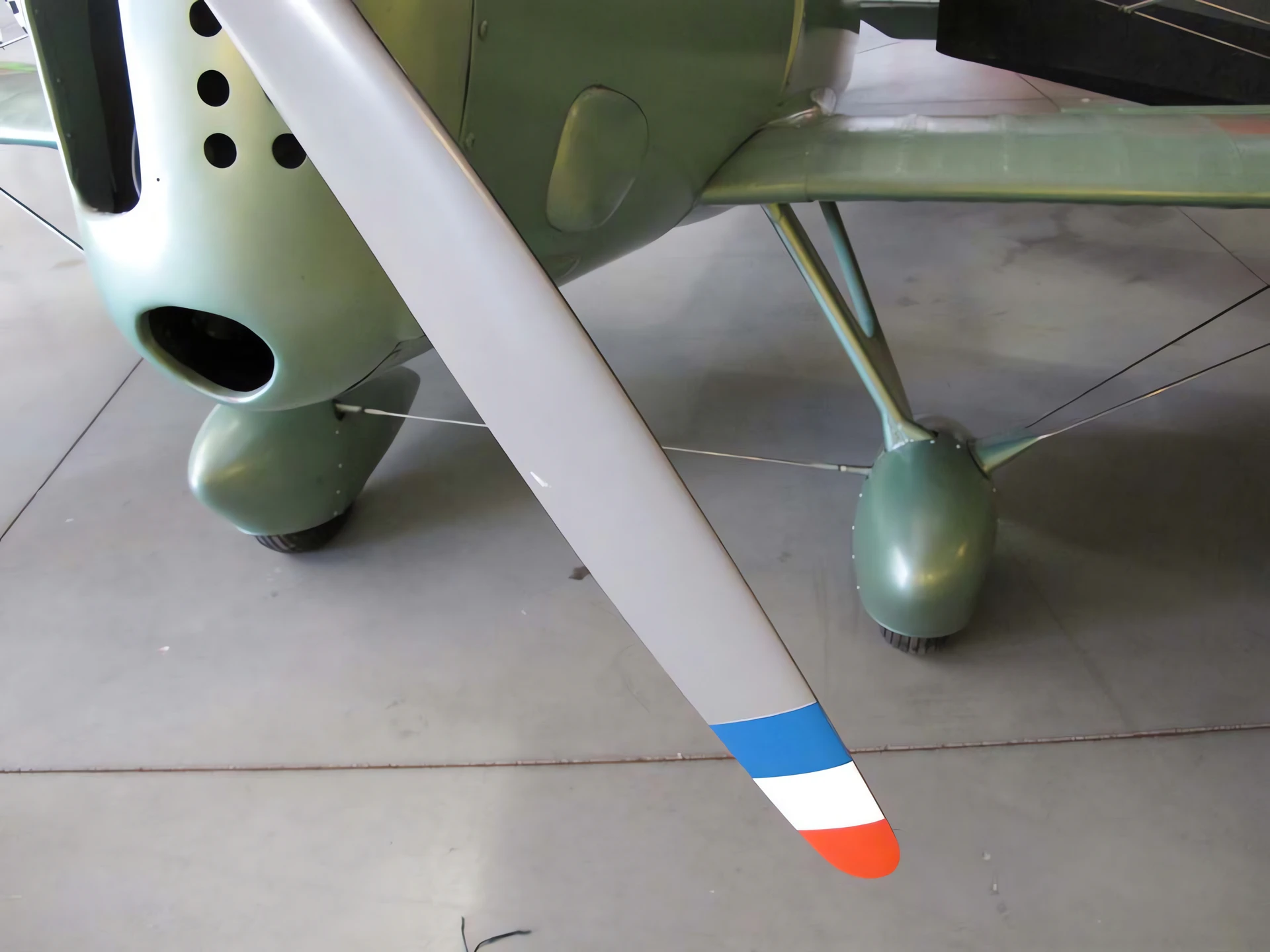
Miles & Atwood Racer 06
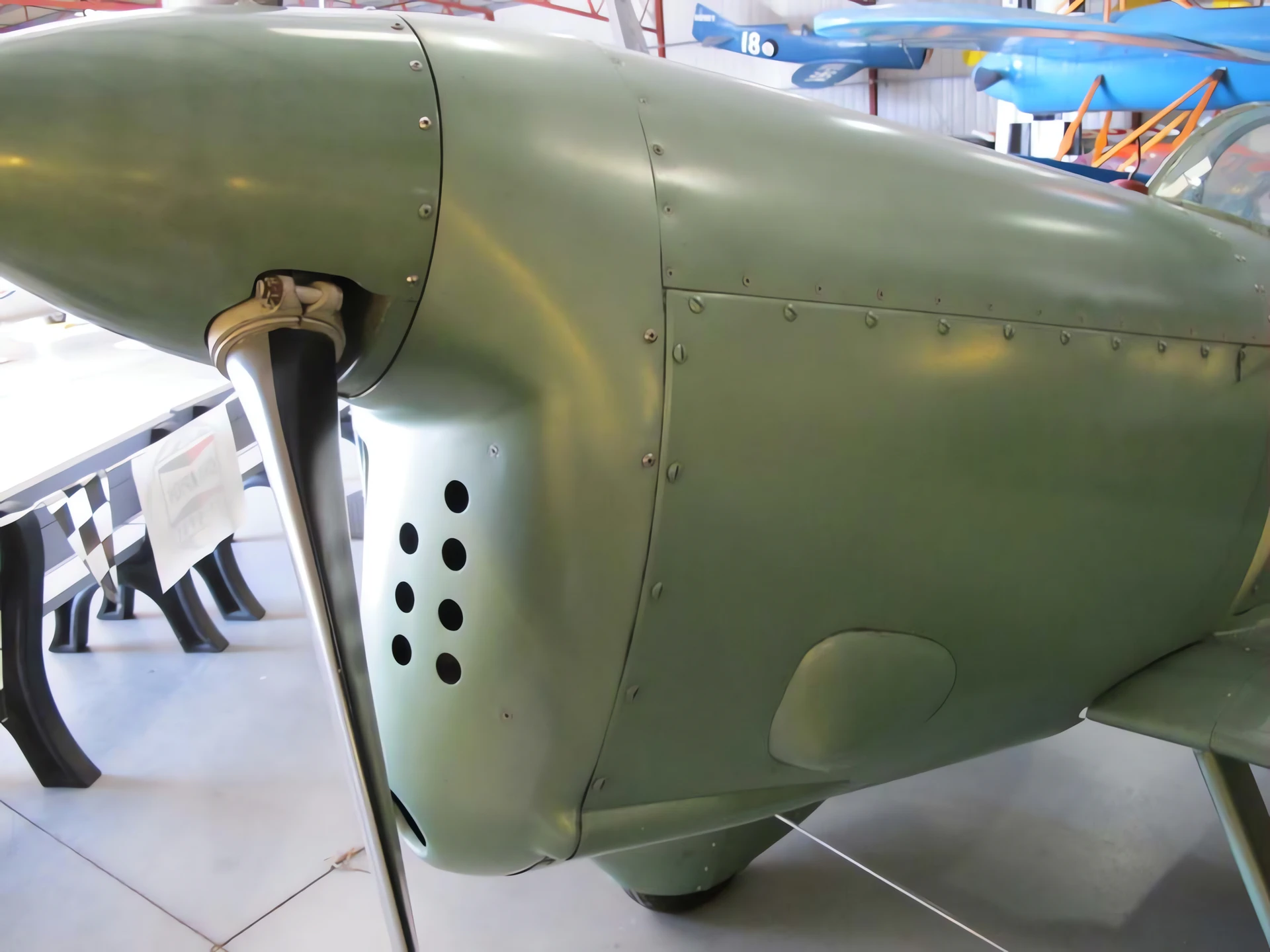
Miles & Atwood Racer 07
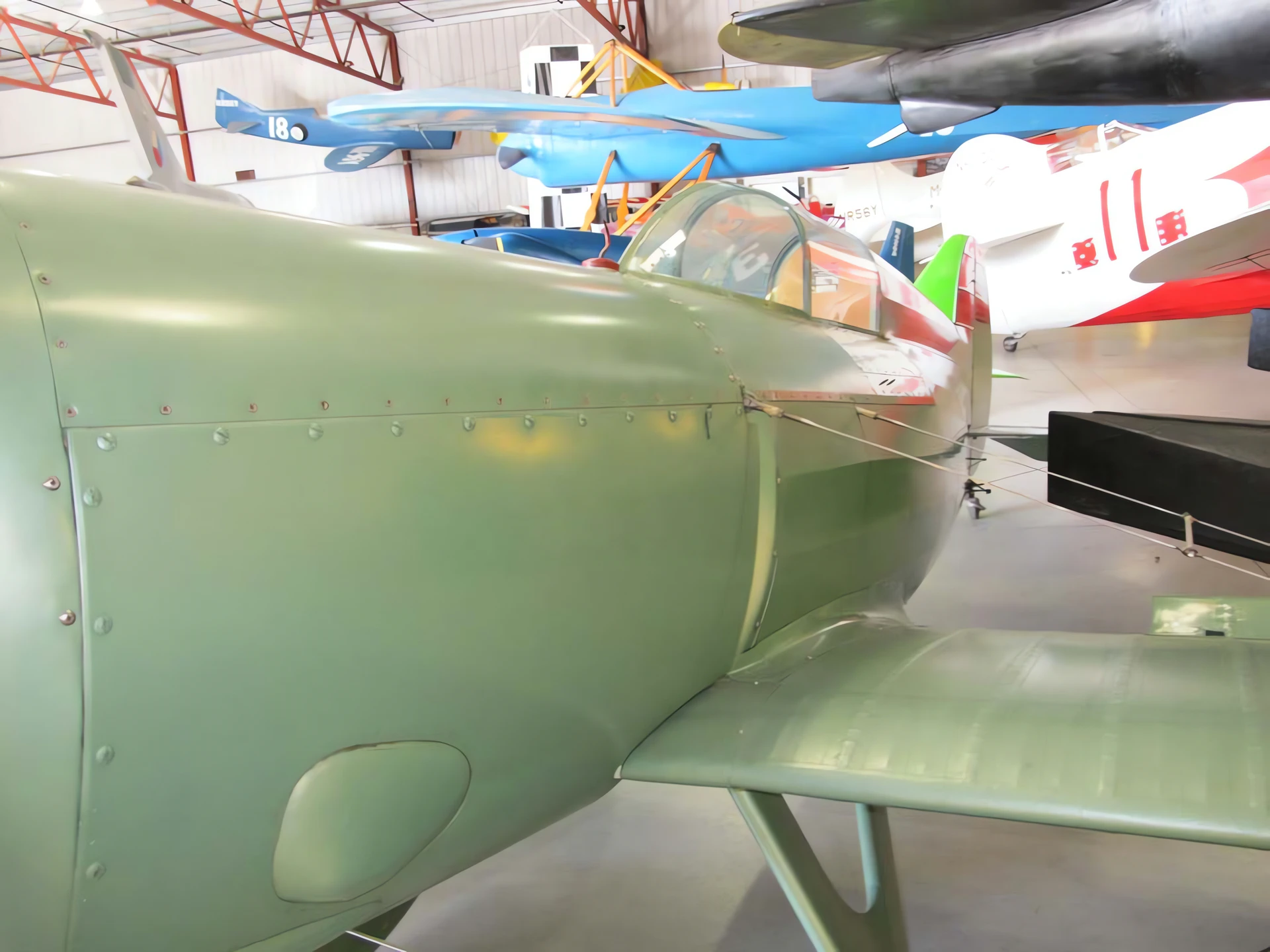
Miles & Atwood Racer 08

Miles & Atwood Racer 09
Wait, Searching Miles & Atwood Racer for you…

See also:


General Characteristics and Role
The Miles & Atwood Special (commonly referred to as the Miles & Atwood Racer) was a single-seat, low-wing racing aircraft developed by Leland Miles and Leon Atwood during the Golden Age of Air Racing in the early 1930s. Its primary role was to compete in the highly popular events of the time, such as the National Air Races in Cleveland, where it sought to win cash prizes and prestigious trophies. The aircraft featured a small, highly streamlined design built for speed, with an open cockpit and a conventional fixed landing gear, characterized by its minimal frontal area to reduce drag.
| Property | Typical Value (Miles & Atwood Special) |
|---|---|
| Type | Air Racing Monoplane |
| National Origin | United States |
| Designers | Leland Miles and Leon Atwood |
| Year Built | Circa 1932 |
| Number Built | 1 (plus a modern replica) |
| Crew | 1 (Pilot) |
| Length | 5.11 m (16 ft 9 in) |
| Wingspan | 5.08 m (16 ft 8 in) |
| Configuration | Low-wing, wire-braced monoplane |
Construction and Performance
- Engine: 1 x Menasco C-4-S 4-cylinder, air-cooled, inverted inline engine.
- Power Output: Approximately 185 hp (138 kW).
- Construction: The fuselage and tail surfaces were built from welded steel tubing covered in fabric. The wings used wooden spars and ribs, also covered in fabric.
- Maximum Speed: Up to 375 km/h (233 mph).
- Racing Speed: Achieved a speed of 332 km/h (206 mph) during a world speed record run for its weight class.
- Notable Feature: The fabric covering was attached using a method involving screws and fabric tape, differing from the conventional rib-stitching of the era.
Operational History and Distinction
- Debut and Success: The aircraft raced from 1933 to 1937, winning the inaugural Greve Trophy race in 1934 (wearing race number 6). It also set a world speed record for aircraft under 770 lb over a 100 km course at 206 mph.
- Race Names: The aircraft was flown with various names, including the plain “Special” and later “Miss Tulsa” (in 1935, wearing race number 1).
- Tragedy: The aircraft’s career ended in tragedy during the 1937 National Air Races when its pilot and co-designer, Leland Miles, was fatally injured after a wire fitting on the wing failed.
- Legacy: The original aircraft no longer exists, but a flyable replica, built by Bill Turner, appeared in the 1991 movie The Rocketeer, helping to preserve the legacy of this important Golden Age racer.
Views : 1016
You can see also :
 Northrop F-89 Scorpion – Photos & Video
 North American FJ-4 Fury – Photos & Video
 Messerschmitt Me 410 – Photos & Video
 McDonnell Douglas F/A-18 Hornet – Photos & Video
 Mitsubishi A6M Zero – Walk Around
 Hawker Hurricane – Walk Around
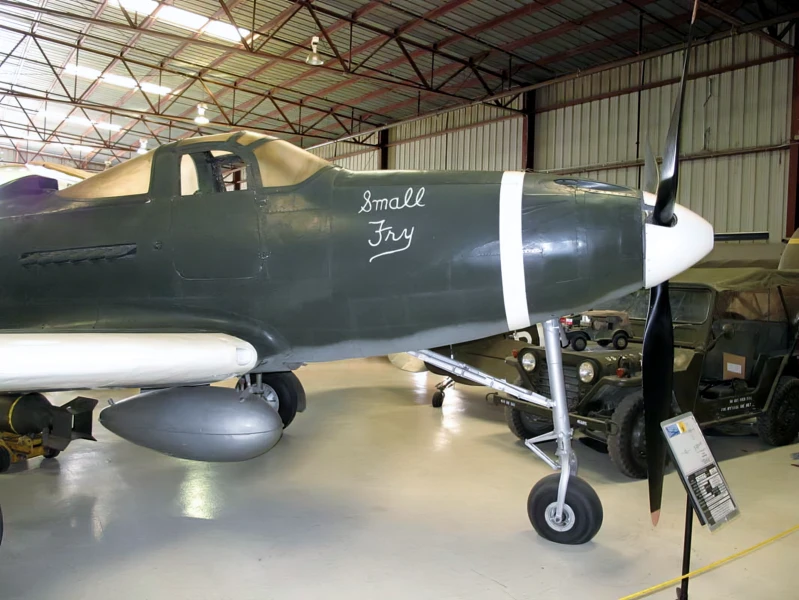 Bell P-39N Airacobra – WalkAround
 Consolidated B-24M Liberator – WalkAround
 P-47D Thunderbolt – WalkAround
 A-20 Havoc – WalkAround