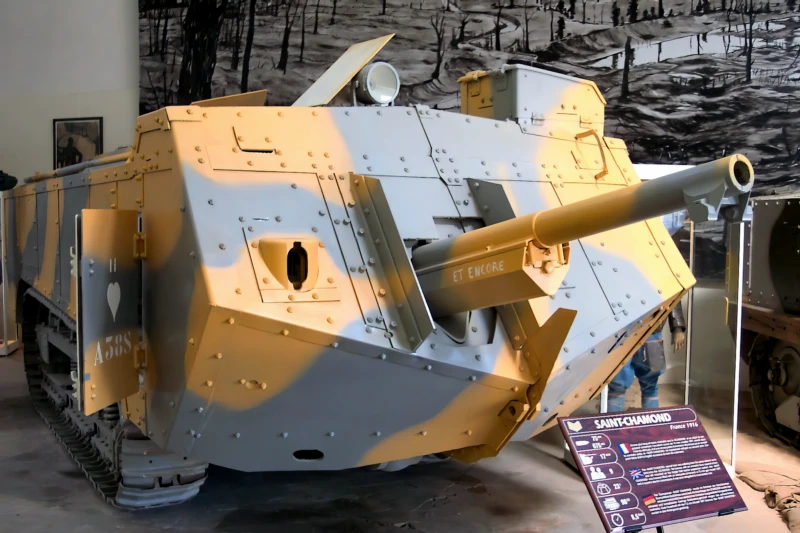
Šventasis Chamondas | |
|---|---|
| Šalies | Prancūzija |
| Tipas | Vidutinis bakas |
| Masė | 23 tonos |
2007 Sent Čamondas buvo antrasis Pirmojo pasaulinio karo prancūzų sunkusis tankas, kurio 400 buvo pagaminta nuo 1917 m. balandžio iki 1918 m. liepos. Nors pagal dabartinį apibrėžimą jis nėra tankas, jis yra visuotinai priimtas ir apibūdinamas kaip toks ankstyvojo tankų kūrimo sąskaitose. Gimęs iš komercinės konkurencijos, egzistuojančios su "Schneider CA1" bako gamintojais, "Saint-Chamond" buvo nepakankamai galingas ir iš esmės netinkamas dizainas. Pagrindinė jo silpnybė buvo Holto "vikšriniai" takeliai. Jie buvo per trumpi, palyginti su transporto priemonės ilgiu ir sunkiu svoriu (23 tonos). Tačiau vėlesni modeliai bandė ištaisyti kai kuriuos pradinius tanko trūkumus, sumontuodami platesnius ir tvirtesnius vikšro batus, storesnius priekinius šarvus ir efektyvesnį 75 mm Mle 1897 lauko pistoletą. Iš viso buvo pastatyta 400 "Saint-Chamond" tankų, įskaitant 48 neginkluotus "Caisson" tankus. "Saint-Chamond" tankai liko įsitraukę į įvairius veiksmus iki 1918 m. Vasaros pabaigos, pavėluotai tapdami efektyvesni, nes kova persikėlė iš apkasų ir į atvirą žemę. Tačiau galiausiai buvo numatyta, kad "Saint-Chamond" tankus visiškai pakeis importuoti britų sunkieji tankai.
Šaltinis: Šventasis Chamondas apie Wkipediją
| Saint Chamond – WalkAround | |
|---|---|
| Fotografas | Unknow |
| Lokalizavimo | Nežinoti |
| Nuotraukos | 68 |
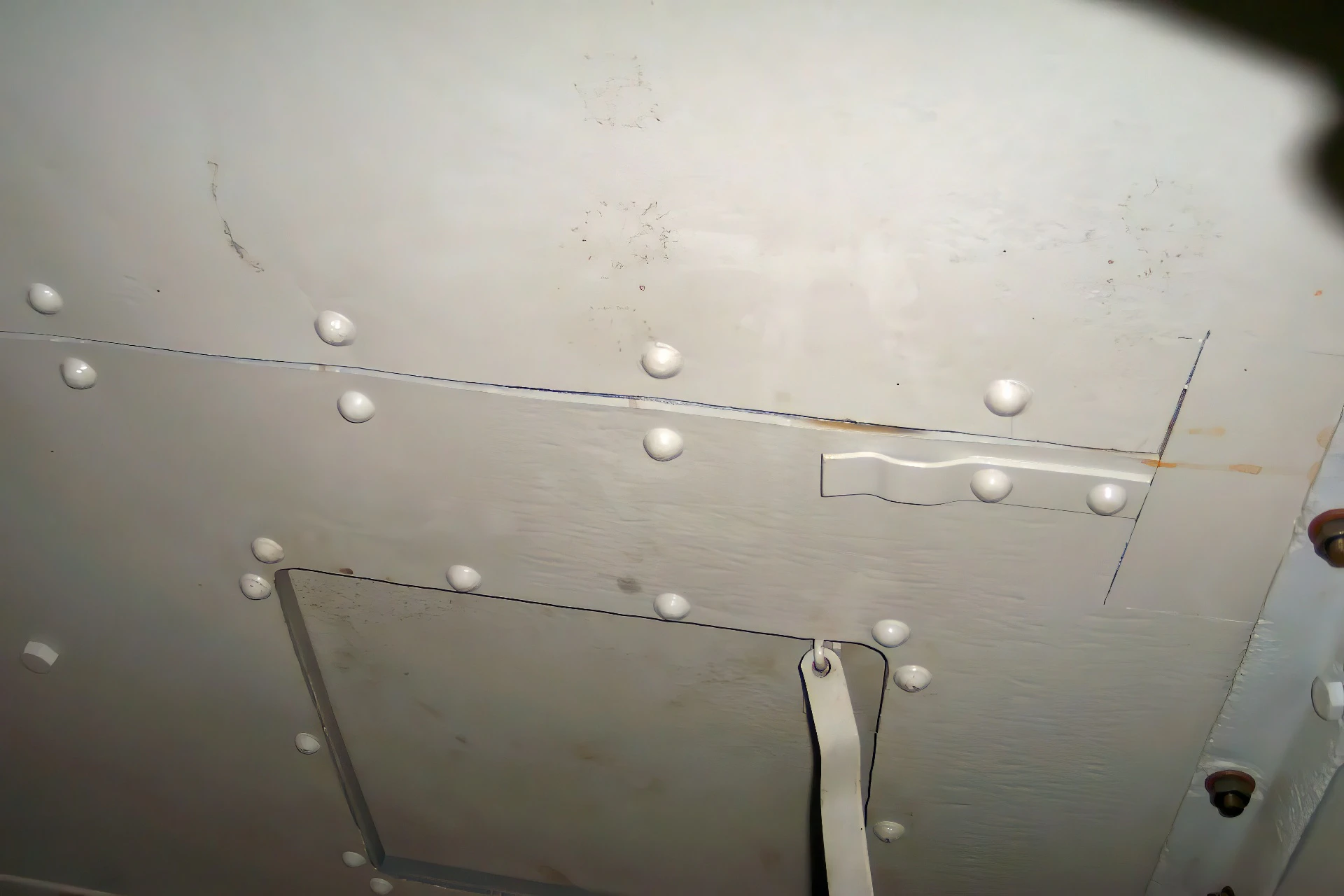
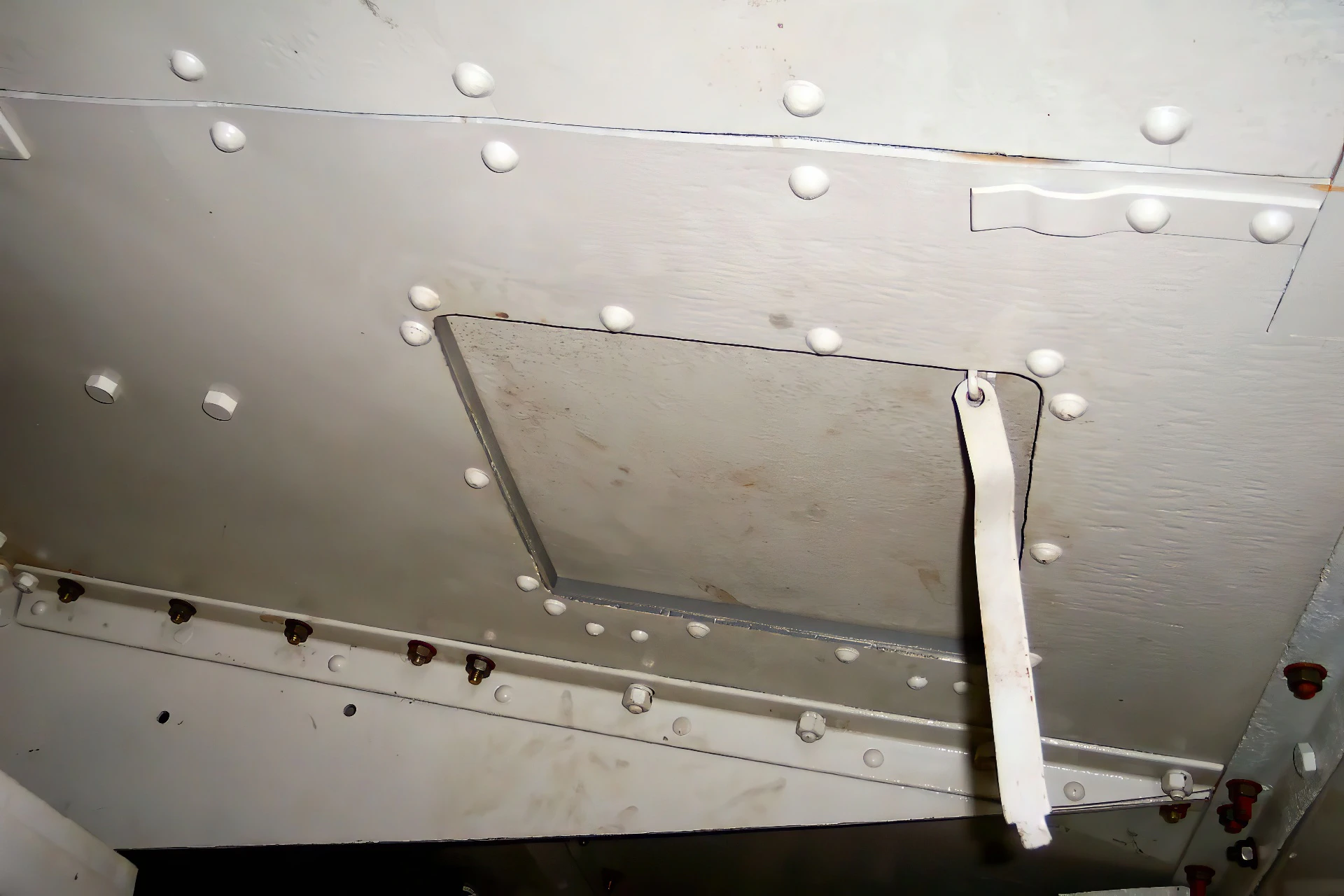
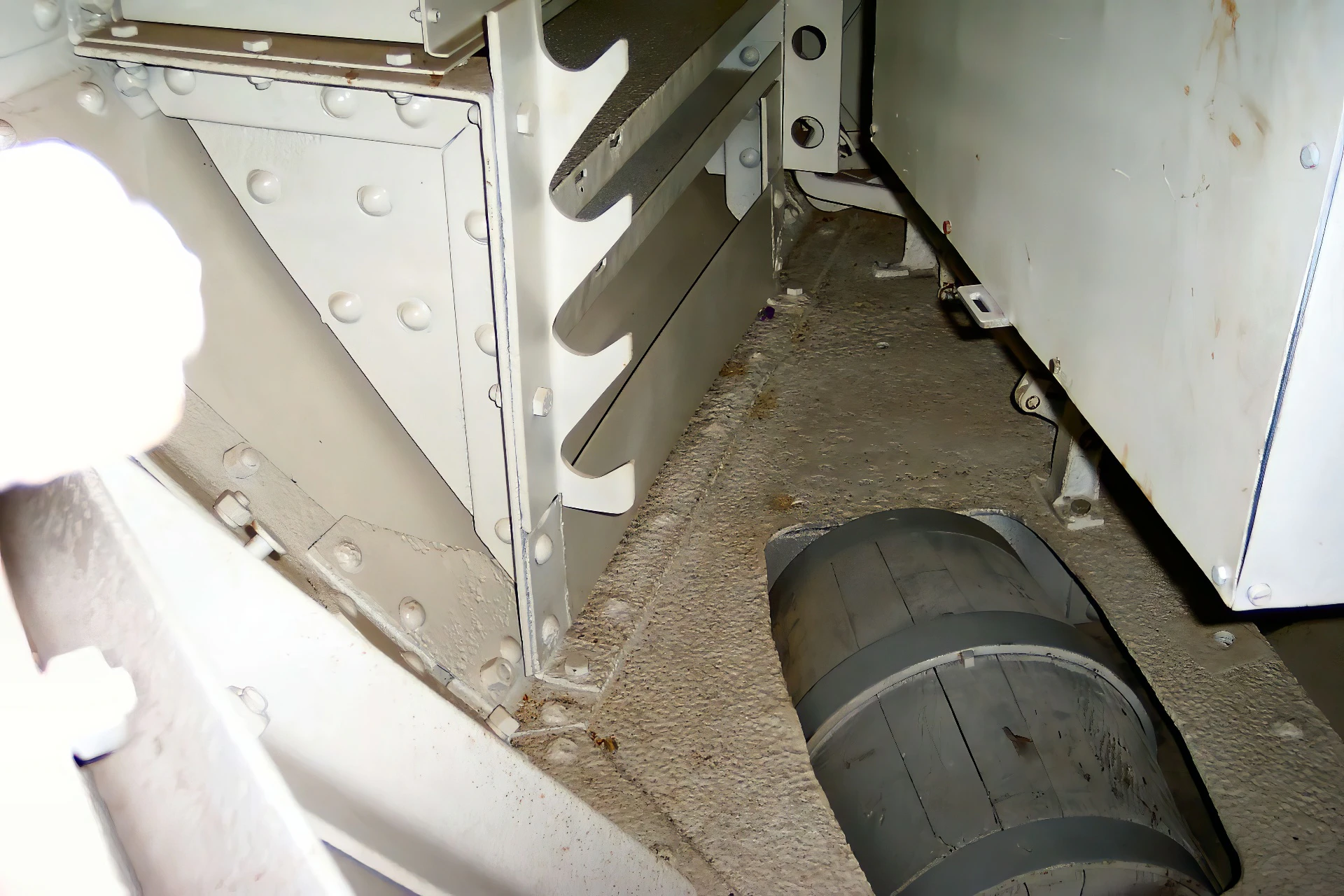
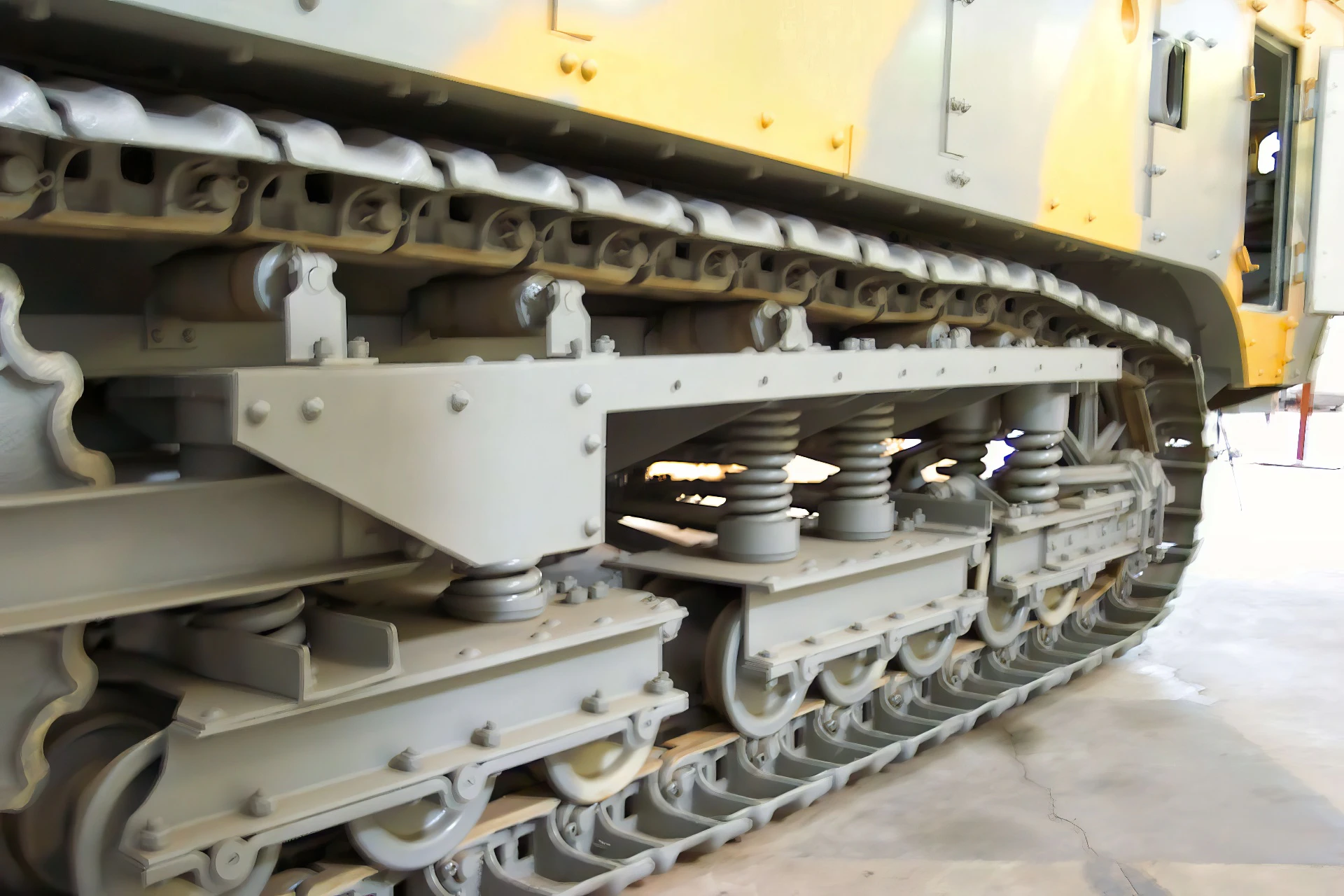
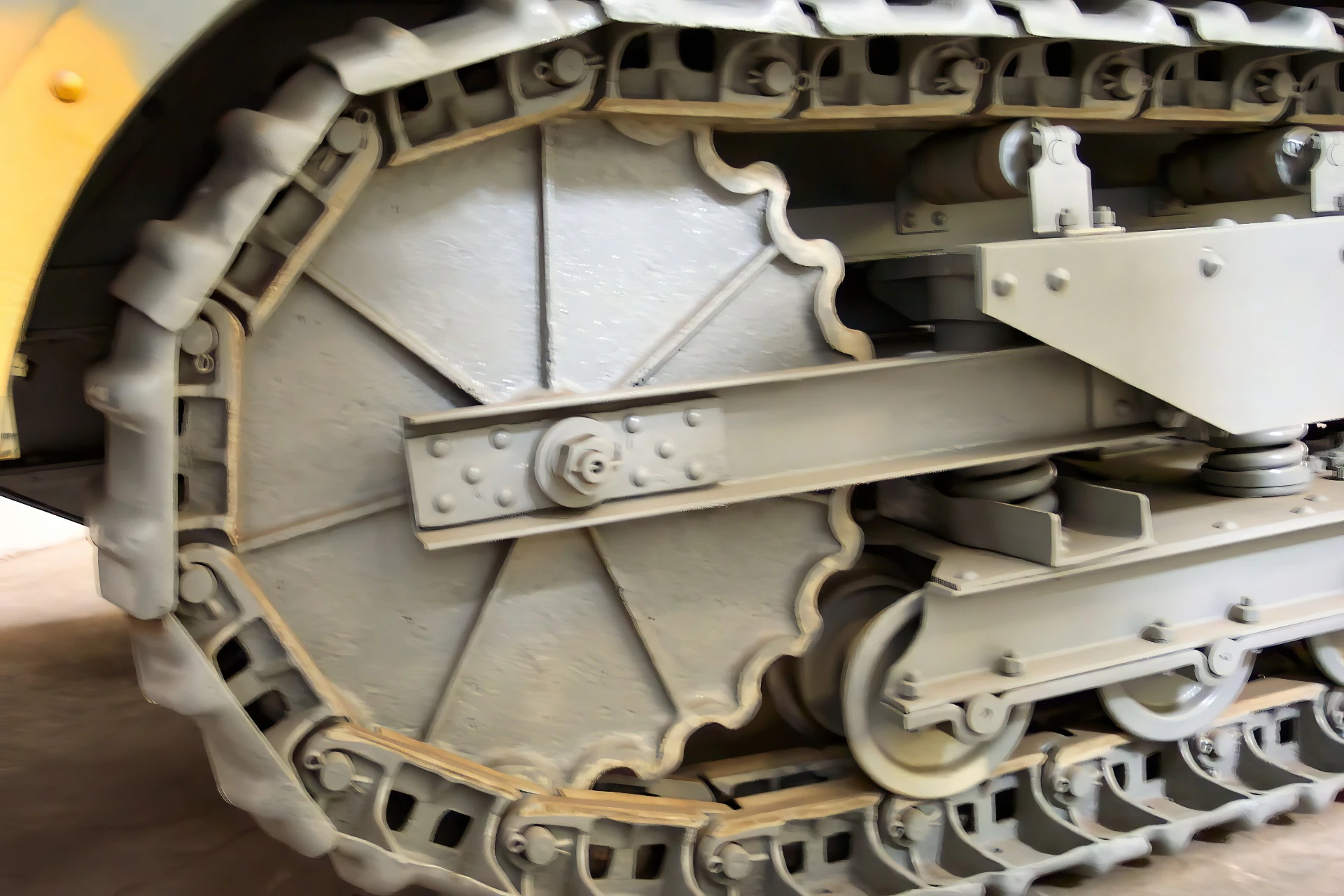
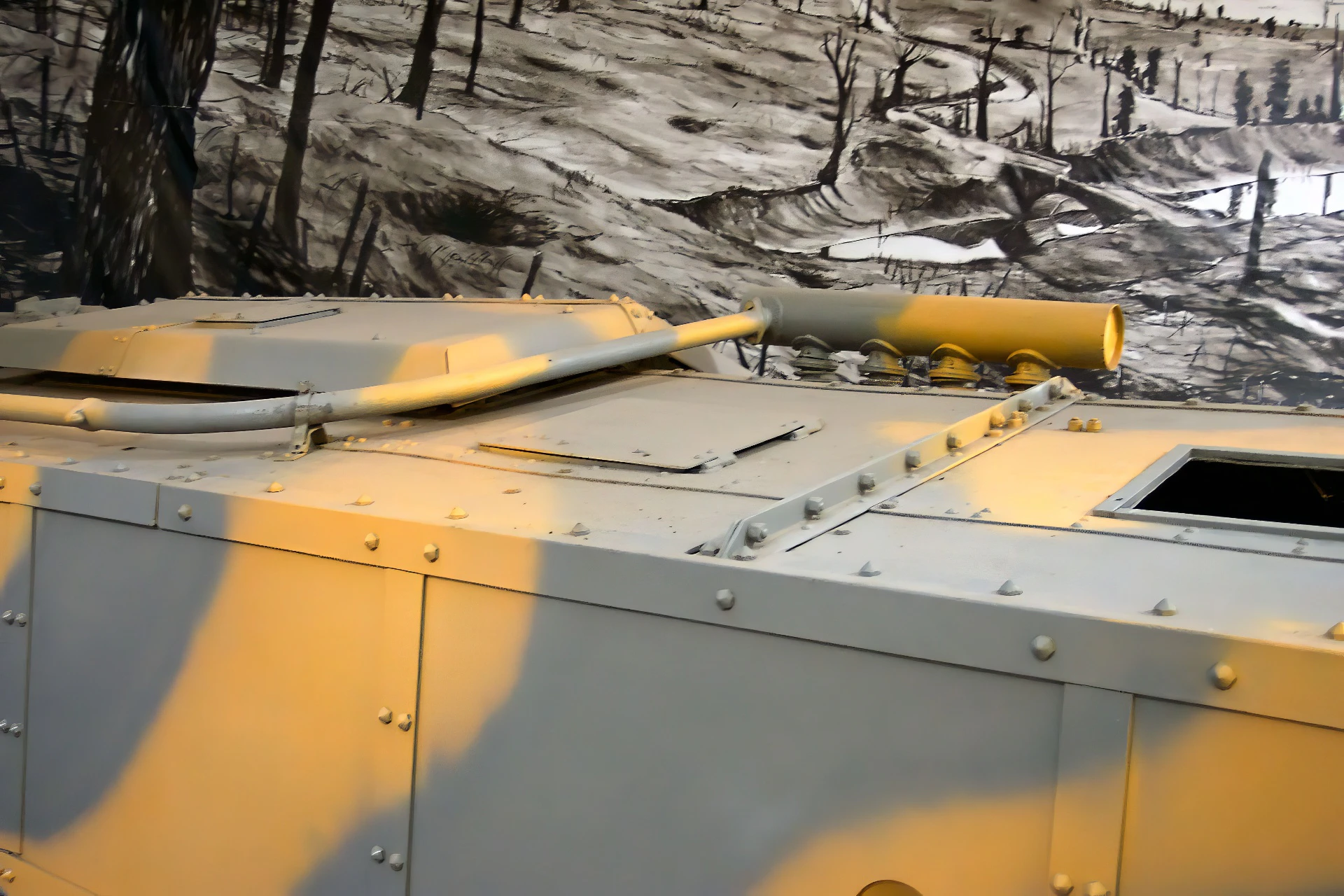
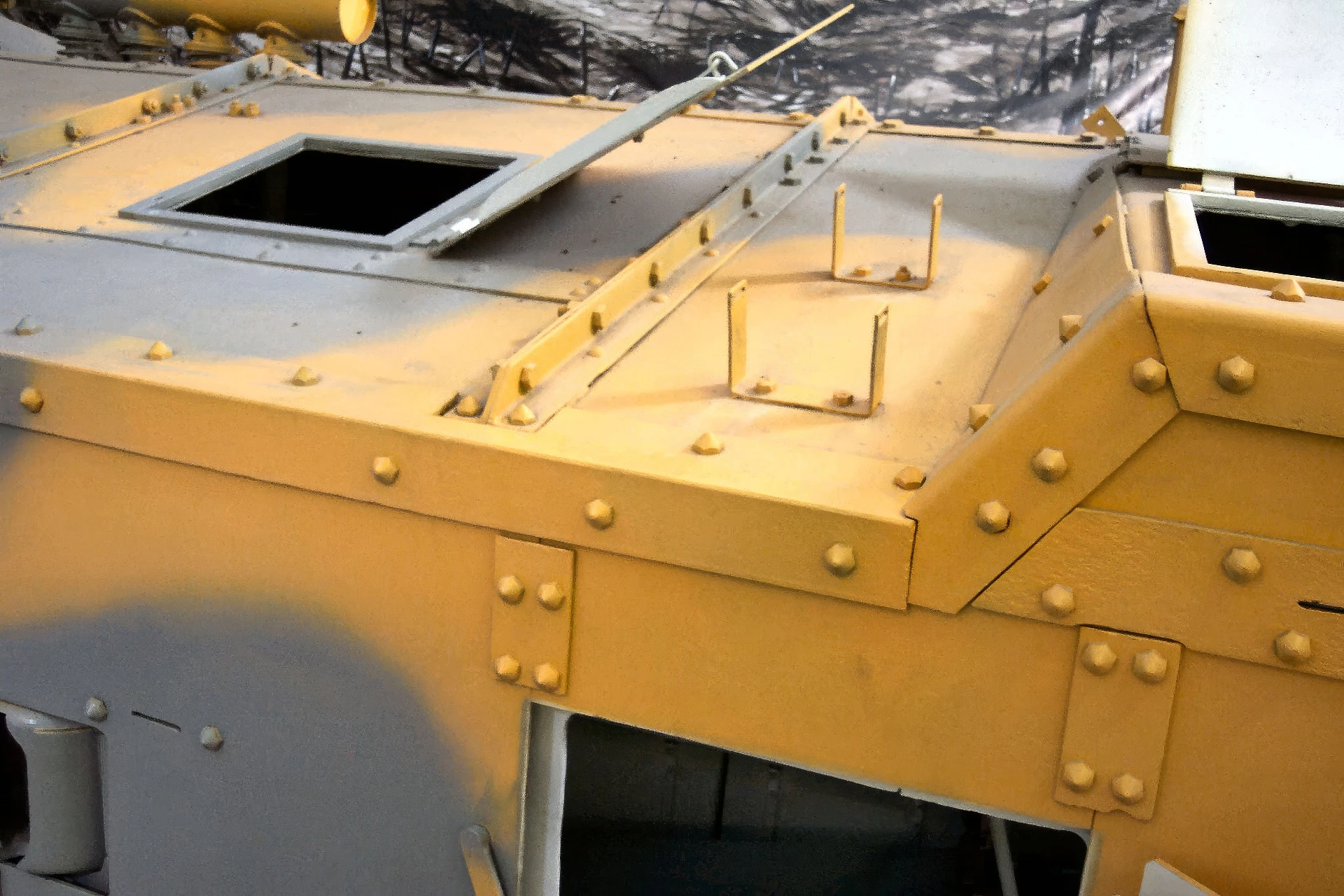
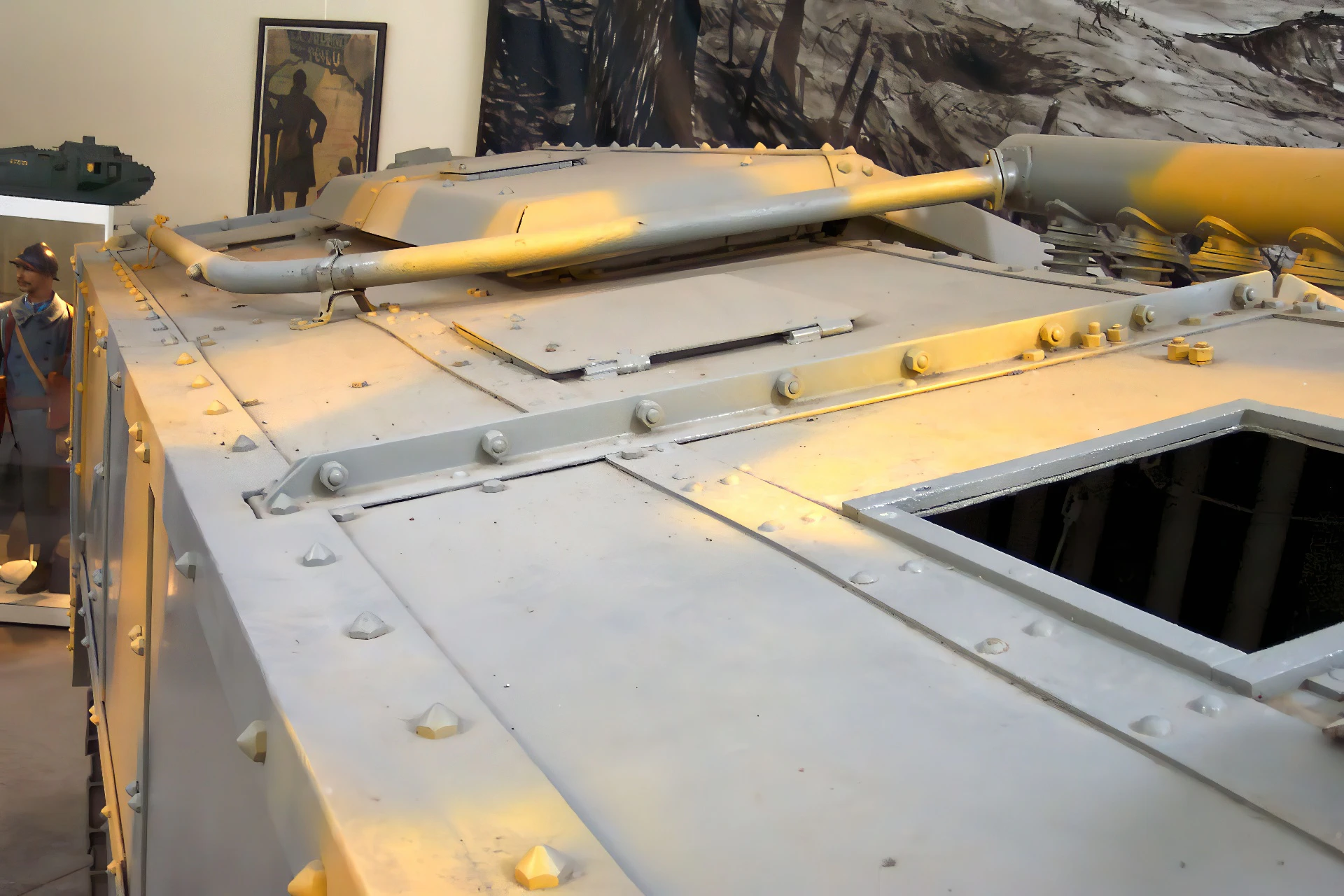
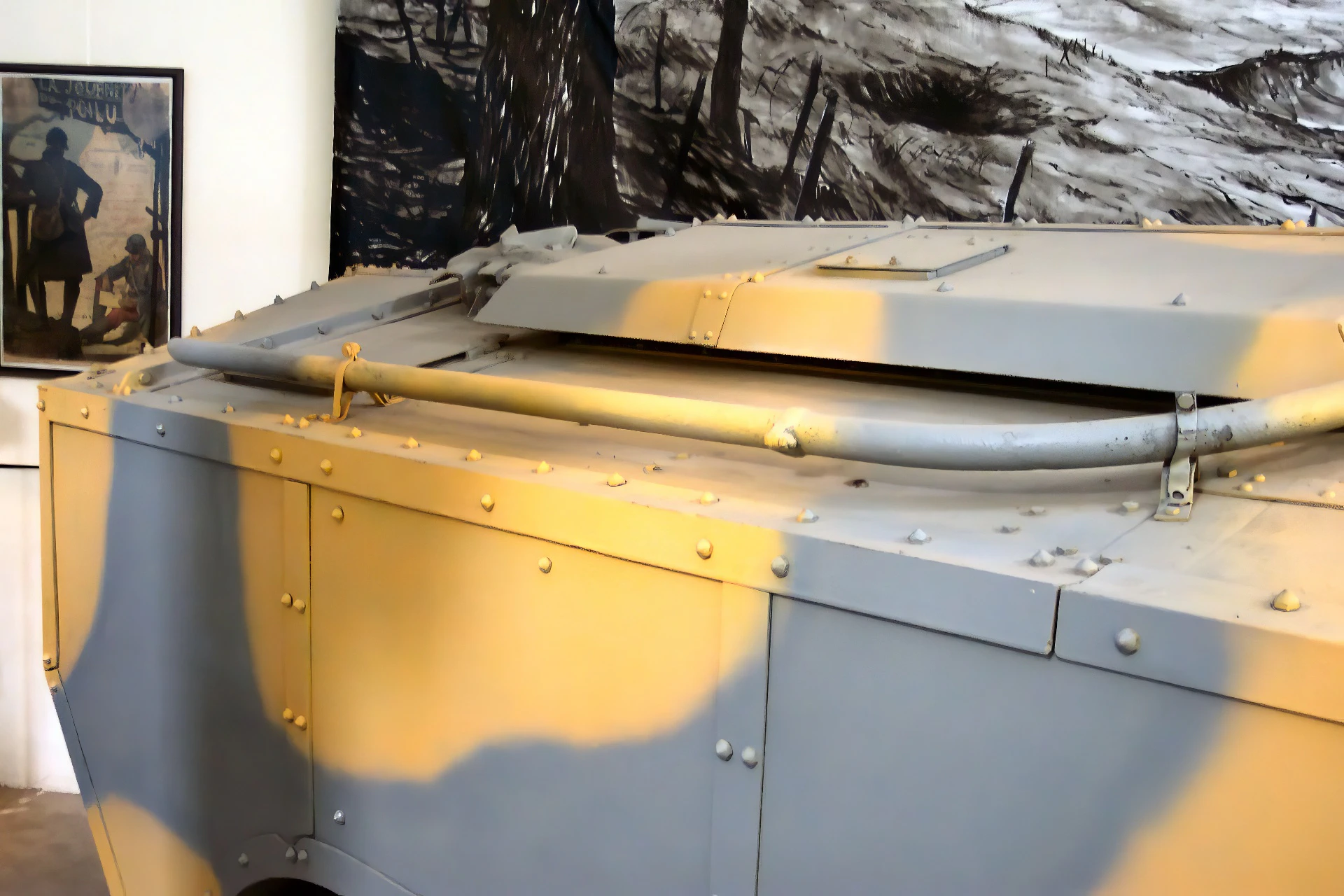

| Saint Chamond – WalkAround | |
|---|---|
| Fotografas | Unknow |
| Lokalizavimo | Nežinoti |
| Nuotraukos | 47 |
Overview and Context
The Saint-Chamond was the second French heavy assault tank to enter service during World War I, with approximately 400 units produced between 1917 and 1918. Born out of industrial rivalry with the manufacturers of the first French tank (the Schneider CA1), it was an ambitious but deeply flawed design.
Its primary goal was to bring the firepower of a potent artillery piece, the French 75 mm field gun, directly against enemy trenches and fortifications.
Design and Specifications
- Shape and Hull: It had a long, boxy superstructure with significant overhangs at both the front and rear of the vehicle, extending well beyond the relatively short, narrow tracks. This gave it a massive, ungainly silhouette.
- Main Armament: A long-barreled 75 mm gun (either the Saint-Chamond L12C TR or the standard Mle 1897 field gun in later versions) was rigidly mounted in the front of the hull, offering only a very limited traverse.
- Secondary Armament: Four 8 mm Hotchkiss machine guns, one mounted in each side (front, rear, left, right).
- Propulsion: The tank used a complex and innovative petrol-electric transmission system (Crochat-Colardeau). A 90 hp Panhard engine drove a generator, which in turn powered two electric motors linked separately to each track. This allowed for smooth steering but was heavy and prone to overheating and mechanical issues.
- Įgula: The tank typically required a large crew of eight to nine men.
- Šarvas: Initially thin, with maximum armor plating of around 11.5 mm on the front and 8.5 mm on the sides. Later models increased side armor to 17 mm and added a spaced layer to the front to resist German armor-piercing bullets.
Combat Performance and Flaws
Despite its powerful main gun, the Saint-Chamond was plagued by critical operational deficiencies:
- Trench Crossing: The overly long hull combined with the relatively short track length and heavy forward weight caused the tank’s nose to violently dig into the ground or get irrevocably stuck in trenches and shell craters, making it notoriously poor for traversing the scarred terrain of the Western Front.
- Underpowered: The 90 hp engine was inadequate for the tank’s operational weight of around 23 metric tons, severely limiting its cross-country speed and agility (top speed was only about 8-12 km/h).
- Vulnerable: Its thin side armor left the crew vulnerable to heavy machine gun fire, a major issue that was only partially addressed in late-production models.
The Saint-Chamond remained in service until late 1918, mostly performing as a savaeigis ginklas or being converted into unarmed supply/recovery vehicles, as it was eventually superseded by the more reliable and tactically superior Renault FT light tank and imported British heavy tanks.
Views : 4461
Taip pat galite pamatyti:
 "Schneider CA1" - nuotraukos ir vaizdo įrašai
 M14/41 bakas - nuotraukos &; Vaizdo įrašai
 Batignolles-Chatillon Char 25T – nuotraukos ir vaizdo įrašai
 EE-T1 Osório – Nuotraukos ir vaizdo įrašai
 Light Tank Mk VI – Nuotraukos &; Vaizdo įrašai
 Čerčilio bakas - nuotraukos &; Vaizdo įrašas
 Tiranas 4 – nuotraukos ir vaizdo įrašai
 M47 Patton – WalkAround
 T-38 – WalkAround
 Kometa – vaikščiok aplinkui