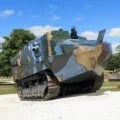
Św Chamond | |
|---|---|
| Kraju | Francja |
| Typu | Czołg średni |
| Masa | 23 tony |
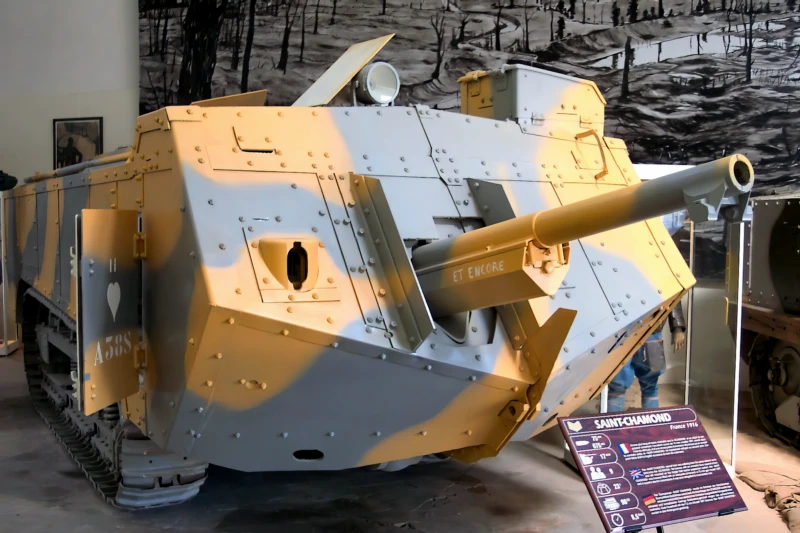
Tthe Św Chamond Był drugim francuskim czołgiem ciężkim z okresu I wojny światowej, z 400 wyprodukowanymi od kwietnia 1917 do lipca 1918. Chociaż nie jest to czołg według dzisiejszej definicji, jest on ogólnie akceptowany i opisywany jako taki w relacjach z wczesnego rozwoju czołgu. Zrodzony z rywalizacji handlowej istniejącej z twórcami czołgu Schneider CA1, Saint-Chamond był słabym i zasadniczo nieodpowiednim projektem. Jego główną słabością były holt "gąsienica" utworów. Były one zbyt krótkie w stosunku do długości pojazdu i wagi ciężkiej (23 tony). Późniejsze modele próbowały jednak naprawić niektóre z oryginalnych wad czołgu, instalując szersze i mocniejsze buty gąsienicowe, grubszy pancerz przedni i bardziej skuteczne działo polowe 75mm Mle 1897. W sumie zbudowano 400 czołgów Saint-Chamond, w tym 48 nieuzbrojonych czołgów Caisson. Czołgi Saint-Chamond były zaangażowane w różne działania do późnego lata 1918 roku, z opóźnieniem stając się bardziej skuteczne, ponieważ walka przeniosła się z okopów i na otwarty teren. Ostatecznie jednak czołgi Saint-Chamond miały zostać całkowicie zastąpione przez importowane brytyjskie czołgi ciężkie.
Źródła: Święty Chamond na Wkipedii
| Saint Chamond – WalkAround | |
|---|---|
| Fotograf | Unknow |
| Lokalizacja | Niewiedzy |
| Zdjęcia | 68 |
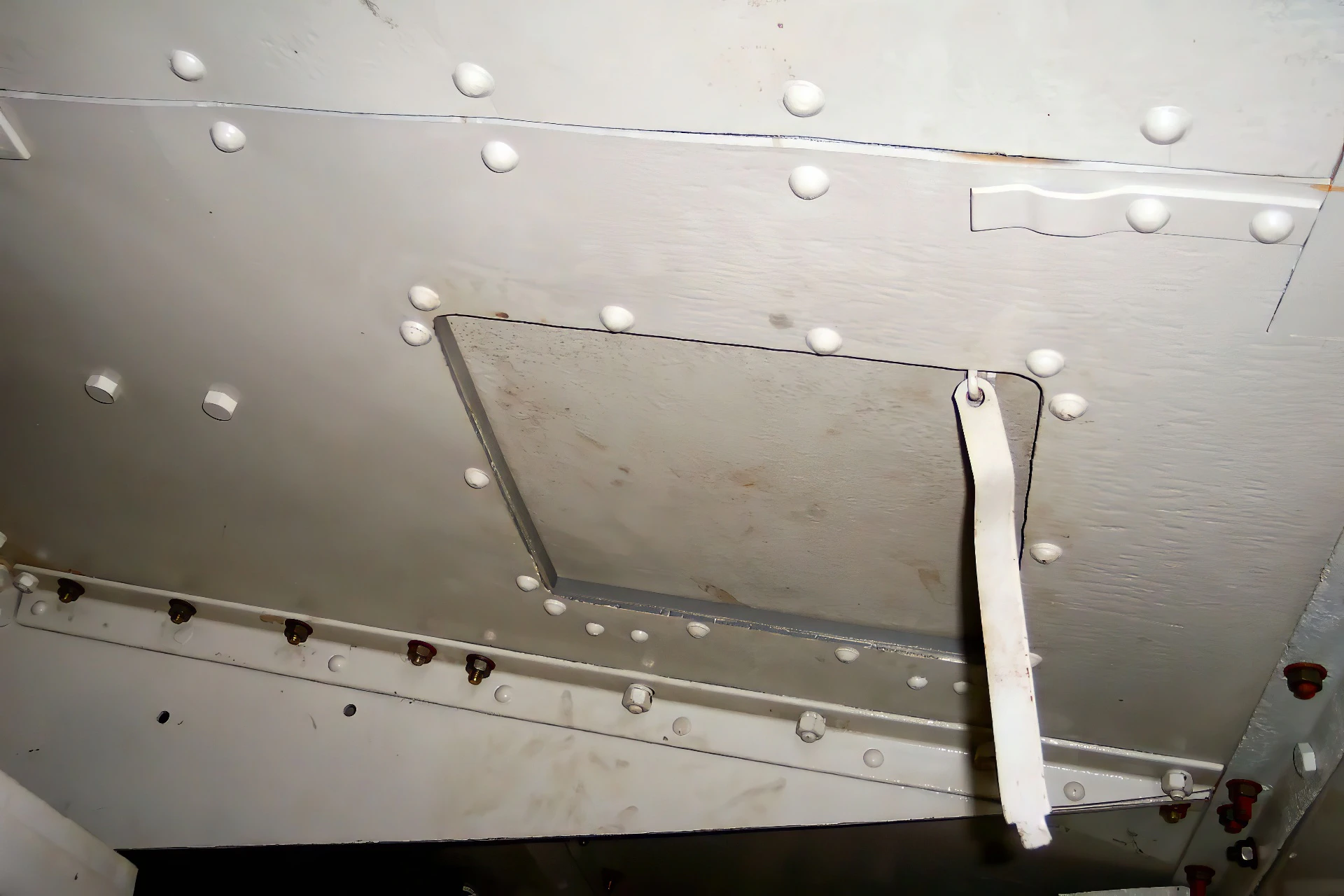
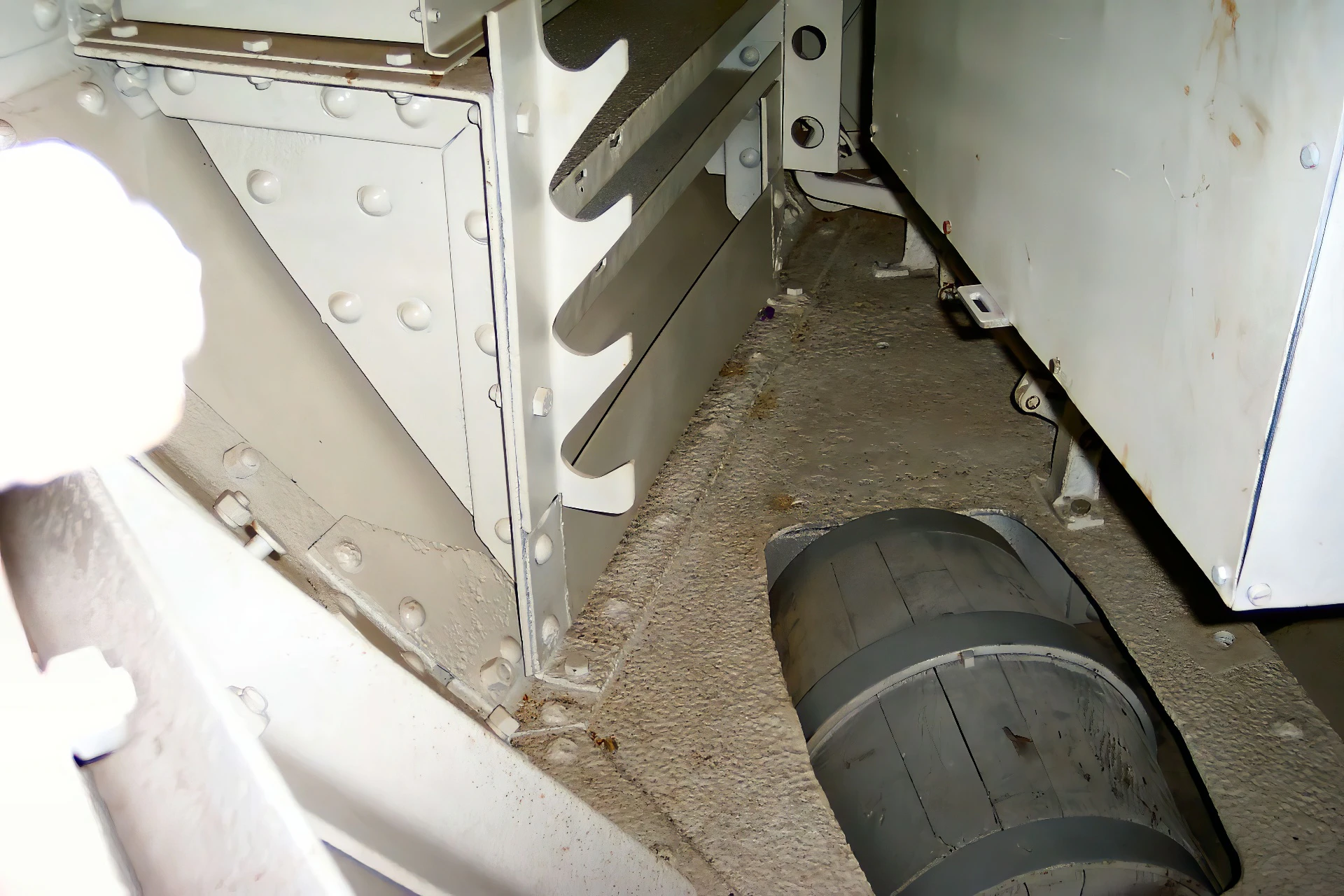
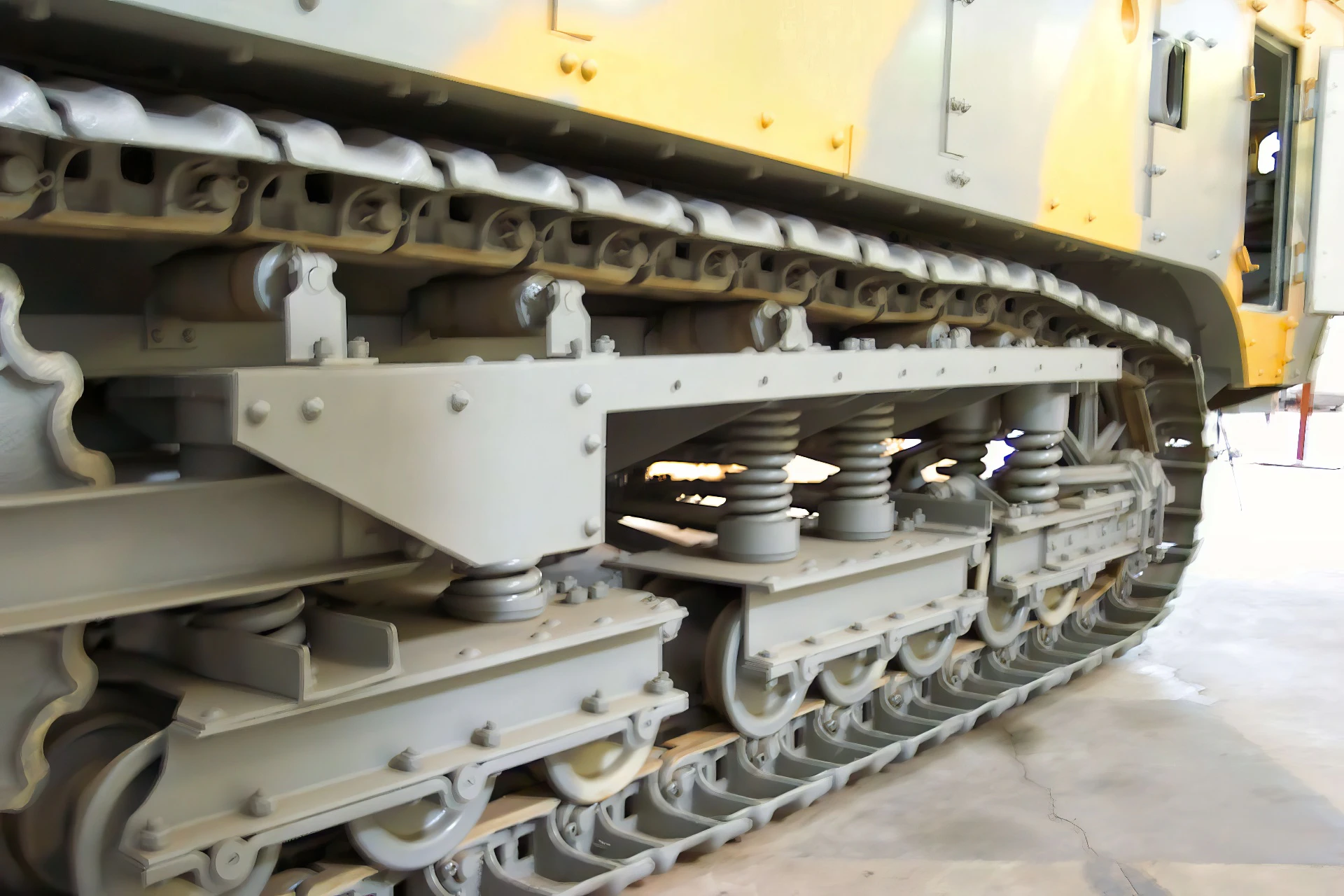
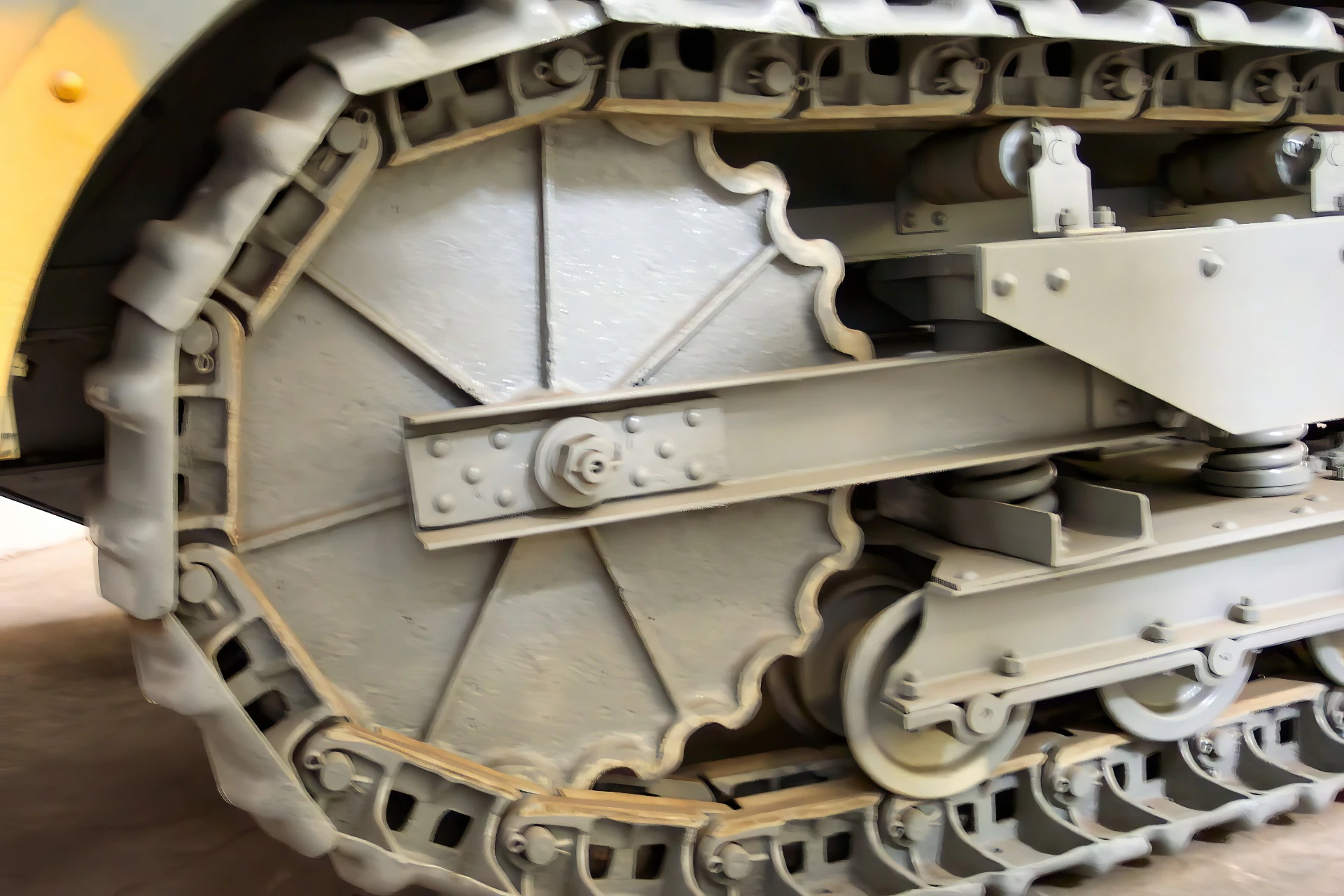
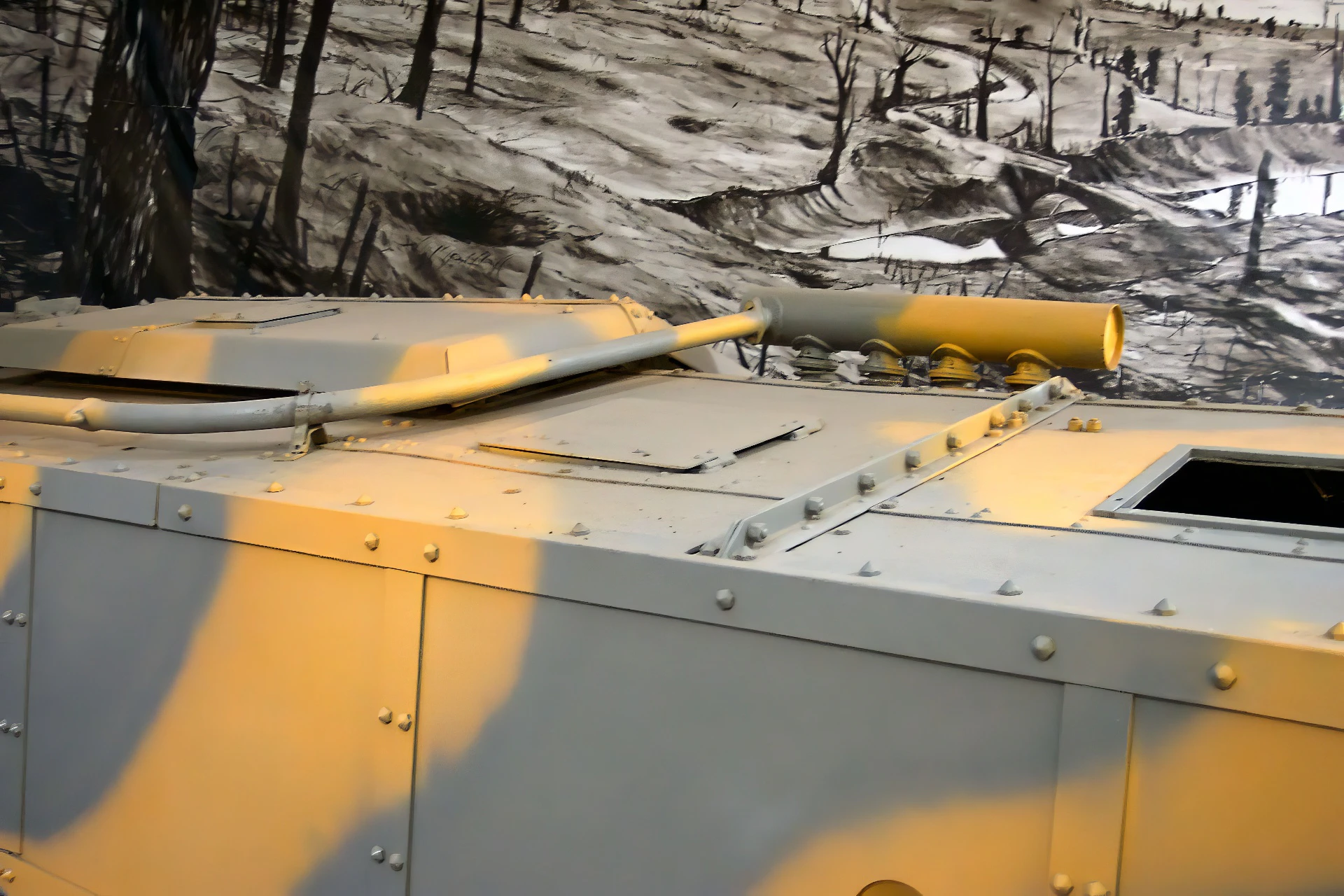
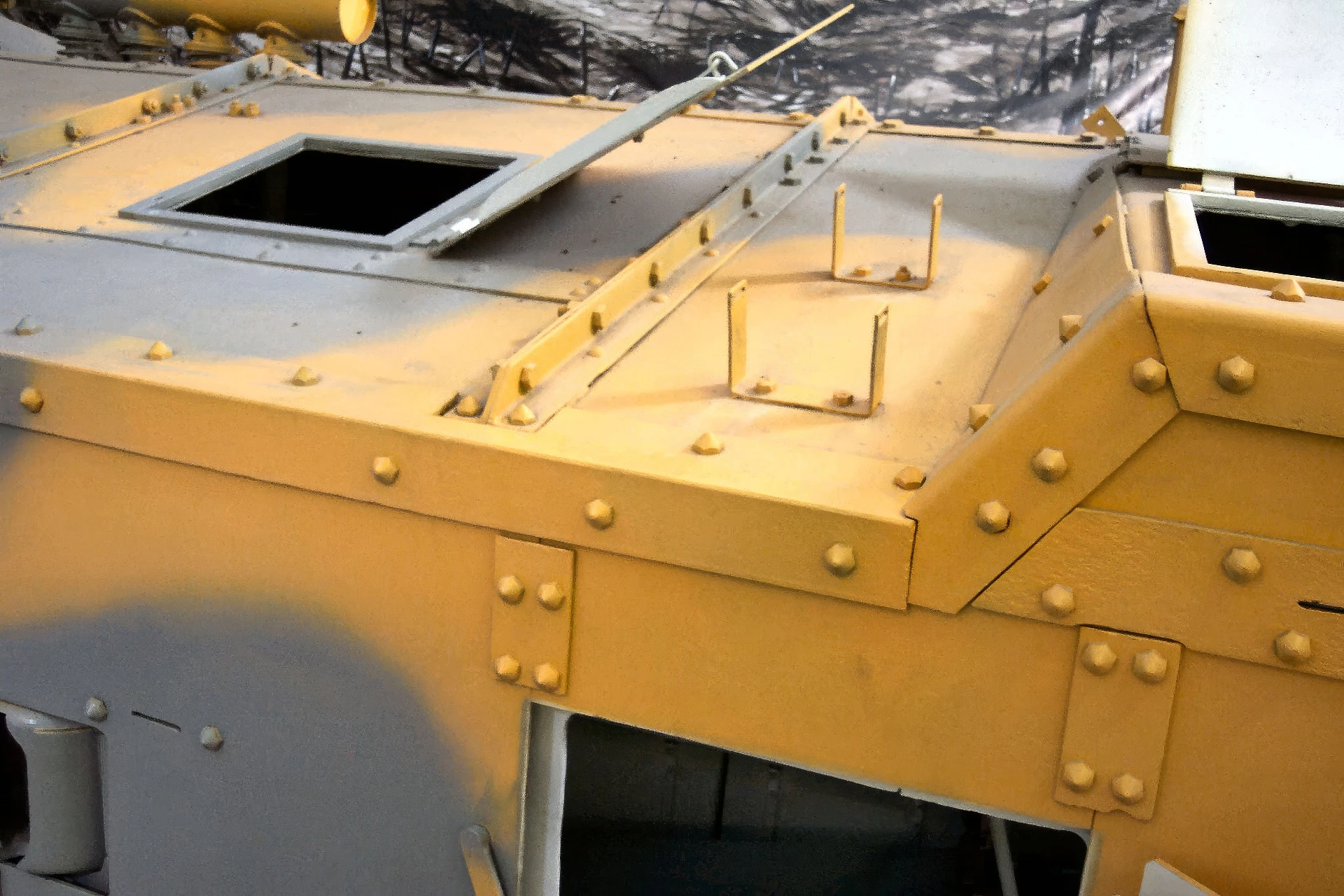
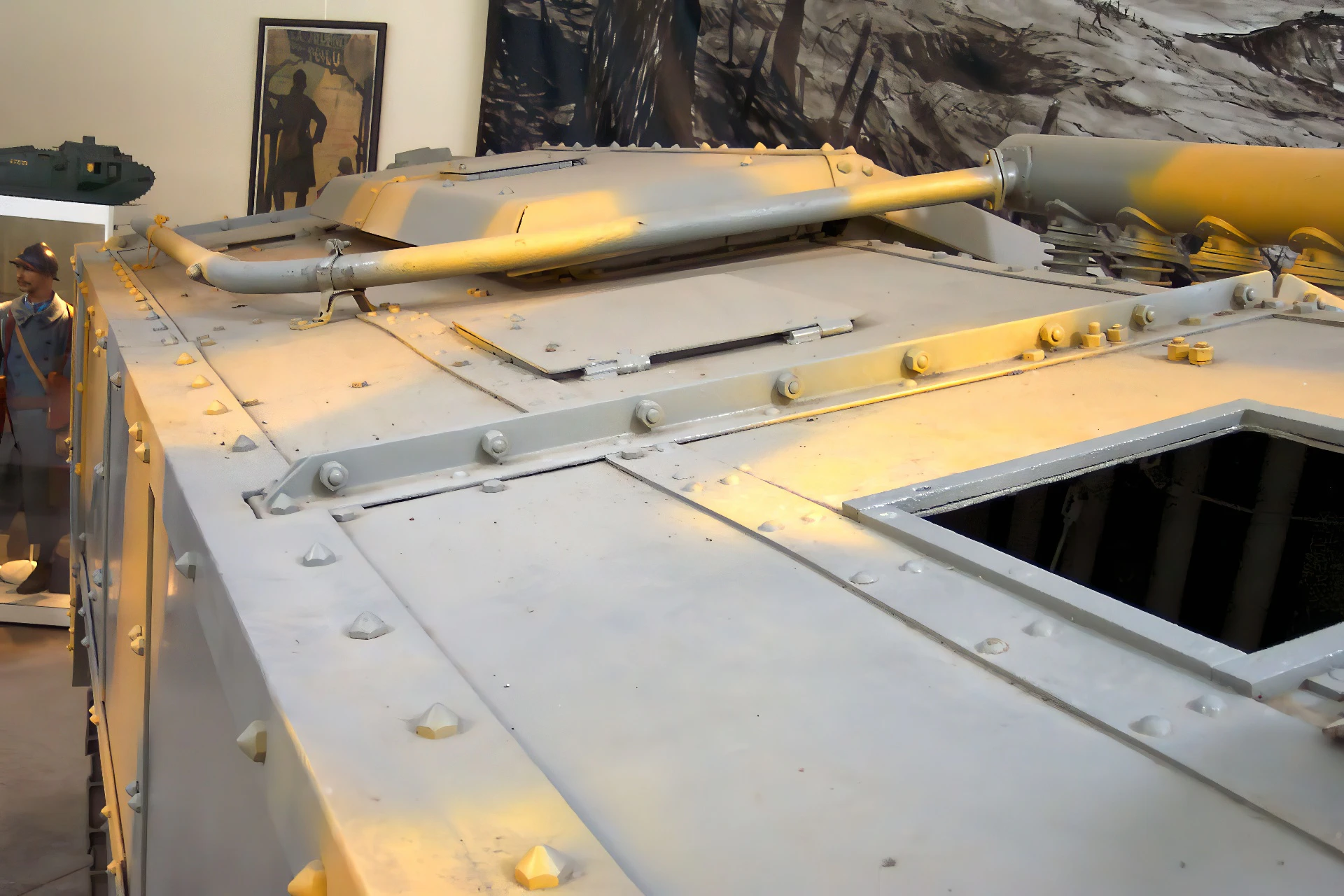
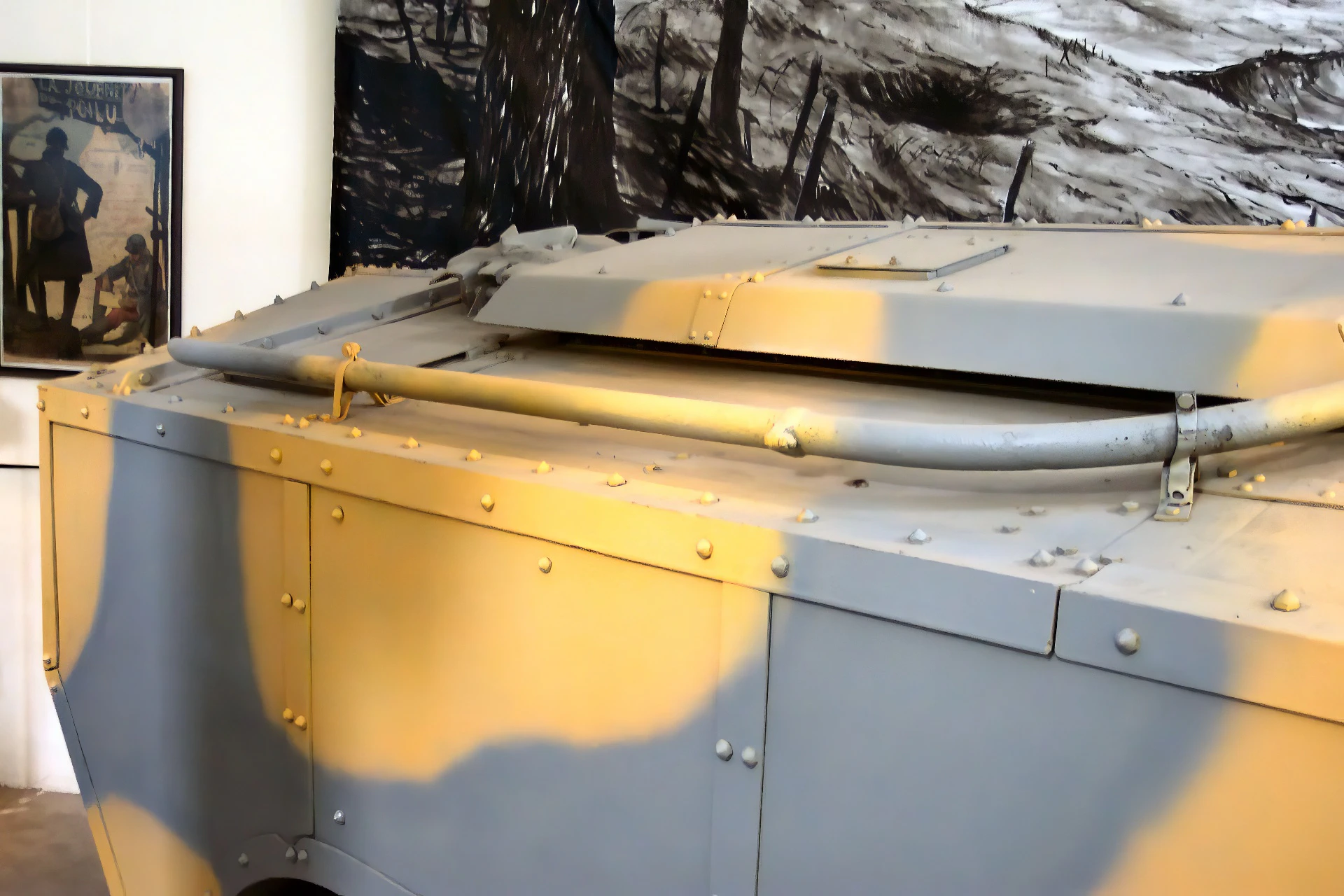

| Saint Chamond – WalkAround | |
|---|---|
| Fotograf | Unknow |
| Lokalizacja | Niewiedzy |
| Zdjęcia | 47 |
Overview and Context
The Saint-Chamond was the second French heavy assault tank to enter service during World War I, with approximately 400 units produced between 1917 and 1918. Born out of industrial rivalry with the manufacturers of the first French tank (the Schneider CA1), it was an ambitious but deeply flawed design.
Its primary goal was to bring the firepower of a potent artillery piece, the French 75 mm field gun, directly against enemy trenches and fortifications.
Design and Specifications
- Shape and Hull: It had a long, boxy superstructure with significant overhangs at both the front and rear of the vehicle, extending well beyond the relatively short, narrow tracks. This gave it a massive, ungainly silhouette.
- Uzbrojenie główne: A long-barreled 75 mm gun (either the Saint-Chamond L12C TR or the standard Mle 1897 field gun in later versions) was rigidly mounted in the front of the hull, offering only a very limited traverse.
- Secondary Armament: Four 8 mm Hotchkiss machine guns, one mounted in each side (front, rear, left, right).
- Propulsion: The tank used a complex and innovative petrol-electric transmission system (Crochat-Colardeau). A 90 hp Panhard engine drove a generator, which in turn powered two electric motors linked separately to each track. This allowed for smooth steering but was heavy and prone to overheating and mechanical issues.
- Załoga: The tank typically required a large crew of eight to nine men.
- Zbroja: Initially thin, with maximum armor plating of around 11.5 mm on the front and 8.5 mm on the sides. Later models increased side armor to 17 mm and added a spaced layer to the front to resist German armor-piercing bullets.
Combat Performance and Flaws
Despite its powerful main gun, the Saint-Chamond was plagued by critical operational deficiencies:
- Trench Crossing: The overly long hull combined with the relatively short track length and heavy forward weight caused the tank’s nose to violently dig into the ground or get irrevocably stuck in trenches and shell craters, making it notoriously poor for traversing the scarred terrain of the Western Front.
- Underpowered: The 90 hp engine was inadequate for the tank’s operational weight of around 23 metric tons, severely limiting its cross-country speed and agility (top speed was only about 8-12 km/h).
- Vulnerable: Its thin side armor left the crew vulnerable to heavy machine gun fire, a major issue that was only partially addressed in late-production models.
The Saint-Chamond remained in service until late 1918, mostly performing as a działo z własnym napędem or being converted into unarmed supply/recovery vehicles, as it was eventually superseded by the more reliable and tactically superior Renault FT light tank and imported British heavy tanks.
Liczba wyświetleń : 4457