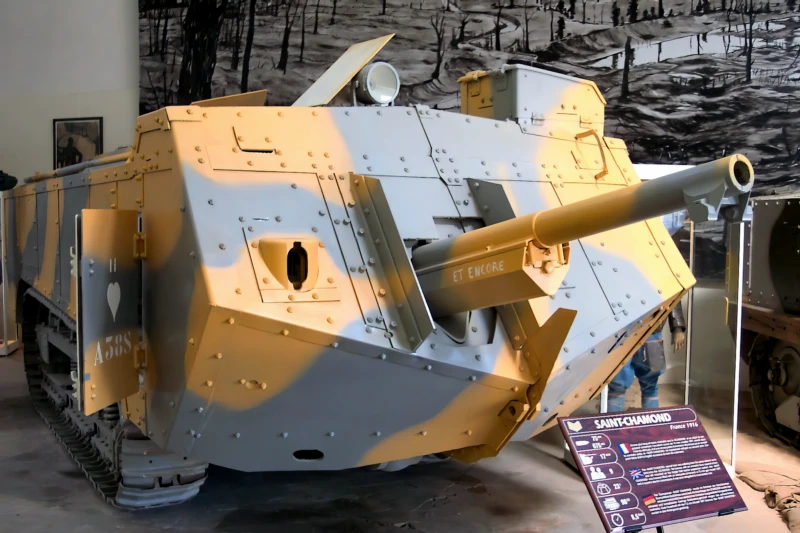
Сэйнт Чамонд | |
|---|---|
| Страны | Франция |
| Тип | Средний танк |
| Масса | 23 тонны |
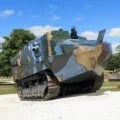
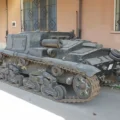
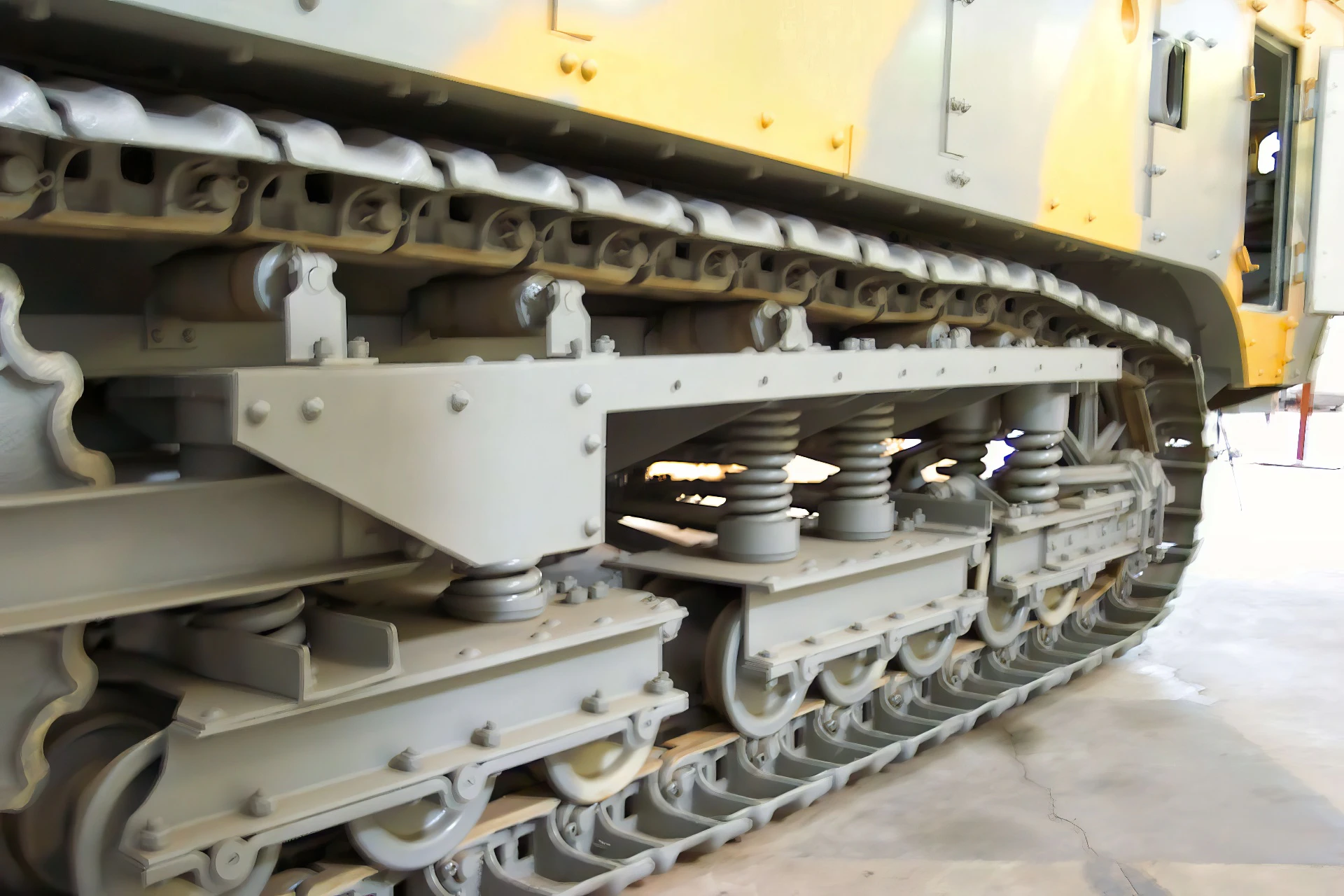
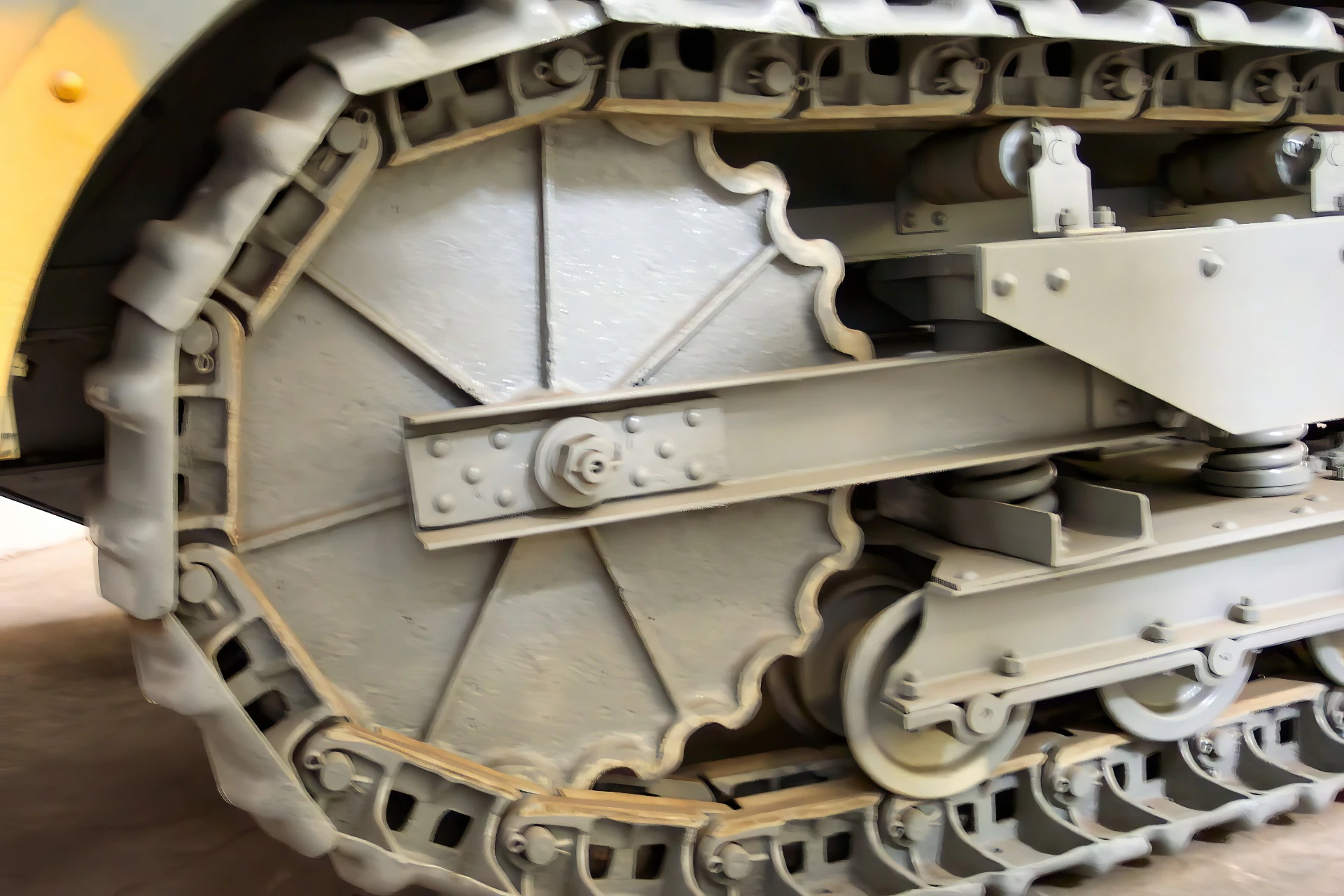
Teh Сен-Шамон — второй французский тяжёлый танк Первой мировой войны, 400 изготовившийся с апреля 1917 года по июль 1918 года. Хотя он не является танком по современному определению, он общепринят и описан как таковой в отчетах о ранней разработке танков. Рожденный коммерческим соперничеством, существующим с производителями танка Schneider CA1, Saint-Chamond был недостаточно мощным и принципиально неадекватным дизайном. Его главной слабостью были «гусеничные» гусеницы Холта. Они были слишком короткими по отношению к длине и большому весу транспортного средства (23 тонны). Более поздние модели, однако, попытались исправить некоторые из первоначальных недостатков танка, установив более широкие и прочные башмаки гусеничной гусеничной гусеничной области, более толстую лобовую броню и более эффективную 75-мм полевую пушку Mle 1897. Всего было построено 400 танков Saint-Chamond, в том числе 48 невооруженных танков Caisson. Танки Сен-Шамона оставались в различных действиях до конца лета 1918 года, с опозданием становясь более эффективными, поскольку боевые действия переместились из окопов на открытую землю. В конце концов, однако, танки Saint-Chamond должны были быть полностью заменены импортными британскими тяжелыми танками.
Источник: Сэйнт Шамонд на Вкипедии
| Saint Chamond – WalkAround | |
|---|---|
| Фотограф | Unknow |
| Локализации | Неизвестная |
| Фотографии | 68 |
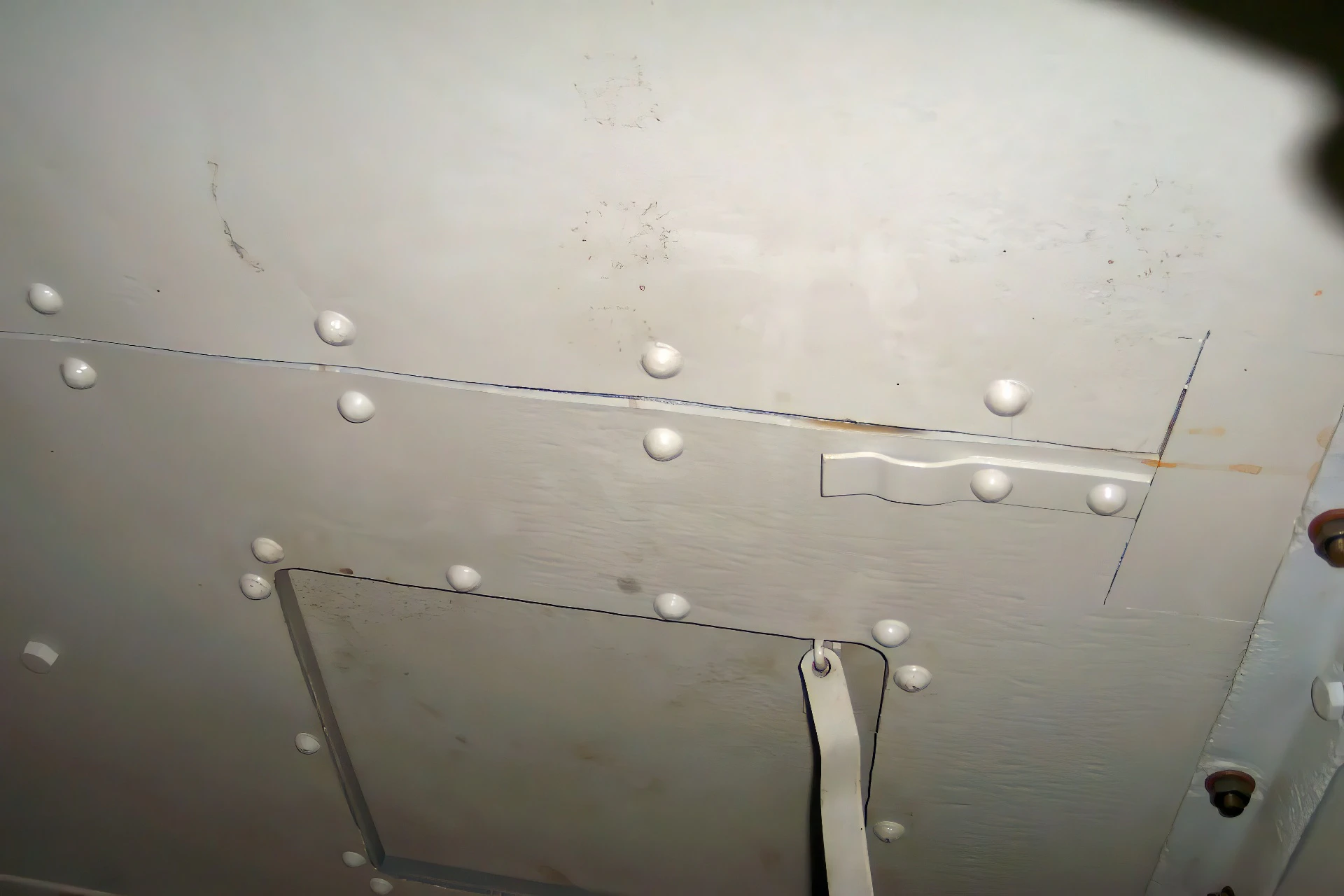

| Saint Chamond – WalkAround | |
|---|---|
| Фотограф | Unknow |
| Локализации | Неизвестная |
| Фотографии | 47 |
Overview and Context
The Saint-Chamond was the second French heavy assault tank to enter service during World War I, with approximately 400 units produced between 1917 and 1918. Born out of industrial rivalry with the manufacturers of the first French tank (the Schneider CA1), it was an ambitious but deeply flawed design.
Its primary goal was to bring the firepower of a potent artillery piece, the French 75 mm field gun, directly against enemy trenches and fortifications.
Дизайн и технические характеристики
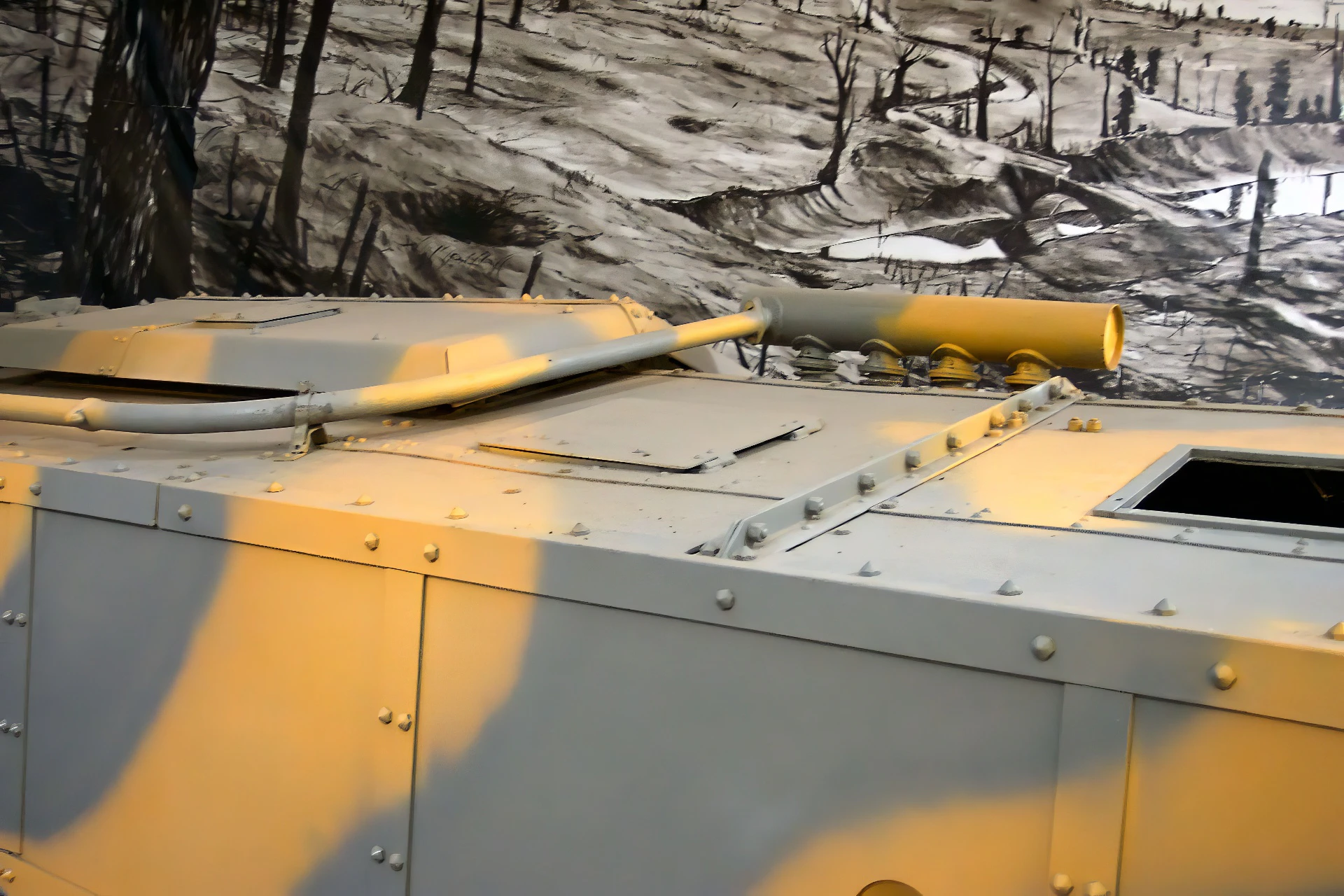
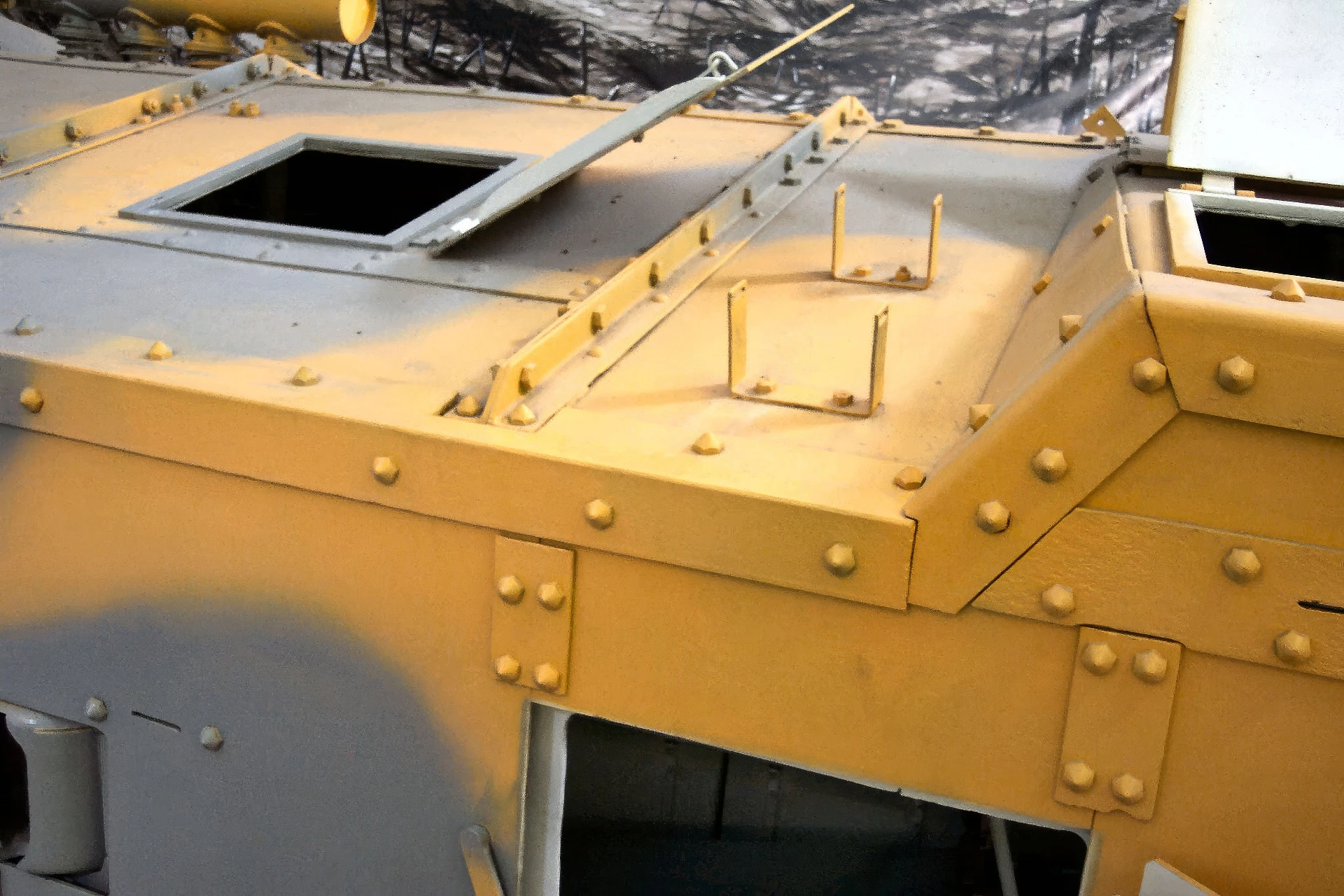
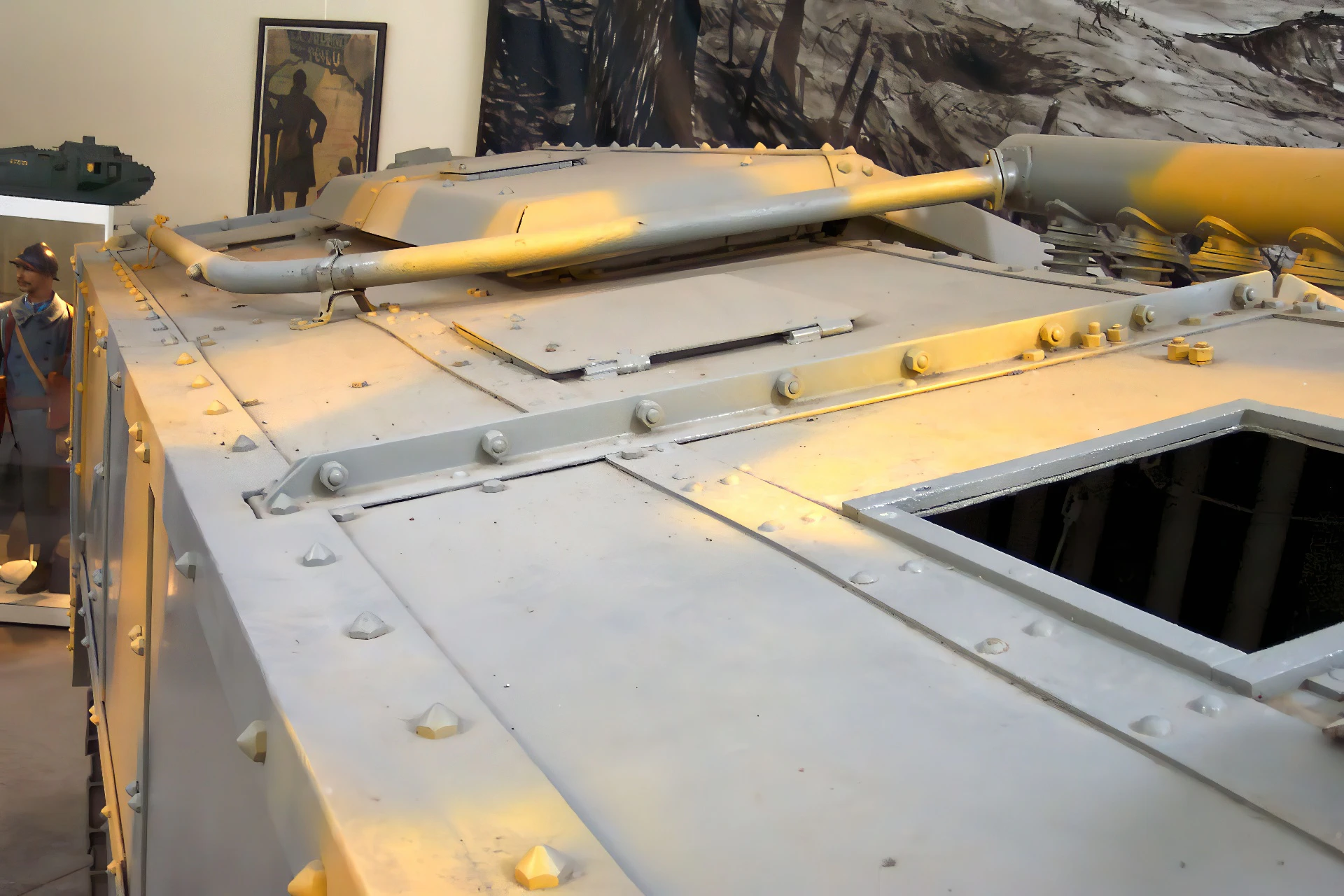
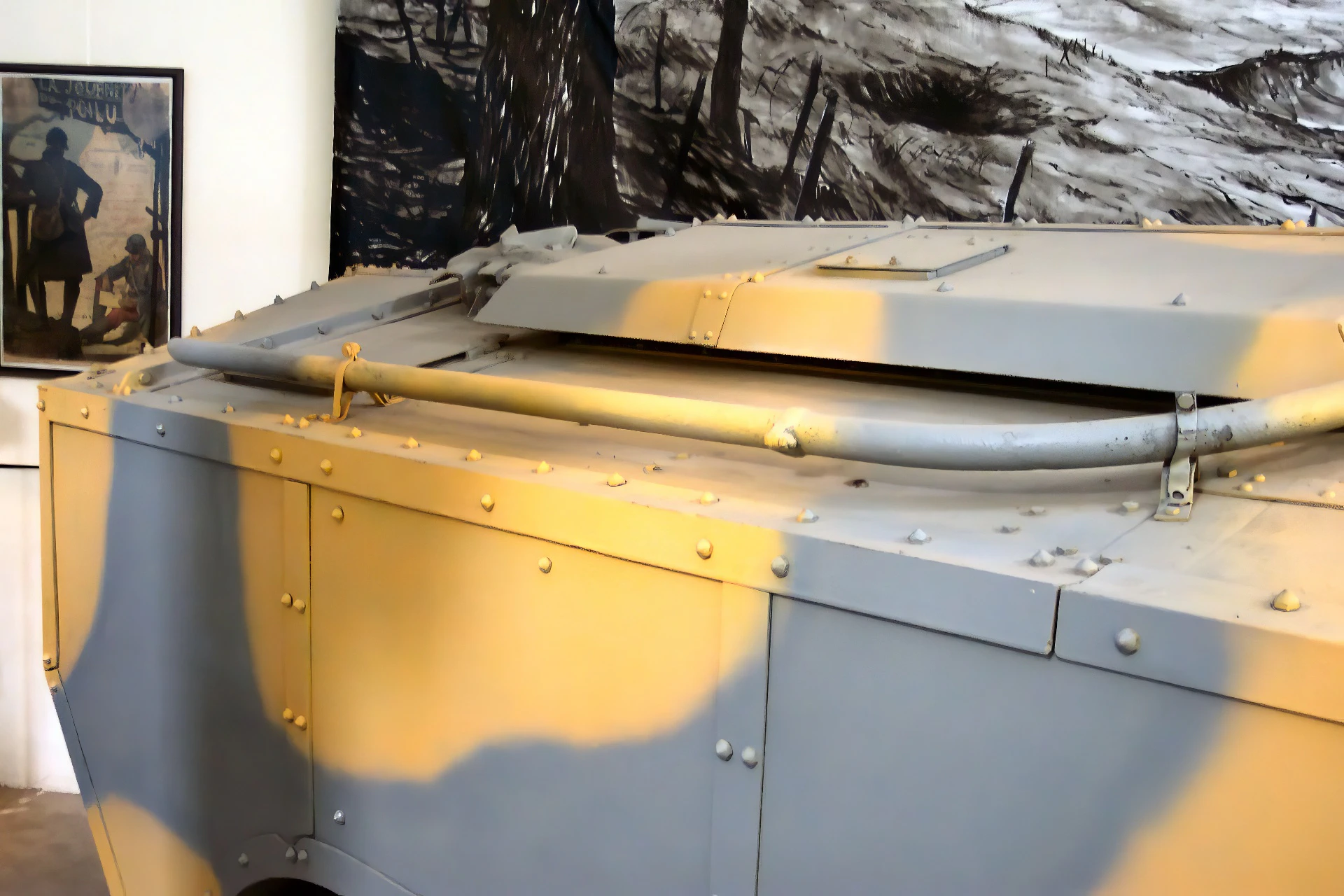
- Shape and Hull: It had a long, boxy superstructure with significant overhangs at both the front and rear of the vehicle, extending well beyond the relatively short, narrow tracks. This gave it a massive, ungainly silhouette.
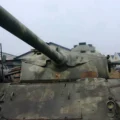
- Main Armament: A long-barreled 75 mm gun (either the Saint-Chamond L12C TR or the standard Mle 1897 field gun in later versions) was rigidly mounted in the front of the hull, offering only a very limited traverse.
- Secondary Armament: Four 8 mm Hotchkiss machine guns, one mounted in each side (front, rear, left, right).
- Propulsion: The tank used a complex and innovative petrol-electric transmission system (Crochat-Colardeau). A 90 hp Panhard engine drove a generator, which in turn powered two electric motors linked separately to each track. This allowed for smooth steering but was heavy and prone to overheating and mechanical issues.
- Экипаж: The tank typically required a large crew of eight to nine men.
- Броня: Initially thin, with maximum armor plating of around 11.5 mm on the front and 8.5 mm on the sides. Later models increased side armor to 17 mm and added a spaced layer to the front to resist German armor-piercing bullets.
Combat Performance and Flaws
Despite its powerful main gun, the Saint-Chamond was plagued by critical operational deficiencies:
- Trench Crossing: The overly long hull combined with the relatively short track length and heavy forward weight caused the tank’s nose to violently dig into the ground or get irrevocably stuck in trenches and shell craters, making it notoriously poor for traversing the scarred terrain of the Western Front.
- Underpowered: The 90 hp engine was inadequate for the tank’s operational weight of around 23 metric tons, severely limiting its cross-country speed and agility (top speed was only about 8-12 km/h).
- Vulnerable: Its thin side armor left the crew vulnerable to heavy machine gun fire, a major issue that was only partially addressed in late-production models.
The Saint-Chamond remained in service until late 1918, mostly performing as a самоходная пушка or being converted into unarmed supply/recovery vehicles, as it was eventually superseded by the more reliable and tactically superior Renault FT light tank and imported British heavy tanks.
Просмотров : 4456