サン・チャモンド | |
|---|---|
| 国 | フランス |
| 型 | 中戦車 |
| 質量 | 23トン |
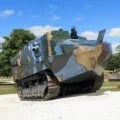
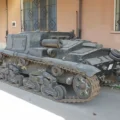
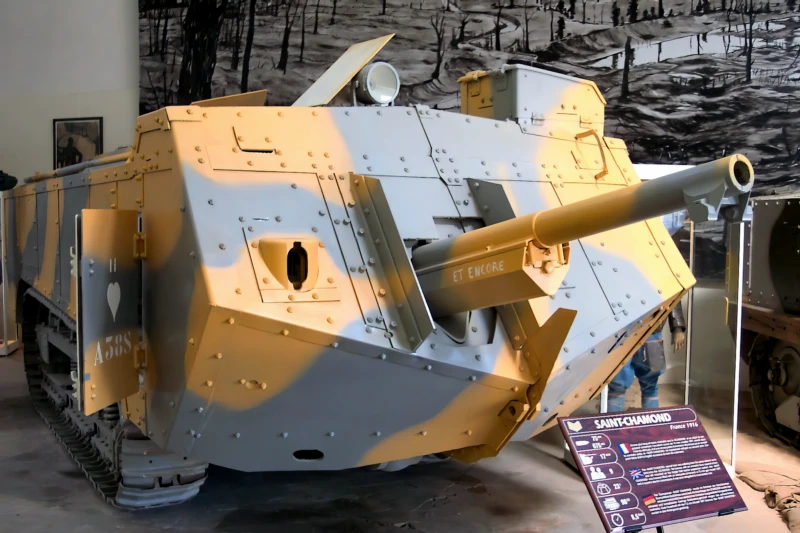
ザ サン・チャモン ●第一次世界大戦の第2弾で、1917年4月から1918年7月まで400台が製造されました。現在の定義ではタンクではないが、一般に初期のタンク開発の説明でそのように記述されている。シュナイダーCA1戦車のメーカーと存在する商業的なライバル関係から生まれたサン・チャモンドは、力不足で根本的に不十分なデザインでした。その主な弱点はホルトの「毛虫」トラックでした。彼らは車両の長さと重い重量(23トン)に関連してあまりにも短すぎました。しかし、後のモデルは、より広く、より強いトラックシューズ、より厚い前頭装甲とより効果的な75mm Mle 1897フィールドガンを設置することによって、タンクの元の欠陥の一部を修正しようとしました。48の非武装のカイソン戦車を含む400のサン・チャモンド戦車が建造されました。サン・チャモンド戦車は1918年の晩夏まで様々な行動を続け、戦闘が溝から離れてオープングラウンドに移動して以来、遅ればせながらより効果的になりました。しかし、最終的には、サン・チャモンド戦車は輸入された英国の重戦車に完全に置き換えられる予定でした。
ソース: セント・チャモンド・オン・ヴキペディア
| Saint Chamond – WalkAround | |
|---|---|
| カメラマン | Unknow |
| ローカライズ | 知りません |
| 写真 | 68 |
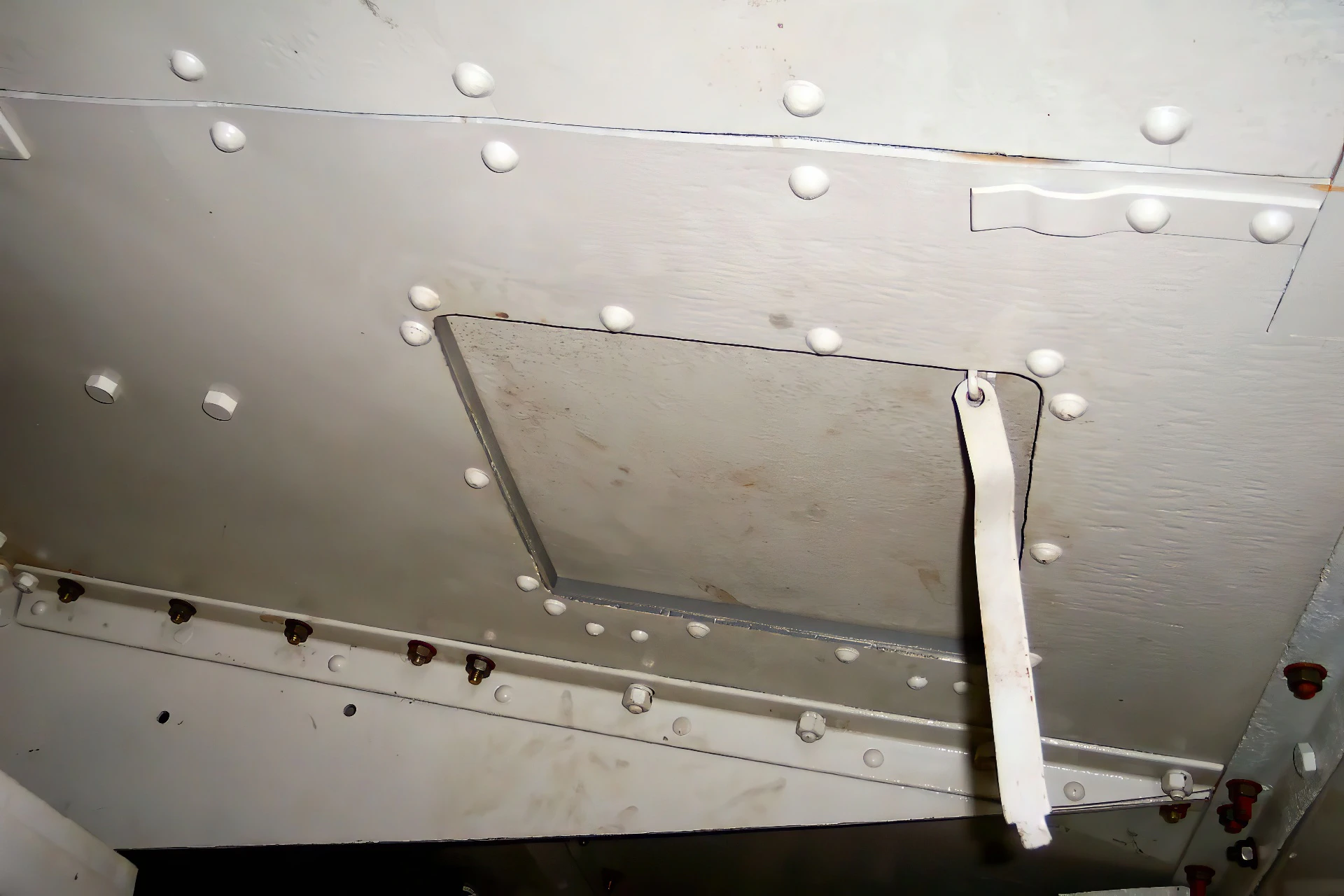
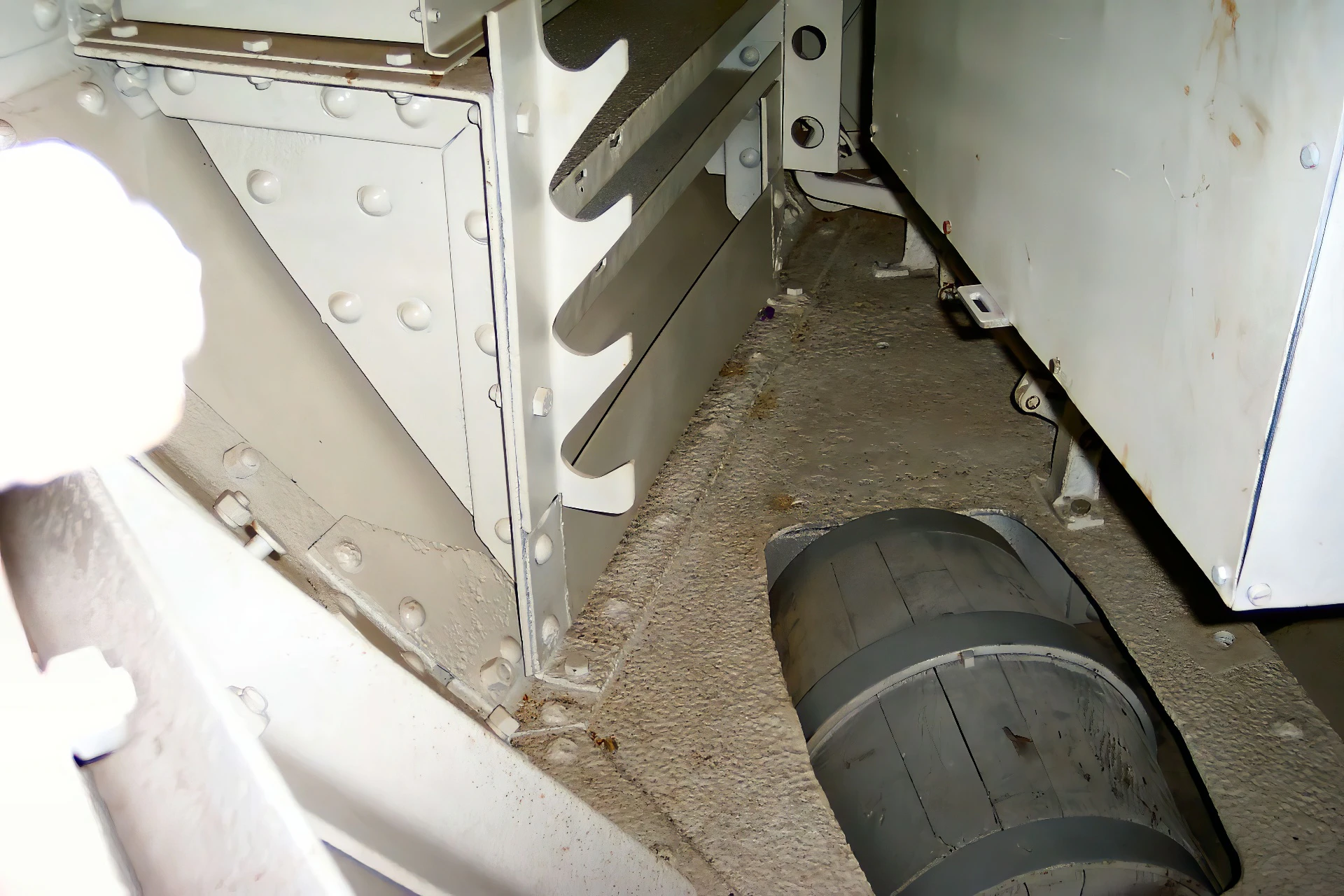
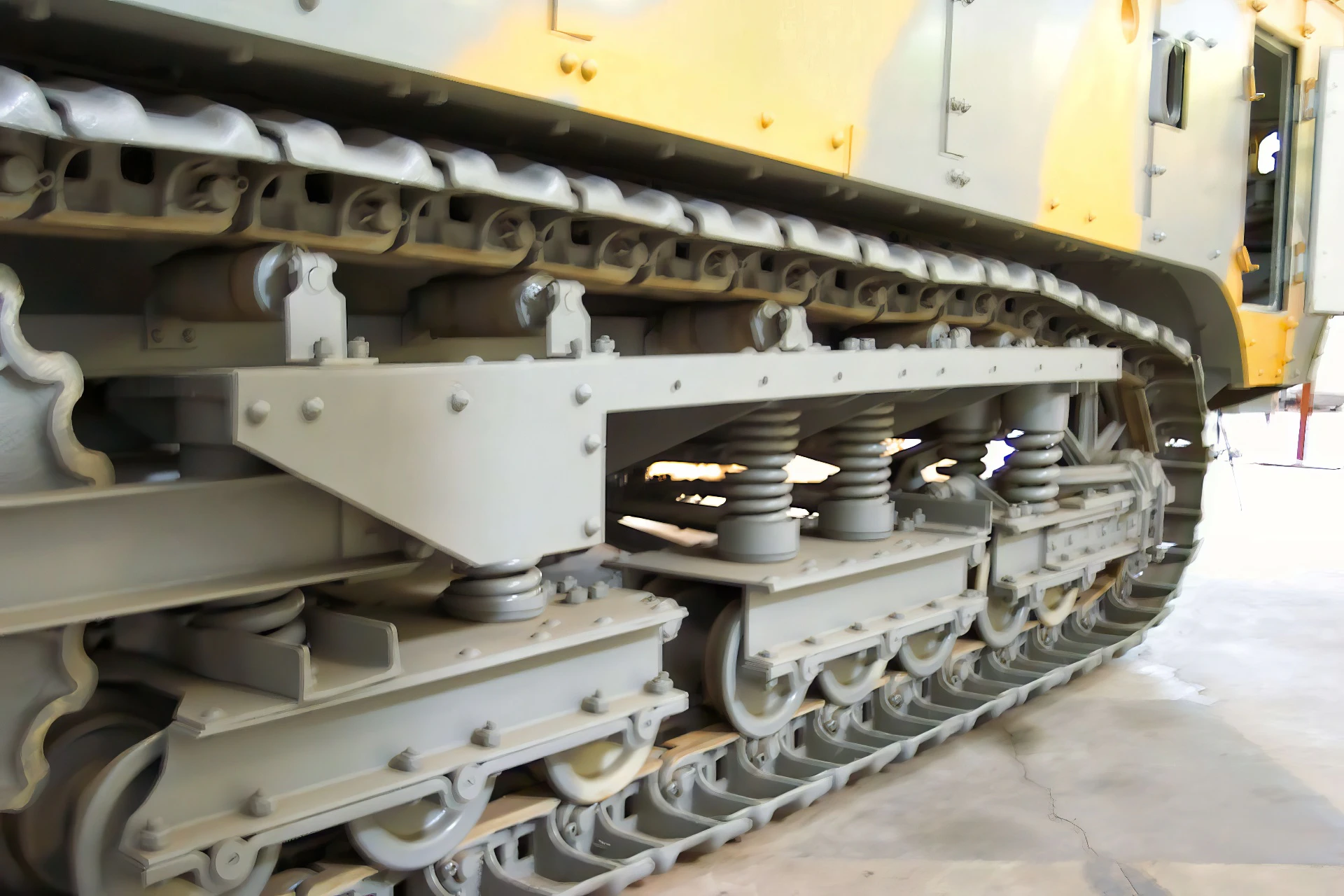
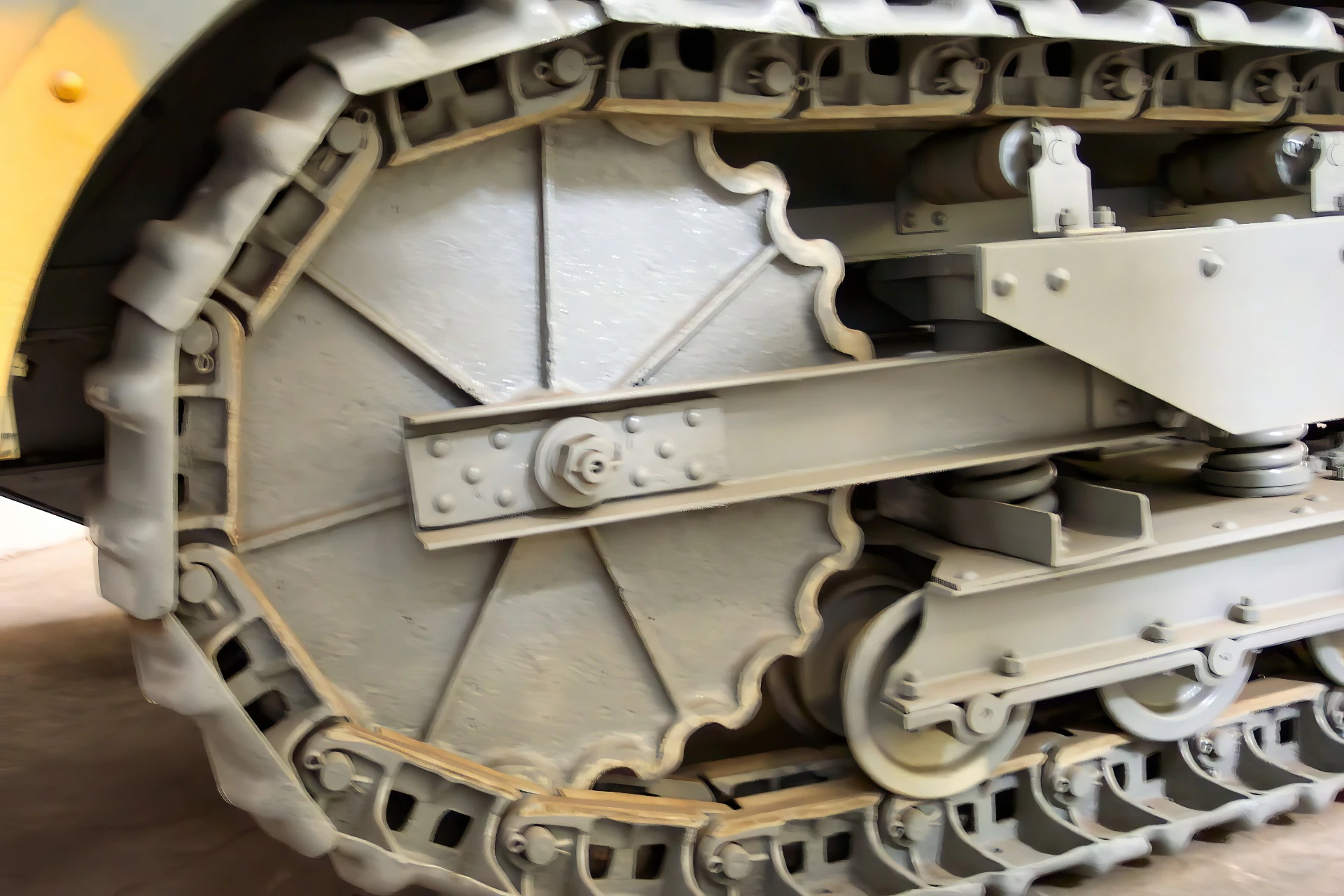
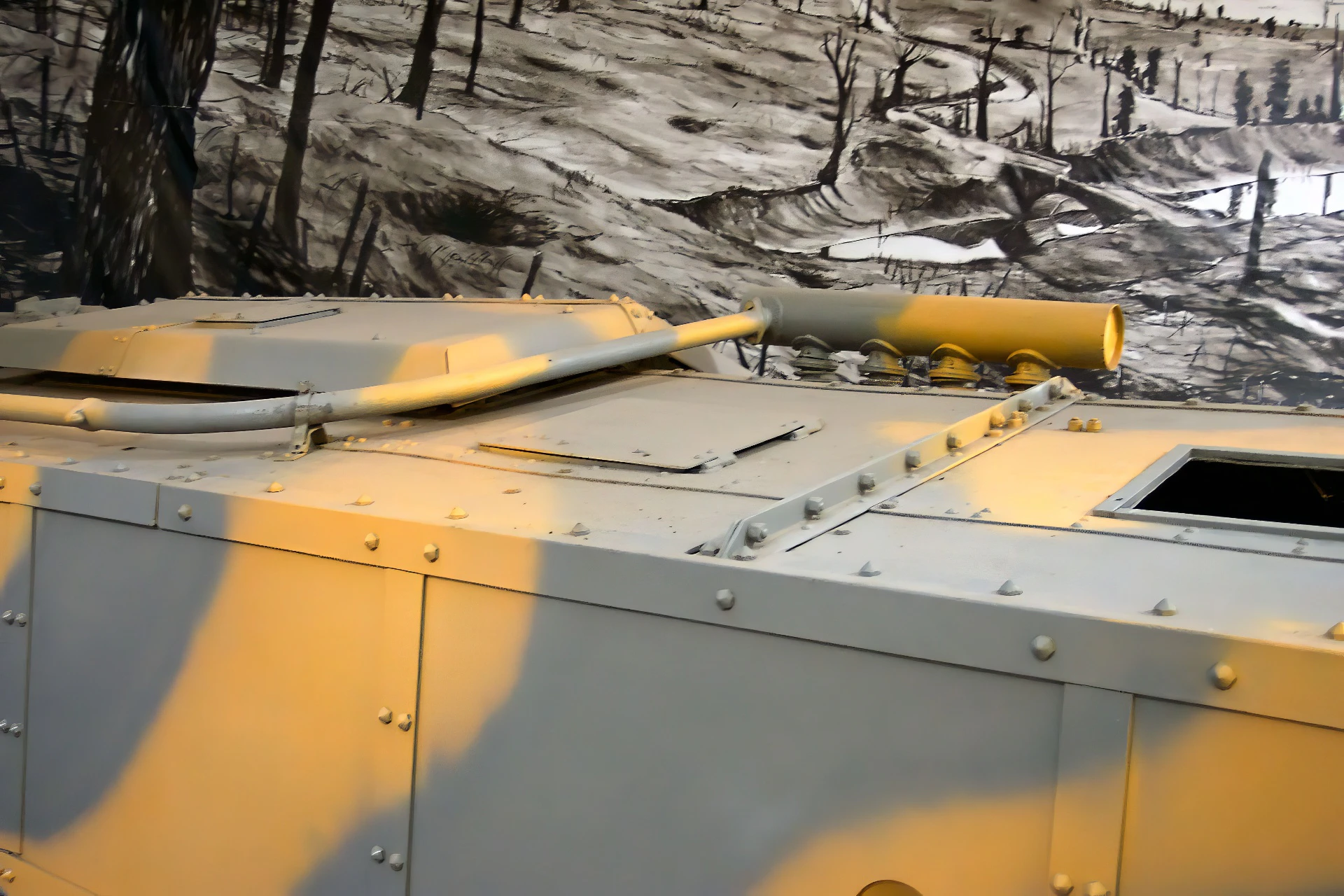
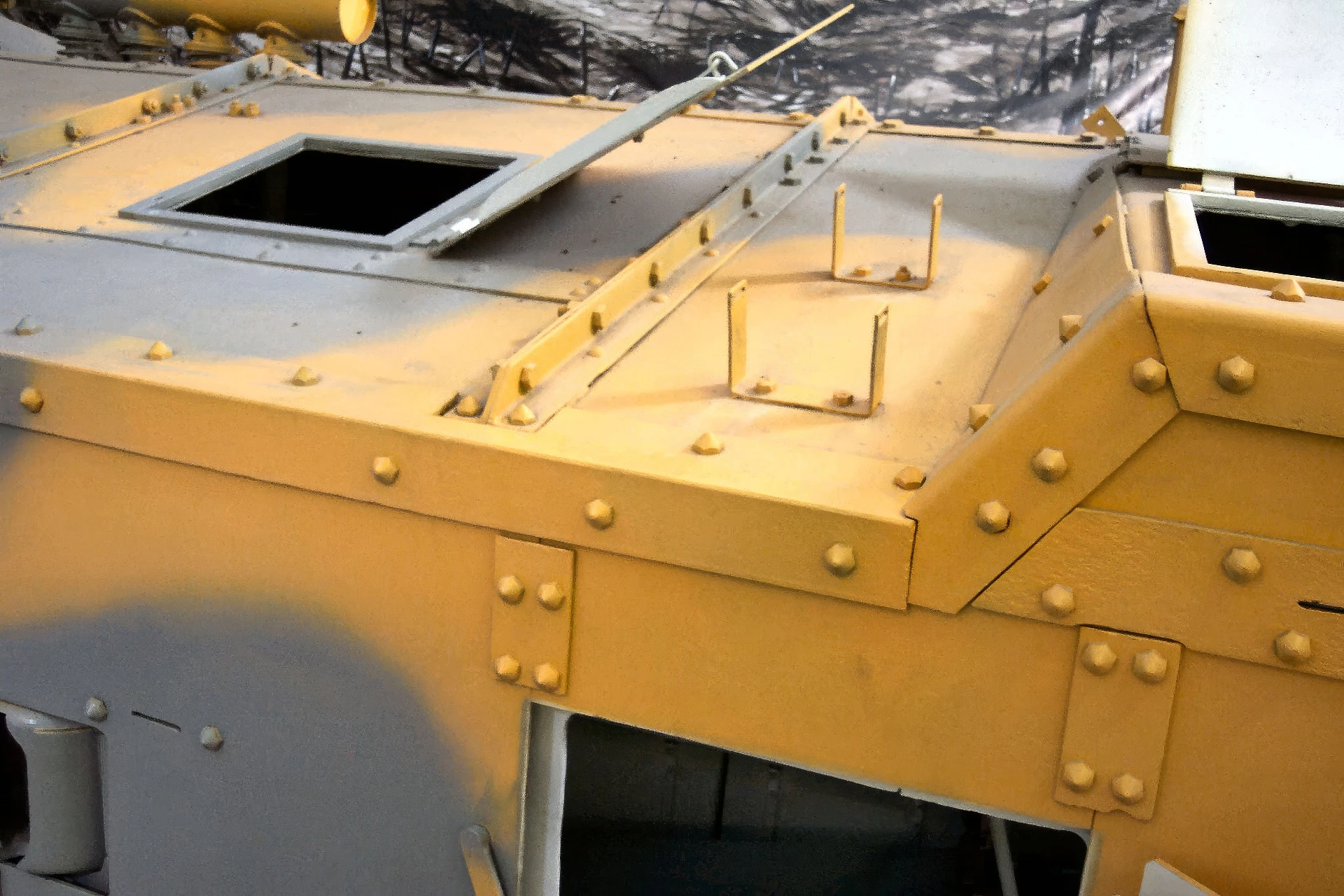
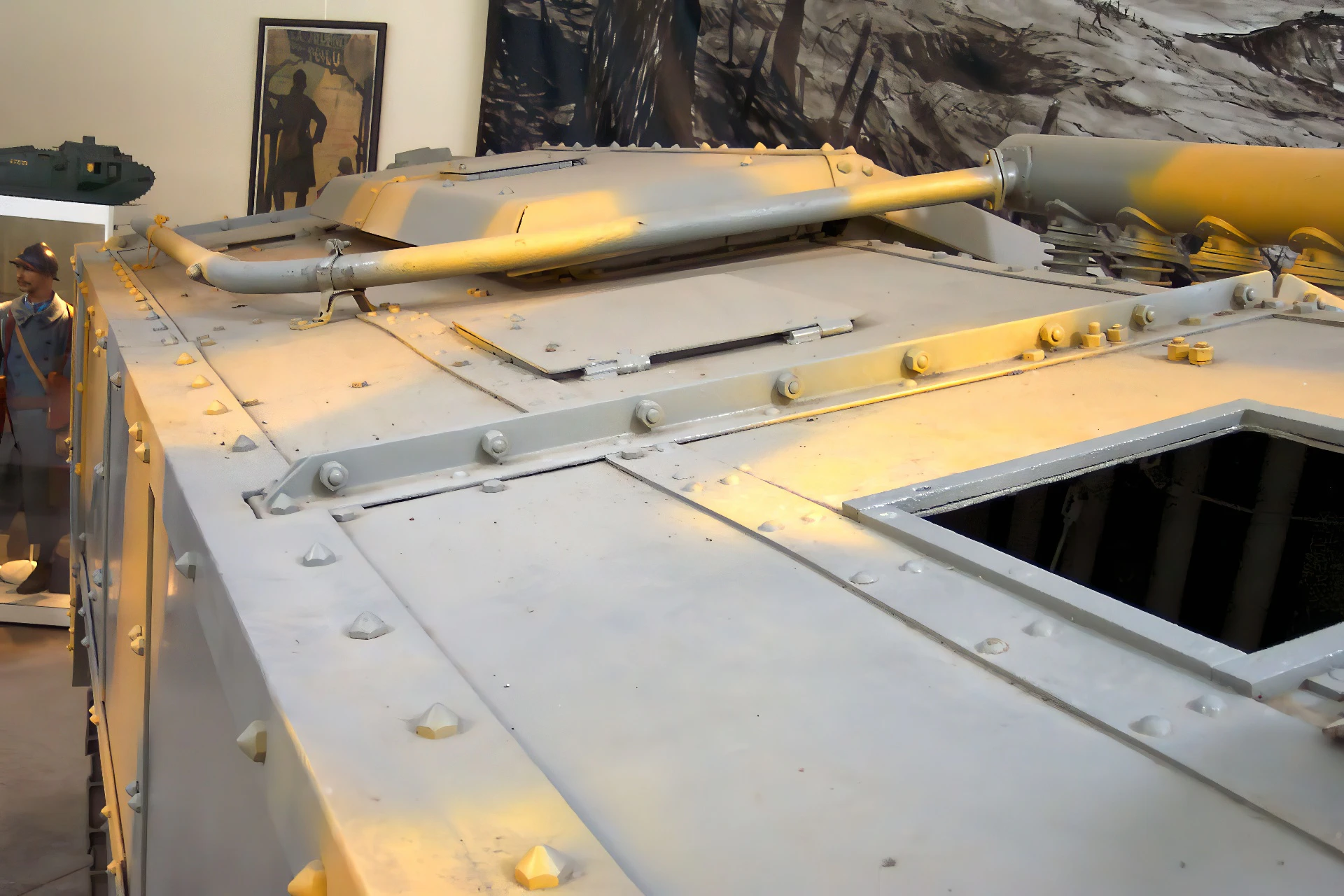
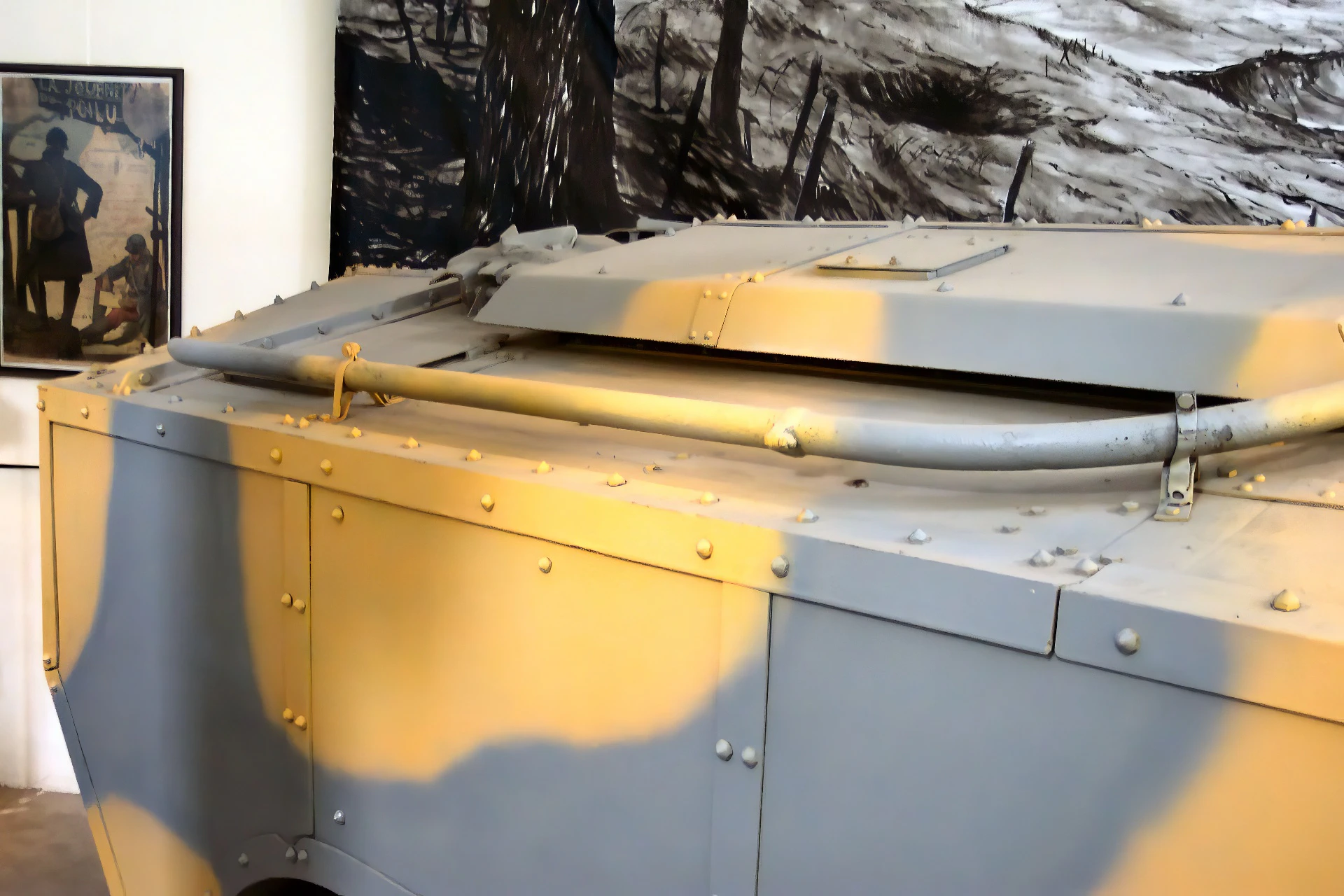

| Saint Chamond – WalkAround | |
|---|---|
| カメラマン | Unknow |
| ローカライズ | 知りません |
| 写真 | 47 |
Overview and Context
The Saint-Chamond was the second French heavy assault tank to enter service during World War I, with approximately 400 units produced between 1917 and 1918. Born out of industrial rivalry with the manufacturers of the first French tank (the Schneider CA1), it was an ambitious but deeply flawed design.
Its primary goal was to bring the firepower of a potent artillery piece, the French 75 mm field gun, directly against enemy trenches and fortifications.
設計と仕様
- Shape and Hull: It had a long, boxy superstructure with significant overhangs at both the front and rear of the vehicle, extending well beyond the relatively short, narrow tracks. This gave it a massive, ungainly silhouette.
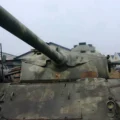
- 主砲: A long-barreled 75 mm gun (either the Saint-Chamond L12C TR or the standard Mle 1897 field gun in later versions) was rigidly mounted in the front of the hull, offering only a very limited traverse.
- Secondary Armament: Four 8 mm Hotchkiss machine guns, one mounted in each side (front, rear, left, right).
- Propulsion: The tank used a complex and innovative petrol-electric transmission system (Crochat-Colardeau). A 90 hp Panhard engine drove a generator, which in turn powered two electric motors linked separately to each track. This allowed for smooth steering but was heavy and prone to overheating and mechanical issues.
- Crew: The tank typically required a large crew of eight to nine men.
- Armor: Initially thin, with maximum armor plating of around 11.5 mm on the front and 8.5 mm on the sides. Later models increased side armor to 17 mm and added a spaced layer to the front to resist German armor-piercing bullets.
Combat Performance and Flaws
Despite its powerful main gun, the Saint-Chamond was plagued by critical operational deficiencies:
- Trench Crossing: The overly long hull combined with the relatively short track length and heavy forward weight caused the tank’s nose to violently dig into the ground or get irrevocably stuck in trenches and shell craters, making it notoriously poor for traversing the scarred terrain of the Western Front.
- Underpowered: The 90 hp engine was inadequate for the tank’s operational weight of around 23 metric tons, severely limiting its cross-country speed and agility (top speed was only about 8-12 km/h).
- Vulnerable: Its thin side armor left the crew vulnerable to heavy machine gun fire, a major issue that was only partially addressed in late-production models.
The Saint-Chamond remained in service until late 1918, mostly performing as a 自走砲 or being converted into unarmed supply/recovery vehicles, as it was eventually superseded by the more reliable and tactically superior Renault FT light tank and imported British heavy tanks.
再生回数 : 4477