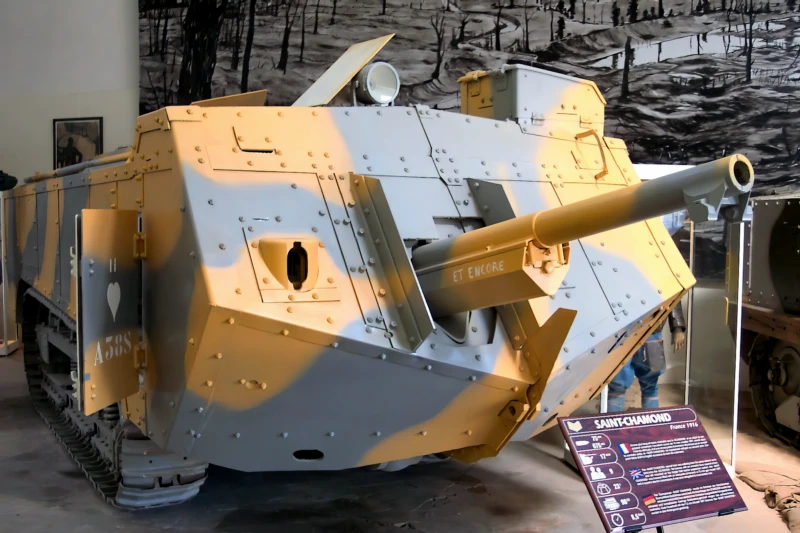
Svatý Chamond | |
|---|---|
| Země | Francie |
| Typ | Střední nádrž |
| Mše | 23 tun |
Tá Saint-Chamond byl druhý francouzský těžký tank první světové války se 400 vyrobenými kusy od dubna 1917 do července 1918. Ačkoli to není tank podle dnešní definice, je obecně přijímán a popsán jako takový v záznamech o raném vývoji tanku. Saint-Chamond, zrozený z komerční rivality s výrobci tanku Schneider CA1, byl nedostatečně výkonný a zásadně nedostatečný design. Jeho hlavní slabinou byly Holtovy "housenkové" stopy. Byly příliš krátké ve vztahu k délce vozidla a vysoké hmotnosti (23 tun). Pozdější modely se však pokusily napravit některé původní nedostatky tanku instalací širších a silnějších pásových bot, silnějšího čelního pancíře a účinnějšího 75mm polního děla Mle 1897. Celkem bylo vyrobeno 400 tanků Saint-Chamond včetně 48 neozbrojených tanků Caisson. Tanky Saint-Chamond zůstaly zapojeny do různých akcí až do pozdního léta 1918 a opožděně se staly efektivnějšími, protože boj se přesunul ze zákopů na otevřenou půdu. Nakonec však měly být tanky Saint-Chamond zcela nahrazeny dovezenými britskými těžkými tanky.
Zdroj: Svatý Chamond na Wkipedii
| Saint Chamond – WalkAround | |
|---|---|
| Fotograf | Unknow |
| Lokalizace | Neznámé |
| Fotografie | 68 |
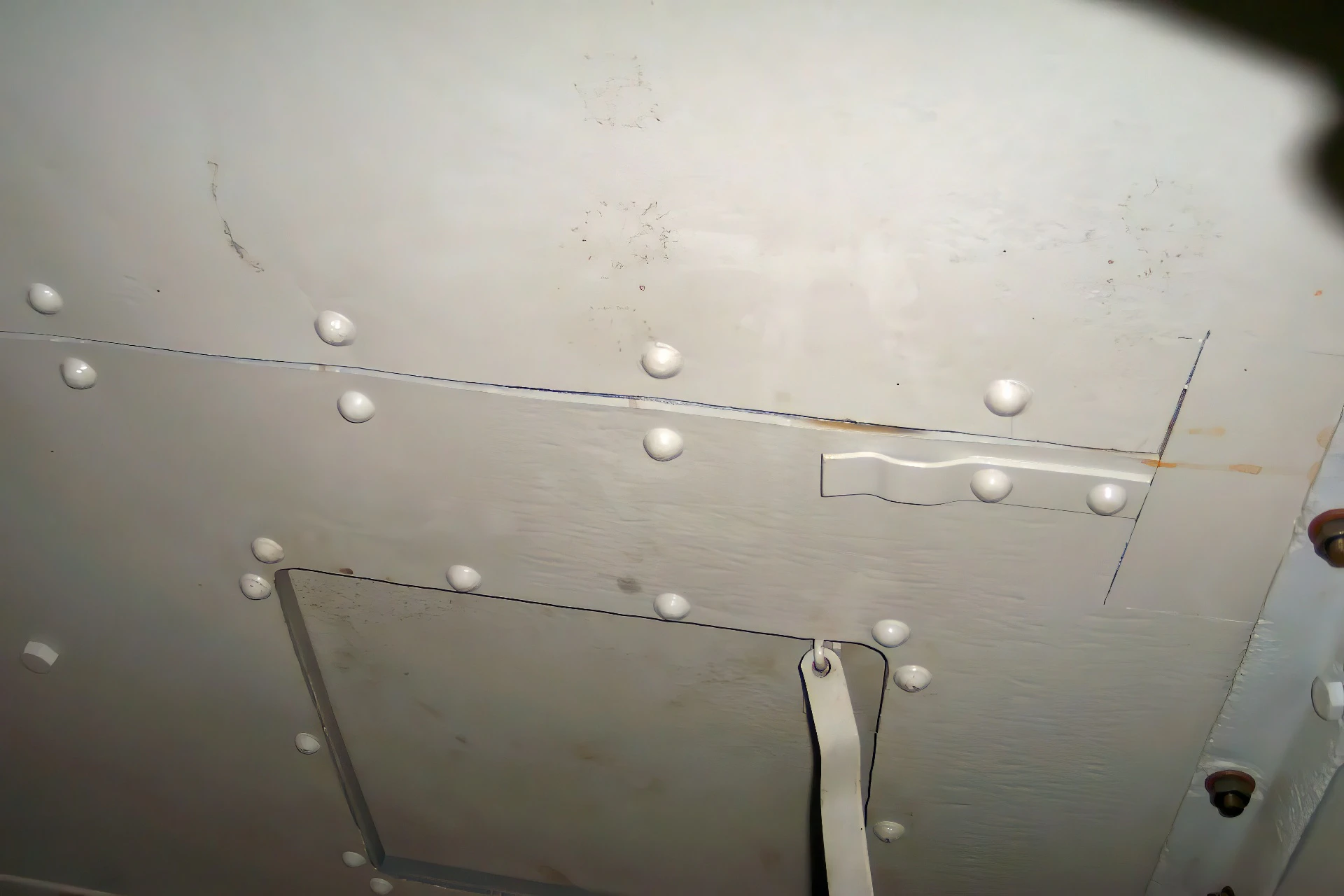
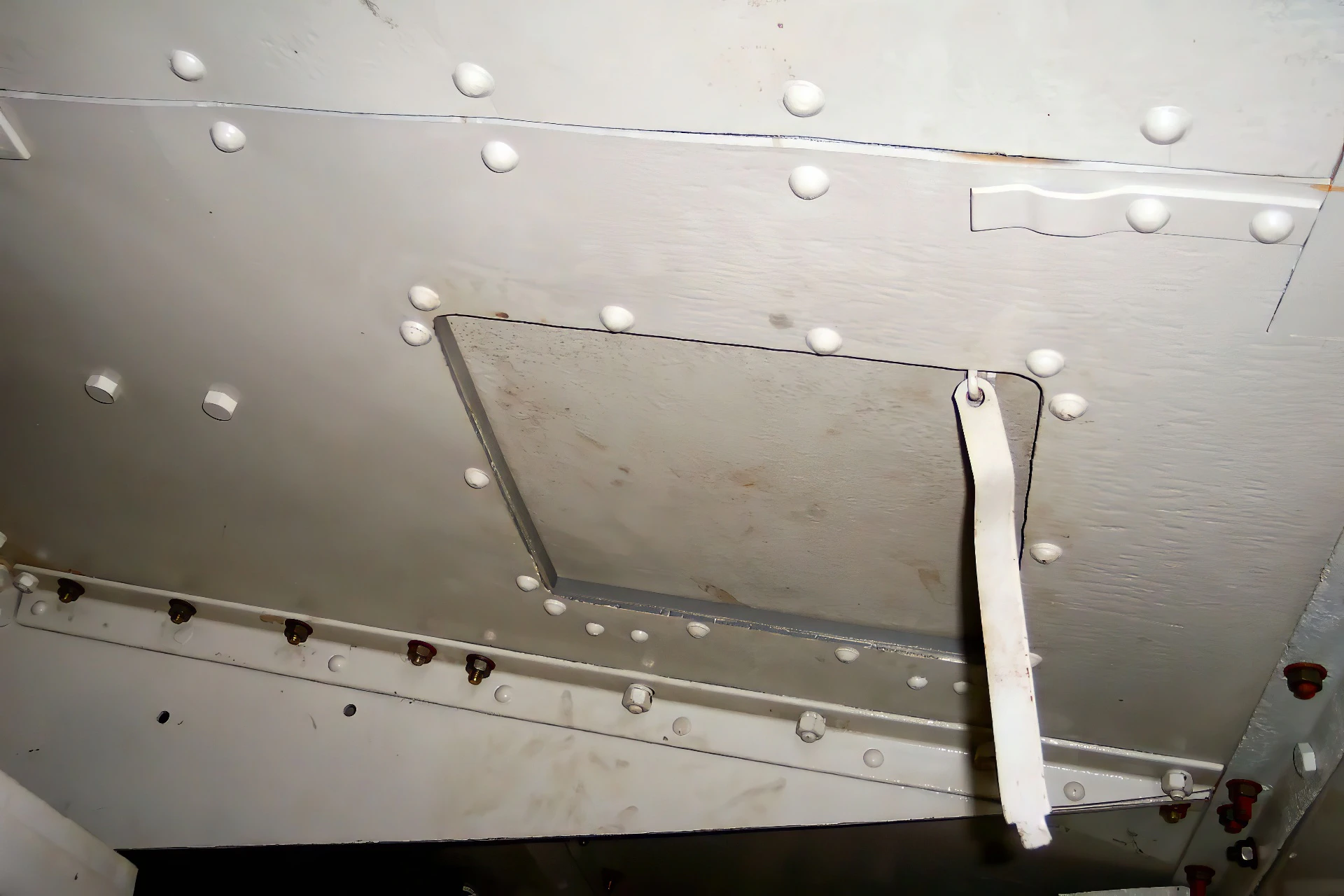
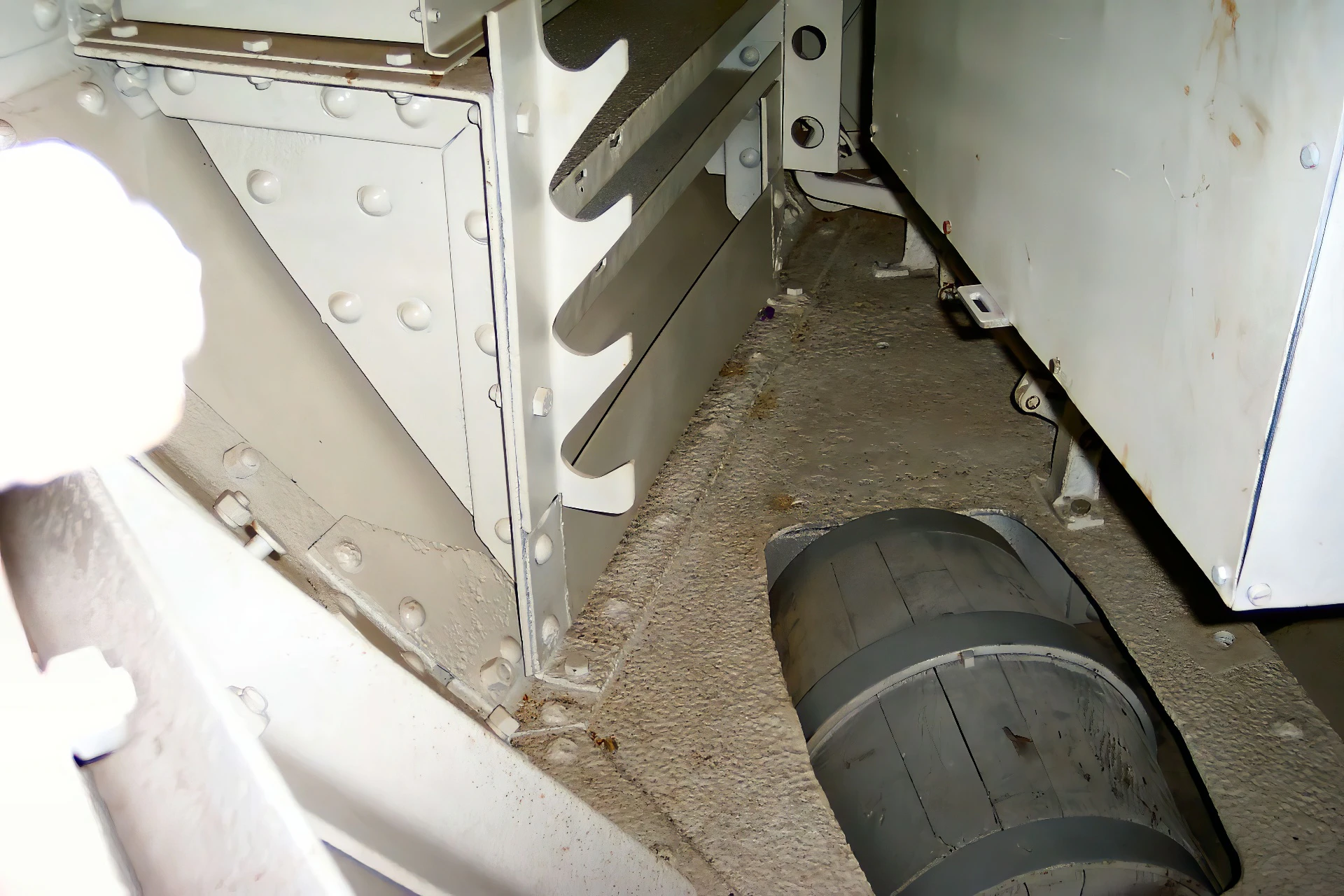
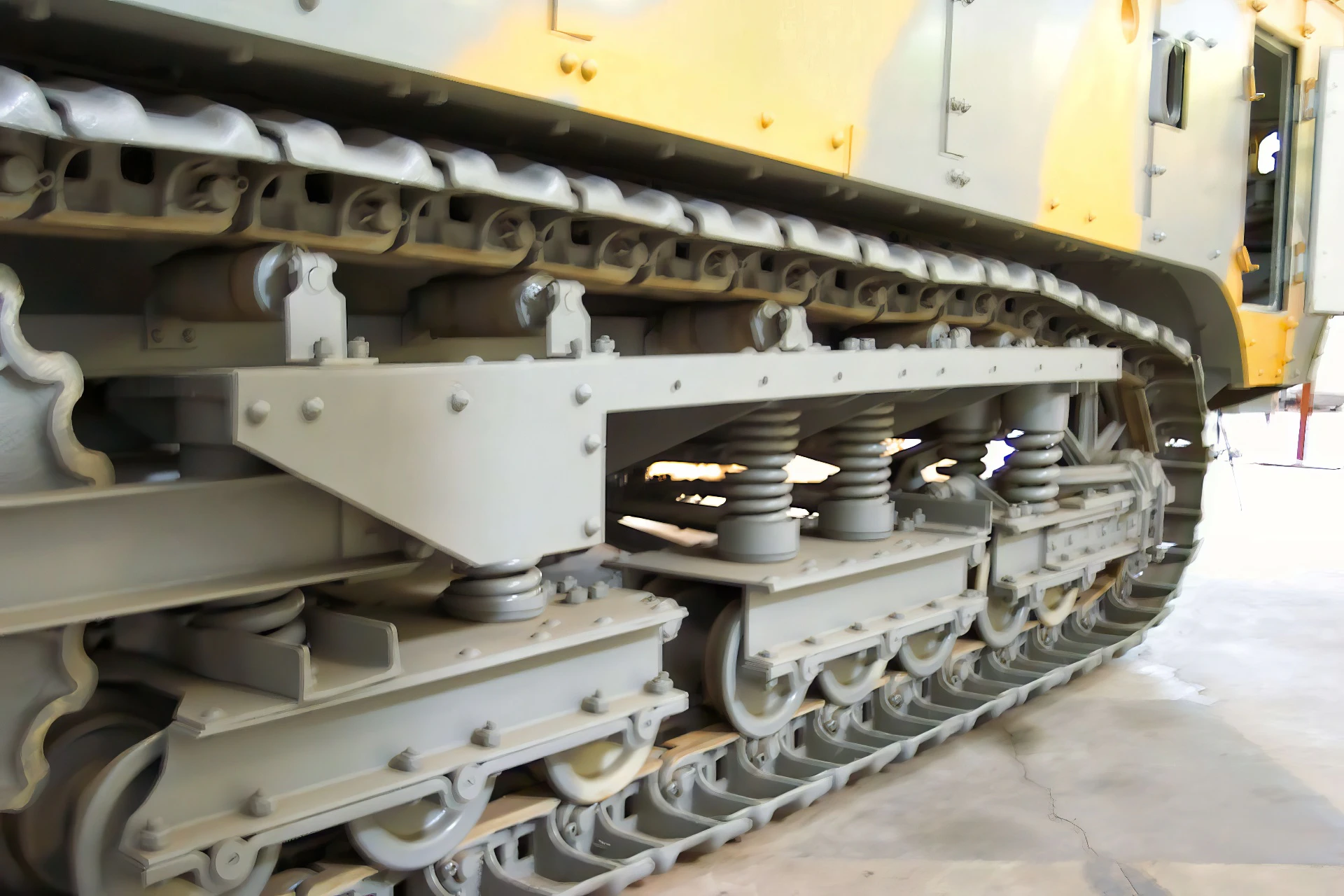
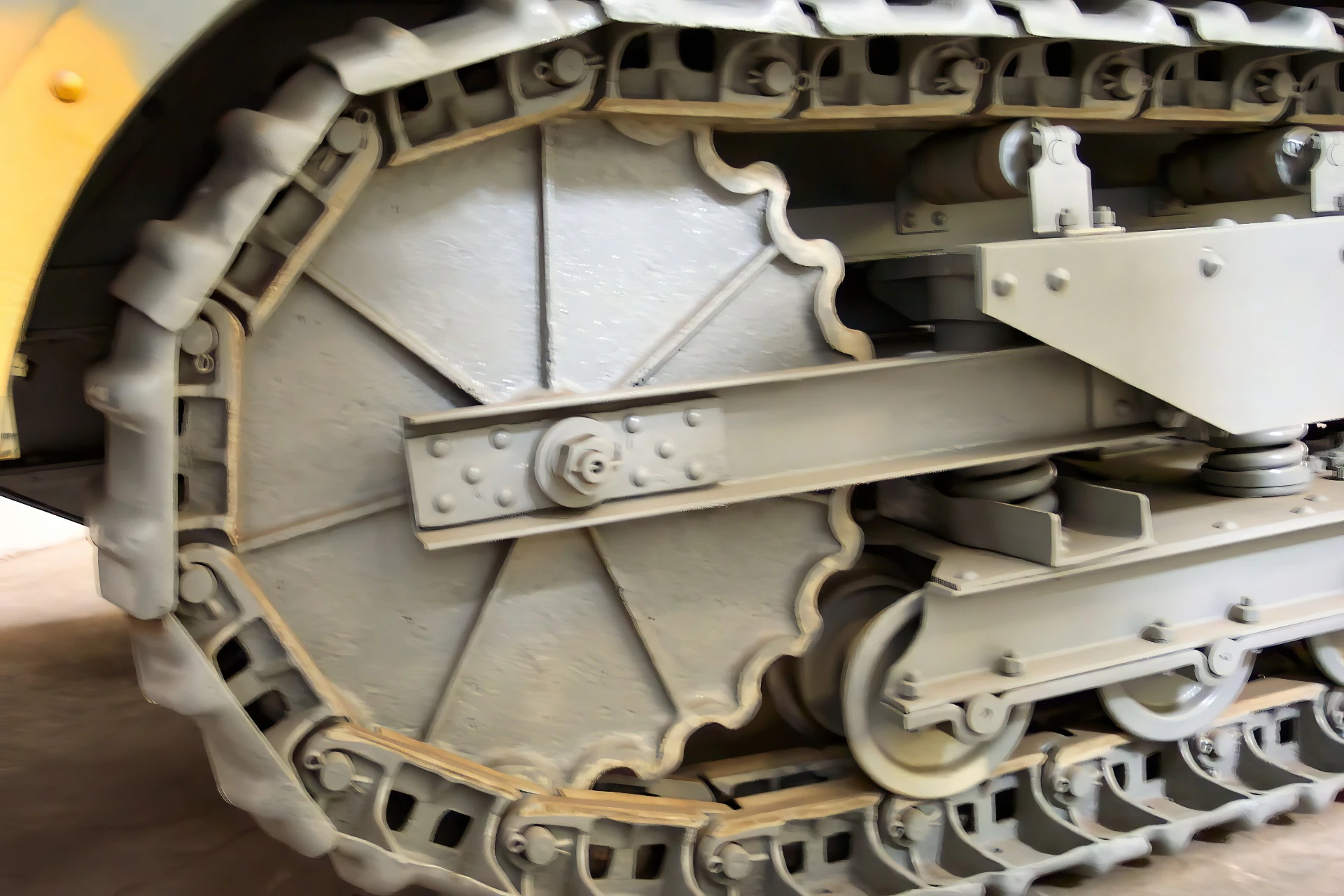
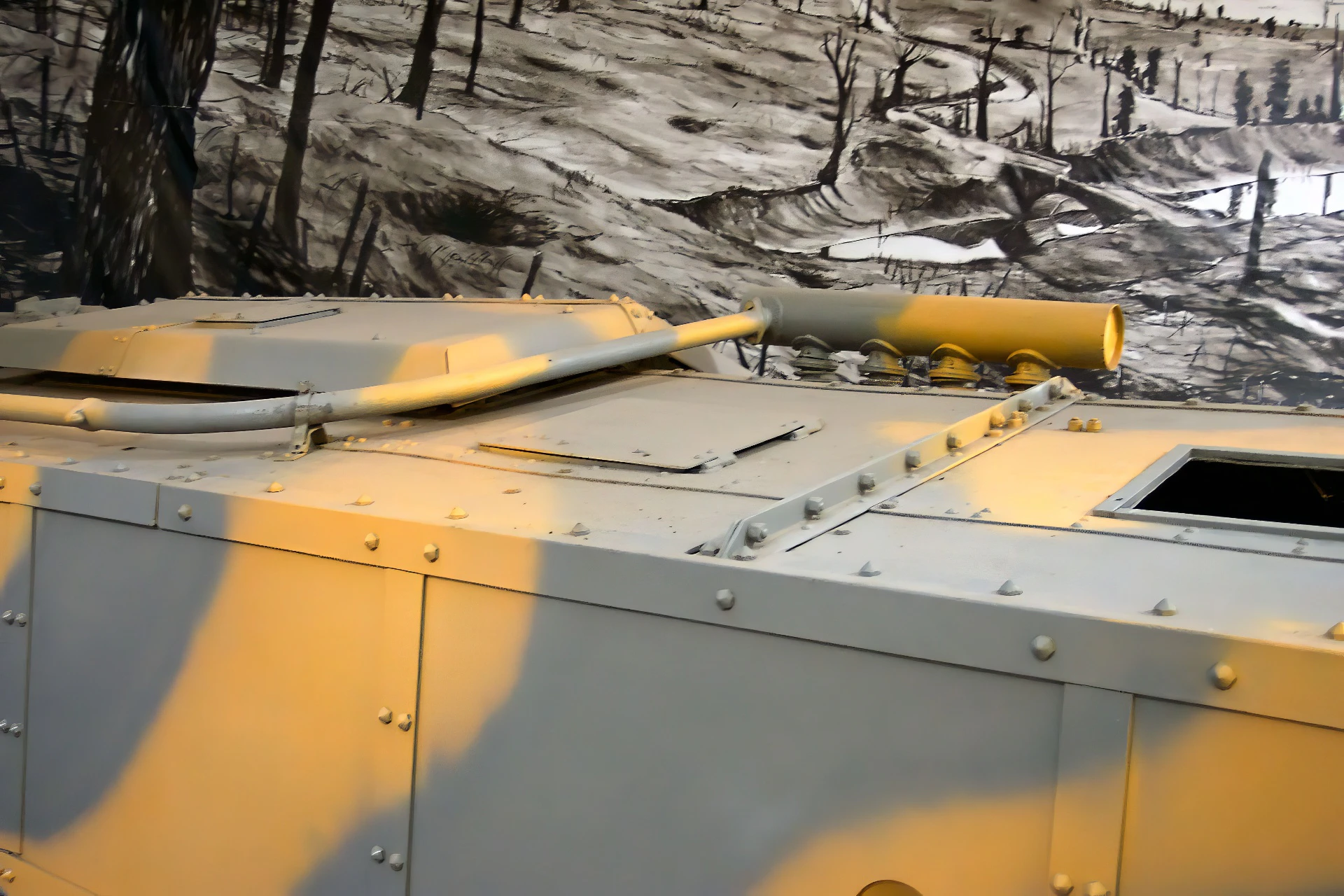
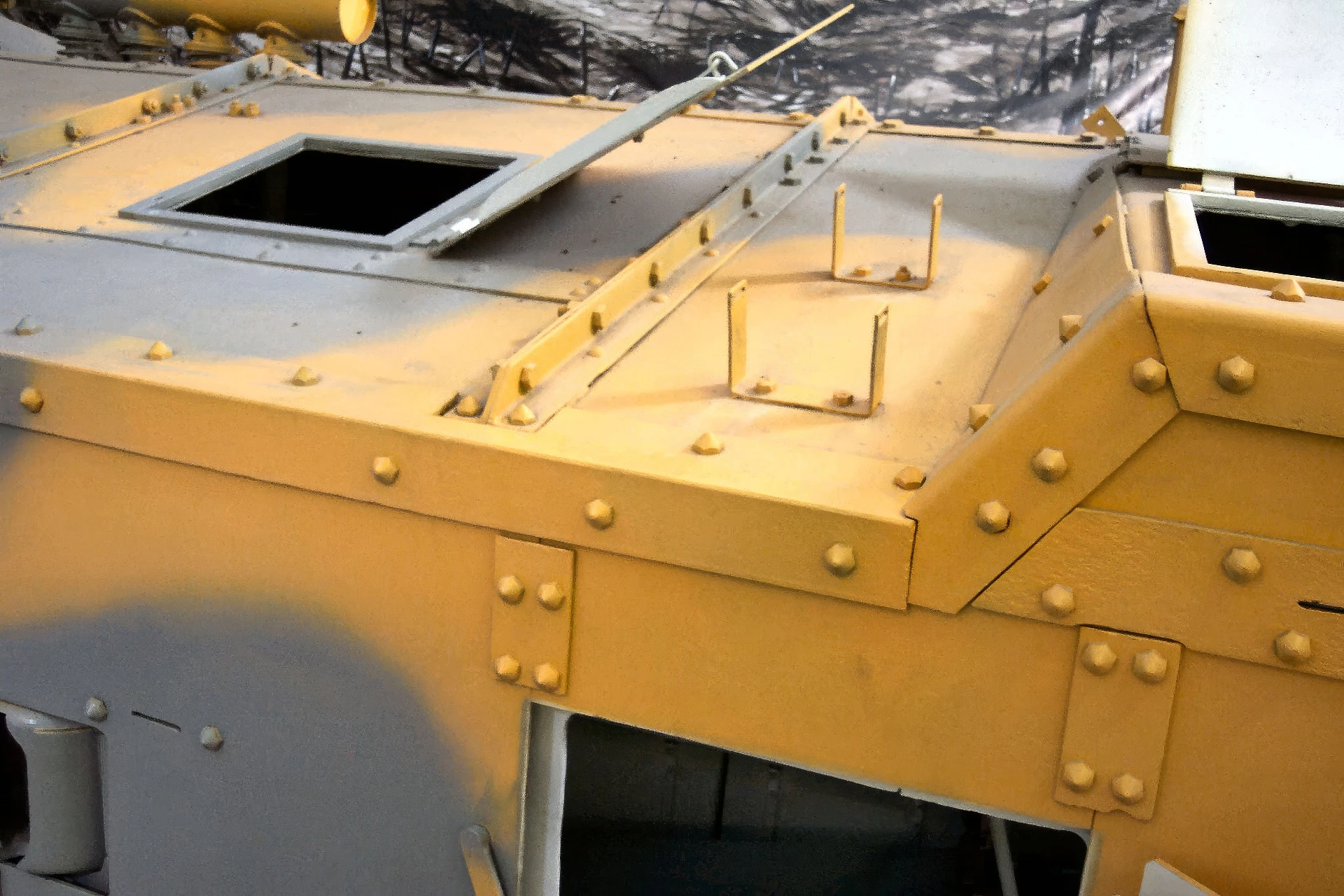
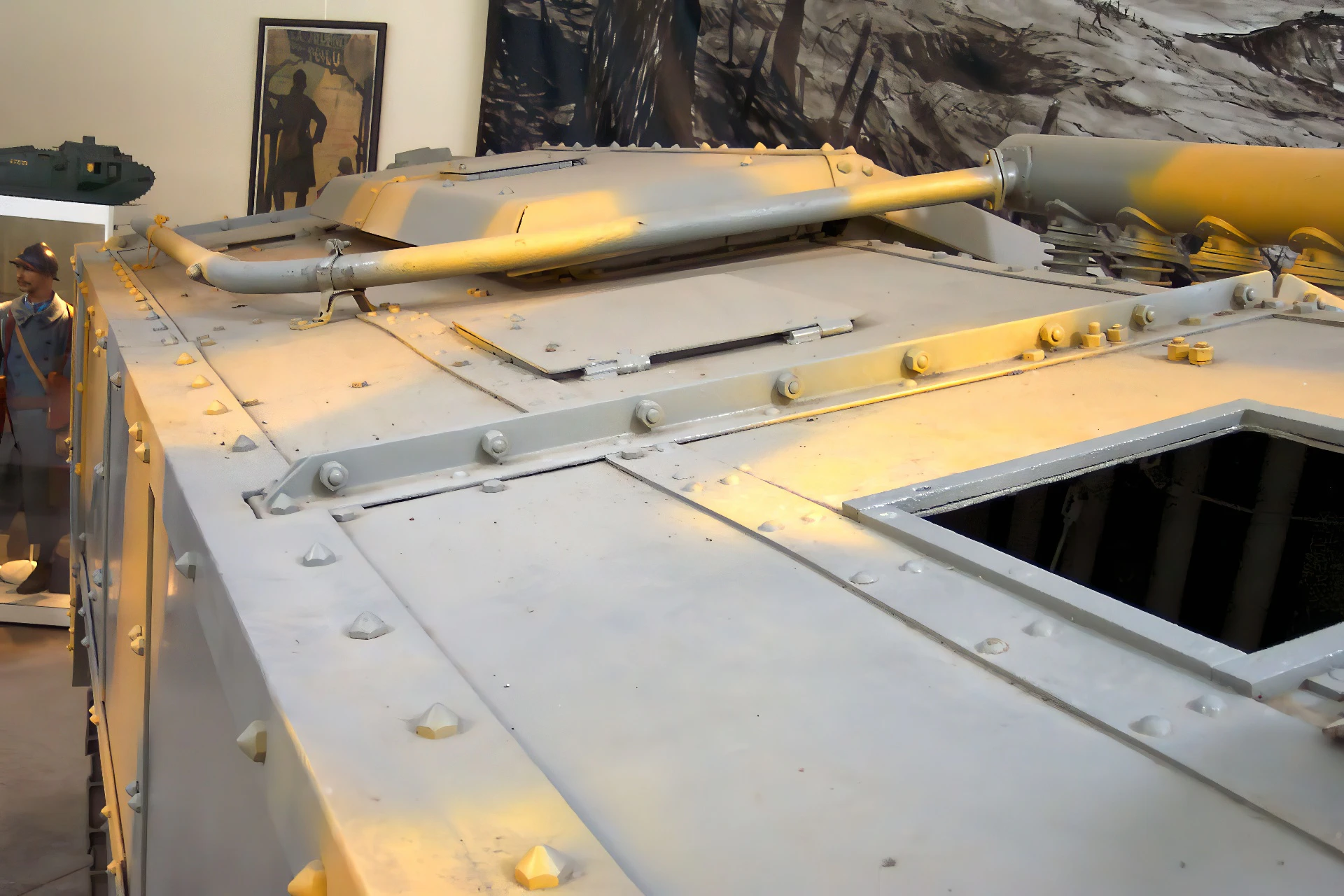
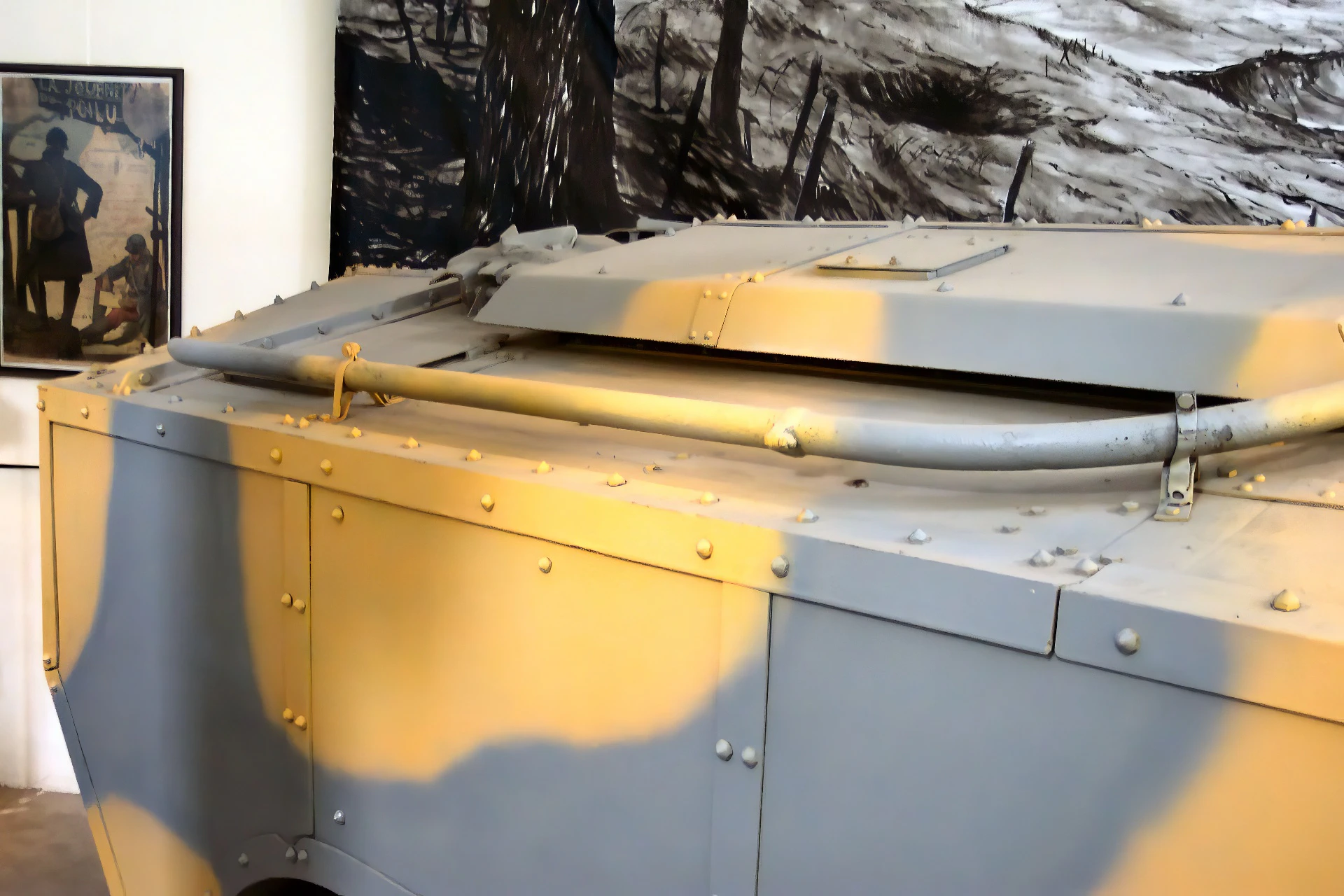

| Saint Chamond – WalkAround | |
|---|---|
| Fotograf | Unknow |
| Lokalizace | Neznámé |
| Fotografie | 47 |
Overview and Context
The Saint-Chamond was the second French heavy assault tank to enter service during World War I, with approximately 400 units produced between 1917 and 1918. Born out of industrial rivalry with the manufacturers of the first French tank (the Schneider CA1), it was an ambitious but deeply flawed design.
Its primary goal was to bring the firepower of a potent artillery piece, the French 75 mm field gun, directly against enemy trenches and fortifications.
Design a specifikace
- Shape and Hull: It had a long, boxy superstructure with significant overhangs at both the front and rear of the vehicle, extending well beyond the relatively short, narrow tracks. This gave it a massive, ungainly silhouette.
- Hlavní výzbroj: A long-barreled 75 mm gun (either the Saint-Chamond L12C TR or the standard Mle 1897 field gun in later versions) was rigidly mounted in the front of the hull, offering only a very limited traverse.
- Secondary Armament: Four 8 mm Hotchkiss machine guns, one mounted in each side (front, rear, left, right).
- Propulsion: The tank used a complex and innovative petrol-electric transmission system (Crochat-Colardeau). A 90 hp Panhard engine drove a generator, which in turn powered two electric motors linked separately to each track. This allowed for smooth steering but was heavy and prone to overheating and mechanical issues.
- Crew: The tank typically required a large crew of eight to nine men.
- Brnění: Initially thin, with maximum armor plating of around 11.5 mm on the front and 8.5 mm on the sides. Later models increased side armor to 17 mm and added a spaced layer to the front to resist German armor-piercing bullets.
Combat Performance and Flaws
Despite its powerful main gun, the Saint-Chamond was plagued by critical operational deficiencies:
- Trench Crossing: The overly long hull combined with the relatively short track length and heavy forward weight caused the tank’s nose to violently dig into the ground or get irrevocably stuck in trenches and shell craters, making it notoriously poor for traversing the scarred terrain of the Western Front.
- Underpowered: The 90 hp engine was inadequate for the tank’s operational weight of around 23 metric tons, severely limiting its cross-country speed and agility (top speed was only about 8-12 km/h).
- Vulnerable: Its thin side armor left the crew vulnerable to heavy machine gun fire, a major issue that was only partially addressed in late-production models.
The Saint-Chamond remained in service until late 1918, mostly performing as a samonápohobné dělo or being converted into unarmed supply/recovery vehicles, as it was eventually superseded by the more reliable and tactically superior Renault FT light tank and imported British heavy tanks.
Počet zobrazení: 4461
Můžete také vidět:
 Schneider CA1 – Fotografie & Videa
 Tank M14/41 – Fotografie a videa
 Batignolles-Chatillon Char 25T - Fotografie & Videa
 EE-T1 Osório – Fotografie & Videa
 Lehký tank Mk VI – Fotografie a videa
 Tank Churchill – Fotografie a video
 Tiran 4 – Fotografie & Video
 M47 Patton – Procházka
 T-38 – Procházka
 Kometa – Procházka kolem