세인트 차몬드 | |
|---|---|
| 국가 | 프랑스 |
| 형식 | 중형 전차 |
| 미사 | 23 톤 |
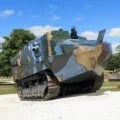
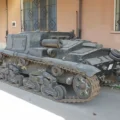
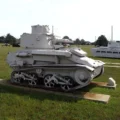
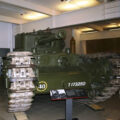
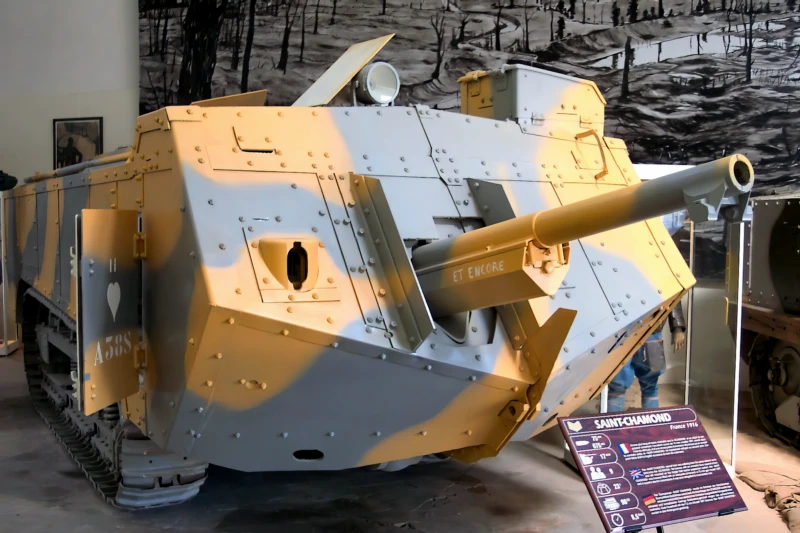
Tthe 생 차몬드 제 1 차 세계 대전의 두 번째 프랑스 중전차였으며 1917 년 4 월부터 1918 년 7 월까지 400 대가 생산되었습니다. 오늘날의 정의에 의한 탱크는 아니지만, 일반적으로 초기 탱크 개발의 설명에서 그러한 것으로 받아 들여지고 설명됩니다. 슈나이더 CA1 전차 제조사들과 기존의 상업적 경쟁에서 태어난 생차몬드는 전력이 부족하고 근본적으로 부적절한 디자인이었습니다. 그것의 주요 약점은 홀트 "애벌레"트랙이었습니다. 그들은 차량의 길이와 무거운 무게 (23 톤)와 관련하여 너무 짧았습니다. 그러나 이후 모델은 더 넓고 강한 트랙 슈즈, 두꺼운 정면 갑옷 및보다 효과적인 75mm Mle 1897 필드 건을 설치하여 탱크의 원래 결함 중 일부를 수정하려고 시도했습니다. 48대의 비무장 카이슨 전차를 포함해 총 400대의 생차몬드 전차가 건설되었다. Saint-Chamond 탱크는 1918 년 늦여름까지 다양한 행동에 종사했으며, 전투가 참호에서 벗어나 열린 땅으로 옮겨 졌기 때문에 뒤늦게 더 효과적이되었습니다. 그러나 결국 생차몬드 전차는 수입된 영국 중전차로 완전히 대체될 예정이었다.
| Saint Chamond – WalkAround | |
|---|---|
| 사진 작가 | Unknow |
| 로컬라이제이션 | Unknow |
| 사진 | 68 |
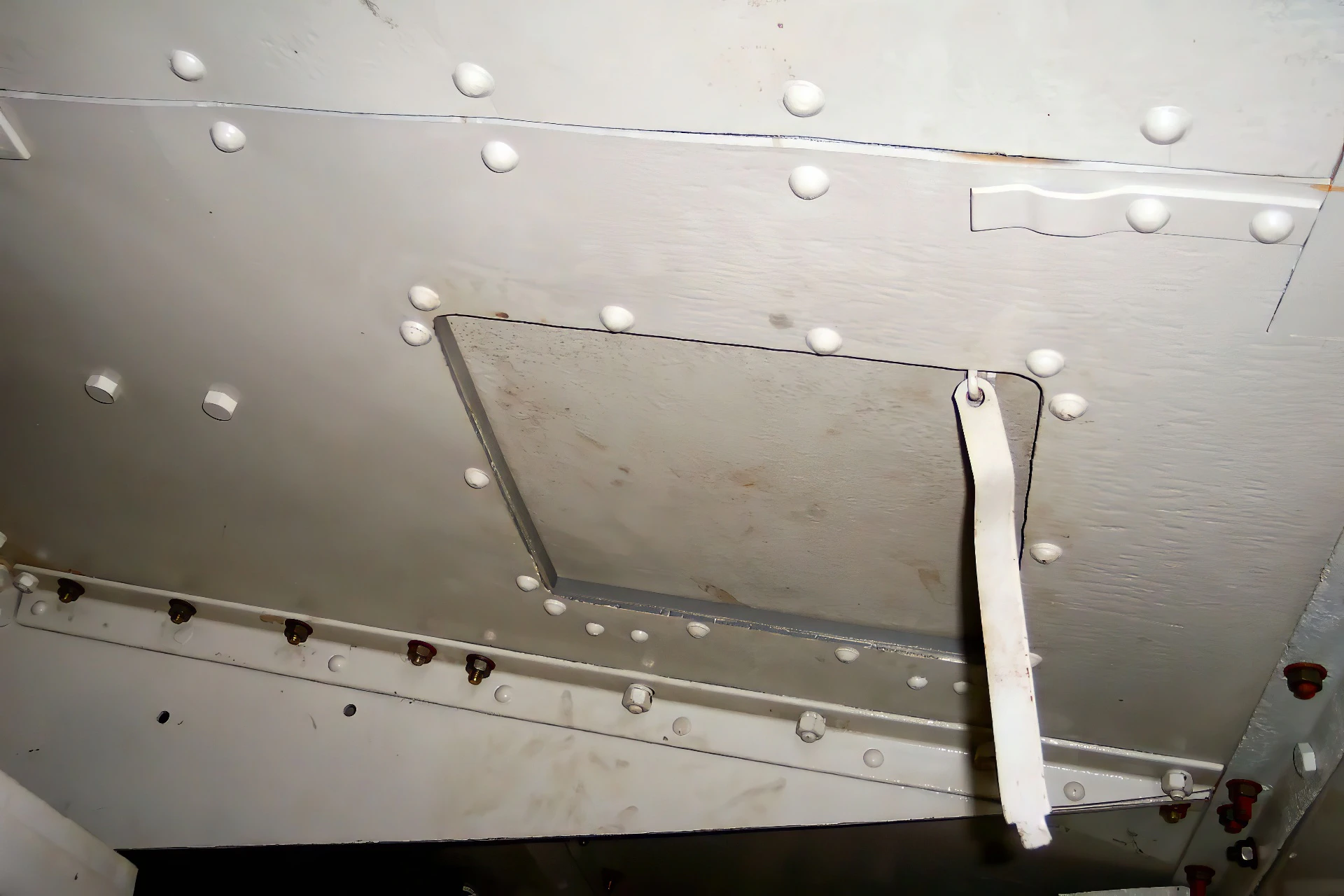
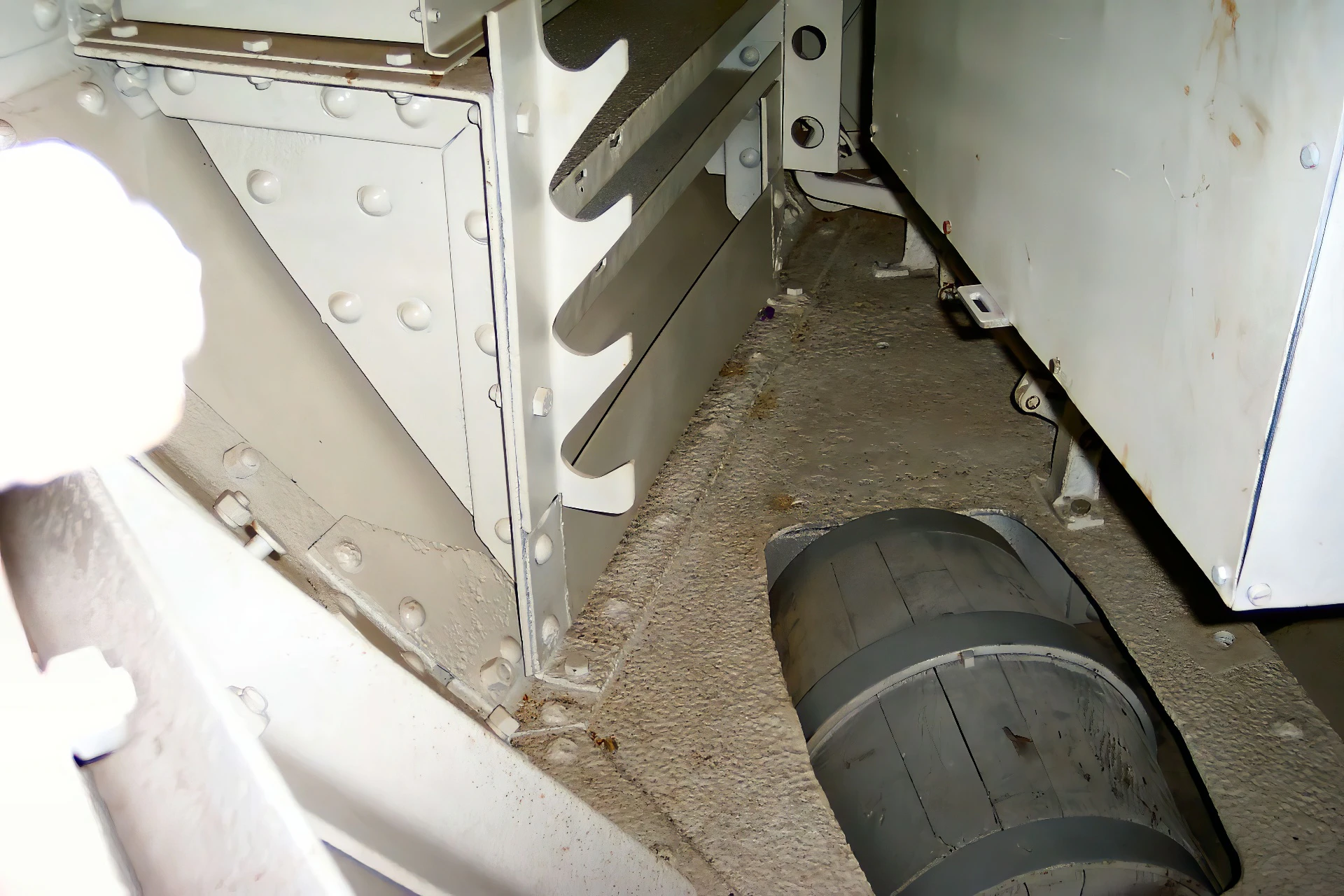
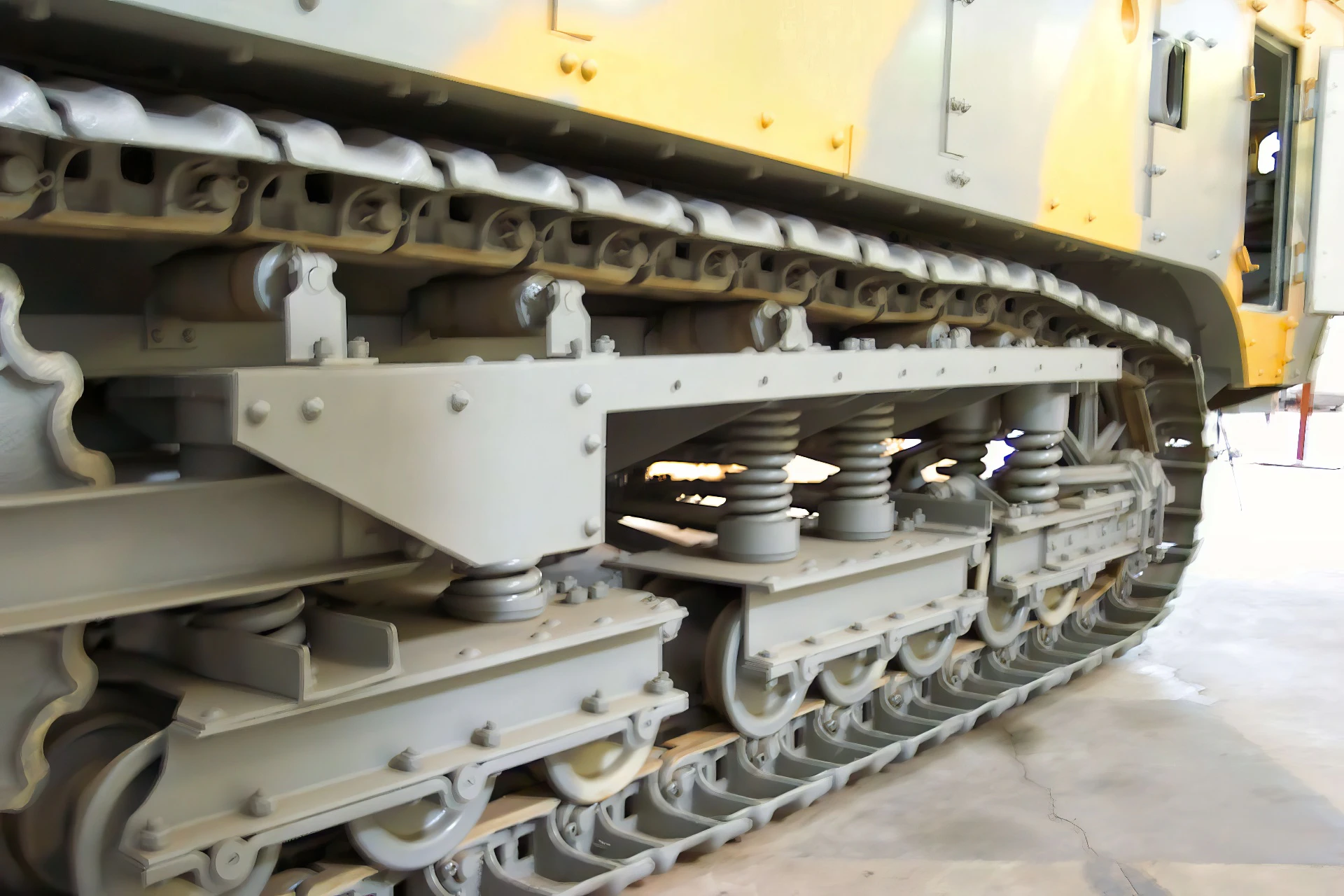
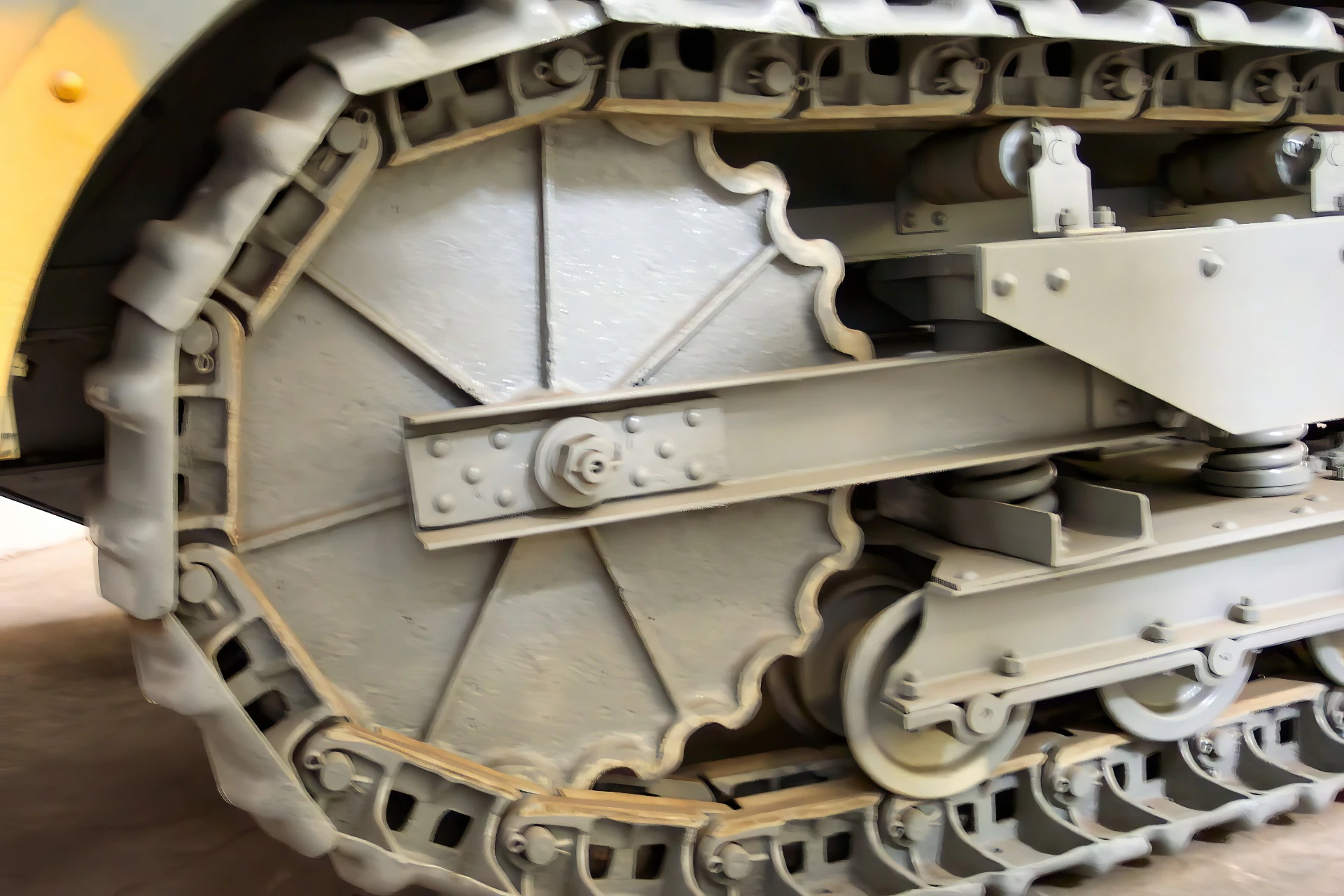
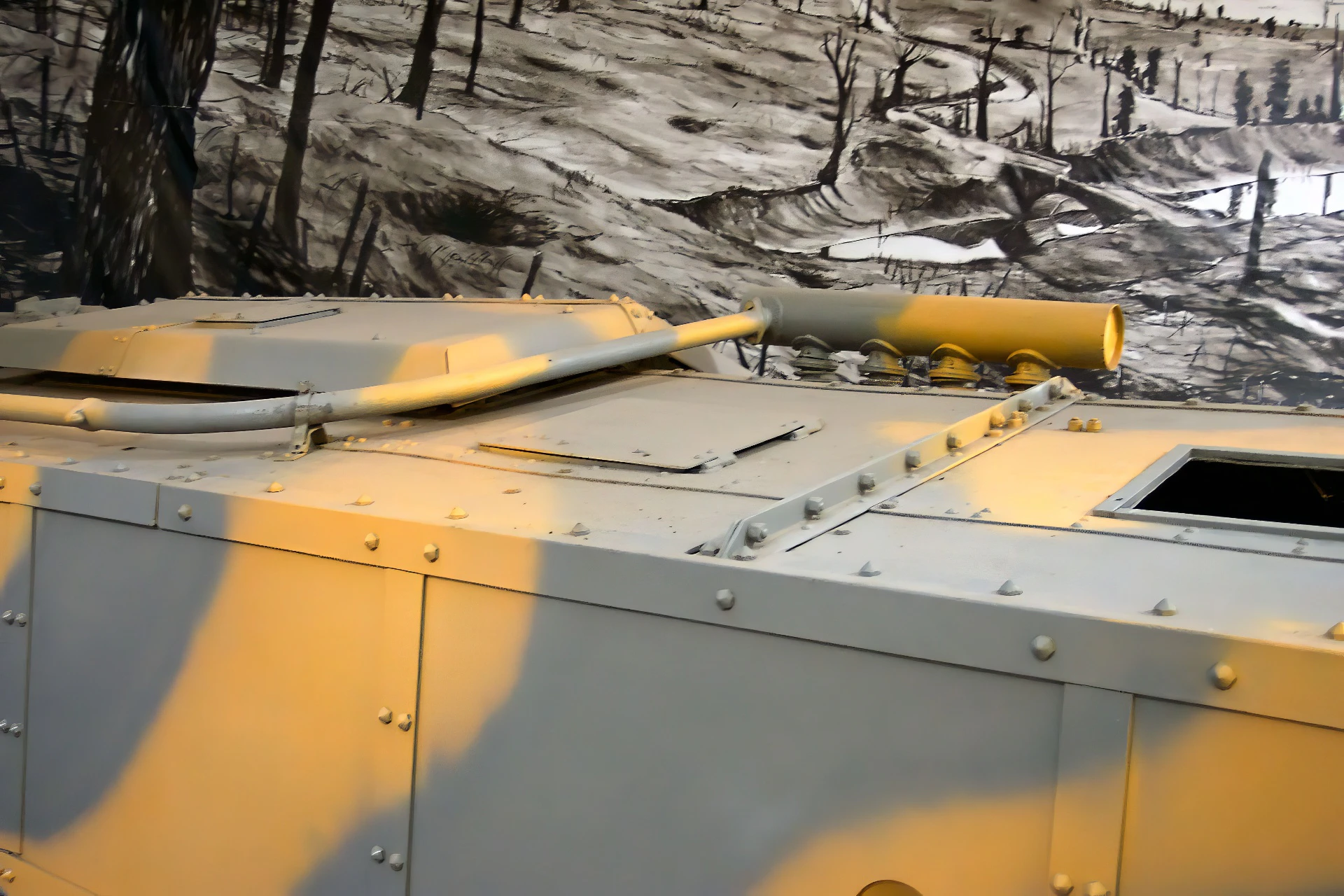
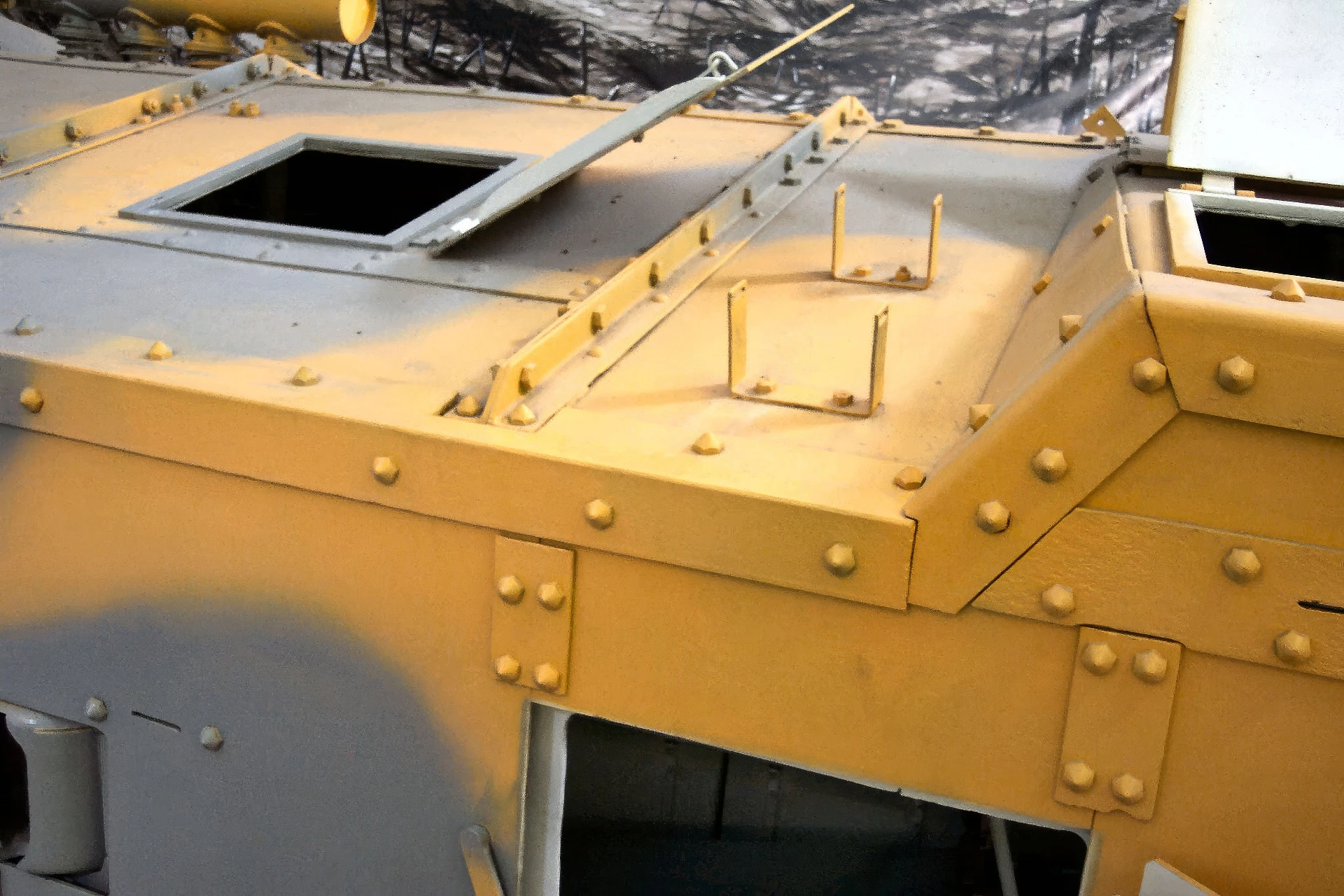
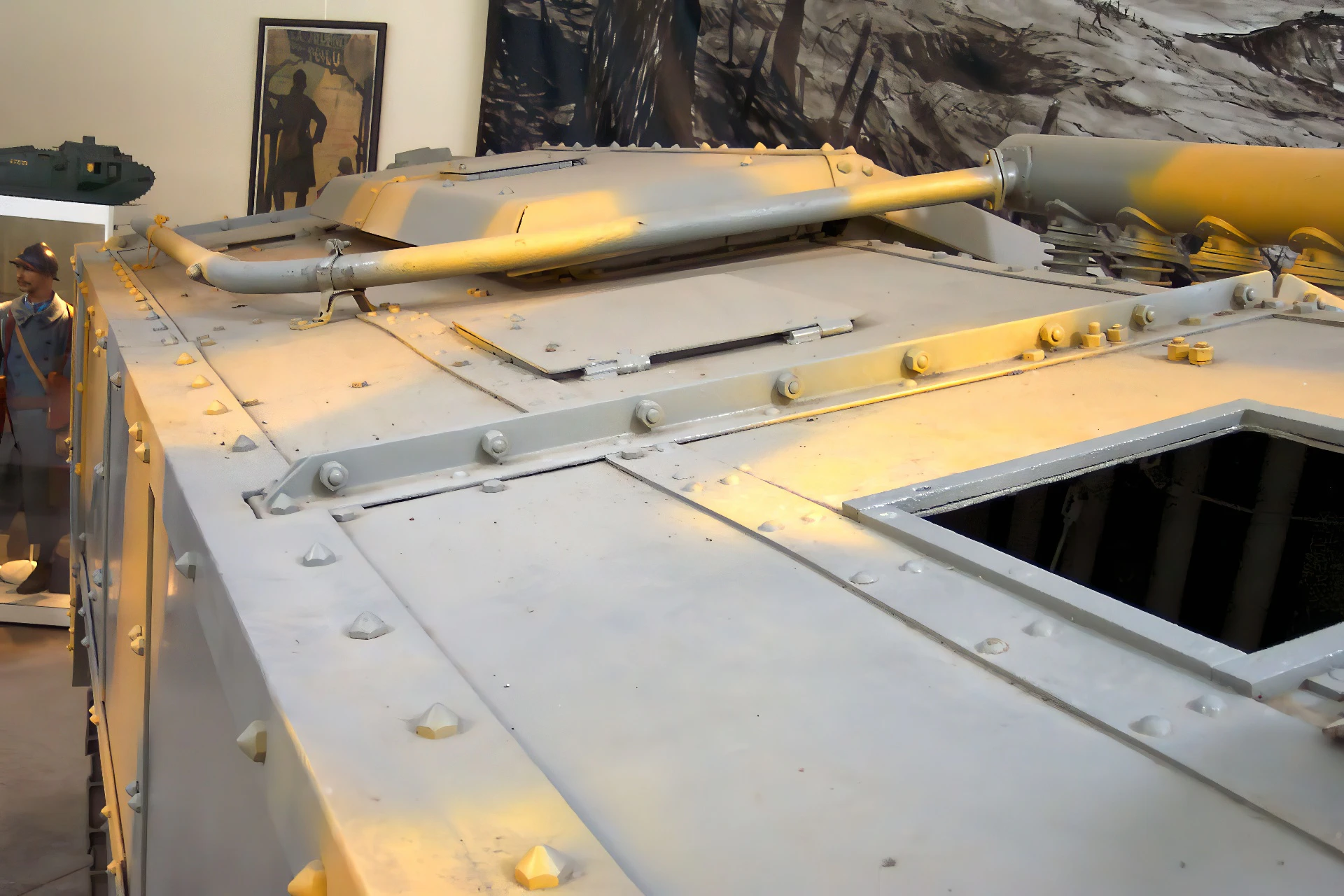
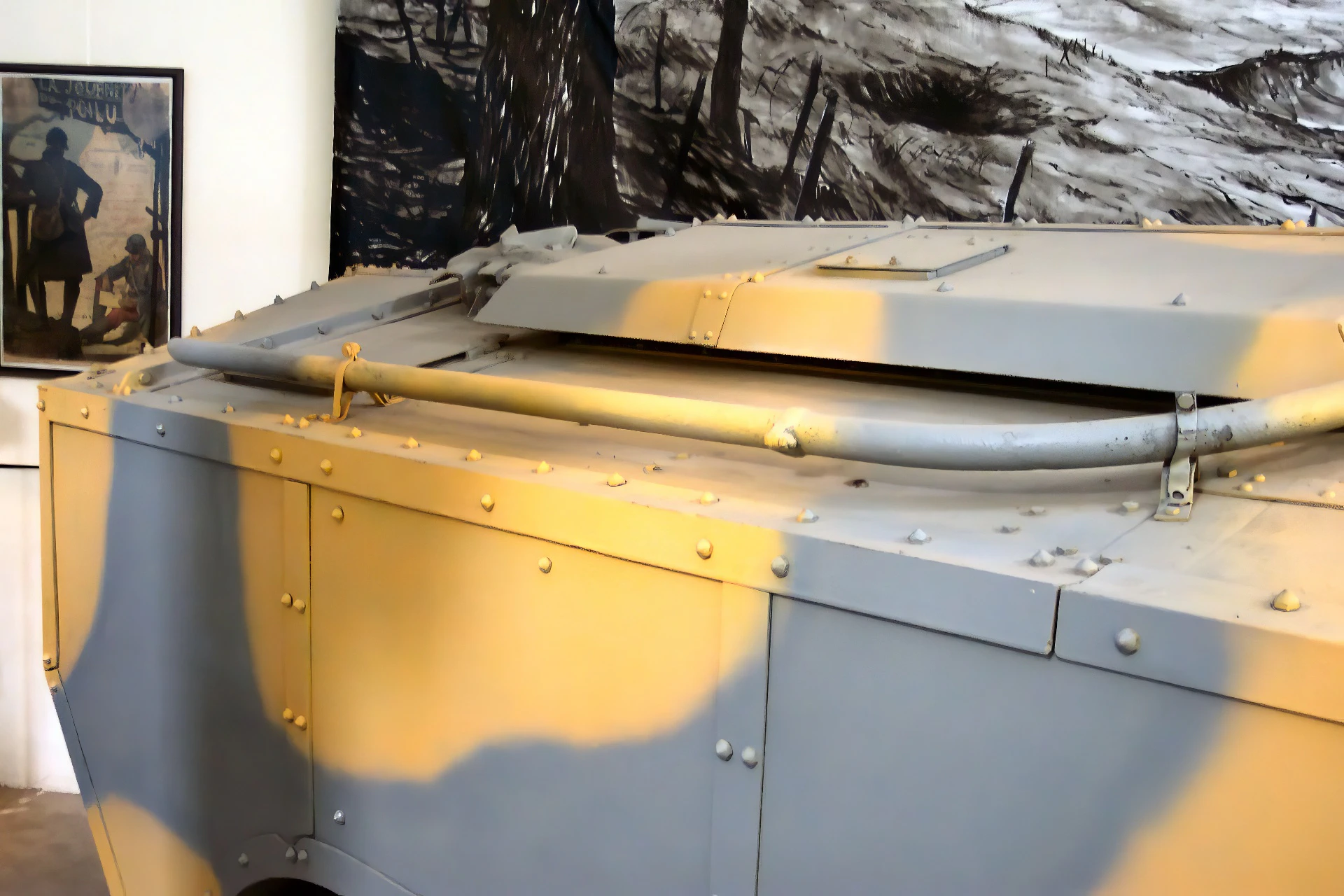

| Saint Chamond – WalkAround | |
|---|---|
| 사진 작가 | Unknow |
| 로컬라이제이션 | Unknow |
| 사진 | 47 |
Overview and Context
The Saint-Chamond was the second French heavy assault tank to enter service during World War I, with approximately 400 units produced between 1917 and 1918. Born out of industrial rivalry with the manufacturers of the first French tank (the Schneider CA1), it was an ambitious but deeply flawed design.
Its primary goal was to bring the firepower of a potent artillery piece, the French 75 mm field gun, directly against enemy trenches and fortifications.
Design and Specifications
- Shape and Hull: It had a long, boxy superstructure with significant overhangs at both the front and rear of the vehicle, extending well beyond the relatively short, narrow tracks. This gave it a massive, ungainly silhouette.
- 주무장: A long-barreled 75 mm gun (either the Saint-Chamond L12C TR or the standard Mle 1897 field gun in later versions) was rigidly mounted in the front of the hull, offering only a very limited traverse.
- Secondary Armament: Four 8 mm Hotchkiss machine guns, one mounted in each side (front, rear, left, right).
- Propulsion: The tank used a complex and innovative petrol-electric transmission system (Crochat-Colardeau). A 90 hp Panhard engine drove a generator, which in turn powered two electric motors linked separately to each track. This allowed for smooth steering but was heavy and prone to overheating and mechanical issues.
- Crew: The tank typically required a large crew of eight to nine men.
- Armor: Initially thin, with maximum armor plating of around 11.5 mm on the front and 8.5 mm on the sides. Later models increased side armor to 17 mm and added a spaced layer to the front to resist German armor-piercing bullets.
Combat Performance and Flaws
Despite its powerful main gun, the Saint-Chamond was plagued by critical operational deficiencies:
- Trench Crossing: The overly long hull combined with the relatively short track length and heavy forward weight caused the tank’s nose to violently dig into the ground or get irrevocably stuck in trenches and shell craters, making it notoriously poor for traversing the scarred terrain of the Western Front.
- Underpowered: The 90 hp engine was inadequate for the tank’s operational weight of around 23 metric tons, severely limiting its cross-country speed and agility (top speed was only about 8-12 km/h).
- Vulnerable: Its thin side armor left the crew vulnerable to heavy machine gun fire, a major issue that was only partially addressed in late-production models.
The Saint-Chamond remained in service until late 1918, mostly performing as a 자추진 총 or being converted into unarmed supply/recovery vehicles, as it was eventually superseded by the more reliable and tactically superior Renault FT light tank and imported British heavy tanks.
Views : 4478