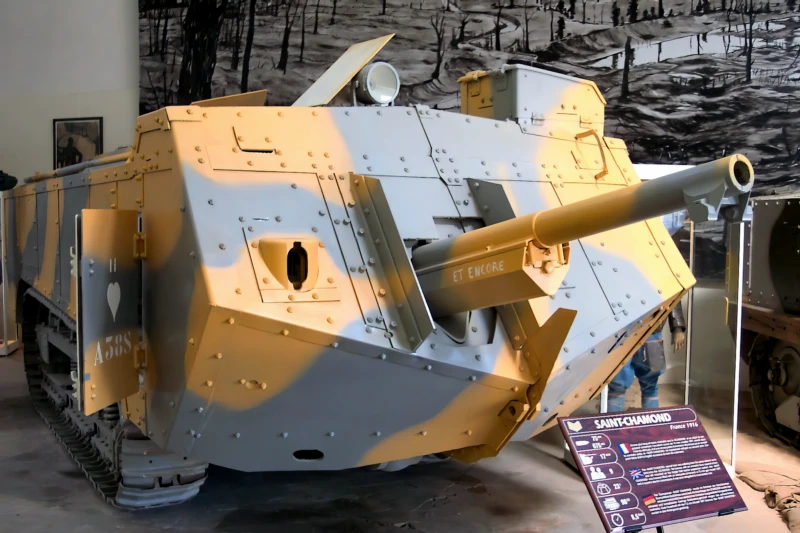
Сен-Чамонд | |
|---|---|
| Країні | Франція |
| Тип | Середній танк |
| Масового | 23 тонни |
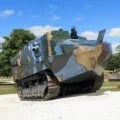
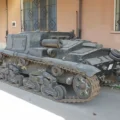
У 201 Сен-Шамонд був другим французьким важким танком Першої світової війни, з квітня 1917 по липень 1918 року було випущено 400 одиниць. Хоча за сучасним визначенням він не є танком, він загальноприйнятий і описується як такий у звітах про ранній розвиток танків. Народжений комерційним суперництвом, що існувало з виробниками танка Schneider CA1, Saint-Chamond був малопотужною і принципово неадекватною конструкцією. Його головною слабкістю були гусениці Холта. Вони були занадто короткими по відношенню до довжини машини і великої ваги (23 тонни). Пізніші моделі, однак, намагалися виправити деякі початкові недоліки танка, встановивши ширші та міцніші гусеничні черевики, товстішу лобову броню та більш ефективну 75-мм польову гармату Mle 1897. Всього було побудовано 400 танків Saint-Chamond, в тому числі 48 неозброєних танків Caisson. Танки «Сен-Шамон» продовжували брати участь у різних діях до кінця літа 1918 року, із запізненням ставши більш ефективними, оскільки бойові дії перемістилися з траншей на відкриту місцевість. Однак в кінцевому підсумку танки Saint-Chamond планувалося повністю замінити імпортними британськими важкими танками.
Джерело: Святий Шамонд на Укіпедії
| Saint Chamond – WalkAround | |
|---|---|
| Фотограф | Unknow |
| Локалізацією | Незнай |
| Фото | 68 |
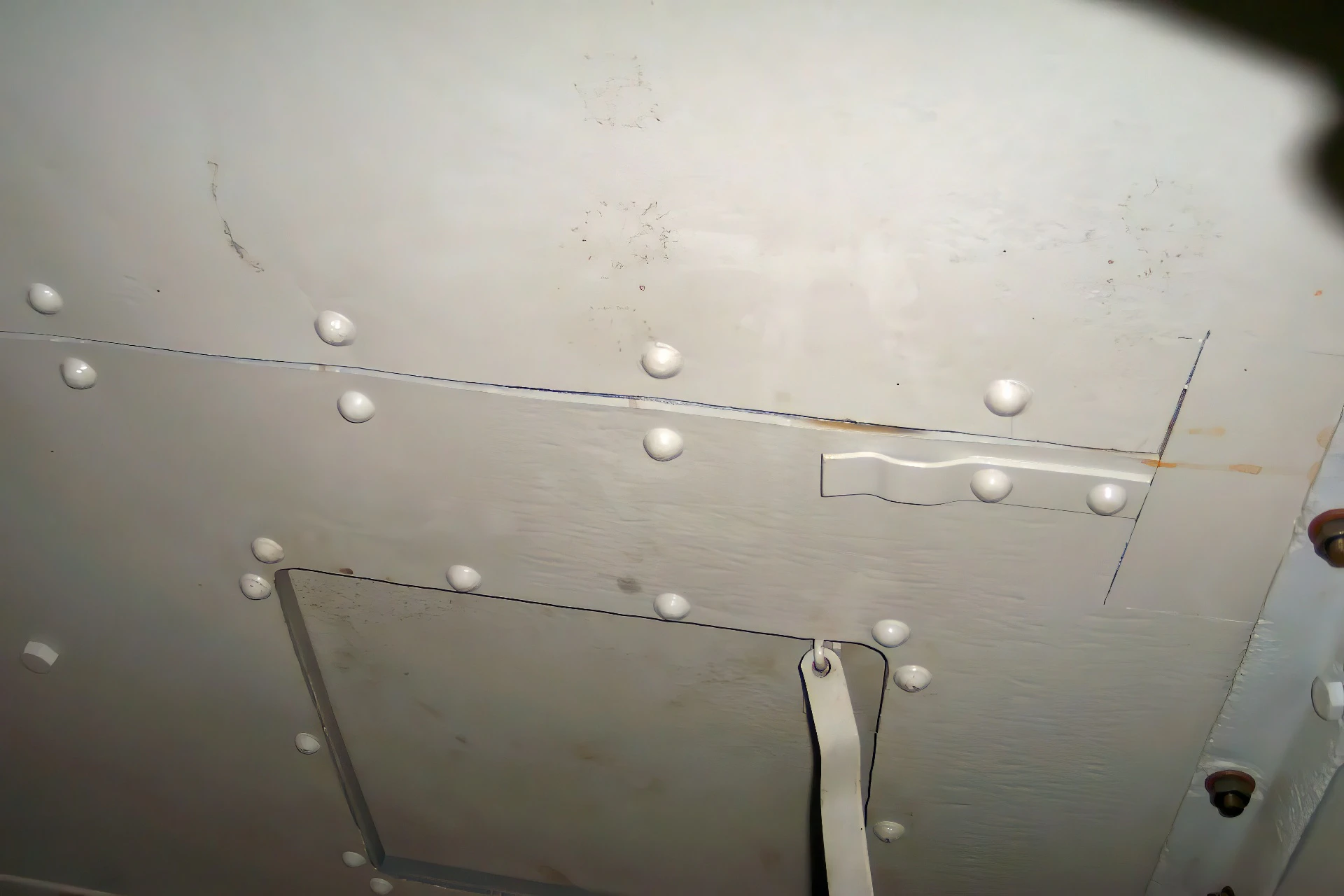
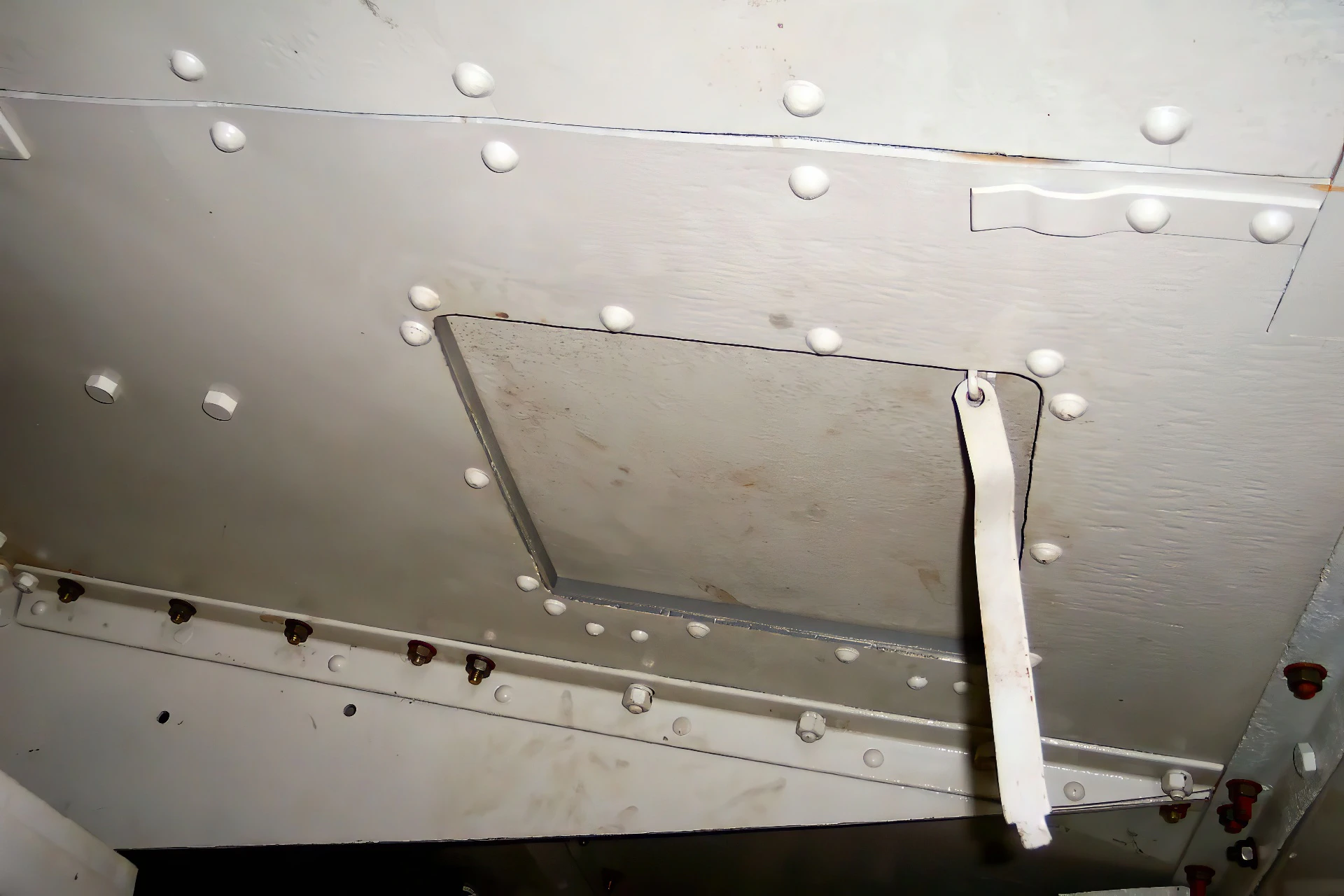
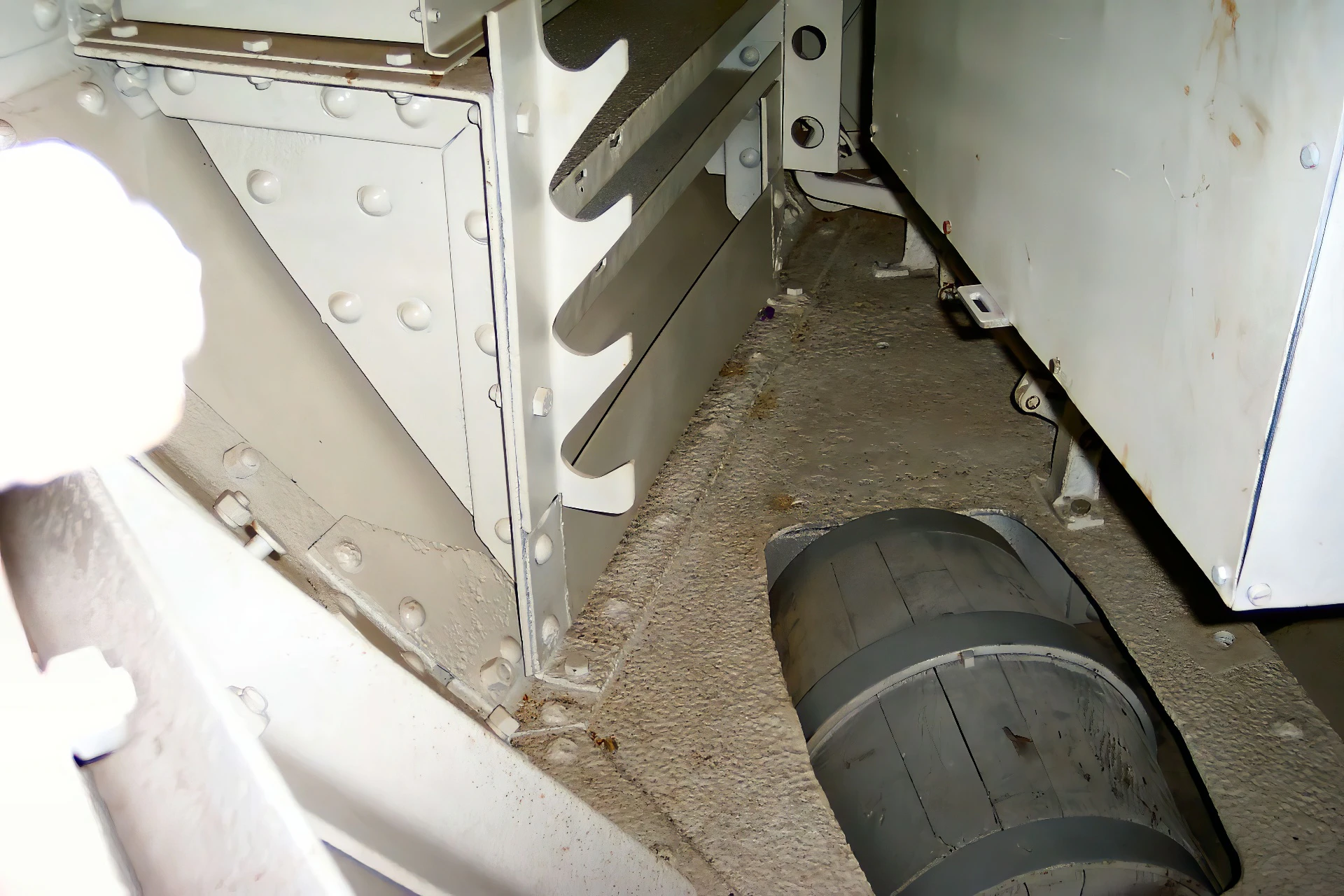
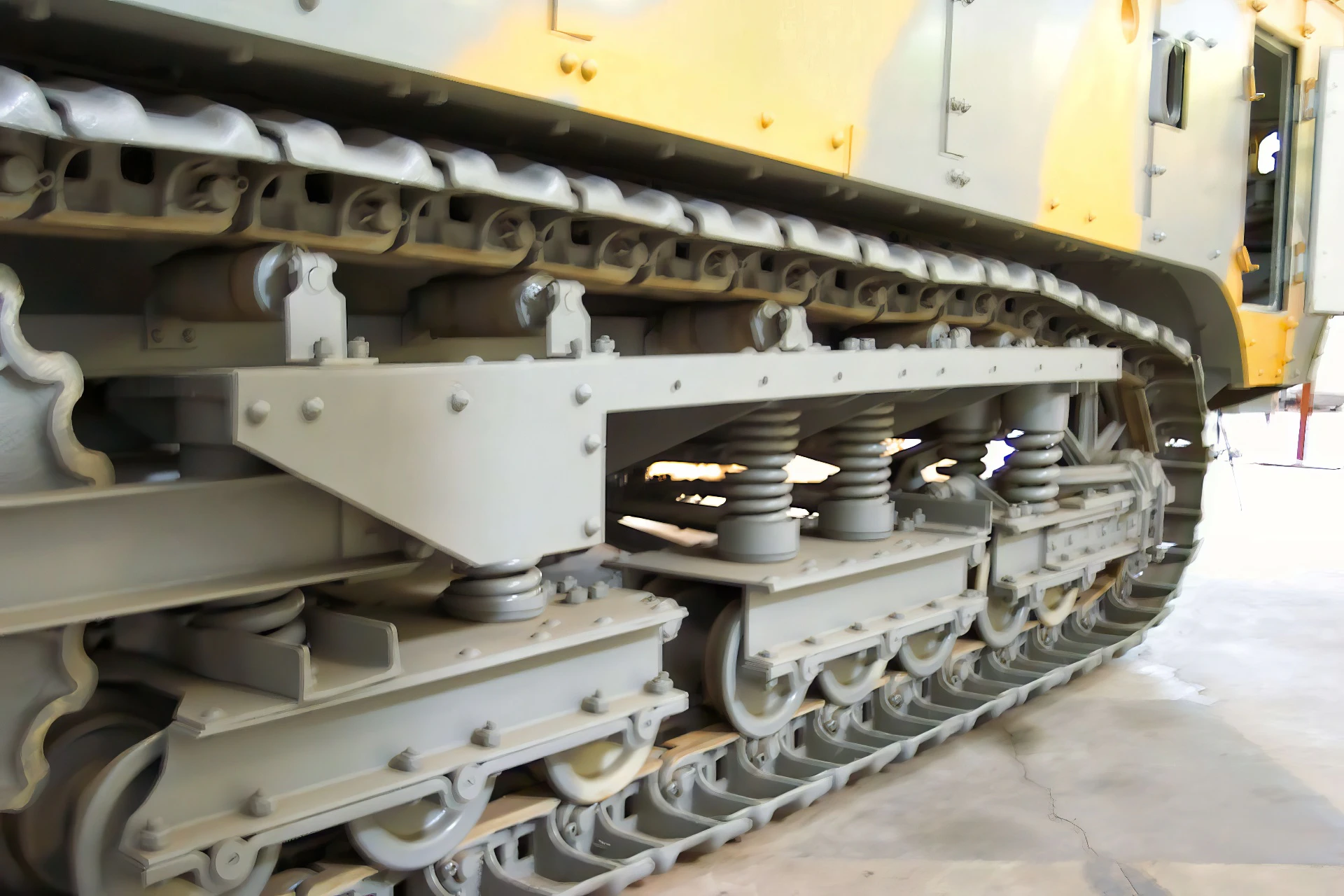
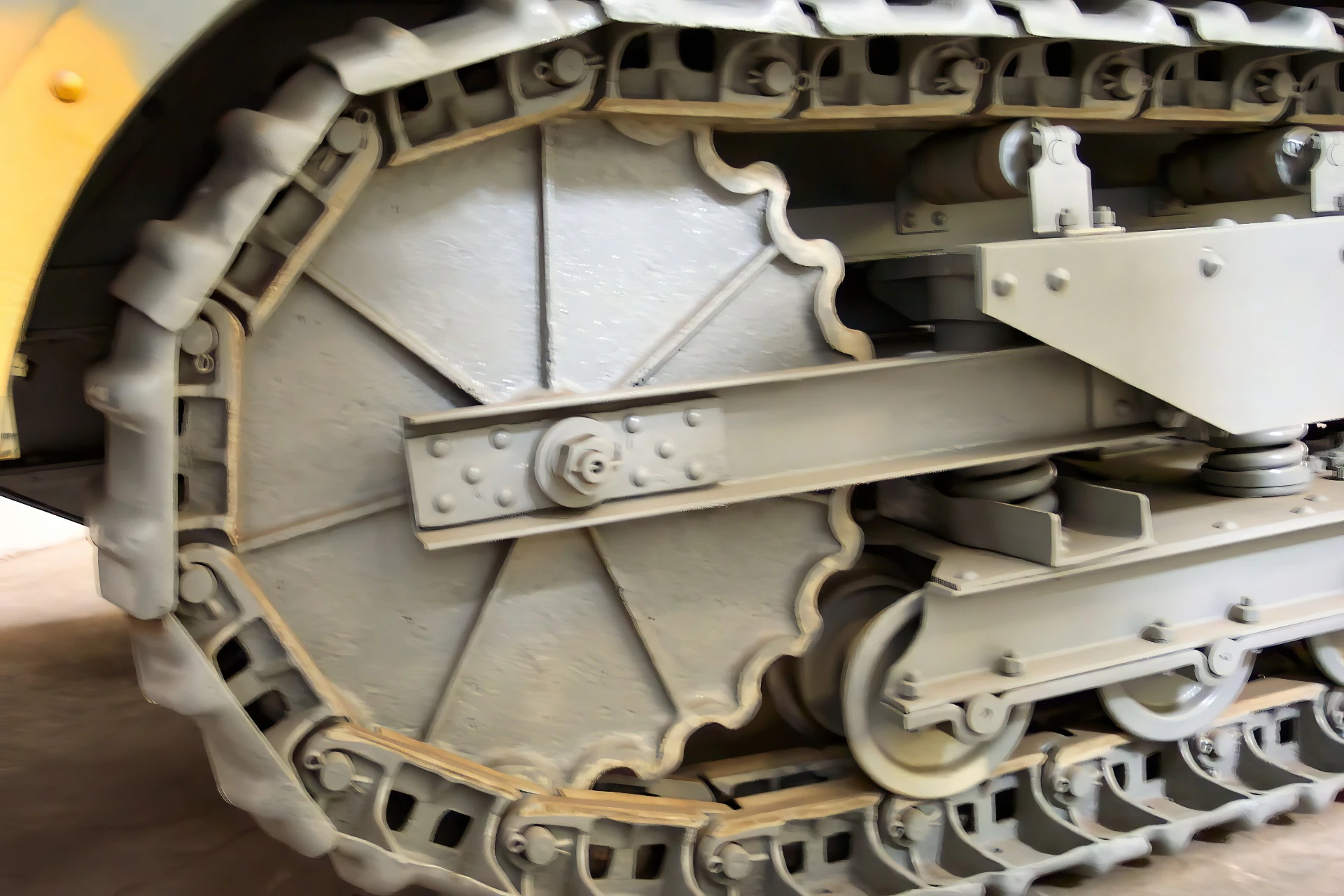
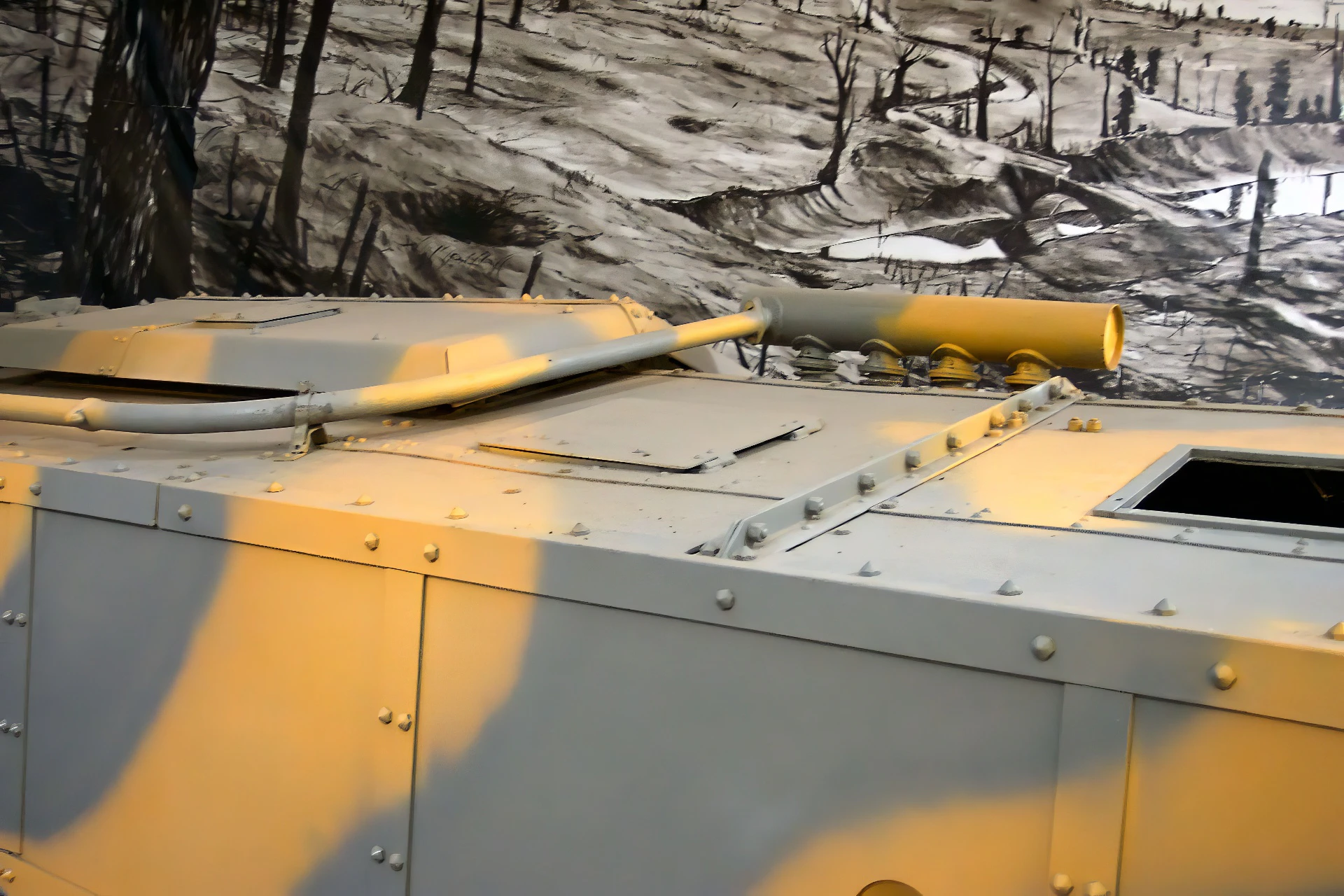
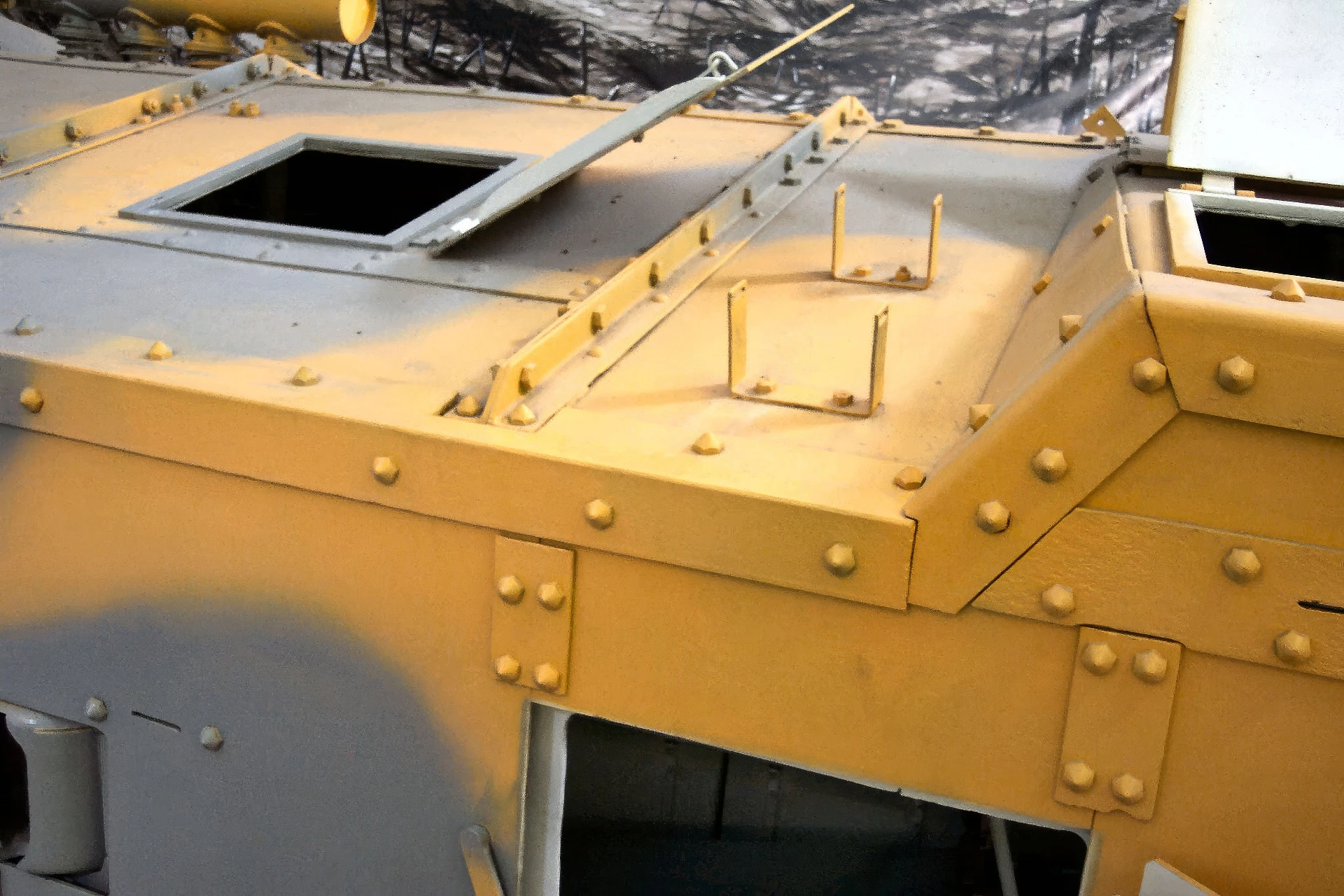
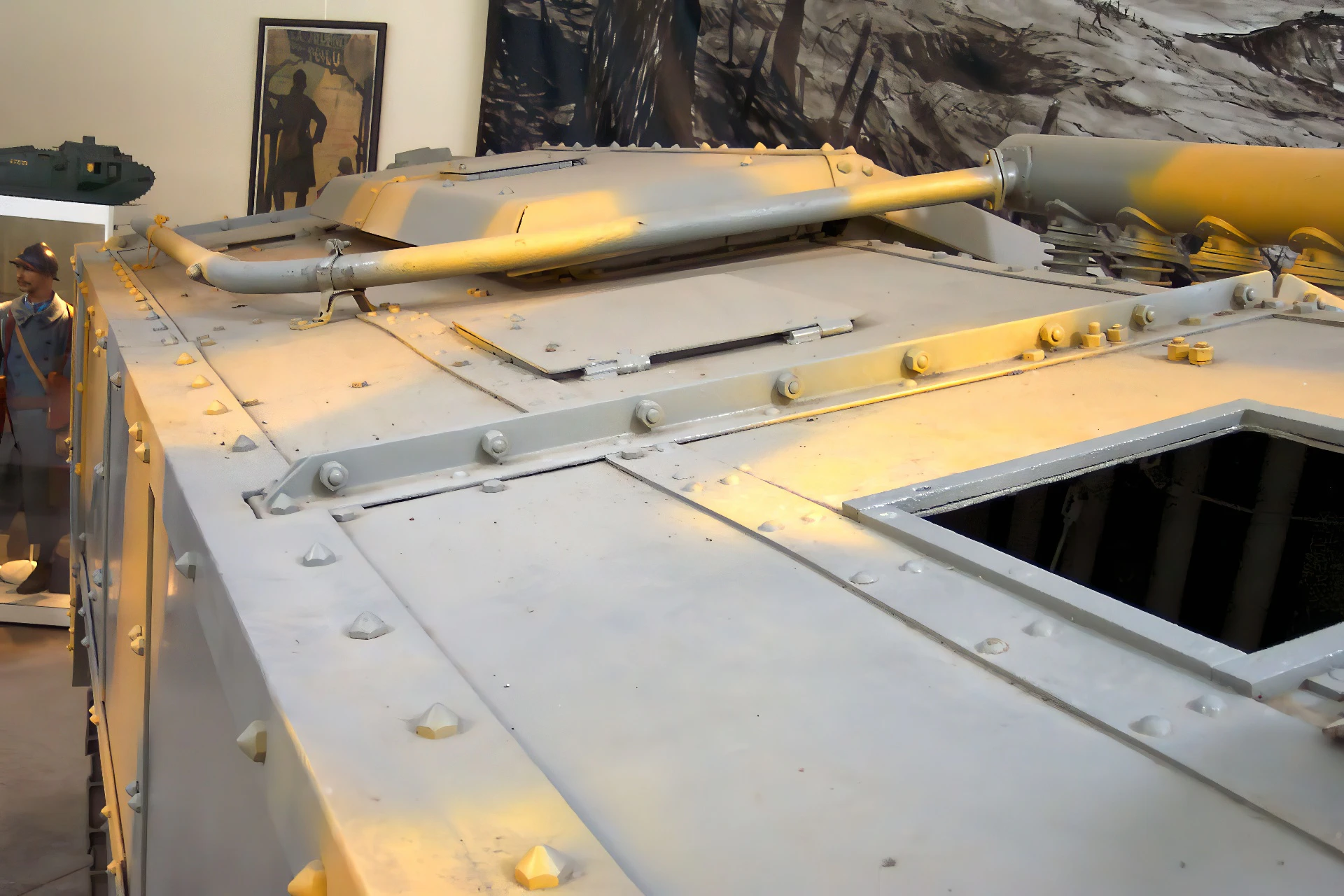
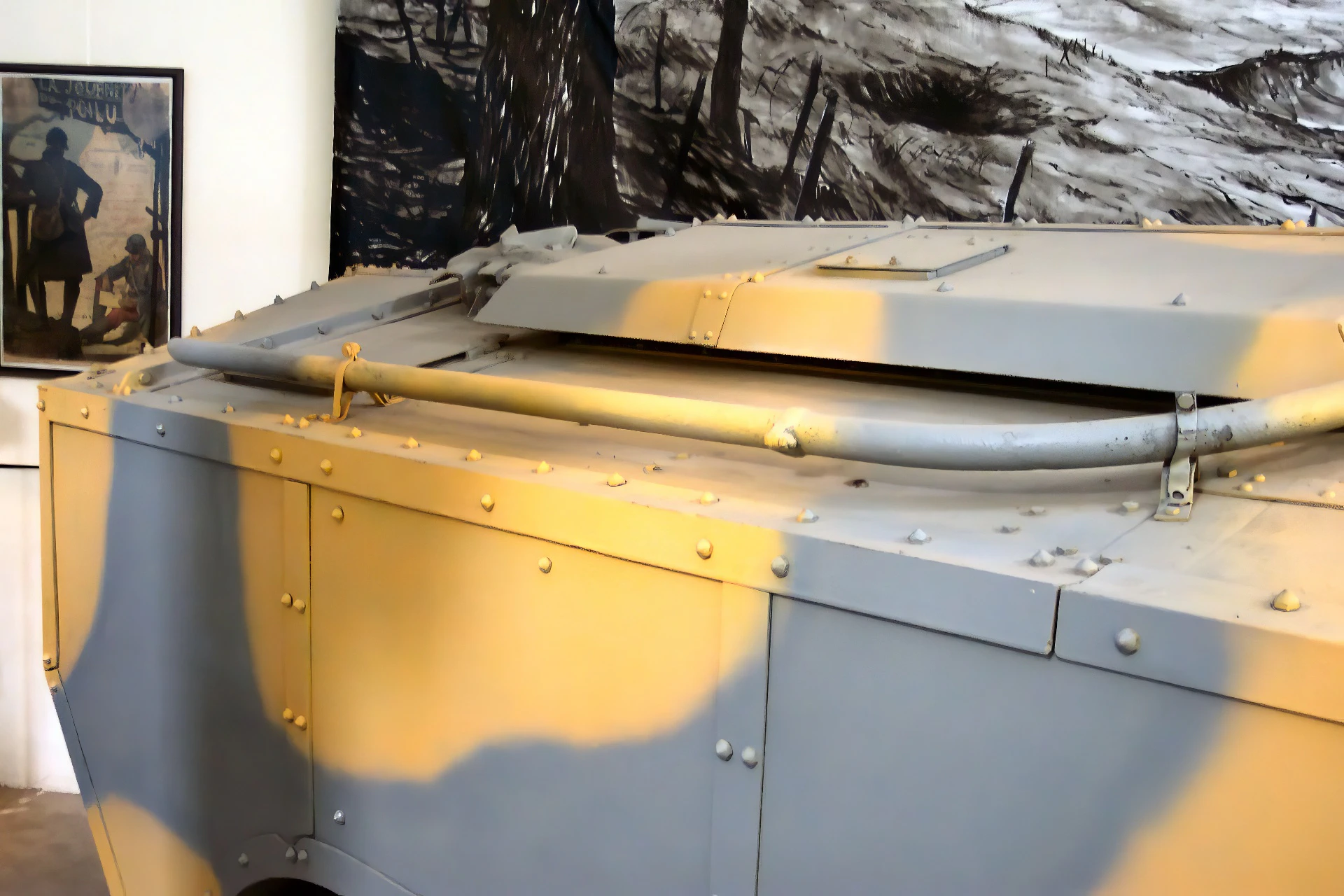

| Saint Chamond – WalkAround | |
|---|---|
| Фотограф | Unknow |
| Локалізацією | Незнай |
| Фото | 47 |
Overview and Context
The Saint-Chamond was the second French heavy assault tank to enter service during World War I, with approximately 400 units produced between 1917 and 1918. Born out of industrial rivalry with the manufacturers of the first French tank (the Schneider CA1), it was an ambitious but deeply flawed design.
Its primary goal was to bring the firepower of a potent artillery piece, the French 75 mm field gun, directly against enemy trenches and fortifications.
Design and Specifications
- Shape and Hull: It had a long, boxy superstructure with significant overhangs at both the front and rear of the vehicle, extending well beyond the relatively short, narrow tracks. This gave it a massive, ungainly silhouette.
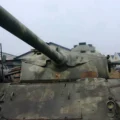
- Основне озброєння: A long-barreled 75 mm gun (either the Saint-Chamond L12C TR or the standard Mle 1897 field gun in later versions) was rigidly mounted in the front of the hull, offering only a very limited traverse.
- Secondary Armament: Four 8 mm Hotchkiss machine guns, one mounted in each side (front, rear, left, right).
- Propulsion: The tank used a complex and innovative petrol-electric transmission system (Crochat-Colardeau). A 90 hp Panhard engine drove a generator, which in turn powered two electric motors linked separately to each track. This allowed for smooth steering but was heavy and prone to overheating and mechanical issues.
- Команда: The tank typically required a large crew of eight to nine men.
- Броню: Initially thin, with maximum armor plating of around 11.5 mm on the front and 8.5 mm on the sides. Later models increased side armor to 17 mm and added a spaced layer to the front to resist German armor-piercing bullets.
Combat Performance and Flaws
Despite its powerful main gun, the Saint-Chamond was plagued by critical operational deficiencies:
- Trench Crossing: The overly long hull combined with the relatively short track length and heavy forward weight caused the tank’s nose to violently dig into the ground or get irrevocably stuck in trenches and shell craters, making it notoriously poor for traversing the scarred terrain of the Western Front.
- Underpowered: The 90 hp engine was inadequate for the tank’s operational weight of around 23 metric tons, severely limiting its cross-country speed and agility (top speed was only about 8-12 km/h).
- Vulnerable: Its thin side armor left the crew vulnerable to heavy machine gun fire, a major issue that was only partially addressed in late-production models.
The Saint-Chamond remained in service until late 1918, mostly performing as a самохідна гармата or being converted into unarmed supply/recovery vehicles, as it was eventually superseded by the more reliable and tactically superior Renault FT light tank and imported British heavy tanks.
Переглядів : 4475