Czołg Churchill | |
|---|---|
| Kraju | Uk |
| Roli | Czołg piechoty |
| W eksploatacji | 1941–52 |
| Zbudowany | 5640+ |
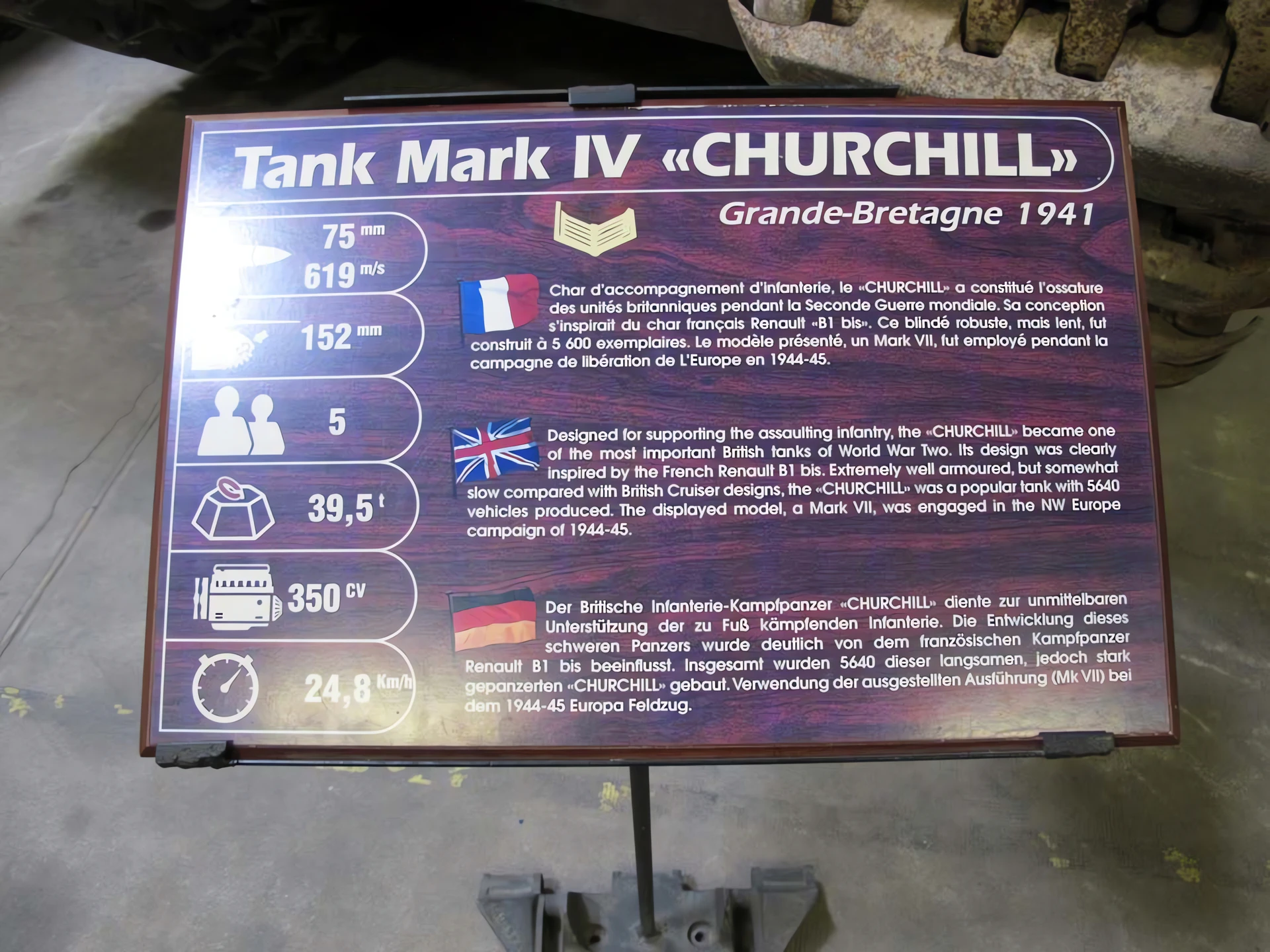
Czołg, Piechota, Mk IV (A22) Churchill was a British heavy infantry tank used in the Second World War, best known for its heavy armour, large longitudinal chassis with all-around tracks with multiple bogies, its ability to climb steep slopes, and its use as the basis of many specialist vehicles. It was one of the heaviest Allied tanks of the war. The origins of the design lay in the expectation that war in Europe might be fought under similar conditions to those of the First World War, and emphasized the ability to cross difficult ground. The Churchill was rushed into production to build up British defences against a possible German invasion. The first vehicles had flaws that had to be overcome before the Churchill was accepted for wide use. After several marks had been built, a better armoured version, the Mark VII, entered service.
Źródła: Churchill czołg na Wikipedii
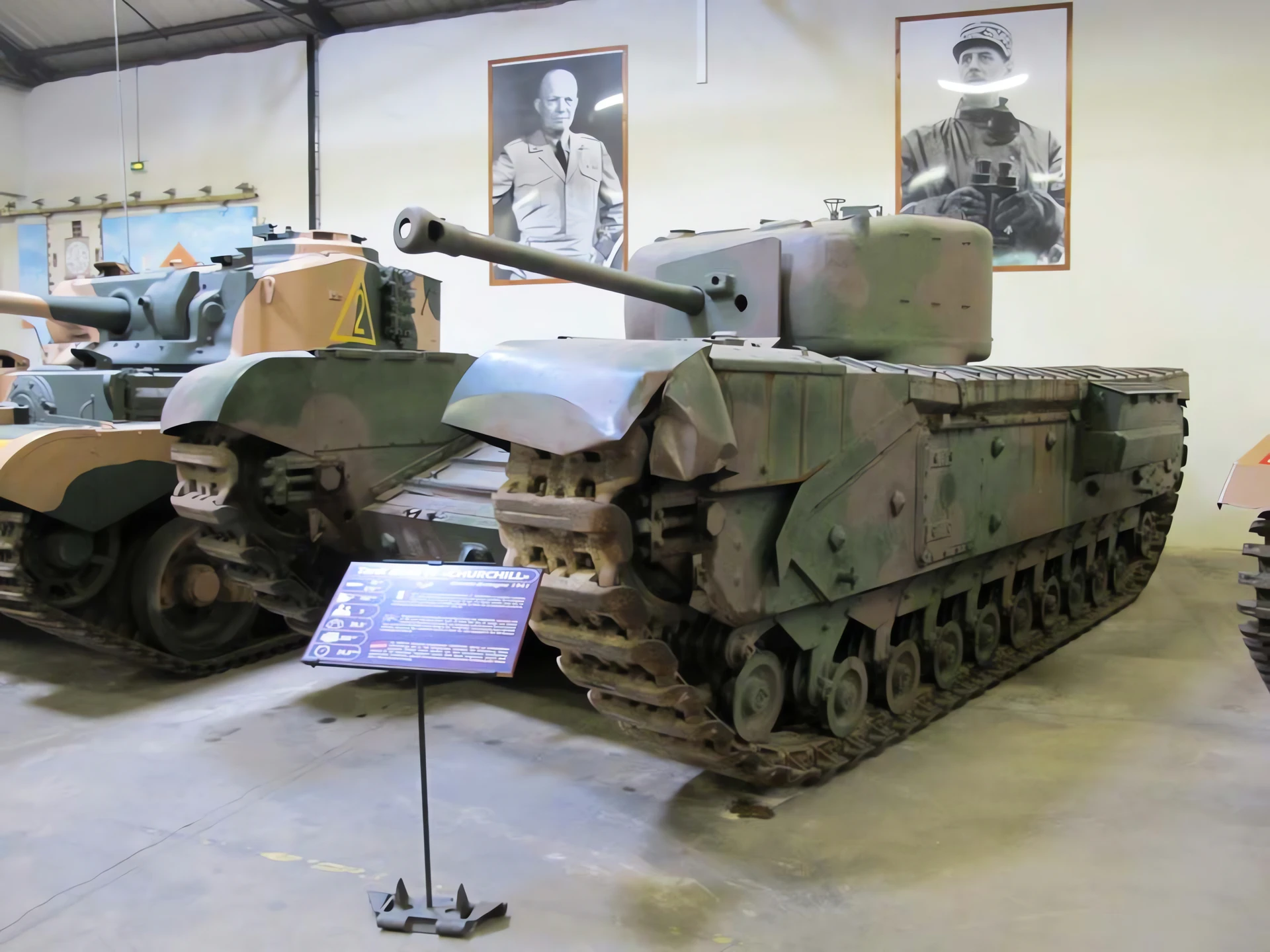
| Churchill Mk VI Spacer | |
|---|---|
| Fotografów | Władimir Yakubov |
| Lokalizacja | Musee des Blindes – mówi Saumur |
| Zdjęcia | 106 |
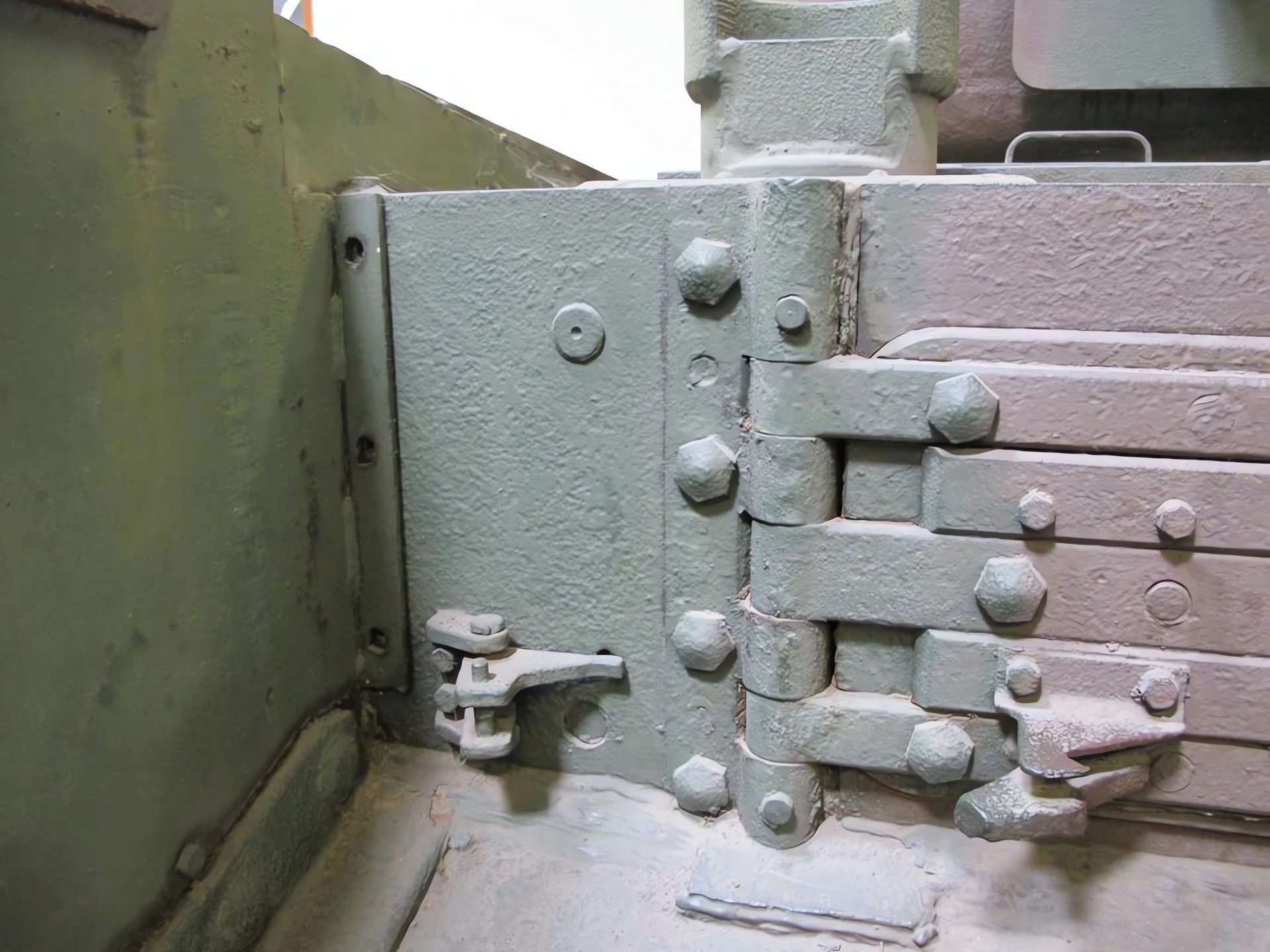
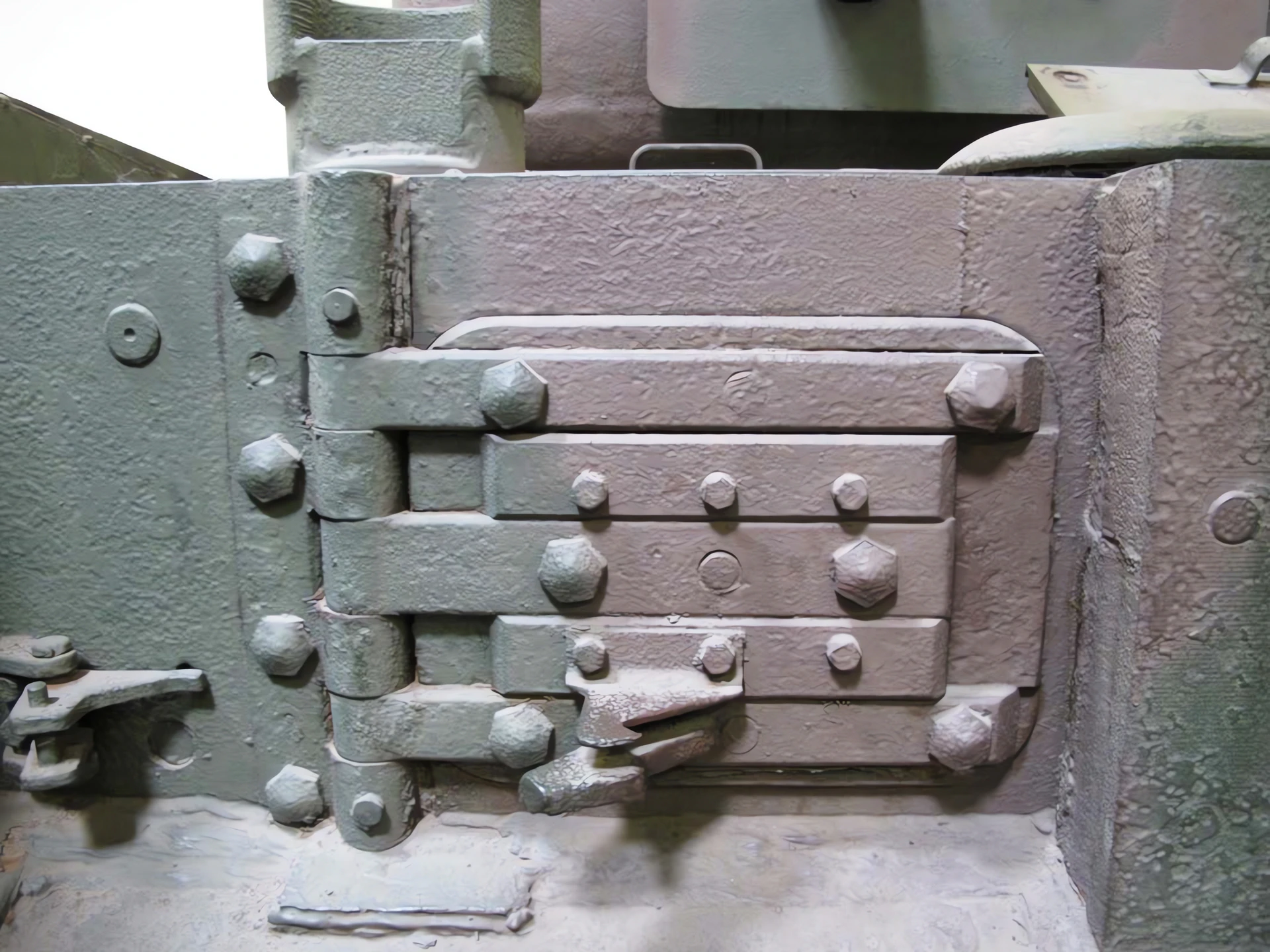
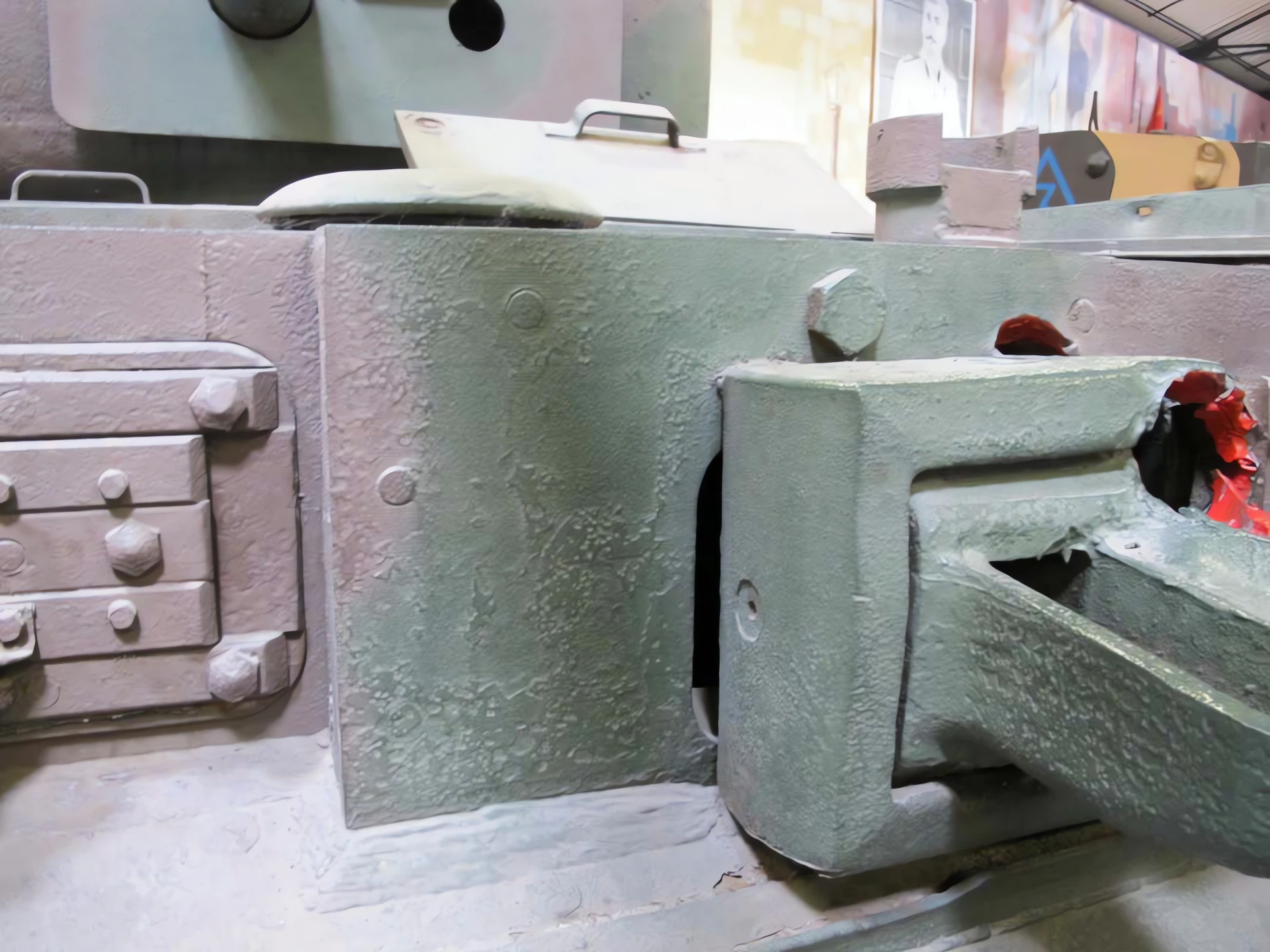
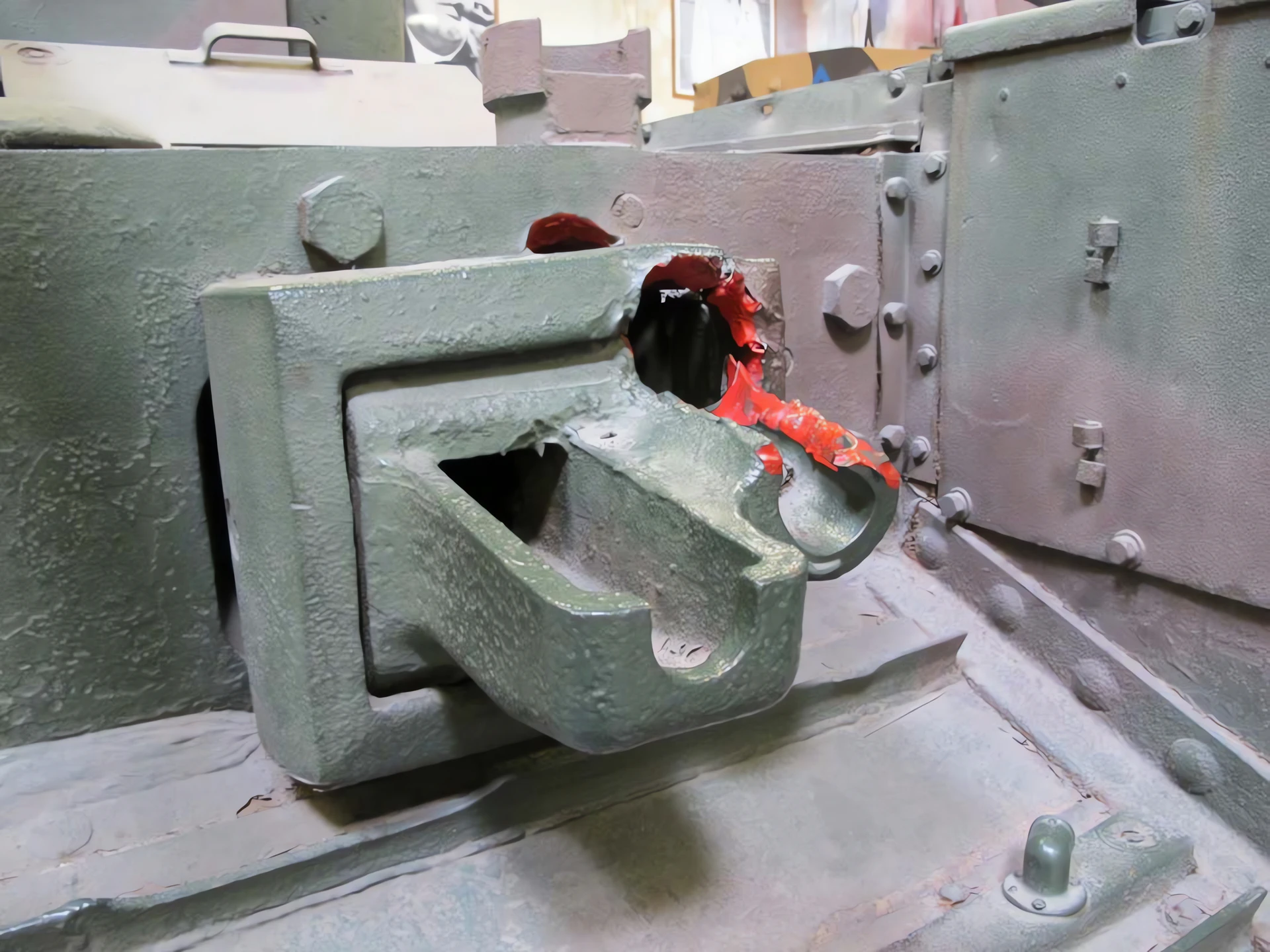

| Spacer Churchilla Mk.III | |
|---|---|
| Fotografów | Дмитрий Кияткин |
| Lokalizacja | Niewiedzy |
| Zdjęcia | 68 |
| Czołg piechoty Churchill Mk.IV | |
|---|---|
| Fotografów | Niewiedzy |
| Lokalizacja | Niewiedzy |
| Zdjęcia | 57 |
Zobacz też:


| Churchill Mk.VII Spacer dookoła | |
|---|---|
| Fotografów | Niewiedzy |
| Lokalizacja | Niewiedzy |
| Zdjęcia | 31 |
An Evolution in Firepower
Tthe Churchill Mk VI was a critical mid-war evolution of Britain’s most famous infantry tank. While early Churchills struggled with small-caliber guns that lacked effective High Explosive (HE) rounds, the Mk VI was the first to be factory-built with the OQF 75mm gun. This weapon was a “dual-purpose” masterpiece, allowing the tank to take on enemy armor with solid shot while also blasting anti-tank gun nests and bunkers with heavy HE shells. It served as the transition between the older Mk IV and the heavily armored Mk VII.
| Attribute | Technical Specification (Churchill Mk VI) |
|---|---|
| Roli | Infantry Tank / Heavy Tank |
| Załogi | 5 (Commander, Gunner, Loader/Radio Op, Driver, Co-driver) |
| Produkowane | Late 1943 (Approx. 200–250 built) |
| Primary Armament | Ordnance QF 75mm Mk V gun |
| Uzbrojenie dodatkowe | 2 × 7.92mm Besa machine guns (1 coaxial, 1 hull) |
| Silnika | Bedford Twin-Six 12-cylinder petrol (350 hp) |
| Prędkość maksymalna | 15.5 mph (25 km/h) on road |
| Frontal Armor | 89mm – 102mm |
Rugged “Infantry Tank” Features
- The “Universal” Turret: The Mk VI utilized the cast turret of the Mk IV but updated it to the “Universal” standard. This included a commander’s vane sight and improved internal stowage to accommodate the larger 75mm ammunition.
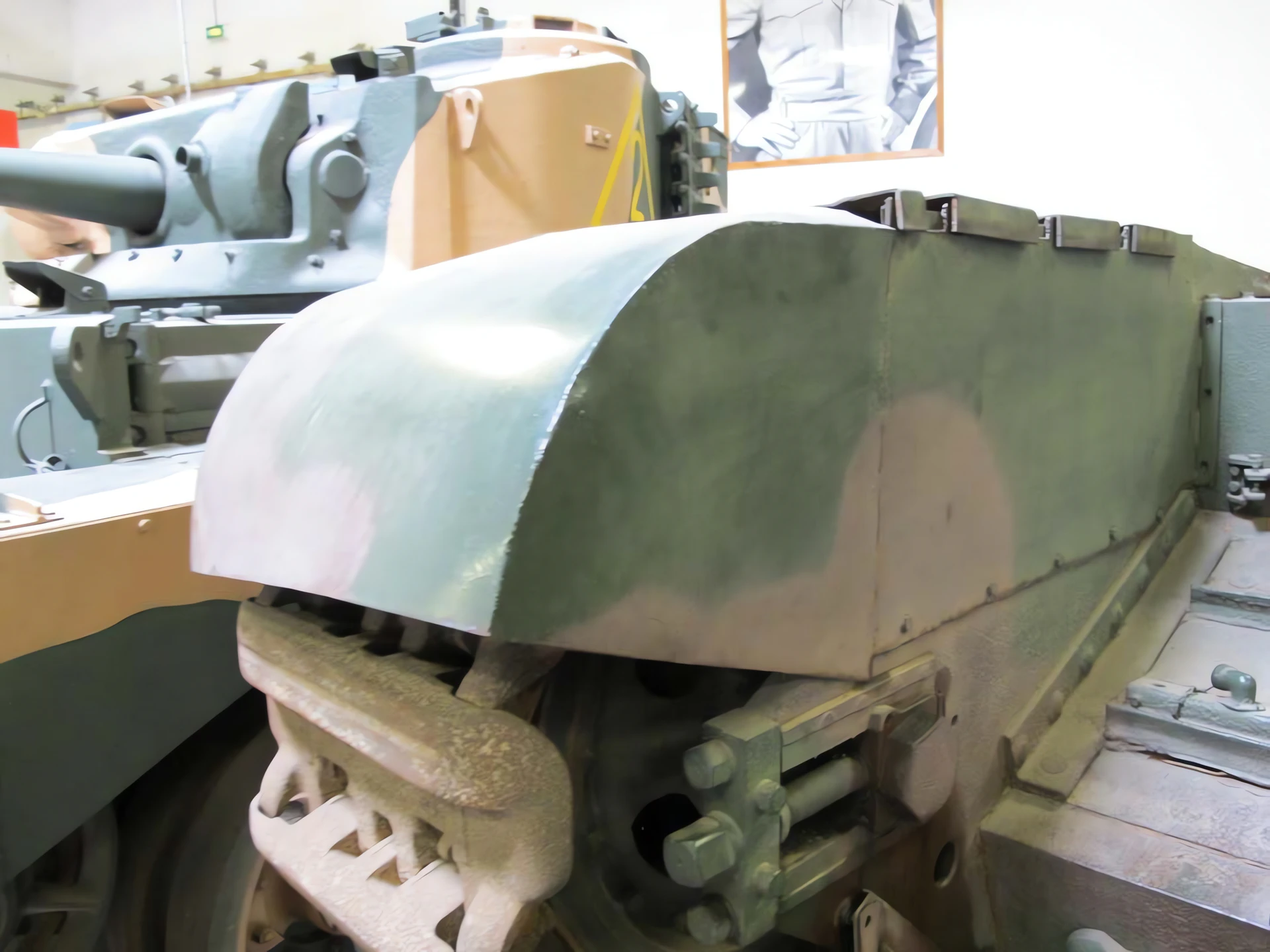
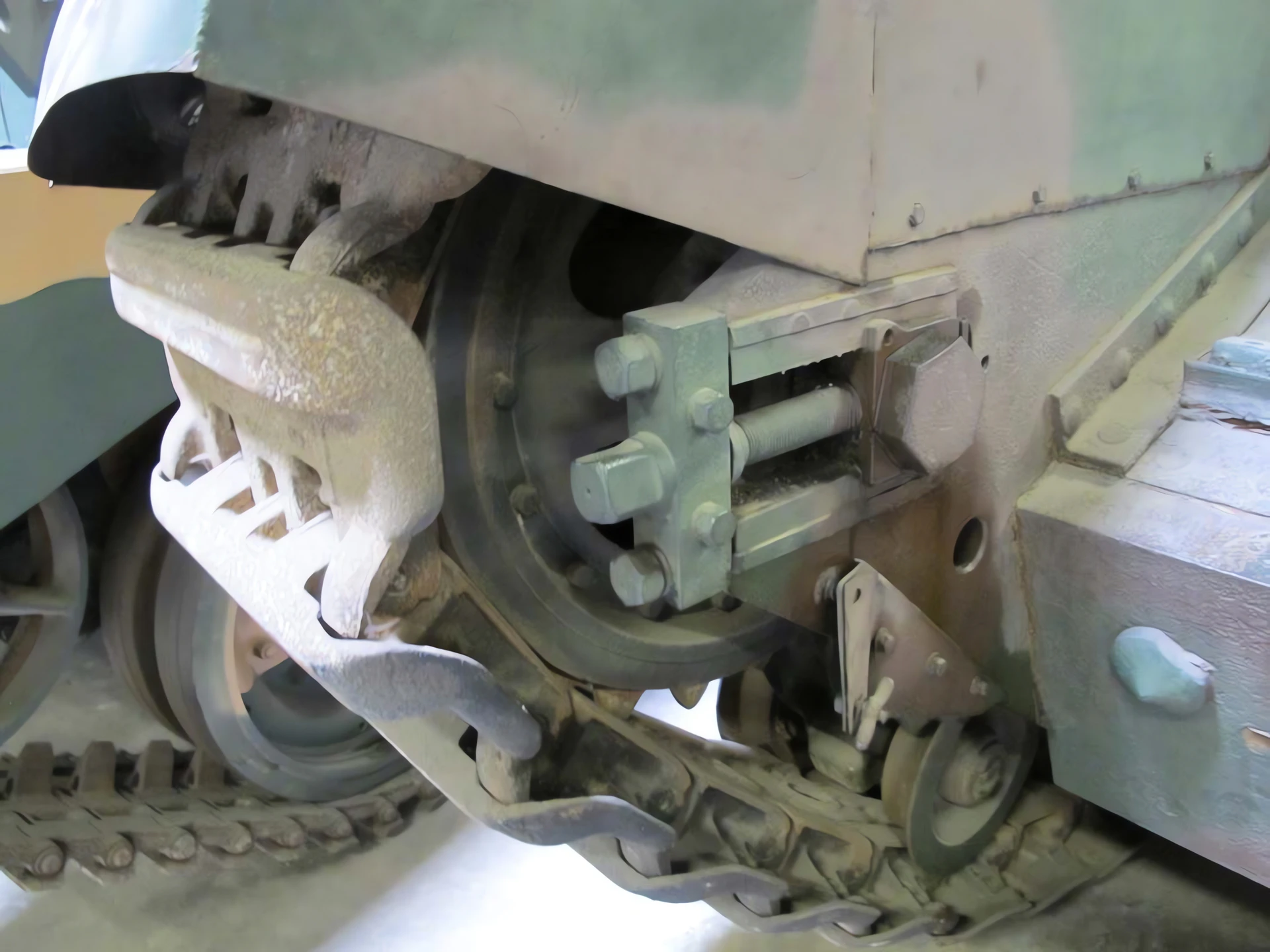
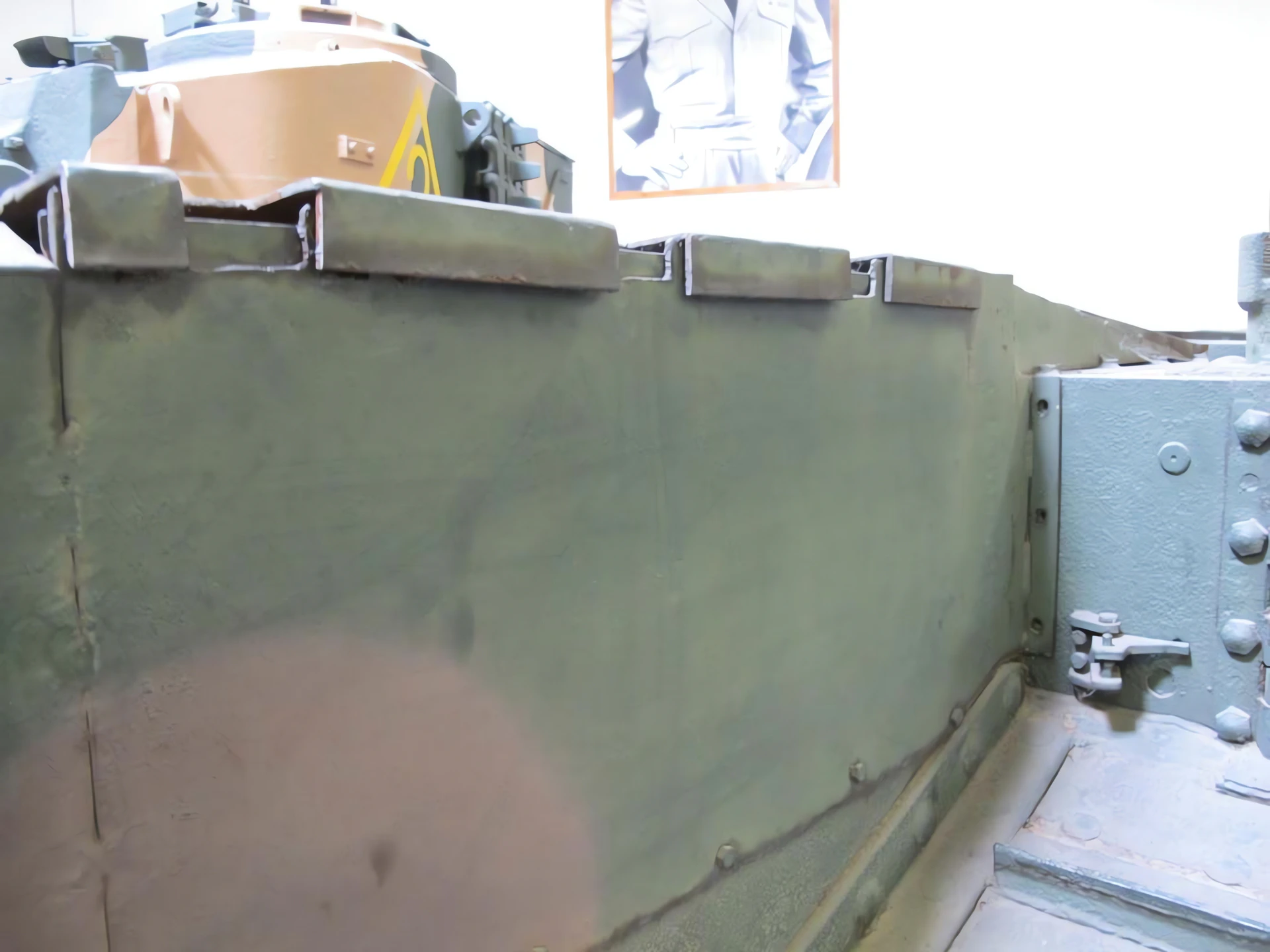
- All-Terrain Tracks: The tracks ran all the way around the hull panniers, a design inspired by WWI tanks. This allowed the Churchill to climb gradients and cross obstacles that would stop a Panther or Tiger in its tracks.
- The Infantry Telephone: On the rear of the hull, the Mk VI featured a telephone box. This allowed accompanying infantry soldiers to talk directly to the tank crew during a battle to coordinate fire on hidden targets.
- Side Escape Hatches: Because the tracks were so large, the Churchill had circular side doors. These allowed the crew to bail out safely while the tank’s hull provided cover from enemy fire.
Combat History & Variants
- Normandy Campaign: The Mk VI saw extensive action from D-Day through the end of the war in Europe. It was favored by the 6th Guards and 34th Tank Brigades for its ability to survive multiple hits and its effectiveness in the “bocage” (hedgerow) fighting.
- The “Dual-Purpose” Gun: Before the Mk VI, crews had to choose between the armor-piercing power of the 6-pounder or the HE power of the 95mm howitzer. The 75mm gun gave them both, making the Mk VI a true all-rounder on the battlefield.
- Appliqué Armor: In the field, many Mk VIs had extra steel plates welded to the front and sides to help protect against the dreaded German 88mm and “Panzerfaust” anti-tank weapons.
- Post-War Service: While replaced by the Mk VII and eventually the Centurion, the rugged Churchill chassis lived on for years in specialized roles like bridge-layers (ARK) and recovery vehicles (ARV).
Views : 6618