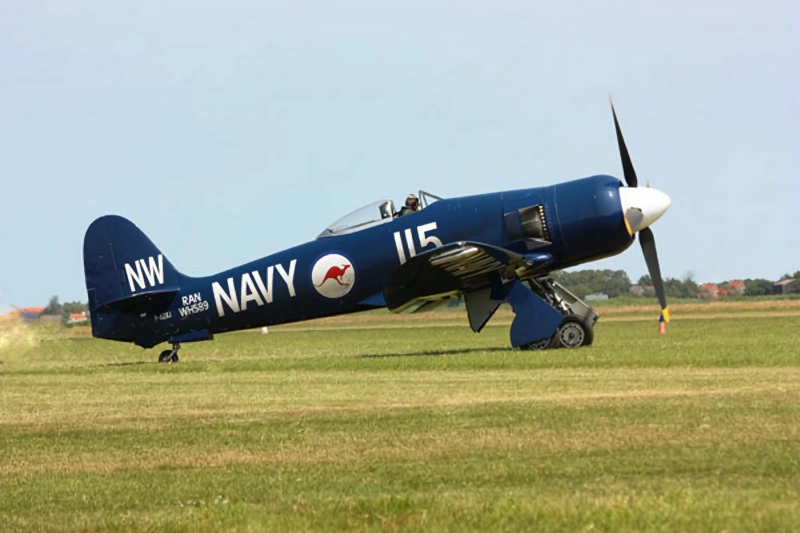
Hawker jūros Fury | |
|---|---|
| Šalies | Jk |
| Laikotarpį | Ii pasaulinis karas |
| Tipas | medžiotojas |
Nuotraukų galerija apie "Hawker Sea Fury FBII" naikintuvą, Jūros Fury buvo britų naikintuvas, kurį Karališkajam kariniam jūrų laivynui antrojo pasaulinio karo metu sukūrė gamintojas "Hawker-Siddeley". Tai buvo paskutinis Karališkojo karinio jūrų laivyno propeleriniu varikliu varomas orlaivis, vienas greičiausių kada nors pagamintų vieno variklio stūmoklių ir paskutinis sraigto varomas naikintuvas, numušęs reaktyvinį orlaivį.
2007 Vanagas Fury perėmė iš "Hawker Tempest" ir "Hawker Typhoon". Sukurtas 1942 m. Inžinieriaus Sidney Camm, atsakant į RAF (Karališkųjų oro pajėgų) paskelbtą kvietimą dalyvauti konkurse, siekiant pakeisti pasenusį Tempest II. Koncepcijos pagrindas buvo suprojektuoti "Tempest", padarant jį lengvesnį, naudojant pusiau elipsinį sparną, esantį fiuzeliažo centre, kuris pats buvo identiškas "Tempest". Skirtumai tarp dviejų orlaivių buvo monokoko režimas ir pakelta kabina, kuri pilotui suteikė geresnį matomumą.
Šaltinis: Hawker Sea Fury Vikipedijoje
| Hawker Sea Fury FBII | |
|---|---|
| Fotografas | Unknow |
| Lokalizavimo | Nežinoti |
| Nuotraukos | 26 |
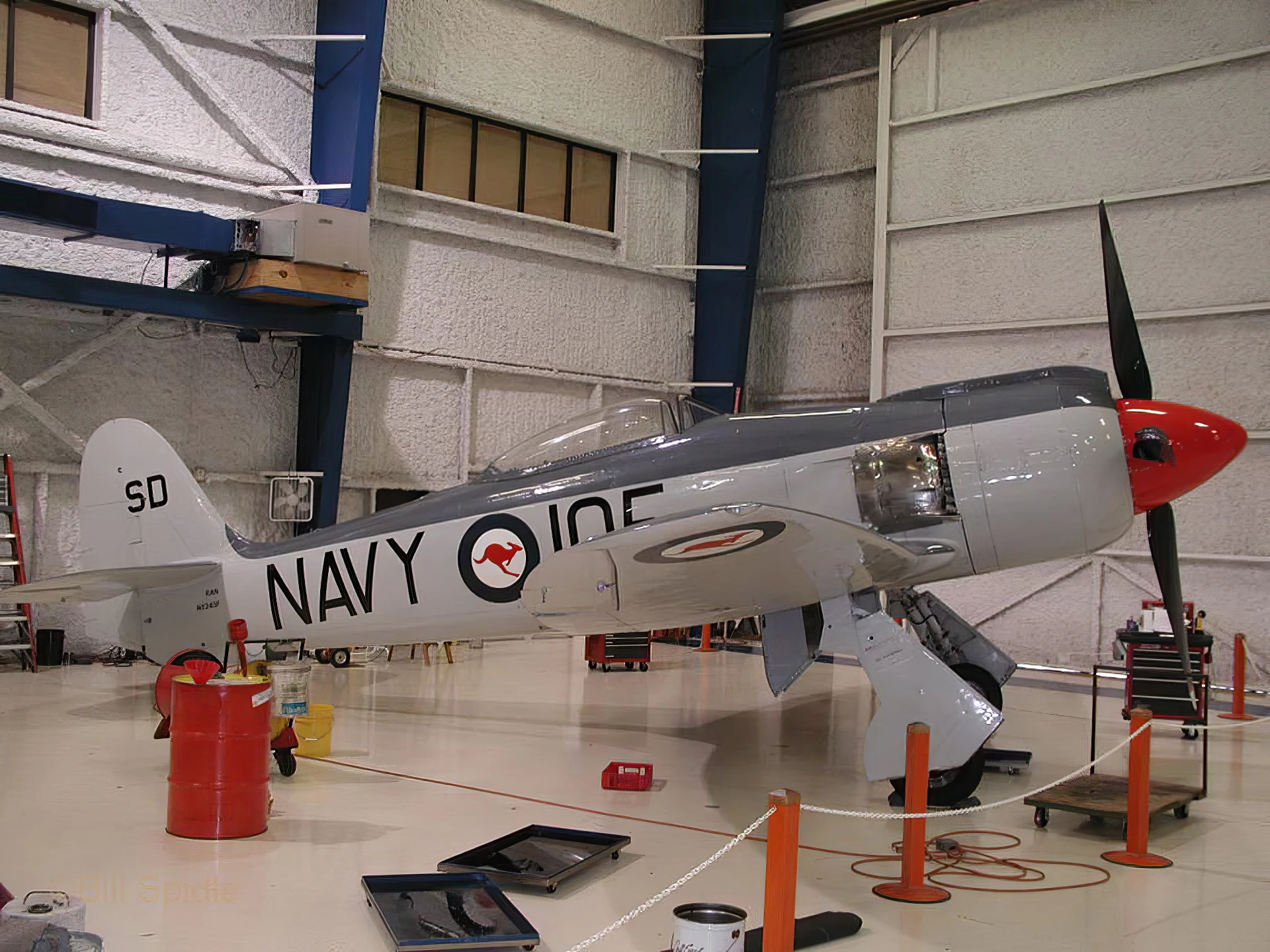
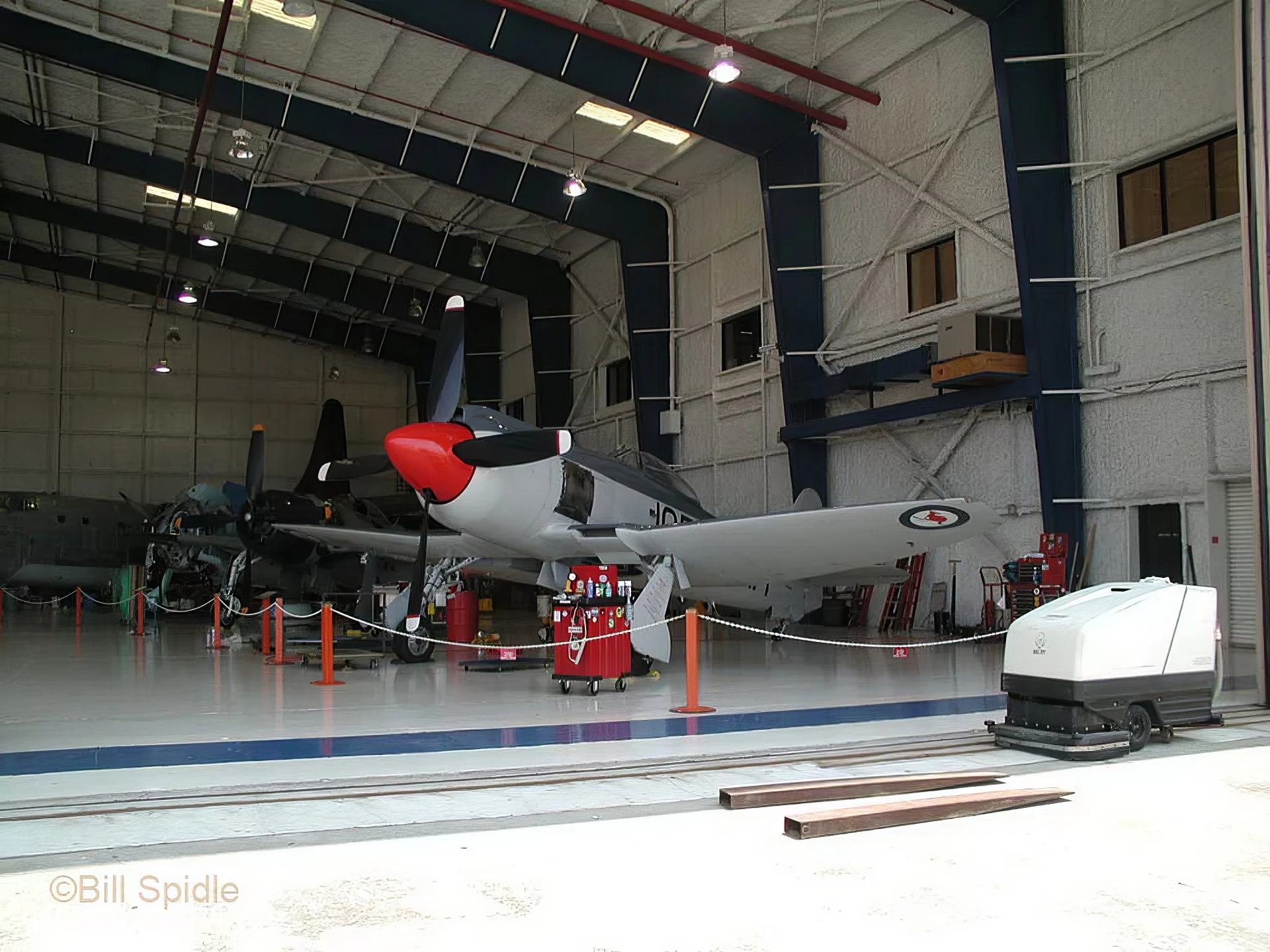
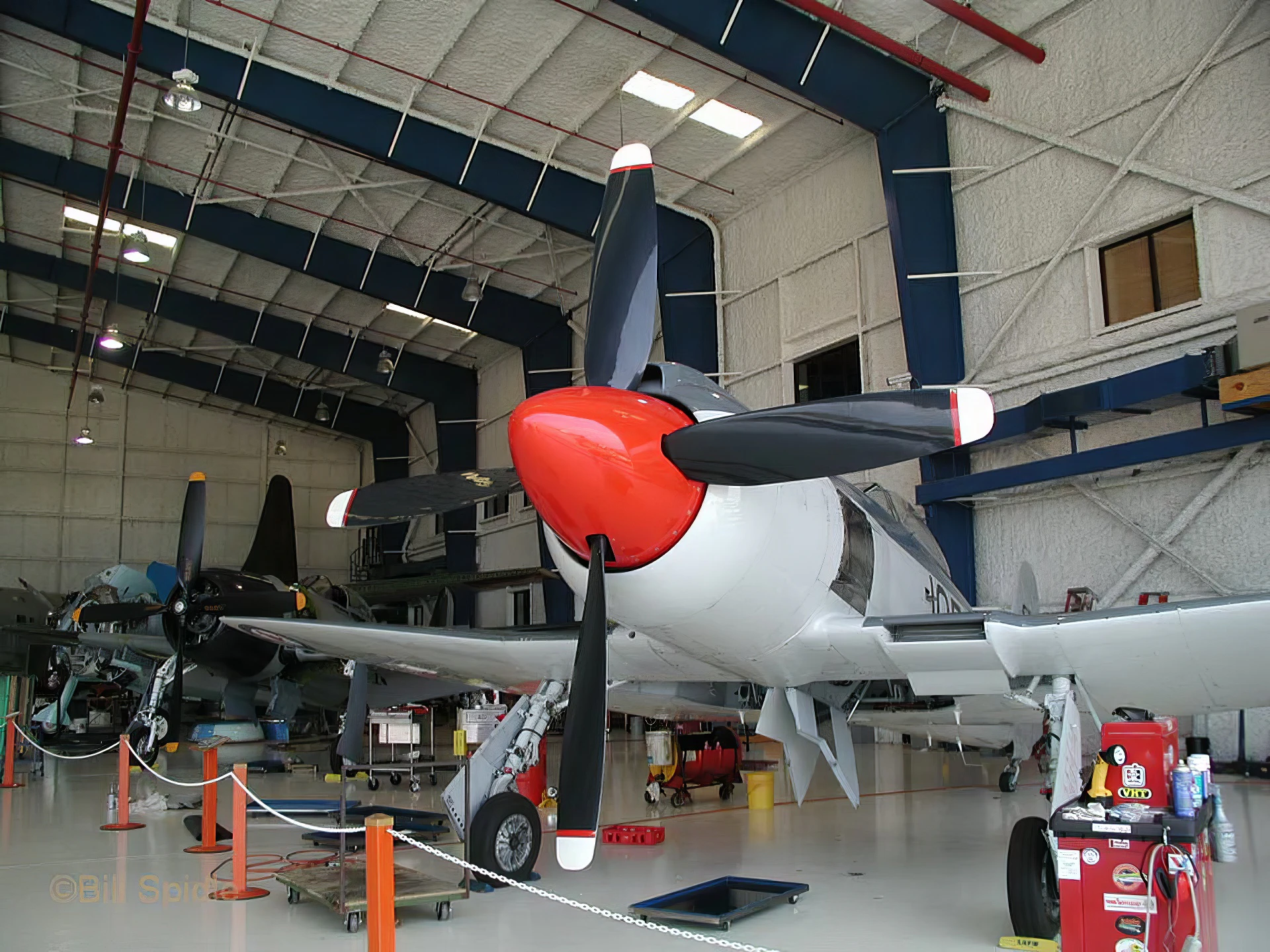
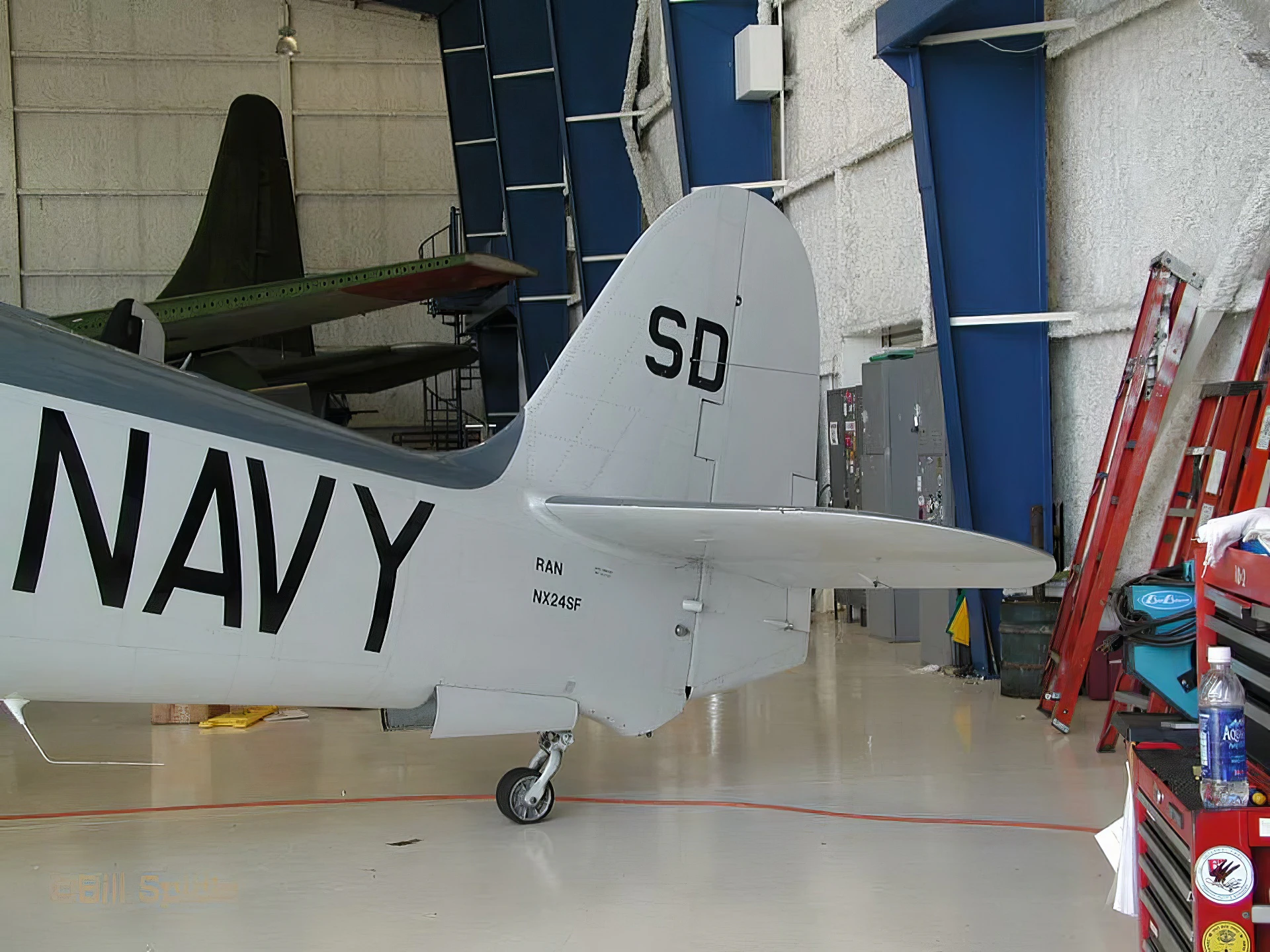
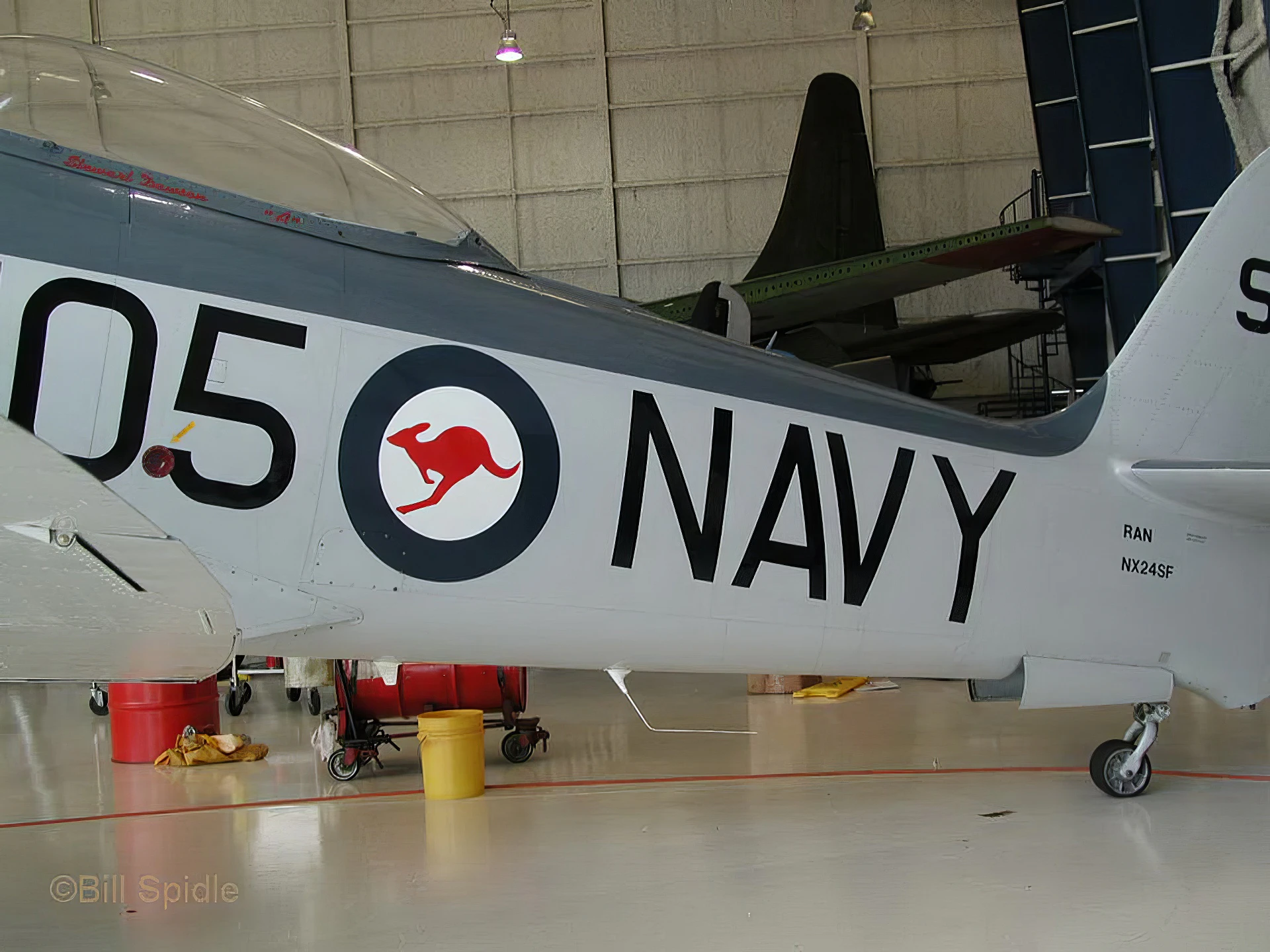
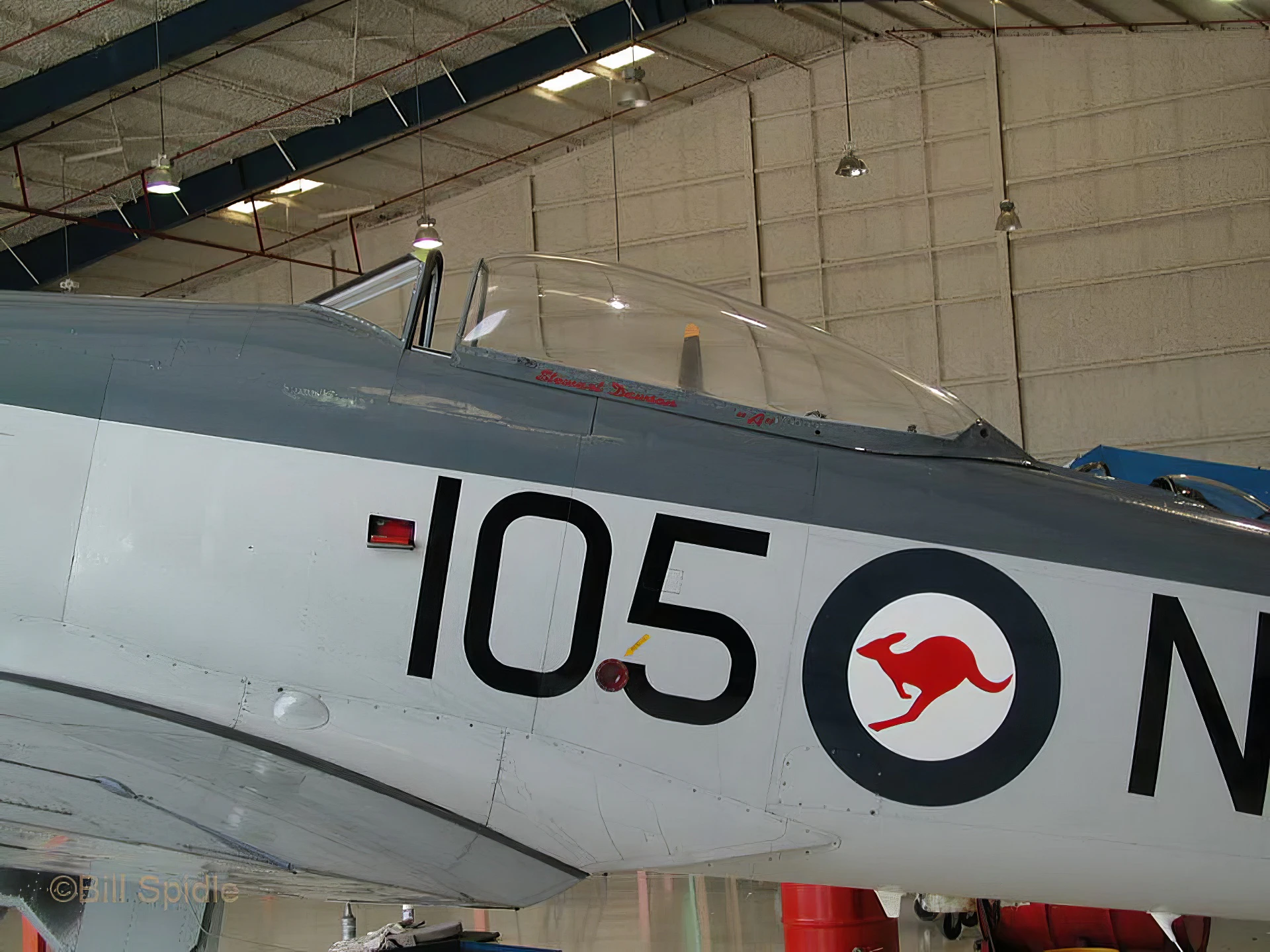
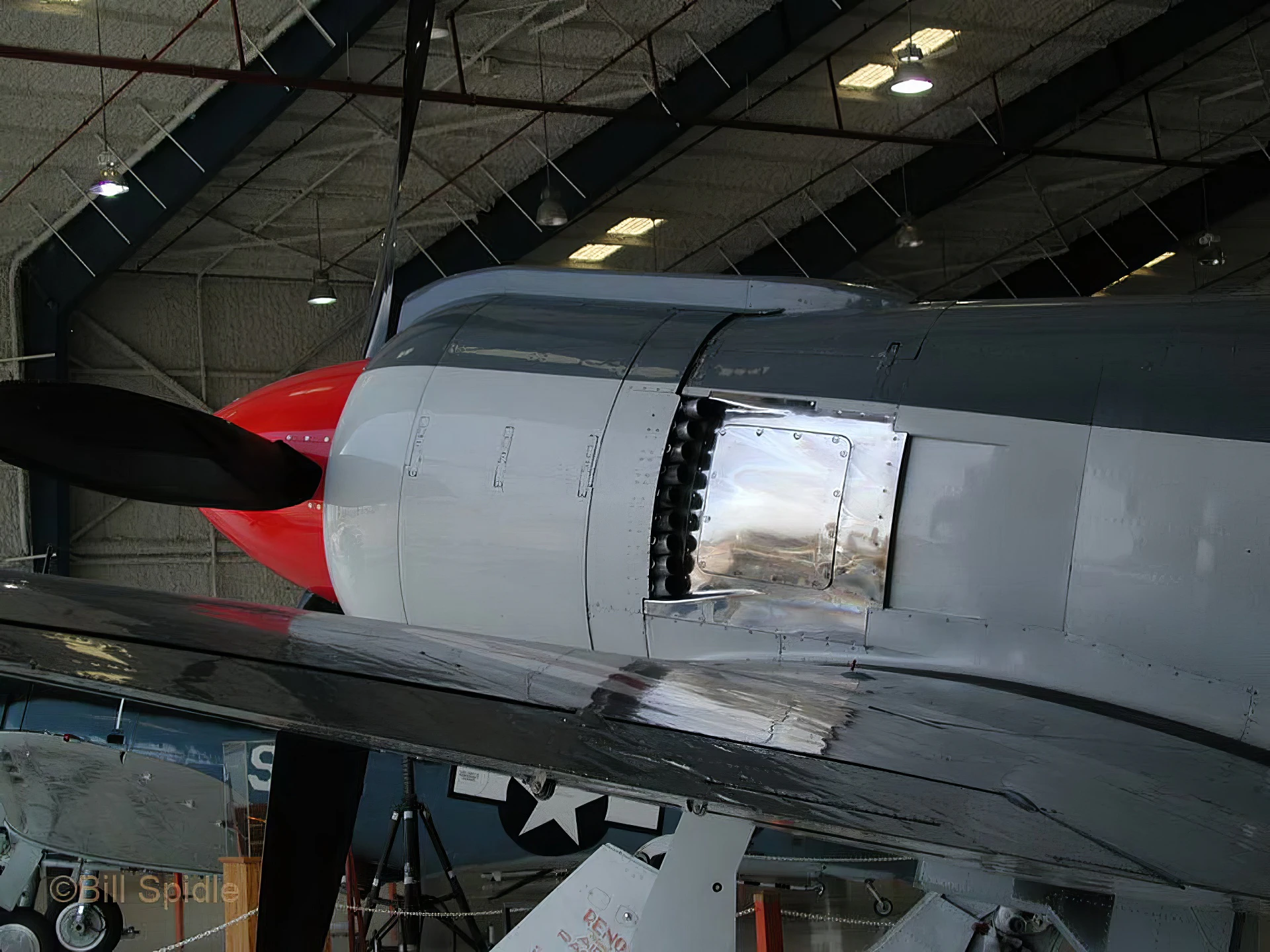
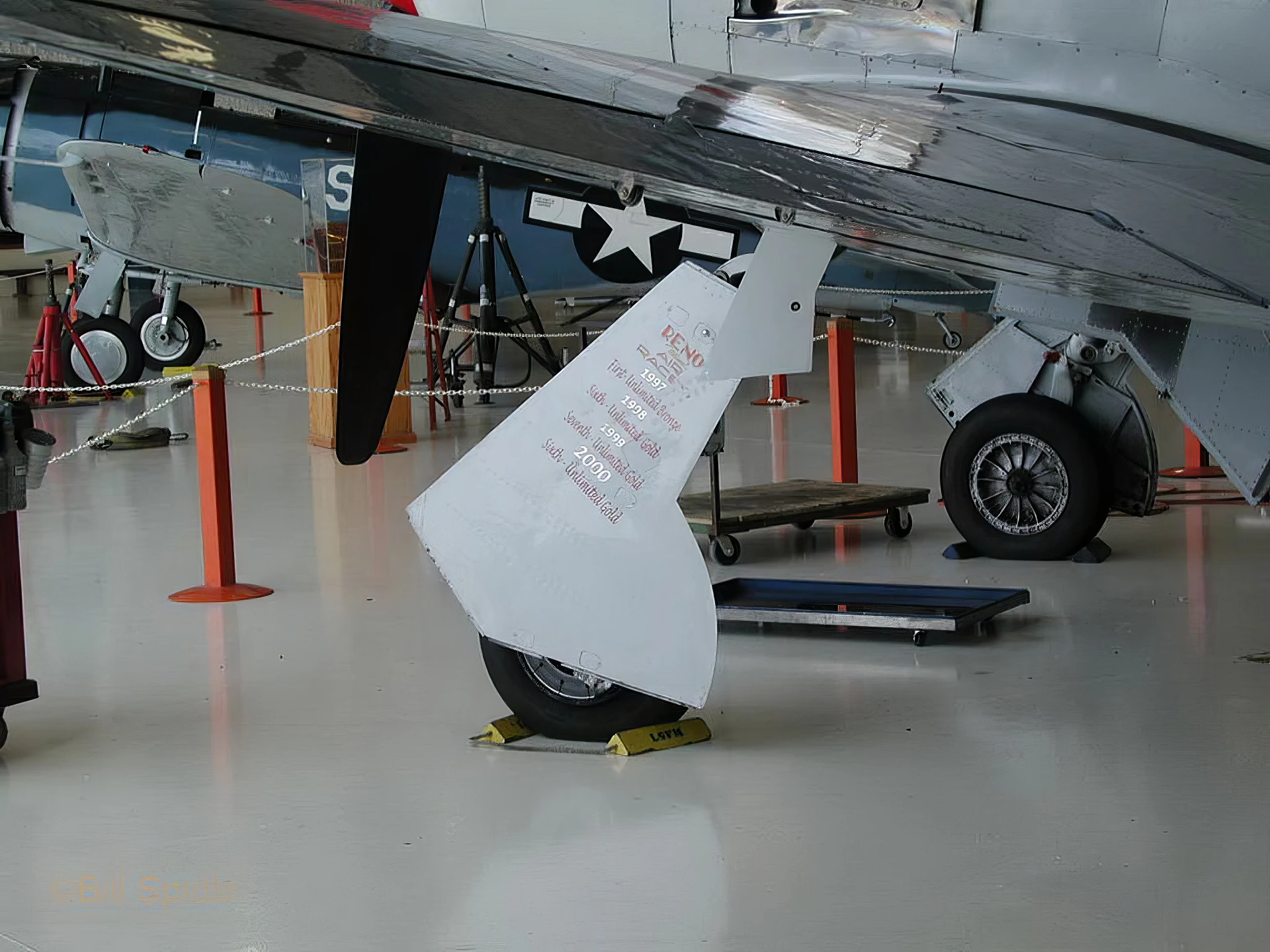
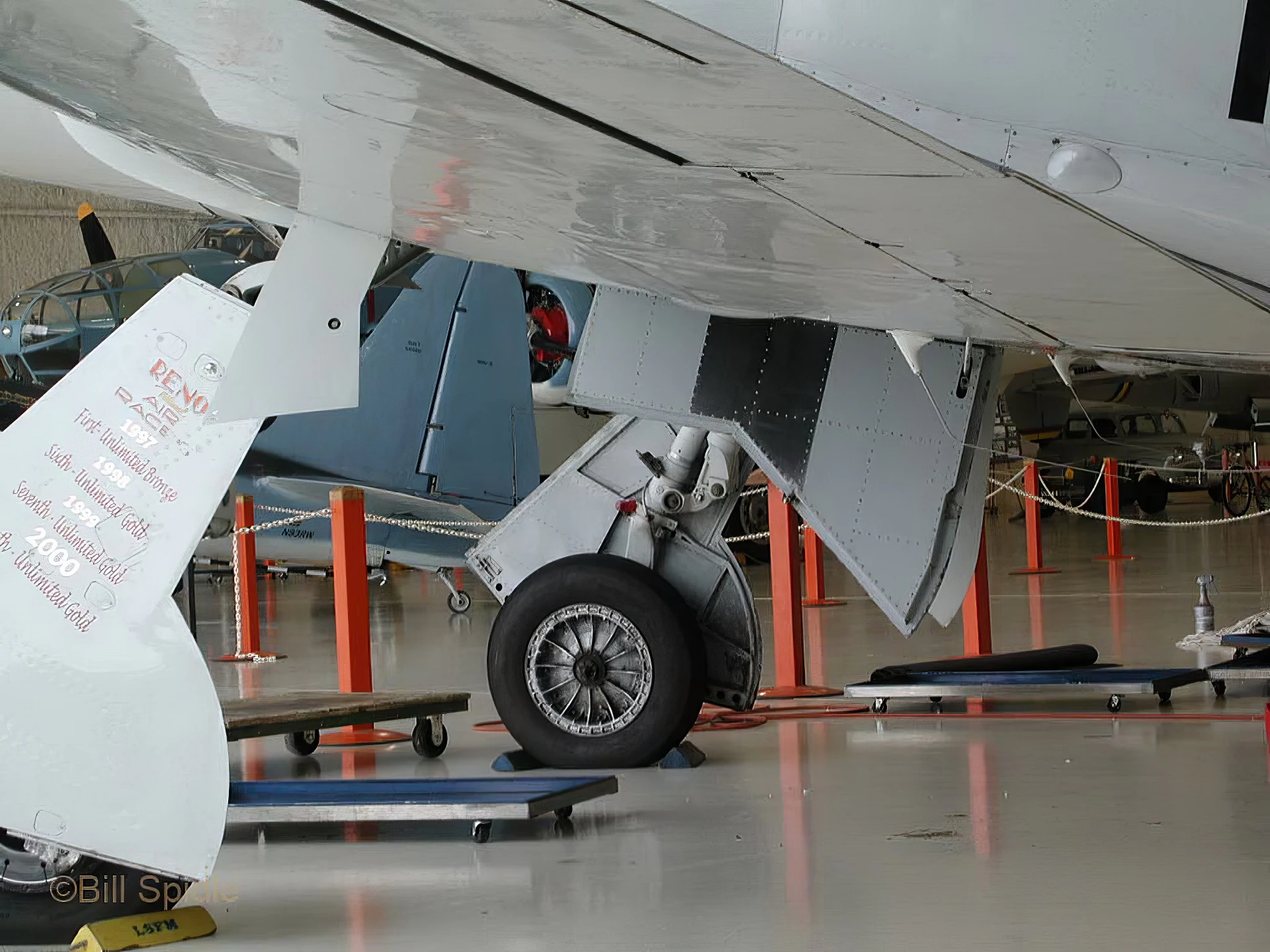

| Hawker Seafury FB.11 Walk Around | |
|---|---|
| Fotografas | Unknow |
| Lokalizavimo | Nežinoti |
| Nuotraukos | 26 |
Taip pat žiūrėkite:


| Hawker Sea Fury Mk.11 Walk Around | |
|---|---|
| Fotografas | Unknow |
| Lokalizavimo | Nežinoti |
| Nuotraukos | 13 |
Pinnacle of Piston Power
The Hawker Sea Fury was a British carrier-borne fighter-bomber that emerged from a wartime requirement for a lighter, high-performance successor to the successful Hawker Tempest. Designed by the renowned Sydney Camm, it represented the ultimate development of the single-seat, piston-engined fighter to enter military service.
Although it arrived too late to see service in the Second World War, the Sea Fury went on to be the last propeller-driven fighter used by the Royal Navy’s Fleet Air Arm and was one of the fastest piston-engined aircraft ever produced.
Key Features and Engineering
- Variklis: Powered by the massive Bristol Centaurus 18-cylinder, twin-row radial engine, delivering immense power (over 2,400 hp) to a five-bladed propeller.
- Aerodynamics: It featured a sleek, all-metal monocoque fuselage and a semi-elliptical wing profile, contributing to its superb speed and high-altitude performance.
- Navalization: Designed specifically for aircraft carrier operations, the wings were equipped with a hydraulic folding mechanism to conserve deck space, and the tail featured a sturdy arrestor hook.
- Cockpit: The pilot enjoyed excellent visibility thanks to the signature bubble canopy.
Armament and Variants (FB.11)
The most widely produced version was the Sea Fury FB.11 (Fighter-Bomber Mark 11), emphasizing its dual-role capability.
| Category | Detail |
|---|---|
| Internal Guns | Four 20 mm Hispano Mk V cannons (two in each wing) |
| Ground Attack Ordnance | Rockets (up to 12 or 16 depending on configuration) |
| Bomb Load | Bombs (up to 2,000 lbs, including 500 lb or 1,000 lb bombs) |
| Other Stores | External fuel drop tanks for extended range |
Operational Highlights
The Sea Fury’s combat life was brief but distinguished, seeing action with several international operators, notably in the Korean War:
- Korean War Service: It served extensively in a ground-attack role from Royal Navy carriers, proving to be robust and capable of absorbing significant battle damage.
- Jet Kill: In a legendary incident in 1952, a Sea Fury of the Fleet Air Arm, piloted by Lieutenant Peter Carmichael, successfully shot down a faster, jet-powered Soviet-built MiG-15—one of the few confirmed kills of a jet by a propeller-driven aircraft.
- Post-Military Life: After being retired from front-line service in the mid-1950s by nations adopting jet technology, many Sea Furies found a new life as highly modified and successful competitors in the Unlimited class of the Reno Air Races in the United States.
Views : 4185
Taip pat galite pamatyti:
 Stout Bushmaster 2000 – nuotraukos ir vaizdo įrašai
 "Beechcraft RC-12 Guardrail" – nuotraukos ir vaizdo įrašai
 Cessna 310 – nuotraukos ir vaizdo įrašai
 Curtiss P-36 Hawk - nuotraukos ir vaizdo įrašai
 Cessna T-37 Tweet – Nuotraukos &; Vaizdo įrašai
 Boeing KC-97 Stratofreighter – nuotraukos ir vaizdo įrašai
 Curtiss P-40 Warhawk – WalkAround
 Messerschmitt Me 163B - WalkAround
 McDonnell Douglas F-4 Phantom II – WalkAround
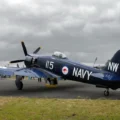 Hawker Jūros Fury - Vaikščioti Aplink