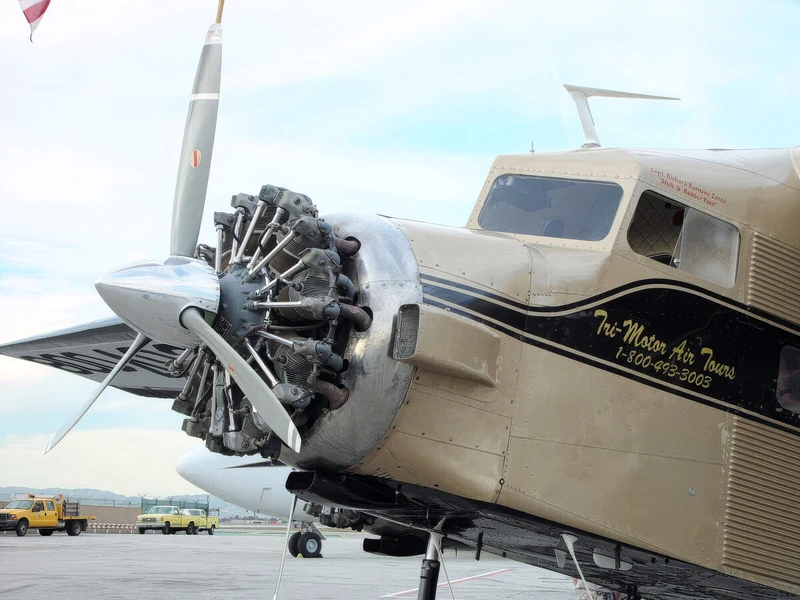
Stout Bushmaster 2000 | |
|---|---|
| Šalies | Jav |
| Vaidmenį | Lėktuvas |
| Pirmasis skrydis | 1964 |
| Buily | 2 |
2007 Bushmaster 2000 Tai buvo nedidelis priemiestinis lėktuvas, pastatytas Jungtinėse Amerikos Valstijose, bandant atgaivinti "Ford Trimotor" dizainą. Darbas prasidėjo 1953 m., Išbandydamas derliaus "Trimotor", o 1954 m. Bill Stout įsigijo dizaino teises į originalų "Trimotor". Dėl "Ford Tri-Motor" licencijavimo problemų "Ford 15-AT-D" buvo suteiktas "Bushmaster 2000" pavadinimas. 1955 m. sausio 15 d. "Stout" ir jo partneris Robertas Haydenas iš "Hayden Aircraft Corporation" paskelbė, kad planuoja pastatyti 1000 naujų "Bushmasters", tačiau praeis vienuolika metų, kol pirmasis naujo dizaino prototipas skrido.
Šaltinis: Stout Bushmaster 2000 vikipedijoje
| Bushmaster 2000 Walk Around | |
|---|---|
| Fotografas | Maiklas Benolkinas |
| Lokalizavimo | Nežinoti |
| Nuotraukos | 18 |
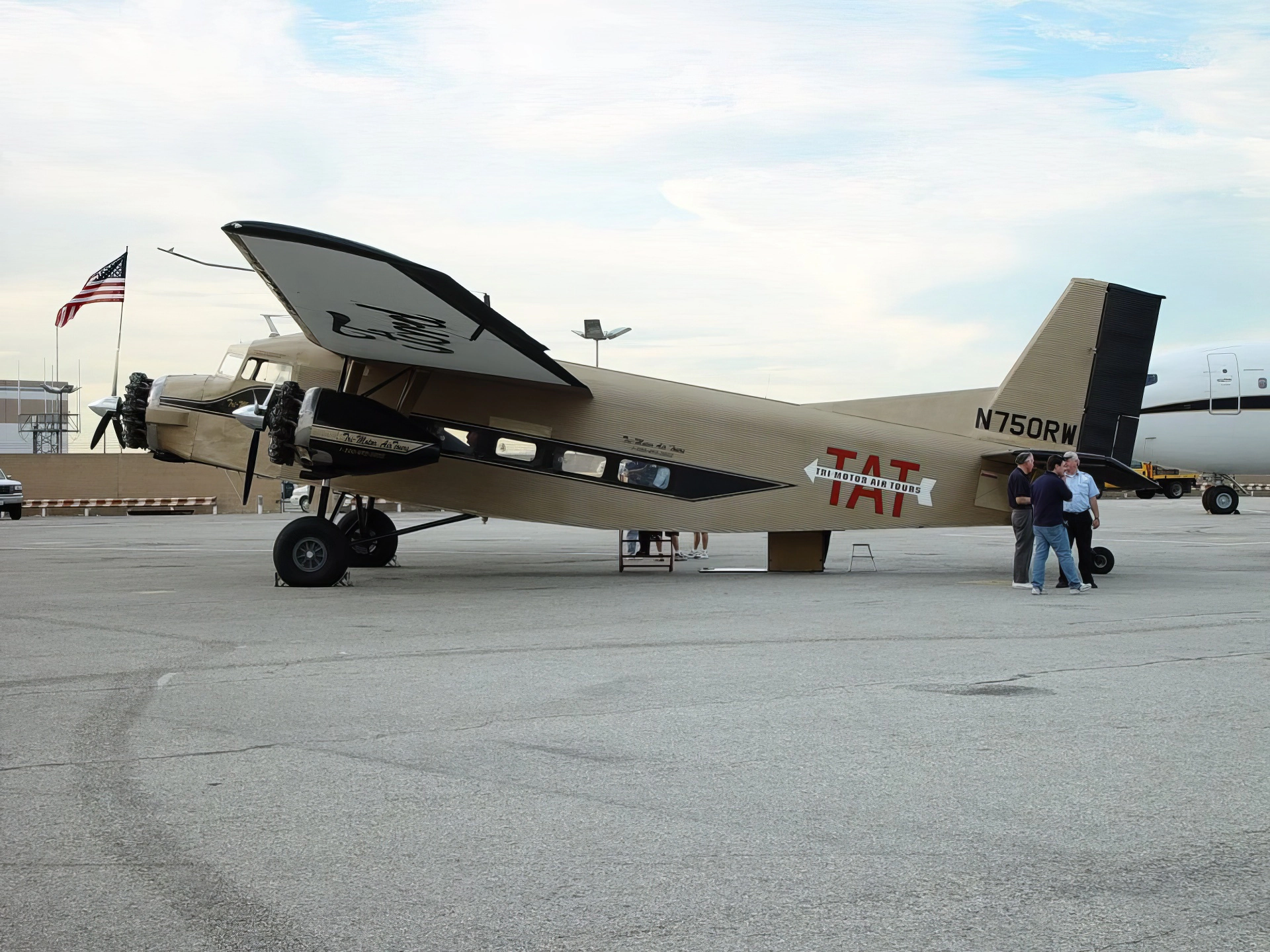
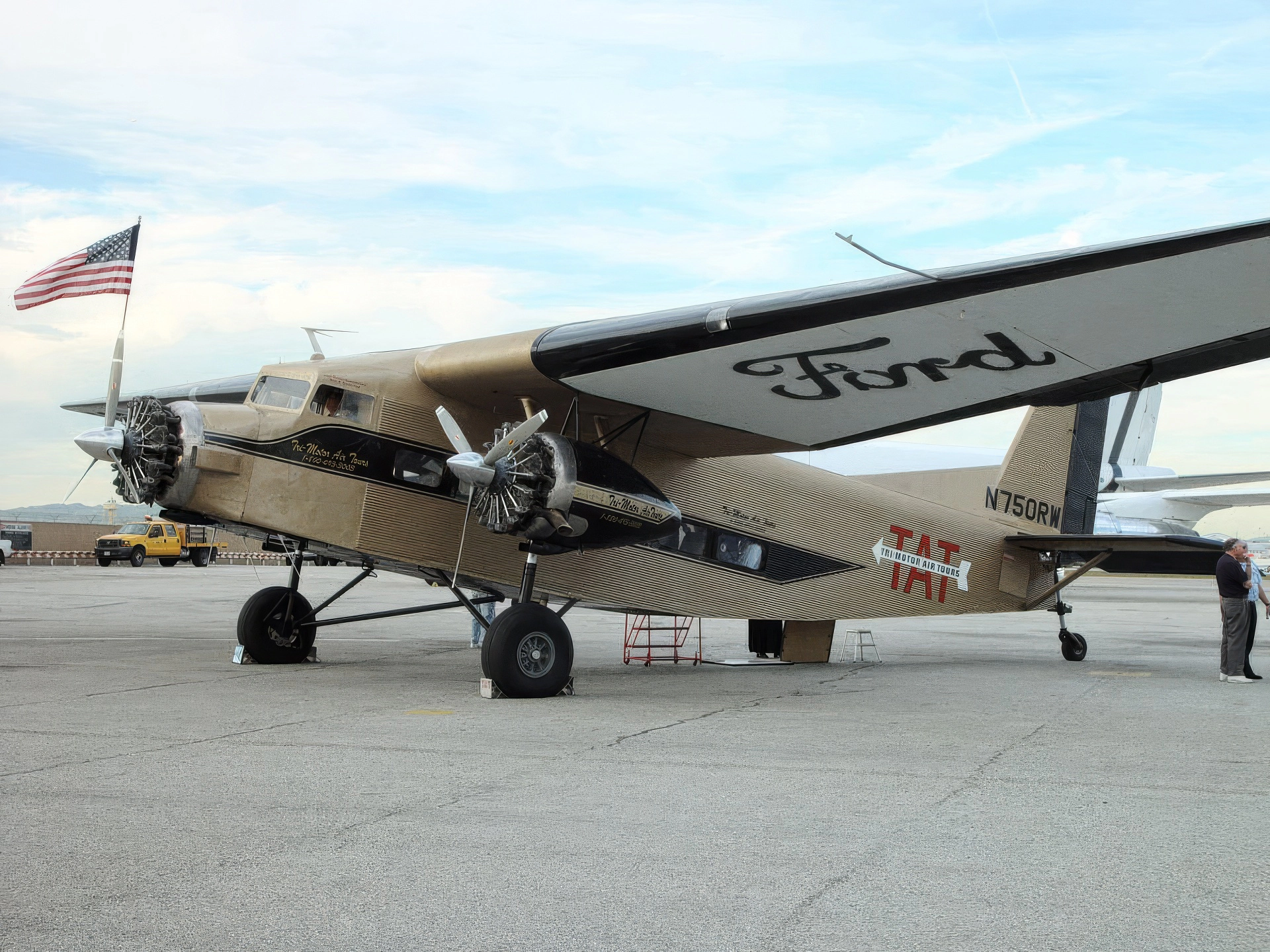
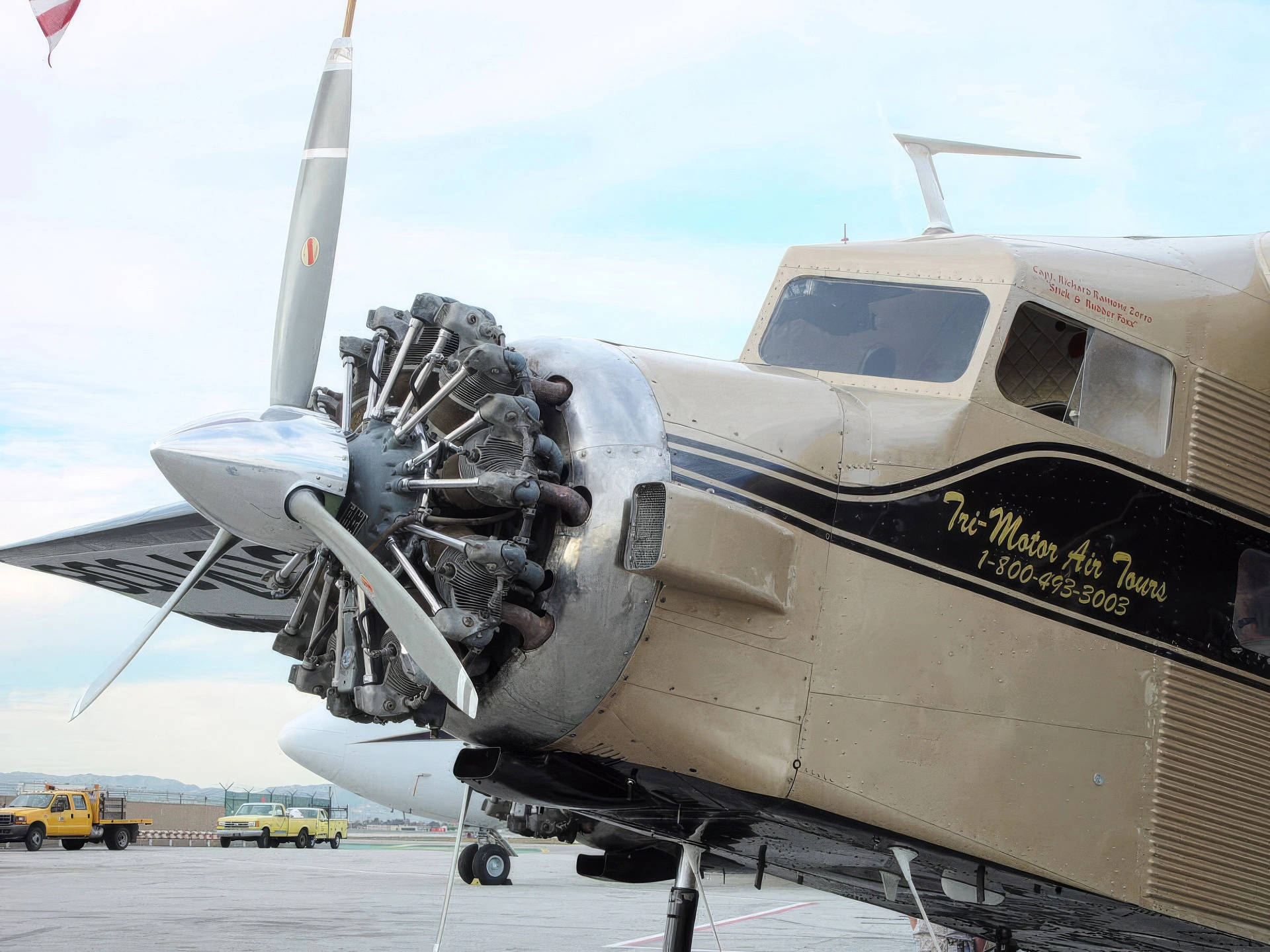
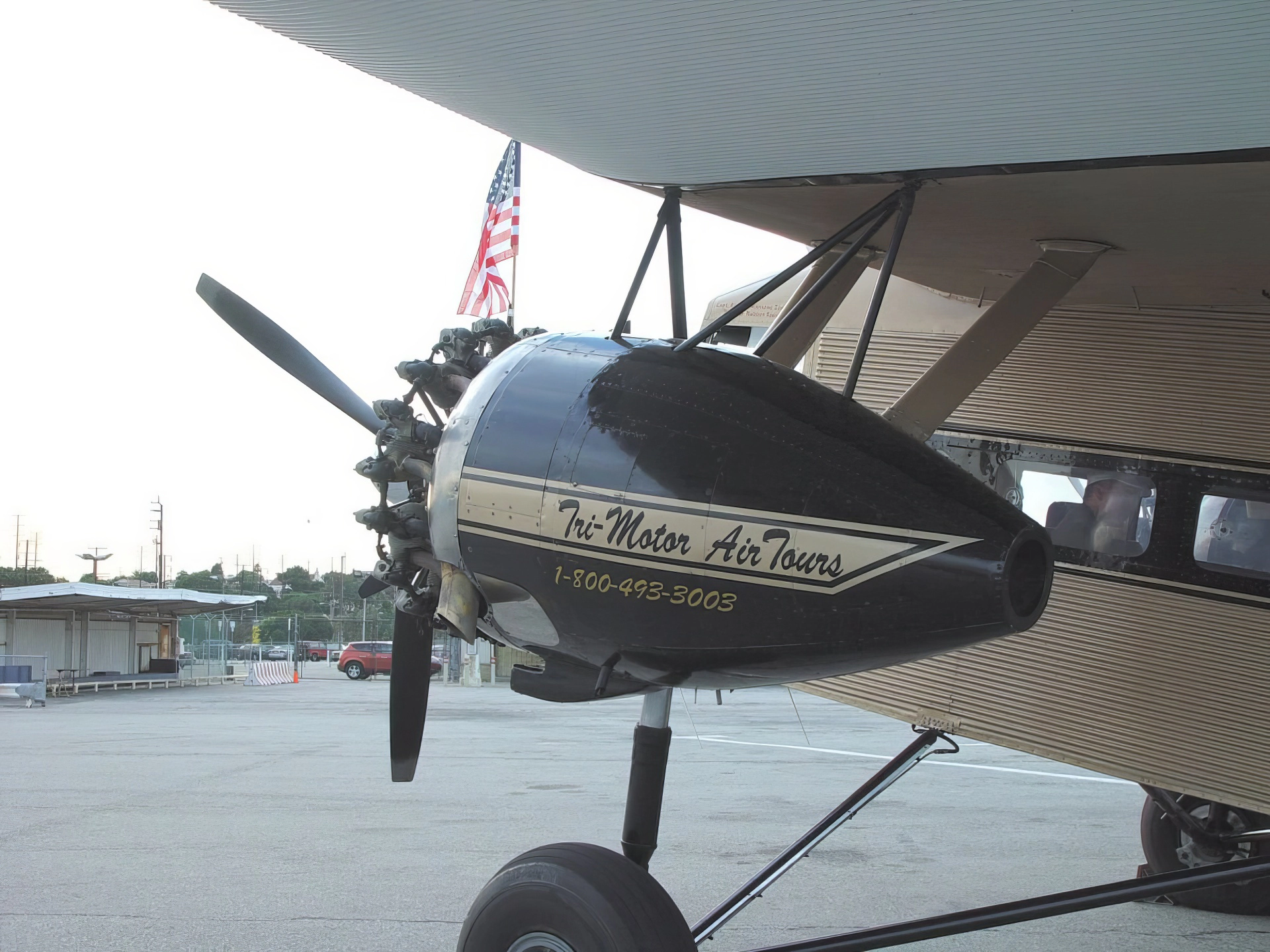
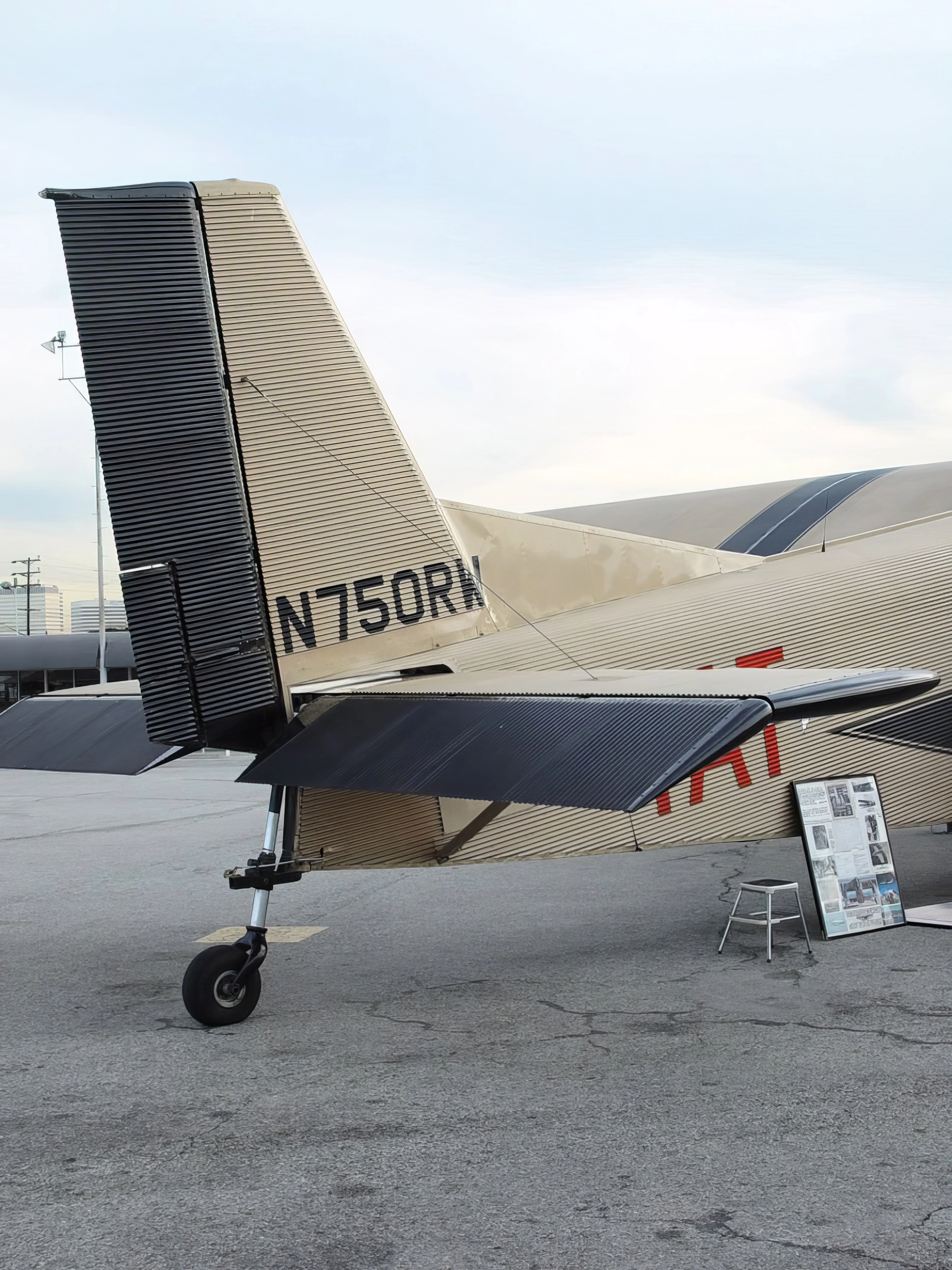


Taip pat žiūrėkite:


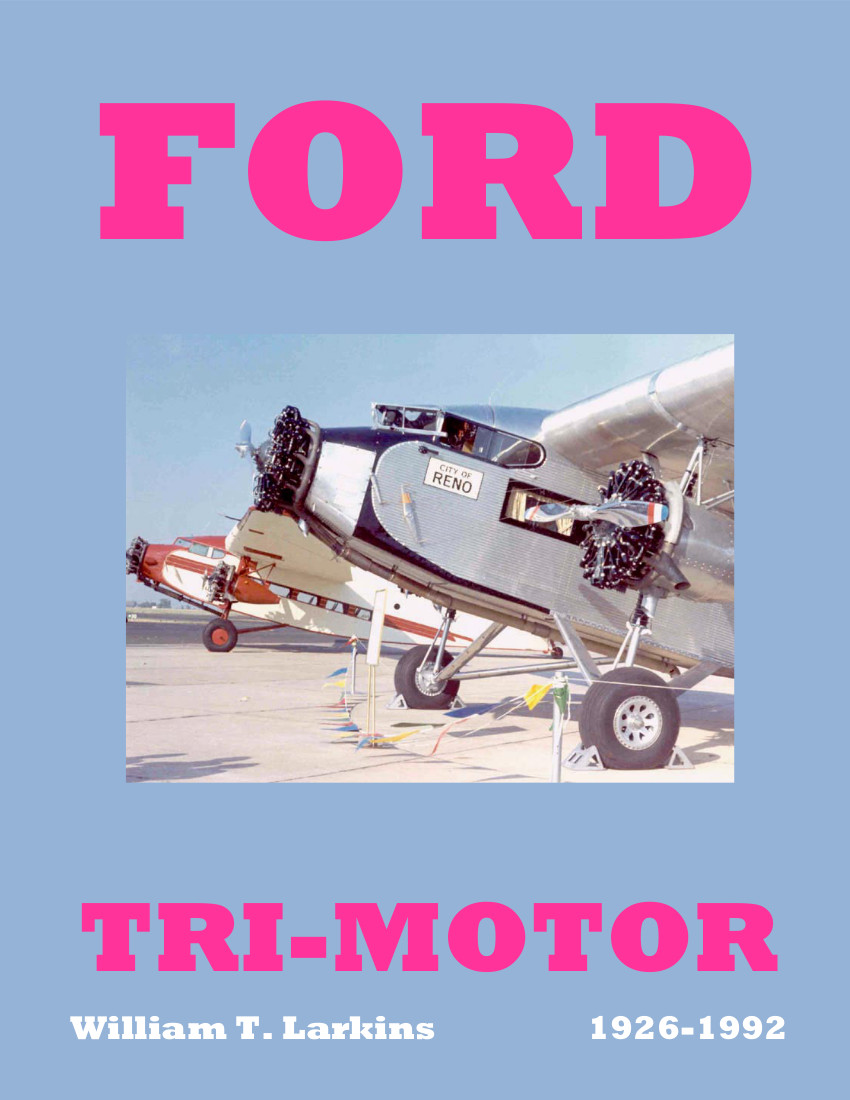
William T. Larkins
168 puslapiai · 1992
General Characteristics and Design
The Stout Bushmaster 2000 was a small commuter airliner built in the United States during the 1960s and 1980s. It was an ambitious, modernized attempt to revive the design of the famous Ford Tri-Motor (“Tin Goose”) from the 1920s. Bill Stout, the original designer of the Tri-Motor, bought back the design rights with the intent to produce a simple, rugged, and economical transport aircraft for the “bush flying” market. Although the Bushmaster 2000 featured modern engines, hydraulic brakes, larger windows, and a lighter aluminum-alloy skin, only two examples were ever completed due to competition from contemporary designs and financial issues.
| Property | Typical Value |
|---|---|
| Vaidmenį | Commuter Airliner / Utility Transport |
| National Origin | Jungtinės Amerikos Valstijos |
| Gamintojas | Bushmaster Aircraft / Aircraft Hydro-Forming |
| First Flight | 1964 |
| Skaičius pastatytas | 2 |
| Įgulos | Du |
| Pajėgumas | 23 passengers (high density) |
| Ilgis | 15.44 m (50 ft 8 in) |
| Sparnų ilgis | 23.75 m (77 ft 11 in) |
| Empty Weight | 3,402 kg (7,500 lb) |
| Gross Weight | 5,670 kg (12,500 lb) |
Powerplant and Performance
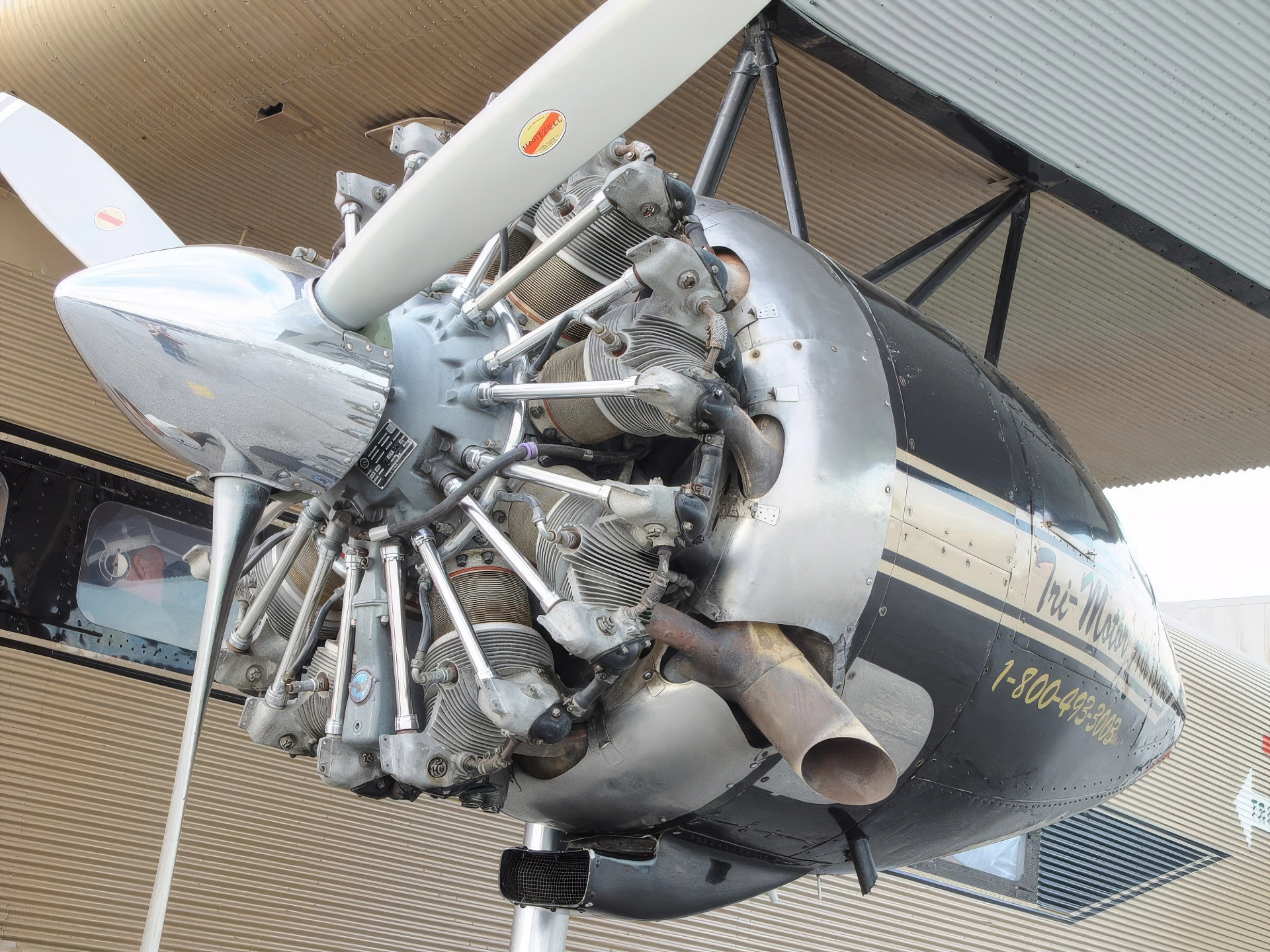
- Engines: 3 x Pratt & Whitney R-985-AN-1 Wasp Junior nine-cylinder, air-cooled radial engines.
- Power Output (Each): 336 kW (450 hp).
- Maximum Speed: 206 km/h (128 mph; 111 kn) Indicated Airspeed (IAS).
- Cruise Speed: Approx. 185 km/h (115 mph).
- Range: 1,127 km (700 mi; 610 nmi).
- Stall Speed: 89 km/h (55 mph; 48 kn).
Key Modernization Features
- Propellers: Used Hartzell HC-B3R30-2E fully-feathering three-blade constant-speed propellers—a significant upgrade from the original Ford Tri-Motor.
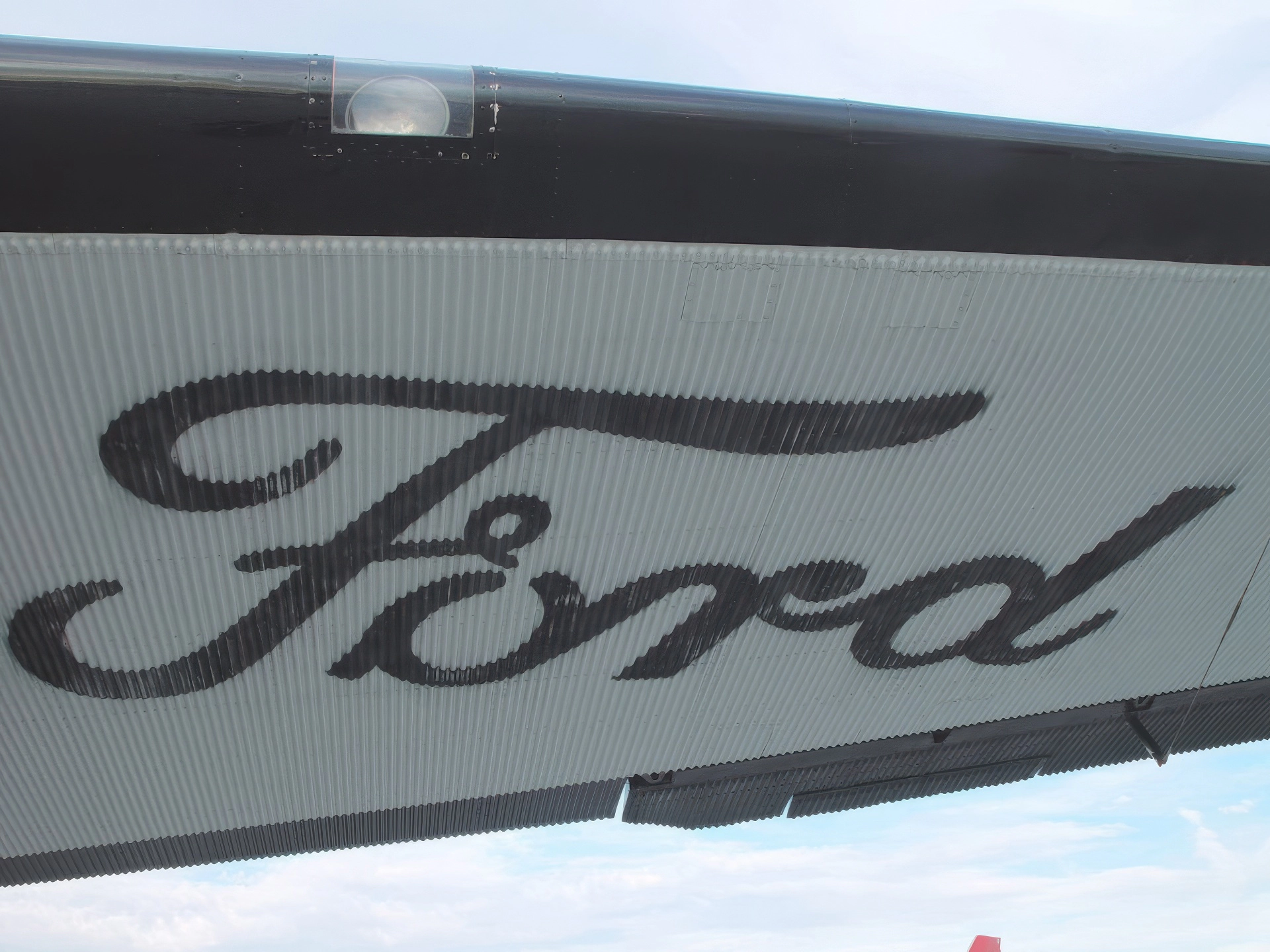
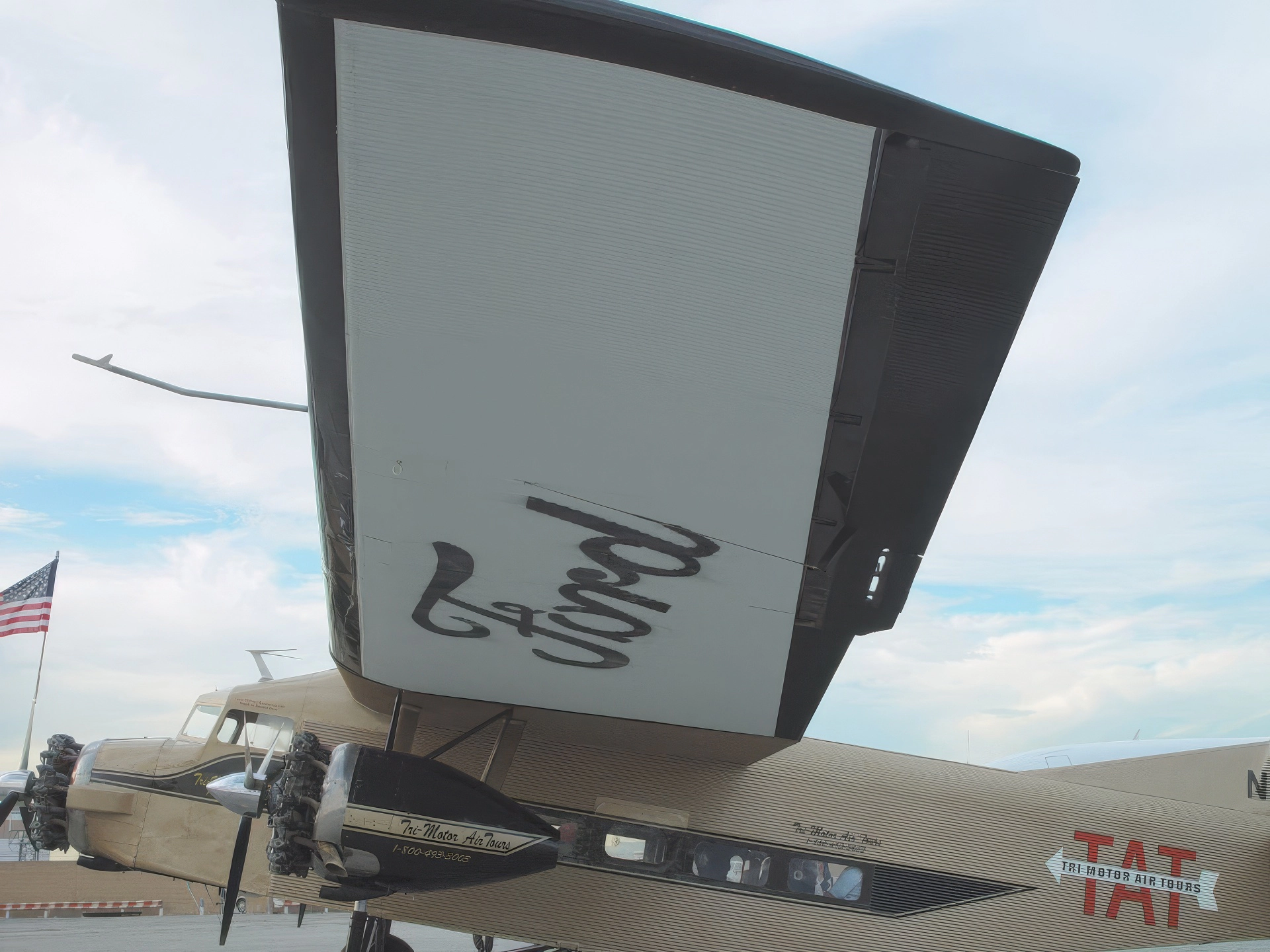
- Construction: Retained the classic corrugated aluminum skin, but used new, lighter, and stronger aluminum sheet and improved riveting.
- Brakes: Replaced the original aircraft’s unique hand-operated “Johnny Brake” system with a modern foot-operated hydraulic brake system.
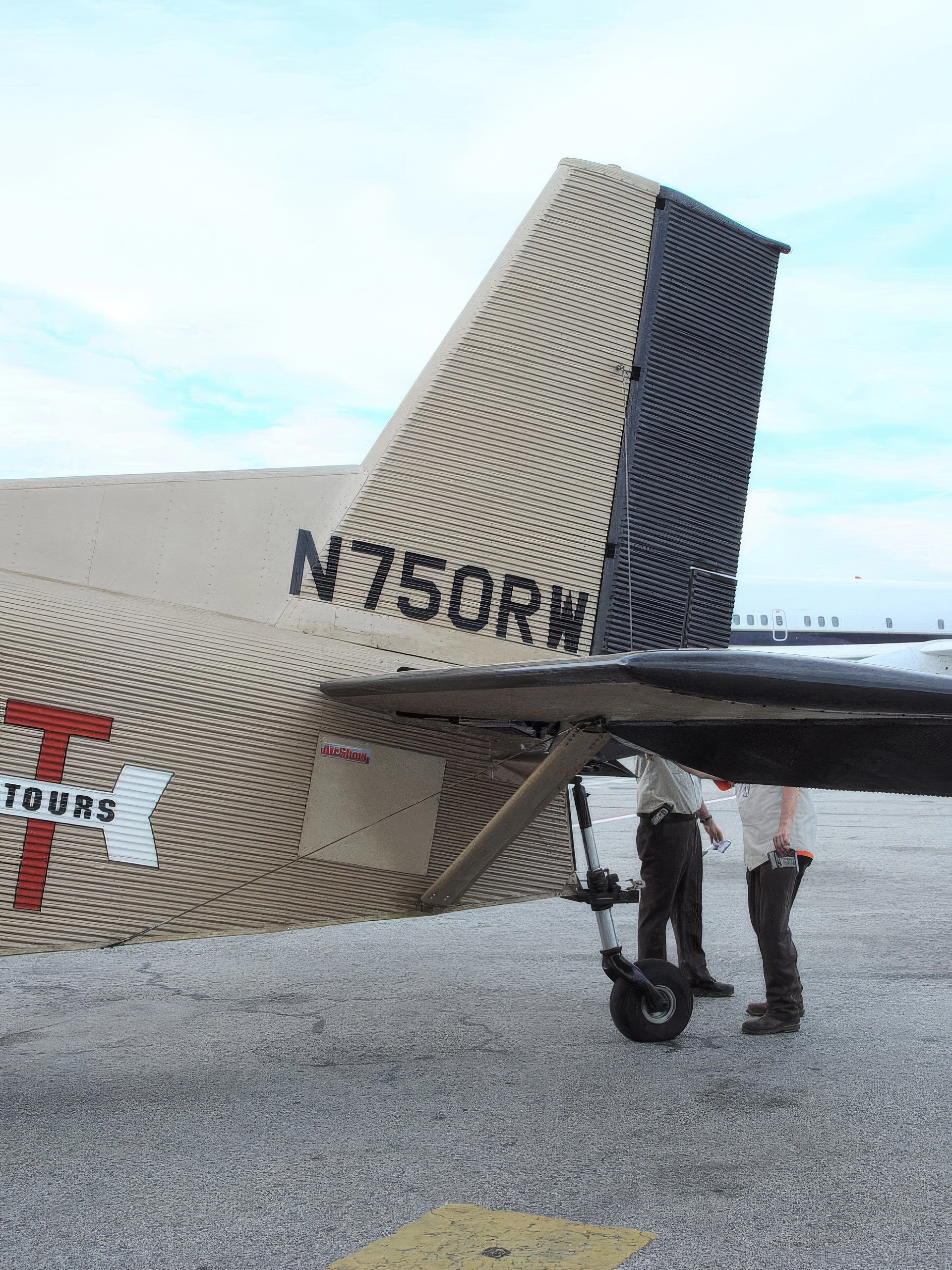
- Flight Controls: Control cables were rerouted internally, and the vertical stabilizer was made taller with a dorsal fin to improve stability and reduce yaw.
- Landing Gear: Features included Goodrich single-disc brake main wheels and tubeless tires, with the option for floats or skis.
Views : 815
Taip pat galite pamatyti:
 "McDonnell Douglas KC-10 Extender" – nuotraukos ir vaizdo įrašas
 McDonnell FH Phantom – nuotraukos ir vaizdo įrašas
 C-130J Hercules – nuotraukos ir vaizdo įrašas
 Macchi MC-200 – "WalkAround"
 PZL P.11 – WalkAround
 P-51 Mustang vol2 – Pasivaikščiojimas aplink
 Varpas P-63E KingCobra – WalkAround
 Vought F4U Corsair – WalkAround
 F4U-7 Corsair – WalkAround
 Douglas A-26 Invader – WalkAround