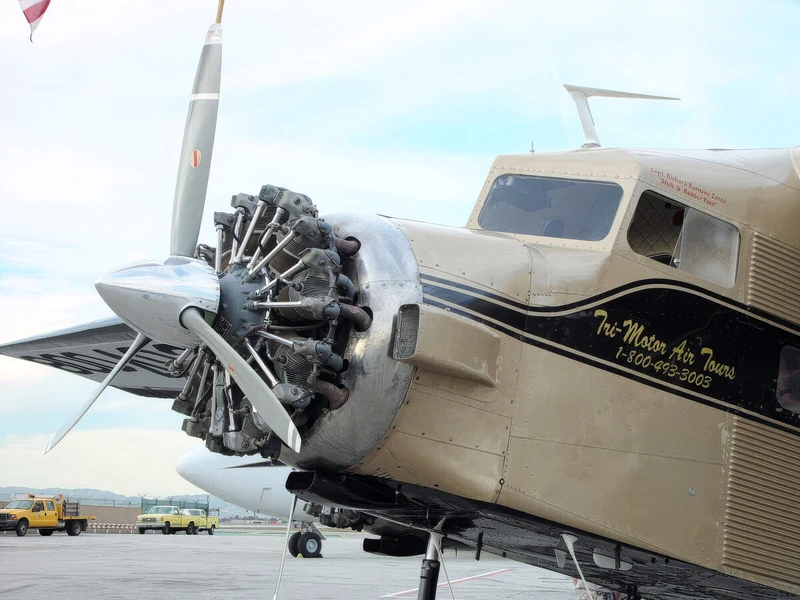
Stout Bushmaster 2000 | |
|---|---|
| Pays | Usa |
| Rôle | avion de ligne |
| Premier vol | 1964 |
| Buily | 2 |
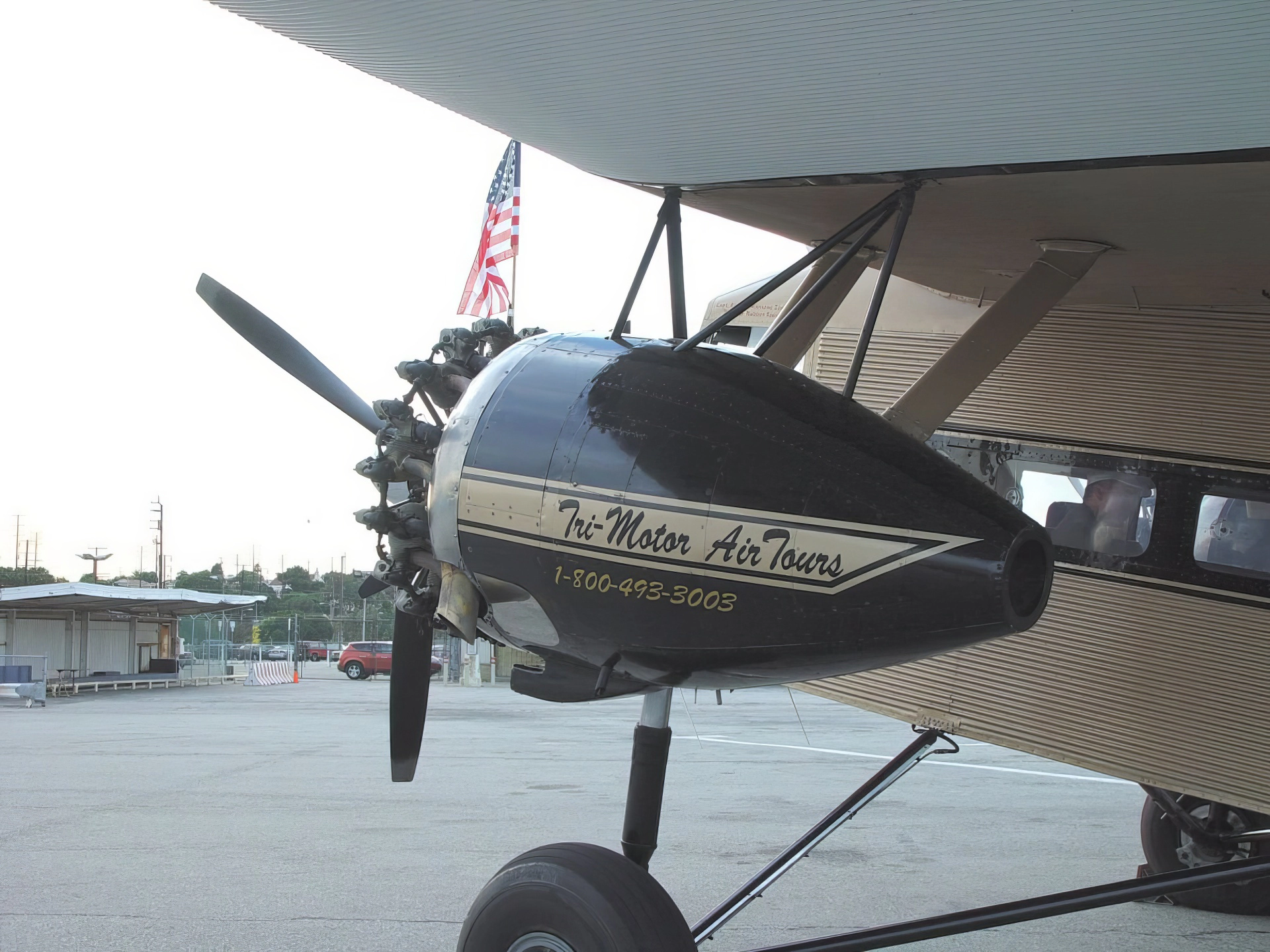
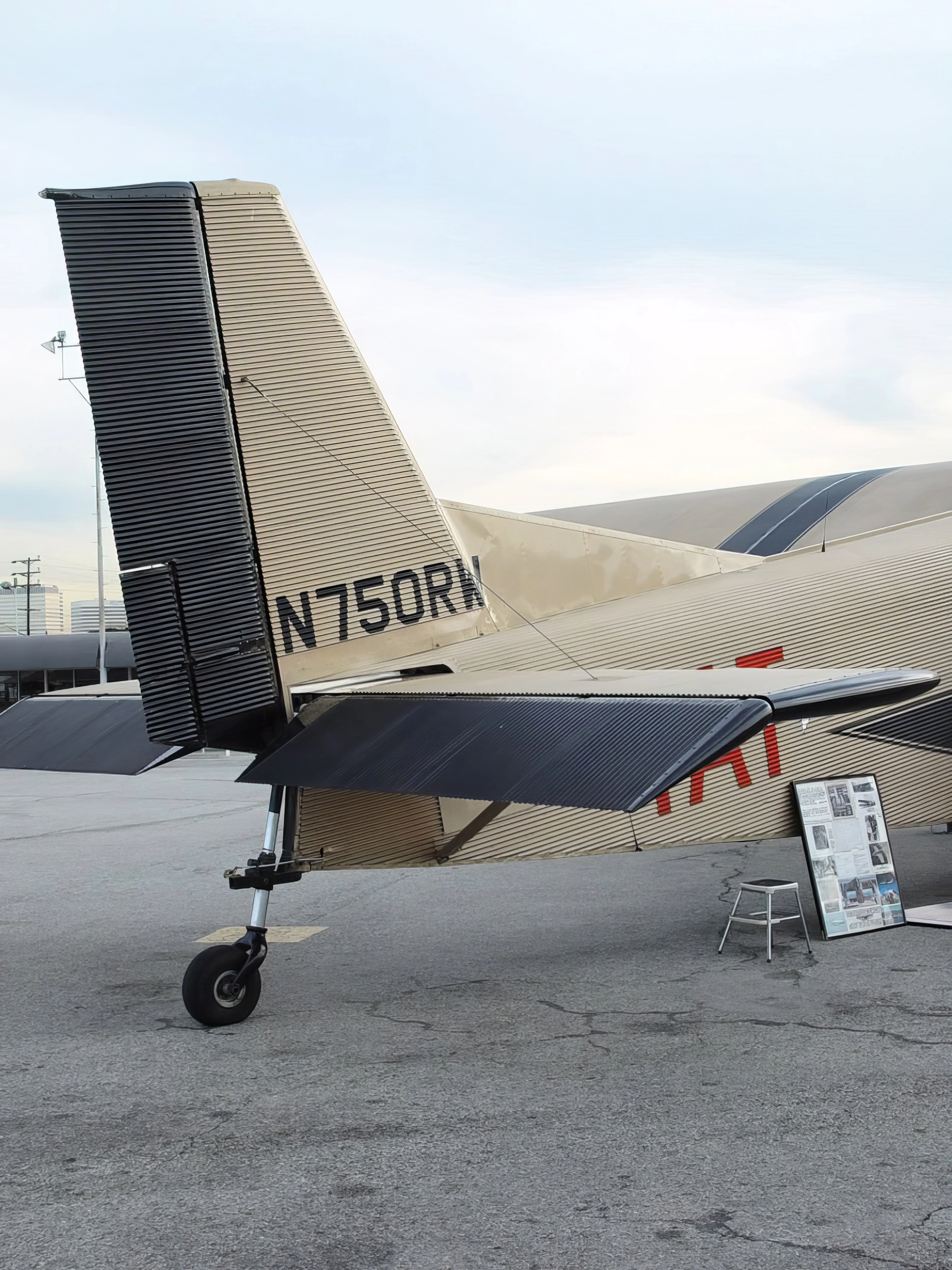
Lla Bushmaster 2000 Bushmaster 2000 était un petit avion de ligne de banlieue construit aux États-Unis dans le but de relancer la conception du Ford Trimotor. Les travaux ont commencé en 1953 en testant un Trimotor vintage et en 1954 Bill Stout a acheté les droits de conception du Trimotor original. en raison de « Ford Tri-Motor » problèmes de licence, le Ford 15-AT-D a reçu le nom Bushmaster 2000. Le 15 janvier 1955, Stout et son partenaire Robert Hayden de la Hayden Aircraft Corporation annoncèrent qu’ils prévoyaient de construire 1 000 nouveaux Bushmaster, mais il faudra onze ans avant que le premier prototype de la nouvelle conception ne vole.
Source: Stout Bushmaster 2000 sur Wikipédia
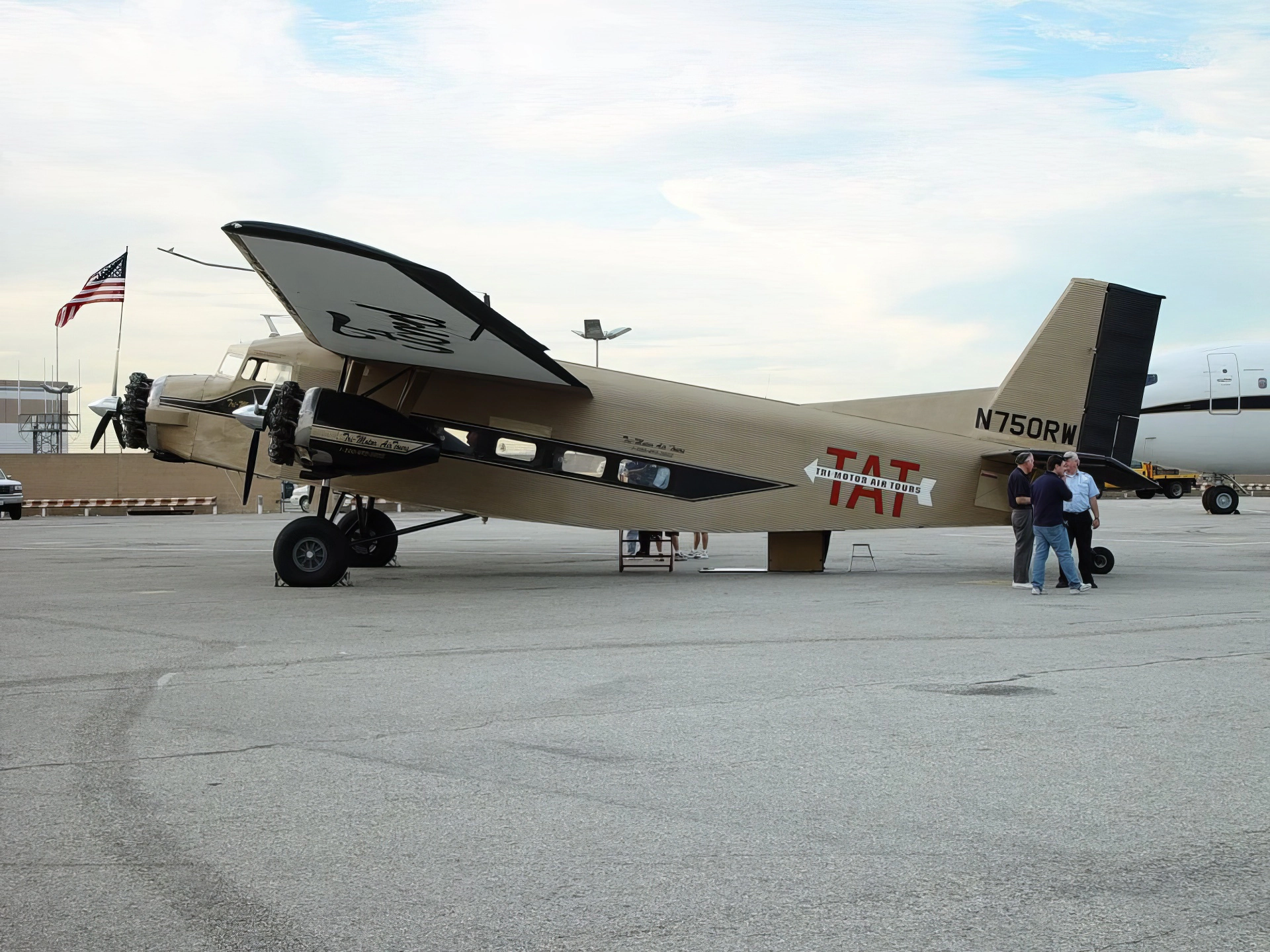
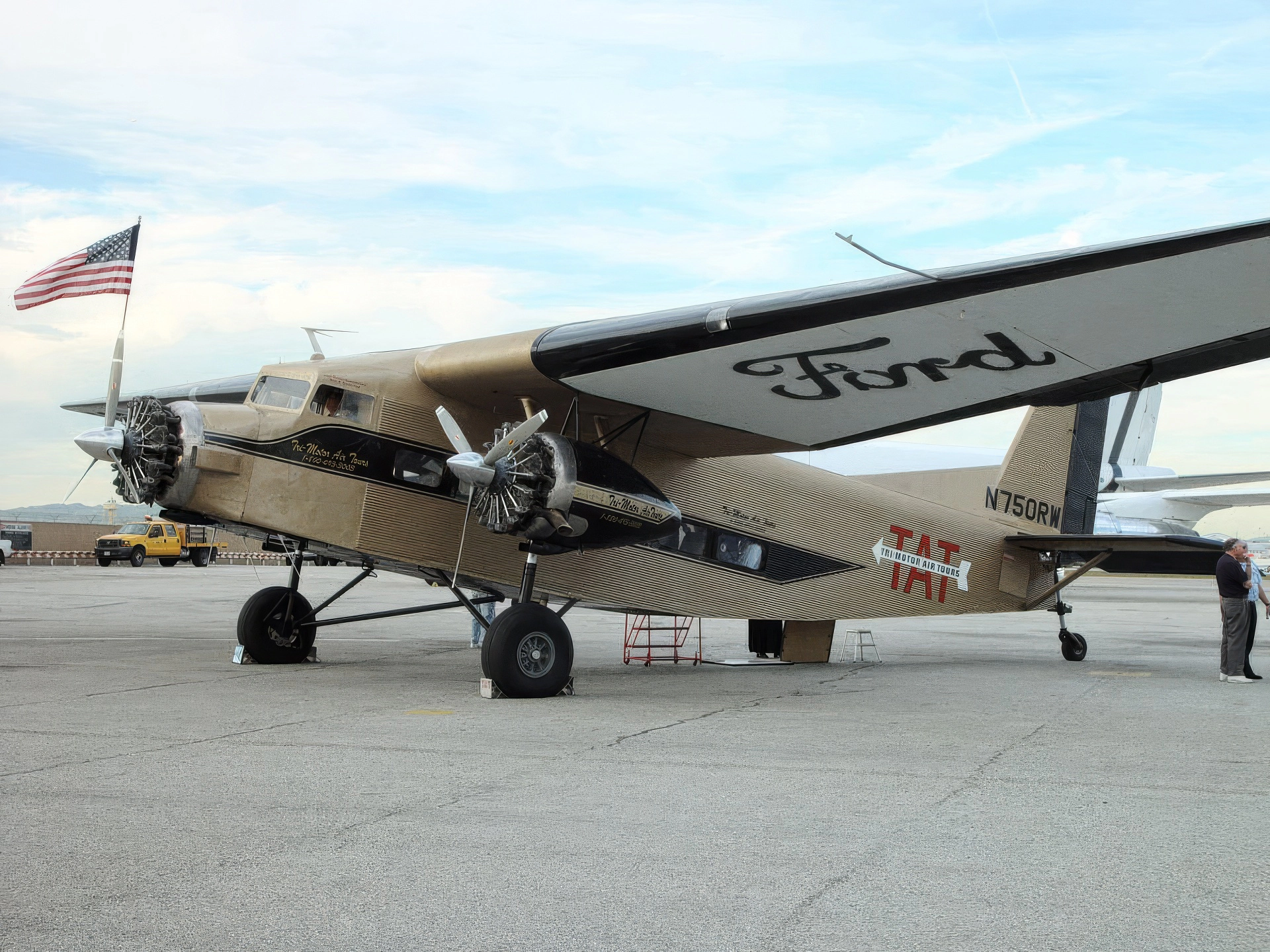
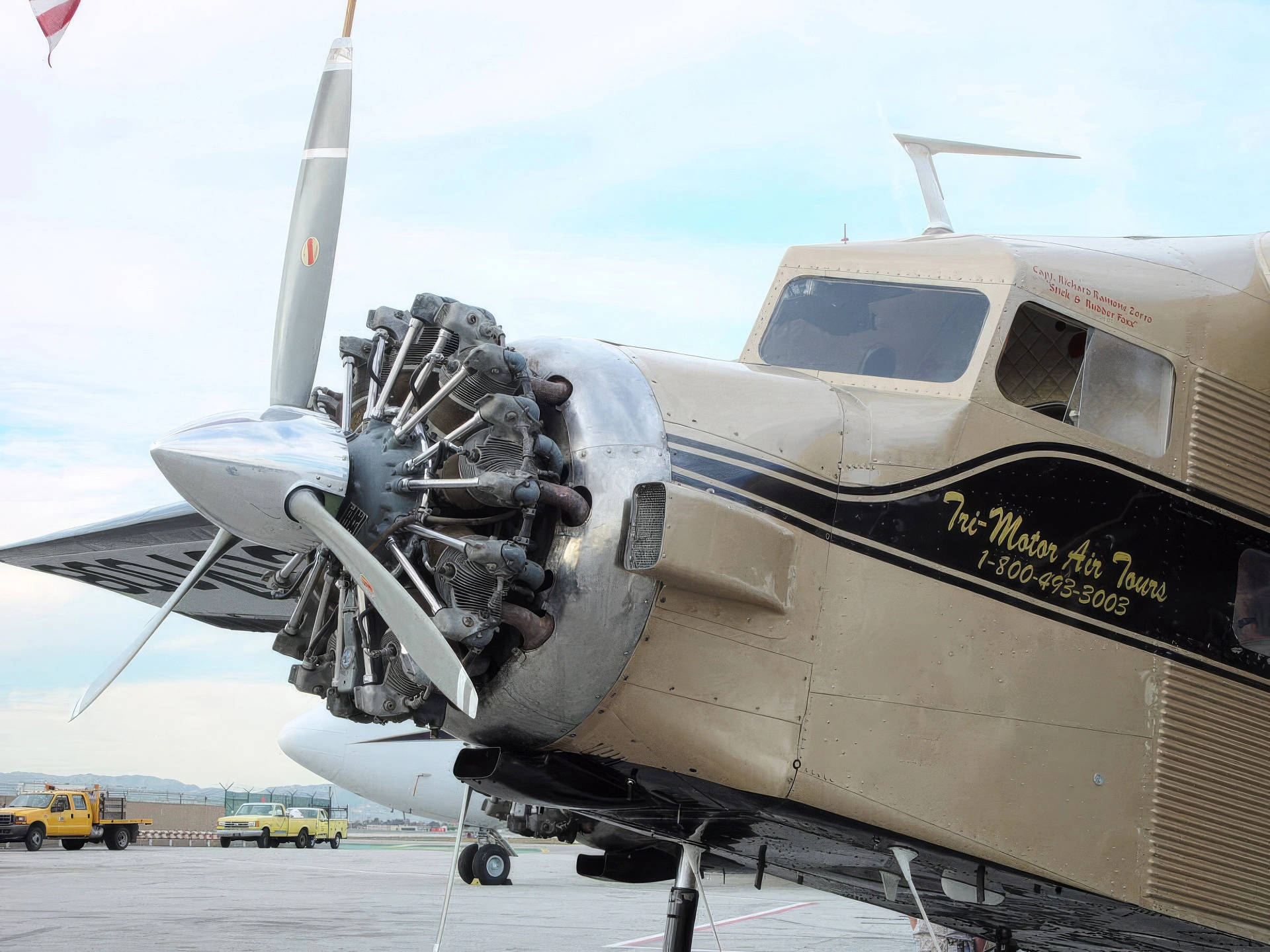
| Bushmaster 2000 Walk Around | |
|---|---|
| Photographe | Michael Benolkin |
| Localisation | Inconnu |
| Photos | 18 |


Voir aussi :


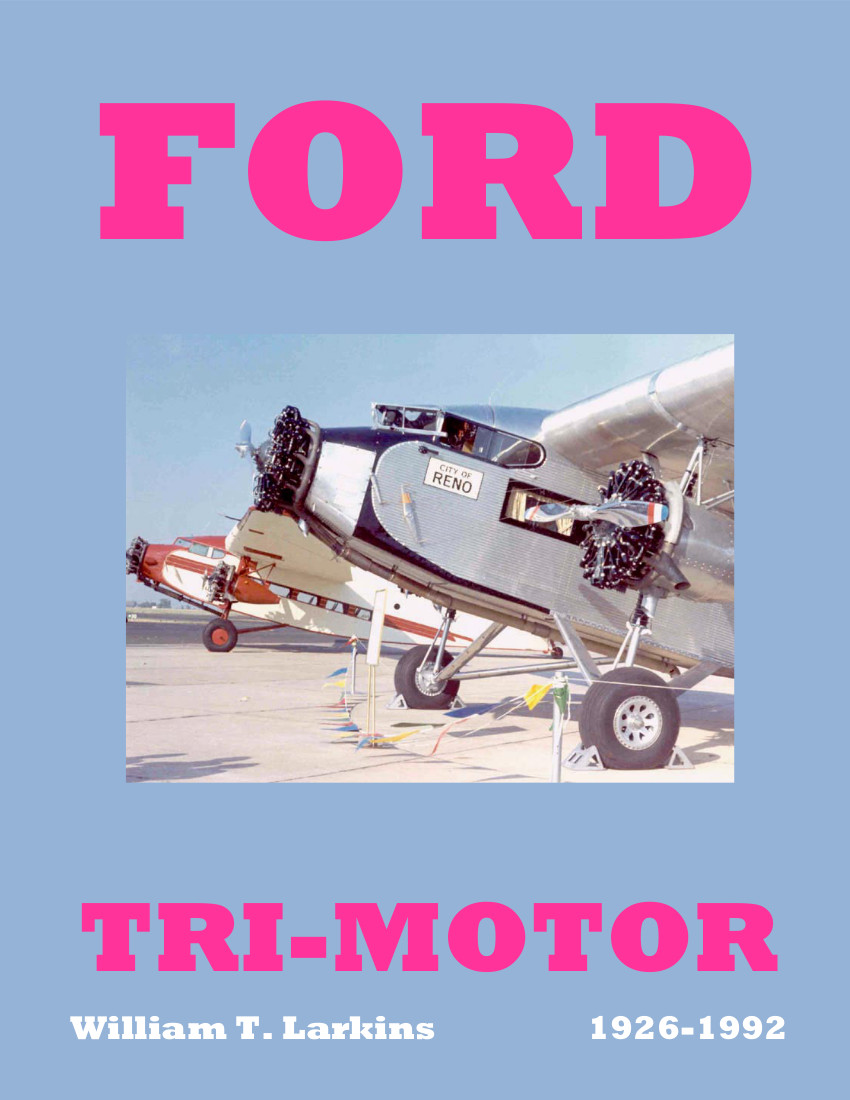
par William T. Larkins
168 pages · 1992
General Characteristics and Design
The Stout Bushmaster 2000 was a small commuter airliner built in the United States during the 1960s and 1980s. It was an ambitious, modernized attempt to revive the design of the famous Ford Tri-Motor (« Tin Goose ») from the 1920s. Bill Stout, the original designer of the Tri-Motor, bought back the design rights with the intent to produce a simple, rugged, and economical transport aircraft for the « Vol de brousse » market. Although the Bushmaster 2000 featured modern engines, hydraulic brakes, larger windows, and a lighter aluminum-alloy skin, only two examples were ever completed due to competition from contemporary designs and financial issues.
| Property | Typical Value |
|---|---|
| Rôle | Commuter Airliner / Utility Transport |
| National Origin | États-Unis |
| Fabricant | Bushmaster Aircraft / Aircraft Hydro-Forming |
| First Flight | 1964 |
| Numéro construit | 2 |
| Crew | Deux |
| Capacité | 23 passengers (high density) |
| Length | 15.44 m (50 ft 8 in) |
| Envergure | 23.75 m (77 ft 11 in) |
| Empty Weight | 3,402 kg (7,500 lb) |
| Gross Weight | 5,670 kg (12,500 lb) |
Powerplant and Performance
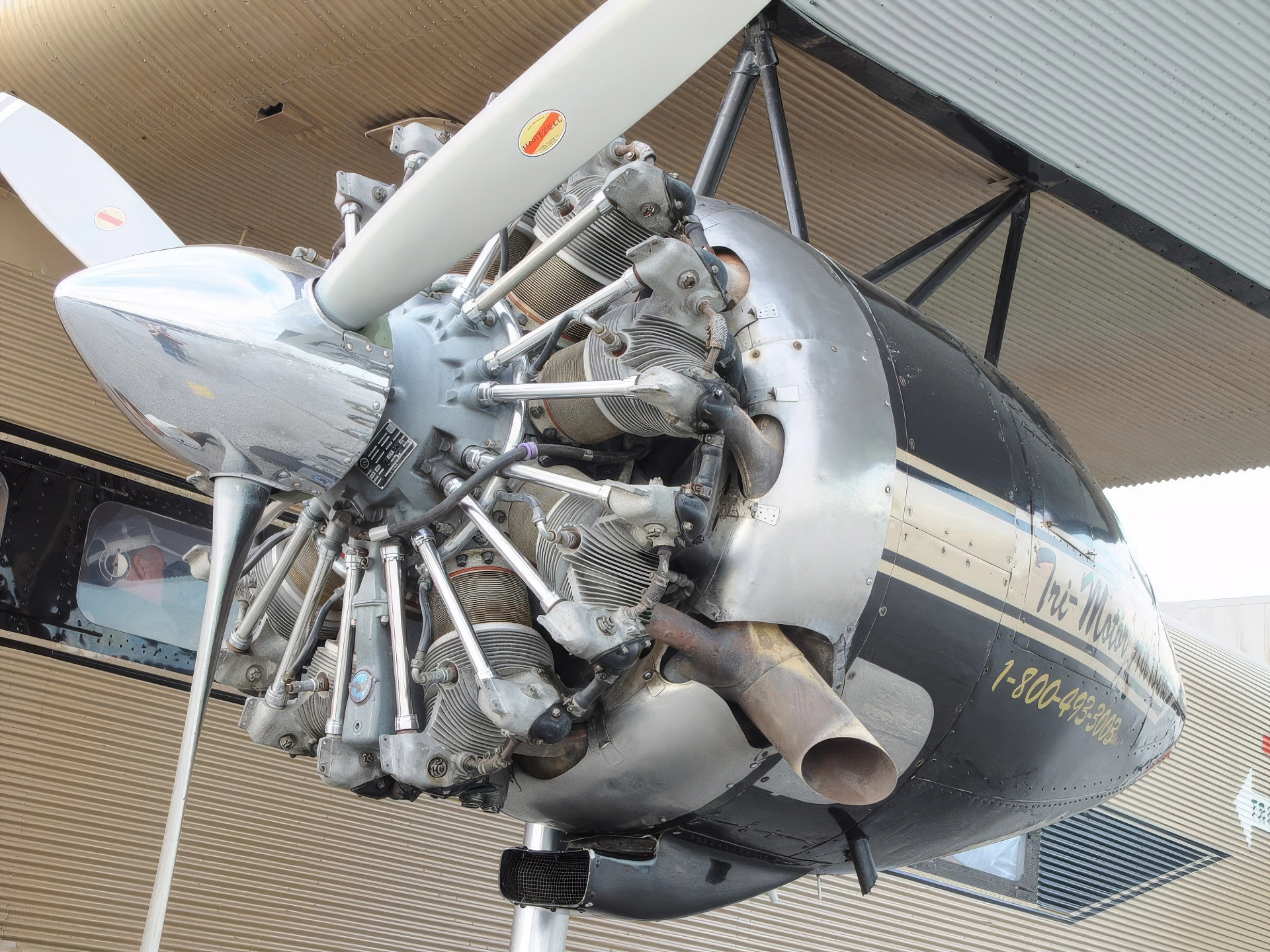
- Engines: 3 x Pratt & Whitney R-985-AN-1 Wasp Junior nine-cylinder, air-cooled radial engines.
- Power Output (Each): 336 kW (450 hp).
- Maximum Speed: 206 km/h (128 mph; 111 kn) Indicated Airspeed (IAS).
- Cruise Speed: Approx. 185 km/h (115 mph).
- Range: 1,127 km (700 mi; 610 nmi).
- Stall Speed: 89 km/h (55 mph; 48 kn).
Key Modernization Features
- Propellers: Used Hartzell HC-B3R30-2E fully-feathering three-blade constant-speed propellers—a significant upgrade from the original Ford Tri-Motor.
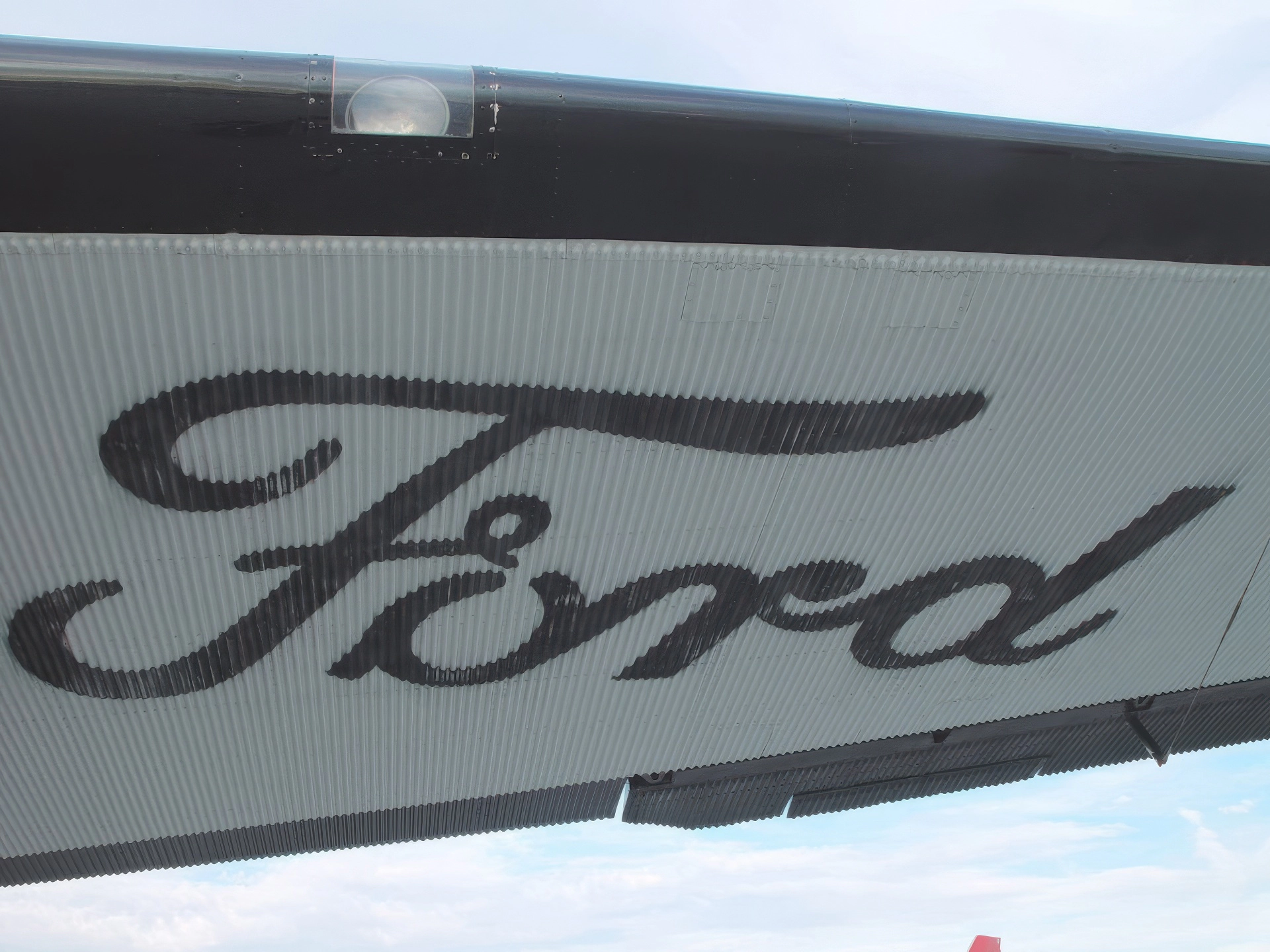
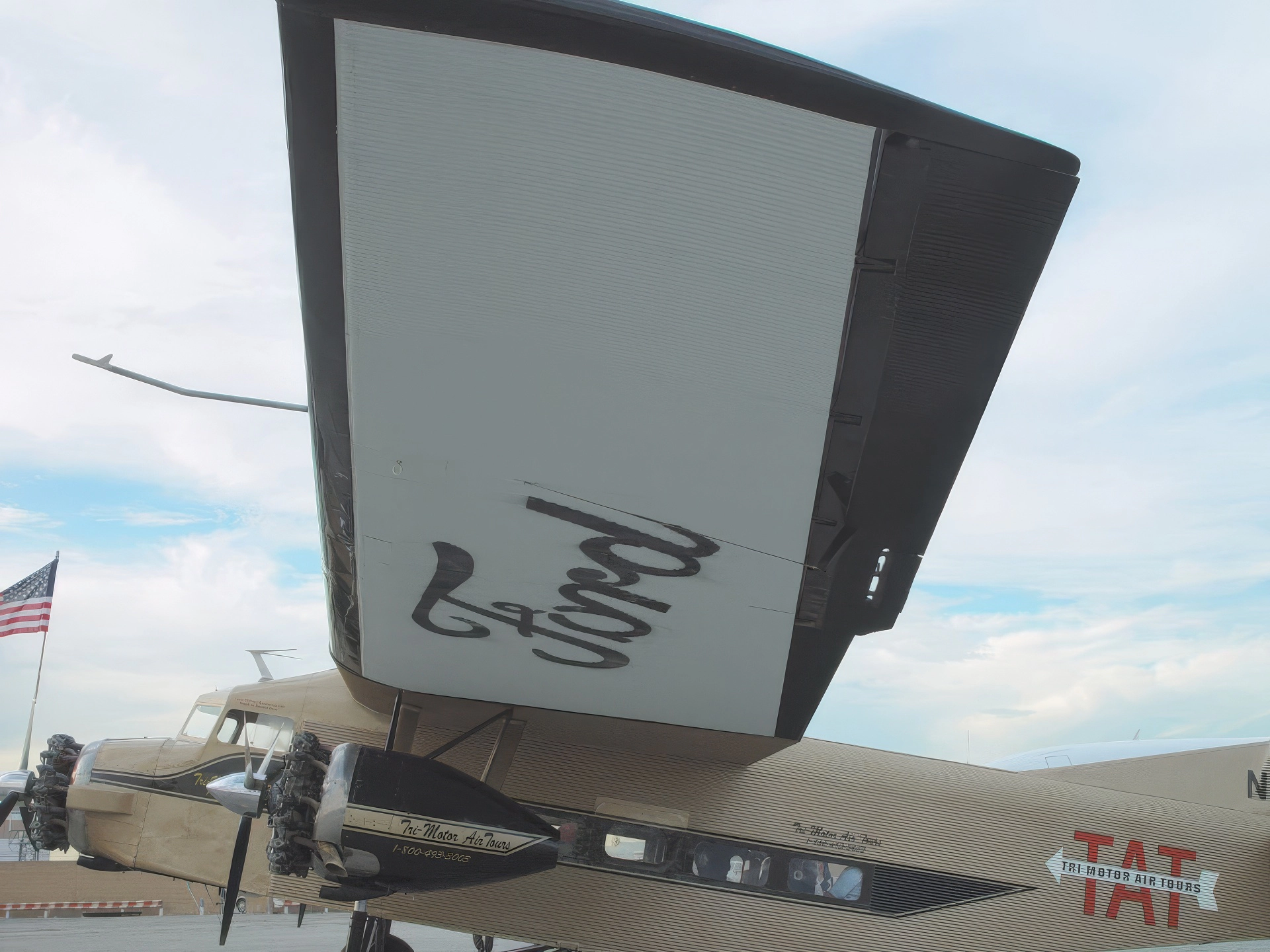
- Construction: Retained the classic corrugated aluminum skin, but used new, lighter, and stronger aluminum sheet and improved riveting.
- Brakes: Replaced the original aircraft’s unique hand-operated « Johnny Brake » system with a modern foot-operated hydraulic brake system.
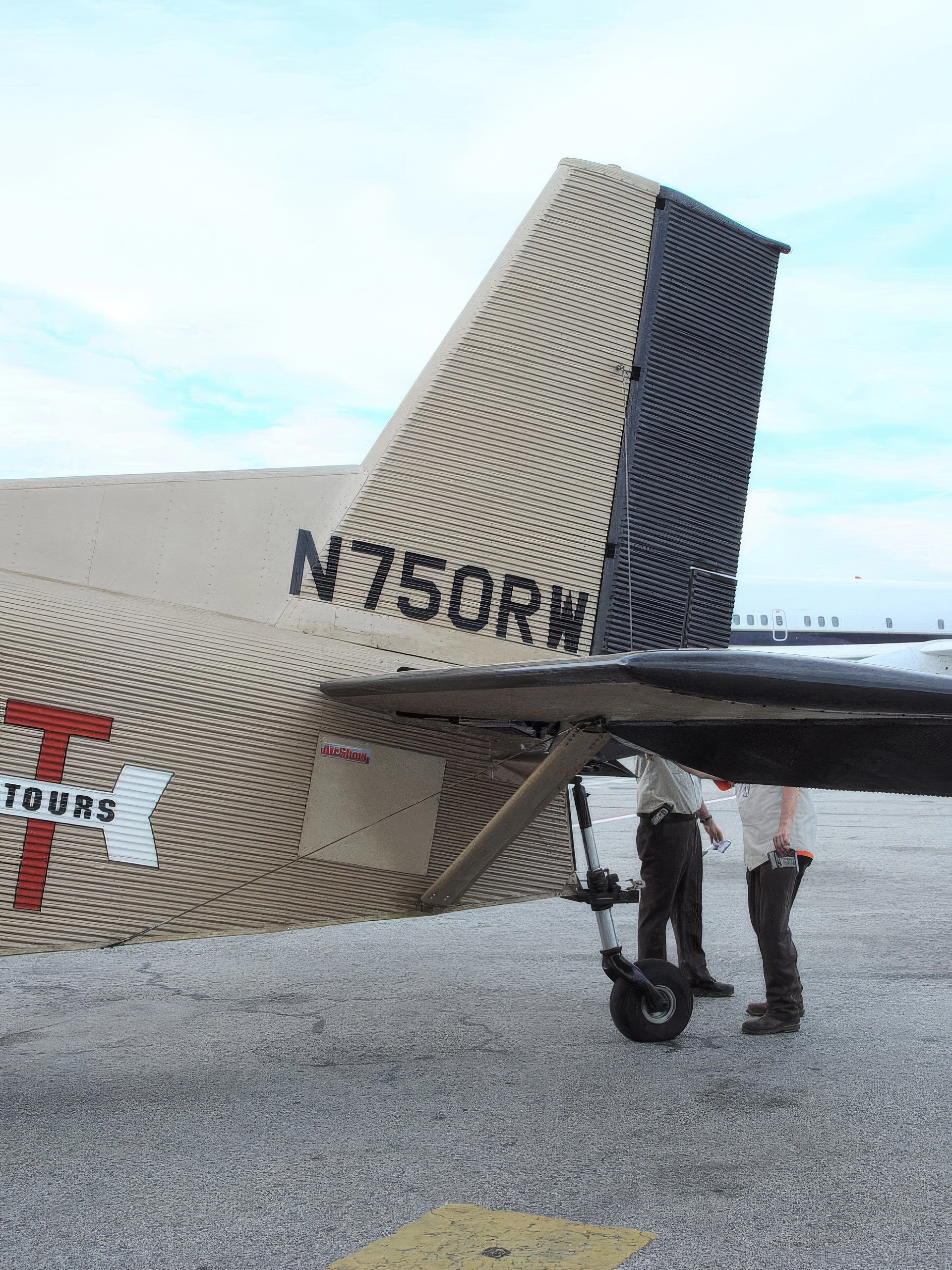
- Flight Controls: Control cables were rerouted internally, and the vertical stabilizer was made taller with a dorsal fin to improve stability and reduce yaw.
- Landing Gear: Features included Goodrich single-disc brake main wheels and tubeless tires, with the option for floats or skis.
Vues : 808
Vous pouvez voir aussi :
 McDonnell Douglas KC-10 Extender – Photos et vidéo
 McDonnell FH Phantom – Photos et vidéos
 C-130J Hercules – Photos & Vidéo
 Macchi MC-200 – WalkAround
 PZL P.11 – WalkAround
 P-51 Mustang vol2 – Walk Around
 Bell P-63E KingCobra – WalkAround
 Vought F4U Corsair - WalkAround
 F4U-7 Corsair – WalkAround
 Douglas A-26 Invader – WalkAround