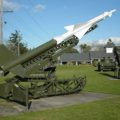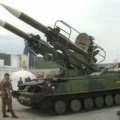
MIM-104 Patriot | |
|---|---|
| 국가 | 미국 |
| 역할 | 탄도 미사일 능력을 갖춘 이동식 장거리 지대공 미사일 |
| 서비스 중 | 1981년 설립 |
| 내장 | 1100개 이상의 발사기 |
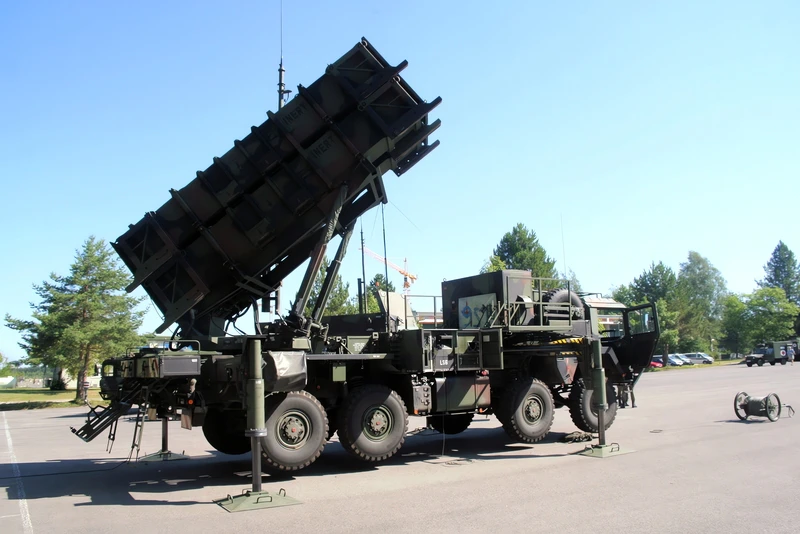
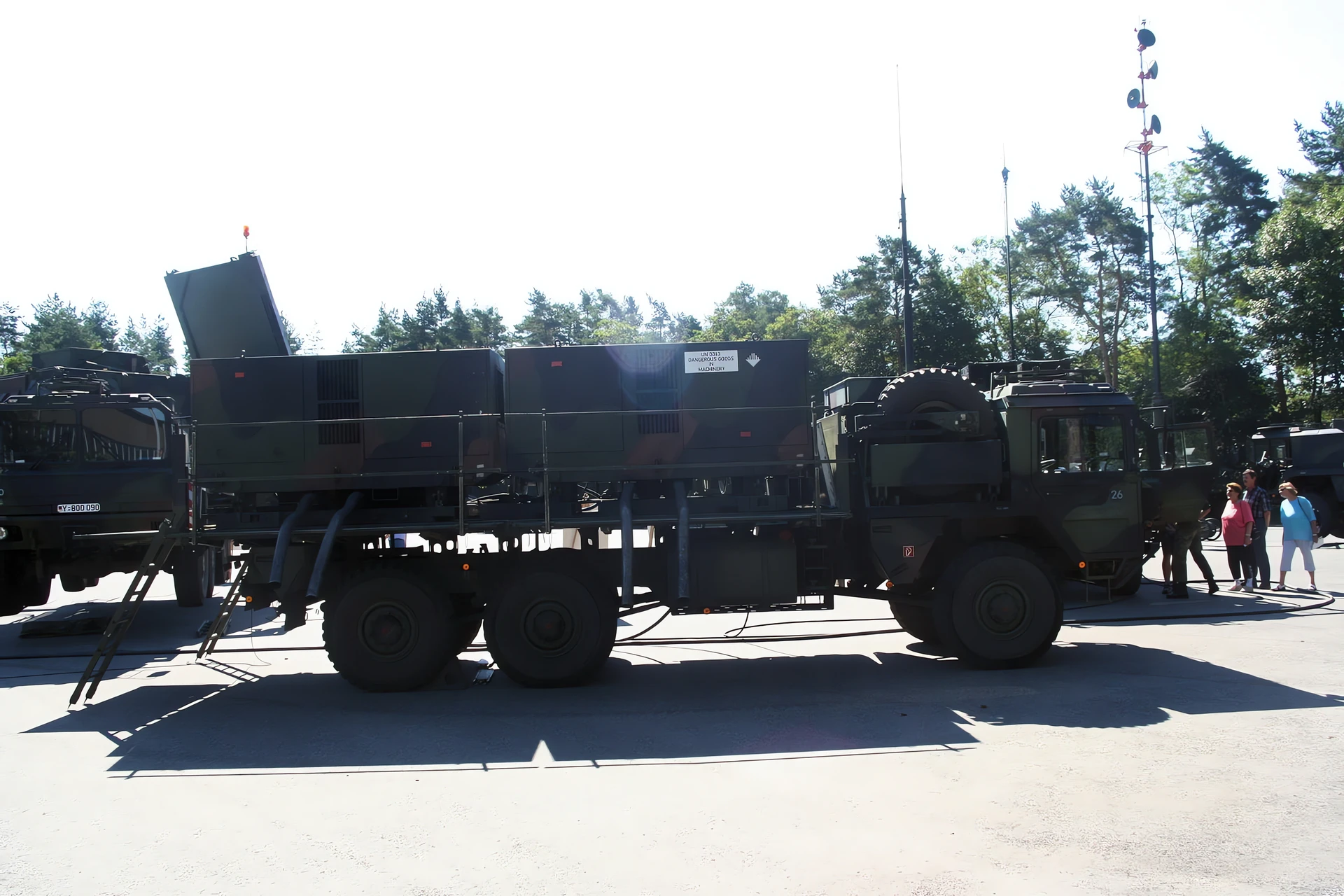
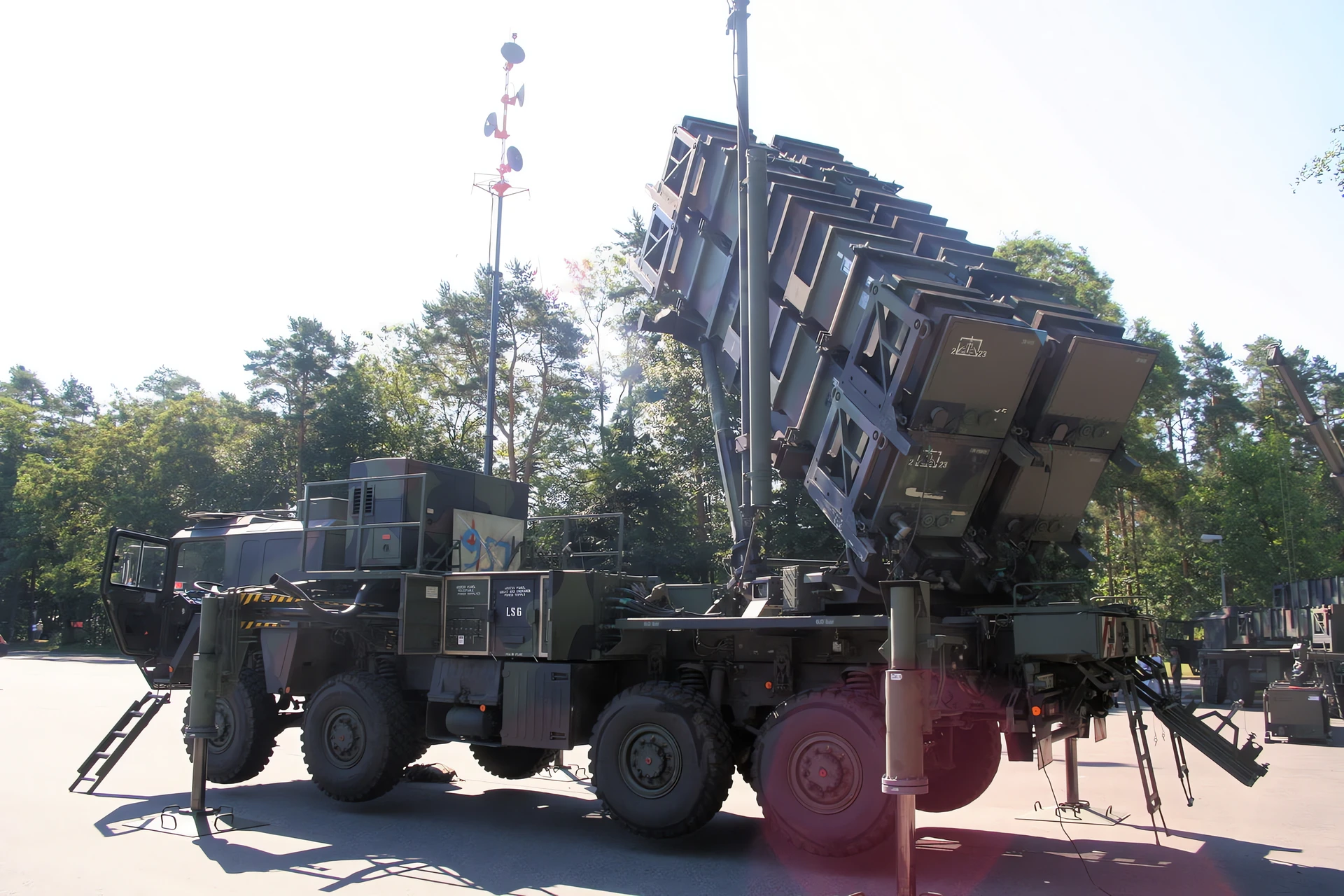
Tthe MIM-104 애국자 지대공 미사일 (SAM) 시스템으로, 미국 육군과 여러 동맹국이 사용하는 종류의 주요 시스템입니다. 그것은 미국 방위 계약자 인 Raytheon에 의해 제조되었으며 무기 시스템의 레이더 구성 요소에서 그 이름을 파생시킵니다. 시스템의 핵심에 있는 AN/MPQ-53은 PATRIOT의 백로니즘인 "타겟에서 인터셉트하는 위상 배열 추적 레이더"로 알려져 있습니다. 패트리어트 시스템은 나이키 헤라클레스 시스템을 미 육군의 주요 중형 방공 (HIMAD) 시스템으로 대체하고 MIM-23 호크 시스템을 미 육군의 중형 전술 방공 시스템으로 대체했습니다. 이러한 역할 외에도 패트리어트는 현재 패트리어트의 주요 임무 인 미 육군의 탄도 미사일 (ABM) 시스템의 기능을 부여 받았다. 이 시스템은 최소 2040 년까지 현장 유지가 예상됩니다.
소스: MIM-104 위키백과에 애국자
| Patriot Missile Battery Walk Around | |
|---|---|
| Photographer | Dieter Krause |
| Localisation | Unknow |
| Photos | 102 |
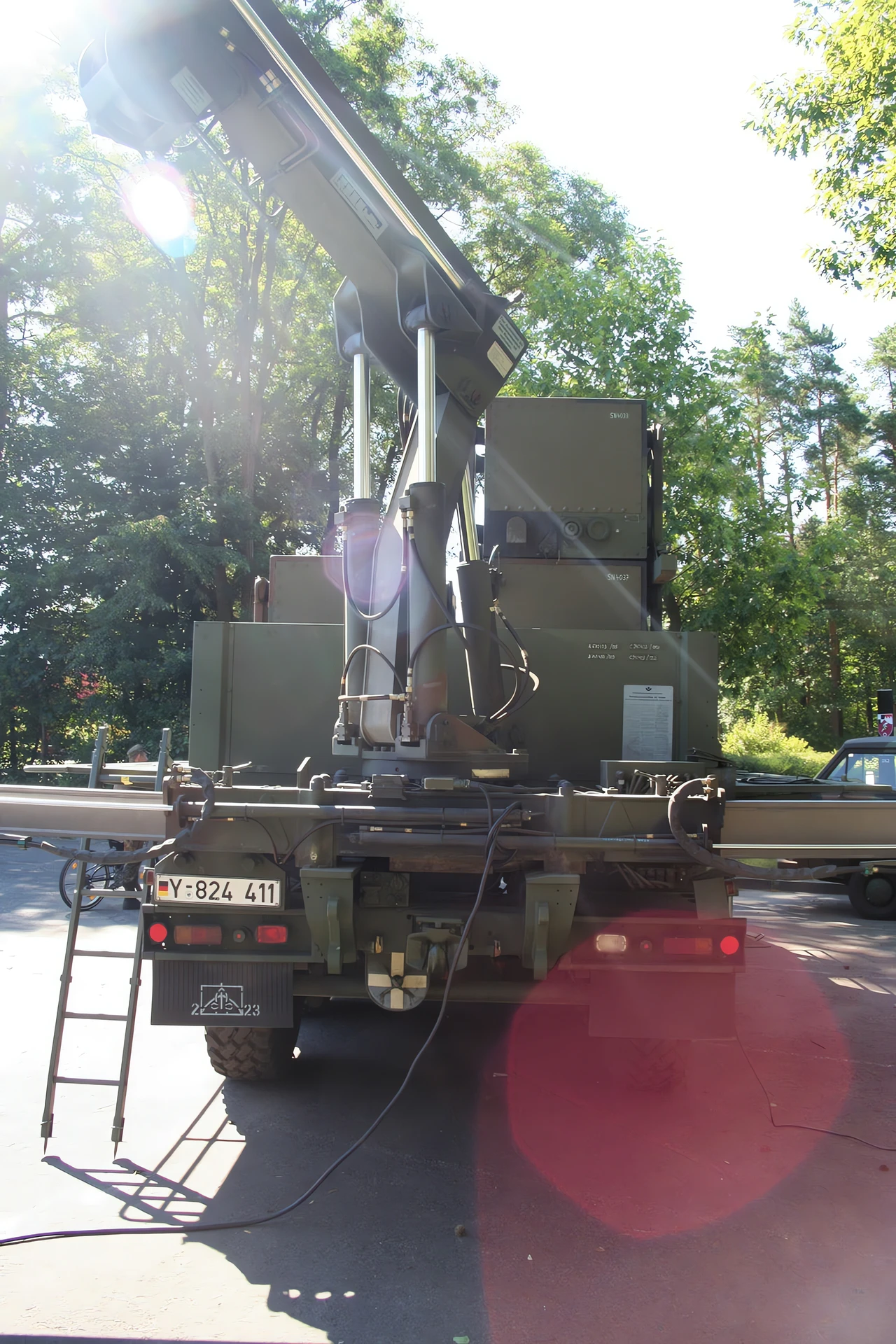
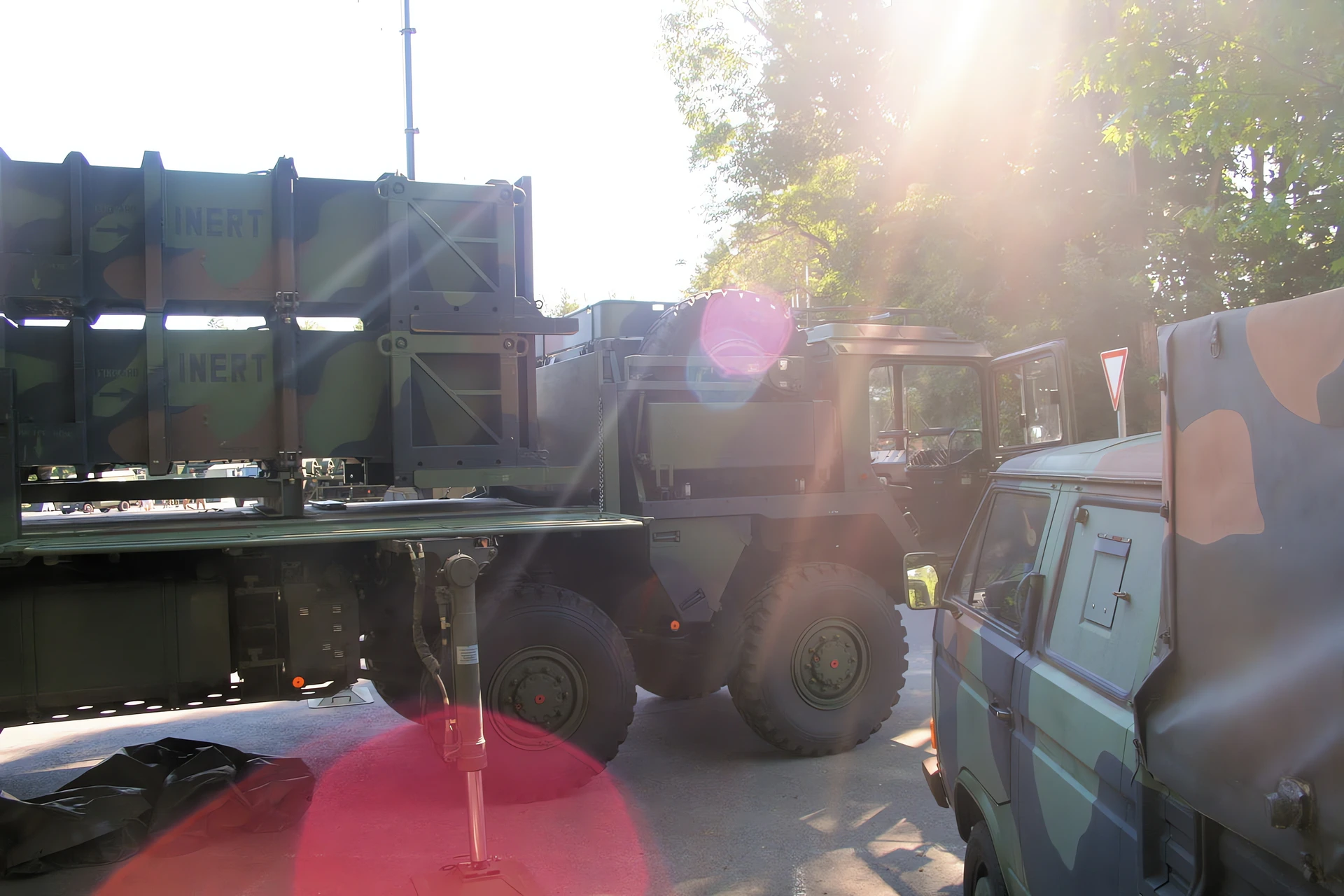
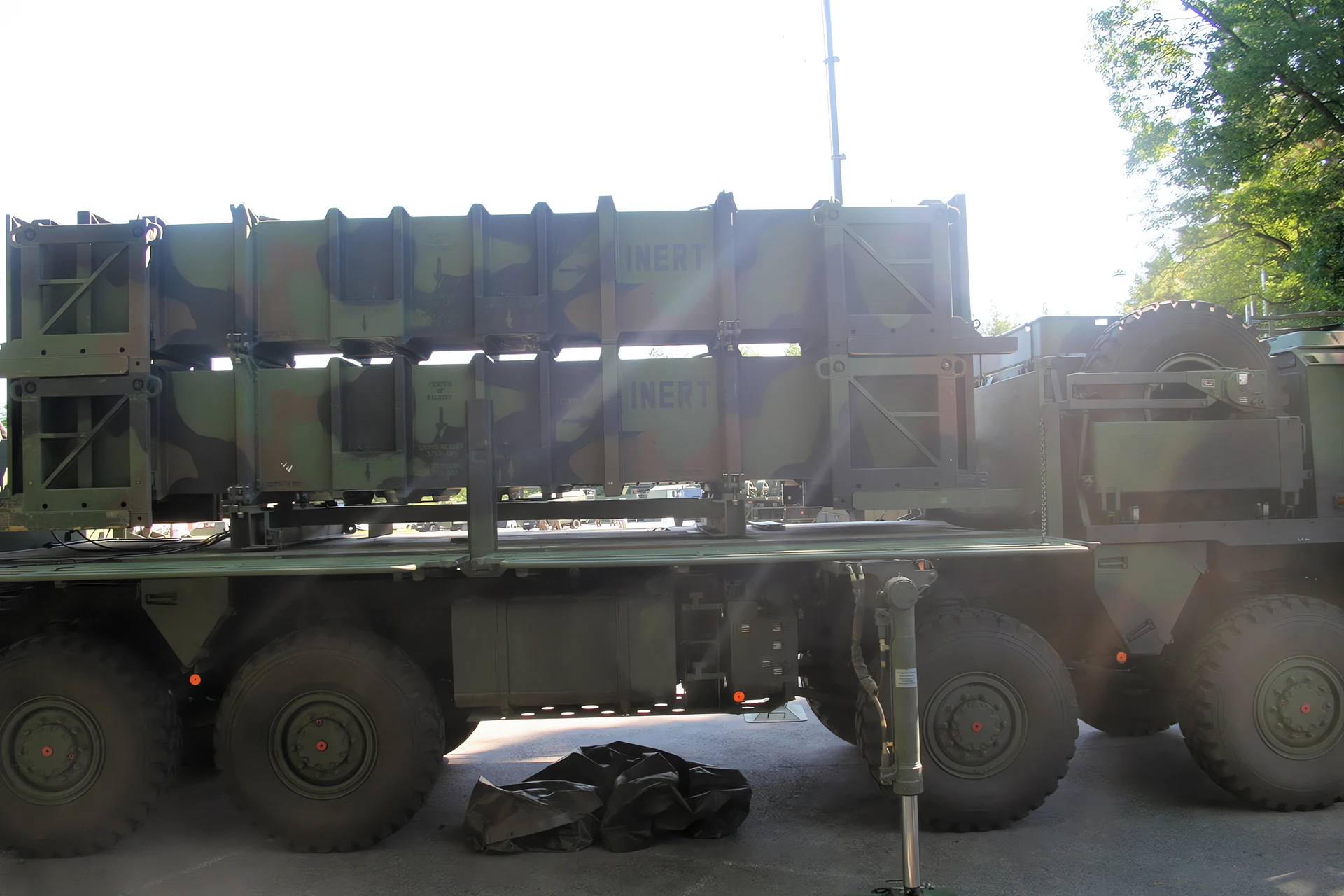

참고 항목:


General Characteristics and Role
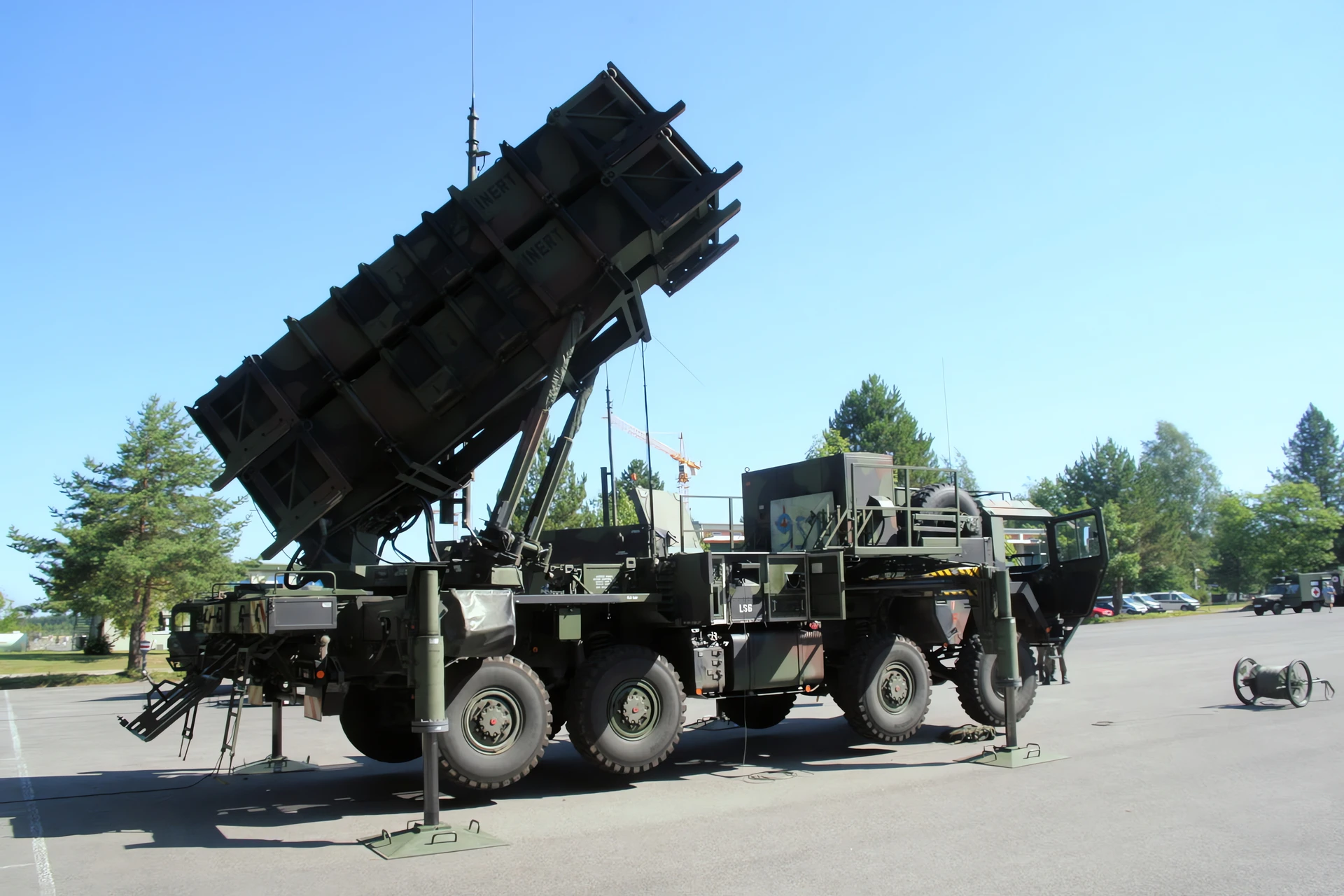
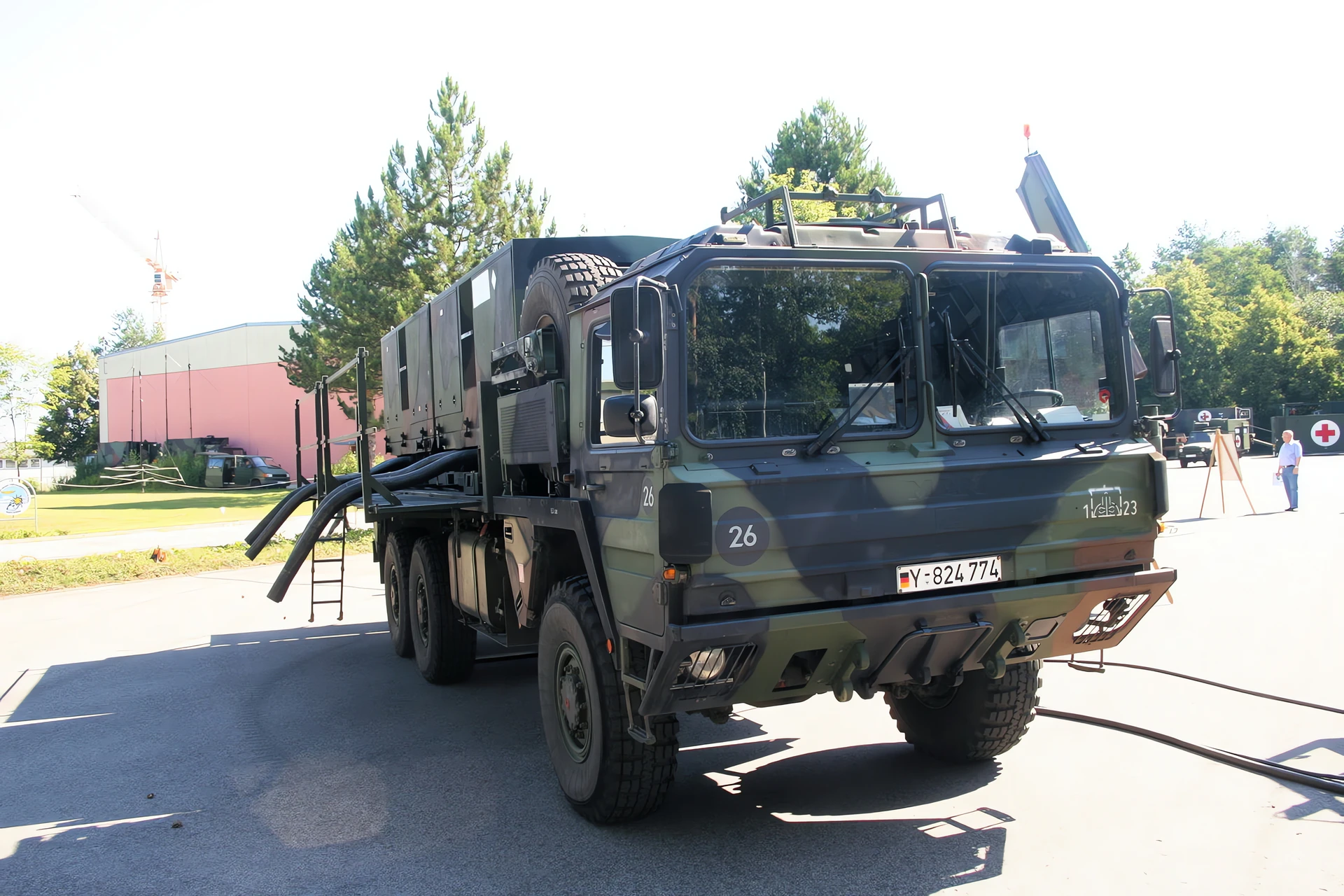
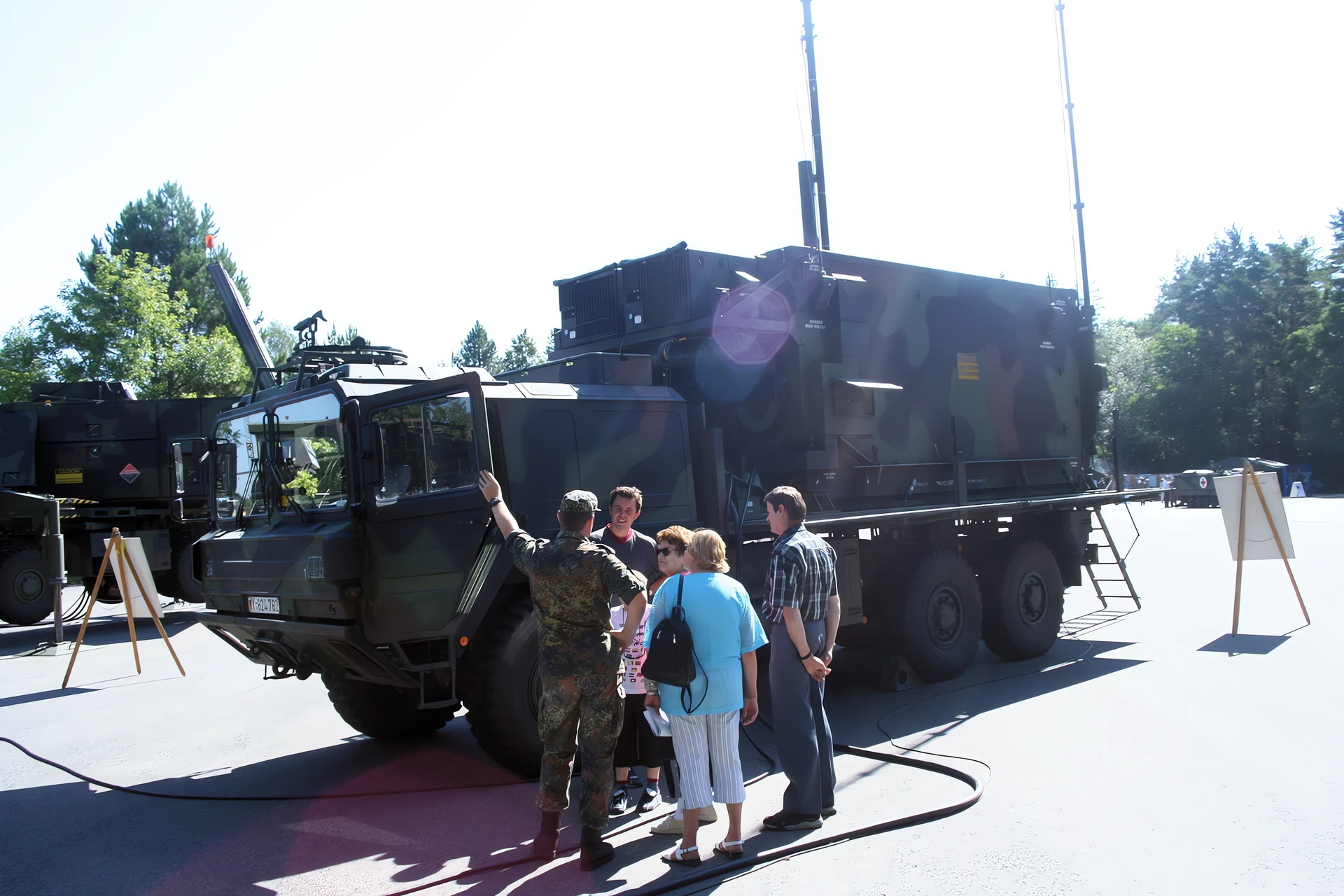
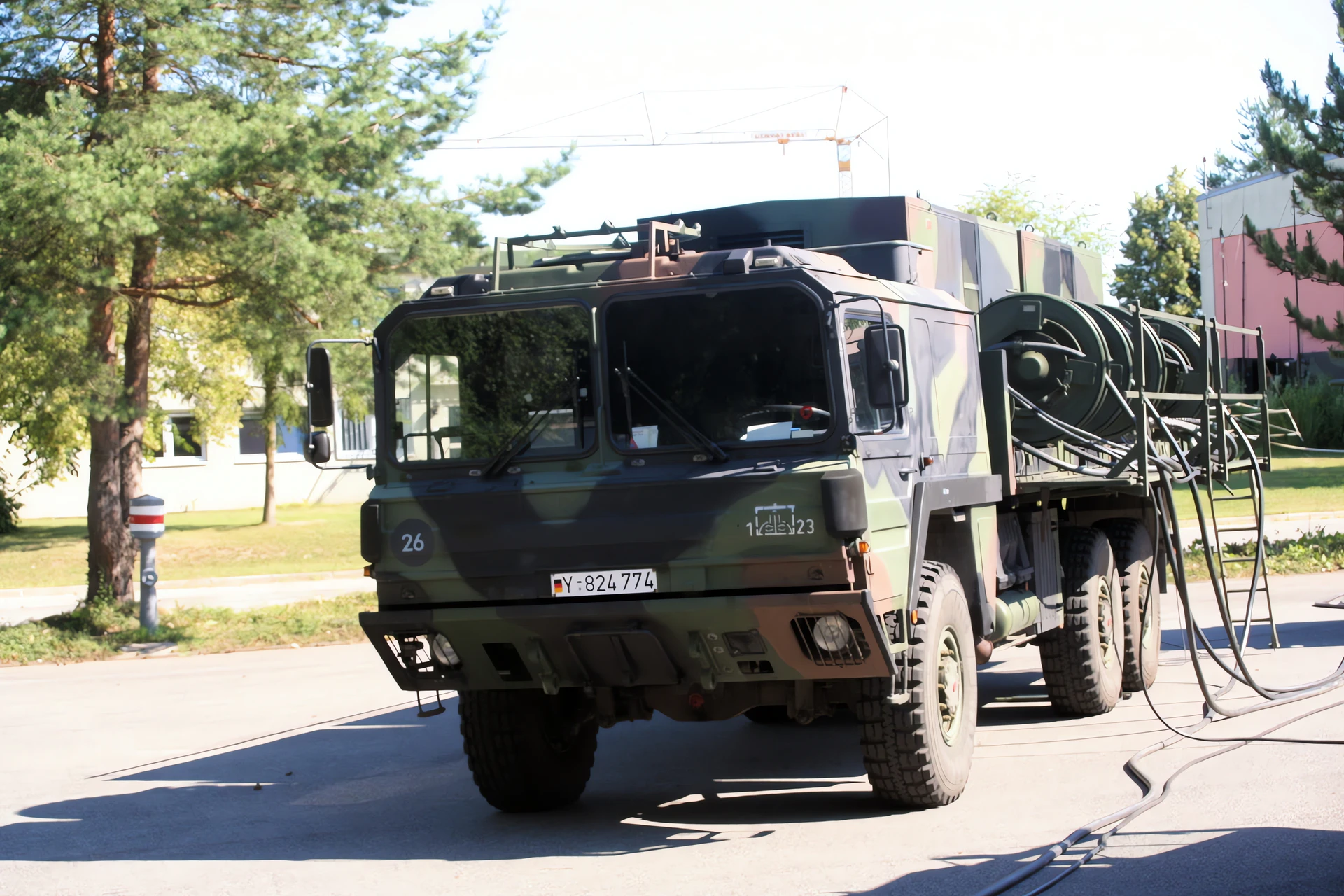
The MIM-104 Patriot (Phased Array Tracking Radar to Intercept Of Target) is a highly capable surface-to-air missile (SAM) system used by the United States Army and many allied nations. It was originally designed to engage aircraft but was modernized to counter tactical ballistic missiles (TBMs) and cruise missiles. The Patriot system is not a single vehicle but a highly integrated mobile battery, consisting of several key components linked by fiber optics and radio, including the Engagement Control Station (ECS), a power plant, and, most critically, the MPQ-53/65 Phased-Array Radar and the M901 Launching Station. Patriot batteries are typically deployed to protect high-value military assets, population centers, and critical infrastructure from air attack.
| Component | Description / Platform |
|---|---|
| System Role | Air and Missile Defense (AMD) |
| National Origin | 미국 |
| 제조업체 | Raytheon |
| Service Entry | 1984 |
| Primary Missile | PAC-2 (Patriot Advanced Capability-2) and PAC-3 |
| Radar Unit | AN/MPQ-53/65 (Phased-Array) |
| Launcher Platform | M901 Launching Station (Truck-mounted) |
| Total Missiles (per Battery) | Varies, typically 32 (PAC-2) to 128 (PAC-3) |
Missile and Performance (PAC-3 MSE Variant)
- Missile Type: The PAC-3 Missile Segment Enhancement (MSE) is the primary interceptor. It uses hit-to-kill technology (kinetic energy) rather than a blast fragmentation warhead.
- Guidance: Track-Via-Missile (TVM), combining ground radar tracking with missile-borne radar updates.
- Range (Approximate): Up to 150 km (93 mi) (PAC-2); 40 km (25 mi) for PAC-3 interceptors.
- Altitude (Approximate): 20 km+ (12 mi+).
- Launcher Capacity: An M901 station can hold 4 PAC-2 missiles OR 16 PAC-3 MSE missiles, increasing the launch power per station dramatically.
- Key Capability: Can engage multiple targets simultaneously and is specifically designed to intercept highly maneuverable ballistic missiles.
Radar and Engagement Control
- Radar Role: The AN/MPQ-65 radar performs search, identification, track, missile guidance, and counter-countermeasures functions.
- Radar Type: Passive electronically scanned array (PESA).
- Engagement Control Station (ECS): The command center where the crew monitors the air picture, identifies threats, and commands the firing units.
- Mobility: The entire system is mounted on trailers and trucks, allowing it to be relocated quickly, though setup and tear-down times are measured in hours, not minutes.
조회수 : 1923