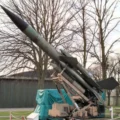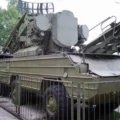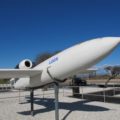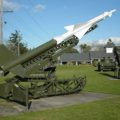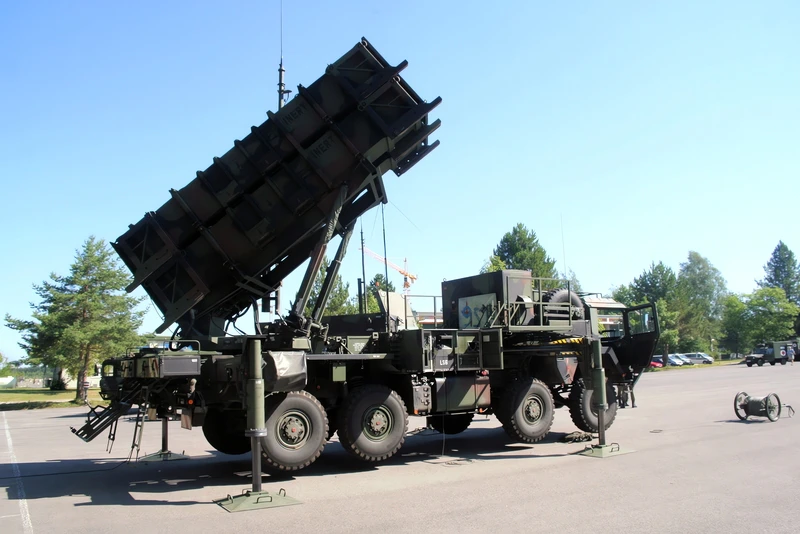
MIM-104 Patriot | |
|---|---|
| 国家 | 美国 |
| 作用 | 具有反弹道导弹能力的移动远程地对空导弹 |
| 在服务中 | 自1981年以来 |
| 建立 | 1100+发射器 |
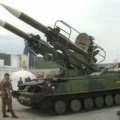
这 MIM-104 爱国者 是一种地对空导弹(SAM)系统,是美国陆军和几个盟国使用的主要系统。它由美国国防承包商雷神公司制造,其名称来自武器系统的雷达部件。系统核心的 AN/MPQ-53 被称为"在目标上拦截的相位阵列跟踪雷达",它是 PATRIOT 的后名。爱国者系统取代了耐克大力神系统,成为美国陆军的主要中高防空系统,并取代了MIM-23鹰系统,成为美国陆军的中型战术防空系统。除了这些角色外,爱国者还被赋予了美国陆军反弹道导弹(ABM)系统的功能,该系统现在是爱国者的主要任务。该系统预计将保持现场,直到至少2040年
源: 维基百科上的MIM-104爱国者
| Patriot Missile Battery Walk Around | |
|---|---|
| Photographer | Dieter Krause |
| Localisation | Unknow |
| Photos | 102 |
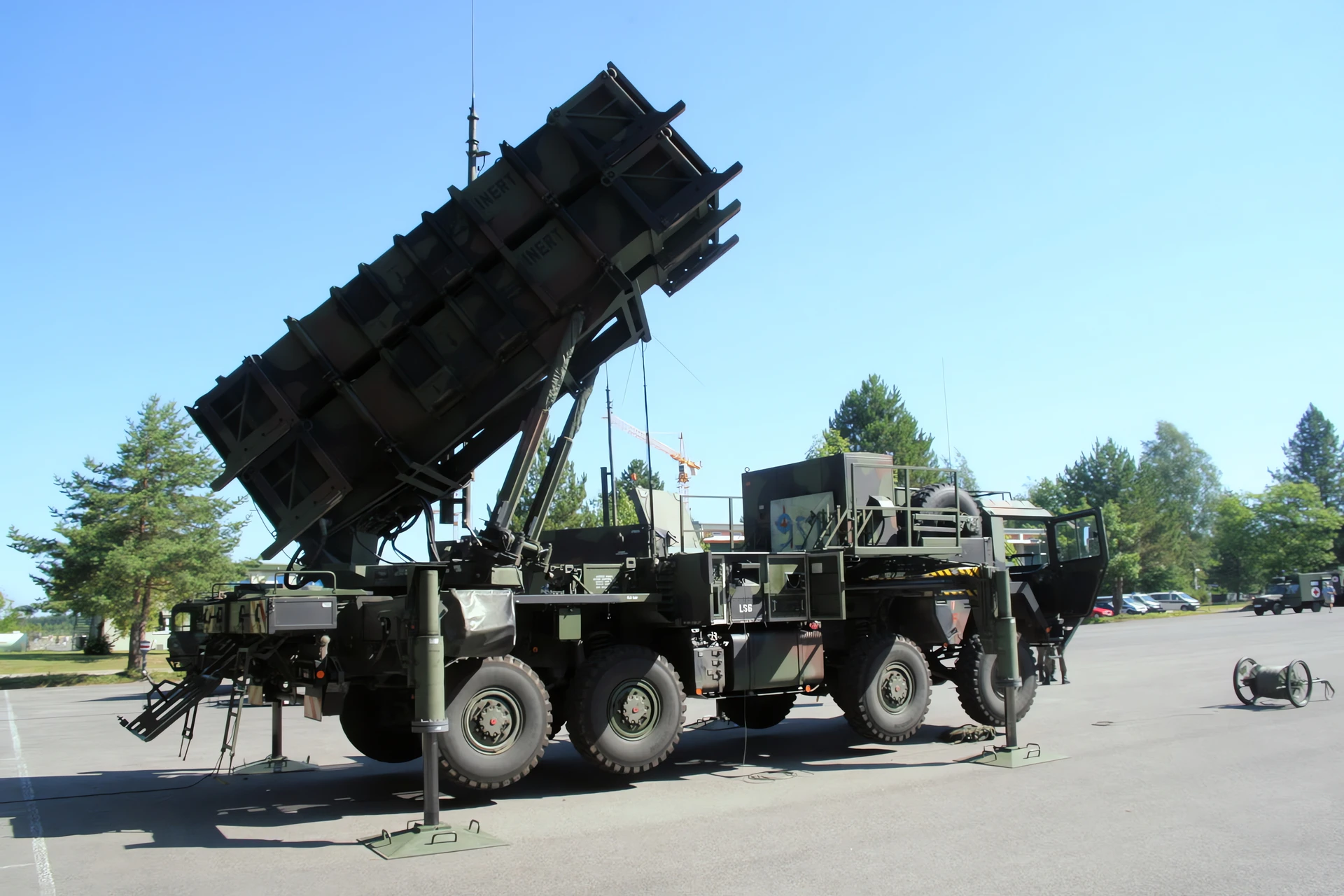
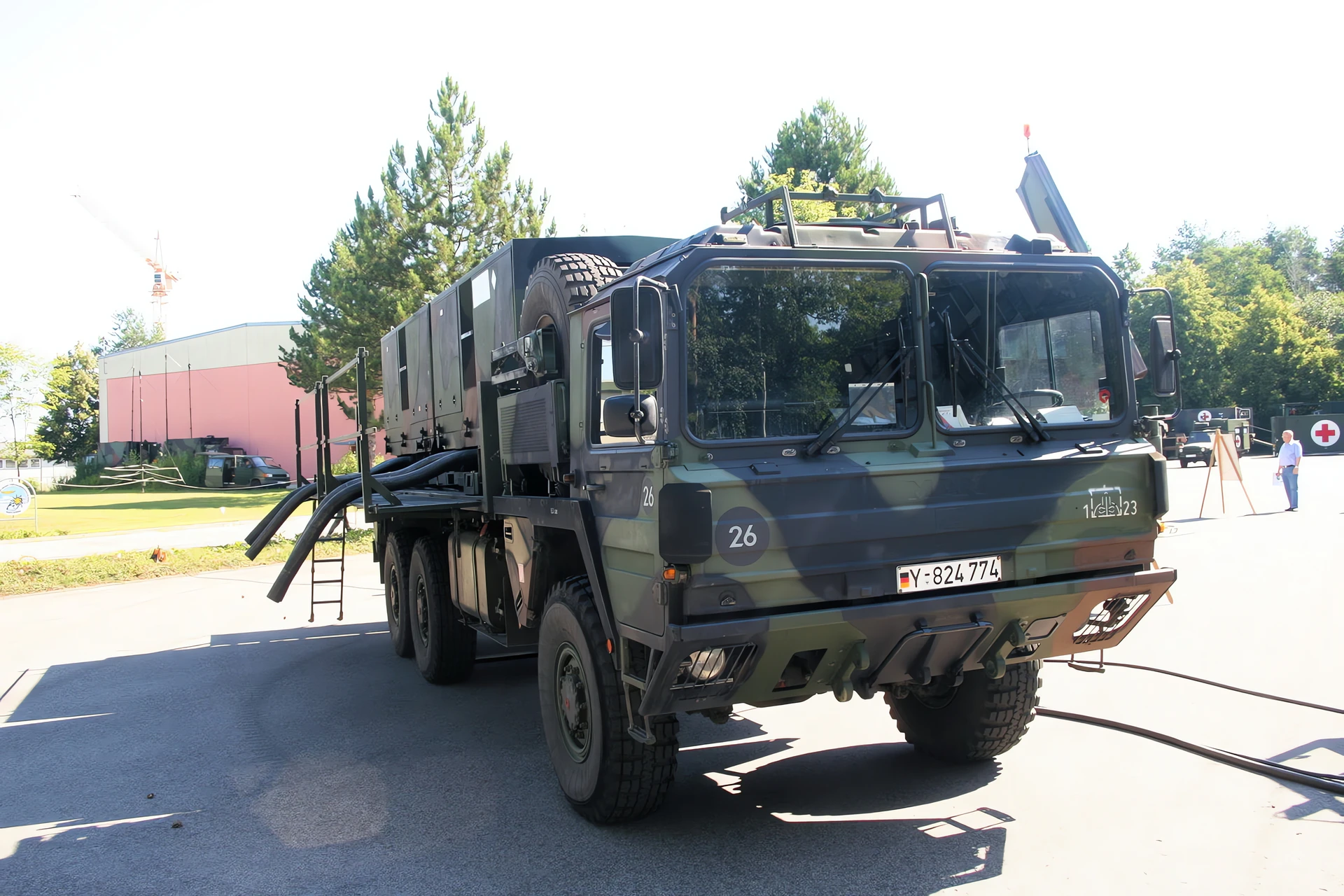
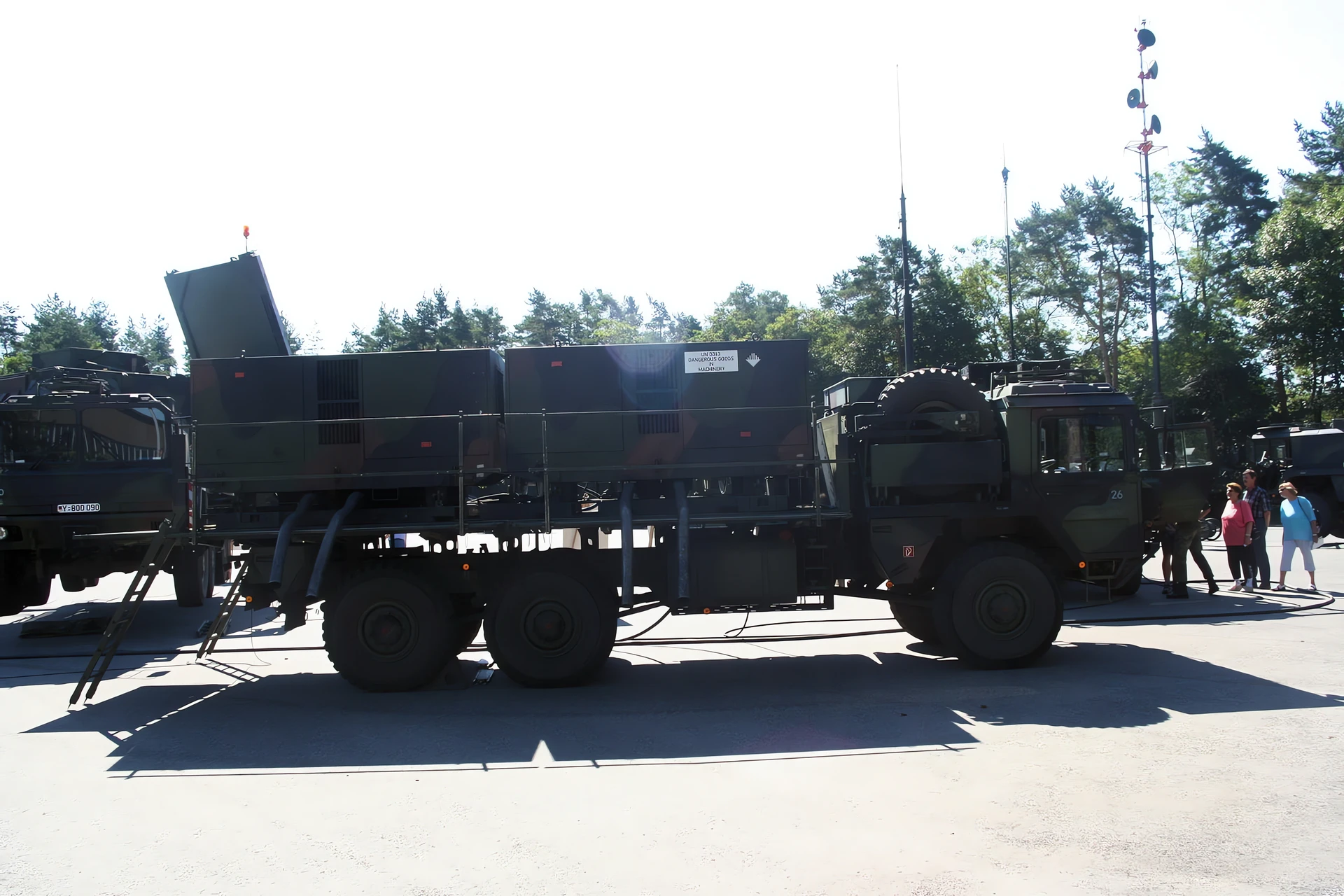
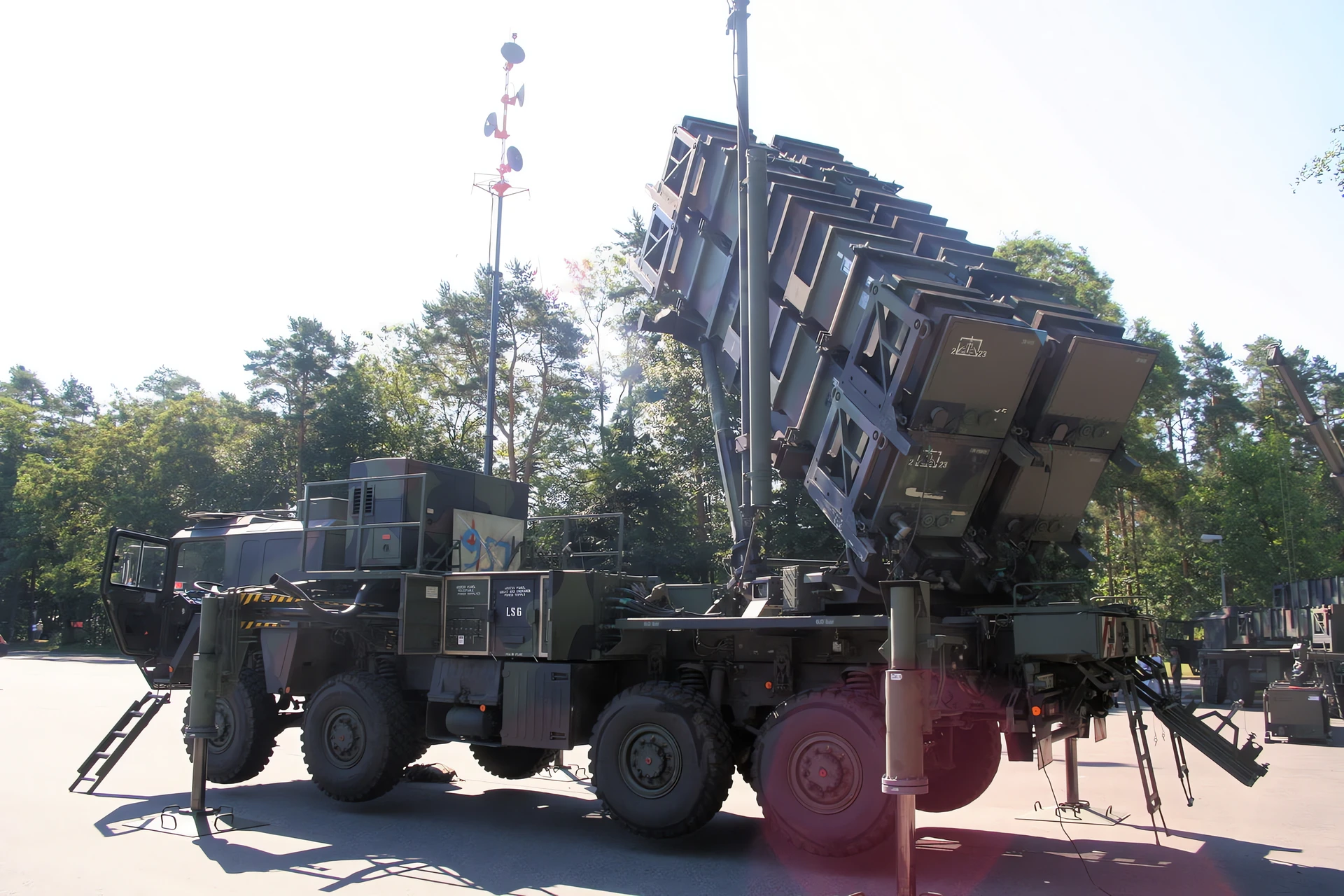
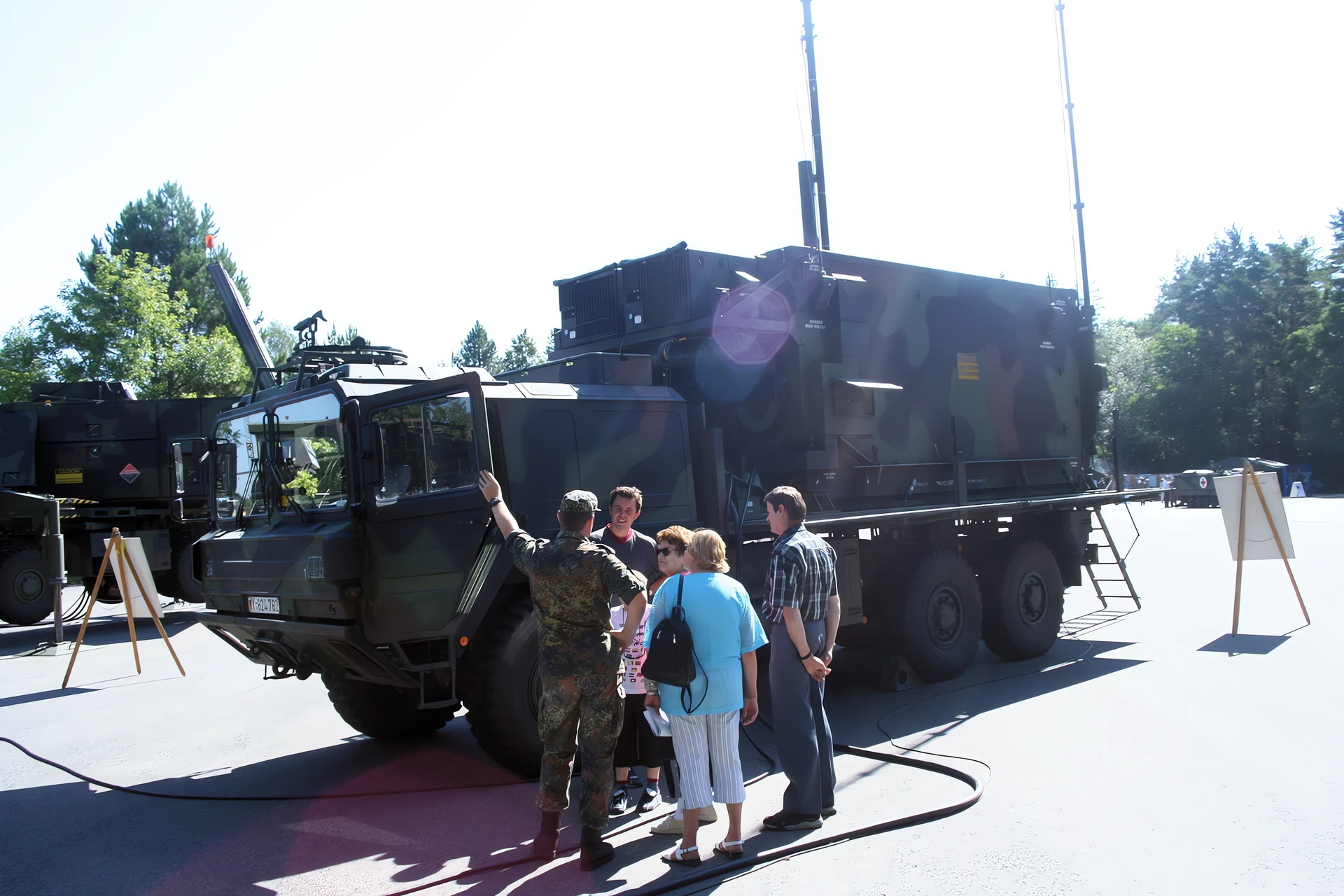
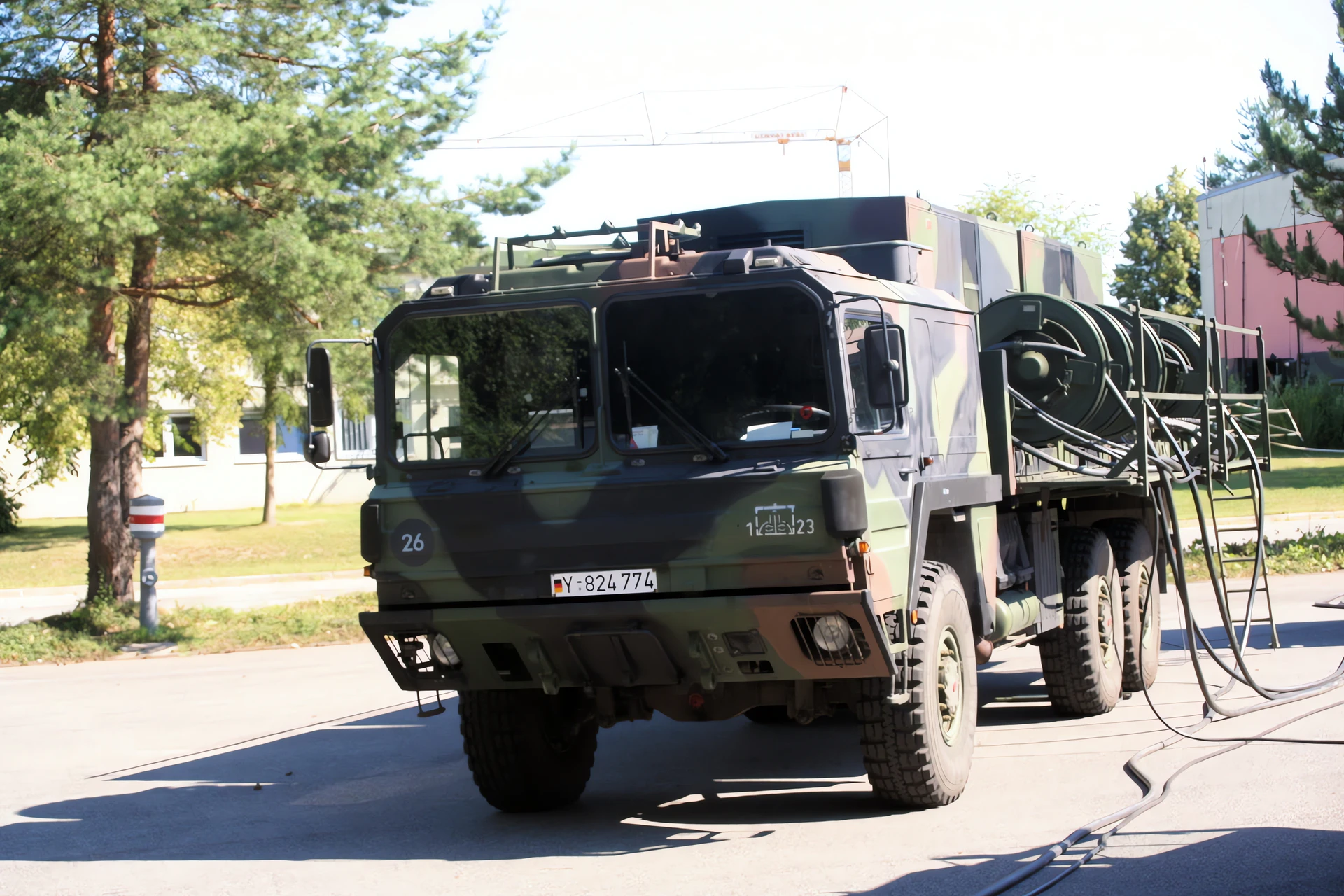
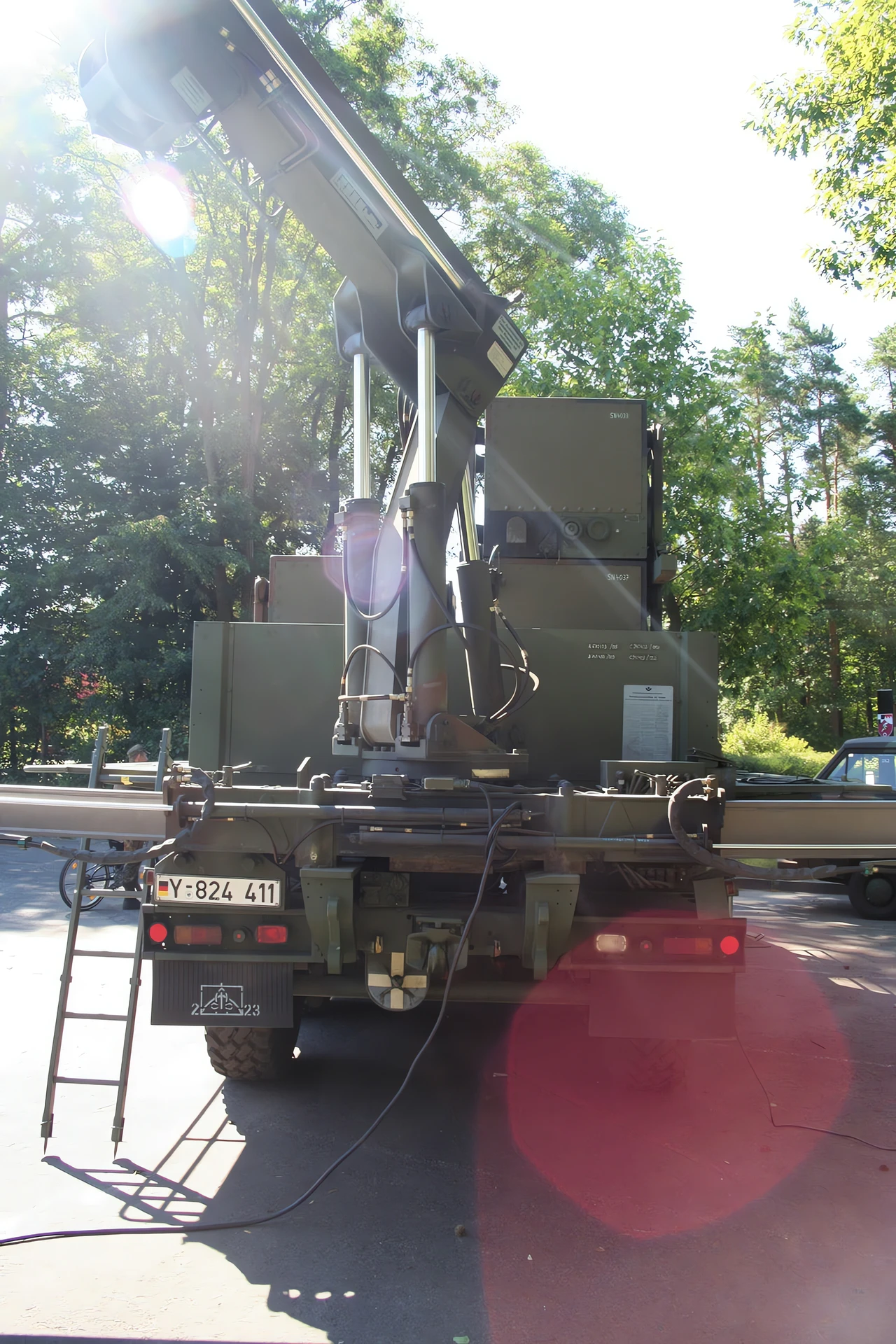
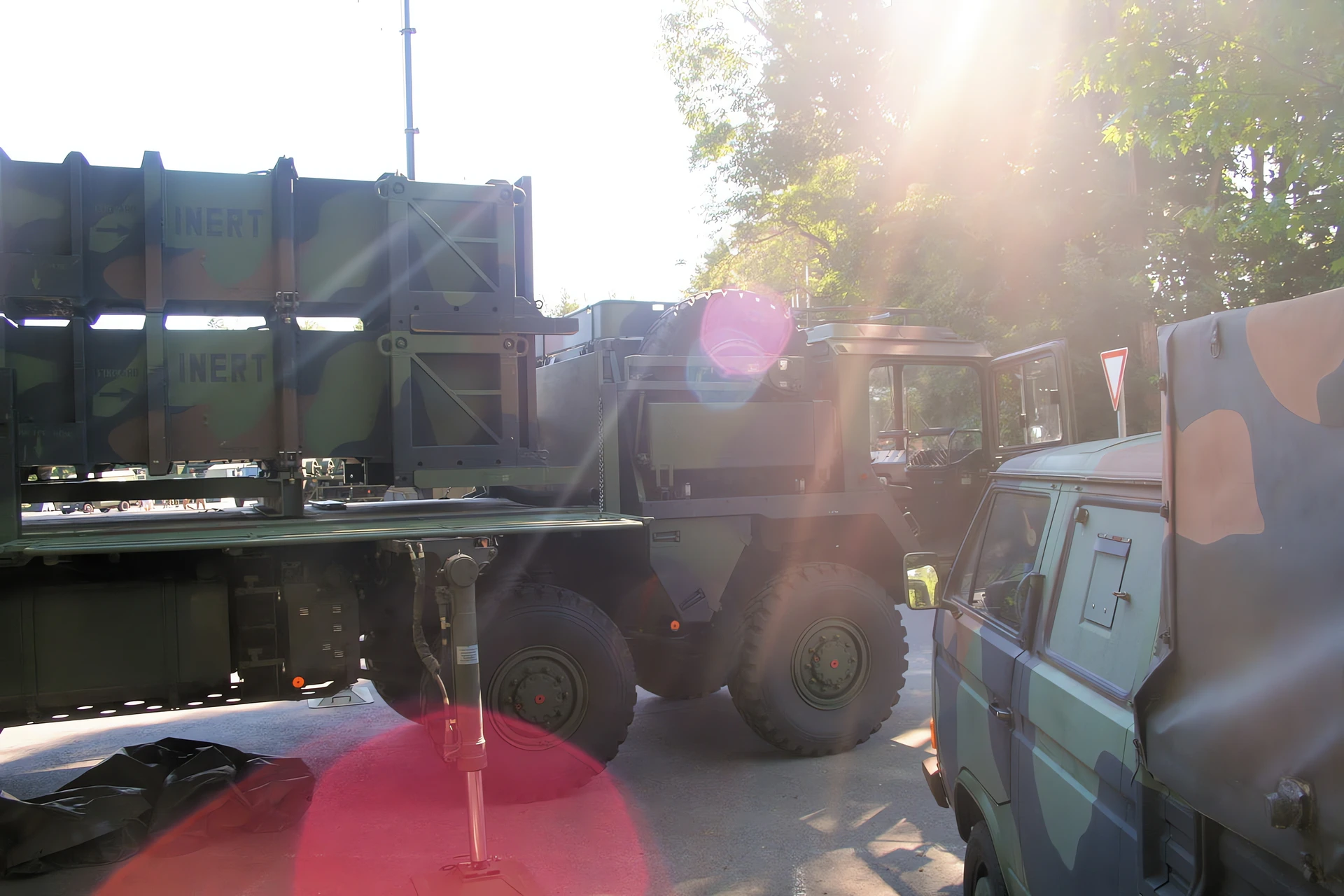
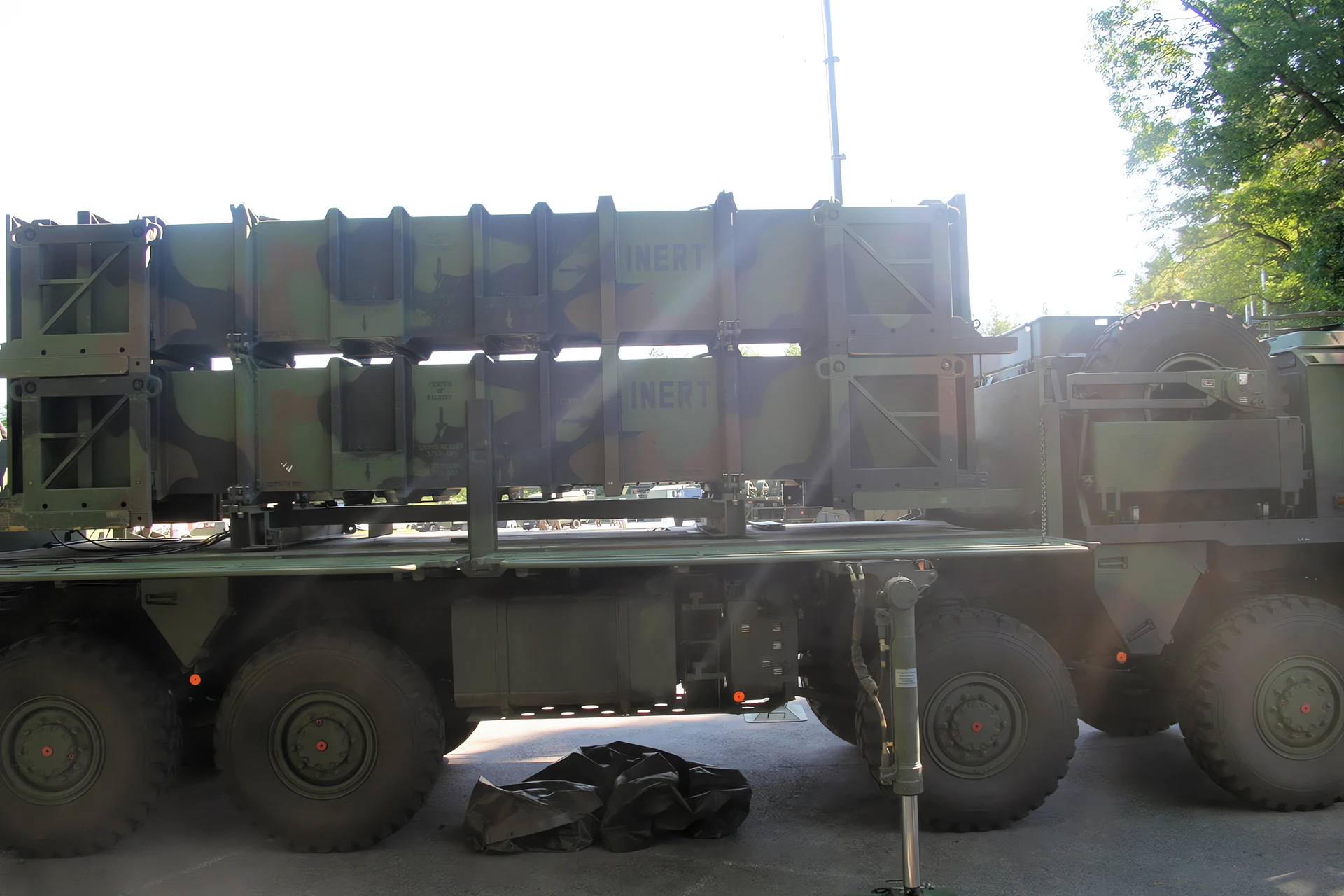

另请参阅:


General Characteristics and Role
The MIM-104 Patriot (Phased Array Tracking Radar to Intercept Of Target) is a highly capable surface-to-air missile (SAM) system used by the United States Army and many allied nations. It was originally designed to engage aircraft but was modernized to counter tactical ballistic missiles (TBMs) and cruise missiles. The Patriot system is not a single vehicle but a highly integrated mobile battery, consisting of several key components linked by fiber optics and radio, including the Engagement Control Station (ECS), a power plant, and, most critically, the MPQ-53/65 Phased-Array Radar and the M901 Launching Station. Patriot batteries are typically deployed to protect high-value military assets, population centers, and critical infrastructure from air attack.
| Component | Description / Platform |
|---|---|
| System Role | Air and Missile Defense (AMD) |
| National Origin | 美国 |
| 制造商 | Raytheon |
| Service Entry | 1984 |
| Primary Missile | PAC-2 (Patriot Advanced Capability-2) and PAC-3 |
| Radar Unit | AN/MPQ-53/65 (Phased-Array) |
| Launcher Platform | M901 Launching Station (Truck-mounted) |
| Total Missiles (per Battery) | Varies, typically 32 (PAC-2) to 128 (PAC-3) |
Missile and Performance (PAC-3 MSE Variant)
- Missile Type: The PAC-3 Missile Segment Enhancement (MSE) is the primary interceptor. It uses hit-to-kill technology (kinetic energy) rather than a blast fragmentation warhead.
- Guidance: Track-Via-Missile (TVM), combining ground radar tracking with missile-borne radar updates.
- Range (Approximate): Up to 150 km (93 mi) (PAC-2); 40 km (25 mi) for PAC-3 interceptors.
- Altitude (Approximate): 20 km+ (12 mi+).
- Launcher Capacity: An M901 station can hold 4 PAC-2 missiles OR 16 PAC-3 MSE missiles, increasing the launch power per station dramatically.
- Key Capability: Can engage multiple targets simultaneously and is specifically designed to intercept highly maneuverable ballistic missiles.
Radar and Engagement Control
- Radar Role: The AN/MPQ-65 radar performs search, identification, track, missile guidance, and counter-countermeasures functions.
- Radar Type: Passive electronically scanned array (PESA).
- Engagement Control Station (ECS): The command center where the crew monitors the air picture, identifies threats, and commands the firing units.
- Mobility: The entire system is mounted on trailers and trucks, allowing it to be relocated quickly, though setup and tear-down times are measured in hours, not minutes.
意见:1919