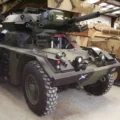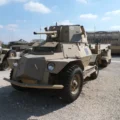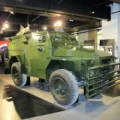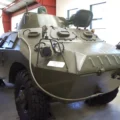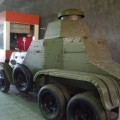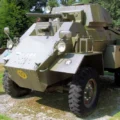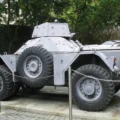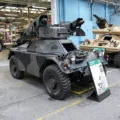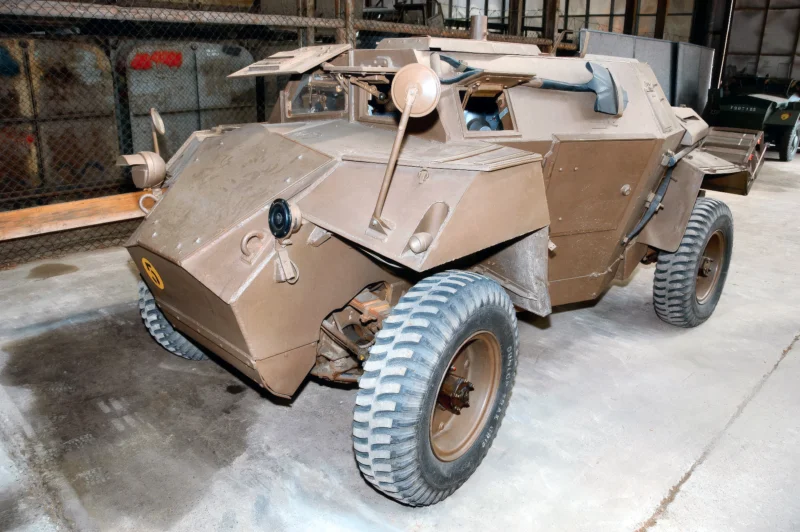
| 亨伯 Mk I | |
|---|---|
| 国家 | 英国 |
| 类型 | 装甲车 |
亨伯Mk I的照片库, 亨伯装甲车 是第二次世界大战中生产最广泛的英国装甲车之一。它补充了亨伯轻型侦察车,并一直服役到战争结束。
源: 亨伯 Mk I 苏维基百科
| Humber Mk I – Walk Around | |
|---|---|
| 摄影师 | 未知 |
| 本地化 | 未知 |
| 照片 | 40 |
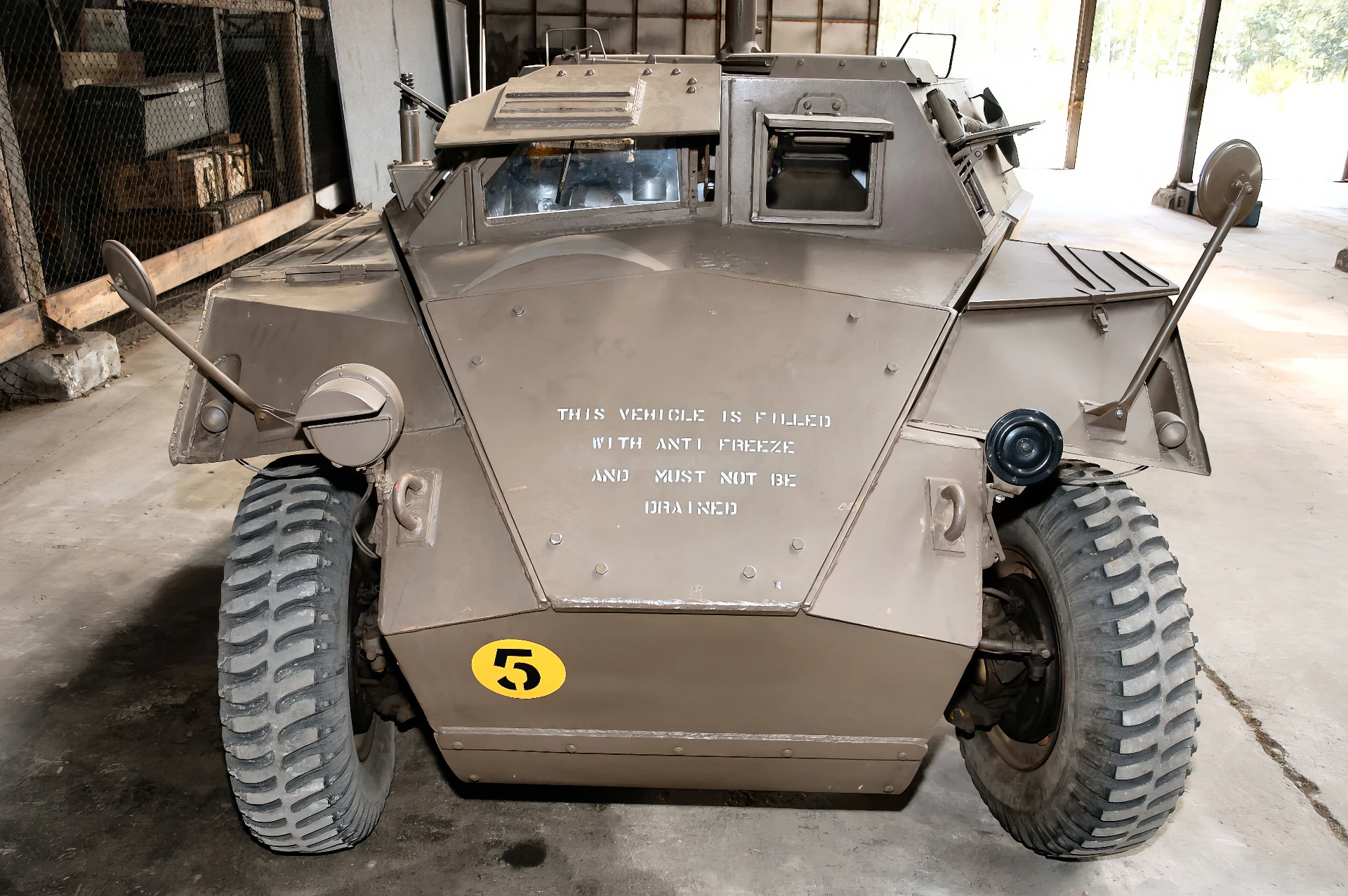
汉伯 Mk I 01
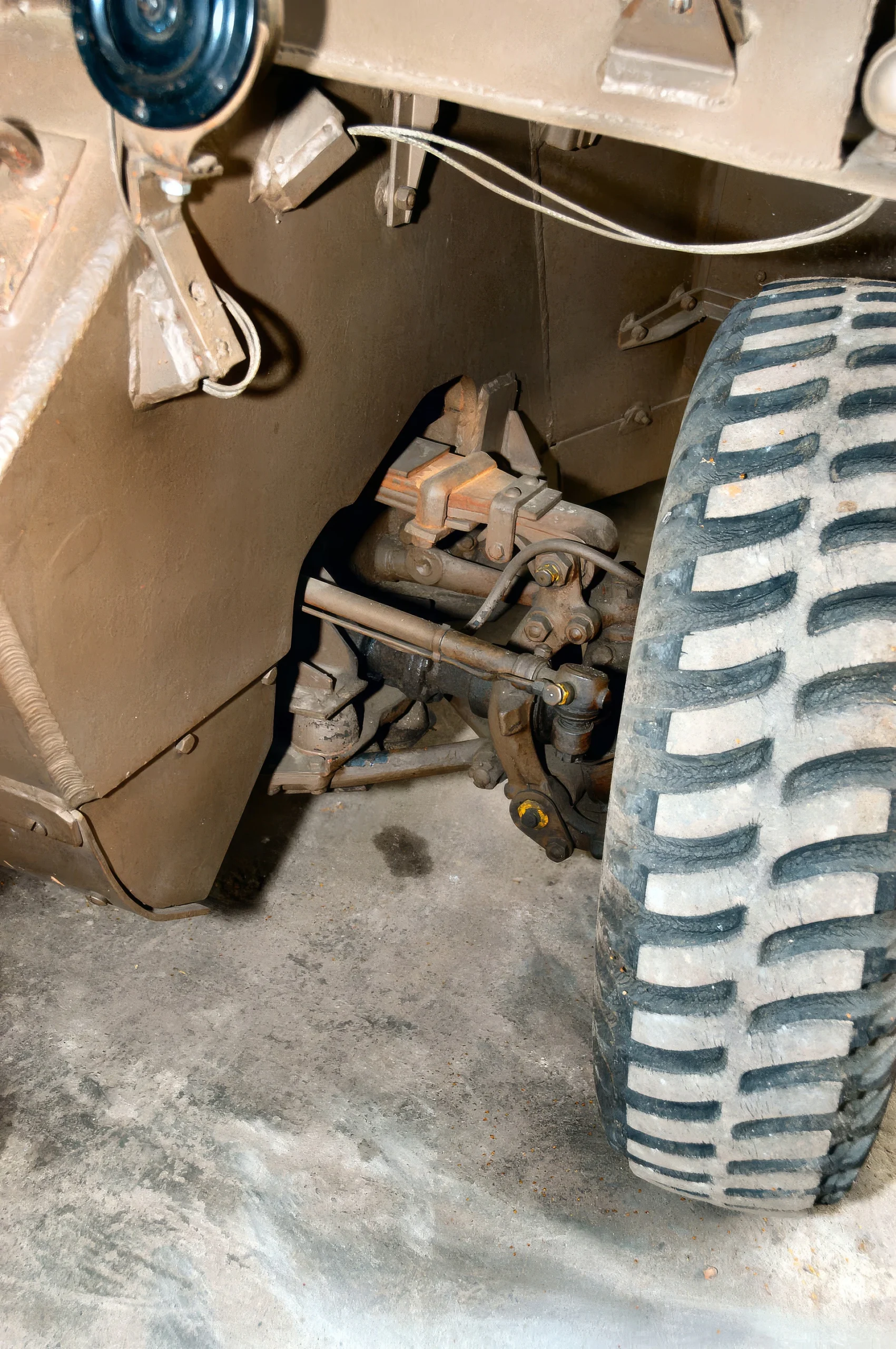
亨伯 Mk I 04
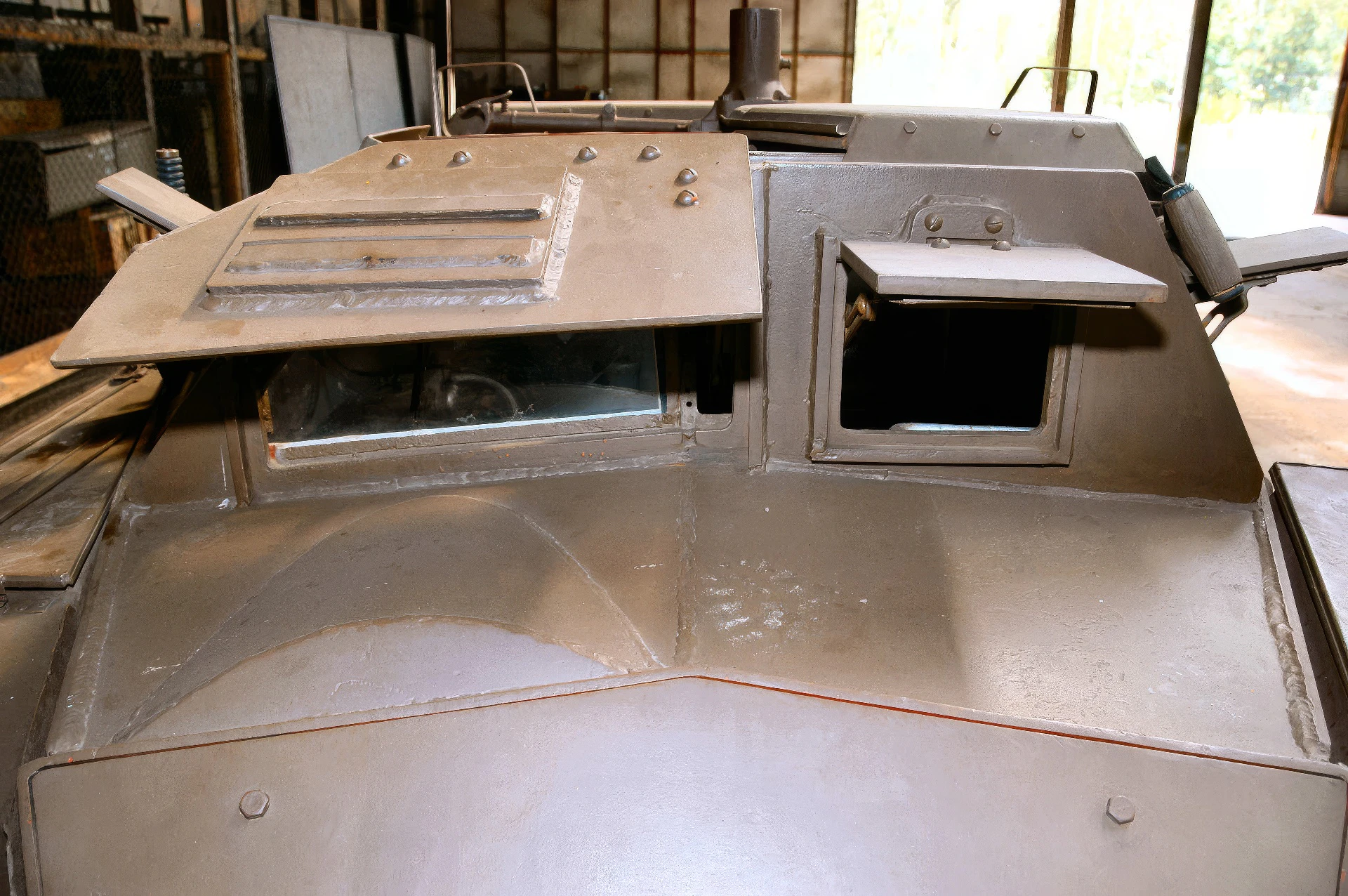
亨伯 Mk I 02
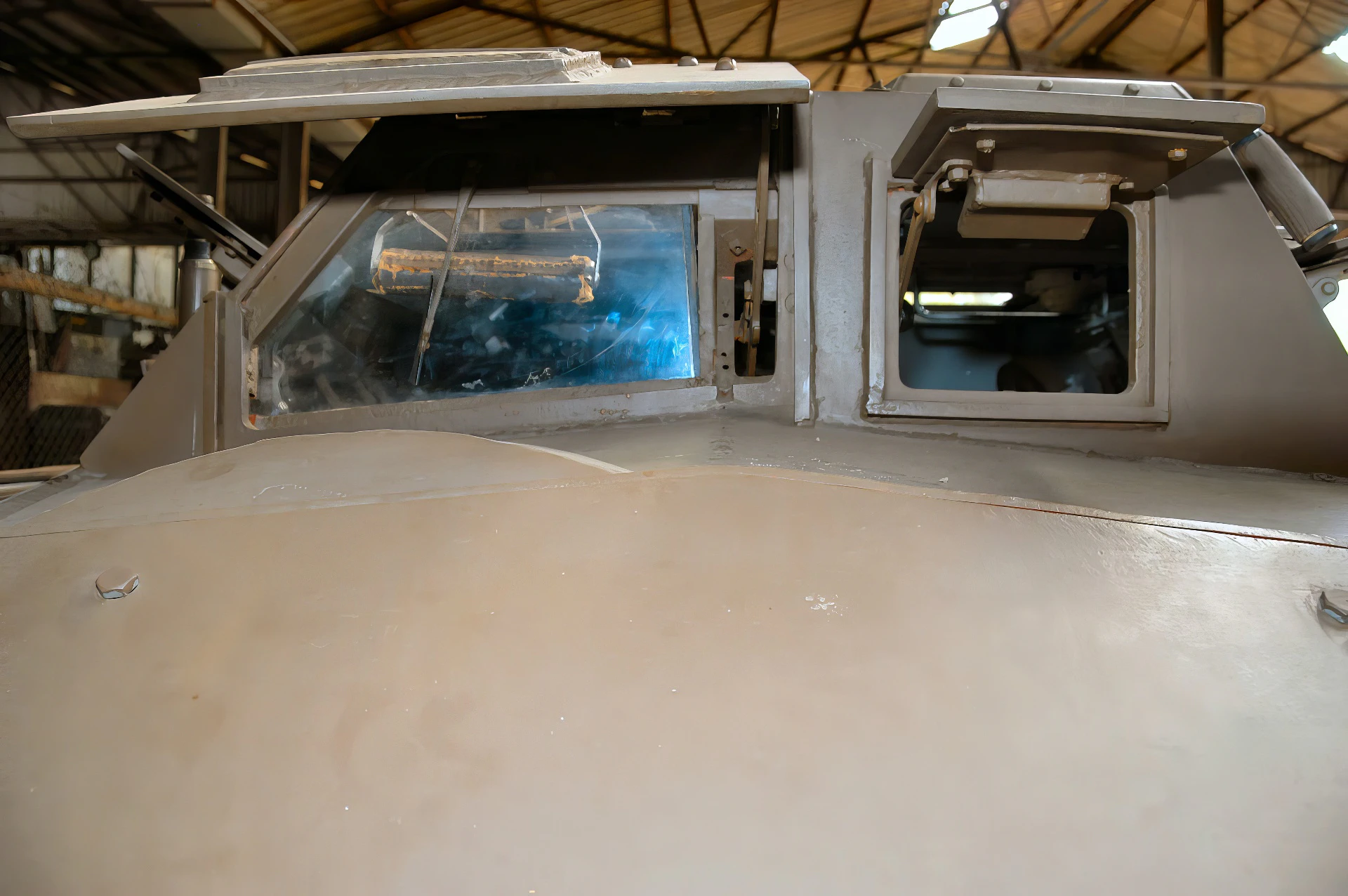
亨伯 Mk I 03
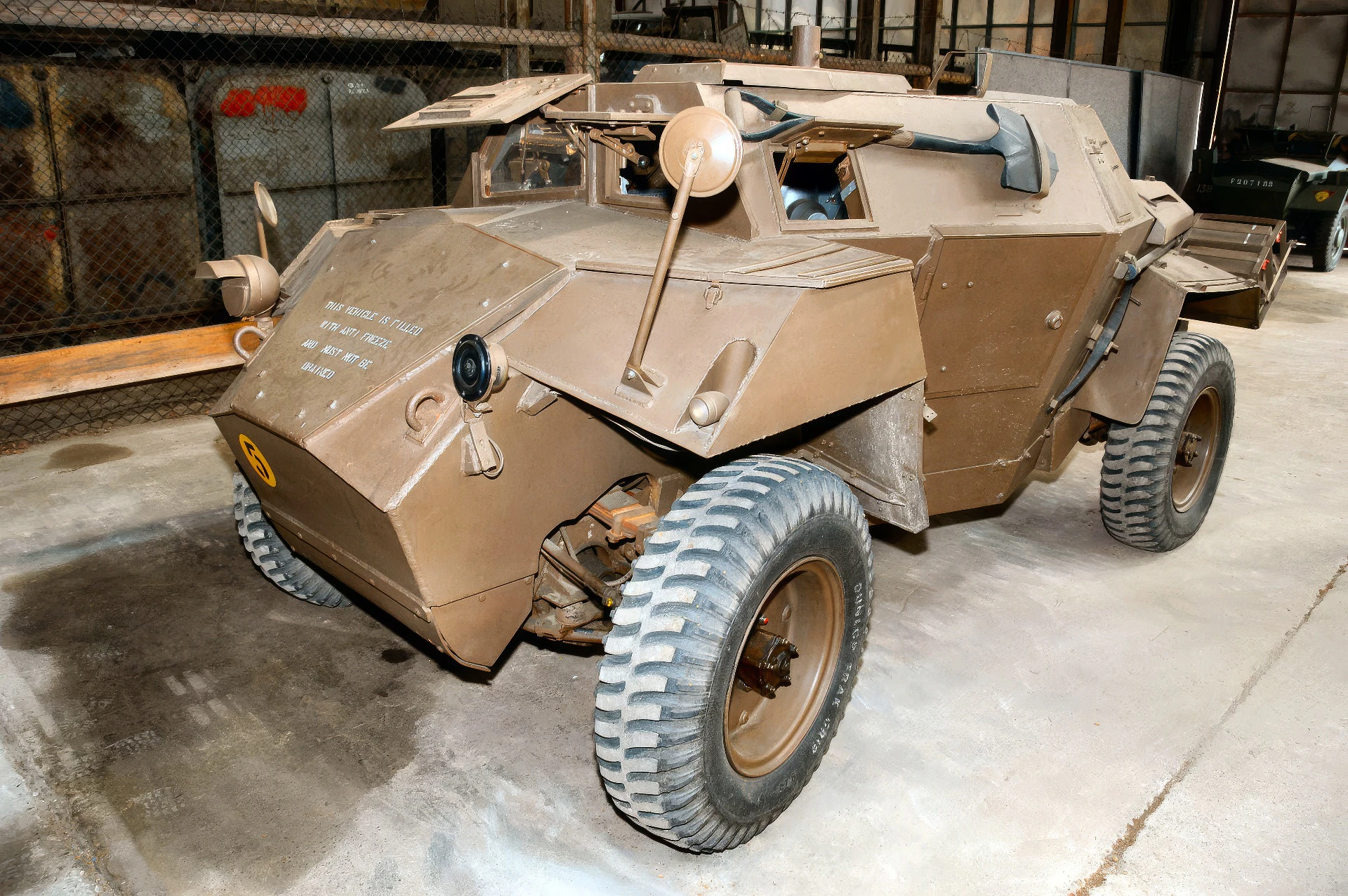
亨伯 Mk I 05
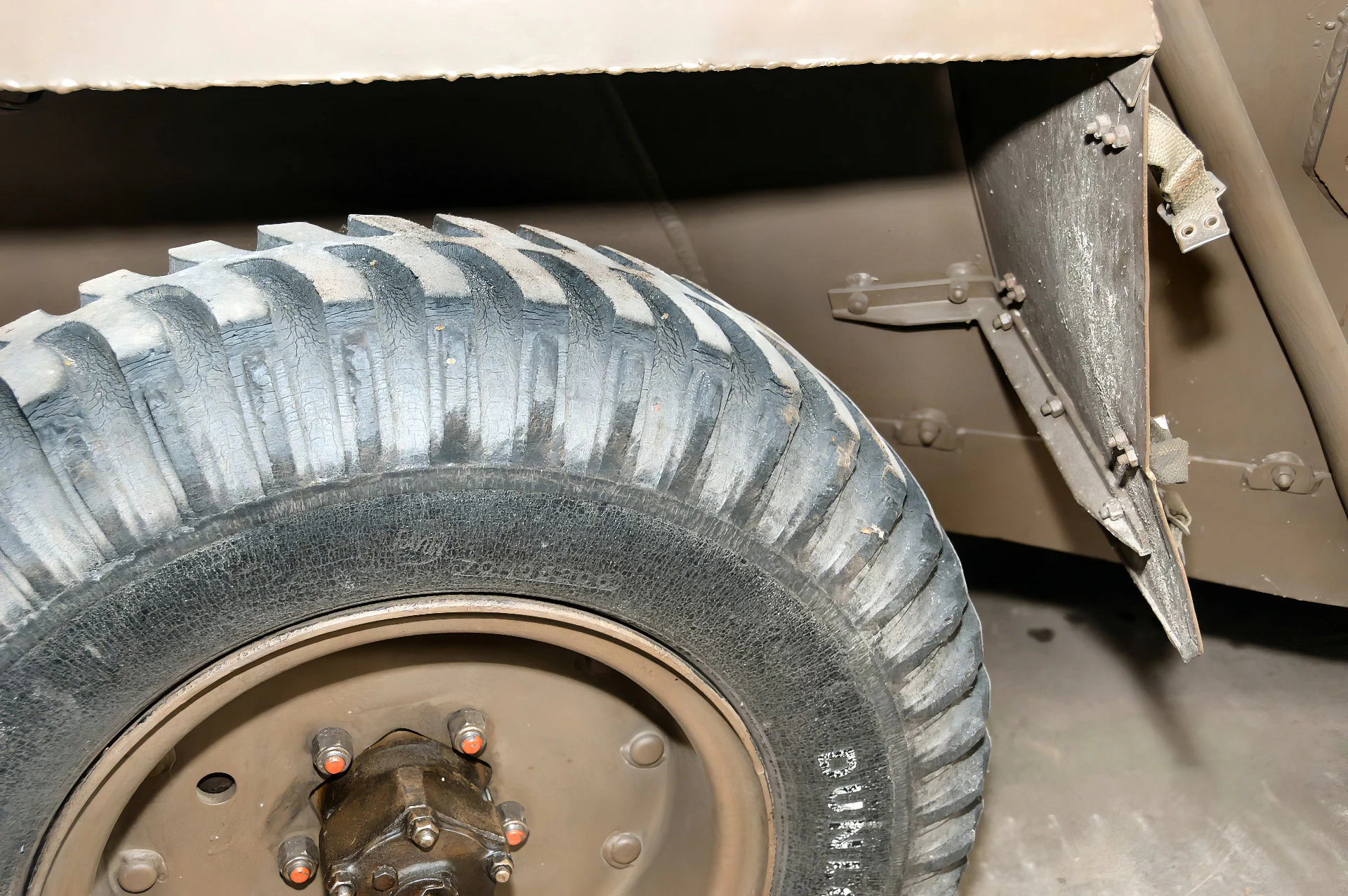
亨伯 Mk I 06
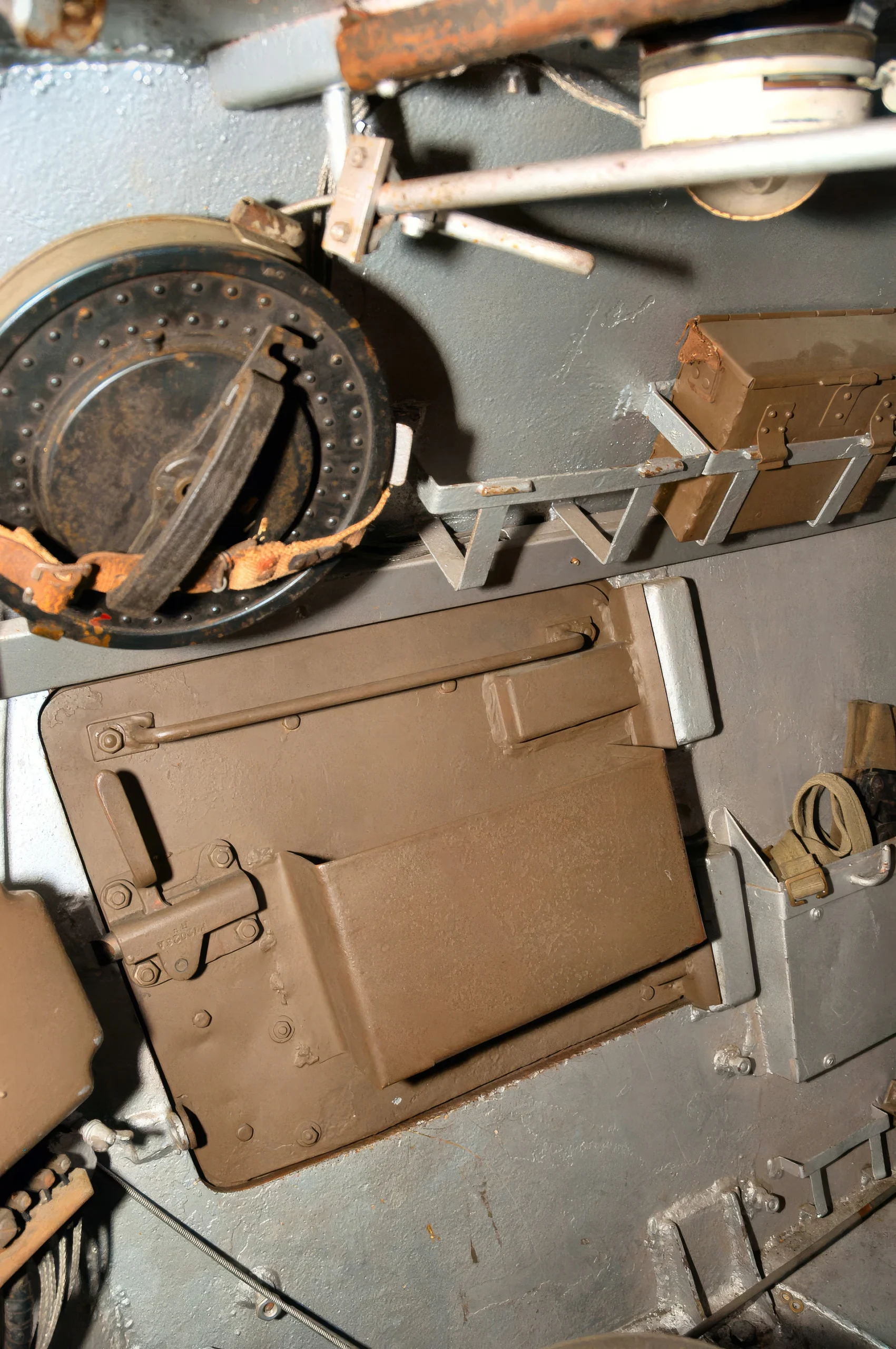
亨伯 Mk I 09
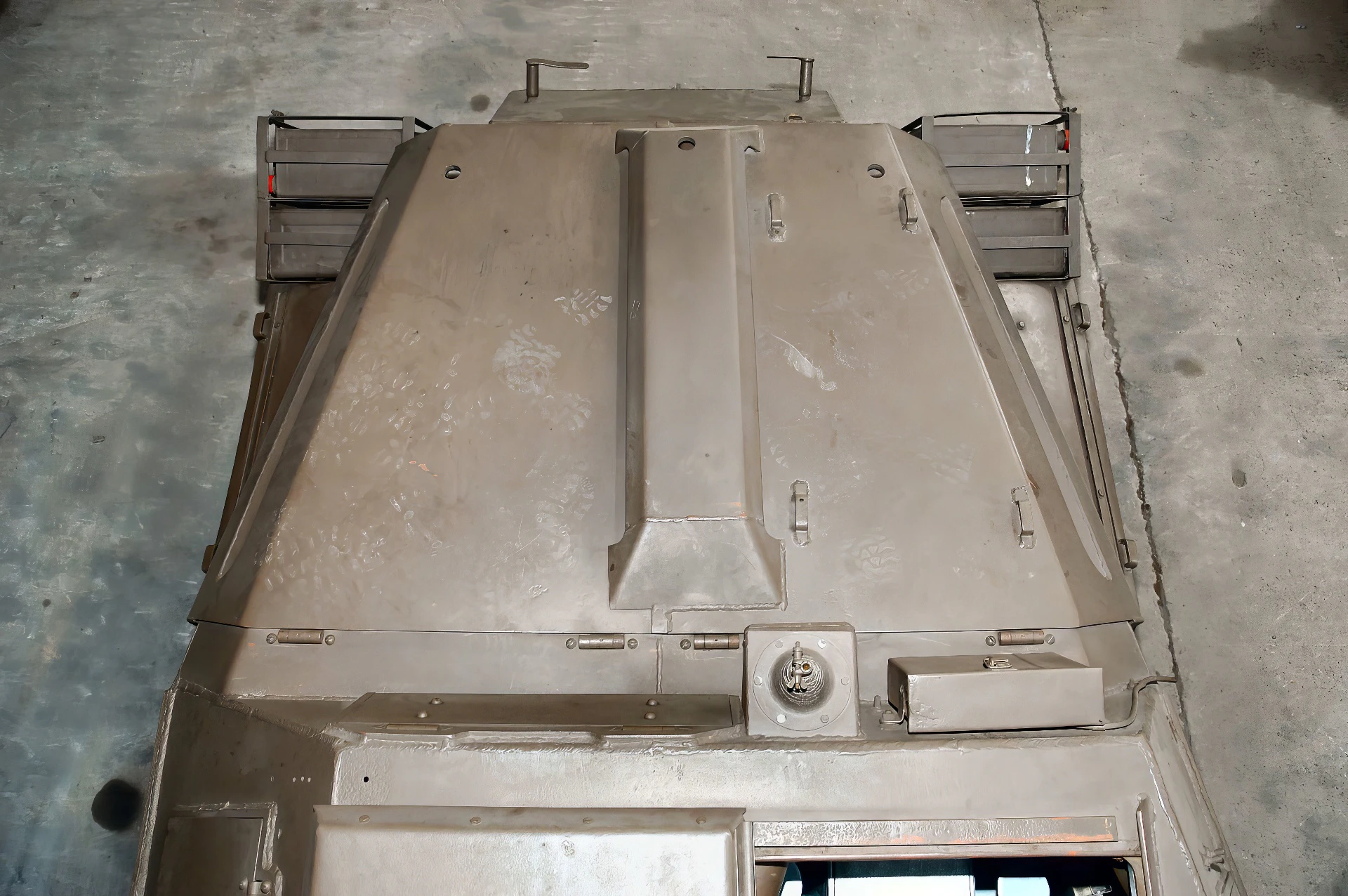
亨伯 Mk I 07
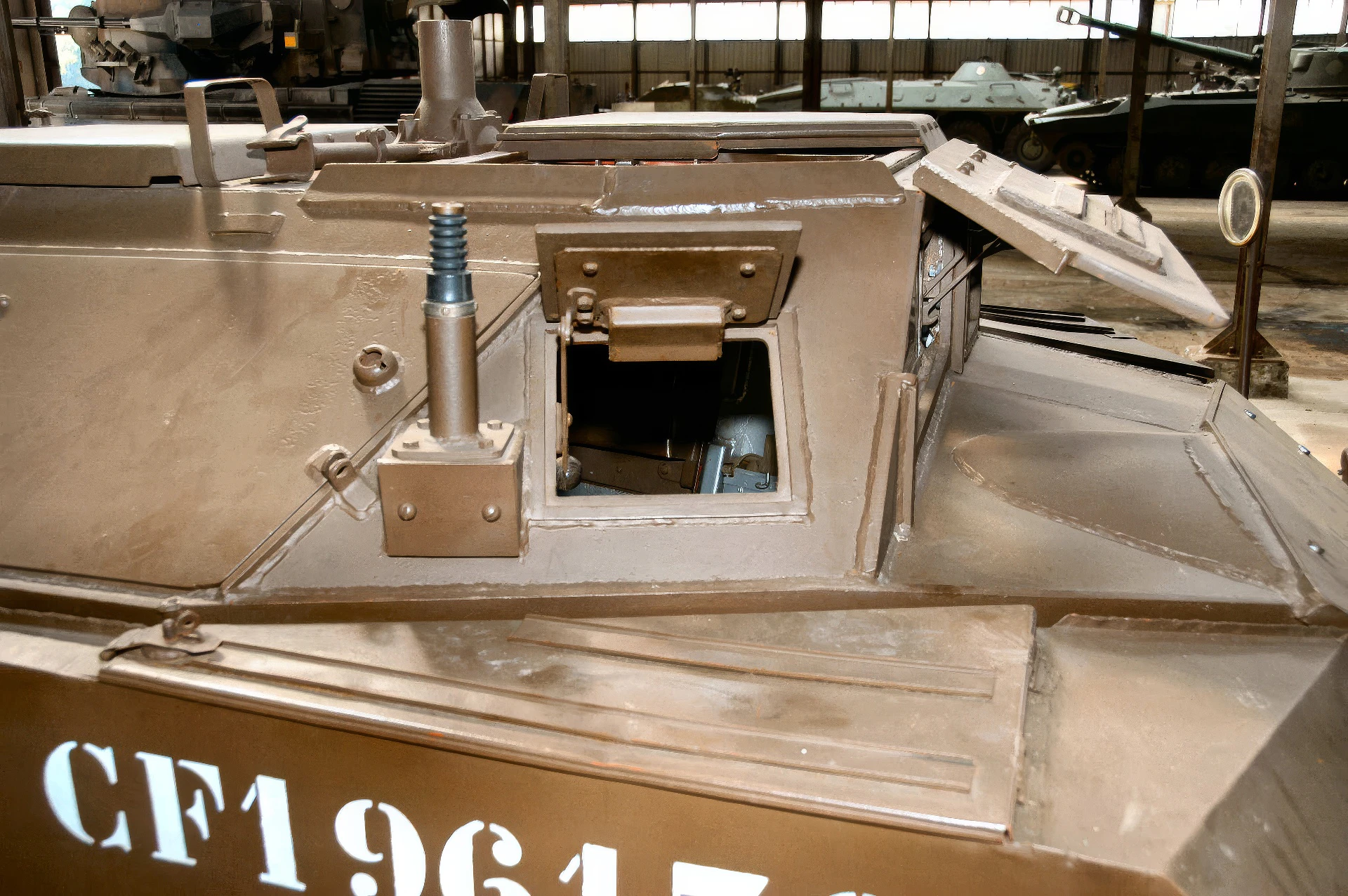
亨伯 Mk I 08
等等,寻找亨伯Mk I为你...

| Humber Mk.IIIA | |
|---|---|
| 摄影师 | 未知 |
| 本地化 | 未知 |
| 照片 | 14 |
等等,为你搜索装甲车...
另请参阅:


这 亨伯装甲车 was one of the most widely produced British wheeled fighting vehicles of the Second World War. The Mark I (Mk I) was the initial production version, intended for reconnaissance and screening roles.
Origins and Design
- Need: After the losses at Dunkirk and the urgent need for armored reconnaissance vehicles, the Rootes Group (primarily Karrier Motors) was tasked with producing an armored car.
- Inspiration: The design was heavily derived from the earlier, less-produced Guy Armoured Car. The Humber combined the Guy’s armored hull with a modified 4×4 chassis based on the Karrier KT4 artillery tractor.
- Name: It was named after another company in the Rootes Group, Humber Limited, to avoid confusion with the tracked Universal Carriers, which were often referred to as “Karriers.”
Key Specifications (Mk I)
| Characteristic | 价值 |
|---|---|
| 作用 | Armoured Reconnaissance |
| 质量 | ~6.3 tonnes |
| Armour (Maximum) | Up to 15 mm (0.59 in) |
| 发动机 | Rootes 6-cylinder petrol engine (90 hp) |
| Max Speed (Road) | ~80 km/h (50 mph) |
| 船员 | 3 (指挥官, 枪手, 司机) |
Armament and Crew
The Mk I was armed to defend against infantry and light vehicles, not for tank-on-tank combat:
- 主要武器: 一 15 mm Besa heavy machine gun, capable of engaging light armored targets.
- Coaxial Armament: 一 7.92 mm Besa machine gun, mounted coaxially in the turret.
- Crew Role: The three-man crew allowed for a clear separation of tasks: the driver handled the vehicle, the gunner operated the weapons, and the commander focused on navigation, radio communication, and direction.
Service History and Legacy
- Wartime Use: The Humber Mk I and its subsequent variants (Mk II, III, and the 37mm-gun armed Mk IV) served extensively throughout World War II. It was a key vehicle for British and Commonwealth reconnaissance units.
- Theaters: It saw heavy combat starting in the North African Campaign and later served across the European theater, including in Normandy, providing a fast, mobile screen for advancing armored divisions.
- Post-War: The Humber proved reliable and remained in service with several nations, including India and Portugal, long after WWII, with some seeing action in conflicts like the Portuguese-Indian War in Goa in 1961.
视图 : 4059