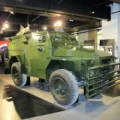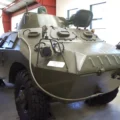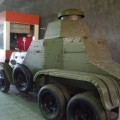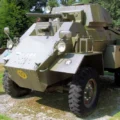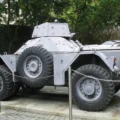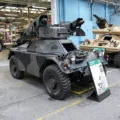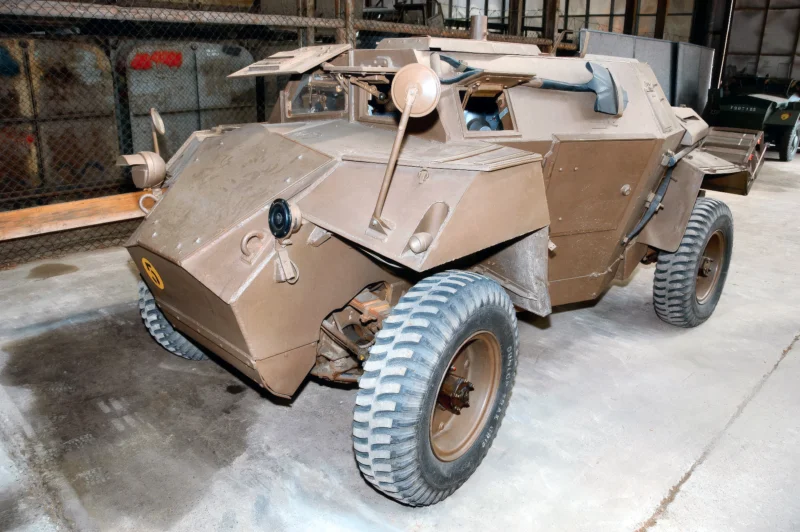
| Humber Mk I | |
|---|---|
| Paese | Regno unito |
| digitare | Autoblindata |
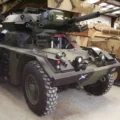
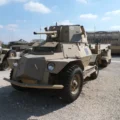
Galleria fotografica di un Humber Mk I, The Humber Blinded Car è stata una delle autoblindo britanniche più prodotte della seconda guerra mondiale. Integrò la Humber Light Reconnaissance Car e rimase in servizio fino alla fine della guerra.
fonte: Humber Mk I su Wikipedia
| Humber Mk I – Walk Around | |
|---|---|
| Fotografo | Inconsapevole |
| Localizzazione | Inconsapevole |
| Foto | 40 |
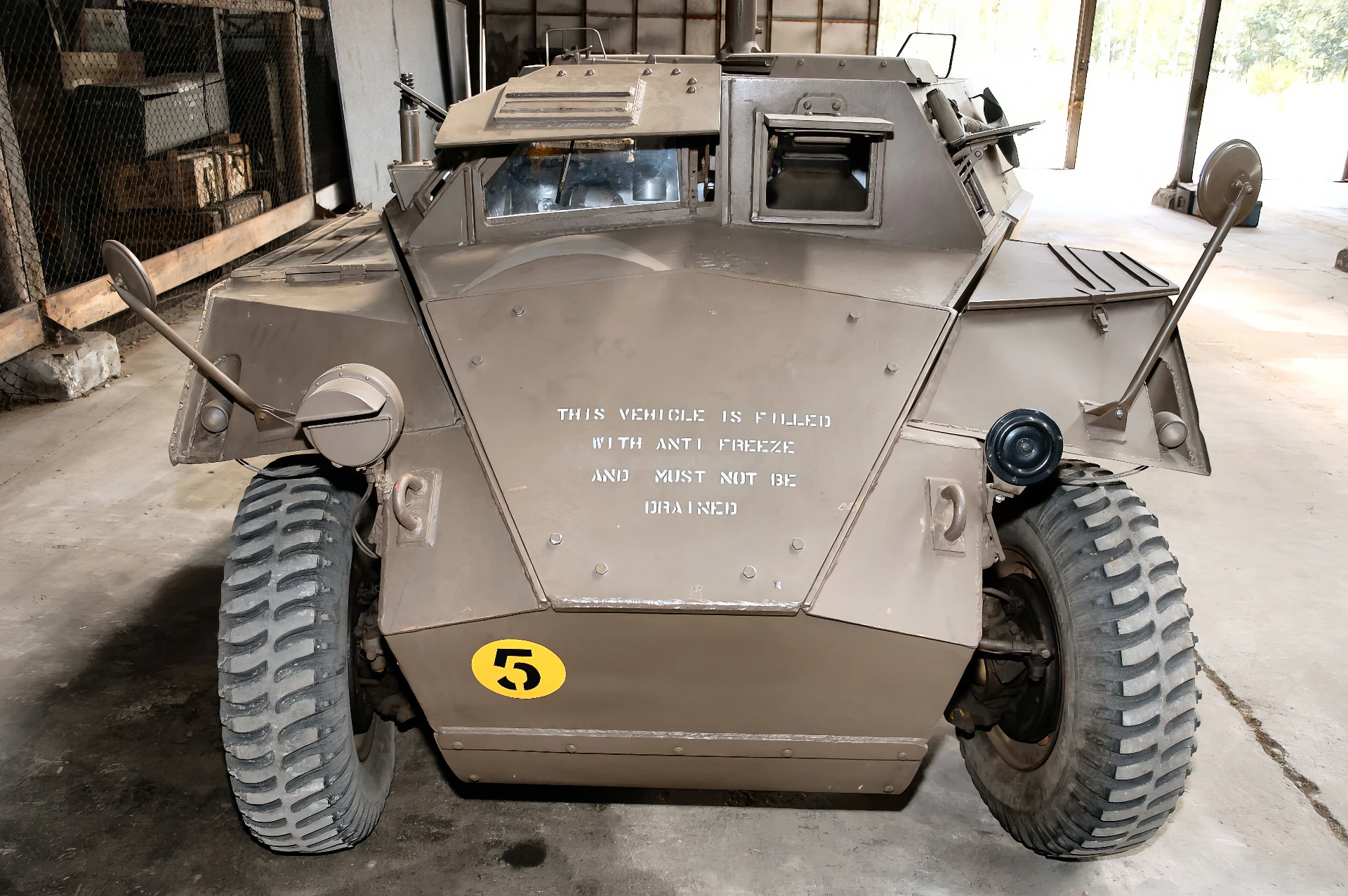
Humber Mk I 01
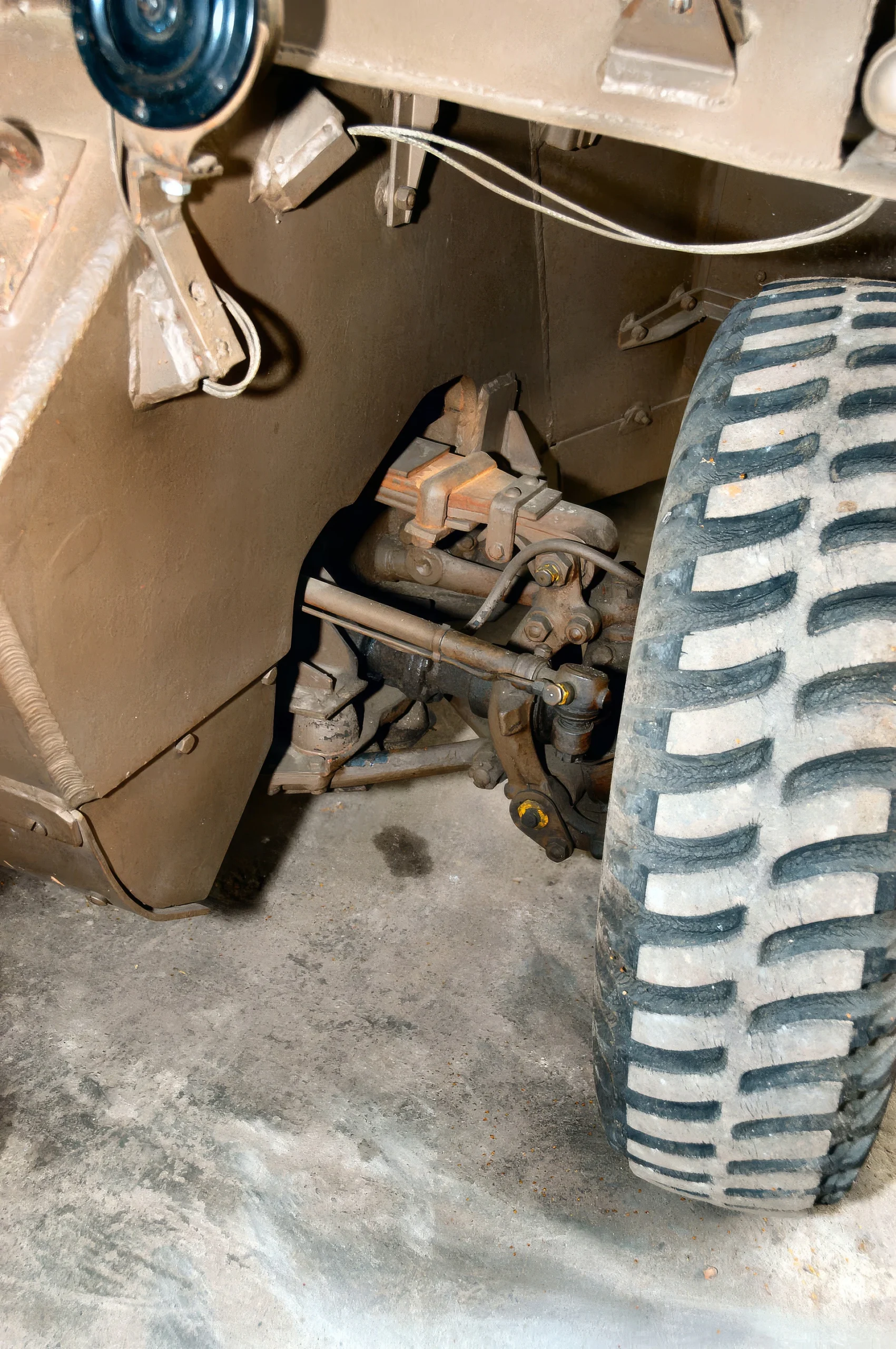
Humber Mk I 04
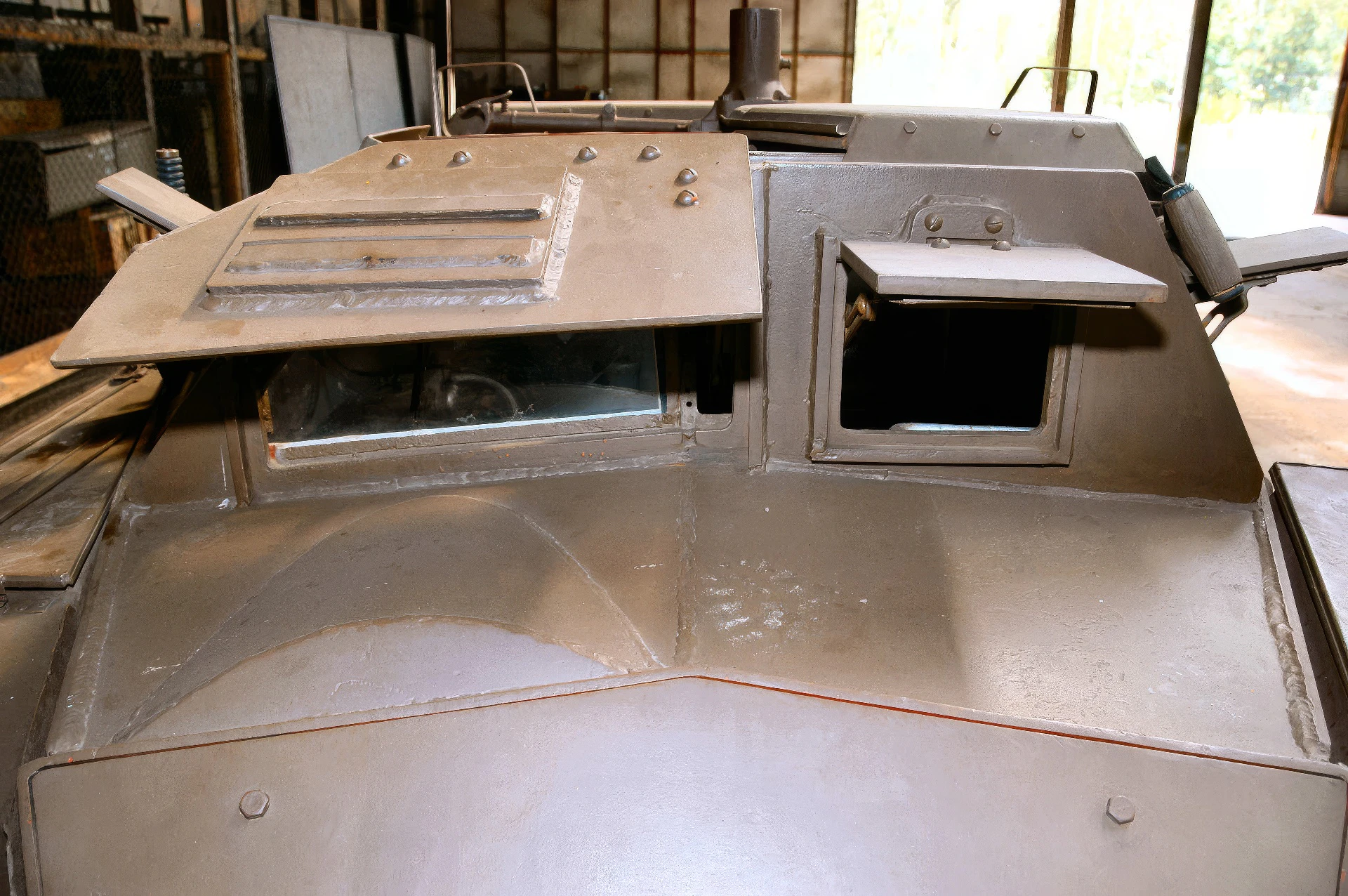
Humber Mk I 02
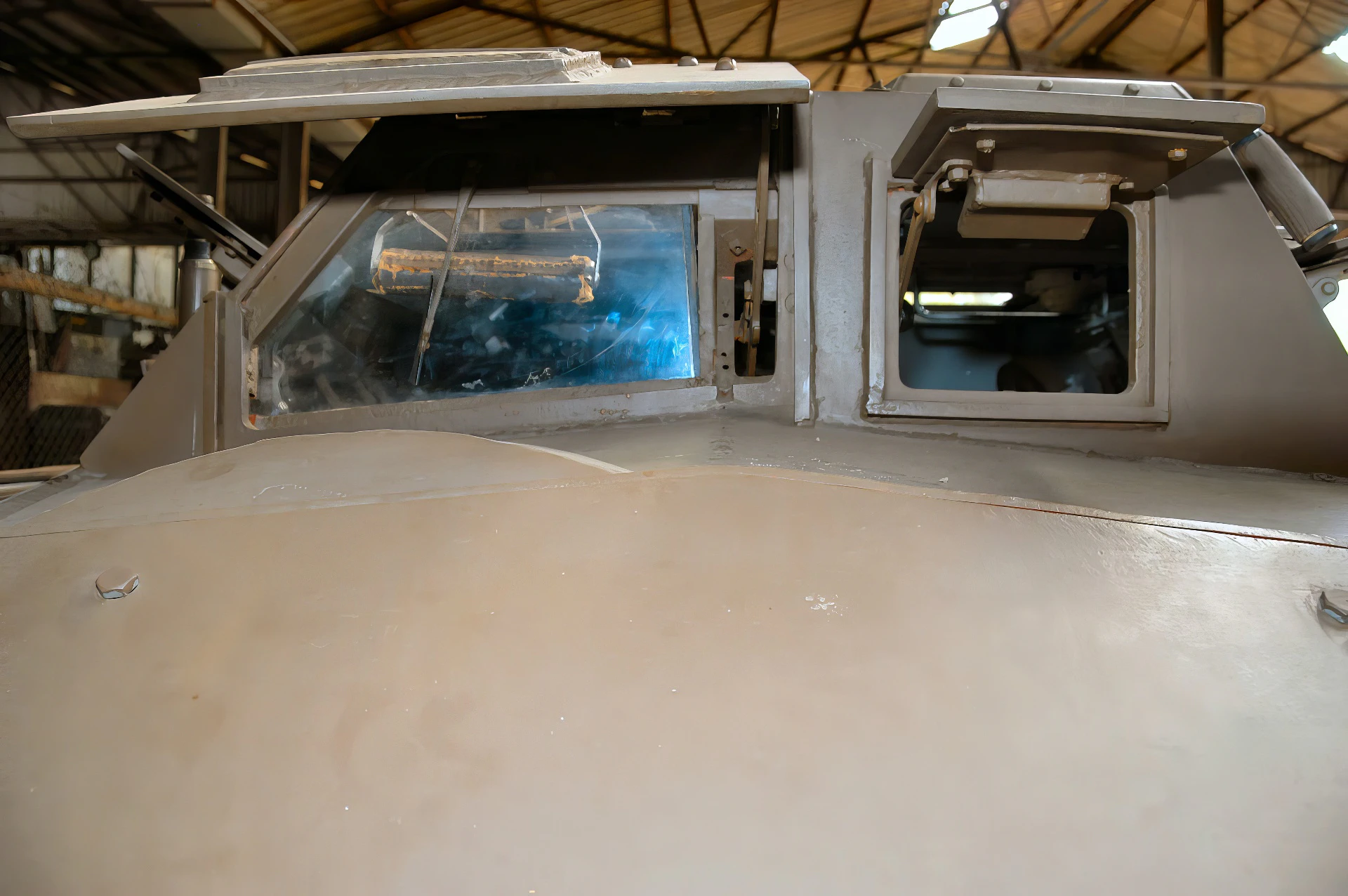
Humber Mk I 03
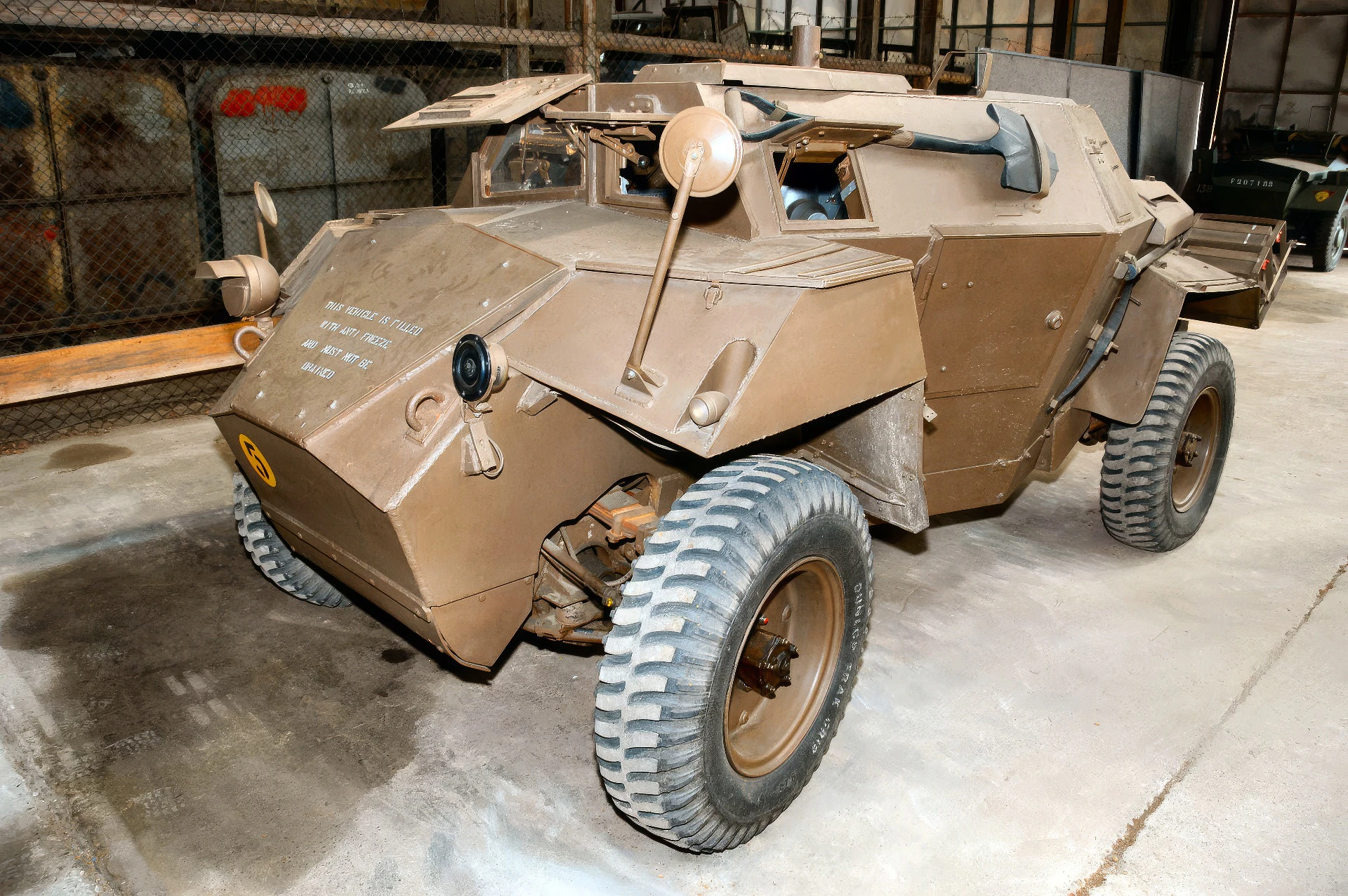
Humber Mk I 05
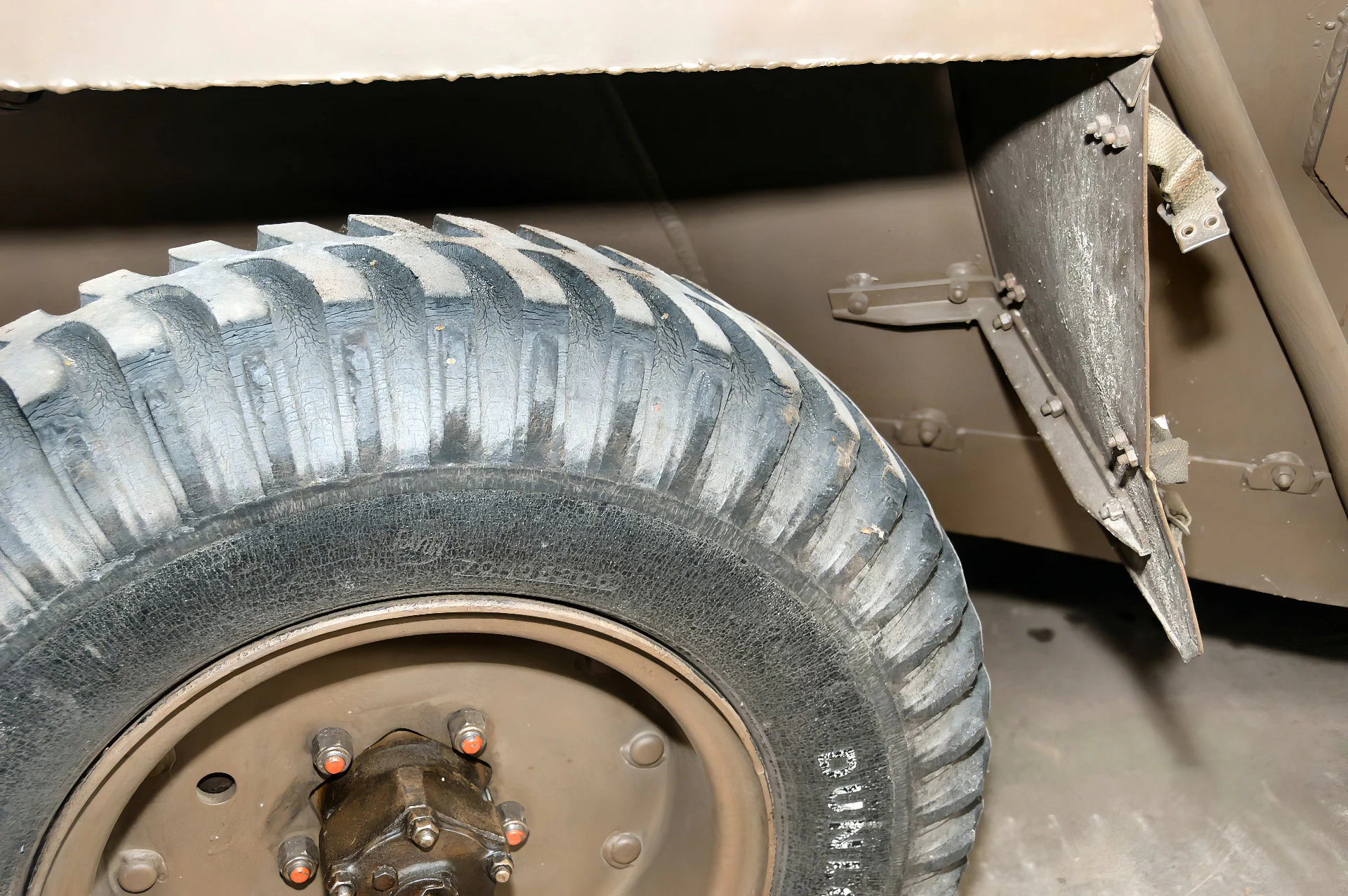
Humber Mk I 06
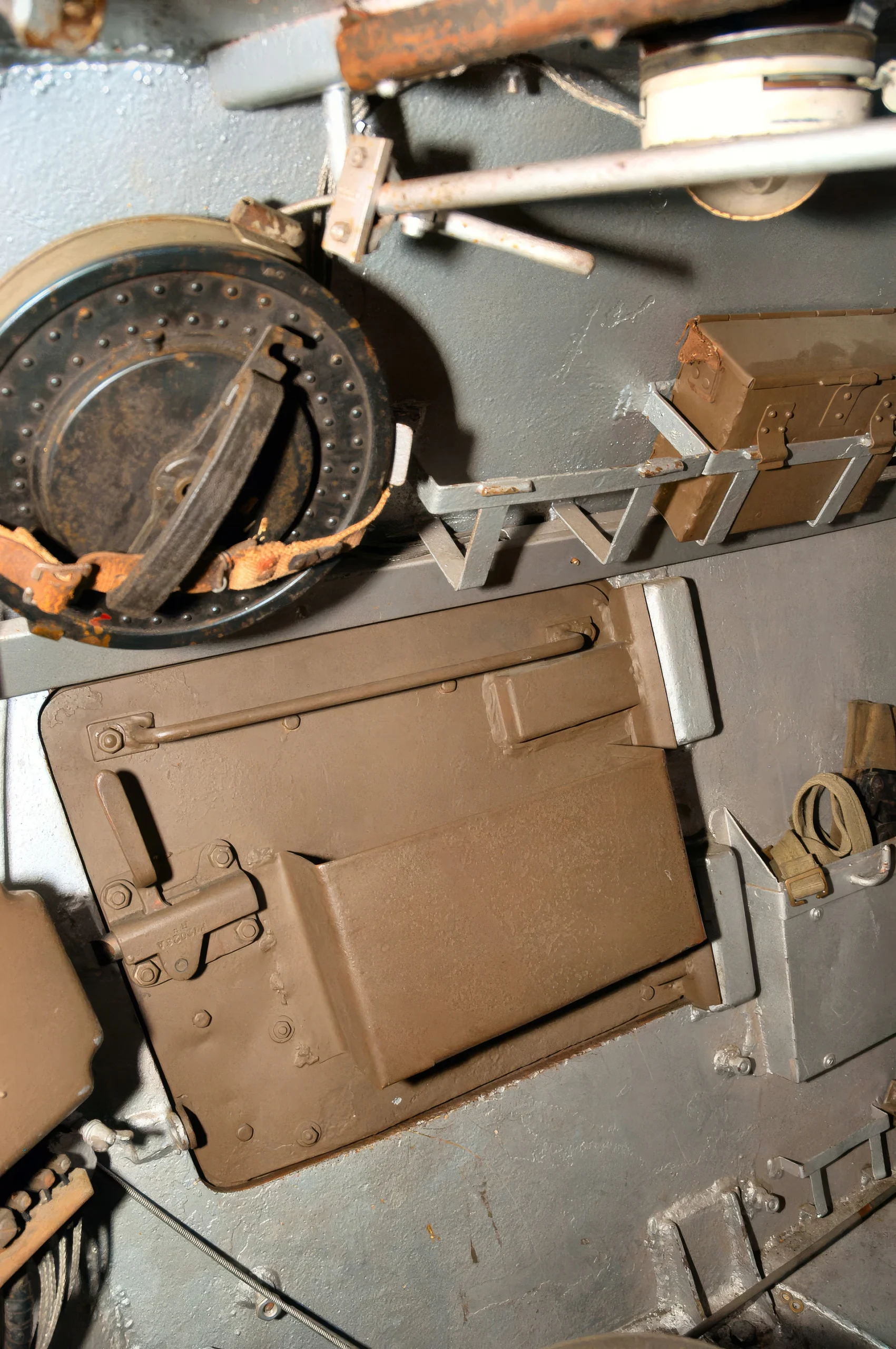
Humber Mk I 09
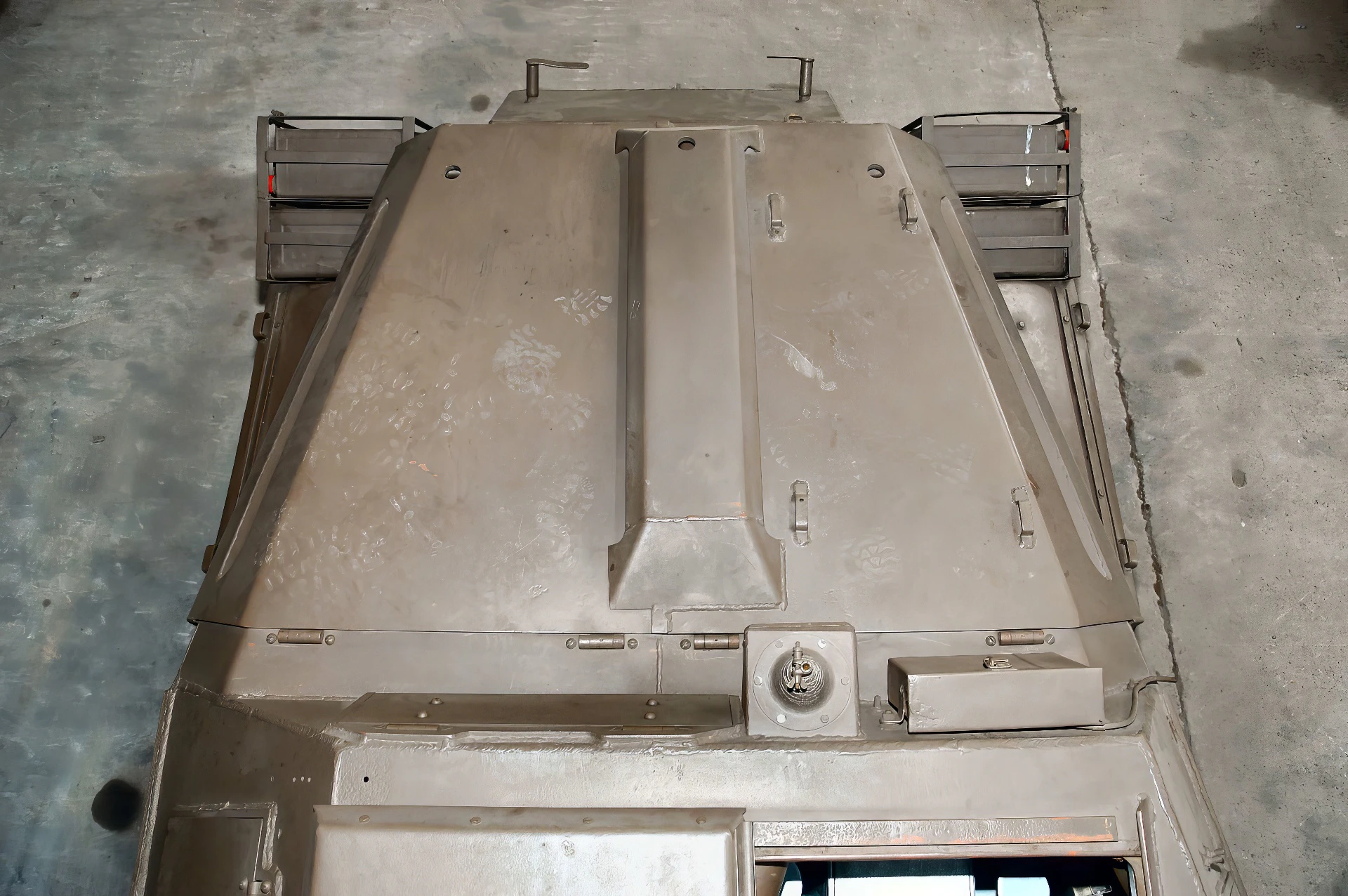
Humber Mk I 07
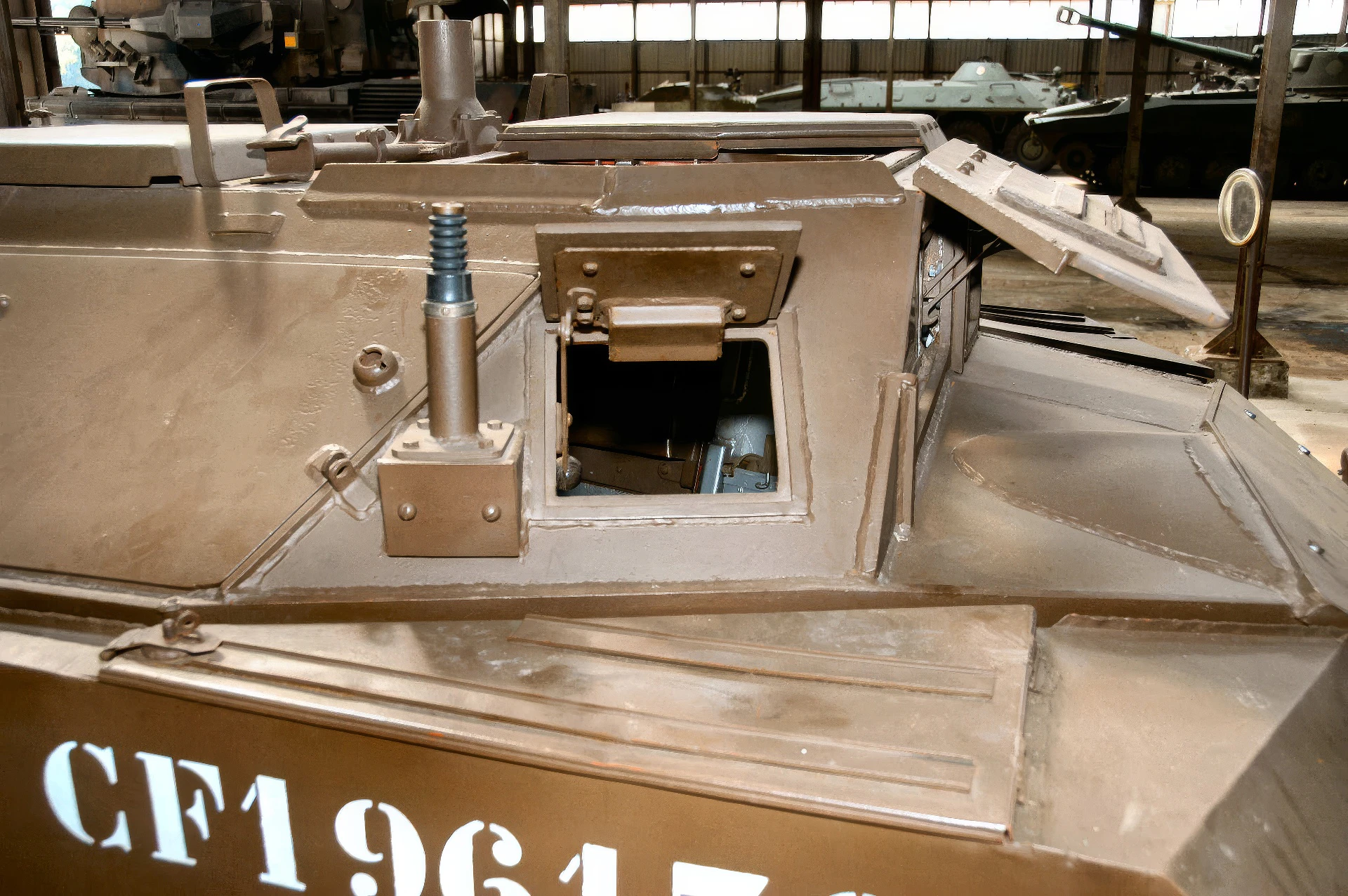
Humber Mk I 08
Aspetta, cercando Humber Mk I per te ...

| Humber Mk.IIIA | |
|---|---|
| Fotografo | Inconsapevole |
| Localizzazione | Inconsapevole |
| Foto | 14 |
Aspetta, cercando un'auto blindata per te...
Vedi anche:


Le Humber Blinded Car was one of the most widely produced British wheeled fighting vehicles of the Second World War. The Mark I (Mk I) was the initial production version, intended for reconnaissance and screening roles.
Origins and Design
- Need: After the losses at Dunkirk and the urgent need for armored reconnaissance vehicles, the Rootes Group (primarily Karrier Motors) was tasked with producing an armored car.
- Inspiration: The design was heavily derived from the earlier, less-produced Guy Armoured Car. The Humber combined the Guy’s armored hull with a modified 4×4 chassis based on the Karrier KT4 artillery tractor.
- Name: It was named after another company in the Rootes Group, Humber Limited, to avoid confusion with the tracked Universal Carriers, which were often referred to as “Karriers.”
Key Specifications (Mk I)
| Characteristic | Valore |
|---|---|
| Ruolo | Armoured Reconnaissance |
| Un sacco | ~6.3 tonnes |
| Armour (Maximum) | Up to 15 mm (0.59 in) |
| Motore | Rootes 6-cylinder petrol engine (90 hp) |
| Max Speed (Road) | ~80 km/h (50 mph) |
| Equipaggio | 3 (Comandante, Artigliere, Autista) |
Armament and Crew
The Mk I was armed to defend against infantry and light vehicles, not for tank-on-tank combat:
- Armamento principale: Un 15 mm Besa heavy machine gun, capable of engaging light armored targets.
- Coaxial Armament: Un 7.92 mm Besa machine gun, mounted coaxially in the turret.
- Crew Role: The three-man crew allowed for a clear separation of tasks: the driver handled the vehicle, the gunner operated the weapons, and the commander focused on navigation, radio communication, and direction.
Service History and Legacy
- Wartime Use: The Humber Mk I and its subsequent variants (Mk II, III, and the 37mm-gun armed Mk IV) served extensively throughout World War II. It was a key vehicle for British and Commonwealth reconnaissance units.
- Theaters: It saw heavy combat starting in the North African Campaign and later served across the European theater, including in Normandy, providing a fast, mobile screen for advancing armored divisions.
- Post-War: The Humber proved reliable and remained in service with several nations, including India and Portugal, long after WWII, with some seeing action in conflicts like the Portuguese-Indian War in Goa in 1961.
Views : 4084