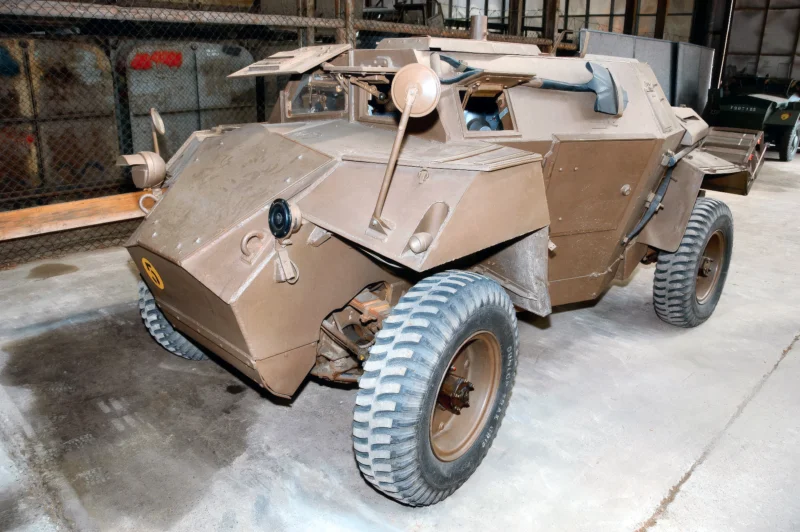
| Humber Mk I | |
|---|---|
| Land | Großbritannien |
| Typ | Panzerwagen |
Fotogalerie eines Humber Mk I, The Humber Armoured Car war einer der am häufigsten produzierten britischen Panzerwagen des Zweiten Weltkriegs. Es ergänzte das Humber Light Reconnaissance Car und blieb bis kriegsende Zeit im Einsatz.
Quelle: Humber Mk I auf Wikipedia
| Humber Mk I – Walk Around | |
|---|---|
| Fotograf | Unbekannter |
| Lokalisierung | Unbekannter |
| Fotos | 40 |
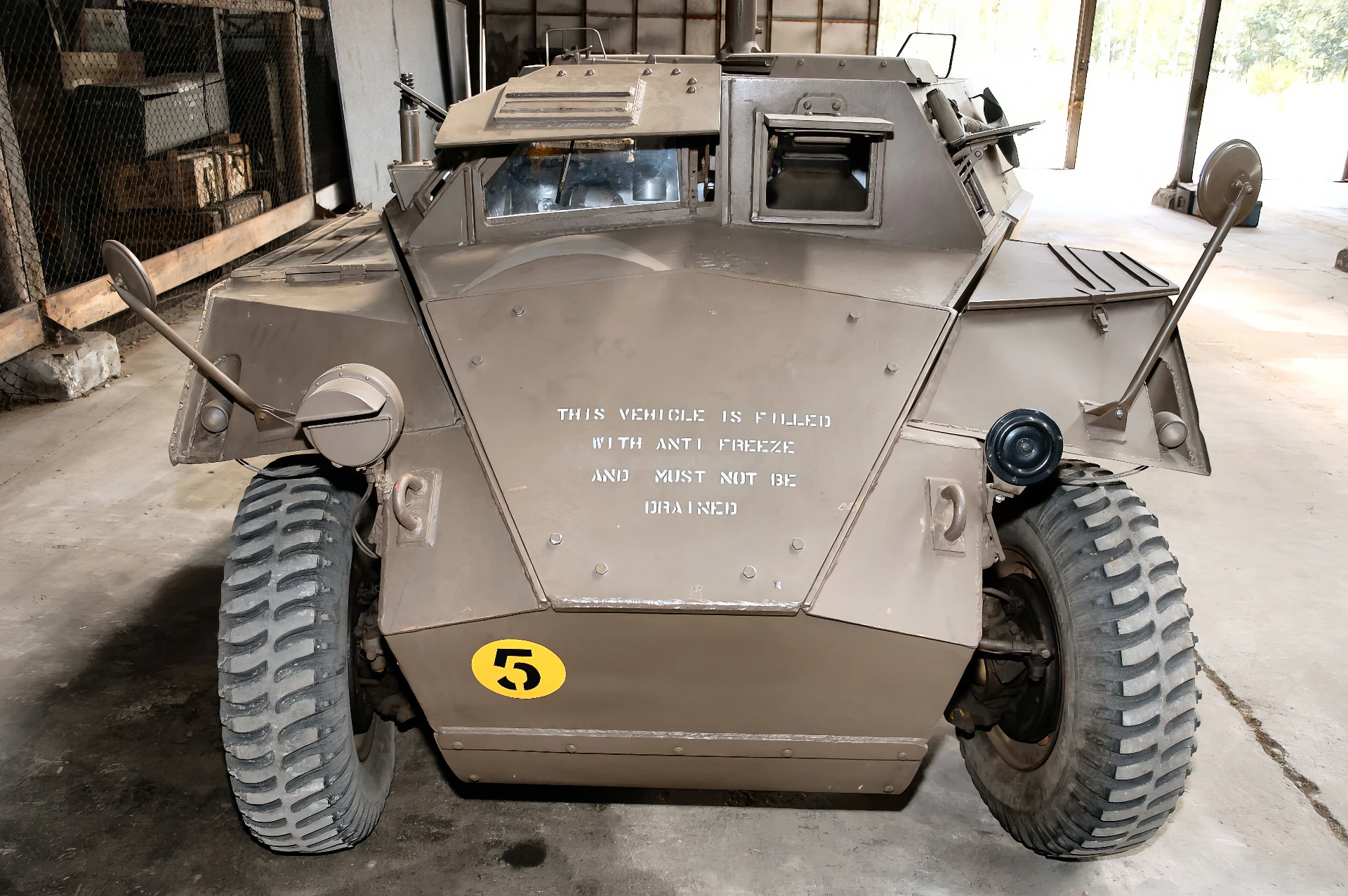
Humber Mk I 01
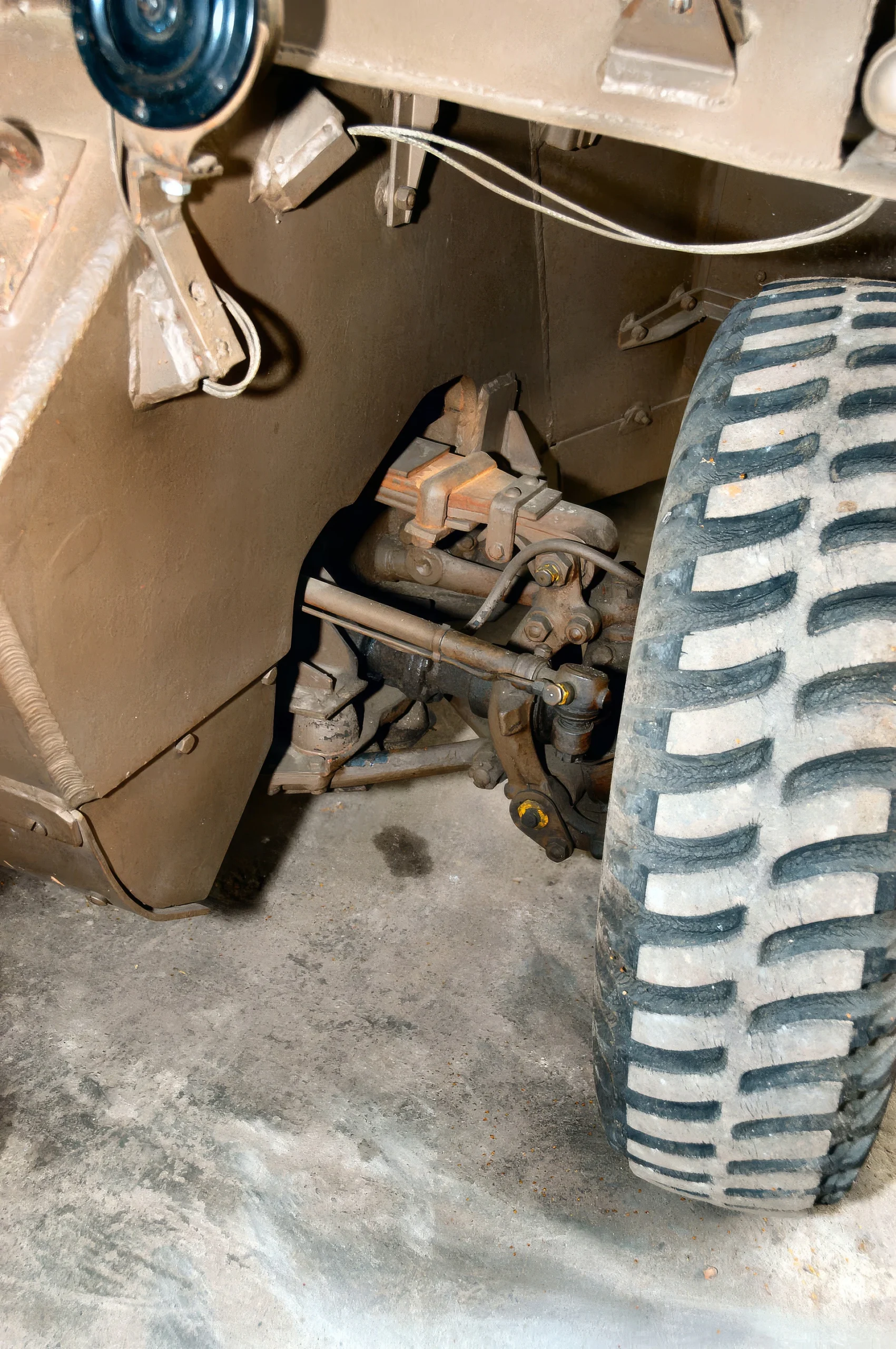
Humber Mk I 04
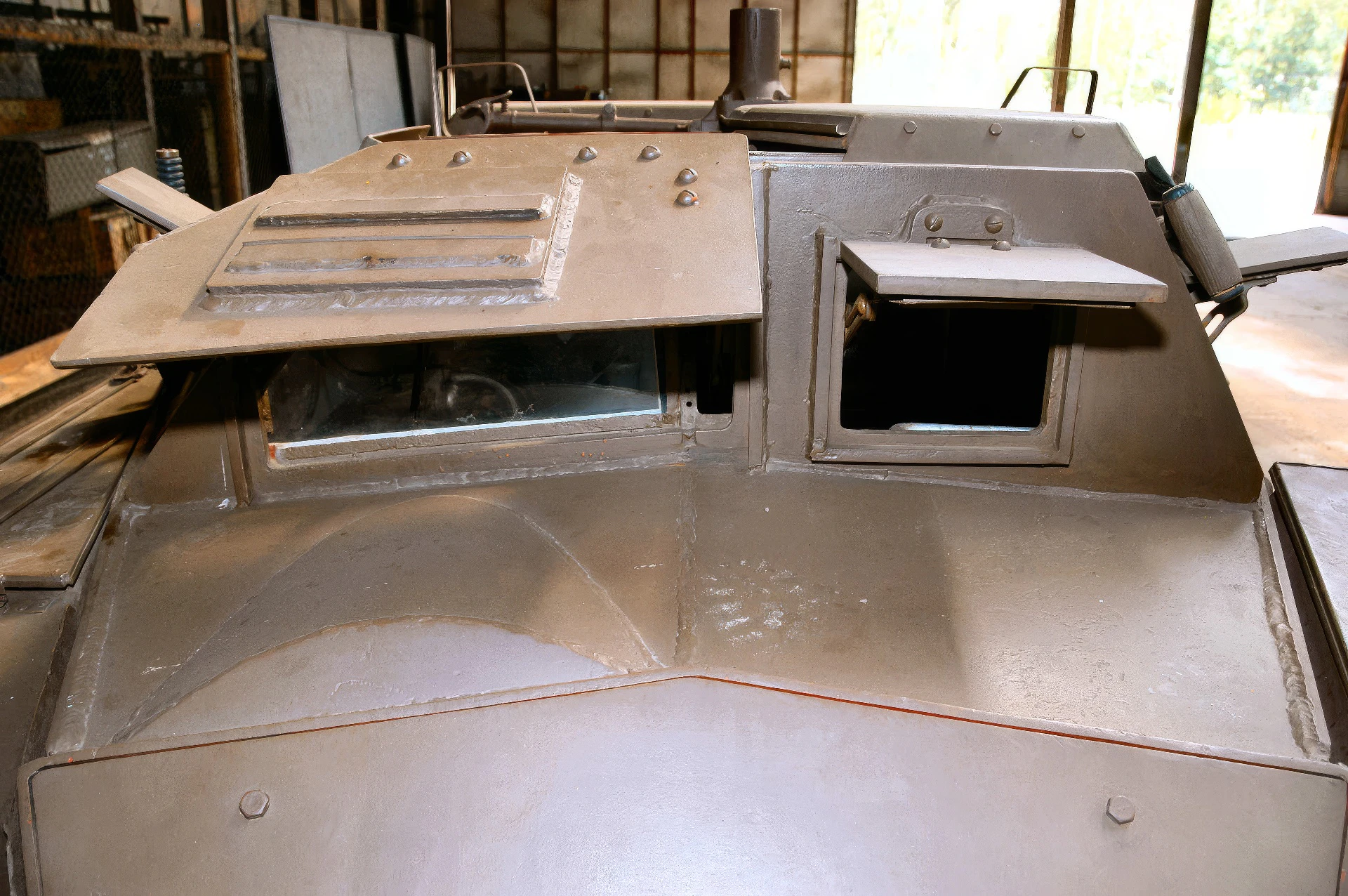
Humber Mk I 02
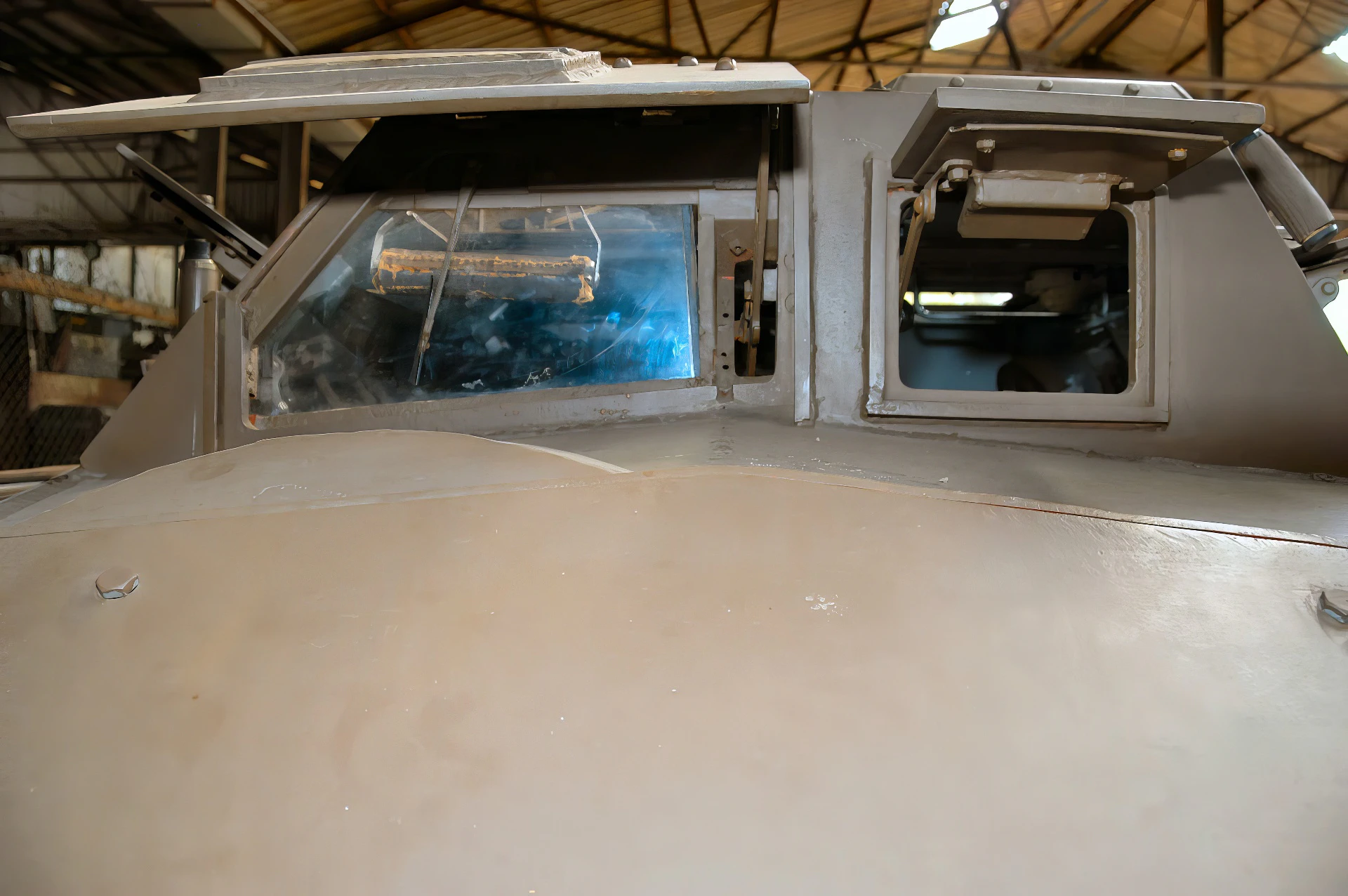
Humber Mk I 03
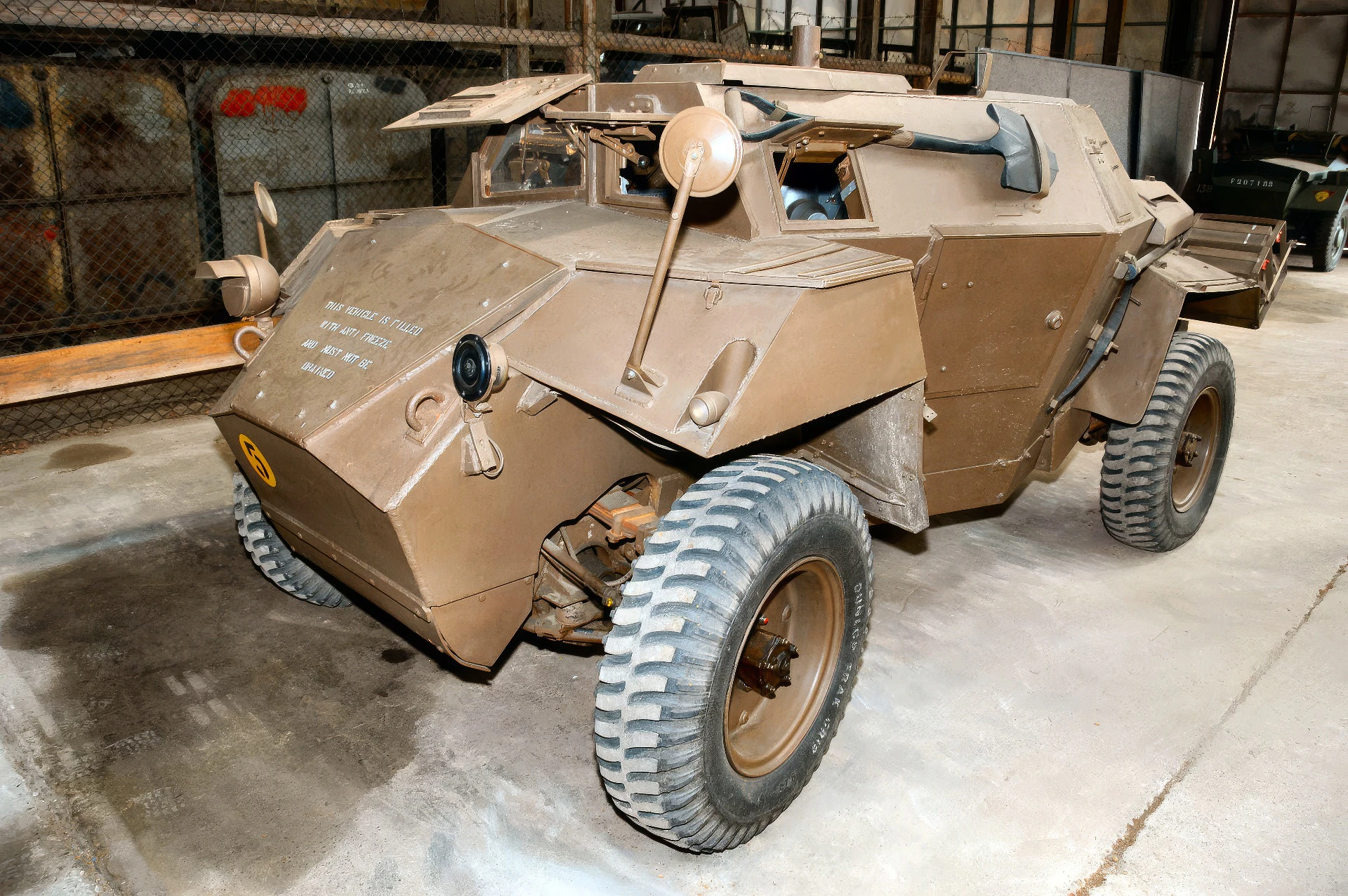
Humber Mk I 05
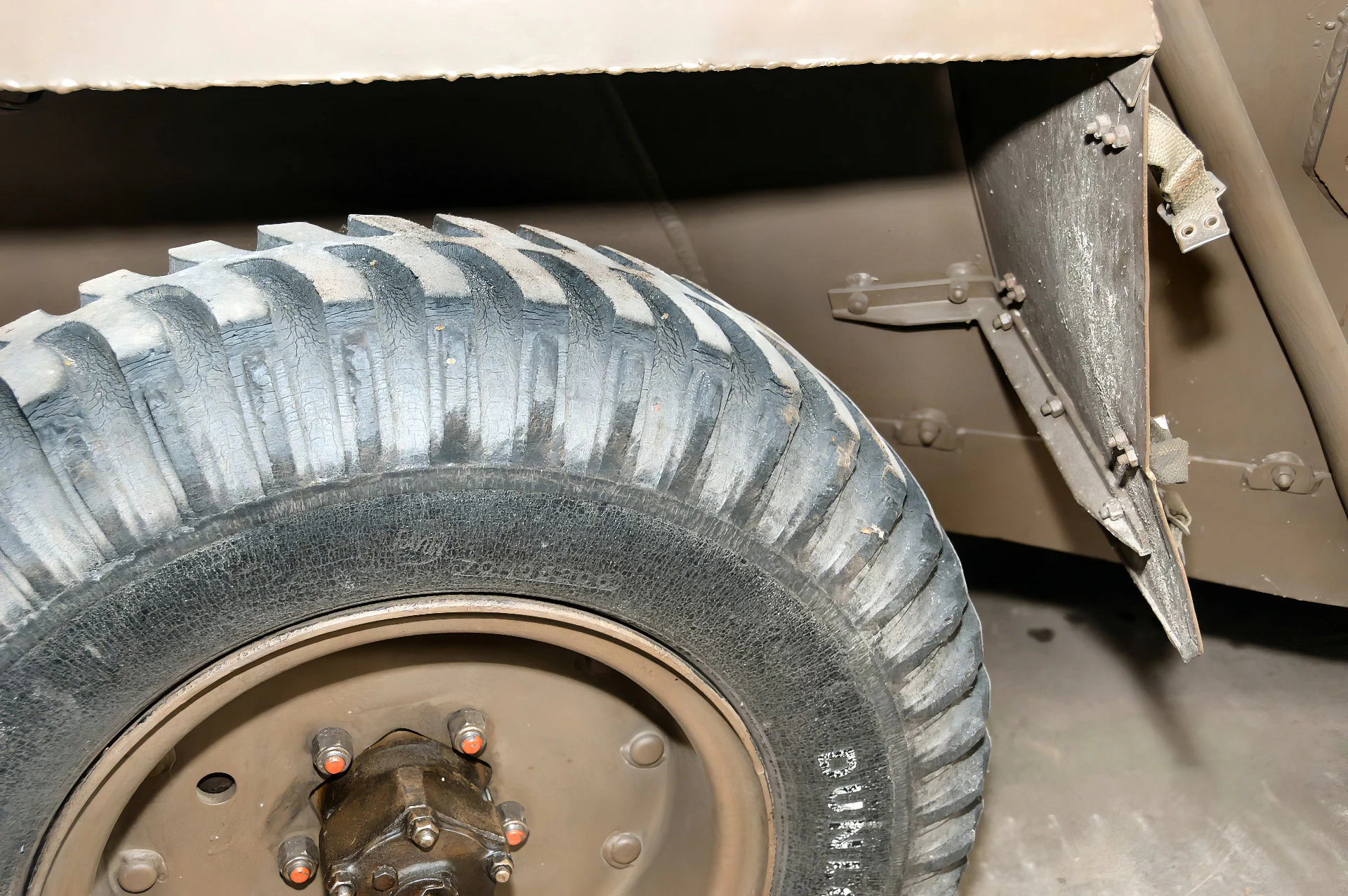
Humber Mk I 06
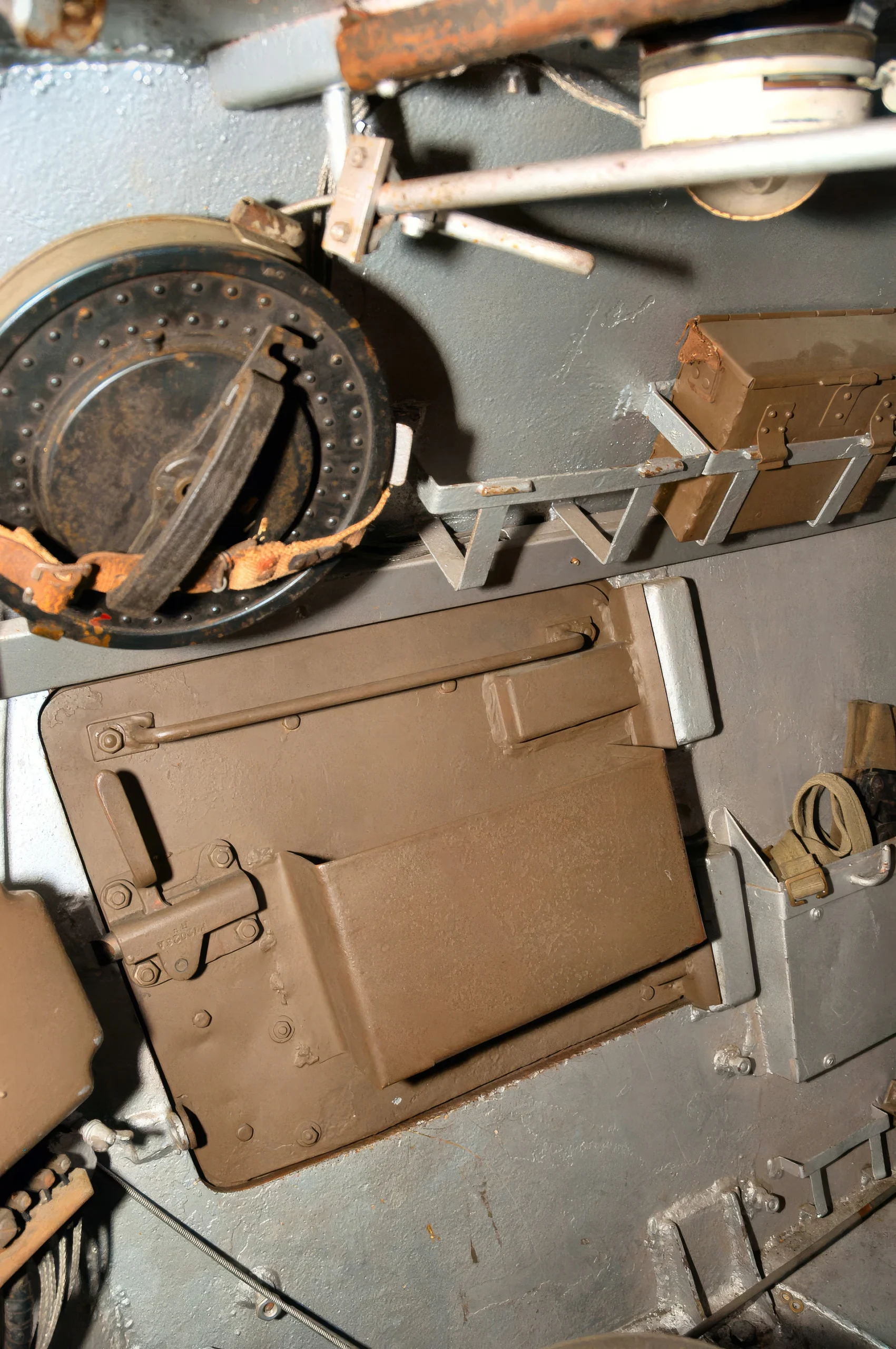
Humber Mk I 09
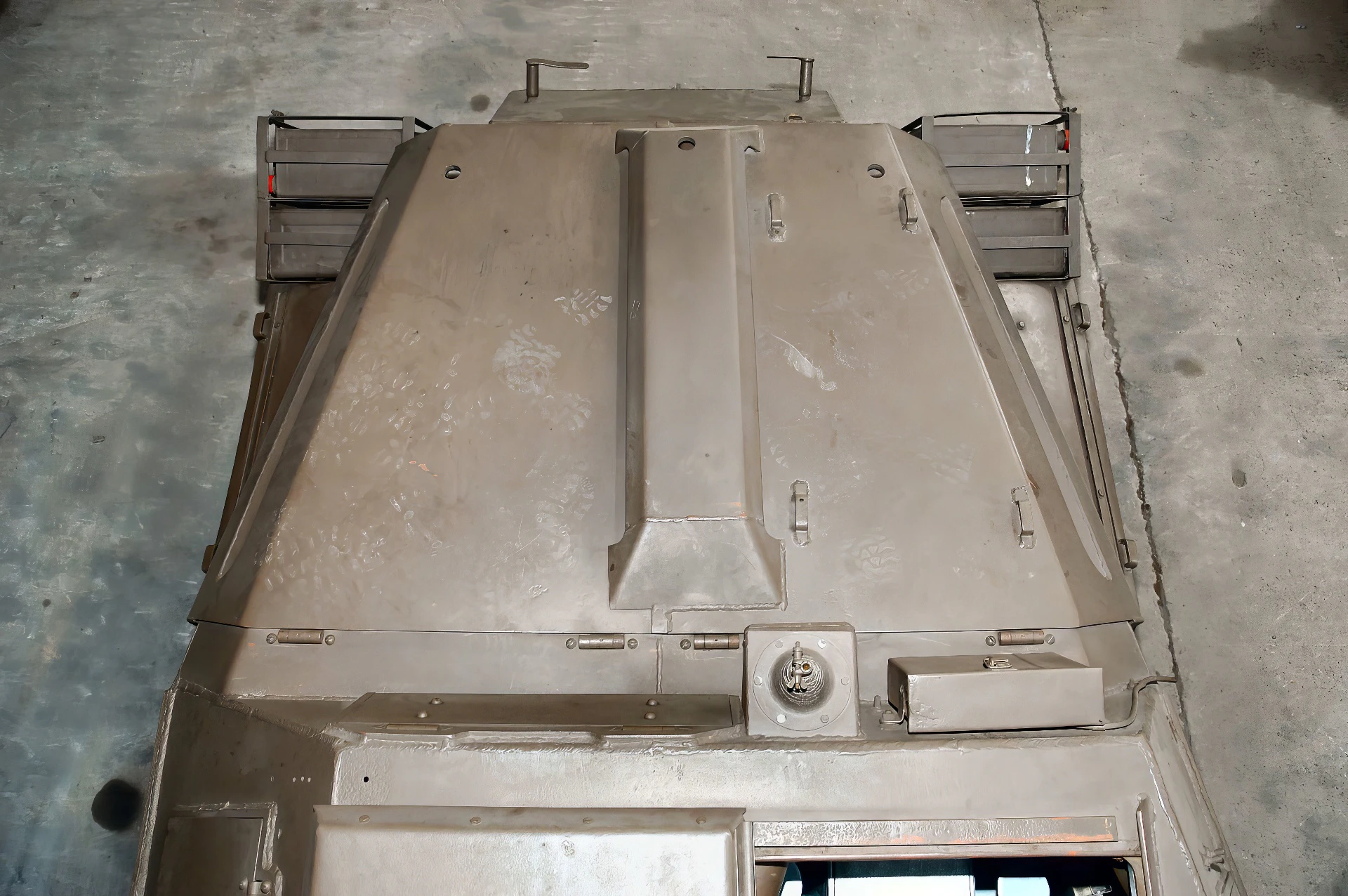
Humber Mk I 07
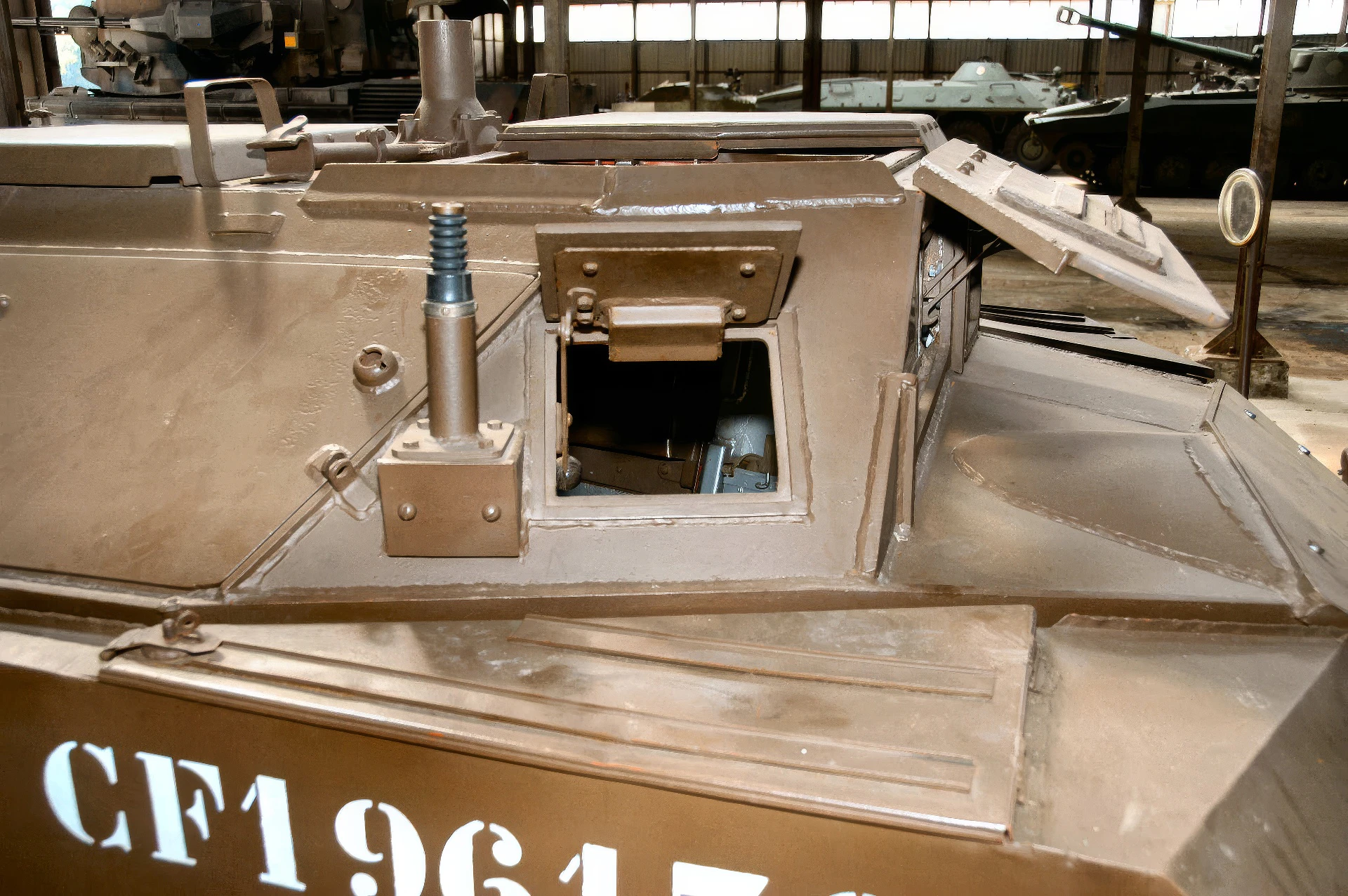
Humber Mk I 08
Warten Sie, Suche Humber Mk Ich für Sie...

| Humber Mk.IIIA | |
|---|---|
| Fotograf | Unbekannter |
| Lokalisierung | Unbekannter |
| Fotos | 14 |
Warten Sie, Searched Armored Car für Sie...
Siehe auch:


das Humber Armoured Car was one of the most widely produced British wheeled fighting vehicles of the Second World War. The Mark I (Mk I) was the initial production version, intended for reconnaissance and screening roles.
Origins and Design
- Need: After the losses at Dunkirk and the urgent need for armored reconnaissance vehicles, the Rootes Group (primarily Karrier Motors) was tasked with producing an armored car.
- Inspiration: The design was heavily derived from the earlier, less-produced Guy Armoured Car. The Humber combined the Guy’s armored hull with a modified 4×4 chassis based on the Karrier KT4 artillery tractor.
- Name: It was named after another company in the Rootes Group, Humber Limited, to avoid confusion with the tracked Universal Carriers, which were often referred to as “Karriers.”
Key Specifications (Mk I)
| Characteristic | Wert |
|---|---|
| Rolle | Armoured Reconnaissance |
| Masse | ~6.3 tonnes |
| Armour (Maximum) | Up to 15 mm (0.59 in) |
| Motor | Rootes 6-cylinder petrol engine (90 hp) |
| Max Speed (Road) | ~80 km/h (50 mph) |
| Crew | 3 (Kommandant, Schütze, Fahrer) |
Armament and Crew
The Mk I was armed to defend against infantry and light vehicles, not for tank-on-tank combat:
- Hauptbewaffnung: Eine 15 mm Besa heavy machine gun, capable of engaging light armored targets.
- Coaxial Armament: Eine 7.92 mm Besa machine gun, mounted coaxially in the turret.
- Crew Role: The three-man crew allowed for a clear separation of tasks: the driver handled the vehicle, the gunner operated the weapons, and the commander focused on navigation, radio communication, and direction.
Service History and Legacy
- Wartime Use: The Humber Mk I and its subsequent variants (Mk II, III, and the 37mm-gun armed Mk IV) served extensively throughout World War II. It was a key vehicle for British and Commonwealth reconnaissance units.
- Theaters: It saw heavy combat starting in the North African Campaign and later served across the European theater, including in Normandy, providing a fast, mobile screen for advancing armored divisions.
- Post-War: The Humber proved reliable and remained in service with several nations, including India and Portugal, long after WWII, with some seeing action in conflicts like the Portuguese-Indian War in Goa in 1961.
Aufrufe : 4070
Sie können auch sehen:
 FV721 Fox CVR – Fotos & Video
 BRDM-1 – Fotos & Video
 Carro Armato M13-40 – Rundgang
 Marmon-Herrington Mk 4f – Fotos und Videos
 FV1611A Humber Pig Mk.2 – Fotos & Video
 PSzH-IV – Fotos & Video
 Ba-27 – Fotos & Video
 Humber Mk IV – Fotos und Videos
 Frettchen Mk 2 – Fotos & Video
 Ferret Mk 2-6 – WalkAround