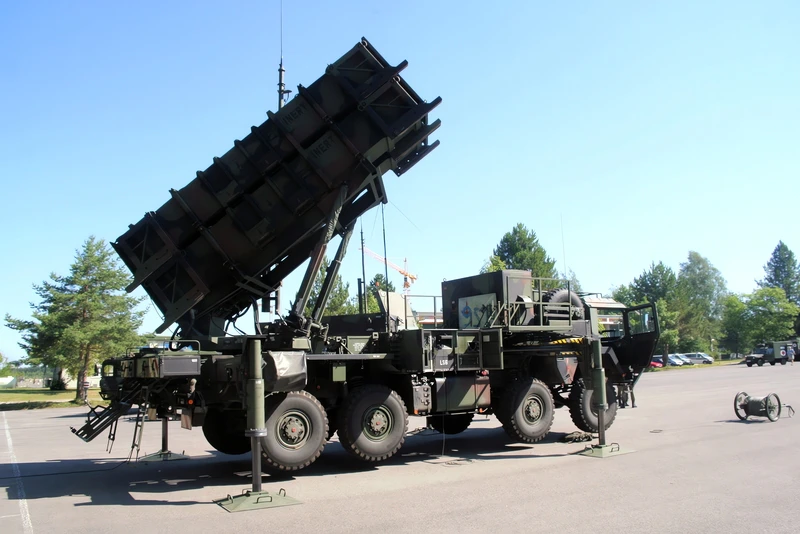
MIM-104 Patriot | |
|---|---|
| Krajiny | Spojené štáty americké |
| Úlohu | Mobilná raketa zem-vzduch dlhého doletu s možnosťou protiraketovej strely |
| V prevádzke | Od roku 1981 |
| Postavený | Viac ako 1100 odpaľovacích odpaľovacích zariadenia |
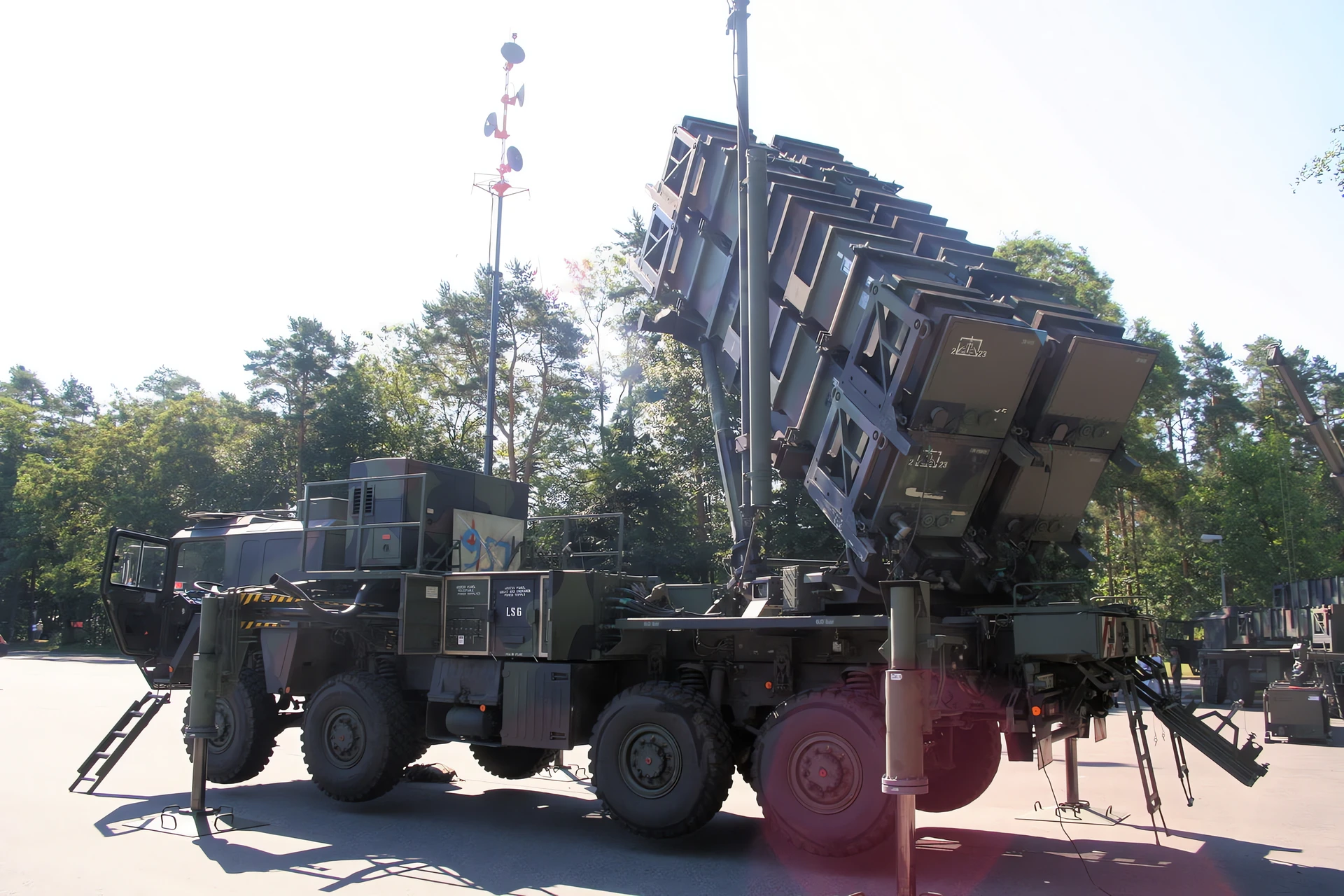
Komisia MIM-104 Patriot Je to systém rakiet zem-vzduch (SAM), primárny svojho druhu používaný armádou Spojených štátov a niekoľkými spojeneckmi krajinami. Vyrába ho americký dodávateľ obrany Raytheon a jeho názov je odvodený od radarovej zložky zbraňového systému. AN / MPQ-53 v srdci systému je známy ako "Fázovaný radar sledovania poľa na zachytenie na cieľ", čo je backronym pre PATRIOT. Patriot System nahradil systém Nike Hercules ako primárny systém protivzdušnej obrany americkej armády (HIMAD) a nahradil systém MIM-23 Hawk ako systém strednej taktickej protivzdušnej obrany americkej armády. Okrem týchto úloh dostal Patriot funkciu systému proti balistických rakiet americkej armády (ABM), ktorý je teraz hlavnou misiou Patriotu. Očakáva sa, že systém zostane v teréne najmenej do roku 2040.
Zdrojový: MIM-104 Patriot na Wikipédii
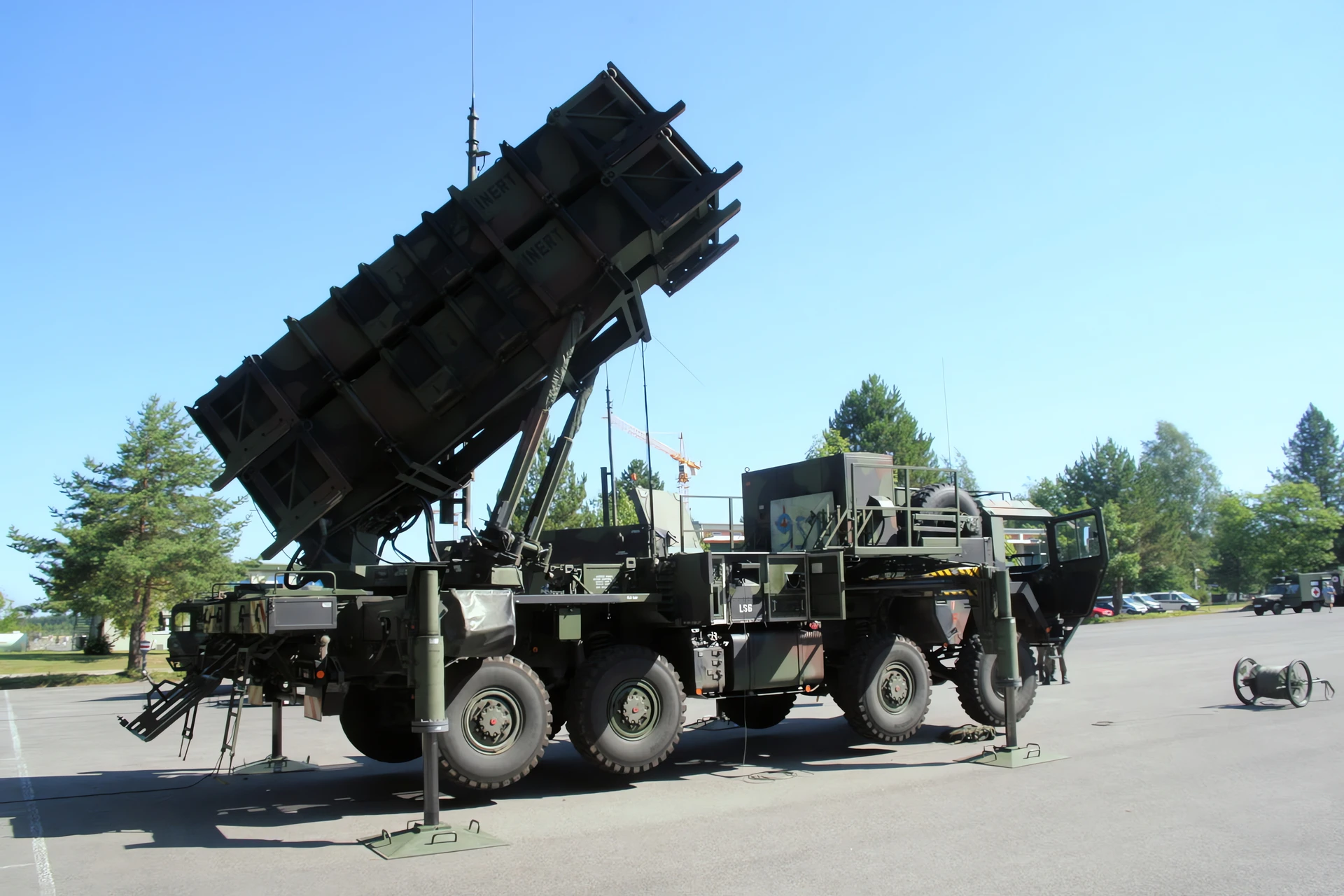
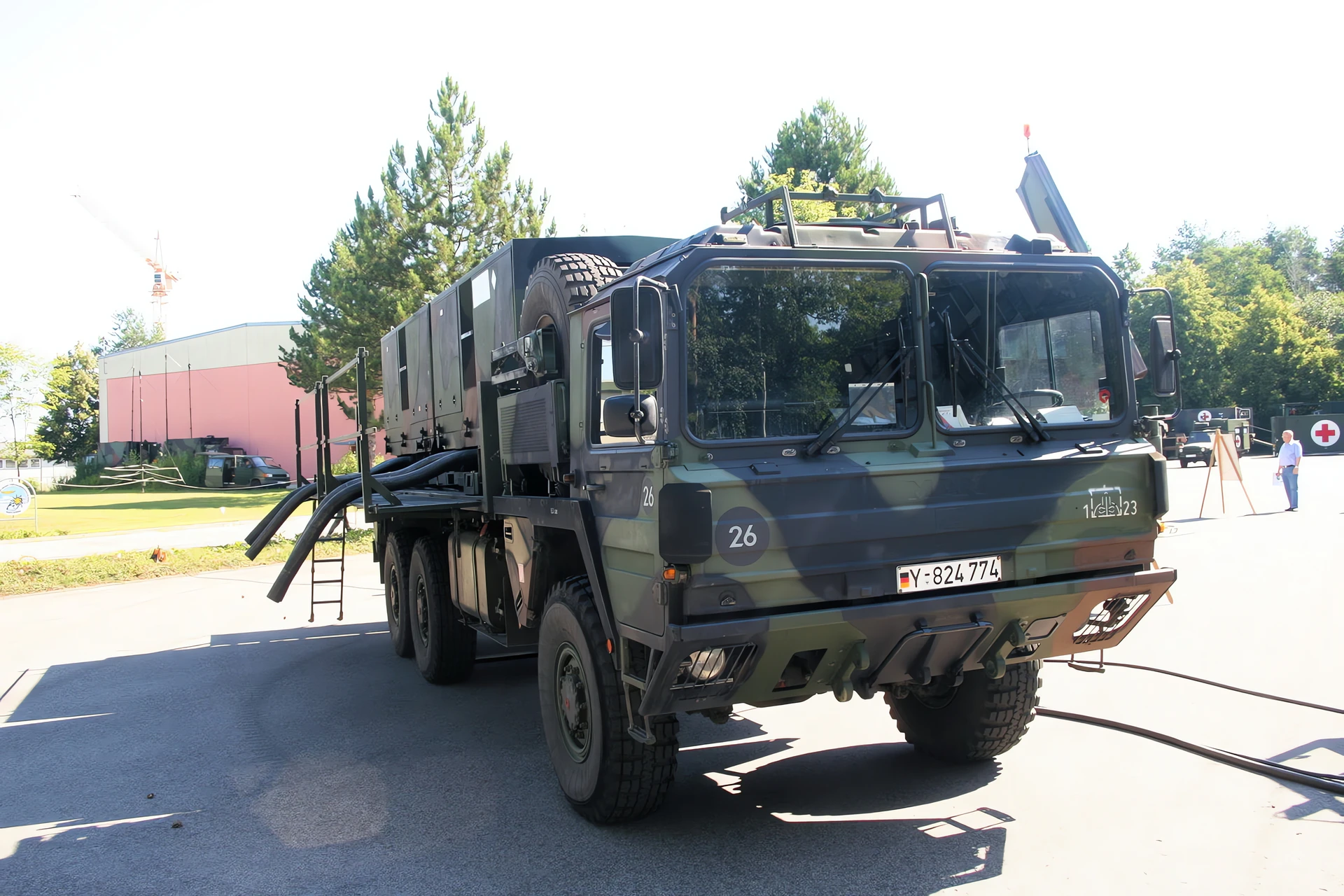
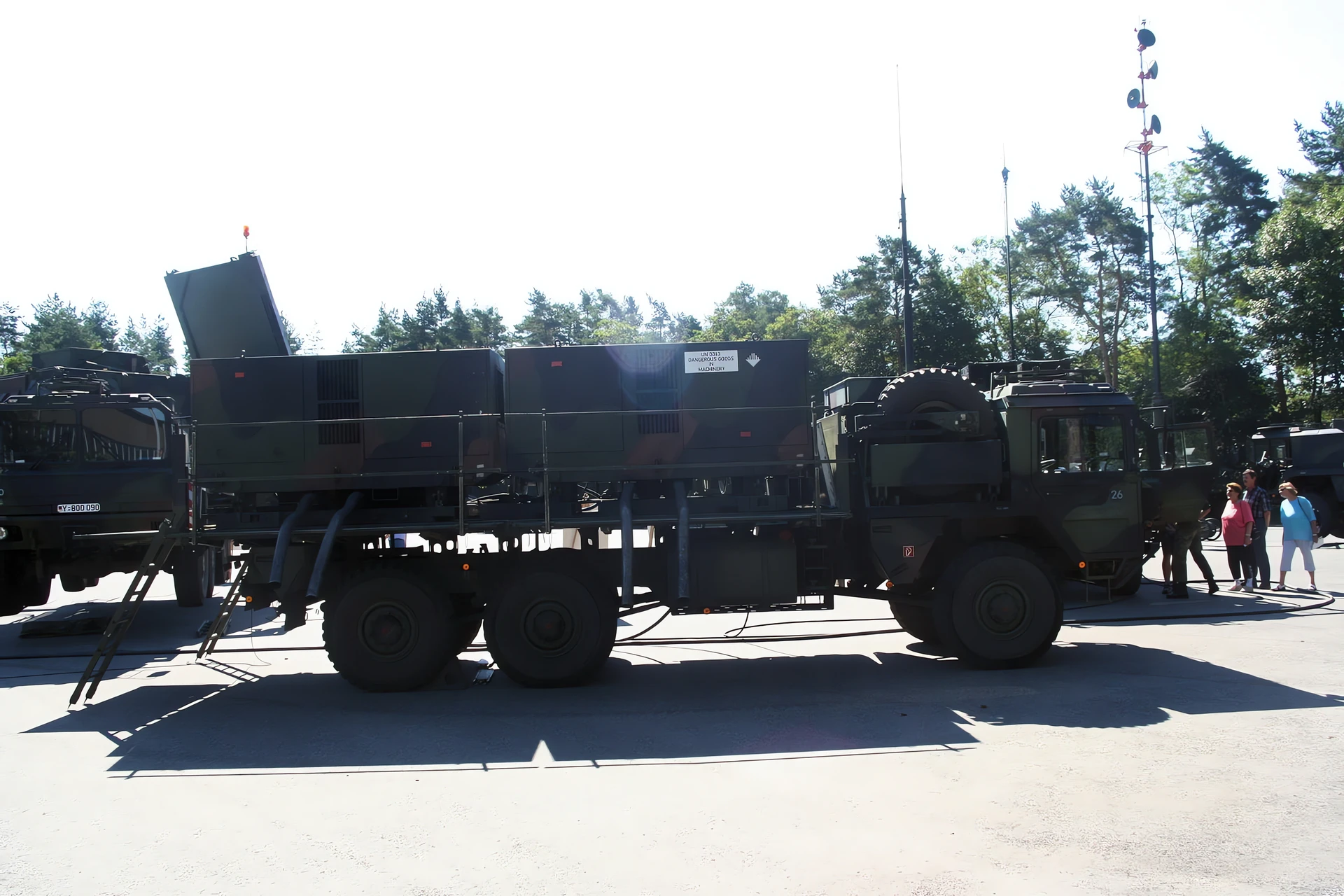
| Patriot Missile Battery Walk Around | |
|---|---|
| Photographer | Dieter Krause |
| Localisation | Unknow |
| Photos | 102 |
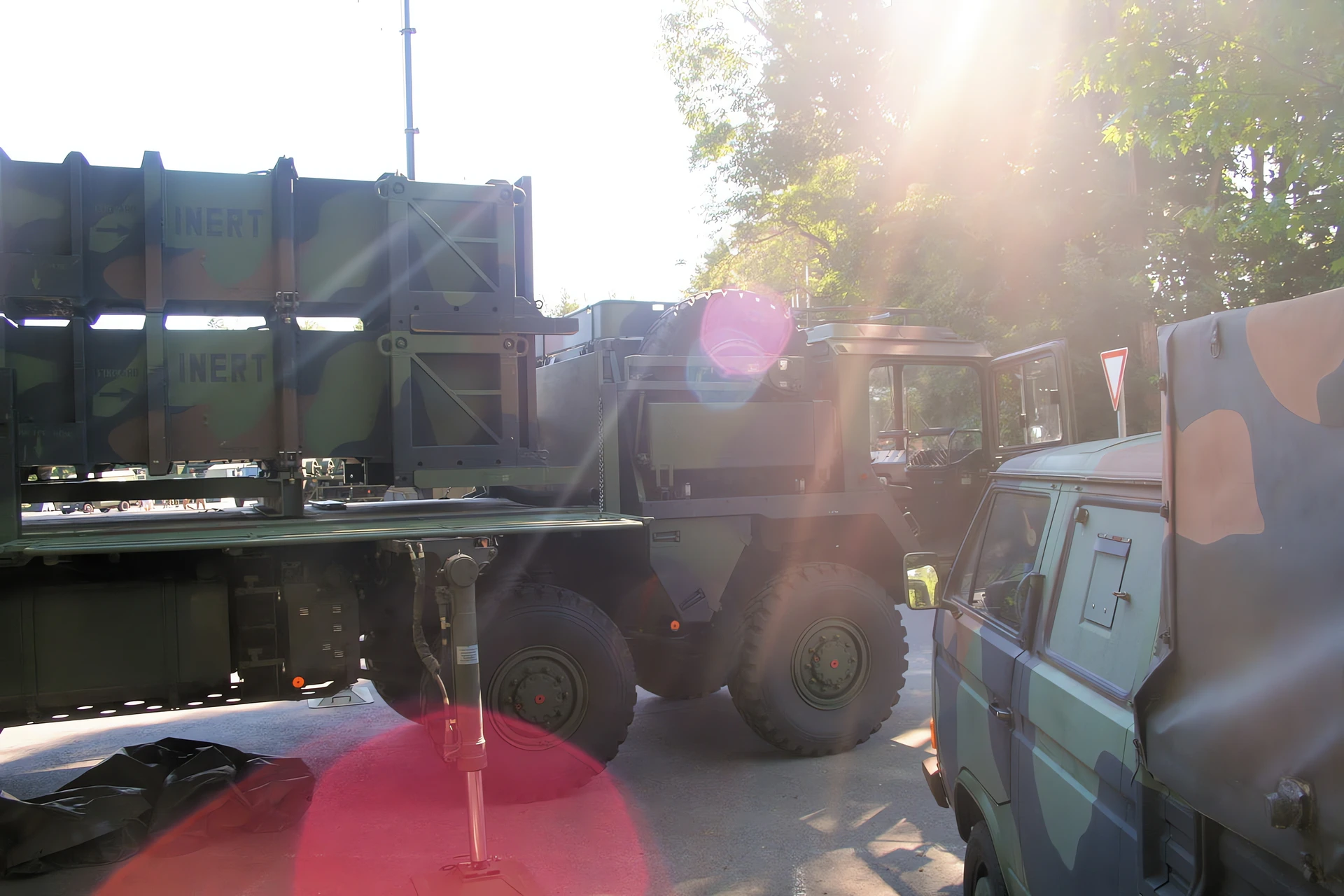
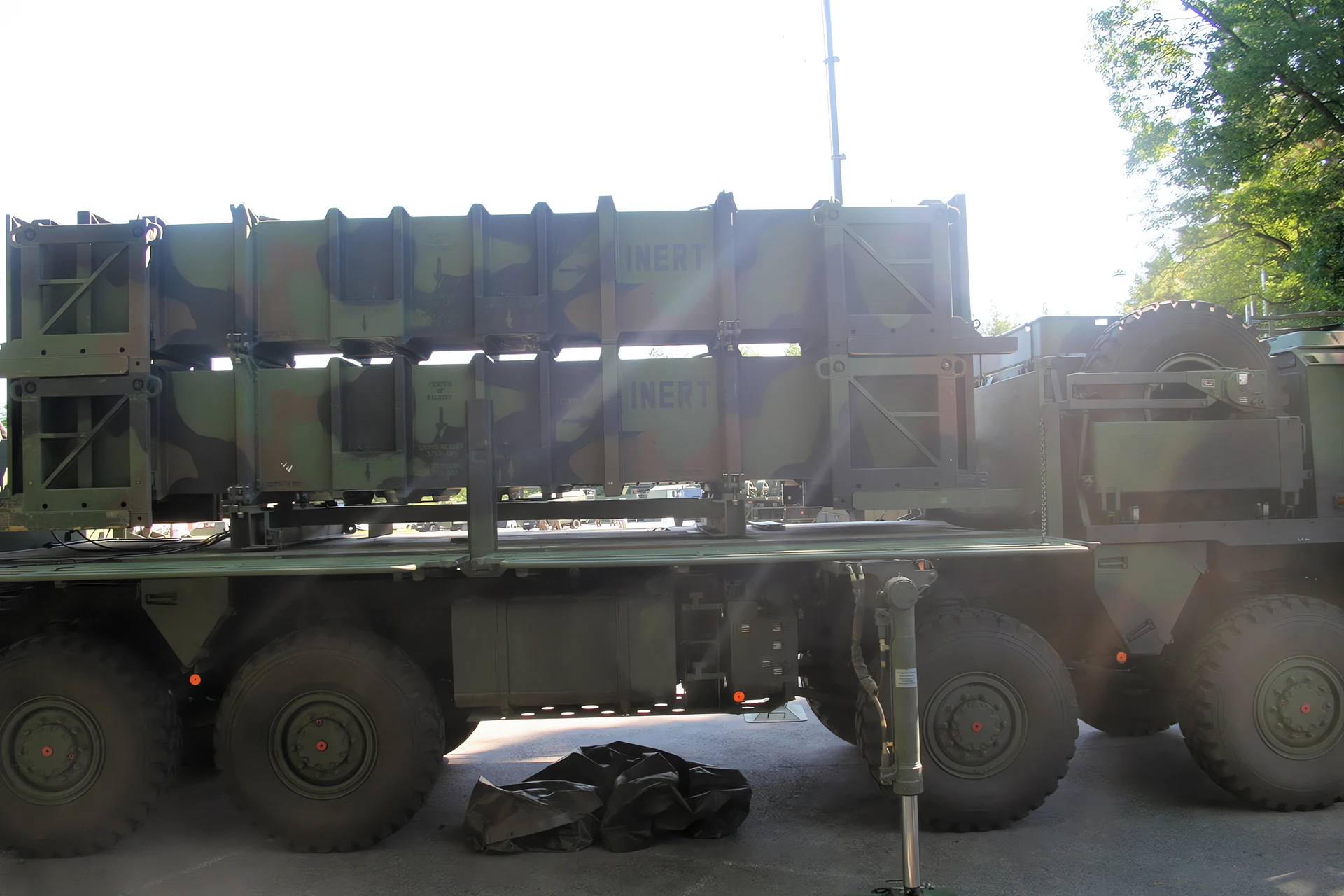

Pozri tiež:


General Characteristics and Role
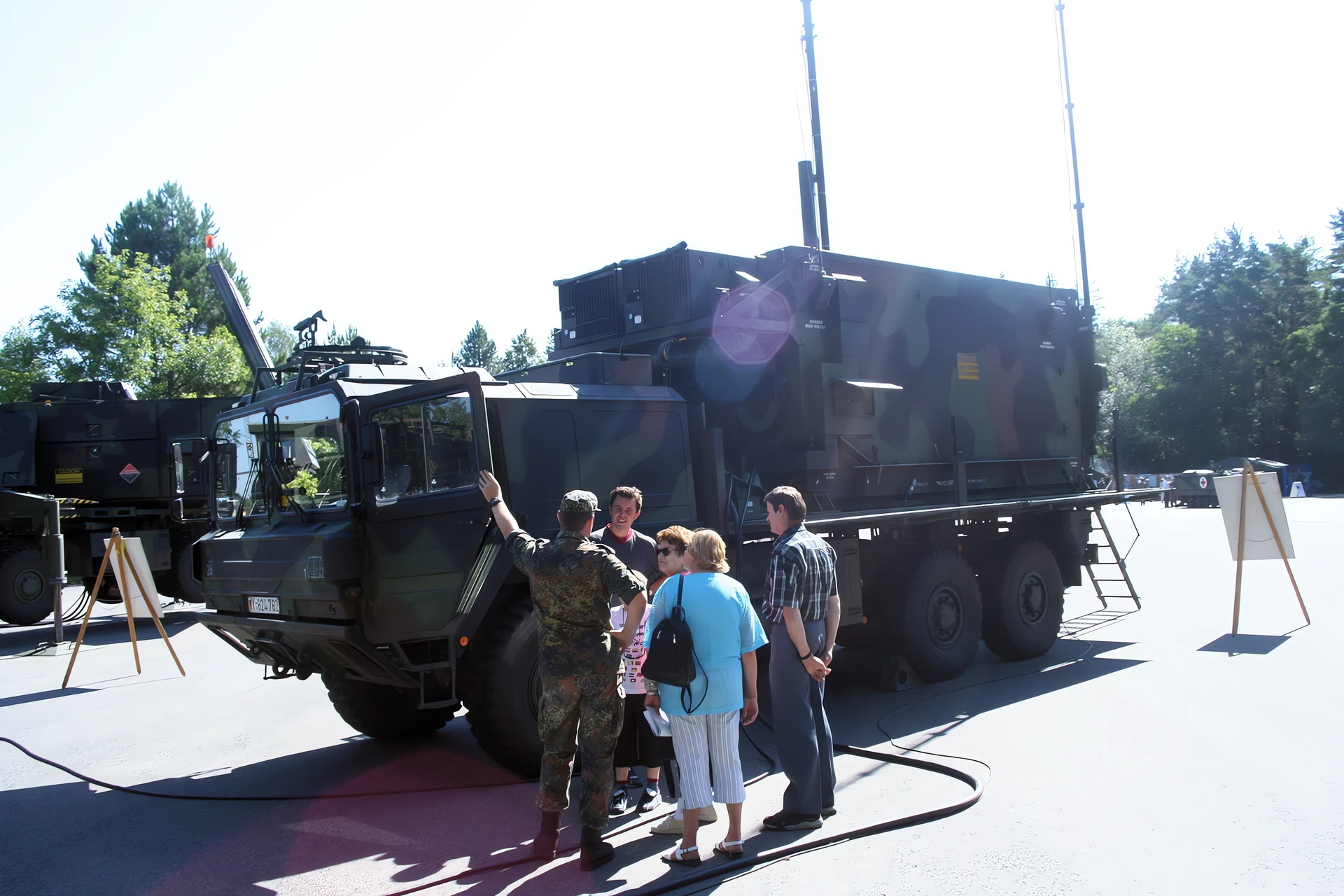
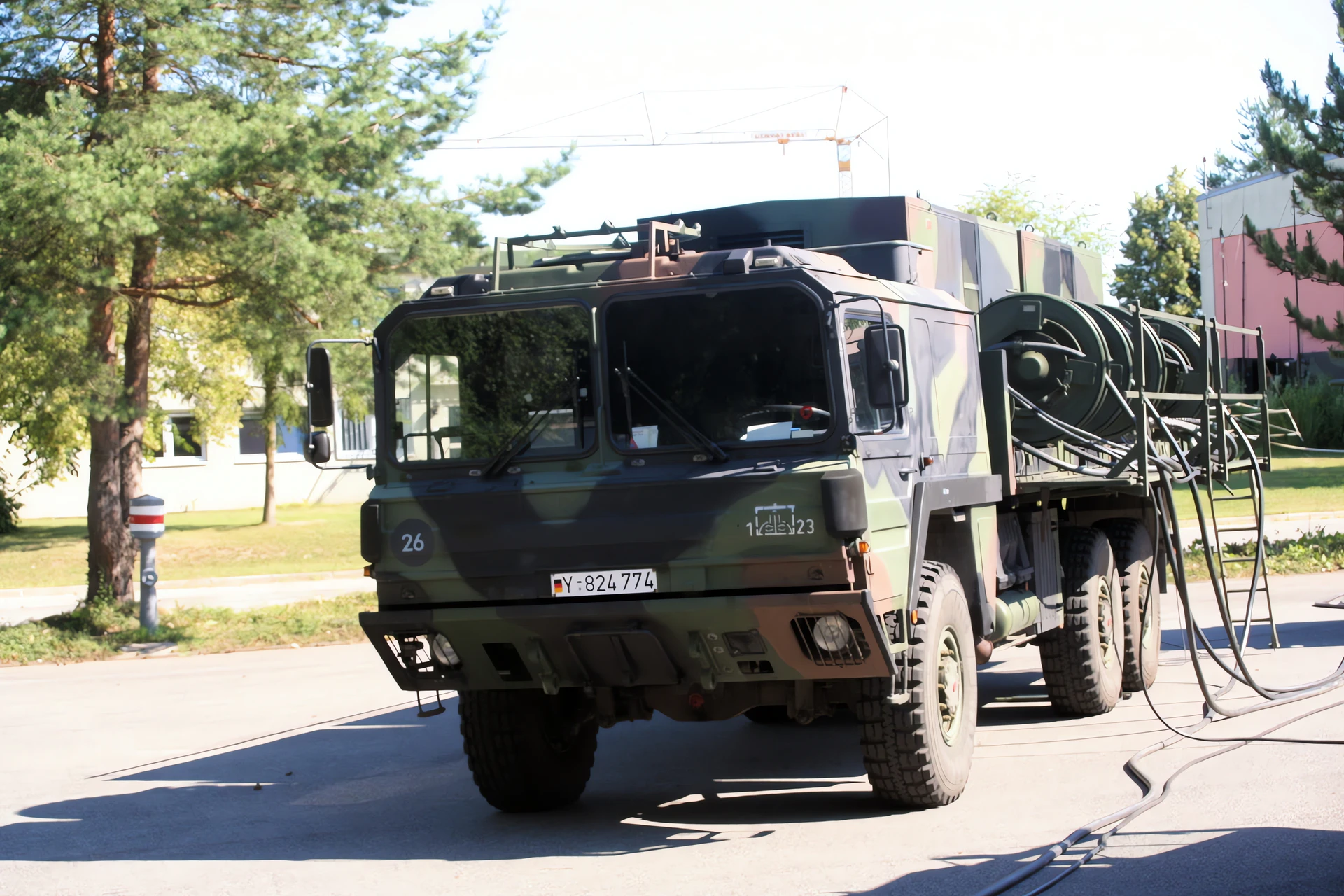
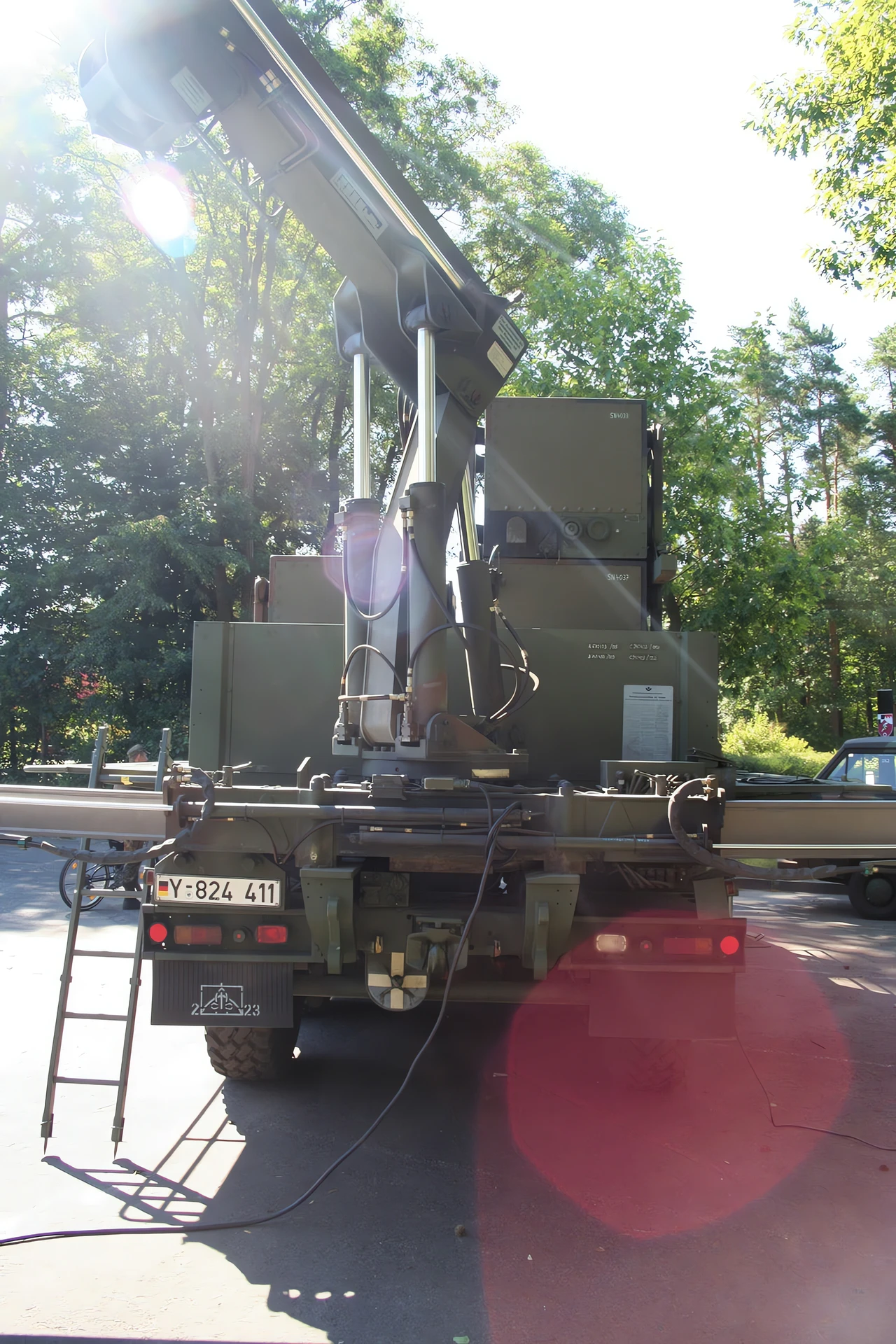
The MIM-104 Patriot (Phased Array Tracking Radar to Intercept Of Target) is a highly capable surface-to-air missile (SAM) system used by the United States Army and many allied nations. It was originally designed to engage aircraft but was modernized to counter tactical ballistic missiles (TBMs) and cruise missiles. The Patriot system is not a single vehicle but a highly integrated mobile battery, consisting of several key components linked by fiber optics and radio, including the Engagement Control Station (ECS), a power plant, and, most critically, the MPQ-53/65 Phased-Array Radar and the M901 Launching Station. Patriot batteries are typically deployed to protect high-value military assets, population centers, and critical infrastructure from air attack.
| Component | Description / Platform |
|---|---|
| System Role | Air and Missile Defense (AMD) |
| National Origin | Spojené štáty americké |
| Výrobca | Raytheon |
| Service Entry | 1984 |
| Primary Missile | PAC-2 (Patriot Advanced Capability-2) and PAC-3 |
| Radar Unit | AN/MPQ-53/65 (Phased-Array) |
| Launcher Platform | M901 Launching Station (Truck-mounted) |
| Total Missiles (per Battery) | Varies, typically 32 (PAC-2) to 128 (PAC-3) |
Missile and Performance (PAC-3 MSE Variant)
- Missile Type: The PAC-3 Missile Segment Enhancement (MSE) is the primary interceptor. It uses hit-to-kill technology (kinetic energy) rather than a blast fragmentation warhead.
- Guidance: Track-Via-Missile (TVM), combining ground radar tracking with missile-borne radar updates.
- Range (Approximate): Up to 150 km (93 mi) (PAC-2); 40 km (25 mi) for PAC-3 interceptors.
- Altitude (Approximate): 20 km+ (12 mi+).
- Launcher Capacity: An M901 station can hold 4 PAC-2 missiles OR 16 PAC-3 MSE missiles, increasing the launch power per station dramatically.
- Key Capability: Can engage multiple targets simultaneously and is specifically designed to intercept highly maneuverable ballistic missiles.
Radar and Engagement Control
- Radar Role: The AN/MPQ-65 radar performs search, identification, track, missile guidance, and counter-countermeasures functions.
- Radar Type: Passive electronically scanned array (PESA).
- Engagement Control Station (ECS): The command center where the crew monitors the air picture, identifies threats, and commands the firing units.
- Mobility: The entire system is mounted on trailers and trucks, allowing it to be relocated quickly, though setup and tear-down times are measured in hours, not minutes.
Views : 1928
Môžete tiež vidieť:
 Lietajúca bomba V-1 - fotografie a videá
 Bristol Bloodhound – fotografie a videá
 9K33 Osa – fotografie a videá
 Northrop JB-1 Bat – fotografie a videá
 Republic-Ford JB-2 - fotografie a videá
 MIM-3 Nike Ajax – fotografie a video
 Raketový tank IT-1 - fotografie a video
 Tracked Rapier - fotografie a videá
 SA-6 Gainful - fotografie a video
 Nosič závesov M1167 – WalkAround