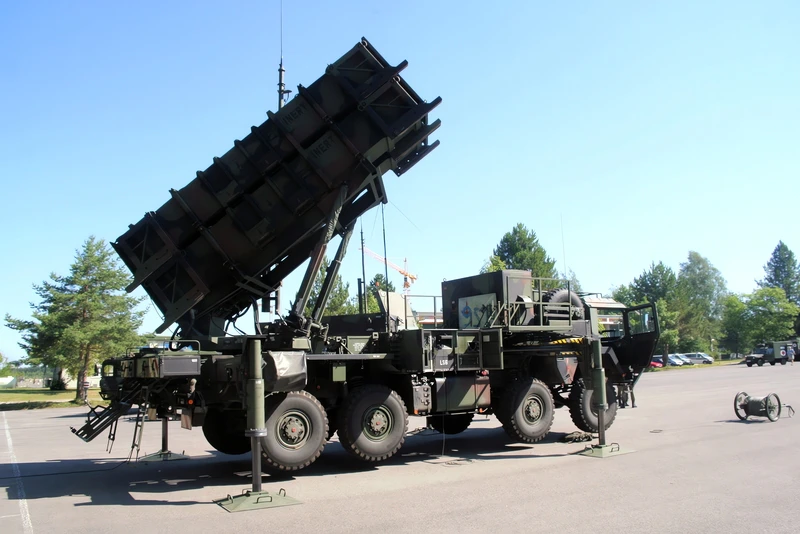
MIM-104 Patriot | |
|---|---|
| Страны | США |
| Роль | Мобильная ракета класса "земля-воздух" большой дальности с потенциалом противоракетной обороны |
| В эксплуатации | С 1981 года |
| Построен | 1100 пусковых установок |
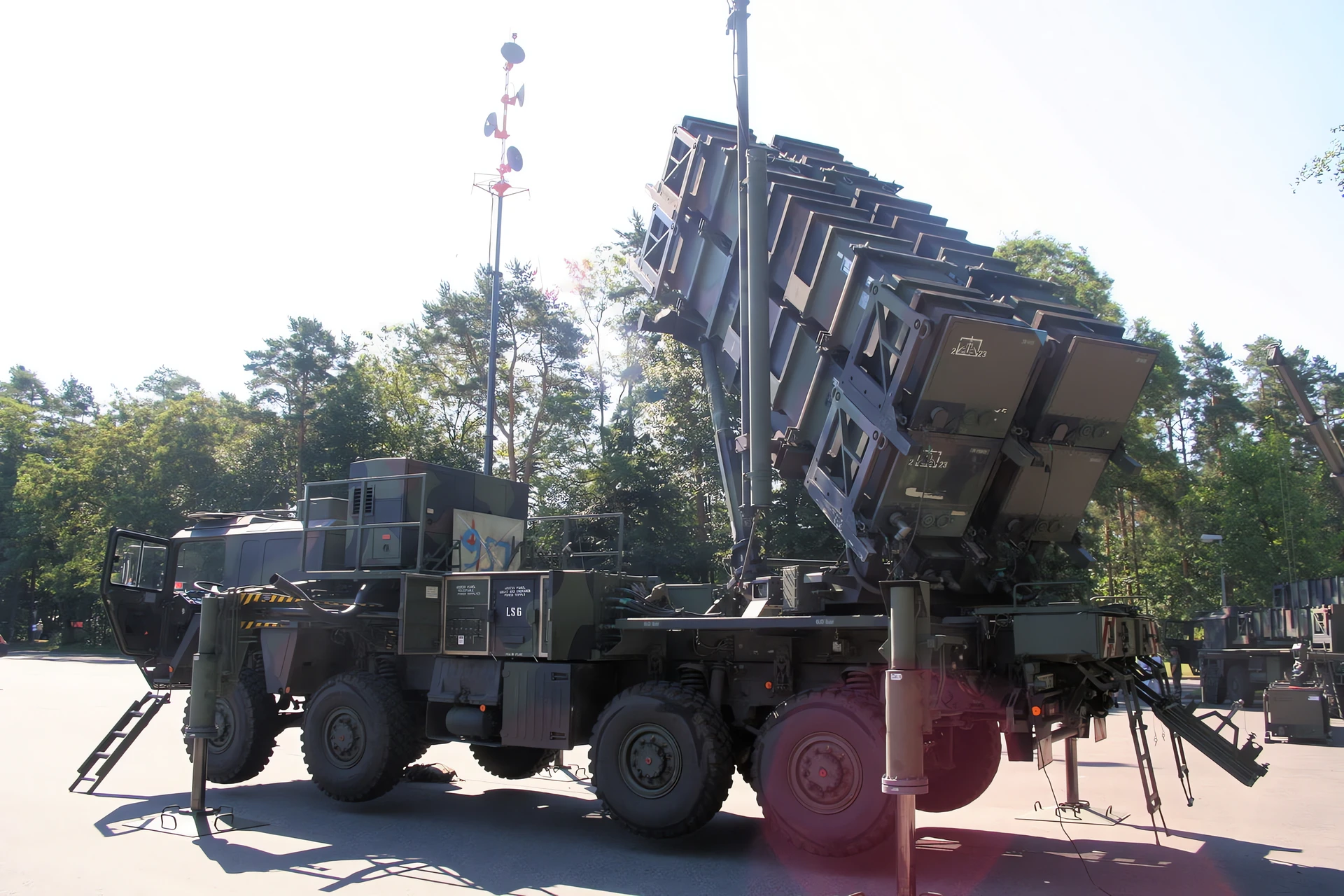
Teh МИМ-104 Патриот — система «земля-воздух», основная в своем роде используемая армией Соединенных Штатов и несколькими союзными государствами. Он изготовлен американским оборонным подрядчиком Raytheon и получил свое название от радиолокационного компонента оружейной системы. AN/MP-53 в центре системы известен как "Поэтапный радар слежения за массивом для перехвата на цели", который является бэкронимом для PATRIOT. Система Patriot заменила систему Nike Hercules в качестве основной системы высокой и средней ПВО армии США (HIMAD) и заменила систему MIM-23 Hawk в качестве средней тактической системы ПВО армии США. В дополнение к этим ролям, Patriot получил функции системы противоракетной обороны (ПРО) армии США, которая в настоящее время является основной миссией Patriot. Ожидается, что система будет работать по крайней мере до 2040 года
Источник: MIM-104 Патриот в Википедии
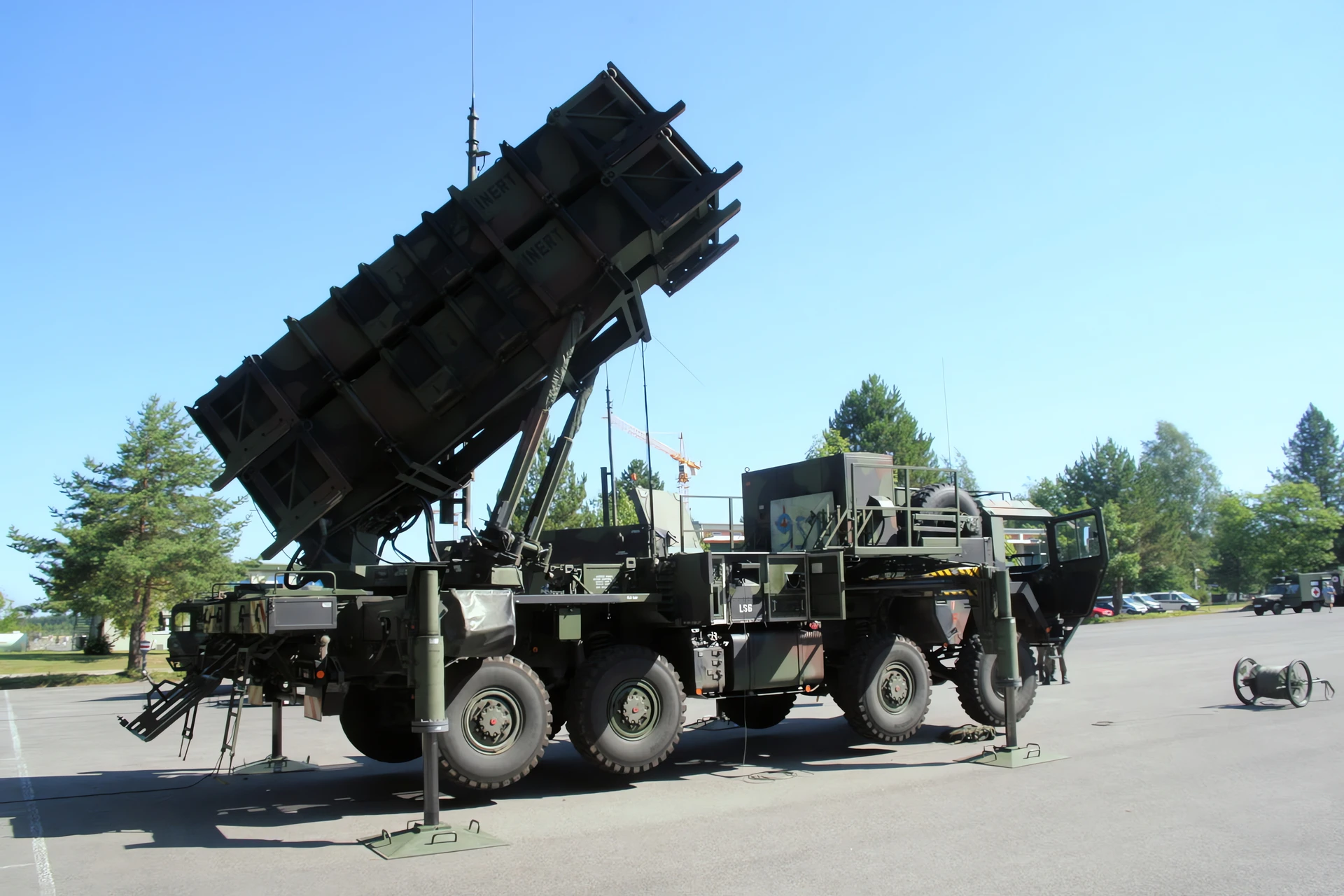
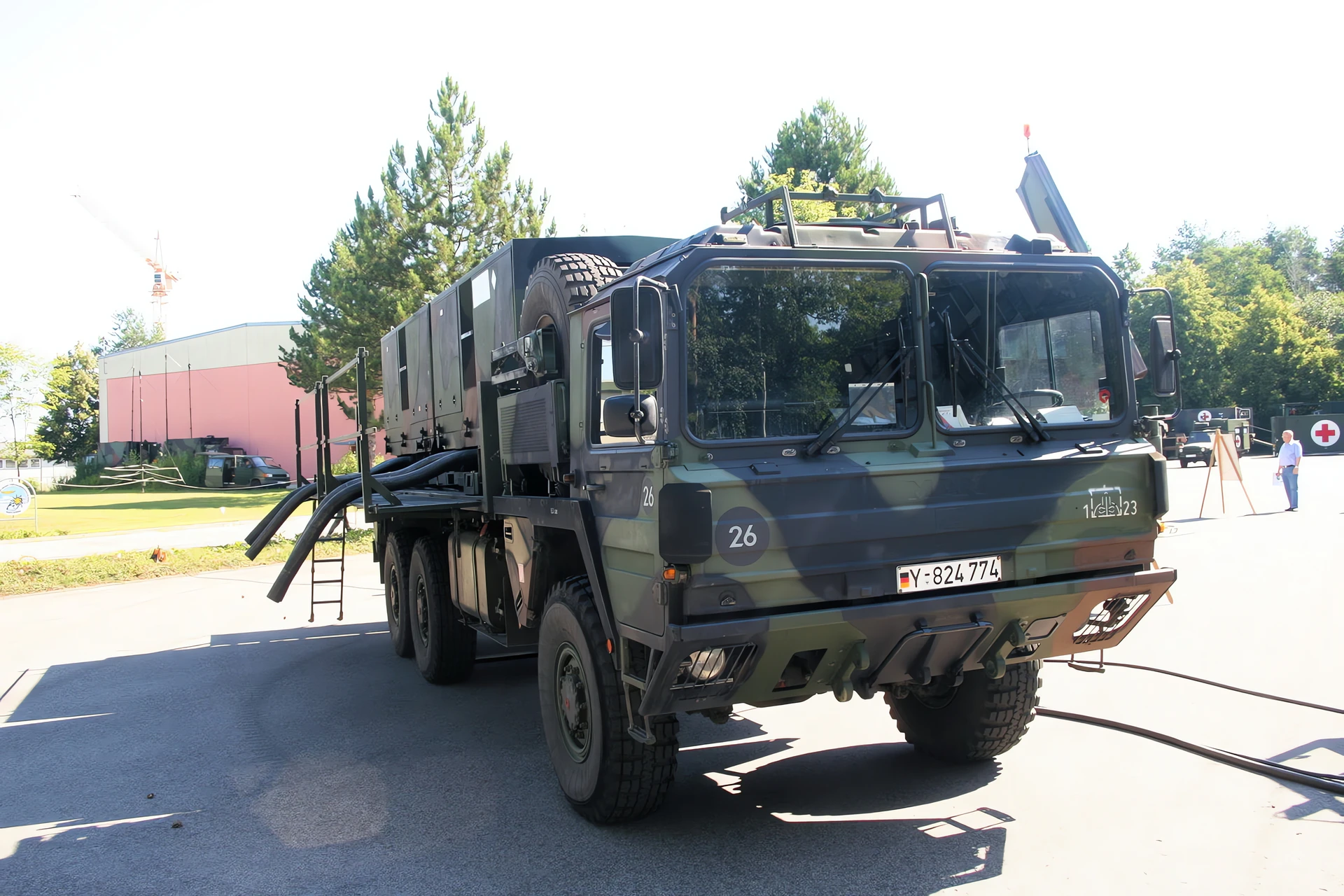
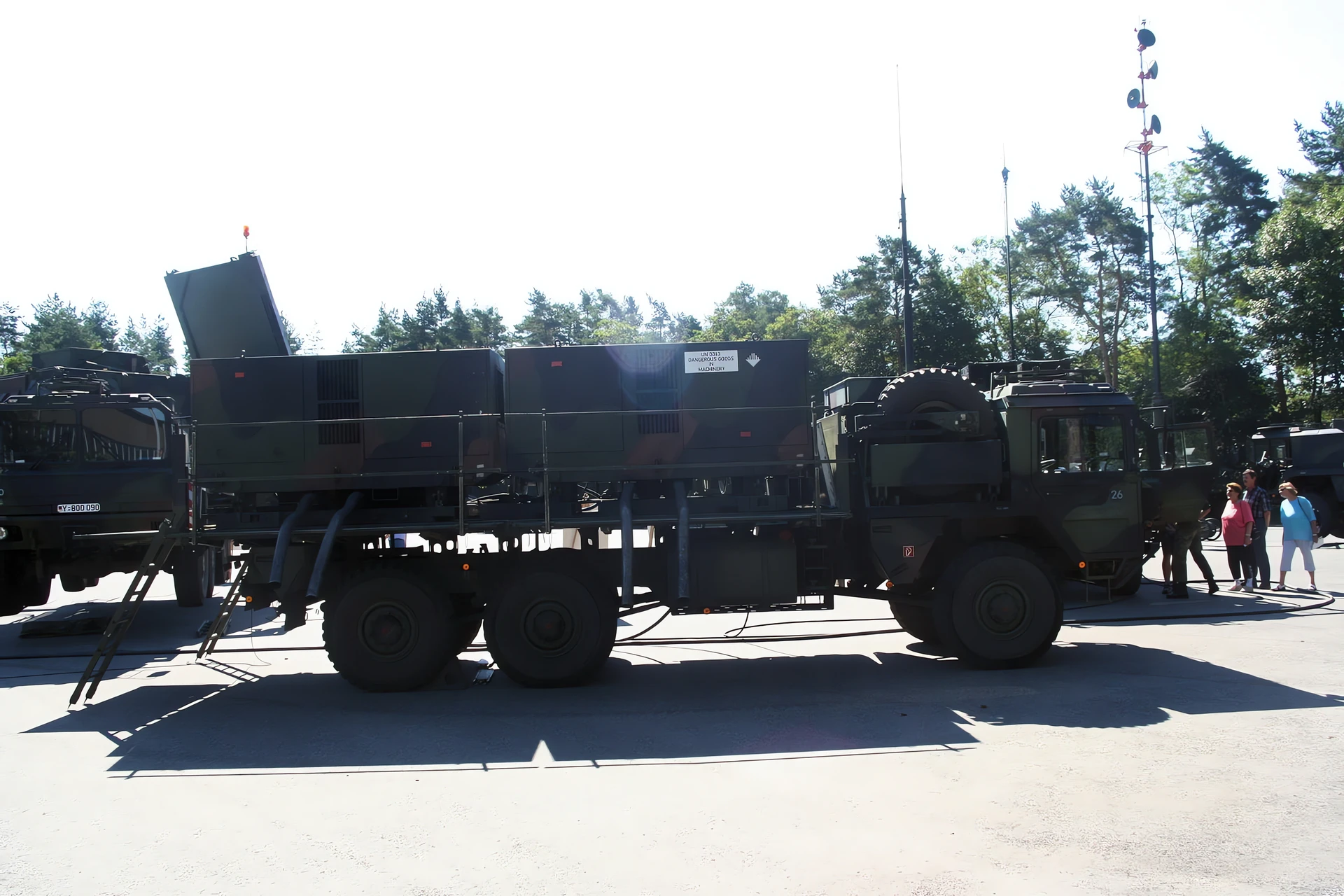
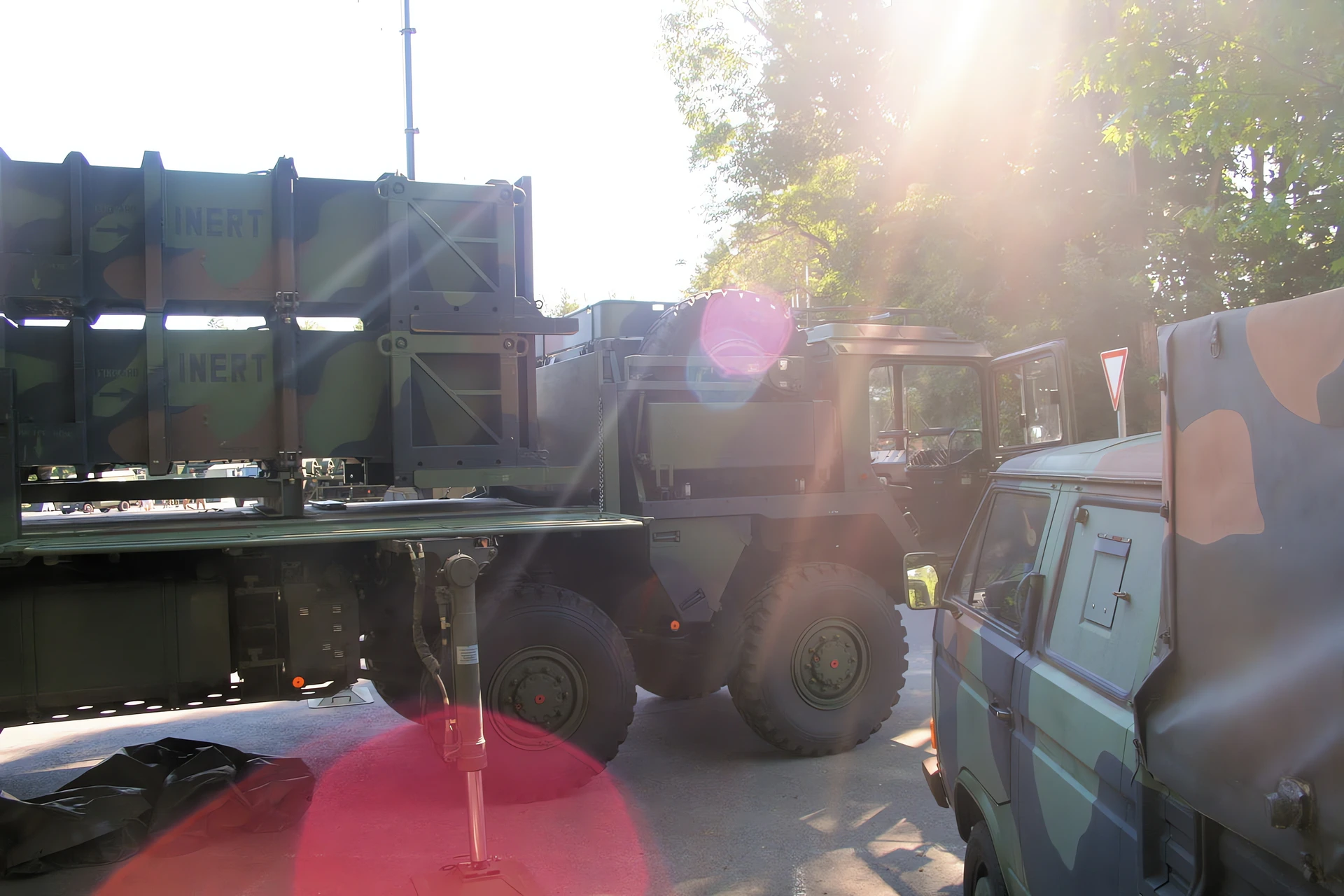
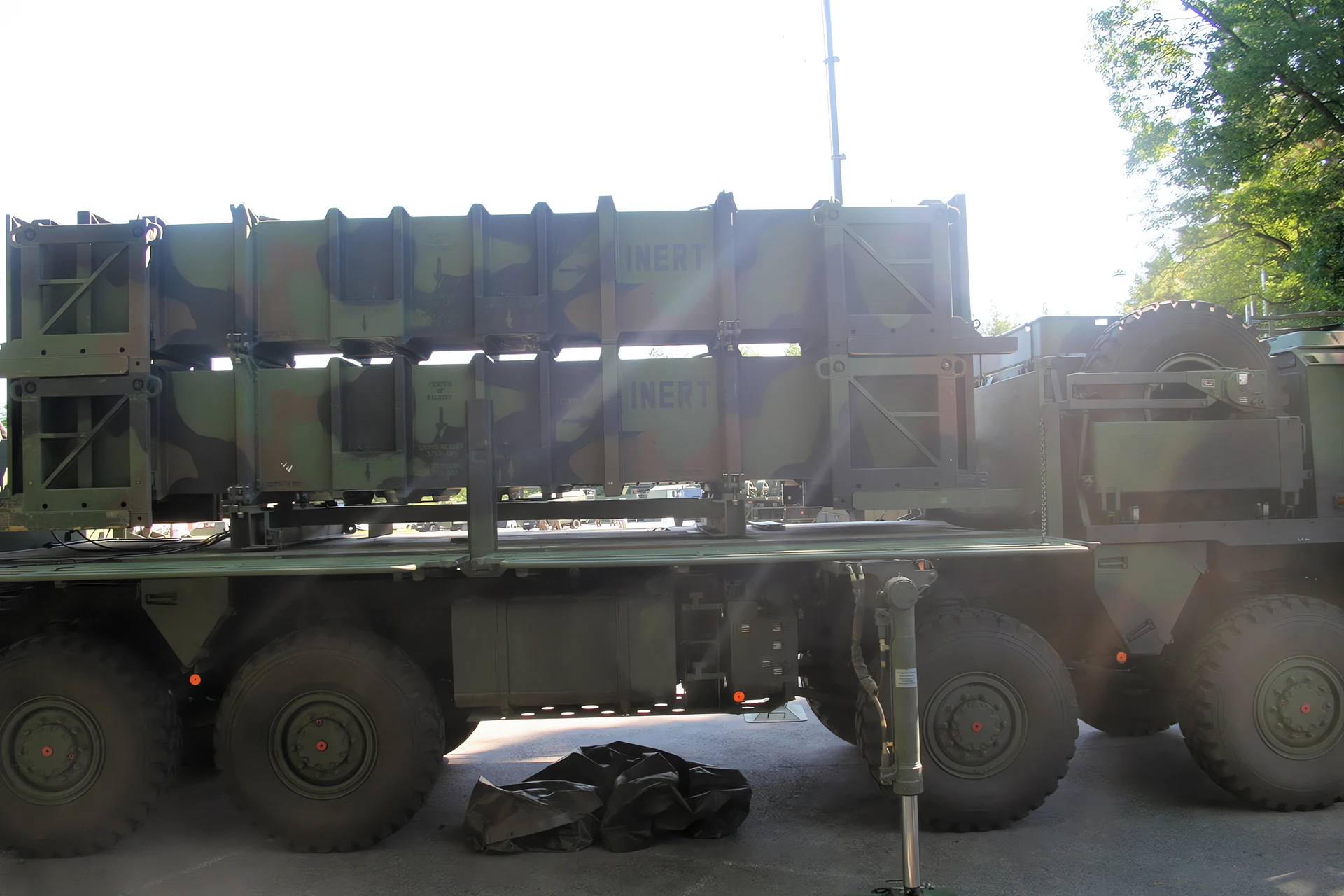
| Patriot Missile Battery Walk Around | |
|---|---|
| Photographer | Dieter Krause |
| Localisation | Unknow |
| Photos | 102 |

Читайте также:


General Characteristics and Role
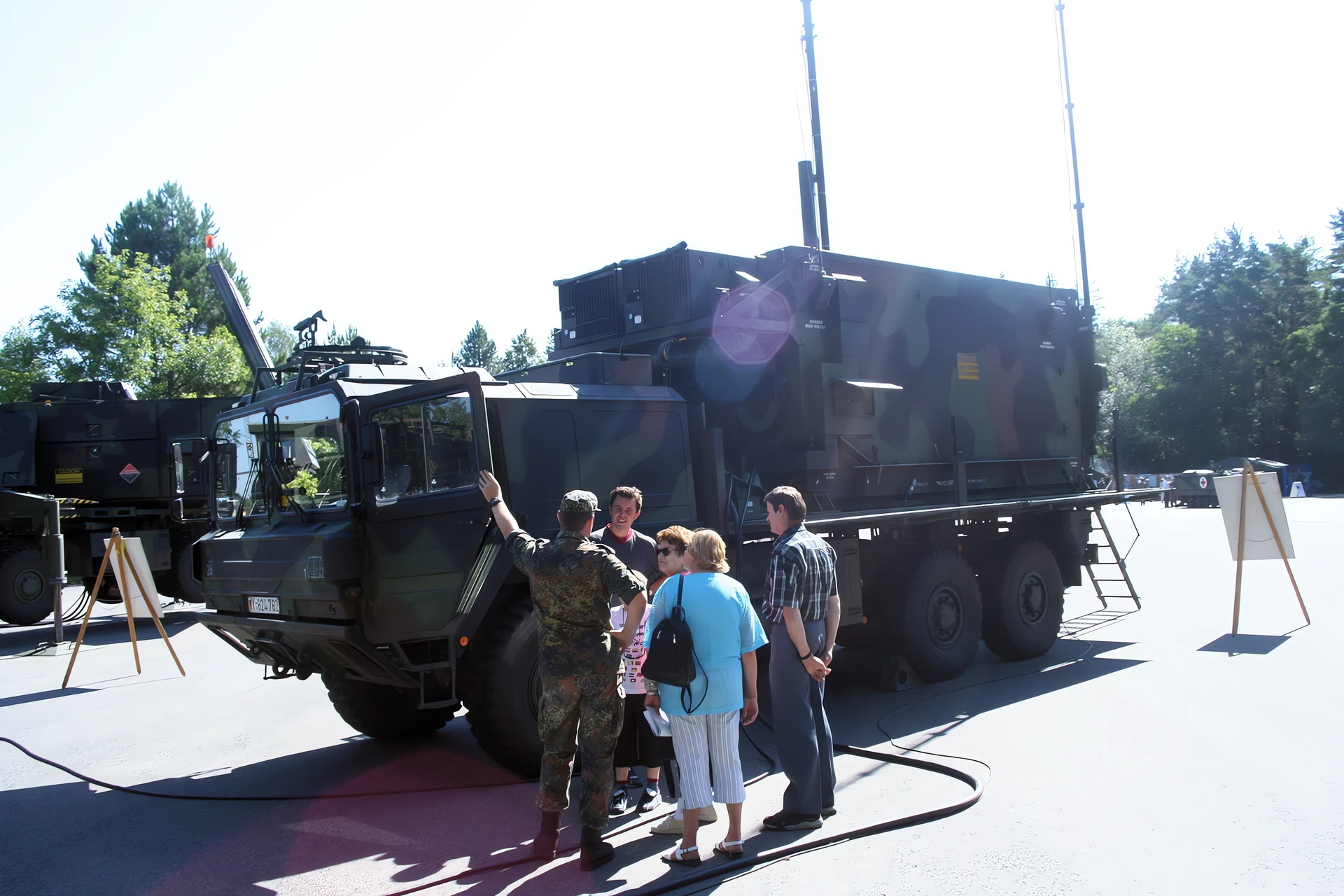
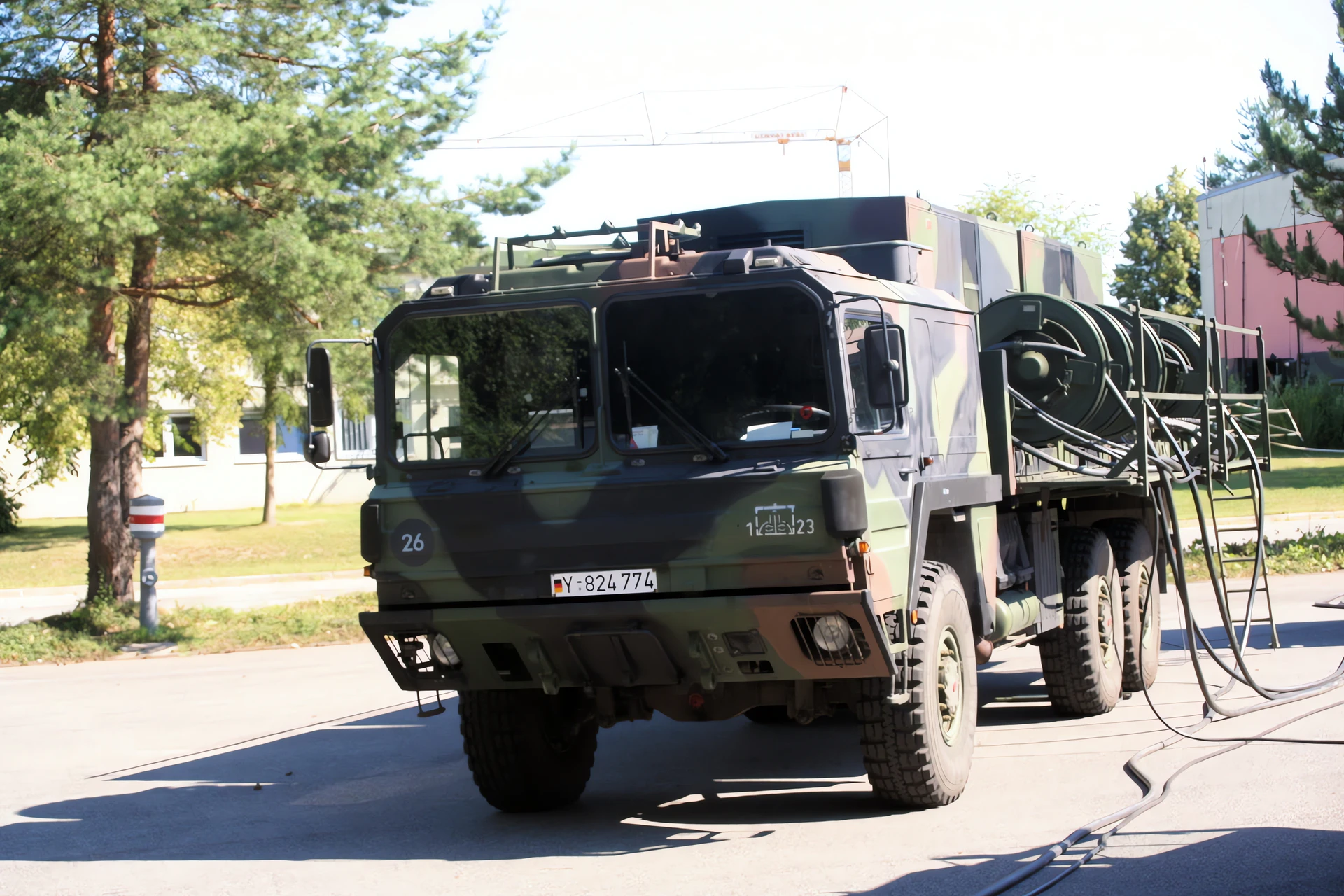
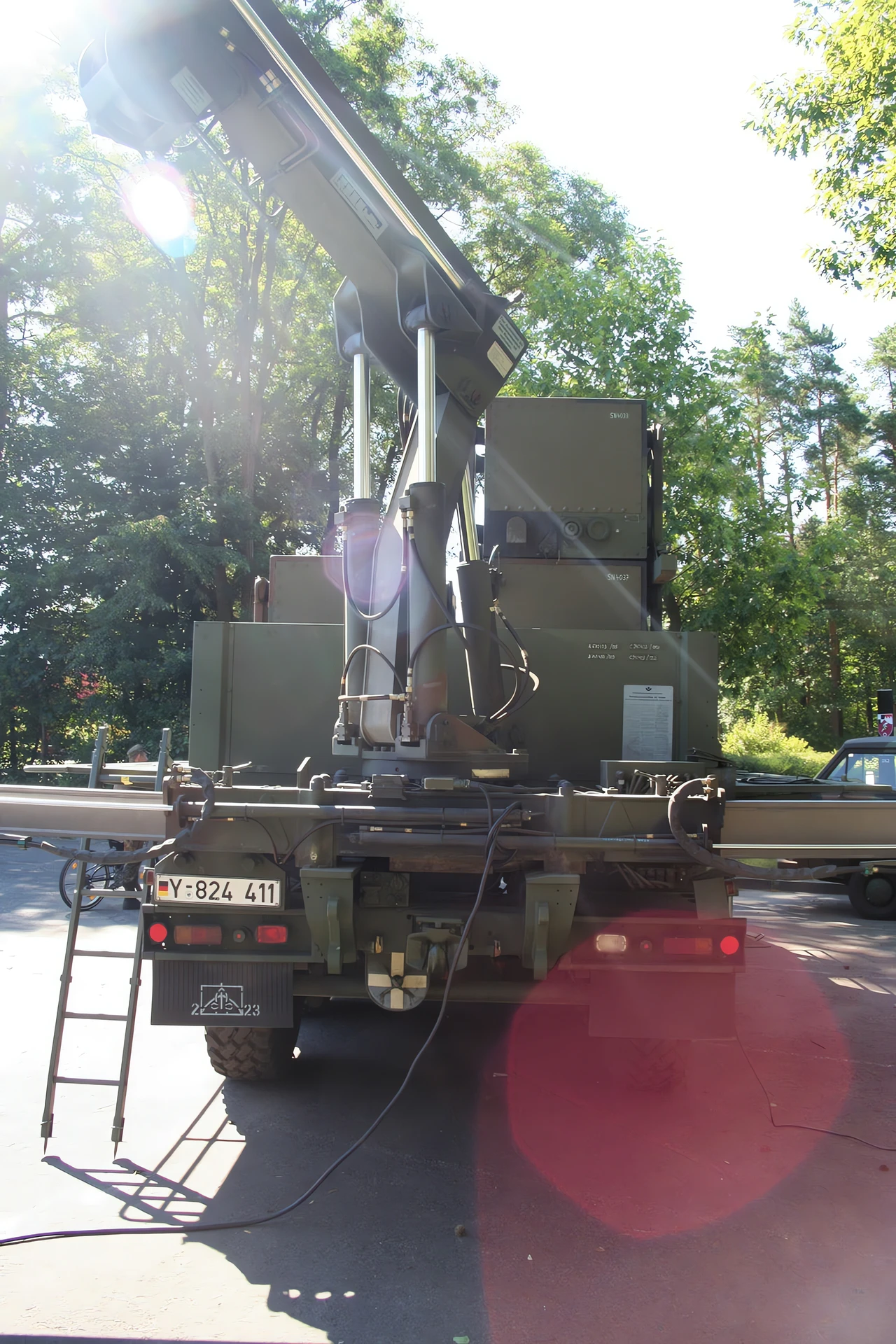
The MIM-104 Patriot (Phased Array Tracking Radar to Intercept Of Target) is a highly capable surface-to-air missile (SAM) system used by the United States Army and many allied nations. It was originally designed to engage aircraft but was modernized to counter tactical ballistic missiles (TBMs) and cruise missiles. The Patriot system is not a single vehicle but a highly integrated mobile battery, consisting of several key components linked by fiber optics and radio, including the Engagement Control Station (ECS), a power plant, and, most critically, the MPQ-53/65 Phased-Array Radar and the M901 Launching Station. Patriot batteries are typically deployed to protect high-value military assets, population centers, and critical infrastructure from air attack.
| Component | Description / Platform |
|---|---|
| System Role | Air and Missile Defense (AMD) |
| National Origin | США |
| Производителя | Raytheon |
| Service Entry | 1984 |
| Primary Missile | PAC-2 (Patriot Advanced Capability-2) and PAC-3 |
| Radar Unit | AN/MPQ-53/65 (Phased-Array) |
| Launcher Platform | M901 Launching Station (Truck-mounted) |
| Total Missiles (per Battery) | Varies, typically 32 (PAC-2) to 128 (PAC-3) |
Missile and Performance (PAC-3 MSE Variant)
- Missile Type: The PAC-3 Missile Segment Enhancement (MSE) is the primary interceptor. It uses hit-to-kill technology (kinetic energy) rather than a blast fragmentation warhead.
- Guidance: Track-Via-Missile (TVM), combining ground radar tracking with missile-borne radar updates.
- Range (Approximate): Up to 150 km (93 mi) (PAC-2); 40 km (25 mi) for PAC-3 interceptors.
- Altitude (Approximate): 20 km+ (12 mi+).
- Launcher Capacity: An M901 station can hold 4 PAC-2 missiles OR 16 PAC-3 MSE missiles, increasing the launch power per station dramatically.
- Key Capability: Can engage multiple targets simultaneously and is specifically designed to intercept highly maneuverable ballistic missiles.
Radar and Engagement Control
- Radar Role: The AN/MPQ-65 radar performs search, identification, track, missile guidance, and counter-countermeasures functions.
- Radar Type: Passive electronically scanned array (PESA).
- Engagement Control Station (ECS): The command center where the crew monitors the air picture, identifies threats, and commands the firing units.
- Mobility: The entire system is mounted on trailers and trucks, allowing it to be relocated quickly, though setup and tear-down times are measured in hours, not minutes.
Просмотров : 1917
Вы также можете увидеть:
 Летающая бомба V-1 – Фото и Видео
 Бристоль бладхаунд — фото и видео
 9K33 Osa – Фото и Видео
 Northrop JB-1 Bat – Фото и Видео
 Republic-Ford JB-2 – Фото и Видео
 MIM-3 Nike Ajax – Фото и Видео
 Ракетный танк IT-1 – Фото и Видео
 Гусеничная рапира – фото и видео
 SA-6 Gainful – фото и видео
 M1167 TOW Carrier - WalkAround