ドーニエ Do.335 | |
|---|---|
| 国 | ナチスドイツ |
| 役割 | 戦闘 爆撃機 |
| 初飛行 | 1943年10月26日 |
| 構築 | 37 |
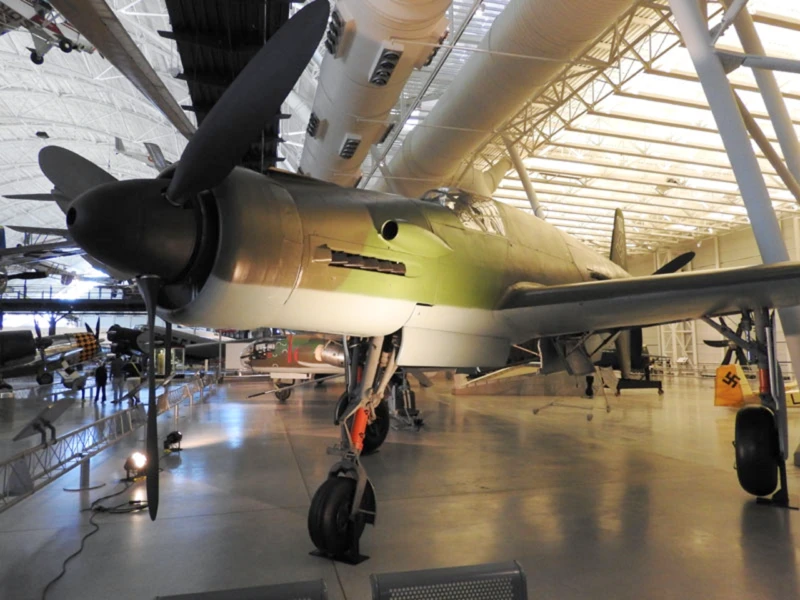
ザ ドーニエ Do 335 プエイル(「アロー」)は、ドーニエ社によって建てられた第二次世界大戦の重戦闘機でした。2人乗りのトレーナーバージョンは、アマイゼンバー(「アンテアター」)とも呼ばれ、Ameisenbärと呼ばれ、2人乗りのトレーナーバージョンは「アンテアター」と呼ばれ、2人乗りのトレーナーバージョンとも呼ばれます。Pfeilの性能は、そのユニークな「プッシュプル」レイアウトと2つのエンジンのインラインアライメントのはるかに低い空力ドラッグのために、他のツインエンジンのデザインよりもはるかに優れていた。それは第二次世界大戦のドイツ最速のピストンエンジン機でした。ドイツ空軍は設計を運用に取り入れるのに必死でしたが、エンジンの納入の遅れは、戦争が終わる前にほんの一握りしか届けられなかったことを意味しました。
ソース: ドーニエ Do.335 ウィキペディア
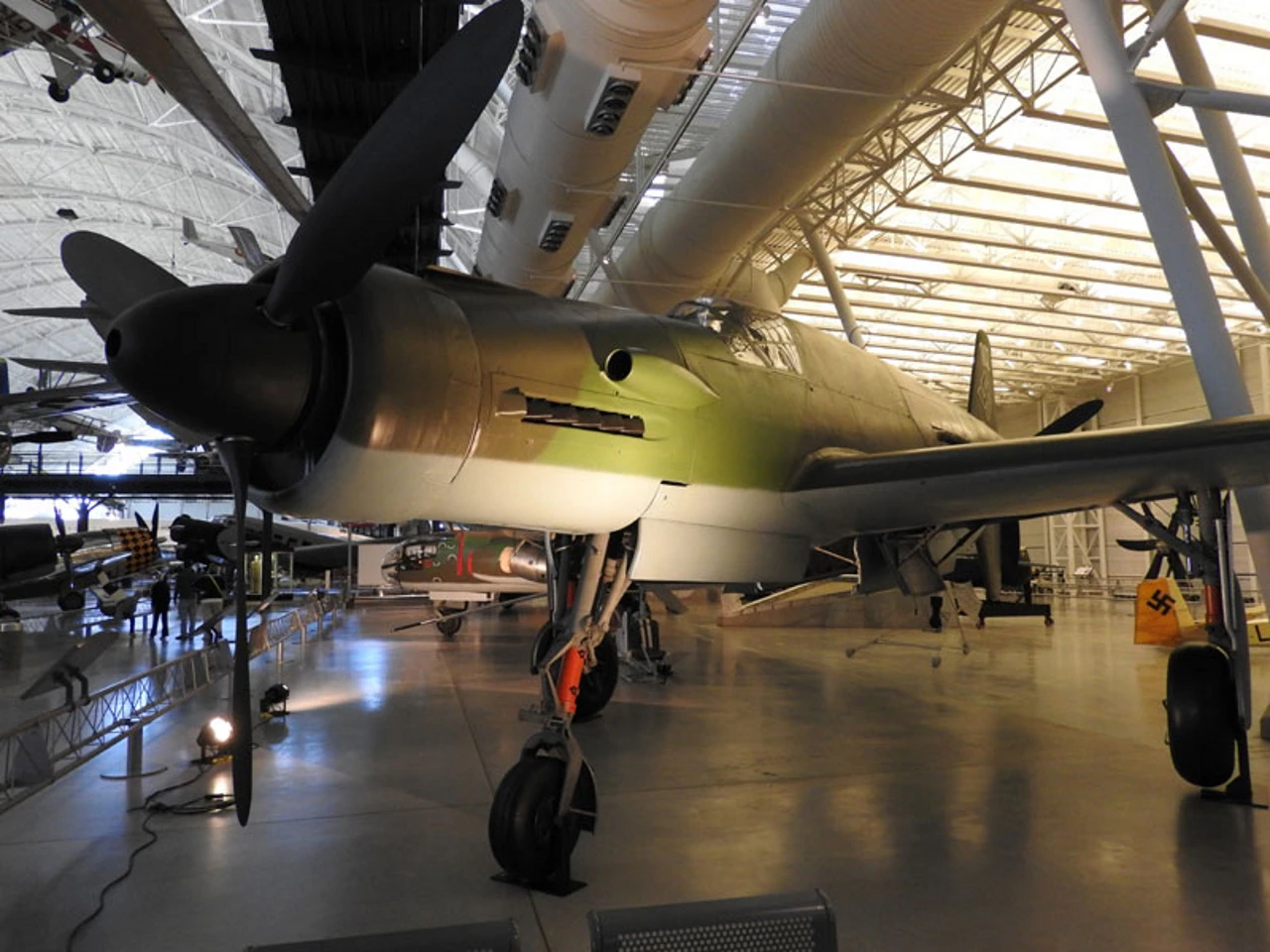
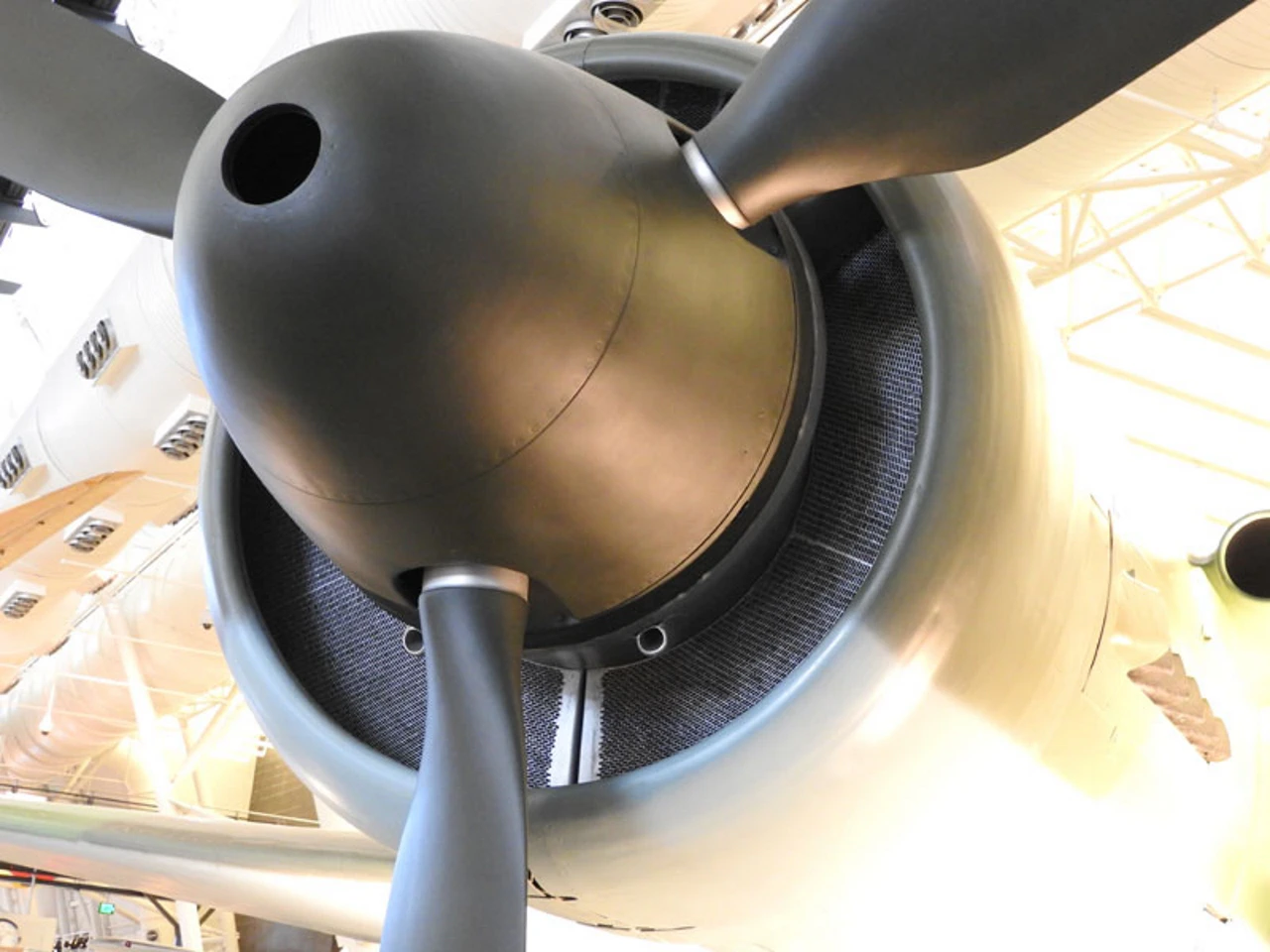
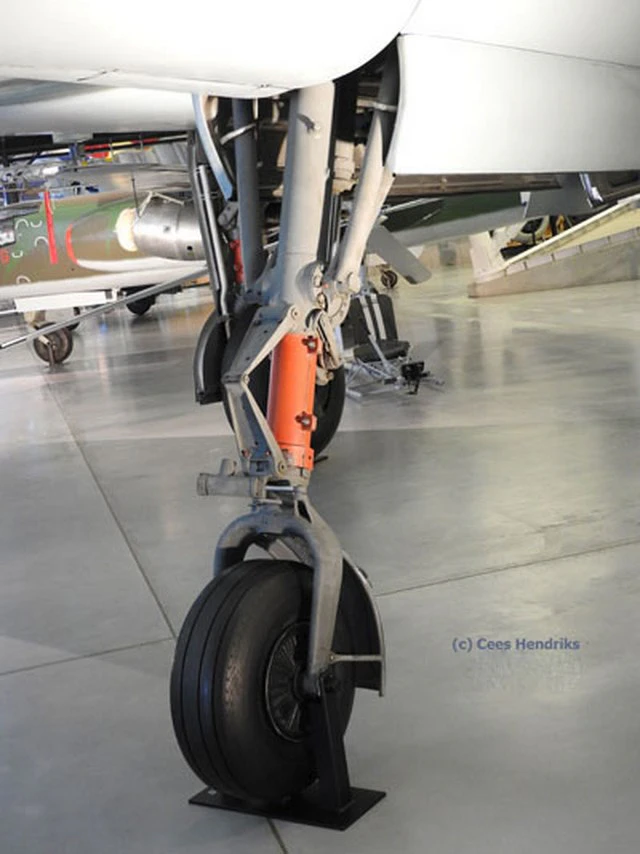
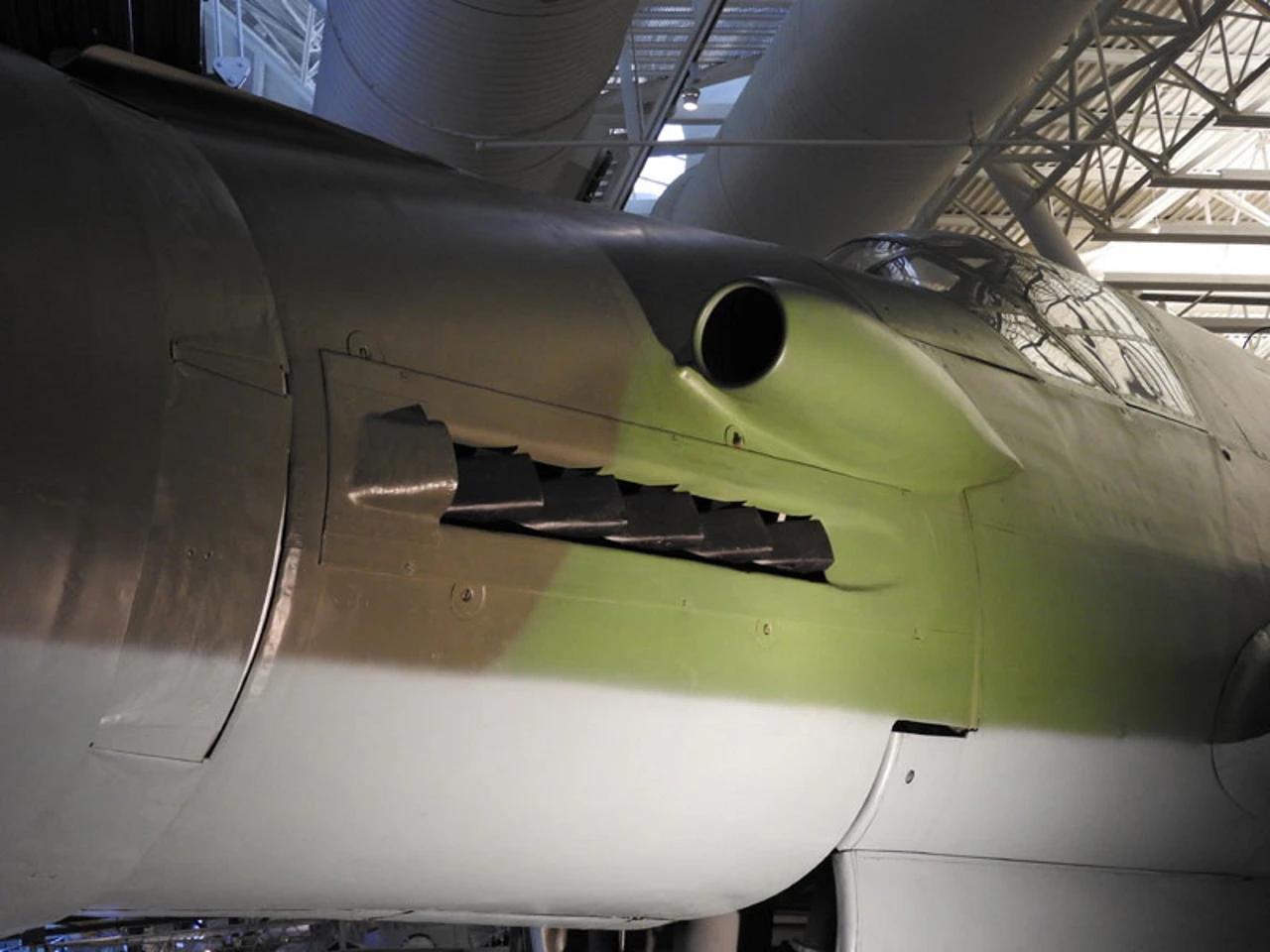
| ドーニエ Do.335 A-0 プフェイル・ウォーク・アラウンド | |
|---|---|
| カメラマン | セス・ヘンドリックス |
| ローカライズ | 知りません |
| 写真 | 67 |
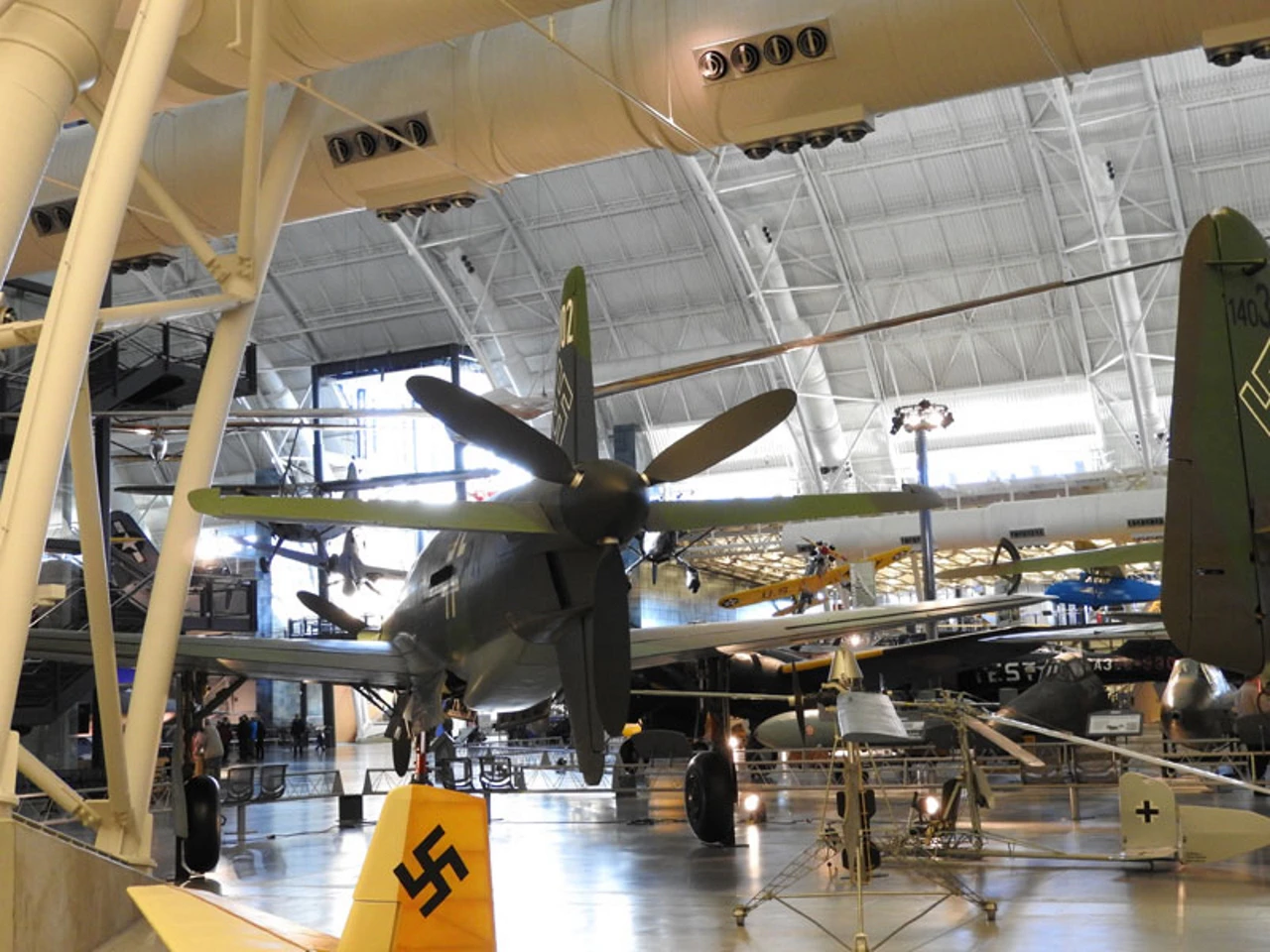
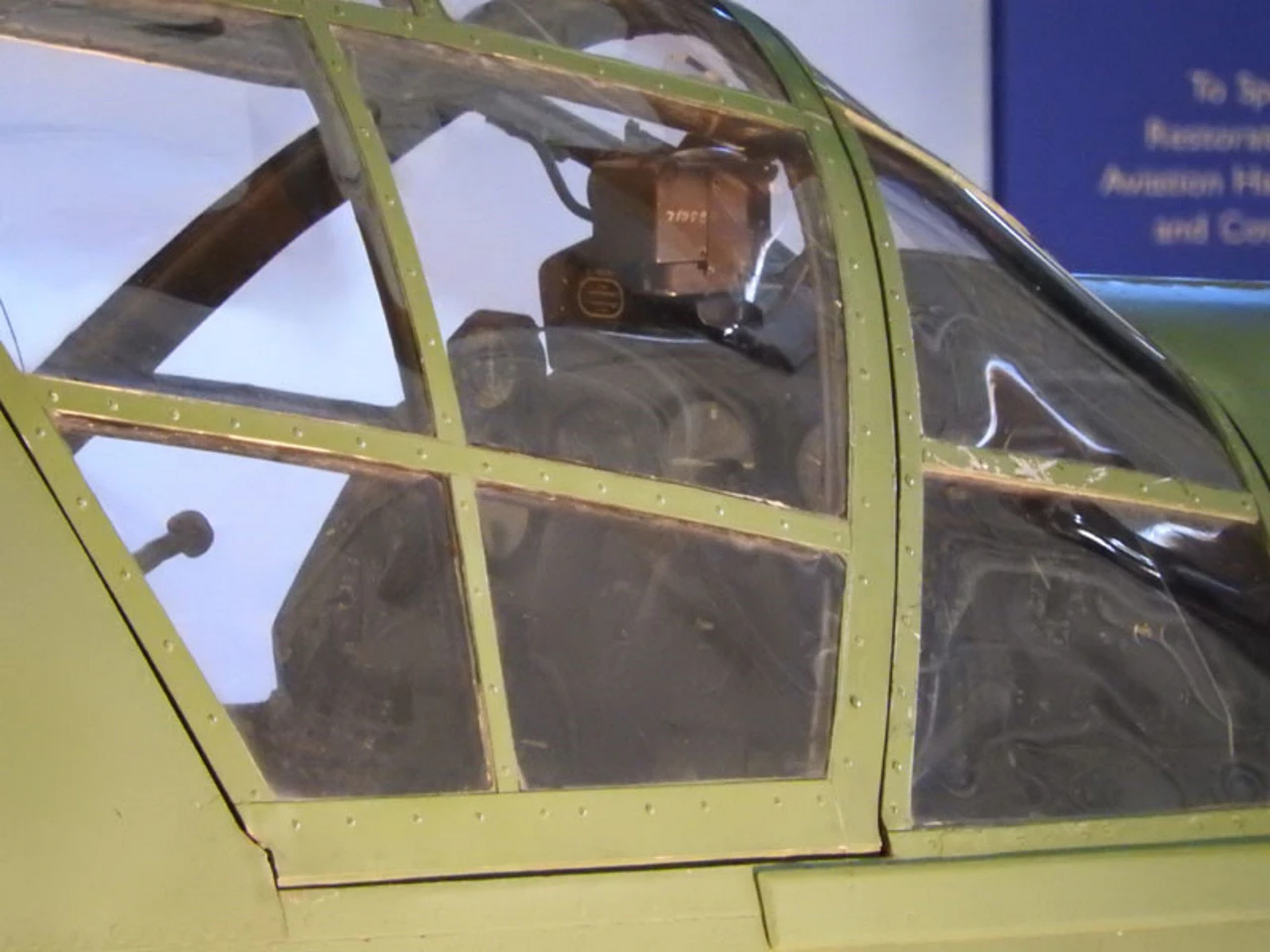
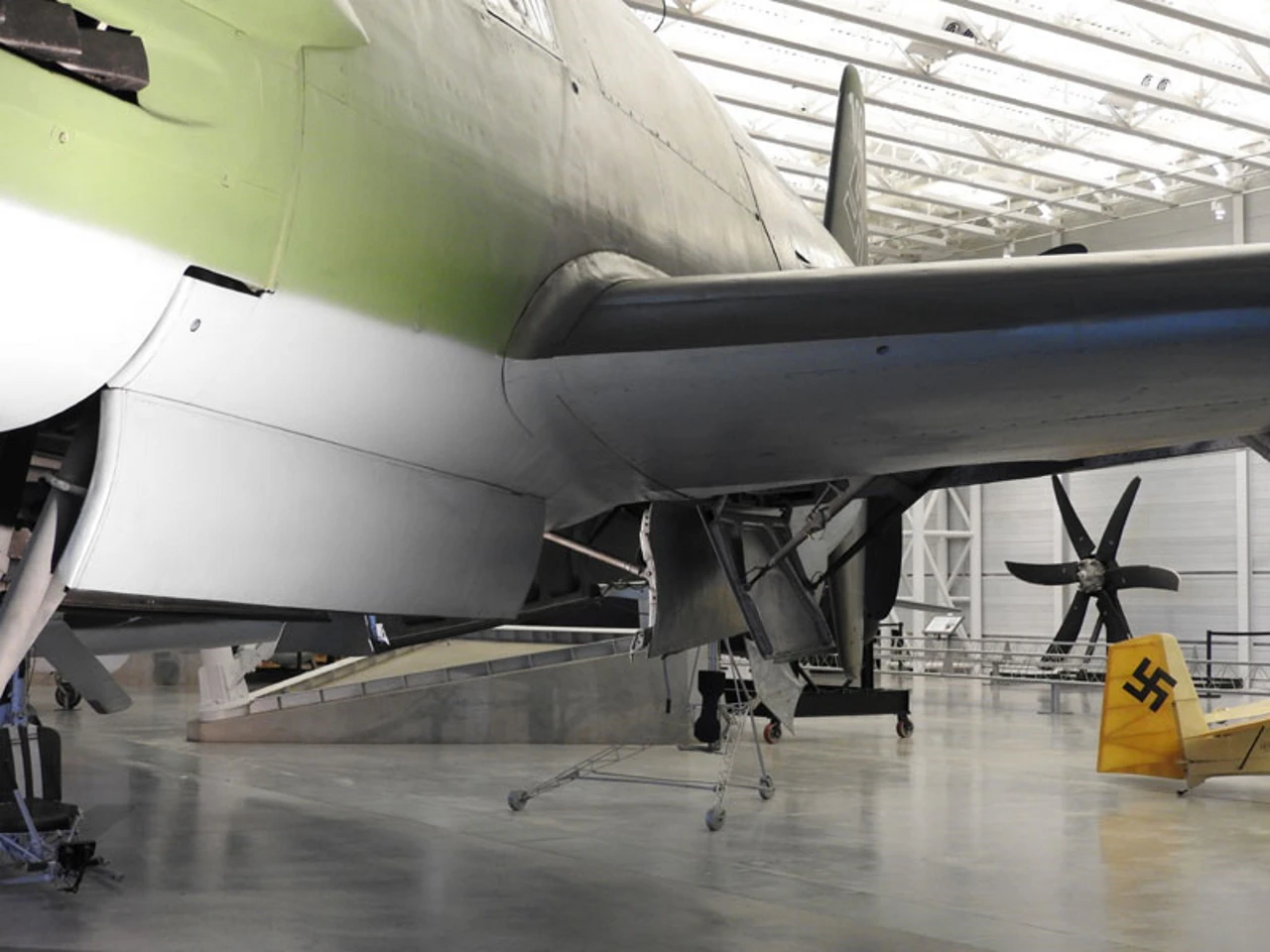
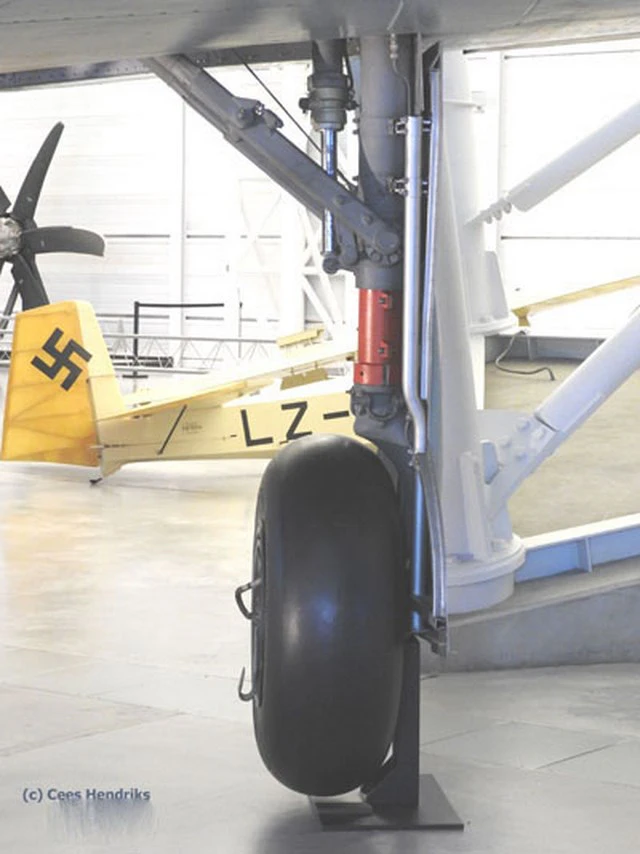
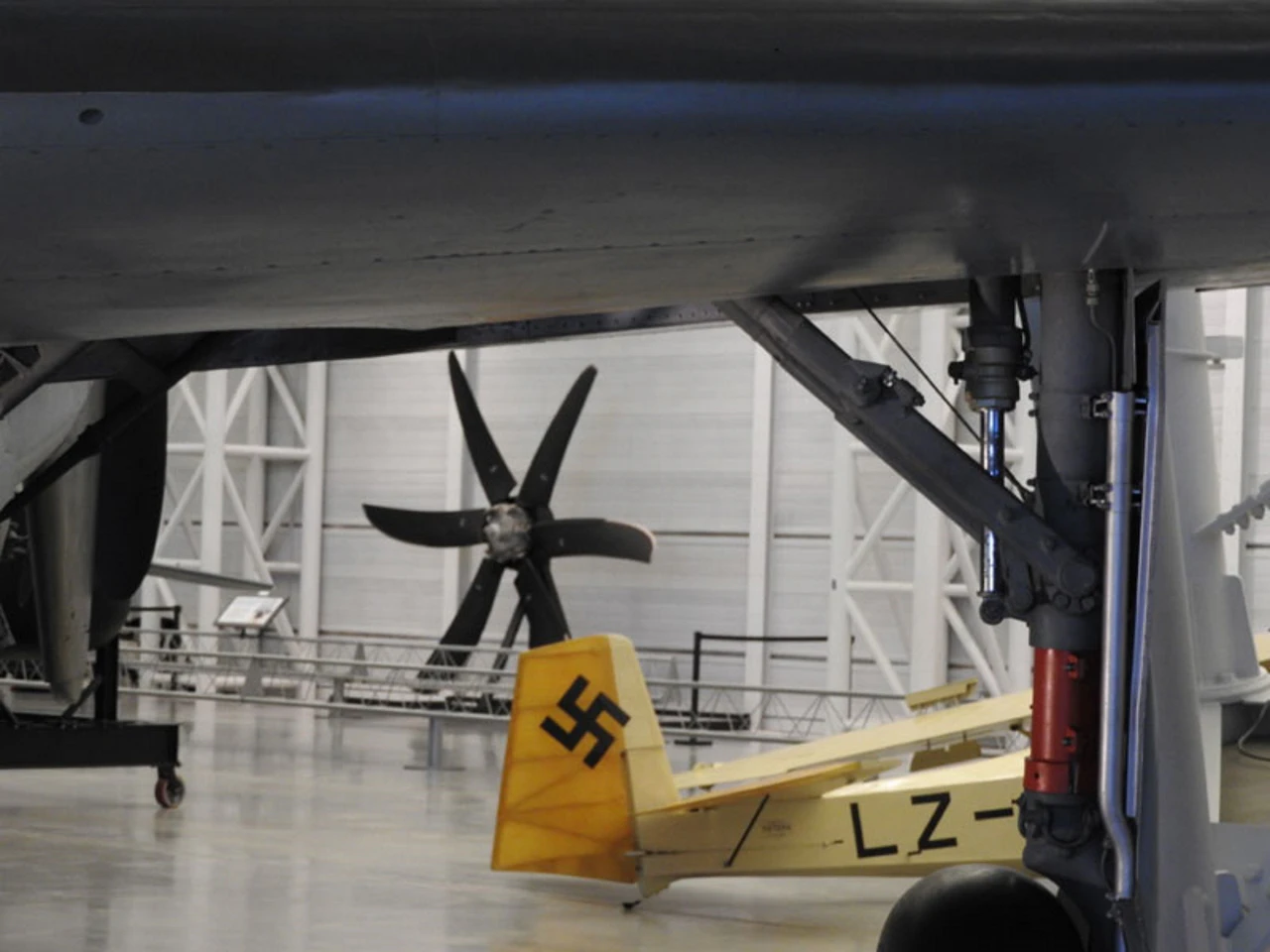

| Dornier Do 335 A B-2 Pfeil | |
|---|---|
| カメラマン | Unknow |
| ローカライズ | 知りません |
| 写真 | 26 |
関連項目:


A Radical Approach to Speed
ザ ドーニエ Do 335 プエイル was a revolutionary heavy fighter that defied conventional twin-engine design. By placing the engines in a “push-pull” tandem arrangement—one in the nose and one in the tail—Dornier eliminated the aerodynamic drag associated with wing-mounted nacelles and solved the deadly “asymmetric thrust” issues that plagued traditional twin-engine planes if one engine failed. The result was a massive, incredibly fast aircraft that could outrun almost anything in the sky.
| Attribute | Technical Specification (Do 335 A-1) |
|---|---|
| 役割 | Heavy Fighter / Fighter-Bomber |
| 乗組員 | 1 (A-series) or 2 (M-series night fighter) |
| First Flight | October 26, 1943 |
| パワープラント | 2 × Daimler-Benz DB 603E inverted V-12s |
| Horsepower | 1,800 hp (1,342 kW) per engine |
| 最高速度 | 474 mph (763 km/h) |
| Service Ceiling | 37,400 feet (11,400 m) |
| 武装 | 1 × 30mm MK 103 cannon (engine-mounted); 2 × 20mm MG 151/20 cannons |
The “Push-Pull” Innovation
- Tandem Engine Layout: The front engine drove a standard tractor propeller, while the rear engine drove a pusher propeller via a long extension shaft. This kept the frontal area small, giving the Do 335 the drag profile of a single-engine fighter despite having double the power.
- The Cruciform Tail: To protect the rear propeller during takeoff and landing, the Do 335 featured a unique four-finned “cross” tail. The lower vertical fin acted as a bumper to prevent the propeller from striking the runway if the pilot over-rotated.
- Emergency Separation: Because of the rear propeller, a traditional bailout was impossible. The Do 335 featured an ejection seat; before the pilot was launched, explosive bolts would blow off the rear propeller and the top vertical fin to ensure a clear escape path.
- Reversible Pitch Propellers: The rear propeller could be adjusted to provide reverse thrust, significantly shortening the landing run for such a heavy and fast aircraft.
Combat Capability & Late Arrival
- The “Anteater” (Ameisenbär): The two-seat night fighter version (Do 335 A-6) featured a second, raised cockpit for the radar operator, giving the aircraft a humped appearance that led to its ungraceful nickname.
- Heavy Firepower: The 30mm MK 103 cannon fired through the front propeller hub (Motorkanone), providing enough destructive power to down a heavy bomber with just a few hits.
- The “Ghost” Interceptions: While the Do 335 never saw major air-to-air combat, several Allied pilots reported seeing a massive, incredibly fast German plane that simply pulled away from them with ease. Famous French ace Pierre Clostermann once attempted to intercept one in a Hawker Tempest, but the “Arrow” outran him before he could get in range.
- Preservation: Only one complete Do 335 survives today. Captured by the Americans, it was returned to Germany for restoration in the 1970s before being placed on permanent display at the Steven F. Udvar-Hazy Center in Virginia, USA.
再生回数 : 6148